
Can Severums Live Peacefully with Angelfish? A Compatibility Deep Dive

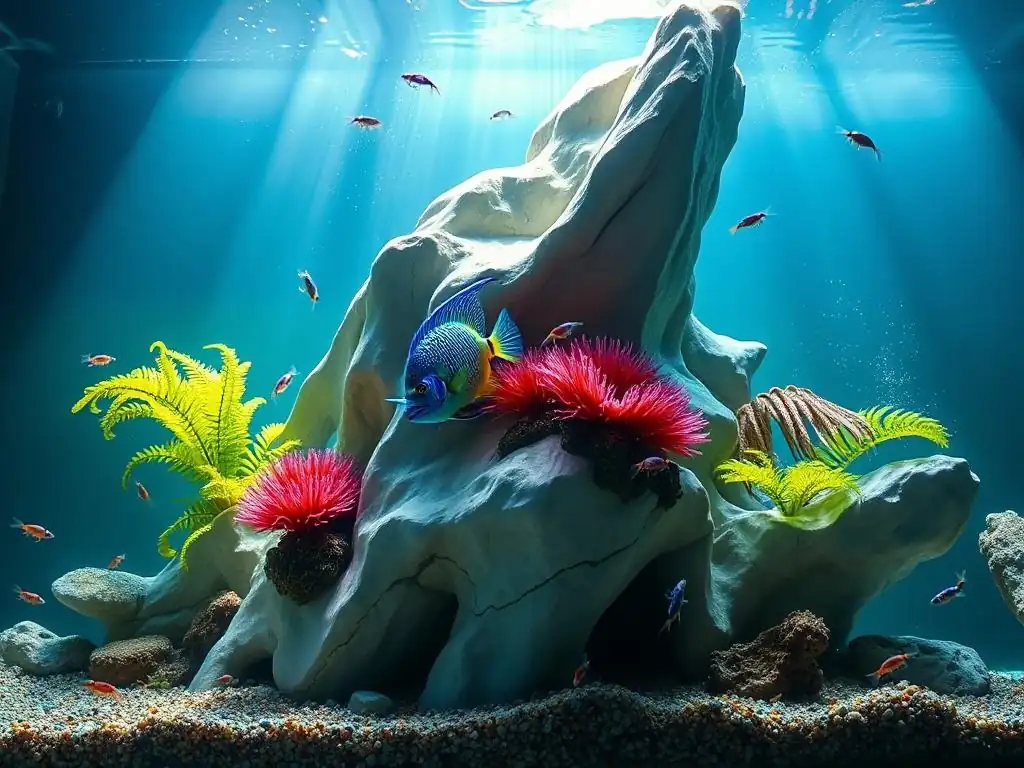
Welcome to Aquarium Mastery!
Ever wondered if the regal Severum and graceful Angelfish can truly share the same aquatic kingdom in peace? Dive in and explore our deep dive into "Severum angelfish peaceful coexistence." Uncover the secrets to creating a harmonious freshwater aquarium and discover whether these majestic species can thrive together, or if potential clashes lurk beneath the surface. Your journey to aquarium mastery starts here!
- Understanding Severum and Angelfish Temperaments for Successful Coexistence
- Tank Size Requirements for Severum and Angelfish Community Tanks
- Water Parameters and Tank Setup for Severum and Angelfish
- Diet and Feeding Considerations for a Mixed Cichlid Tank
- Potential Aggression Issues: Severum vs. Angelfish
- Choosing the Right Severum and Angelfish Tank Mates
- Monitoring Severum and Angelfish Health in a Community Tank
- Case Studies: Severum and Angelfish Compatibility
- Alternative New World Cichlid Community Tank Options
- Conclusion: Is Severum Angelfish Peaceful Coexistence Possible?
-
Frequently Asked Questions
- Can Severums and Angelfish really coexist peacefully in an aquarium?
- What size tank is required to attempt keeping Severums and Angelfish together?
- Are there specific personality traits of Severums or Angelfish that make them more or less suitable tankmates?
- What are the key considerations for setting up the aquarium to promote Severum and Angelfish peaceful coexistence?
- What should I do if I observe aggression between my Severums and Angelfish?
- Final Reflection: Harmony in the Aquarium
- Transform Your Tank: Start Your Severum-Angelfish Harmony!
Understanding Severum and Angelfish Temperaments for Successful Coexistence
Severum Cichlid Temperament: Generally Peaceful but Can Be Territorial
Severum cichlids, often referred to as "poor man's discus" due to their similar disc-shaped bodies and relatively calm demeanor, are generally considered peaceful large cichlids. They belong to the Heros genus and can grow quite large, typically reaching 8 to 10 inches in length, with some specimens exceeding 12 inches. While they possess a more docile nature compared to many other large cichlids like Oscars, Severums can exhibit territorial behavior, especially as they mature, during breeding, or if their tank space is limited.
This territoriality is often displayed through chasing or mild fin-nipping towards smaller or less assertive tank mates, particularly if they perceive a threat to their established area or food source. Factors such as insufficient hiding spots, an overcrowded tank, or competition for mates can significantly amplify their aggressive tendencies. While not overtly hostile, their size and potential for dominance mean careful consideration is needed when pairing them with other species to ensure Severum angelfish peaceful coexistence.
Angelfish Temperament: Graceful but Can Be Aggressive During Breeding
Angelfish ( Pterophyllum scalare) are renowned for their elegant, graceful appearance and flowing fins, making them one of the most popular choices for freshwater aquariums. In their juvenile stage, and when housed in appropriate conditions, they are typically peaceful and coexist well with many community fish. Adult Angelfish can reach impressive sizes, often growing up to 6 inches in height and length, and their unique body shape allows them to navigate planted environments with ease.
However, the peaceful facade of Angelfish can change dramatically, especially when they form breeding pairs. A breeding pair will become highly territorial, fiercely defending their eggs and fry from any perceived threat, including other tank mates. During these periods, their aggression can increase by an estimated 50-70%, leading to fin-nipping and chasing. Even outside of breeding, Angelfish can establish a pecking order within their group and may display aggression towards smaller or slower-moving fish, emphasizing the need for careful tank mate selection for Severum angelfish peaceful coexistence.
Tank Size Requirements for Severum and Angelfish Community Tanks
Minimum Tank Size for a Severum and Angelfish Pair: 75 Gallons
Housing Severums and Angelfish together successfully primarily hinges on providing ample space. For a single Severum, a minimum of 55 gallons is often recommended, while a group of Angelfish typically requires 30-40 gallons. When combining these two species, which both grow relatively large and can exhibit territorial behaviors, a 75-gallon aquarium should be considered the absolute minimum. This size allows for sufficient swimming room for both species and helps dilute potential aggression.
Ideally, a larger tank of 100 to 125 gallons or more is highly recommended, especially if you plan to keep multiple individuals of each species or other tank mates. More space translates directly to reduced stress levels, better water quality stability, and a lower likelihood of territorial disputes. In tanks of 125 gallons, for instance, a group of 2-3 Severums and 4-6 Angelfish can often establish territories without constant conflict, promoting Severum angelfish peaceful coexistence.
Overstocking Risks: Increased Aggression and Poor Water Quality
Overstocking an aquarium with Severums and Angelfish, or any fish for that matter, carries significant risks that directly undermine the goal of Severum angelfish peaceful coexistence. When fish are confined to inadequate space, their natural territorial instincts are amplified, leading to increased aggression, constant chasing, and stress. This chronic stress weakens their immune systems, making them highly susceptible to common aquarium diseases like Ich or Fin Rot.
Beyond behavioral issues, overstocking severely compromises water quality. More fish produce more waste, leading to a rapid accumulation of ammonia, nitrite, and nitrates. Even with robust filtration, this necessitates more frequent and larger water changes – for example, moving from a standard 25% weekly change to 50% or even 75% bi-weekly. Consistently poor water parameters not only stress the fish but can also stunt their growth, dull their coloration, and drastically shorten their lifespan, making a truly thriving community impossible.
Water Parameters and Tank Setup for Severum and Angelfish
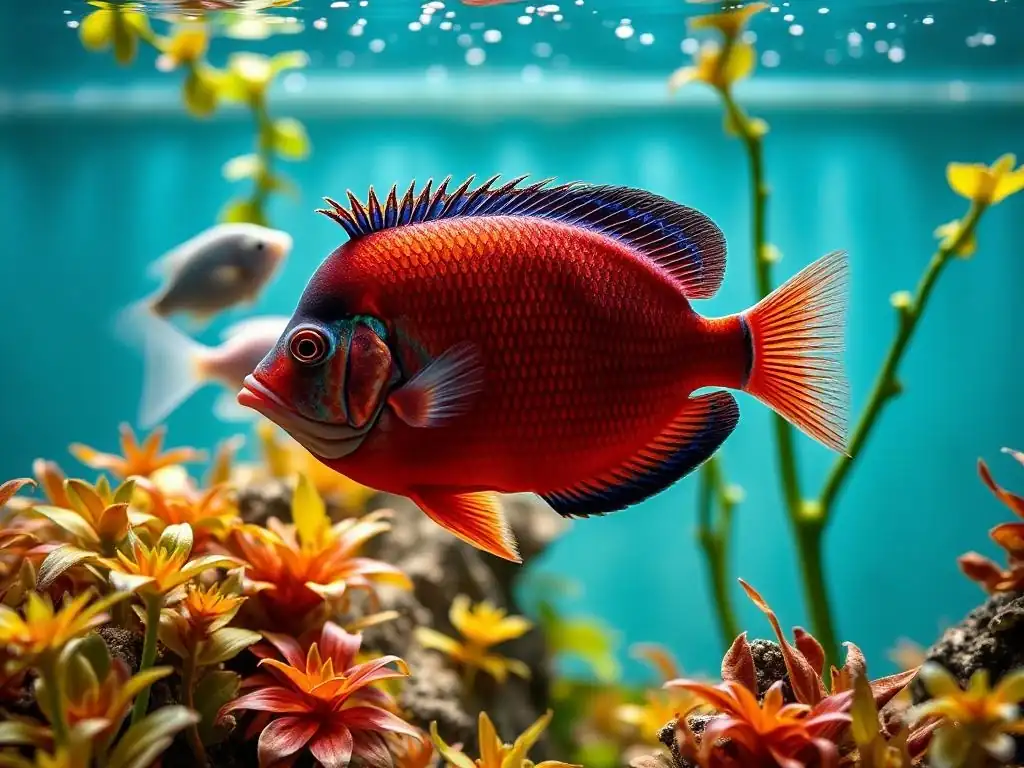
Ideal Water Conditions: pH 6.0-7.0, Temperature 78-84°F, Soft to Moderately Hard Water
Both Severums and Angelfish originate from the Amazon basin and surrounding South American river systems, where water is typically soft, acidic, and warm. For optimal health and to encourage Severum angelfish peaceful coexistence, maintaining consistent water parameters within their preferred range is crucial. An ideal pH range for both species is between 6.0 and 7.0, leaning towards slightly acidic. The water temperature should be kept stable between 78°F and 84°F (approximately 25.5°C to 29°C).
In terms of hardness, soft to moderately hard water is preferred, with a General Hardness (GH) of 5-12 dGH. Stability is key; sudden fluctuations in pH or temperature are highly stressful and can lead to illness. Regular water testing, at least once a week, is essential to monitor ammonia and nitrite (which should be zero), and nitrates (ideally below 20 ppm). A robust filtration system, including biological, mechanical, and chemical filtration, is indispensable for maintaining these pristine conditions.
Creating a Suitable Habitat: Driftwood, Broadleaf Plants, and Fine Gravel
A well-designed tank setup is paramount for promoting Severum angelfish peaceful coexistence. Both species benefit from a habitat that mimics their natural environment, providing both open swimming areas and ample hiding spots. Incorporate large pieces of driftwood and smooth rocks to create visual barriers and territories. These natural elements also offer places for fish to retreat when feeling stressed or needing a break from tank mates.
Broadleaf aquatic plants, such as Amazon Swords ( Echinodorus species), Anubias, and Java Ferns, are excellent choices. They provide cover for Angelfish to rest among their leaves and help break up lines of sight, which can significantly reduce aggression. A fine gravel or sand substrate is suitable, as Severums occasionally sift through the substrate. Ensure there's sufficient open water space in the middle and upper levels for Angelfish to swim gracefully, alongside more densely decorated areas at the bottom and sides for both species to explore and hide.
Diet and Feeding Considerations for a Mixed Cichlid Tank
Nutritional Needs of Severums and Angelfish: Omnivorous Diet with Vegetable Matter
Both Severums and Angelfish are omnivores, requiring a varied and high-quality diet to thrive. Their diet should consist of a good balance of protein and vegetable matter. High-quality cichlid pellets and flakes should form the staple of their diet. For Severums, which are known to graze on plant matter in the wild, it's particularly important to include foods rich in spirulina or offer blanched vegetables like spinach, zucchini, or shelled peas a few times a week.
Supplementing their diet with frozen foods such as bloodworms, brine shrimp, mysis shrimp, and daphnia provides essential protein and vitamins, enhancing their color and vitality. Offering these frozen treats 2-3 times a week can significantly boost their overall health. A well-nourished fish is less likely to be stressed, which contributes positively to Severum angelfish peaceful coexistence and overall tank harmony.
Preventing Food Competition: Varied Food Sizes and Multiple Feeding Times
Food competition can be a significant source of stress and aggression in a mixed cichlid tank. To prevent this, implement strategies that ensure all fish receive adequate nutrition without intense competition. Feeding smaller amounts multiple times a day (e.g., 2-3 times) rather than one large meal can reduce frantic scrambling and allow slower or more timid fish to eat. This also helps prevent overfeeding and maintains better water quality.
Additionally, offering a variety of food types and sizes simultaneously can cater to different feeding preferences and habits. For instance, flakes can be offered at the surface for Angelfish, while sinking pellets can be dropped for Severums and any bottom-dwelling tank mates. Scattering food widely across the tank can also help distribute it more evenly, preventing a single dominant fish from hogging all the food. Careful observation during feeding times will help identify if any fish are being outcompeted, allowing you to adjust your strategy for optimal Severum angelfish peaceful coexistence.
Potential Aggression Issues: Severum vs. Angelfish
Identifying Signs of Aggression: Torn Fins, Hiding, and Rapid Breathing
Even with the best intentions, aggression can sometimes surface in a Severum and Angelfish community tank. It's crucial to be vigilant and recognize the early signs of conflict. The most common physical indicator is torn or frayed fins, particularly on the Angelfish, whose long, flowing fins are easy targets for nipping. Other signs include one fish constantly chasing another, preventing it from accessing food or prime hiding spots.
Behavioral changes are equally telling. A bullied fish may exhibit excessive hiding, spending most of its time in a corner or behind decor. It might refuse to eat, display faded coloration, or have clamped fins. Rapid breathing (gilling) is a clear sign of severe stress and fear. Severums might flare their gills, tremble their bodies, or engage in mouth-locking with other fish. Recognizing these signs early allows for intervention before serious injury or chronic stress impacts the Severum angelfish peaceful coexistence.
Strategies to Minimize Aggression: Introduce Simultaneously, Provide Ample Space and Hiding Places
Minimizing aggression between Severums and Angelfish involves proactive planning and continuous management. One effective strategy is to introduce both species to the tank simultaneously, ideally when they are still relatively young and similar in size. This prevents one species from establishing dominance over the entire tank before the other arrives. If adding new fish to an established tank, rearrange the decor to disrupt existing territories and reduce the initial territorial claims.
Environmental factors play a huge role. As previously emphasized, a generously sized tank (75 gallons minimum, 125+ recommended for groups) provides ample space for each fish to establish its own territory without constant encroachment. Crucially, provide numerous visual breaks and hiding spots using tall plants, driftwood, and rock formations. These barriers allow less dominant fish to retreat and hide, reducing direct confrontation and giving them a sense of security, which is vital for Severum angelfish peaceful coexistence.
Choosing the Right Severum and Angelfish Tank Mates
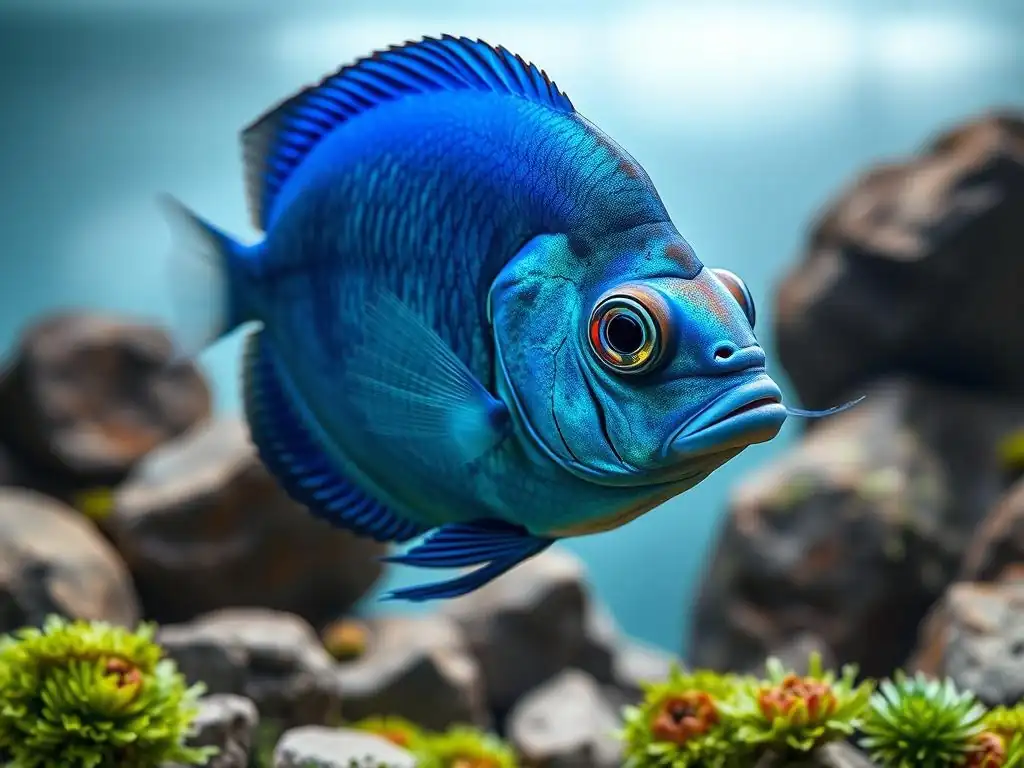
Compatible Tank Mates for a Severum and Angelfish Community: Corydoras Catfish, Plecos, and Tetras (Larger Species)
When selecting additional tank mates for a Severum and Angelfish community, focus on species that occupy different tank levels, are not overly aggressive, and won't be seen as food. Peaceful bottom-dwellers are excellent choices. Corydoras catfish (e.g., Bronze, Albino, or Emerald Corys) are ideal as they stay near the substrate, are generally ignored by cichlids, and help clean up uneaten food. Similarly, medium-sized, armored plecos like Bristlenose Plecos or Clown Plecos are good options as they are hardy and typically mind their own business.
For mid-water inhabitants, consider larger, robust schooling tetras that are too big to be eaten and fast enough to evade any minor nips. Good examples include Congo Tetras, Silver Dollars, Lemon Tetras, or larger species of peaceful barbs (not Tiger Barbs). These schooling fish add dynamic movement to the tank and their numbers provide a sense of safety, contributing to a vibrant and harmonious Severum angelfish peaceful coexistence.
Fish to Avoid: Small, Easily Eaten Fish and Fin-Nippers
To maintain Severum angelfish peaceful coexistence and the well-being of all tank inhabitants, certain fish should be strictly avoided. Very small fish, such as Neon Tetras, Guppies, or Endler's Livebearers, are at high risk. While Angelfish might tolerate them when young, adult Severums and Angelfish are opportunistic predators and will view these tiny fish as a food source, leading to their demise.
Equally important is to avoid notoriously aggressive or fin-nipping species. Tiger Barbs, for example, are known for their relentless fin-nipping behavior and will systematically shred the beautiful, long fins of Angelfish, causing severe stress and potentially fatal infections. Other highly territorial or aggressive cichlids that might directly compete with Severums or Angelfish for space and resources should also be avoided, as they can escalate aggression and disrupt the entire community dynamic.
Monitoring Severum and Angelfish Health in a Community Tank
Recognizing Common Diseases and Symptoms: Ich, Fin Rot, and Hexamita
In a community tank environment, stress caused by aggression or fluctuating water parameters can quickly lead to disease outbreaks. It's vital to regularly observe your Severums and Angelfish for any signs of illness. Common diseases include Ich (Ichthyophthirius multifiliis), characterized by small white spots resembling salt grains on the body and fins, often accompanied by flashing (rubbing against decor). Fin Rot, typically caused by bacterial infections, manifests as frayed, decaying, or discolored fins, sometimes with red or black edges.
Hexamita, also known as "hole-in-the-head disease," is another concern for cichlids, often linked to poor water quality or diet. Symptoms include pitting and lesions around the head and face, and white, stringy feces. Any changes in behavior such as lethargy, loss of appetite, clamped fins, dull coloration, or unusual swimming patterns should prompt immediate investigation of water parameters and closer inspection of the fish for physical symptoms.
Quarantine Procedures and Treatment Options: Separate Tank and Appropriate Medication
Prevention is always better than cure in aquarium keeping. Always quarantine new fish in a separate, dedicated quarantine tank for at least 2-4 weeks before introducing them to your main Severum and Angelfish community. This prevents the introduction of diseases into your established system. If a fish in your main tank shows signs of illness, it should be promptly moved to a hospital tank for treatment. Treating fish in a separate tank prevents the medication from harming beneficial bacteria in your main filter and allows for more targeted dosing.
Treatment options vary by disease. For Ich, a common approach involves gradually raising the tank temperature (if compatible with all fish) combined with an Ich-specific medication. Fin Rot typically requires broad-spectrum antibiotics. Hexamita is often treated with metronidazole. Always follow the medication instructions precisely, as overdosing can be harmful. Maintaining stable, pristine water parameters and a balanced diet are the best preventative measures to ensure the long-term health and Severum angelfish peaceful coexistence.
Case Studies: Severum and Angelfish Compatibility
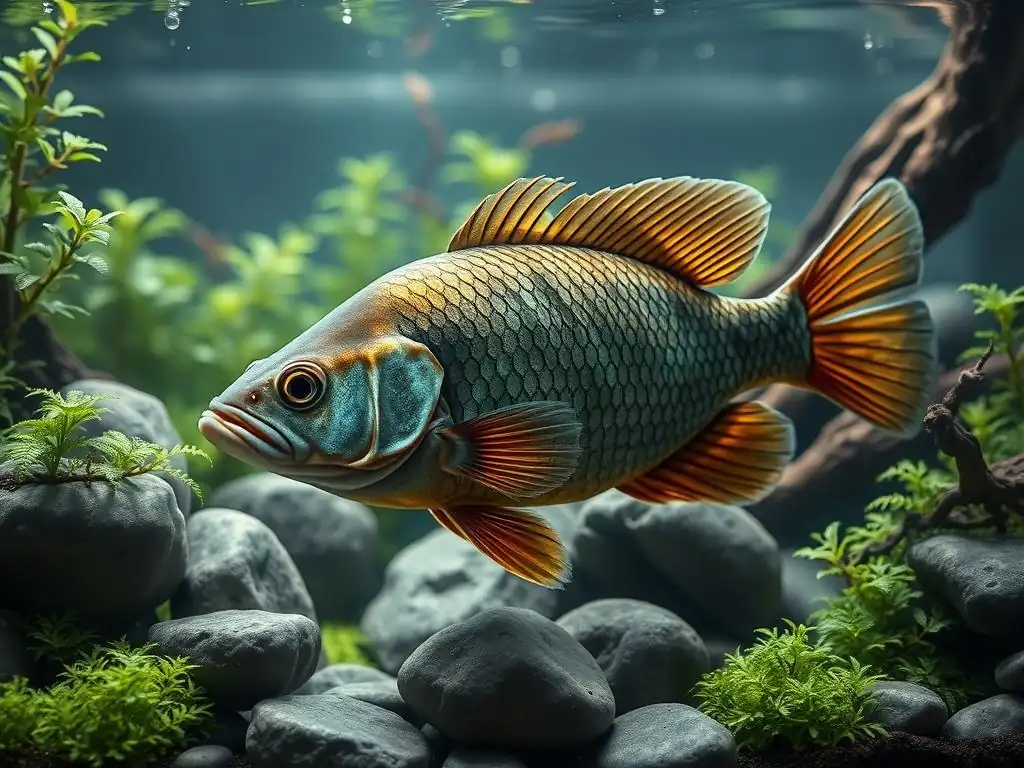
Case Study 1: Successful Community Tank with Regular Water Changes and a Balanced Diet
Consider a 150-gallon freshwater aquarium housing two adult Green Severums, four adult Angelfish, a large Bristlenose Pleco, and a thriving school of 15 Congo Tetras. The owner diligently performs 35% water changes weekly, maintaining stable water parameters at pH 6.6, temperature 80°F, and nitrates consistently below 15 ppm. The tank is heavily decorated with large pieces of driftwood, numerous broadleaf Amazon Sword plants, and several ceramic caves, providing abundant visual barriers and hiding spots.
Over a period of three years, this community has flourished with minimal aggression. The Severums occasionally engage in playful chasing among themselves but show no persistent aggression towards the Angelfish. The Angelfish, despite forming breeding pairs several times, have successfully raised multiple batches of fry without significant conflict with the Severums, largely due to the ample space and intricate decor that provides safe havens. This setup exemplifies how careful planning, consistent maintenance, and appropriate tank size can lead to successful Severum angelfish peaceful coexistence.
Case Study 2: Failure Due to Overcrowding and Inadequate Filtration
In contrast, a 55-gallon tank was set up with one adult Severum and three Angelfish, along with a few smaller schooling tetras. The tank had minimal decor, consisting of only a few small plastic plants and no significant driftwood or rock structures. The owner performed bi-weekly 20% water changes, but water quality consistently deteriorated, with nitrate levels frequently exceeding 40 ppm. The filtration system was rated for a 55-gallon tank but was insufficient for the bioload.
Within four months, the Severum became highly aggressive, relentlessly chasing and nipping the fins of the Angelfish, eventually leading to the death of one Angelfish. The remaining Angelfish exhibited severe stress, with clamped fins, faded coloration, and signs of Fin Rot. The smaller tetras disappeared entirely. This case clearly illustrates how insufficient tank size, inadequate filtration, and a lack of proper environmental enrichment directly contribute to heightened aggression, poor fish health, and ultimately, the failure of Severum angelfish peaceful coexistence.
Alternative New World Cichlid Community Tank Options
Exploring Other Peaceful Cichlid Combinations: Keyhole Cichlids and Bolivian Rams
While Severum angelfish peaceful coexistence is achievable, aquarists seeking alternative peaceful New World cichlid combinations have several excellent options. Keyhole Cichlids ( Cleithracara maronii) are renowned for their exceptionally docile nature, typically growing to about 5 inches. They are shy and peaceful, making them suitable for community tanks with other similarly peaceful species, including small schooling fish and other dwarf cichlids. Their calm demeanor makes them a low-aggression choice for beginners or those prioritizing tranquility.
Another fantastic option is the Bolivian Ram ( Mikrogeophagus altispinosus). These dwarf cichlids reach about 3-4 inches and are significantly less sensitive to water parameters than their German Blue Ram cousins. Bolivian Rams are generally peaceful and can coexist well with various community fish, including many tetra species, small catfish, and even some smaller gouramis. They offer vibrant coloration and interesting behaviors without the high aggression risks associated with larger or more territorial cichlids.
Considerations for a South American Biotope Aquarium: Plant Selection and Natural Decorations
For those aiming to create an environment that truly mimics the natural habitat of Severums and Angelfish, a South American biotope aquarium is an excellent choice. This approach focuses on replicating the specific water parameters and physical characteristics of their native rivers and floodplains. Key considerations include maintaining soft, acidic water (pH 6.0-7.0) and using a fine sand substrate, which allows fish to sift naturally without damaging their barbels.
Natural decorations are paramount in a biotope. Abundant use of driftwood, especially large, branching pieces, provides essential cover, visual barriers, and natural aesthetics. Adding leaf litter (e.g., Indian Almond leaves or dried oak leaves) not only releases beneficial tannins that create a natural blackwater effect but also provides additional hiding spots and grazing opportunities. Appropriate plant selection includes broadleaf species like various Amazon Swords ( Echinodorus species), Cryptocorynes, and floating plants, all of which contribute to water quality and offer vital cover for a thriving, stress-free environment conducive to Severum angelfish peaceful coexistence or other South American cichlid communities.
Conclusion: Is Severum Angelfish Peaceful Coexistence Possible?
Key Takeaways: Large Tank, Consistent Water Quality, and Careful Observation
Severum angelfish peaceful coexistence is indeed possible and can lead to a stunning and engaging display. However, it is not a setup that can be achieved without deliberate planning and consistent effort. The primary factors for success are providing a generously sized aquarium, with a minimum of 75 gallons, and preferably 125 gallons or more for a group. This ample space is crucial for diffusing territoriality and allowing both species to establish their own areas without constant conflict.
Equally vital is the unwavering commitment to maintaining consistent and pristine water quality, adhering to their preferred parameters of pH 6.0-7.0 and temperatures between 78-84°F, with zero ammonia/nitrite and low nitrates. Beyond these environmental controls, careful observation of fish behavior and health is paramount. Early detection of aggression or signs of illness allows for timely intervention, preventing minor issues from escalating. Providing abundant hiding spots, visual barriers, and a varied, nutritious diet further contributes to a harmonious environment where these majestic cichlids can truly thrive together.
Further Resources: Online Forums and Reputable Aquarium Websites
For aquarists embarking on the journey of Severum angelfish peaceful coexistence, continued learning and community engagement are invaluable. Online aquarium forums provide a platform to connect with experienced hobbyists who can offer real-world advice, troubleshooting tips, and insights gained from their own experiences with these specific species. These communities often share nuanced details that go beyond general guides, helping to navigate unique challenges that may arise.
Additionally, consulting reputable aquarium websites and trusted books on cichlid care is essential. These resources offer in-depth species profiles, detailed tank setup guides, and comprehensive information on disease identification and treatment. By leveraging these diverse sources of information, aquarists can continually refine their knowledge and practices, ensuring the long-term health and success of their Severum and Angelfish community tank.
Frequently Asked Questions
Can Severums and Angelfish really coexist peacefully in an aquarium?
While possible, successful coexistence depends heavily on several factors. Tank size is critical, as is introducing them at a young age and providing ample hiding places. It's not always guaranteed, and monitoring is essential.
What size tank is required to attempt keeping Severums and Angelfish together?
A tank of at least 75 gallons is generally recommended, but larger is always better. This provides enough space for both species to establish territories and minimize aggression, especially during breeding periods.
Are there specific personality traits of Severums or Angelfish that make them more or less suitable tankmates?
Some individual fish are simply more aggressive than others. Look for signs of aggressive behavior like fin nipping or chasing before committing to a long-term setup. A calm temperament in both species is ideal.
What are the key considerations for setting up the aquarium to promote Severum and Angelfish peaceful coexistence?
Provide plenty of hiding places such as driftwood, rocks, and dense plant growth. Maintain excellent water quality through regular water changes and proper filtration. A varied diet can also help reduce aggression.
What should I do if I observe aggression between my Severums and Angelfish?
First, try rearranging the tank décor to disrupt established territories. If the aggression persists, separating the fish into different tanks is the best course of action to prevent injury or death. Consider rehoming one or both.
Final Reflection: Harmony in the Aquarium
The question of Severum angelfish peaceful coexistence is more than just a query about aquarium inhabitants; it reflects a broader desire for harmony and balance within a controlled environment. As we've explored the nuances of temperament, tank size, and environmental factors, it becomes clear that successful integration hinges on careful planning and a deep understanding of each species' needs. The potential for a thriving community tank, where these majestic fish coexist peacefully, is a testament to the power of informed decision-making in creating a balanced ecosystem.
This exploration into the compatibility of Severums and Angelfish highlights the importance of responsible fishkeeping and the ethical considerations that come with it. We are not merely observers, but active participants in the lives of these creatures, and our choices directly impact their well-being. The greatness of a nation and its moral progress can be judged by the way its animals are treated.
- Mahatma Gandhi. This quote resonates deeply, reminding us that our compassion extends beyond our own species and into the delicate ecosystems we create within our homes.
Ultimately, the success of a Severum and Angelfish community tank lies in your hands. Consider the insights shared, reflect on your own capacity to provide a suitable environment, and choose wisely. By embracing a mindful approach to fishkeeping, you not only create a beautiful aquarium but also contribute to a more compassionate and understanding world, one tank at a time.
Transform Your Tank: Start Your Severum-Angelfish Harmony!
Thanks for exploring the world of Severum and Angelfish compatibility with us! We hope you’ve gained the knowledge to create a thriving and peaceful aquarium. Ready to put that knowledge into action?
Here are a few steps you can take right now:
- Strategically rearrange your aquarium to minimize territorial disputes and offer ample hiding spots for both Severums and Angelfish. This single action can dramatically improve tank dynamics.
- Share this article with a fellow aquarist facing similar challenges. Spreading the word helps build a community of informed and successful fishkeepers.
- Consider documenting your tank setup and sharing photos or videos on aquarium forums to inspire others and receive valuable feedback.
What specific plant or décor are you most excited to introduce to your aquarium to enhance its beauty and promote peace between your Severums and Angelfish?