
Understanding Angelfish Aggression: Why They Fight & How to Stop It

Welcome to Aquarium Mastery!
Ever wondered why your Angelfish are suddenly acting more like bullies than beauties? Dive into our complete Angelfish Aggression Solutions Guide and unlock the secrets to maintaining a peaceful and harmonious freshwater aquarium. Discover the hidden triggers behind their territorial disputes and learn proven techniques to restore balance to your underwater world. Ready to create a tranquil haven? Let's get started!
- Angelfish Aggression: A Comprehensive Solutions Guide for Aquarium Keepers
-
Why Are My Angelfish Fighting? Understanding the Root Causes of Aggression
- Identifying the Primary Reasons for Angelfish Aggression in Aquariums
- Overcrowding and Its Impact on Angelfish Behavior
- Territoriality in Angelfish: Defining and Defending Their Space
- Spawning Behavior and Increased Aggression in Angelfish
- Incompatible Tank Mates: Choosing Companions for Angelfish
- Poor Water Quality and Its Influence on Angelfish Temperament
- Recognizing Angelfish Aggression: Signs and Symptoms to Watch For
-
Angelfish Aggression Solutions: Practical Strategies for a Peaceful Aquarium
- Increasing Tank Size: Providing Ample Space for Angelfish
- Optimizing Tank Decor: Creating Visual Barriers and Hiding Places
- Re-arranging the Aquascape: Disrupting Established Territories
- Introducing Angelfish Strategically: Minimizing Initial Conflicts
- Managing Water Parameters: Maintaining Optimal Water Quality
- Choosing Appropriate Tank Mates: Compatible Species for Angelfish
- Reducing Stressors: Dimming Lights and Minimizing External Disturbances
-
Preventing Angelfish Aggression: Proactive Measures for a Harmonious Tank
- Selecting Angelfish: Choosing Juveniles and Avoiding Established Pairs
- Quarantine Procedures: Preventing Disease and Minimizing Stress
- Gradual Introduction: Acclimating Angelfish to Their New Environment
- Consistent Feeding Schedules: Reducing Competition for Food
- Regular Water Changes: Maintaining Stable Water Chemistry
- Long-Term Angelfish Aggression Management: Maintaining a Balanced Ecosystem
- Conclusion: Achieving Angelfish Harmony Through Understanding and Proactive Care
-
Frequently Asked Questions
- How common is aggression among Angelfish in an aquarium?
- What are the primary causes of Angelfish aggression?
- What size tank is generally recommended to minimize Angelfish aggression?
- Besides tank size, what other environmental factors can help reduce Angelfish aggression?
- What are some specific strategies to manage Angelfish aggression once it has started?
- Final Reflection: Harmony in the Aquarium
- Transform Your Angelfish Tank Today!
Angelfish Aggression: A Comprehensive Solutions Guide for Aquarium Keepers
Angelfish, with their majestic fins and serene presence, are often considered the jewels of a freshwater aquarium. However, despite their graceful appearance, these cichlids can exhibit significant aggression, leading to stress, injury, and even death among tank inhabitants. Understanding the underlying causes of this aggression is paramount for any aquarist seeking to maintain a peaceful and thriving community tank. This guide provides a comprehensive overview of why angelfish fight and offers practical, effective Angelfish aggression solutions to ensure harmony in your aquatic ecosystem.
Successfully managing Angelfish aggression involves a multi-faceted approach, addressing everything from tank size and layout to water quality and tank mate selection. By proactively identifying potential triggers and implementing strategic interventions, aquarists can mitigate conflicts and create an environment where these stunning fish can flourish. This detailed Angelfish aggression solutions guide aims to equip you with the knowledge and tools necessary to transform a turbulent tank into a tranquil haven for your angelfish and their companions.
Why Are My Angelfish Fighting? Understanding the Root Causes of Aggression
Identifying the Primary Reasons for Angelfish Aggression in Aquariums
Angelfish aggression is rarely random; it typically stems from specific environmental or biological factors within the aquarium. Common triggers include insufficient space, the inherent territorial nature of the species, particularly during breeding, and the presence of incompatible tank mates. Understanding these primary reasons is the crucial first step toward implementing effective Angelfish aggression solutions.
Moreover, subtle stressors such as poor water quality, inconsistent feeding, or even too much light can elevate stress levels in angelfish, making them more prone to aggressive displays. A single root cause or a combination of several can contribute to a hostile environment, highlighting the need for a holistic assessment of your aquarium's conditions to pinpoint the exact issues at play.
Overcrowding and Its Impact on Angelfish Behavior
One of the most frequent causes of Angelfish aggression is overcrowding. When angelfish do not have enough personal space, their natural territorial instincts are amplified, leading to constant skirmishes. For instance, a single adult angelfish ideally requires a minimum of 20 gallons, while a small group of 4-6 angelfish typically needs a tank of 55 gallons or more to thrive without excessive conflict.
In an overcrowded tank, fish are under perpetual stress, which can manifest as fin nipping, chasing, and even outright physical attacks. This constant stress not only leads to visible injuries like torn fins but also compromises their immune systems, making them susceptible to diseases such as fin rot or ich. Adequate tank volume is a fundamental Angelfish aggression solution that provides ample room for each fish to establish a territory and retreat when needed.
Territoriality in Angelfish: Defining and Defending Their Space
Angelfish are naturally territorial, especially as they mature and approach breeding age. They will establish specific areas within the aquarium, often around a piece of driftwood, a large plant, or a rock formation, and aggressively defend it from perceived intruders. This territorial behavior is more pronounced in smaller tanks where boundaries are easily crossed.
A dominant angelfish might constantly patrol its chosen area, flaring its fins and chasing any fish that ventures too close. This can result in subordinate fish being confined to small, undesirable sections of the tank, unable to access food freely or find adequate hiding spots. Understanding and accommodating this innate territoriality through strategic aquascaping is a key component of effective Angelfish aggression solutions.
Spawning Behavior and Increased Aggression in Angelfish
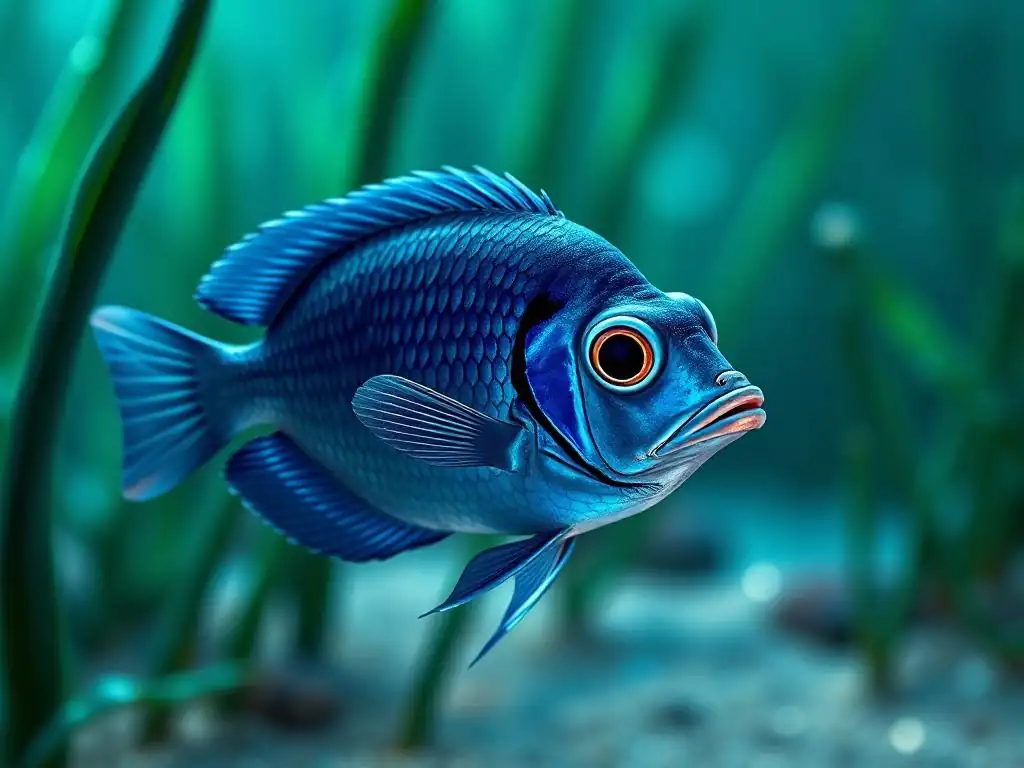
When angelfish pair off for breeding, their aggression levels escalate significantly. A breeding pair will select a spawning site, such as a broad plant leaf or a piece of slate, and aggressively guard it against all other tank inhabitants, including other angelfish. This protective instinct is crucial for the survival of their eggs and fry.
During this period, the aggression can be intense, with the breeding pair relentlessly chasing and nipping at any fish that approaches their territory. While this behavior is temporary, it can be highly stressful and dangerous for other fish in a community tank. For dedicated breeders, isolating the pair in a separate breeding tank is often the most humane and effective Angelfish aggression solution.
Incompatible Tank Mates: Choosing Companions for Angelfish
The selection of tank mates plays a crucial role in mitigating or exacerbating Angelfish aggression. Certain fish species are simply not compatible with angelfish due to their size, temperament, or fin-nipping tendencies. For example, very small fish like Neon Tetras can be seen as food by larger angelfish, while notorious fin-nippers such as Tiger Barbs can severely damage an angelfish's delicate fins.
Conversely, choosing peaceful, similarly sized fish like larger tetras (e.g., Congo Tetras, Lemon Tetras), Corydoras catfish, or peaceful plecos can help maintain harmony. Researching the compatibility of any potential tank mate thoroughly before introduction is a non-negotiable step in preventing conflicts and is a vital Angelfish aggression solution.
Poor Water Quality and Its Influence on Angelfish Temperament
Suboptimal water quality is a significant stressor for all aquarium fish, and angelfish are no exception. High levels of ammonia, nitrite, or nitrate, along with incorrect pH or temperature fluctuations, can severely compromise an angelfish's health and lead to increased irritability and aggression. Angelfish thrive in stable water conditions, typically with a pH between 6.5 and 7.5 and temperatures ranging from 76-82°F (24-28°C).
When angelfish are constantly stressed by poor water parameters, their immune systems weaken, making them more susceptible to disease. This chronic stress can also manifest as behavioral issues, including heightened aggression towards tank mates. Regular water testing and consistent maintenance, such as weekly partial water changes, are fundamental Angelfish aggression solutions that directly impact their overall well-being and temperament.
Recognizing Angelfish Aggression: Signs and Symptoms to Watch For
Physical Signs of Angelfish Fighting: Damaged Fins and Injuries
The most overt signs of Angelfish aggression are physical injuries. Torn or frayed fins, particularly the delicate dorsal and anal fins, are common indicators of fighting. You might observe jagged edges or even missing sections of fins, which can also lead to secondary bacterial or fungal infections if left untreated.
Beyond fins, look for scrapes, missing scales, or cloudy eyes on the bodies of your angelfish. These injuries suggest direct physical confrontations. Consistently observing damage on the same fish indicates that it is being bullied and requires immediate intervention to prevent further harm.
Behavioral Indicators: Chasing, Nipping, and Displaying Dominance
Angelfish aggression often begins with behavioral displays before escalating to physical contact. Common behavioral indicators include persistent chasing, where one fish relentlessly pursues another around the tank, and fin nipping, where fish quickly dart to bite the fins of a tank mate. Lip-locking, where two angelfish push against each other mouth-to-mouth, is a direct challenge for dominance.
Dominance displays are also key indicators: angelfish will flare their gills, spread their fins wide, and darken their colors to appear larger and more intimidating. They might also present their broadside to a rival, attempting to assert their superiority. Recognizing these behaviors early is crucial for implementing timely Angelfish aggression solutions.
Subtle Clues: Changes in Feeding Habits and Hiding Behavior
Beyond overt aggression, subtle changes in an angelfish's behavior can signal stress from bullying. A bullied fish may become withdrawn, spending most of its time hiding behind plants or decor, or cowering in a corner of the tank. It might also show reluctance to come out during feeding times, leading to malnourishment and a noticeable loss of weight.
Other subtle signs include faded colors, which indicate chronic stress, and clamped fins, where the fish holds its fins tightly against its body instead of spreading them gracefully. Rapid breathing, even in clean water, can also be a sign of stress. Paying close attention to these nuanced behaviors allows for early intervention, which is essential for effective Angelfish aggression solutions.
Angelfish Aggression Solutions: Practical Strategies for a Peaceful Aquarium
Increasing Tank Size: Providing Ample Space for Angelfish
One of the most effective Angelfish aggression solutions is to provide a sufficiently large aquarium. As previously mentioned, a minimum of 20 gallons for a single angelfish is a starting point, but a tank of 55 gallons or larger is highly recommended for a pair or a small group. A larger tank volume allows angelfish to establish more distinct territories and provides ample space for subordinate fish to escape and hide.
The length and width of the tank are often more critical than its height for angelfish, as they utilize horizontal swimming space and floor area for establishing territories. Upgrading to a larger tank can significantly reduce stress and aggression by diluting territorial disputes and minimizing constant visual contact between fish.
Optimizing Tank Decor: Creating Visual Barriers and Hiding Places
Strategic aquascaping is a powerful Angelfish aggression solution. By arranging driftwood, rocks, and tall plants, you can create visual barriers that break up sightlines within the tank. This prevents a dominant angelfish from constantly seeing and harassing its tank mates, allowing subordinate fish to feel more secure.
Furthermore, providing multiple hiding spots is essential. Caves, dense plant thickets, or rock crevices offer safe havens where bullied fish can retreat and rest without fear of attack. The more options for retreat, the less stressed the fish will be, contributing to a more peaceful environment.
Re-arranging the Aquascape: Disrupting Established Territories
If aggression has become an ongoing issue, completely re-arranging the tank decor can be a surprisingly effective, albeit temporary, Angelfish aggression solution. This disrupts any established territories and forces all angelfish to re-evaluate and re-establish their hierarchy. This "reset" can often lead to a period of reduced aggression as they explore their new environment.
It is advisable to perform this rearrangement during a routine water change to minimize stress on the fish. While the effect may not be permanent, it can provide a crucial window for aggressive patterns to be broken, especially when combined with other management strategies.
Introducing Angelfish Strategically: Minimizing Initial Conflicts
When adding new angelfish to an existing setup, strategic introduction can significantly minimize initial conflicts. Introducing a group of 4-6 juvenile angelfish simultaneously, rather than single fish, can help disperse aggression among multiple targets, reducing the focus on one individual. This "shoaling" effect often leads to a more stable hierarchy.
It is also beneficial to introduce new angelfish when the tank lights are off or dimmed. This allows them to acclimate to their new surroundings without immediate confrontation from established residents. Close observation for the first few hours and days is critical to ensure a smooth integration.
Managing Water Parameters: Maintaining Optimal Water Quality
Consistent and optimal water quality is fundamental for reducing Angelfish aggression. Regular testing for ammonia, nitrite, nitrate, pH, and temperature is essential. Angelfish thrive in stable conditions, with a pH typically between 6.5 and 7.5 and temperatures maintained between 76-82°F (24-28°C). Deviations from these parameters cause stress, which can trigger aggressive behavior.
Performing weekly or bi-weekly partial water changes (e.g., 25-30%) is crucial to keep nitrate levels low and replenish essential minerals. Using a high-quality water conditioner to neutralize harmful chemicals like chlorine and chloramines is also vital. Clean, stable water directly contributes to the overall health and calm temperament of your angelfish.
Choosing Appropriate Tank Mates: Compatible Species for Angelfish
Careful selection of tank mates is a proactive Angelfish aggression solution. Opt for peaceful, non-fin-nipping species that are roughly the same size or slightly larger than your angelfish, ensuring they won't be perceived as food or a threat. Good choices include Congo Tetras, Lemon Tetras, Harlequin Rasboras, Corydoras catfish, and peaceful plecos like Bristlenose Plecos.
Avoid very small fish that could become a meal, such as Neon Tetras (especially with larger angelfish), and known fin-nippers like Tiger Barbs or Serpae Tetras, which can cause significant damage to an angelfish's flowing fins. Thorough research into species compatibility before purchasing is always recommended.
Reducing Stressors: Dimming Lights and Minimizing External Disturbances
External stressors can significantly impact Angelfish temperament. Constant bright lighting can make fish feel exposed and stressed, potentially leading to aggression. Consider dimming the tank lights for certain periods of the day or using a timer to simulate a more natural light cycle.
Furthermore, placing the aquarium in a low-traffic area of the home, away from loud noises or sudden movements, can greatly reduce external disturbances. A calm and stable environment minimizes overall stress levels for your angelfish, contributing to a more peaceful community.
Preventing Angelfish Aggression: Proactive Measures for a Harmonious Tank
Selecting Angelfish: Choosing Juveniles and Avoiding Established Pairs
A crucial proactive Angelfish aggression solution begins with selection. It is generally advisable to purchase angelfish when they are juveniles, typically around 1-2 inches in body length. Introducing several young angelfish (e.g., 4-6) allows them to grow up together and establish a natural hierarchy with less severe aggression than if mature fish were introduced.
Avoid introducing an already established breeding pair into a community tank, as their strong territorial instincts will almost certainly lead to intense aggression towards other inhabitants. If a pair forms within your community tank, be prepared to move them to a dedicated breeding setup to protect other fish.
Quarantine Procedures: Preventing Disease and Minimizing Stress
Implementing a strict quarantine procedure for all new fish, including angelfish, is essential. Housing new arrivals in a separate quarantine tank for at least 2-4 weeks prevents the introduction of diseases or parasites that could stress your existing fish and potentially trigger aggression.
During quarantine, new fish can acclimate to your local water parameters without the immediate pressure of an established pecking order. This period also allows you to observe their health and behavior, ensuring they are robust enough before joining the main display tank.
Gradual Introduction: Acclimating Angelfish to Their New Environment
Proper acclimation minimizes the shock and stress of moving fish to a new environment, which can prevent defensive aggression. The drip acclimation method, where water from the main tank is slowly dripped into the container holding the new fish, is highly recommended. This gradually adjusts them to the new water's temperature, pH, and hardness over an hour or more.
After drip acclimation, floating the bag in the main tank for 15-20 minutes helps equalize temperatures. For particularly sensitive or potentially aggressive introductions, some aquarists use a temporary clear tank divider for a few days, allowing fish to see each other without direct physical interaction.
Consistent Feeding Schedules: Reducing Competition for Food
Inconsistent or insufficient feeding can heighten competition among angelfish, leading to increased aggression, especially during meal times. Establishing a consistent feeding schedule, typically 1-2 times daily, with high-quality angelfish-appropriate foods, helps reduce anxiety and competition for resources.
Ensure that enough food is provided to allow all fish to eat their fill without overfeeding, which can compromise water quality. Spreading the food across the tank's surface can also help distribute it more evenly, preventing dominant fish from monopolizing the food source.
Regular Water Changes: Maintaining Stable Water Chemistry
Regular partial water changes are a cornerstone of preventing stress-induced aggression. Weekly or bi-weekly water changes of 25-30% are critical for maintaining stable water chemistry by preventing the buildup of harmful nitrates and other dissolved organic compounds.
Always use a reliable water conditioner to neutralize chlorine, chloramines, and heavy metals in tap water. Stable, clean water minimizes stress on angelfish, ensuring they remain healthy, vibrant, and less prone to aggressive outbursts.
Long-Term Angelfish Aggression Management: Maintaining a Balanced Ecosystem
Monitoring Angelfish Behavior: Identifying Potential Problems Early
Long-term Angelfish aggression solutions hinge on continuous observation. Daily monitoring of your angelfish's behavior is crucial for identifying potential problems early. Look for subtle signs of stress or bullying, such as one fish consistently hiding, showing clamped fins, faded colors, or reluctance to feed, even if overt fighting isn't visible.
Pay attention to interaction patterns and feeding dynamics. Early detection of escalating aggression allows for timely intervention, preventing serious injuries or chronic stress that can lead to disease and a diminished quality of life for your fish.
Adjusting Tank Conditions: Adapting to Changing Needs
As angelfish mature, their social dynamics and territorial needs can evolve. Be prepared to adjust tank conditions to accommodate these changes. This might involve adding more hiding spots, rearranging decor to create new visual barriers, or, if aggression persists and space allows, even increasing the tank size further.
If a breeding pair forms and their aggression becomes unmanageable in a community setting, consider providing them with their own dedicated breeding tank. This flexibility and willingness to adapt are key to maintaining a harmonious environment for your angelfish over the long term.
Considering Rehoming: When Aggression Becomes Unmanageable
Despite best efforts, some angelfish may be inherently more aggressive, or certain individuals may simply be incompatible within a specific tank setup. In rare cases where aggression becomes persistent, severe, and poses a threat to the well-being of other fish, rehoming the aggressive angelfish or the bullied fish may be the only viable Angelfish aggression solution.
Contact local fish stores, reputable aquarium clubs, or experienced aquarists who might be able to provide a suitable home for the fish. This ensures the well-being of all tank inhabitants, prioritizing their health and safety when all other management strategies have been exhausted.
Conclusion: Achieving Angelfish Harmony Through Understanding and Proactive Care
Frequently Asked Questions
How common is aggression among Angelfish in an aquarium?
Angelfish aggression is quite common, especially in smaller tanks or when inadequate space is provided. It often arises from competition for resources and territory.
What are the primary causes of Angelfish aggression?
The main causes include territorial disputes, mating behaviors, and inadequate tank size. Stress from poor water quality can also exacerbate aggressive tendencies.
What size tank is generally recommended to minimize Angelfish aggression?
A general guideline is at least a 55-gallon tank for a pair of Angelfish. Larger tanks are necessary for a group, allowing for individual territories and reducing competition.
Besides tank size, what other environmental factors can help reduce Angelfish aggression?
Providing plenty of hiding places like plants and decorations can help. Maintaining stable water parameters and avoiding overcrowding are also crucial.
What are some specific strategies to manage Angelfish aggression once it has started?
Consider rearranging the tank to disrupt established territories. Separating aggressive individuals or introducing new tank mates cautiously can also be effective.
Final Reflection: Harmony in the Aquarium
The insights shared in this guide, focused on understanding and mitigating angelfish aggression, are more crucial now than ever. As aquarium keeping grows in popularity, so too does the potential for misinformed practices that lead to stress and conflict within these delicate ecosystems. A proactive approach, grounded in knowledge and empathy, is essential to ensuring the well-being of these majestic creatures.
This journey into the world of angelfish behavior has underscored the profound impact we have on their lives. Recognizing the subtle signs of stress and understanding the root causes of aggression is not just about maintaining a peaceful aquarium; it's about fostering a deeper connection with the natural world and taking responsibility for the creatures in our care. The greatness of a nation and its moral progress can be judged by the way its animals are treated.
- Mahatma Gandhi. This quote reminds us that our actions, however small, reflect our values and shape the world around us.
Now, armed with this knowledge, I invite you to reflect on your own aquarium practices. Are you providing adequate space, appropriate tank mates, and a balanced environment for your angelfish? Let this guide be more than just a source of information; let it be a catalyst for positive change, inspiring you to create a thriving and harmonious underwater world where your angelfish can truly flourish.
Transform Your Angelfish Tank Today!
Thank you for diving into the world of angelfish and understanding their sometimes-challenging behavior. Now that you're armed with knowledge, let's take action to create a peaceful aquatic environment.
Here are a few ways to ensure harmony in your angelfish tank:
- Implement the 'Divide and Conquer' Strategy: Rearrange your tank decor to break line of sight, creating distinct territories for each angelfish.
- Share your newfound knowledge! Tell a friend that has angelfish about the reasons for their fights to improve their aquarium.
- Reflect on your tank's stocking level and honestly ask, is it too crowded? Could removing a tank mate ease tensions?
What specific tank modification are you most excited to implement to reduce aggression in your angelfish community?