
Caridina Lifespan: Factors Influencing Longevity in Sensitive Shrimp Species

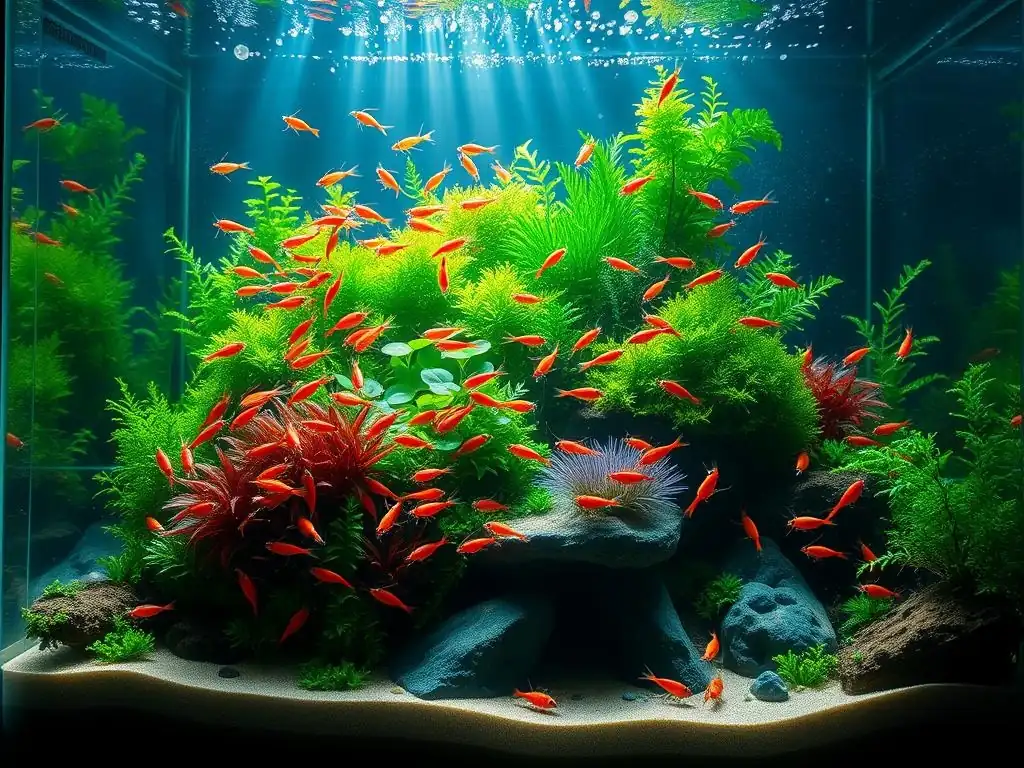
Welcome to Aquarium Mastery!
Ever wondered how to unlock the secrets to a long and thriving life for your delicate shrimp? Caridina shrimp, with their captivating beauty and sensitivity, present unique challenges. Dive into our latest article, "Caridina Lifespan: Factors Influencing Longevity in Sensitive Shrimp Species," and discover the key elements that can dramatically impact their health and wellbeing. What seemingly small changes could be the difference between survival and success? Let's unravel the mysteries together!
- Crystal Red Shrimp Lifespan: Factors Influencing Longevity in Caridina davidi 'Crystal Red'
- Introduction: Understanding Crystal Red Shrimp Lifespan
- What is the Average Lifespan of Crystal Red Shrimp?
-
Key Factors Influencing Crystal Red Shrimp Longevity
- Water Quality Parameters and Crystal Red Shrimp Lifespan
- Temperature's Role in Crystal Red Shrimp Lifespan
- Diet and Nutrition: Fueling Crystal Red Shrimp Longevity
- Substrate and Tank Environment: Promoting Crystal Red Shrimp Lifespan
- Genetics and Breeding: Impact on Crystal Red Shrimp Lifespan
- Stress Factors and Crystal Red Shrimp Longevity
- Common Diseases and Ailments Affecting Crystal Red Shrimp Lifespan
- Optimizing Your Crystal Red Tank for Maximum Lifespan
- Extending Crystal Red Shrimp Lifespan: Expert Tips
- Conclusion: Ensuring a Long and Healthy Life for Your Crystal Red Shrimp
-
Frequently Asked Questions
- What are the primary environmental factors that affect Caridina shrimp lifespan?
- How does diet impact the lifespan of sensitive shrimp species?
- What role does tank size play in determining Caridina shrimp lifespan?
- How does genetic predisposition influence the lifespan of Caridina shrimp?
- What are some common diseases and parasites that shorten the lifespan of sensitive shrimp?
- Final Reflection: The Delicate Dance of Life and Time
- Unleash the Secrets to a Thriving Shrimp Paradise!
Crystal Red Shrimp Lifespan: Factors Influencing Longevity in Caridina davidi 'Crystal Red'
Introduction: Understanding Crystal Red Shrimp Lifespan
The Allure of Crystal Red Shrimp in Freshwater Aquariums
Crystal Red Shrimp (CRS), scientifically known as Caridina davidi 'Crystal Red', are among the most captivating and sought-after invertebrates in the freshwater aquarium hobby. Their striking white and red patterns, a result of selective breeding from the Bee Shrimp ( Caridina cantonensis), add a vibrant splash of color and intricate detail to planted tanks. These diminutive crustaceans, typically growing to about 1 to 1.5 inches (2.5 to 3.8 cm) in length, are renowned for their peaceful nature and continuous grazing habits, making them a fascinating focal point for aquarists.
Their delicate beauty, combined with their active foraging behavior, makes CRS a popular choice for dedicated aquascapers and shrimp enthusiasts alike. However, unlike some hardier shrimp species, Crystal Red Shrimp demand precise environmental conditions to thrive. Understanding their specific needs is paramount to unlocking their full potential for both health and vibrant coloration, contributing significantly to their sensitive shrimp lifespan longevity factors.
Why Crystal Red Shrimp Longevity Matters for Aquarists
For any aquarist, the longevity of their aquatic inhabitants is a key measure of successful husbandry. This is particularly true for Crystal Red Shrimp, which represent a significant investment of time, effort, and often financial resources. A healthy, long-lived CRS colony not only brings sustained aesthetic pleasure but also indicates a well-balanced and stable aquarium environment, which is the ultimate goal for many hobbyists.
Premature deaths or a consistently short sensitive shrimp lifespan can be disheartening and signal underlying issues within the tank. By meticulously understanding and addressing the various factors that influence their lifespan, aquarists can prevent common pitfalls, ensure the well-being of their shrimp, and enjoy the rewarding experience of a flourishing colony for years, rather than just months.
Sensitive Shrimp Species Overview: Caridina vs. Neocaridina
The world of freshwater ornamental shrimp is broadly divided into two primary genera: Caridina and Neocaridina. This distinction is critical because it dictates the specific care requirements and, consequently, the potential sensitive shrimp lifespan of the species within each group. Neocaridina species, such as the popular Cherry Shrimp ( Neocaridina davidi), are generally more tolerant of a wider range of water parameters and are often recommended for beginner aquarists due to their resilience.
In contrast, Caridina species, including the Crystal Red Shrimp, are inherently more sensitive and demand more precise and stable water conditions. Originating from specific natural habitats with consistent parameters, these shrimp require softer, acidic water and are highly intolerant of common aquarium pollutants. This heightened sensitivity means that meticulous attention to detail in water chemistry, temperature, and diet is not just recommended but essential for ensuring a robust and extended sensitive shrimp lifespan for Crystal Red Shrimp.
What is the Average Lifespan of Crystal Red Shrimp?
Typical Crystal Red Shrimp Lifespan Range
The average lifespan of a Crystal Red Shrimp in a well-maintained freshwater aquarium typically ranges from 1.5 to 2 years, though some individuals under optimal conditions may live up to 2.5 years. This timeframe is generally shorter than some of their hardier Neocaridina counterparts, which can sometimes exceed three years. The specific duration of a CRS's life is heavily dependent on the quality of its environment and the consistency of its care, reflecting the delicate nature of this species.
Wild Caridina cantonensis ancestors, from which CRS were selectively bred, might experience slightly different lifespans influenced by natural predation and food availability. In captivity, however, the primary determinants are the stability of water parameters and the absence of stressors. A common observation among experienced keepers is that a stable, mature tank environment consistently yields shrimp living towards the upper end of this sensitive shrimp lifespan range, whereas fluctuating or poor conditions drastically reduce it.
Factors Affecting the Average Crystal Red Shrimp Lifespan
Numerous interconnected factors collectively determine the ultimate sensitive shrimp lifespan of a Crystal Red Shrimp. Paramount among these are water quality parameters, including ammonia, nitrite, nitrate levels, pH, and mineral content (GH and KH). These chemical aspects directly impact the shrimp's physiological functions, particularly molting and overall metabolic health.
Beyond water chemistry, environmental factors such as stable temperature, a high-quality and appropriate diet, and the physical setup of the tank (substrate, hiding places, plants) play crucial roles. Genetic predispositions, stress levels from handling or incompatible tank mates, and the presence of diseases also significantly influence how long a Crystal Red Shrimp will live. Addressing these elements comprehensively is vital for maximizing sensitive shrimp lifespan longevity factors in a CRS colony.
Key Factors Influencing Crystal Red Shrimp Longevity
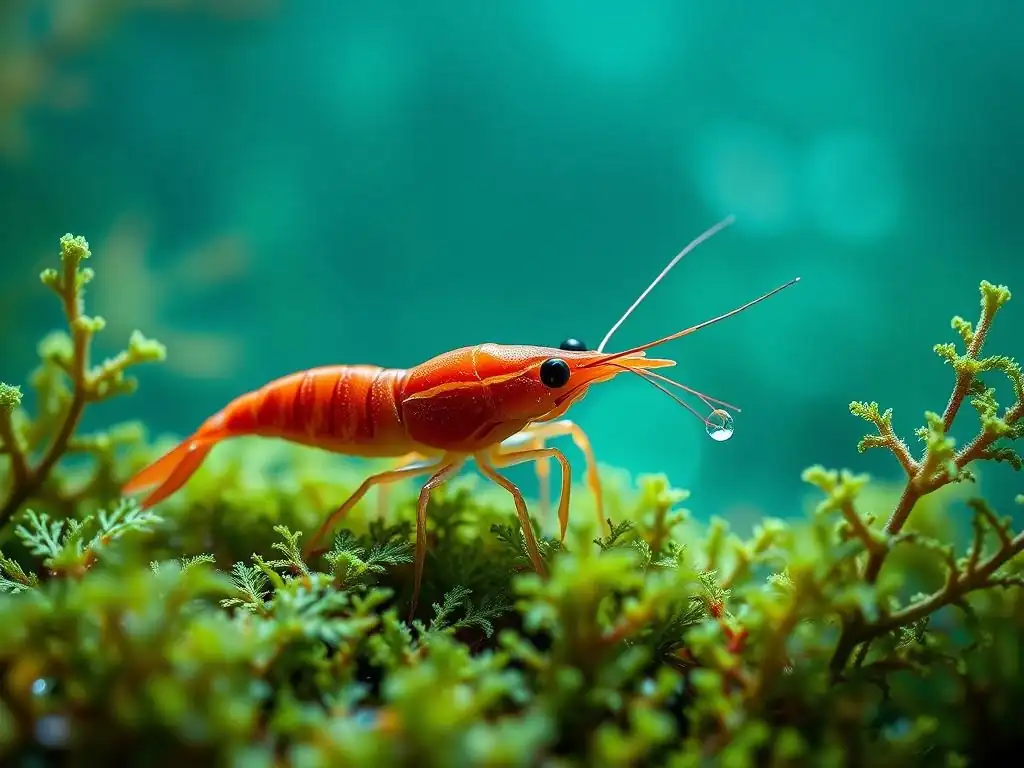
Water Quality Parameters and Crystal Red Shrimp Lifespan
Ammonia and Nitrite Toxicity: A Major Threat
Ammonia (NH3) and nitrite (NO2) are highly toxic compounds to all aquatic life, but Crystal Red Shrimp are exceptionally sensitive to even trace amounts. Both are byproducts of the nitrogen cycle, originating from decaying organic matter and shrimp waste. Ammonia, typically present in new or improperly cycled tanks, rapidly causes gill damage and internal organ failure, often leading to death within hours or days, even at concentrations as low as 0.25 ppm.
Nitrite, the intermediate product of the nitrogen cycle, interferes with the shrimp's ability to absorb oxygen, essentially suffocating them. Like ammonia, it must be maintained at an undetectable level of 0 ppm in any shrimp tank. Regular testing with a reliable liquid test kit is indispensable, as any measurable presence of these toxins indicates a severe problem that will drastically shorten a sensitive shrimp lifespan.
Nitrate Levels and Long-Term Crystal Red Health
While less acutely toxic than ammonia or nitrite, nitrates (NO3) pose a significant long-term threat to Crystal Red Shrimp health and longevity. Nitrates are the final product of the nitrogen cycle and accumulate over time. High nitrate levels, generally exceeding 10-20 ppm for CRS, cause chronic stress, suppress the immune system, and can lead to molting difficulties, lethargy, and a gradual decline in health.
Many experienced CRS keepers aim to keep nitrate levels below 10 ppm, with some even striving for less than 5 ppm. Consistent exposure to elevated nitrates can significantly reduce sensitive shrimp lifespan by weakening their overall resilience and making them more susceptible to disease. Regular, small water changes are the primary method for controlling nitrate accumulation and maintaining a healthy environment.
pH Stability and Its Impact on Shrimp Longevity
The pH level of the water, a measure of its acidity or alkalinity, is a critical parameter for Crystal Red Shrimp. These shrimp thrive in slightly acidic to neutral water, typically within a pH range of 6.0 to 6.8. Stability in pH is often more important than hitting an exact number, as fluctuations can be highly stressful and detrimental to their health. Rapid pH swings, even by 0.5 units over a few hours, can induce shock, leading to molting failures and sudden deaths.
Such fluctuations disrupt the shrimp's osmoregulation and enzyme functions, making it difficult for them to maintain internal balance. Active substrates, often used in CRS tanks, help buffer the pH within the desired acidic range, contributing to the stability essential for a prolonged sensitive shrimp lifespan. Consistent monitoring of pH is vital to prevent these dangerous swings.
GH and KH: Mineral Balance for Optimal Crystal Red Lifespans
General Hardness (GH) and Carbonate Hardness (KH) are two distinct but equally important mineral parameters for Crystal Red Shrimp. GH measures the concentration of dissolved calcium and magnesium ions, which are crucial for the formation of the shrimp's exoskeleton and successful molting. An ideal GH range for CRS is typically 4-6 dGH (degrees of General Hardness). Insufficient GH can lead to soft shell syndrome and molting deaths, where the shrimp cannot properly shed its old shell.
KH, or Carbonate Hardness, measures the water's buffering capacity, its ability to resist changes in pH. For Crystal Red Shrimp, a very low KH, often 0-1 dKH, is preferred to allow the pH to remain in the slightly acidic range. While some buffering is needed for pH stability, too high a KH (e.g., above 2 dKH) can make it difficult to maintain the desired acidic pH for CRS, potentially causing stress and negatively impacting their sensitive shrimp lifespan. Achieving this precise mineral balance is a cornerstone of successful CRS keeping.
Maintaining Pristine Water Conditions for Sensitive Shrimp
The cornerstone of maximizing Crystal Red Shrimp longevity is the unwavering commitment to maintaining pristine and stable water conditions. This involves a multi-faceted approach, starting with the use of Reverse Osmosis (RO) or deionized (DI) water, which is then remineralized to the precise GH and KH levels suitable for CRS. This ensures a clean slate, free from unknown contaminants and fluctuating tap water parameters.
Regular water testing, ideally weekly, for ammonia, nitrite, nitrate, pH, GH, and KH, is non-negotiable. Small, frequent water changes (e.g., 10-20% weekly) are preferred over large, infrequent ones, as they minimize parameter swings and prevent the buildup of nitrates. Employing a reliable filtration system, such as a sponge filter, which provides both mechanical and biological filtration without creating strong currents, further contributes to a stable and healthy aquatic environment, directly impacting sensitive shrimp lifespan longevity factors.
Temperature's Role in Crystal Red Shrimp Lifespan
Ideal Temperature Range for Crystal Red Species
Crystal Red Shrimp thrive within a relatively narrow and stable temperature range, typically between 68°F and 74°F (20°C to 23°C). Maintaining temperatures within this optimal zone is crucial for their metabolic rate, immune function, and overall well-being. Temperatures below this range can slow down their metabolism, leading to reduced activity, slower growth, and decreased breeding rates.
Conversely, temperatures consistently above 74°F (23°C) can accelerate their metabolism excessively. While this might initially seem to promote faster growth, it paradoxically shortens their lifespan by burning through their physiological resources more quickly. For instance, shrimp kept at 78°F (25.5°C) might only live for a year, whereas those at 70°F (21°C) could easily reach two years or more, demonstrating the direct link between temperature and sensitive shrimp lifespan.
The Dangers of Temperature Fluctuations
Beyond maintaining an ideal temperature range, stability is paramount. Rapid or significant temperature fluctuations, even within the acceptable range (e.g., a 4-5°F swing in a few hours), can induce severe stress and shock in Crystal Red Shrimp. These sudden changes disrupt their delicate internal systems, particularly their osmoregulation, and can trigger failed molts, which are a common cause of death.
Such instability also weakens their immune system, making them more susceptible to diseases and infections. For example, a tank experiencing daily temperature swings of 6°F due to inconsistent room temperature or faulty heating will inevitably see a reduced sensitive shrimp lifespan compared to a tank with a consistent temperature profile, highlighting the importance of a stable thermal environment.
Temperature Control Methods for Shrimp Tanks
Effective temperature control is essential for ensuring a long sensitive shrimp lifespan. In most home environments, a reliable aquarium heater with an accurate thermostat is necessary to maintain a consistent temperature, especially during colder months. It's advisable to use a heater specifically designed for the tank size and to also employ a separate thermometer to verify the heater's accuracy.
During warmer periods, preventing overheating is equally important. Strategies include using aquarium chillers for precise cooling, employing small clip-on fans directed at the water surface to increase evaporative cooling (which can lower temperature by 2-4°F), or simply keeping the tank away from direct sunlight or heat sources. Consistent temperature management minimizes stress and significantly contributes to sensitive shrimp lifespan longevity factors.
Diet and Nutrition: Fueling Crystal Red Shrimp Longevity
Essential Nutrients for Crystal Red Shrimp
A balanced and varied diet is fundamental to the health and longevity of Crystal Red Shrimp. Their nutritional needs include proteins for growth and tissue repair, calcium for a strong exoskeleton and successful molting, and a range of vitamins, minerals, and trace elements for overall physiological function. A deficiency in any of these crucial components can lead to stunted growth, molting problems, weakened immune systems, and a significantly reduced sensitive shrimp lifespan.
For example, insufficient calcium can cause molting difficulties, where shrimp get stuck in their old shells and die. Similarly, a lack of essential proteins or vitamins can lead to lethargy and faded coloration. Therefore, providing a diverse diet that meets these requirements is not just about survival, but about ensuring the shrimp thrive and reach their full lifespan potential.
Avoiding Overfeeding: A Common Mistake
Overfeeding is one of the most common and detrimental mistakes in shrimp keeping, directly impacting water quality and sensitive shrimp lifespan. Uneaten food quickly decomposes, releasing ammonia and nitrite, and contributing to high nitrate levels, all of which are toxic to CRS. Beyond water quality issues, overfeeding can also lead to digestive problems for the shrimp themselves, making them lethargic and more susceptible to illness.
A good rule of thumb is to feed only what the shrimp can consume within 2-3 hours, and typically only 2-3 times per week, depending on the colony size and tank maturity. For instance, a small pinch of high-quality shrimp pellet for a colony of 20-30 shrimp every other day is often sufficient. Regularly removing any uneaten food after the feeding period helps maintain pristine water conditions.
Supplementing with High-Quality Shrimp Food
While natural grazing on biofilm is crucial, supplementing with high-quality commercial shrimp foods is essential to ensure a complete and balanced diet for Crystal Red Shrimp. These specialized foods are formulated to provide the necessary proteins, minerals, and vitamins that might not be sufficiently available through biofilm alone. Examples include products like Shirakura Ebi Dama, Hikari Shrimp Cuisine, and various brands offering pellets, sticks, or granules designed for Caridina species.
Many premium shrimp foods incorporate ingredients such as spirulina, chlorella, moringa, and various algae, providing essential plant-based nutrients and pigments. Some also include beneficial bacteria or enzymes to aid digestion. Incorporating a rotation of different high-quality foods ensures a comprehensive nutritional intake, directly supporting robust growth and extending the sensitive shrimp lifespan.
Natural Grazing and Biofilm: A Vital Food Source
Despite the importance of supplemental feeding, the primary and most vital food source for Crystal Red Shrimp, especially shrimplets, is biofilm. Biofilm is a complex matrix of beneficial bacteria, algae, fungi, and detritus that naturally grows on all surfaces within a mature aquarium, including substrate, plants, driftwood, and filter media. Shrimp are constant grazers, constantly picking at these surfaces to consume the biofilm.
A well-established tank with plenty of surface area and a healthy biological filter promotes robust biofilm development. This constant, natural food source provides continuous nutrition, reducing the need for heavy supplemental feeding and minimizing water parameter fluctuations. Tanks rich in biofilm exhibit healthier, more active shrimp with a longer sensitive shrimp lifespan, as they have a consistent and natural food supply.
Substrate and Tank Environment: Promoting Crystal Red Shrimp Lifespan
Choosing the Right Substrate for Crystal Red Shrimp
The substrate choice is a critical factor influencing water parameters and, consequently, Crystal Red Shrimp longevity. Active substrates, such as ADA Aqua Soil Amazonia, Fluval Stratum, or Brightwell Aquatics FlorinVolcanit, are highly recommended for CRS. These specialized substrates are designed to buffer the pH down to the acidic range (typically 6.0-6.8) and soften the water by absorbing minerals, thereby creating the ideal water chemistry for Caridina species.
Inert substrates like sand or gravel do not alter water parameters, meaning the aquarist must manually adjust and maintain the desired pH and GH/KH levels through water changes and remineralization. While possible, this requires more diligent monitoring and can be less stable than using an active substrate, which provides a more consistent and beneficial environment for sensitive shrimp lifespan longevity factors.
The Importance of Biofilm Development
Beyond its role as a food source, a well-developed biofilm throughout the tank contributes significantly to the overall health and sensitive shrimp lifespan of Crystal Red Shrimp. Biofilm acts as a natural filtration system, breaking down waste and consuming excess nutrients. It also provides a constant, low-stress foraging opportunity, reducing competition and allowing shrimplets to find food easily.
A mature tank with a thriving biofilm ecosystem helps maintain stable water parameters by processing waste efficiently and providing a continuous source of beneficial microorganisms. This natural balance reduces the burden on the biological filter and contributes to a more resilient and less stressful environment for the shrimp, directly enhancing their chances of a long and healthy life.
Providing Hiding Places and Shelter
Crystal Red Shrimp, especially during vulnerable periods like molting, require ample hiding places and shelter to feel secure and minimize stress. Mosses (e.g., Java Moss, Christmas Moss), driftwood with crevices, ceramic shrimp tubes, and dense plant cover provide excellent retreats. During molting, shrimp are soft-bodied and highly susceptible to predation or bullying from other tank inhabitants, or even stress from simply being exposed.
A lack of adequate hiding spots can lead to chronic stress, which suppresses the shrimp's immune system and makes them more prone to disease and premature death. Providing a secure environment where they can retreat and recover allows them to complete the delicate molting process safely, significantly improving their odds of a longer sensitive shrimp lifespan.
Plant Selection for a Healthy Shrimp Ecosystem
Live plants are an integral part of a healthy Crystal Red Shrimp ecosystem, contributing positively to their sensitive shrimp lifespan. Plants absorb nitrates and other pollutants, acting as natural filters and helping to maintain pristine water quality. They also provide vast surface areas for biofilm growth, offering a continuous food source for the shrimp.
Furthermore, plants offer essential cover and hiding places, reducing stress and providing a sense of security. Good plant choices for CRS tanks include various mosses (e.g., Java, Fissidens, Christmas), Anubias, Bucephalandra, and Cryptocoryne species, which are generally slow-growing and do not require intense lighting or heavy fertilization that could upset water parameters. Avoiding plants that demand high light or CO2 can help maintain a stable environment.
Genetics and Breeding: Impact on Crystal Red Shrimp Lifespan
The Role of Genetics in Shrimp Longevity
Genetics play a significant, often underestimated, role in the sensitive shrimp lifespan of Crystal Red Shrimp. Just like any living organism, shrimp inherit predispositions to health, resilience, and vitality from their parents. Strong genetic lines, characterized by robust health, good coloration, and consistent breeding, tend to produce offspring that are more resistant to disease and environmental fluctuations, leading to longer individual lifespans.
Conversely, shrimp from weak or poorly managed genetic lines may exhibit inherent weaknesses, such as susceptibility to specific diseases, molting issues, or a generally frail constitution, even under ideal care. These individuals will invariably have a shorter sensitive shrimp lifespan, regardless of how perfectly their environment is maintained.
Inbreeding and Its Negative Effects
Inbreeding, the mating of closely related individuals, is a common practice in selective breeding to fix desirable traits like specific color patterns. However, excessive or uncontrolled inbreeding can have severe negative consequences on Crystal Red Shrimp longevity and overall colony health. It leads to a reduction in genetic diversity, which increases the likelihood of expressing deleterious recessive genes.
The effects of severe inbreeding include reduced fertility, smaller clutch sizes, higher rates of shrimplet deformities, and a general weakening of the immune system. In extreme cases, entire colonies can experience a "collapse," where shrimp inexplicably die off even in seemingly perfect conditions, a clear sign of compromised genetic vigor and a significantly shortened sensitive shrimp lifespan.
Selecting Healthy Breeding Stock
To ensure a long and healthy sensitive shrimp lifespan for your colony, selecting healthy breeding stock is paramount. When acquiring new shrimp, choose individuals that are active, alert, and exhibit vibrant coloration appropriate for their grade. Avoid shrimp that appear lethargic, discolored, have deformities, or show signs of stress like hiding excessively.
Sourcing shrimp from reputable breeders who prioritize health and genetic diversity over just specific patterns or grades is crucial. Inquire about their breeding practices and the general health of their parent colonies. A strong foundation of healthy genetics will contribute significantly to the resilience and longevity of your own Crystal Red Shrimp colony.
Maintaining Genetic Diversity in Your Crystal Red Colony
Maintaining genetic diversity within a Crystal Red Shrimp colony is a proactive strategy to combat the negative effects of inbreeding and enhance sensitive shrimp lifespan longevity factors. While some level of inbreeding is inevitable in a closed system, periodically introducing new, unrelated bloodlines (e.g., every 1-2 years) from different reputable sources can refresh the gene pool.
When introducing new shrimp, ensure they are thoroughly quarantined to prevent the introduction of diseases or parasites. Selective breeding practices, where weaker or less desirable individuals are removed from the breeding pool, can also help maintain the overall health and vigor of the colony. This balanced approach helps ensure that your CRS remain robust, fertile, and enjoy a full, healthy lifespan.
Stress Factors and Crystal Red Shrimp Longevity
Handling and Acclimation Stress
Crystal Red Shrimp are highly susceptible to stress, and improper handling or acclimation is a major contributor to reduced sensitive shrimp lifespan. When introducing new shrimp to a tank, a slow drip acclimation method is essential. This involves gradually mixing the tank water with the water the shrimp arrived in over an extended period (typically 1-2 hours) to slowly equalize parameters like pH, temperature, and GH.
Rapid changes in water parameters during introduction can cause osmotic shock, leading to immediate death or severe stress that manifests later as illness or molting problems. Similarly, excessive netting or handling of shrimp should be avoided. If a shrimp needs to be moved, using a clear cup to scoop it up is gentler than a net, minimizing physical stress and contributing to a longer sensitive shrimp lifespan.
Coexisting Tank Mates: Choosing Compatible Species
While Crystal Red Shrimp are peaceful, their small size and delicate nature make them vulnerable to stress and predation from most fish species. The ideal setup for maximizing sensitive shrimp lifespan is a species-only tank, where CRS are the sole inhabitants. This eliminates the risk of predation, competition for food, and stress from larger, more active tank mates.
If tank mates are absolutely desired, only the smallest, most peaceful, and non-predatory fish should be considered. Examples include Otocinclus catfish, Dwarf Rasboras (e.g., Chili Rasboras, Boraras brigittae), or small, non-aggressive species like Green Neon Tetras. Even these small fish can sometimes prey on vulnerable shrimplets, so the risk must be carefully weighed, as any perceived threat adds to the shrimp's chronic stress.
Avoiding Predation and Bullying
Even if a fish doesn't actively hunt adult shrimp, it can still pose a threat to shrimplets, which are tiny and defenseless. Constant harassment or the perceived threat of predation from tank mates leads to chronic stress in adult shrimp, causing them to hide more, eat less, and become more susceptible to disease. This ongoing stress significantly shortens their sensitive shrimp lifespan.
Furthermore, some larger or more aggressive shrimp species, like certain Amano shrimp or other Caridina species, can sometimes bully smaller or weaker Crystal Red Shrimp, especially during feeding times. Ensuring a peaceful environment free from any form of predation or bullying is crucial for the mental and physical well-being of the shrimp, directly supporting sensitive shrimp lifespan longevity factors.
Minimizing Environmental Stressors
Beyond water parameters and tank mates, other environmental factors can contribute to stress and negatively impact sensitive shrimp lifespan. Sudden, drastic changes in lighting (e.g., leaving lights on for too long or too short), loud noises, or vibrations near the tank can startle and stress shrimp. Inconsistent feeding schedules or sudden changes in diet can also cause digestive upset and stress.
A stable, quiet environment with consistent routines helps keep stress levels low. Avoiding strong water currents from filters, providing ample hiding places, and maintaining a consistent photoperiod contribute to a secure and predictable habitat. By minimizing these environmental stressors, aquarists can create a calming sanctuary that promotes a long and healthy life for their Crystal Red Shrimp.
Common Diseases and Ailments Affecting Crystal Red Shrimp Lifespan
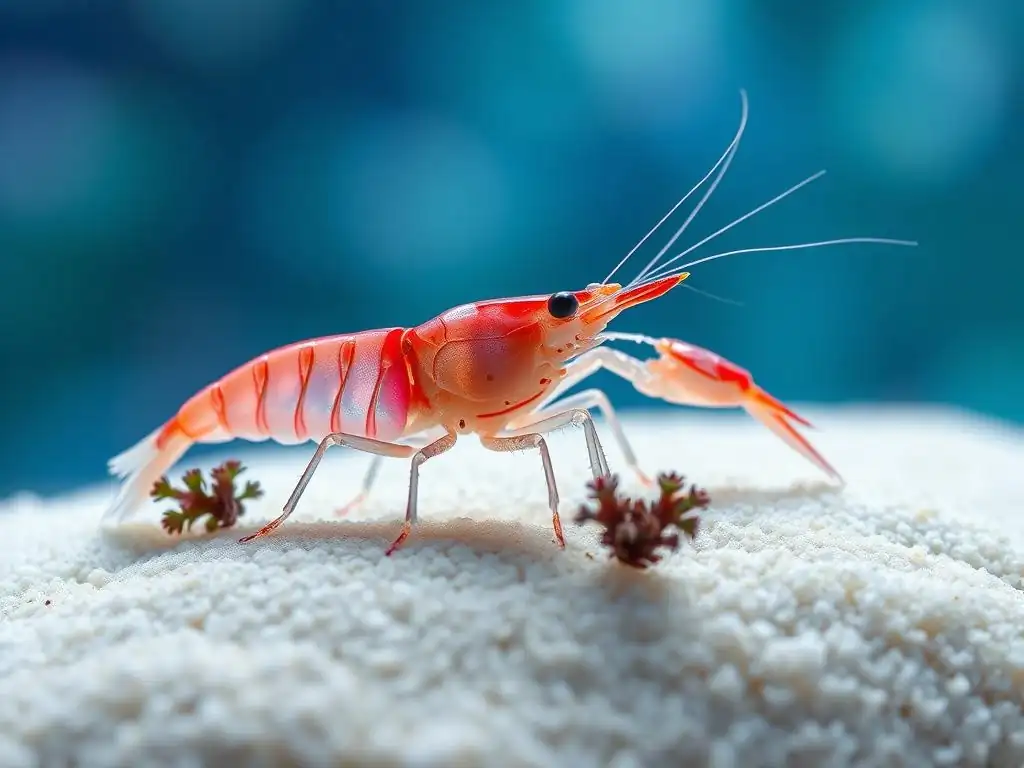
Identifying Common Shrimp Diseases
Crystal Red Shrimp, being sensitive creatures, are susceptible to various diseases and ailments that can significantly shorten their sensitive shrimp lifespan if not addressed. Common issues include bacterial infections (e.g., cloudy muscle disease, characterized by opaque white muscles), fungal infections (often appearing as cotton-like growths on the body or gills), and parasitic infestations (such as Vorticella, which look like small white fuzz on the shell, or Scutariella japonica, small white worms around the rostrum).
Symptoms to watch for include lethargy, loss of appetite, abnormal swimming patterns (e.g., erratic darting or difficulty righting themselves), discolored or eroded shells, and failed molts. Early identification is crucial, as many shrimp diseases progress rapidly. Observing your shrimp daily for any changes in behavior or appearance is the first step in protecting their sensitive shrimp lifespan.
Prevention and Treatment Strategies
Prevention is by far the most effective strategy for managing diseases in Crystal Red Shrimp, as treatment options are limited and often stressful for the already compromised shrimp. Maintaining pristine water quality, providing a balanced diet, and minimizing stress are the cornerstones of disease prevention, as these factors bolster the shrimp's natural immune system.
If a disease does occur, specific treatments vary. For bacterial infections, broad-spectrum antibiotics (e.g., Furan-2) might be used in a hospital tank, but success is not guaranteed and can harm beneficial bacteria. Fungal infections might respond to mild anti-fungal agents. Parasites like Vorticella can sometimes be treated with salt dips or specific medications like Paracide-X, but always research thoroughly and dose carefully, as shrimp are highly sensitive to chemicals. Many treatments are not shrimp-safe and can cause more harm than good, impacting their sensitive shrimp lifespan.
Quarantine Procedures for Sick Shrimp
Implementing strict quarantine procedures for new or sick shrimp is vital to protect the health and sensitive shrimp lifespan of your established colony. Any new shrimp should be kept in a separate, fully cycled quarantine tank for at least 2-4 weeks before being introduced to the main display tank. During this period, observe them closely for any signs of illness, parasites, or unusual behavior.
If a shrimp in the main tank shows signs of illness, it should be immediately isolated in a hospital tank. This prevents the potential spread of disease to other healthy shrimp and allows for targeted treatment without affecting the main tank's delicate ecosystem. Quarantine is a non-negotiable practice for serious shrimp keepers dedicated to maintaining a healthy and long-lived colony.
Optimizing Your Crystal Red Tank for Maximum Lifespan
Setting Up a Species-Specific Crystal Red Tank
To provide the best possible environment for Crystal Red Shrimp and maximize their sensitive shrimp lifespan, a species-specific tank is highly recommended. A tank size of 5 to 10 gallons (approximately 19 to 38 liters) is often ideal for a starter colony, as smaller volumes are easier to maintain with stable parameters. The focus should be on stability and quality over sheer size.
The setup should include an active buffering substrate, a gentle filtration system like a sponge filter, and appropriate lighting for low-to-medium light plants. Ample live plants, mosses, and driftwood should be incorporated to provide grazing surfaces, hiding spots, and contribute to water quality. This dedicated environment minimizes external stressors and caters directly to the specific needs of CRS.
Regular Maintenance Schedule for Shrimp Health
A consistent and diligent maintenance schedule is paramount for maintaining the pristine water conditions that Crystal Red Shrimp require for a long sensitive shrimp lifespan. This typically involves weekly tasks such as performing small water changes (e.g., 10-15% of the tank volume), testing water parameters (ammonia, nitrite, nitrate, pH, GH, KH), and gently cleaning the aquarium glass.
Monthly tasks might include light vacuuming of the substrate surface to remove detritus and cleaning the sponge filter by gently squeezing it out in old tank water to preserve beneficial bacteria. Consistency is key; sudden, large changes in water volume or filter cleaning can disrupt the stable environment and stress the shrimp, potentially shortening their sensitive shrimp lifespan.
Monitoring Water Parameters and Adjusting as Needed
Continuous monitoring of water parameters is a non-negotiable aspect of caring for Crystal Red Shrimp. Using a reliable liquid test kit (e.g., API Freshwater Master Test Kit, Salifert, or JBL) for regular checks of ammonia, nitrite, nitrate, pH, GH, and KH provides crucial insights into the tank's health. Testing should be performed weekly, or more frequently if any issues arise.
Understanding how to safely adjust parameters is also vital. For instance, if GH is too low, specific mineral supplements (e.g., SaltyShrimp GH+) can be used to remineralize RO/DI water. If nitrates begin to rise, increasing the frequency or volume of small water changes might be necessary. Proactive monitoring and timely, gentle adjustments prevent severe parameter swings that could jeopardize sensitive shrimp lifespan longevity factors.
Selecting Compatible Tank Mates (if applicable)
While a species-only tank is ideal for maximizing Crystal Red Shrimp sensitive shrimp lifespan, some aquarists may consider compatible tank mates. The crucial criteria for any potential tank mate are small size, peaceful temperament, and a lack of predatory instincts towards shrimp or shrimplets. Absolutely avoid any fish that can fit a shrimplet in its mouth or display even mild aggression.
Examples of potentially compatible species include Otocinclus catfish (which are algae eaters and very peaceful), small species of Boraras (like Chili Rasboras or Phoenix Rasboras, which are often too small to bother adult shrimp but may still pose a risk to shrimplets), and certain very small, peaceful schooling fish like Green Neon Tetras. Even with these, close observation is necessary, as individual fish temperament can vary, and any perceived threat will add stress to the shrimp.
Extending Crystal Red Shrimp Lifespan: Expert Tips
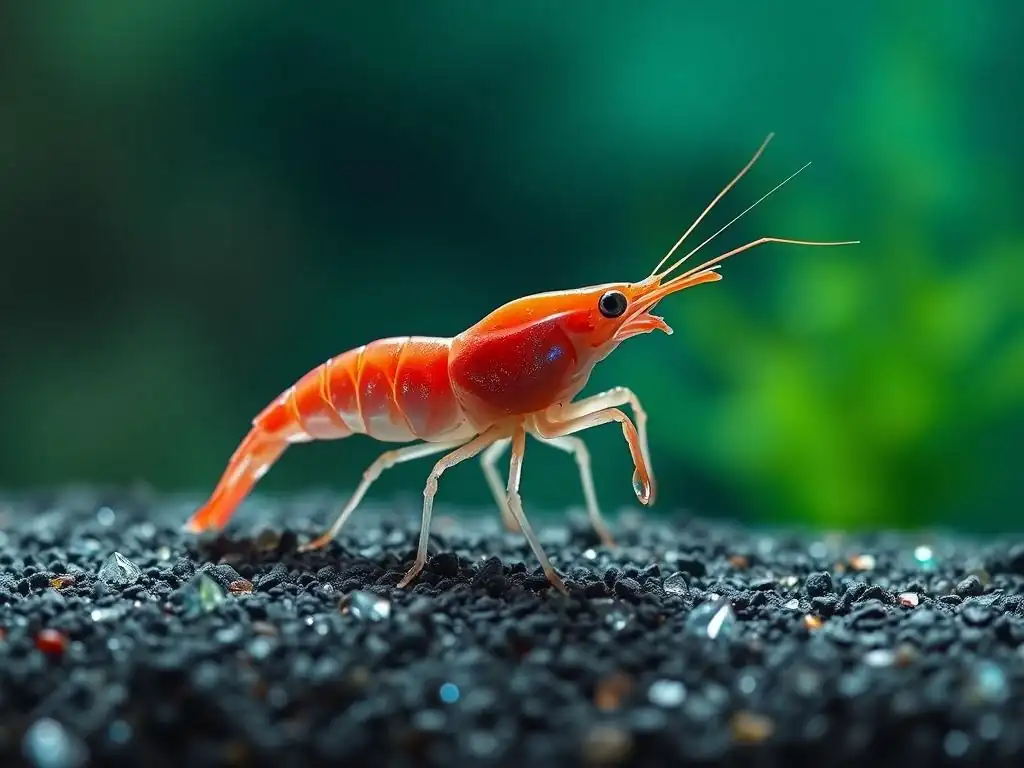
Advanced Techniques for Shrimp Keepers
For dedicated aquarists seeking to further extend their Crystal Red Shrimp's sensitive shrimp lifespan, several advanced techniques can be employed. This includes the use of aquarium chillers in environments where ambient temperatures frequently exceed the ideal range, ensuring precise and stable cooling. Automated dosing systems can also be utilized for consistent mineral replenishment, maintaining GH and KH levels with minimal fluctuation.
Furthermore, some advanced keepers integrate specialized filtration media like Purigen or Seachem Matrix to further enhance water purity and reduce organic pollutants. Experimentation with different botanicals such as catappa leaves (Indian Almond leaves) or alder cones can also provide beneficial tannins, which are believed to have mild antibacterial and antifungal properties, mimicking their natural environment and supporting their sensitive shrimp lifespan.
Creating a Thriving Crystal Red Ecosystem
Beyond just maintaining parameters, the goal should be to cultivate a self-sustaining, thriving Crystal Red ecosystem. This involves allowing ample time for the tank to fully cycle and mature (often 1-2 months) before introducing shrimp, ensuring a robust beneficial bacterial colony. Encouraging the growth of a healthy biofilm layer on all surfaces is paramount, as this provides a continuous and natural food source.
A balanced ecosystem also means healthy plant growth, which contributes to oxygenation and nitrate absorption. By focusing on the holistic health of the tank as a living system rather than just isolated parameters, aquarists can create an environment where CRS not only survive but truly flourish, reaching their maximum sensitive shrimp lifespan.
Continuously Learning and Adapting
The world of shrimp keeping is constantly evolving, with new research, products, and techniques emerging regularly. Expert shrimp keepers are characterized by their commitment to continuous learning and adaptation. Staying informed through reputable forums, scientific articles, and experienced hobbyist communities allows aquarists to refine their methods and address challenges effectively.
Observing your own shrimp daily, understanding their behaviors, and being prepared to troubleshoot issues promptly are crucial skills. Every tank is unique, and what works perfectly for one may need slight adjustments for another. This adaptive approach ensures that care practices remain optimized, directly contributing to sensitive shrimp lifespan longevity factors in the face of changing conditions or new insights.
Utilizing a Sponge Filter with a Pre-Filter to Maintain Water Quality and Prevent Shrimp Fry from Being Sucked In
A sponge filter is widely regarded as the best filtration choice for Crystal Red Shrimp tanks due to its gentle flow, large surface area for beneficial bacteria, and safety for shrimplets. It provides excellent biological filtration and sufficient mechanical filtration without creating strong currents that can stress the shrimp.
To further enhance water quality and protect the most vulnerable members of the colony, a pre-filter can be added to the intake of any hang-on-back (HOB) or canister filter. This pre-filter, typically a piece of fine-pored sponge, acts as a physical barrier, preventing tiny shrimp fry from being sucked into the filter impeller. This simple addition significantly reduces shrimplet mortality rates, ensuring more of the young survive to adulthood, thereby contributing substantially to the overall sensitive shrimp lifespan and growth of the colony.
Conclusion: Ensuring a Long and Healthy Life for Your Crystal Red Shrimp
Recap of Key Longevity Factors
Ensuring a long and healthy life for your Crystal Red Shrimp is a rewarding endeavor that hinges on a comprehensive understanding and diligent application of several key factors. Paramount among these are maintaining pristine and stable water parameters—zero ammonia and nitrite, low nitrates (under 10 ppm), a stable pH of 6.0-6.8, and ideal GH (4-6 dGH) with very low KH (0-1 dKH). Equally vital are a consistent temperature range of 68-74°F, a balanced and varied diet, and a secure tank environment rich in biofilm and hiding places.
Furthermore, good genetics, minimal stress from handling or incompatible tank mates, and proactive disease prevention are critical components. These elements collectively define the sensitive shrimp lifespan longevity factors that allow CRS to thrive.
The Rewards of Proper Crystal Red Care
The effort invested in providing optimal care for Crystal Red Shrimp is amply repaid by the beauty and vitality they bring to an aquarium. Witnessing a thriving colony, with shrimp exhibiting vibrant colors, active foraging behaviors, and successful breeding cycles, is a source of immense satisfaction for any aquarist. A long-lived colony signifies not just healthy shrimp, but also a balanced and stable aquatic ecosystem, a testament to the keeper's dedication and skill. The peaceful presence of these delicate invertebrates adds a unique charm and dynamic beauty to the freshwater tank.
Encouraging Responsible Shrimp Keeping.
Ultimately, the journey of keeping Crystal Red Shrimp is one of continuous learning and responsible stewardship. These sensitive creatures demand a higher level of commitment and attention to detail than many other aquarium inhabitants. By adhering to best practices in water quality management, nutrition, environmental stability, and genetic selection, aquarists can significantly enhance the sensitive shrimp lifespan and overall well-being of their CRS. Encouraging responsible shrimp keeping promotes not only the success of individual hobbyists but also contributes to the ethical treatment and conservation of these remarkable aquatic invertebrates, ensuring their continued presence and enjoyment in the aquarium hobby.
Frequently Asked Questions
What are the primary environmental factors that affect Caridina shrimp lifespan?
The lifespan of Caridina shrimp is heavily influenced by water parameters such as temperature, pH, and water hardness. Maintaining stable and optimal conditions is crucial for their longevity.
How does diet impact the lifespan of sensitive shrimp species?
A varied and balanced diet is essential. Providing high-quality food that meets their nutritional needs, including essential vitamins and minerals, can significantly extend their lifespan.
What role does tank size play in determining Caridina shrimp lifespan?
Tank size directly impacts water quality stability. Larger tanks generally offer more stable environments, which can reduce stress and contribute to a longer lifespan for sensitive shrimp.
How does genetic predisposition influence the lifespan of Caridina shrimp?
Like all living things, genetics play a role. Some lines of Caridina may be naturally more resilient and have a longer potential lifespan, while others may be more susceptible to diseases.
What are some common diseases and parasites that shorten the lifespan of sensitive shrimp?
Common diseases include bacterial infections and parasitic infestations like Scutariella japonica. Early detection and prompt treatment are vital to prevent premature death and maximize lifespan.
Final Reflection: The Delicate Dance of Life and Time
The exploration of Sensitive Shrimp Lifespan Longevity Factors reveals more than just the scientific parameters affecting these tiny creatures; it underscores the profound interconnectedness of life within fragile ecosystems. Understanding the nuances of their environment, diet, and genetics is not merely an academic exercise, but a crucial step towards preserving biodiversity and appreciating the delicate balance that sustains us all. The well-being of these shrimp, and indeed all sensitive species, serves as a barometer for the health of our planet.
This journey into the world of Caridina shrimp has highlighted the importance of mindful stewardship and the ripple effect of our actions. Witnessing the intricate web of factors influencing their lifespan has been a humbling reminder of the fragility of life and the responsibility we bear to protect it. In the end, we will conserve only what we love; we will love only what we understand; and we will understand only what we are taught.
- Baba Dioum. This quote encapsulates the essence of our exploration: understanding these shrimp is the first step towards loving and protecting them.
Now, armed with this knowledge, consider how you can contribute to a more sustainable future. Reflect on the choices you make, the products you consume, and the impact they have on the environment. Let the delicate dance of life and time, so vividly illustrated by the lifespan of these sensitive shrimp, inspire you to be a conscious and compassionate steward of our planet.
Unleash the Secrets to a Thriving Shrimp Paradise!
Thank you for diving into the fascinating world of Caridina shrimp! We hope you found valuable insights into prolonging the lives of these delicate creatures. Now, let's put that knowledge into action!
- Start today by re-evaluating the GH and KH levels of your shrimp tank. Accurate water parameters are the cornerstone of a long and healthy life for your Caridina.
- Share this article with fellow shrimp enthusiasts to spread awareness and help them create the best possible environment for their shrimp.
- Surprise your shrimp with a new, natural food source like blanched spinach or mulberry leaves this week!
What's one small change you'll implement in your shrimp tank this week to boost your Caridina's well-being?