
Gold Laser Corydoras: Illuminating Your Tank with This Radiant Variant

Welcome to Aquarium Mastery!
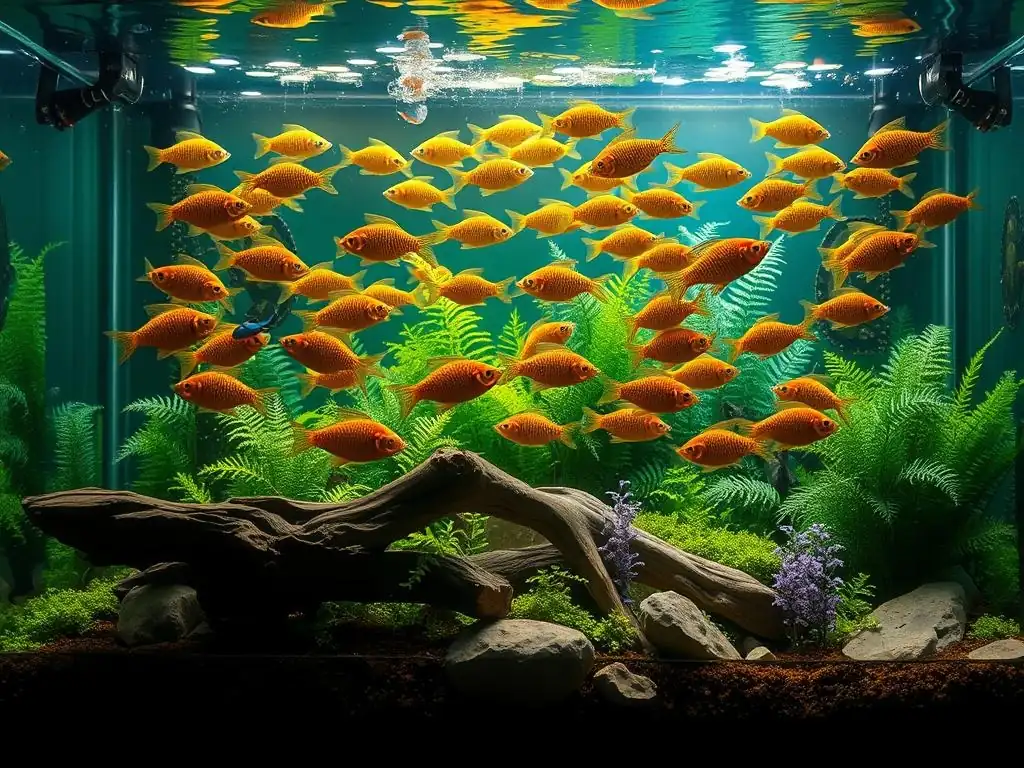
Ever wondered how to add a touch of shimmering gold to your freshwater aquarium? Dive in and discover everything you need to know about these miniature treasures! This article unveils essential gold laser corydoras care tips, guiding you through everything from tank setup to ensuring their vibrant health. Get ready to illuminate your tank with these radiant beauties – but first, let's explore what makes them so special...
- Understanding the Allure of Gold Laser Corydoras
- Gold Laser Corydoras Care Tips: Essential Guidelines for Success
- Gold Laser Corydoras Tank Mates: Creating a Peaceful Community
- Gold Laser Corydoras Breeding: Encouraging Reproduction
- Gold Laser Corydoras Common Health Issues and Prevention
- Enhancing the Gold Laser Display: Aquascaping for Corydoras
- Gold Laser Corydoras: A Comprehensive Care Guide Summary
-
Frequently Asked Questions
- What are the most important water parameters to consider for Gold Laser Corydoras?
- What type of substrate is best for Gold Laser Corydoras?
- What should I feed my Gold Laser Corydoras?
- How many Gold Laser Corydoras should I keep together?
- What are some common health issues to watch out for in Gold Laser Corydoras?
- Final Reflection: Embracing the Gleam of Gold
- Unleash the Golden Glow in Your Aquarium!
Understanding the Allure of Gold Laser Corydoras
Introducing the Gold Laser Cory: A Stunning Corydoras Variety
The Gold Laser Corydoras, scientifically identified as Corydoras aeneus "Gold Laser" or sometimes by its C-number CW010, is a highly sought-after variant of the common Bronze Corydoras. What truly sets this fish apart is its striking iridescent gold or orange stripe that runs horizontally along its body, creating a vibrant focal point in any freshwater aquarium. This captivating coloration, combined with their peaceful demeanor and active bottom-dwelling habits, makes them a favorite among aquarists looking to add both beauty and movement to their tanks.
Originating from the Ucayali River basin in Peru, South America, these charming catfish are accustomed to soft, slightly acidic waters with plenty of leaf litter and submerged roots. Their natural habitat influences the optimal Gold laser corydoras care tips required for their thriving in a home aquarium. While they share many characteristics with other Corydoras species, their distinct "laser" stripe makes them easily identifiable and a truly unique addition, often appearing to glow under proper lighting conditions, hence their evocative common name.
Why Choose Gold Laser Corydoras for Your Aquarium?
Choosing Gold Laser Corydoras for your aquarium brings numerous benefits, extending beyond their undeniable aesthetic appeal. Their radiant stripe indeed illuminates the lower levels of the tank, providing a dynamic visual element that contrasts beautifully with green plants and darker substrates. Unlike some fish that remain hidden, Gold Laser Cories are active bottom explorers, constantly sifting through the substrate, which can be fascinating to observe.
Beyond their looks, these fish are excellent community tank inhabitants dueversatile Gold laser corydoras care tips make them suitable for various setups. They are incredibly peaceful, posing no threat to other non-aggressive fish species, shrimp, or snails. Furthermore, their natural scavenging behavior helps keep the substrate clean by consuming uneaten food particles, contributing to better water quality. Keeping them in groups of at least six to eight individuals is crucial, as their schooling nature promotes confidence and reduces stress, allowing their full personality and vibrant colors to shine.
Gold Laser Corydoras Care Tips: Essential Guidelines for Success
Optimal Tank Setup for Gold Laser Corydoras
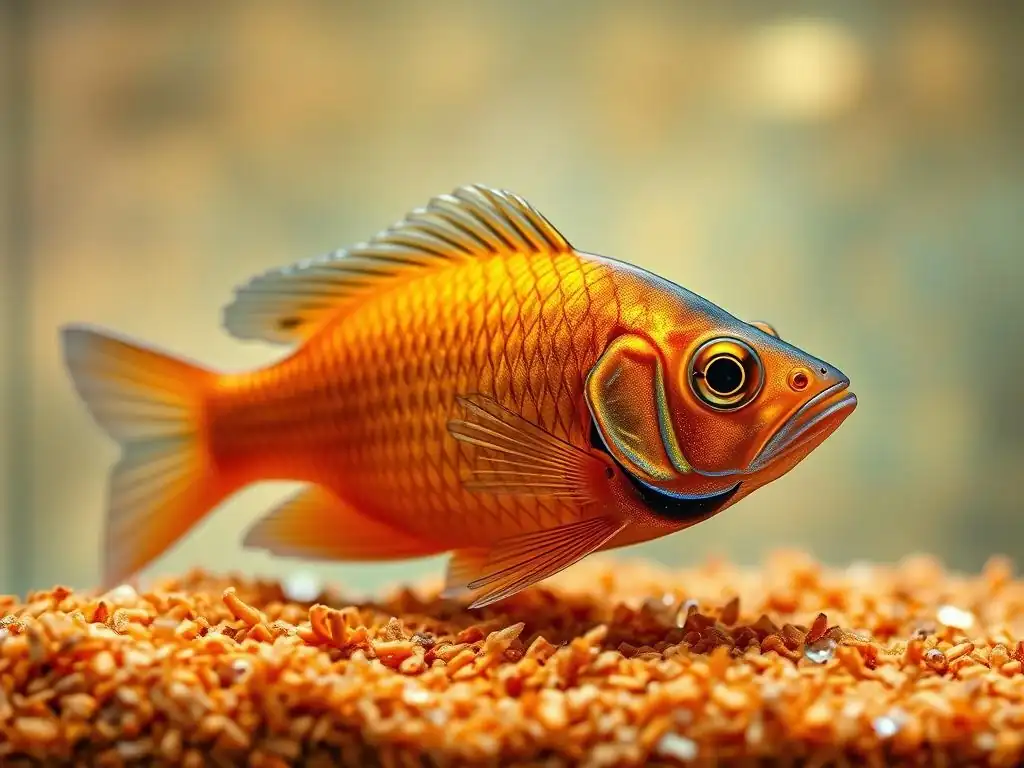
Providing an optimal tank setup is paramount for the health and longevity of your Gold Laser Corydoras. These small catfish thrive in environments that closely mimic their natural South American riverine habitats. Careful consideration of tank size, substrate, decorations, and water parameters forms the foundation of effective Gold laser corydoras care tips.
Tank Size Requirements for Gold Laser Cories
For a small group of 6 to 8 Gold Laser Corydoras, a minimum tank size of 20 gallons (approximately 75 liters) is recommended. While they are relatively small, growing to about 2 inches (5 cm) in length, their schooling behavior necessitates ample space to swim and forage comfortably. A larger tank, such as 30 gallons or more, is always preferable, as it provides greater water volume for stability and allows for a larger, more natural schooling group, which enhances their well-being and visual impact.
The footprint of the tank is often more important than its height for Corydoras species, as they primarily inhabit the bottom. A longer, wider tank provides more surface area for them to explore and feed. For instance, a standard 20-gallon long tank offers a significantly better bottom area than a 20-gallon high, making it a superior choice for these active bottom dwellers.
Substrate and Decoration Preferences for Gold Lasers
The choice of substrate is a critical aspect of Gold laser corydoras care tips. Fine, soft sand is the ideal substrate for Gold Laser Corydoras. Their delicate barbels, which they use to sift through the substrate for food, can be damaged by sharp or rough gravel. If sand is not feasible, very smooth, rounded gravel with no sharp edges can be used, though sand remains the preferred option to prevent barbel erosion and promote natural foraging behaviors.
Decorations should include plenty of hiding spots and shaded areas. Driftwood, smooth river rocks, and live plants with broad leaves (like Anubias or Amazon Swords) provide excellent cover and resting places. Ensure that all decorations are smooth and free of sharp edges that could injure the fish. Leaving some open sand areas at the front of the tank allows for easy observation of their sifting activities.
Water Parameters: Replicating Their Natural Habitat
Maintaining stable and appropriate water parameters is fundamental to the successful implementation of Gold laser corydoras care tips. Gold Laser Corydoras thrive in soft to moderately hard water with a slightly acidic to neutral pH, mirroring conditions in their native South American rivers. The ideal temperature range is between 72-79°F (22-26°C). A pH level of 6.0-7.5 is generally well-tolerated, with a preference for the lower end of this spectrum (6.5-7.0).
Water hardness should ideally be kept between 2-15 dGH. Consistency in these parameters is more important than hitting exact numbers, as sudden fluctuations can cause significant stress. Regular monitoring with a reliable liquid test kit for ammonia, nitrite, nitrate, pH, and temperature is essential to ensure the water quality remains pristine and stable, preventing stress and disease.
Gold Laser Corydoras Diet and Feeding
Proper nutrition is a cornerstone of effective Gold laser corydoras care tips. Gold Laser Corydoras are omnivores with a scavenging nature, meaning they will consume a variety of foods found on the substrate. A balanced and varied diet is crucial for their health, vibrant coloration, and overall vitality.
What to Feed Your Gold Laser Corydoras
The primary diet for Gold Laser Corydoras should consist of high-quality sinking pellets or wafers specifically designed for bottom-feeding fish. These foods are formulated to provide the necessary nutrients and sink quickly to the bottom, where the corydoras can easily access them. Supplementing their diet with frozen foods such as bloodworms, brine shrimp, and daphnia once or twice a week provides essential protein and variety, mimicking their natural diet.
Live foods, such as grindal worms or small quantities of blackworms, can also be offered occasionally as a treat, provided they come from a reputable, disease-free source. While they are scavengers, it's important not to rely solely on leftover food from other tank inhabitants, as this often does not provide sufficient or balanced nutrition for the corydoras themselves.
Feeding Frequency and Portion Control
Gold Laser Corydoras should be fed once or twice daily. The key is portion control: offer only what they can consume within 5 to 10 minutes. Overfeeding is a common mistake that can quickly lead to poor water quality, as uneaten food decomposes and releases harmful ammonia and nitrites. It's better to underfeed slightly than to overfeed.
For nocturnal feeding, some aquarists prefer to feed their corydoras after the tank lights are off, as this reduces competition from more aggressive or faster-feeding surface dwellers. This ensures that the bottom dwellers receive their fair share of food without stress, contributing positively to their overall Gold laser corydoras care tips.
Preventing Overfeeding and Maintaining Water Quality
Preventing overfeeding is crucial for maintaining pristine water quality, which directly impacts the health of your Gold Laser Corydoras. Uneaten food quickly breaks down, leading to elevated ammonia and nitrite levels, which are highly toxic to fish. Implementing proper feeding habits, such as the portion control mentioned above, is the first line of defense.
Regularly observing your fish during feeding time helps you gauge the appropriate amount of food. If you consistently find uneaten food after 10 minutes, reduce the portion size. Furthermore, routine tank maintenance, including weekly water changes and careful gravel vacuuming (especially in sandy substrates), will help remove any lingering detritus and keep the water parameters stable and healthy for your Gold Laser Cories.
Maintaining a Healthy Gold Laser Corydoras Aquarium
Consistent maintenance practices are indispensable for a thriving Gold Laser Corydoras aquarium. Beyond initial setup and feeding, ongoing care ensures a stable and healthy environment, preventing common issues and promoting the long-term well-being of these radiant fish. Adhering to these Gold laser corydoras care tips is vital for their longevity.
Regular Water Changes: A Cornerstone of Corydoras Care
Regular water changes are arguably the most critical aspect of maintaining a healthy Gold Laser Corydoras aquarium. A weekly water change of 25-30% is highly recommended to dilute nitrates, replenish essential minerals, and remove accumulated organic waste. Always use a dechlorinator to treat tap water, as chlorine and chloramines are toxic to fish.
Ensure the new water is roughly the same temperature as the tank water to prevent temperature shock, which can stress the fish and make them susceptible to disease. Consistent water changes contribute significantly to preventing the buildup of harmful substances and maintaining the stable water parameters that Gold Laser Cories require.
Filtration and Aeration Needs for Gold Laser Cories
Effective filtration is necessary to keep the water clean and clear for Gold Laser Corydoras. A good filter system should provide mechanical filtration (to remove particles), biological filtration (to process ammonia and nitrite), and potentially chemical filtration (to remove odors or discoloration). Sponge filters are an excellent choice for corydoras tanks, especially for breeding setups, as they provide gentle flow and biological filtration without strong currents that can stress these small fish.
Hang-on-back (HOB) filters or canister filters are also suitable, provided their output flow is not too strong. If the filter creates too much current, a spray bar can be used to diffuse the flow. Adequate aeration is also important, ensuring sufficient dissolved oxygen levels. This can be achieved through surface agitation from the filter output or by adding an air stone with an air pump.
Monitoring Water Chemistry: Keeping Your Cories Healthy
Regularly monitoring water chemistry is a proactive Gold laser corydoras care tip that helps identify potential problems before they become critical. At a minimum, weekly testing for ammonia, nitrite, and nitrate levels is advised. Ammonia and nitrite should always be at 0 ppm, while nitrates should be kept below 20 ppm through regular water changes.
Periodically checking pH and temperature ensures stability within their preferred ranges. Liquid test kits are generally more accurate than test strips and are a worthwhile investment for serious aquarists. Keeping a log of your water parameters can help identify trends and guide your maintenance routine, ensuring your Gold Laser Corydoras remain in optimal health.
Gold Laser Corydoras Tank Mates: Creating a Peaceful Community
Selecting appropriate tank mates is crucial for the well-being of Gold Laser Corydoras, as their peaceful and often shy nature can make them vulnerable to aggressive or overly boisterous fish. Creating a harmonious community tank ensures that these radiant bottom dwellers thrive without undue stress or competition.
Ideal Tank Mates for Gold Laser Corydoras
Ideal tank mates for Gold Laser Corydoras are peaceful, similarly sized fish that occupy the middle or upper levels of the aquarium, minimizing competition for space and food at the bottom. Good choices include various species of Tetras, such as Neon Tetras, Cardinal Tetras, Ember Tetras, or Rummy Nose Tetras, which are known for their calm demeanor and schooling behavior. Small Rasboras, like Harlequin Rasboras or Chili Rasboras, also make excellent companions.
Other suitable tank mates include small, peaceful Danios, Dwarf Gouramis (single males or a pair), and Otocinclus catfish, which are also peaceful algae eaters. Livebearers like Guppies or Endler's Livebearers can also work, provided their breeding rate is managed. The key is to choose fish that are not prone to fin-nipping or aggression and share similar water parameter requirements, ensuring a compatible environment for all inhabitants.
Fish to Avoid Keeping with Gold Laser Cories
When considering Gold laser corydoras care tips for community setups, it's equally important to identify fish to avoid. Any large, aggressive, or predatory fish should be excluded from a tank housing Gold Laser Corydoras. This includes most Cichlid species, such as Oscars, Jack Dempseys, or even larger Angelfish, which can view the small corydoras as food.
Fin-nipping species, like Tiger Barbs, should also be avoided, as they can cause stress and injury to the corydoras' delicate fins and barbels. Very active or boisterous fish that might constantly startle or outcompete the corydoras for food are also not ideal. Additionally, fish that require significantly different water parameters (e.g., very hard, alkaline water) should not be housed with Gold Laser Cories, as compromising on water quality for one species will negatively impact the others.
Ensuring a Harmonious Aquarium Environment
To ensure a harmonious aquarium environment for your Gold Laser Corydoras and their tank mates, several factors beyond species selection play a role. Adequate tank size is paramount; overcrowding leads to stress, aggression, and poor water quality. A general rule of thumb is to allow at least 1 gallon of water per inch of adult fish, though this can vary.
Providing ample hiding spots and visual breaks using plants, driftwood, and rocks helps reduce stress and aggression among inhabitants. Ensuring that all fish receive sufficient food, especially the bottom dwellers, prevents competition. Regularly observing the fish for any signs of stress, aggression, or illness allows for prompt intervention, maintaining a peaceful and healthy community.
Gold Laser Corydoras Breeding: Encouraging Reproduction
Breeding Gold Laser Corydoras can be a rewarding experience for dedicated aquarists, offering a deeper insight into their life cycle. While not always straightforward, providing the right conditions can encourage these peaceful catfish to reproduce in a home aquarium, expanding your knowledge of Gold laser corydoras care tips.
Setting Up a Breeding Tank for Gold Laser Cories
To maximize breeding success and protect the fry, setting up a dedicated breeding tank is highly recommended. A smaller tank, typically 10 to 15 gallons (38-57 liters), is sufficient for a breeding group of 3-5 corydoras (ideally two males for every female). The tank should have a bare bottom or a very thin layer of fine sand for easy cleaning and fry collection.
Provide spawning surfaces such as broad-leafed plants (e.g., Anubias, Java Fern), spawning mops made from yarn, or smooth, flat rocks. A gentle sponge filter is ideal for filtration, as it provides biological filtration without creating strong currents that could harm delicate eggs or fry. Maintaining excellent water quality in this setup is critical for successful spawning and fry development.
Identifying Male and Female Gold Laser Corydoras
Distinguishing between male and female Gold Laser Corydoras can be challenging, especially when they are young. However, mature females are generally larger and noticeably broader in body shape, particularly when viewed from above. When gravid (full of eggs), a female's abdomen will appear significantly rounder and fuller.
Males, in contrast, tend to be smaller and more slender. Observing a group of corydoras from above can help highlight these subtle differences, especially during feeding times when their body shapes are more apparent. Selecting a group with a good male-to-female ratio, such as two males for every female, increases the chances of successful spawning.
Spawning and Raising Gold Laser Corydoras Fry
To encourage spawning, condition the breeding group with frequent feedings of high-protein live and frozen foods for several days. A common trigger for spawning is a large, cool water change, typically 50% or more, with water that is 5-10°F (3-6°C) cooler than the tank water. This simulates the onset of the rainy season in their natural habitat. Spawning usually occurs in the early morning, with the fish becoming very active.
Gold Laser Corydoras are egg layers, depositing their adhesive eggs on tank glass, plants, or spawning mops. Once eggs are laid, it's advisable to remove the adult fish to prevent them from consuming the eggs. The eggs will typically hatch in 3 to 5 days, depending on temperature.
The fry are very small and require microscopic food initially, such as infusoria or liquid fry food. After a few days, they can be fed microworms and then newly hatched baby brine shrimp. Maintaining pristine water quality with small, frequent water changes is paramount for the survival and healthy growth of the fry.
Gold Laser Corydoras Common Health Issues and Prevention
Even with diligent Gold laser corydoras care tips, these fish can occasionally face health challenges. Recognizing the signs of illness early and understanding common diseases are crucial for prompt treatment and maintaining a healthy population. Prevention, however, remains the best defense against disease.
Recognizing Signs of Illness in Gold Laser Corydoras
Observing your Gold Laser Corydoras regularly is the first step in identifying potential health issues. Signs of illness can include a loss of appetite, lethargy, or unusually clamped fins. Changes in coloration, such as fading or the appearance of white spots (Ich) or fuzzy patches (fungus), are clear indicators.
Other symptoms might include rapid breathing, gasping at the surface (indicating low oxygen or gill irritation), or erratic swimming. A particularly common issue for corydoras is barbel erosion, where their delicate barbels appear shortened or damaged. This is typically a symptom of poor water quality or an improper, abrasive substrate rather than a direct disease. Any deviation from their normal active, schooling behavior warrants closer inspection.
Common Diseases Affecting Gold Laser Cories
Gold Laser Corydoras are generally hardy, but like all aquarium fish, they are susceptible to common freshwater diseases, especially when stressed by poor water quality or improper Gold laser corydoras care tips. Ich (White Spot Disease) is one of the most prevalent parasitic infections, presenting as small, salt-like white spots on the body and fins. It is highly contagious but treatable with medication and elevated temperatures.
Bacterial infections, such as Fin Rot, can cause the fins to appear ragged or frayed, often due to poor water conditions. Fungal infections manifest as white, cottony growths on the body and are often secondary to an injury or weakened immune system. "Red blotch disease," though less common, can cause red sores on the belly. Prompt diagnosis and treatment are essential for recovery.
Preventative Measures for a Healthy Corydoras Population
Prevention is the most effective strategy for maintaining a healthy Gold Laser Corydoras population. This begins with consistently maintaining excellent water quality through regular testing and scheduled water changes, which prevents the buildup of harmful toxins. Providing the appropriate soft, fine substrate and plenty of hiding spots also reduces stress and protects their delicate barbels.
Quarantining new fish for 2-4 weeks in a separate tank before introducing them to the main aquarium helps prevent the introduction of diseases. Feeding a balanced and varied diet boosts their immune system, making them more resilient to pathogens. Finally, avoiding overcrowding and ensuring compatible tank mates minimizes stress and aggression, contributing significantly to a robust and healthy corydoras community.
Enhancing the Gold Laser Display: Aquascaping for Corydoras
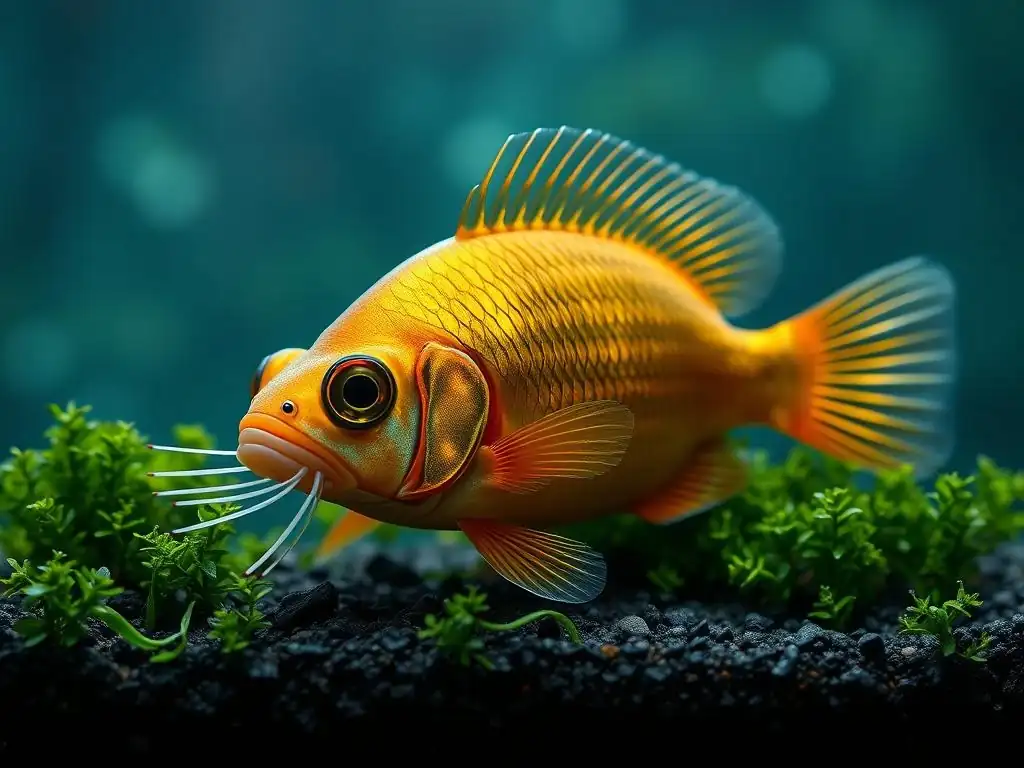
Thoughtful aquascaping not only enhances the visual appeal of your Gold Laser Corydoras tank but also creates an environment that caters to their natural behaviors and needs. Integrating specific plants, decor, and lighting considerations can truly make their radiant stripe pop.
Plant Selection for Gold Laser Corydoras Tanks
When selecting plants for a Gold Laser Corydoras tank, prioritize species that provide shade, resting spots, and don't require intense lighting. Broad-leafed plants like Anubias species, Amazon Swords ( Echinodorus amazonicus), and Cryptocorynes are excellent choices. Their wide leaves offer perfect resting spots for corydoras and help to diffuse light, creating comfortable shaded areas.
Floating plants such as Frogbit ( Limnobium laevigatum) or Dwarf Water Lettuce ( Pistia stratiotes) are also beneficial. They help reduce overall light intensity, which can be preferred by corydoras, and provide additional cover. Ensure that any plants chosen are hardy enough to tolerate the occasional rooting activity of the corydoras, especially if they are sifting through the substrate around plant roots.
Creating a Natural and Appealing Environment
Creating a natural and appealing environment goes beyond just plants; it involves thoughtfully arranging hardscape elements like driftwood and smooth rocks. Driftwood provides excellent hiding spots and can release beneficial tannins that slightly lower pH and add a natural tint to the water, mimicking their native blackwater habitats. Smooth river rocks can form small caves or provide additional resting surfaces.
Arrange these elements to create both open swimming areas on the bottom, where the Gold Laser Cories can forage, and sheltered zones where they can retreat if feeling stressed or during resting periods. A darker substrate, such as black sand, can also dramatically enhance the visibility of their vibrant gold laser stripe, making their coloration appear even more striking against the contrasting background.
Lighting Considerations for Gold Laser Corydoras
Lighting plays a role in both the health of your plants and the comfort of your Gold Laser Corydoras. While plants may require specific light intensities, corydoras generally prefer moderate lighting. Too bright of an environment can stress them, causing them to hide more frequently or appear paler. This is an important consideration in Gold laser corydoras care tips.
If you have high-intensity lighting for demanding plants, ensure there are ample shaded areas created by taller plants, floating plants, or decor. Using a light timer to simulate a natural dawn-to-dusk cycle can also benefit the fish, promoting natural behaviors and reducing stress from sudden light changes. Aim for a lighting period of 8-10 hours daily.
Gold Laser Corydoras: A Comprehensive Care Guide Summary
Key Takeaways for Successful Gold Laser Corydoras Keeping
- Group Size: Keep Gold Laser Corydoras in groups of at least 6-8 individuals to promote schooling behavior and reduce stress.
- Tank Size: A minimum of 20 gallons (75 liters) is recommended for a small group, with a focus on tank footprint rather than height.
- Substrate: Utilize fine, soft sand to protect their delicate barbels during foraging. Avoid sharp gravel.
- Water Parameters: Maintain stable water temperatures between 72-79°F (22-26°C), pH 6.0-7.5, and hardness 2-15 dGH.
- Diet: Feed high-quality sinking pellets/wafers, supplemented with frozen and occasional live foods.
- Feeding Frequency: Feed once or twice daily, only what they can consume in 5-10 minutes, to prevent overfeeding.
- Water Changes: Perform weekly 25-30% water changes using dechlorinated, temperature-matched water.
- Filtration & Aeration: Ensure gentle but effective filtration (e.g., sponge filter) and adequate surface agitation for oxygen.
- Monitoring: Regularly test for ammonia, nitrite, nitrate, pH, and temperature to ensure water quality is pristine.
- Tank Mates: Choose peaceful, similarly sized fish that occupy mid to upper water columns. Avoid aggressive or fin-nipping species.
- Aquascaping: Provide plenty of hiding spots with driftwood, smooth rocks, and broad-leafed plants. Consider darker substrates to enhance their coloration.
- Health Prevention: Quarantine new fish, maintain excellent water quality, and provide a balanced diet to prevent common diseases like Ich and fin rot.
Resources for Further Learning About Corydoras Care
For aquarists seeking to deepen their understanding of Gold laser corydoras care tips and the broader world of Corydoras species, a wealth of information is available. Consulting reputable aquarist forums can provide insights from experienced hobbyists and offer solutions to specific challenges. Specialized fishkeeping books dedicated to catfish or South American freshwater species often contain detailed profiles and advanced care techniques. Online fish databases and academic resources provide scientific classifications, natural habitat information, and breeding specifics that can further enhance your knowledge and success in keeping these fascinating fish.
Frequently Asked Questions
What are the most important water parameters to consider for Gold Laser Corydoras?
Maintaining stable water parameters is crucial. Aim for a temperature between 72-78°F, a pH of 6.0-7.5, and keep the water clean and well-oxygenated through regular water changes.
What type of substrate is best for Gold Laser Corydoras?
Gold Laser Corydoras thrive best on a soft, sandy substrate. This prevents damage to their delicate barbels as they sift through the bottom for food. Avoid sharp gravel or rough surfaces.
What should I feed my Gold Laser Corydoras?
They are omnivores, so offer a varied diet of sinking pellets, flakes, and frozen foods like bloodworms and daphnia. Ensure food reaches the bottom of the tank, as they are primarily bottom feeders.
How many Gold Laser Corydoras should I keep together?
Gold Laser Corydoras are social fish and should be kept in groups of at least 6 or more. This helps them feel secure and exhibit natural shoaling behavior.
What are some common health issues to watch out for in Gold Laser Corydoras?
Be vigilant for signs of bacterial or fungal infections, often indicated by changes in behavior or appearance. Ich (white spot disease) is also common. Maintaining optimal water quality is the best preventative measure.
Final Reflection: Embracing the Gleam of Gold
The allure of the Gold Laser Corydoras, as we've explored, extends beyond mere aesthetics. It represents a deeper appreciation for the biodiversity within our aquatic ecosystems and the responsibility we bear as aquarists to provide optimal care. Understanding and implementing the care tips discussed is not just about keeping these fish alive; it's about fostering their well-being and contributing to the ethical practice of fishkeeping.
This journey into the world of Gold Laser Corydoras has underscored the importance of informed decision-making in our hobbies. The dedication required to maintain a thriving environment for these radiant creatures mirrors the commitment we should bring to all aspects of our lives, fostering a sense of responsibility and connection to the natural world. In the end, we will conserve only what we love; we will love only what we understand; and we will understand only what we are taught.
- Baba Dioum. This quote perfectly encapsulates the need for education and understanding to drive conservation efforts, even within the confines of our own aquariums.
Now, as you consider adding these shimmering jewels to your own tank, remember that knowledge is power. Let the insights shared in this article serve as a foundation for your journey. Embrace the challenge, observe your Gold Laser Corydoras with mindful attention, and continue to learn and adapt. By doing so, you not only create a beautiful and thriving aquatic world but also contribute to a greater understanding and appreciation for the delicate balance of life within our planet's waters.
Unleash the Golden Glow in Your Aquarium!
Thank you for diving into the dazzling world of Gold Laser Corydoras! We hope you found the information valuable and are inspired by the radiant beauty these little fish can bring to your tank. Now, let's turn that inspiration into action!
Here are a few ways to further explore and share the magic of Gold Laser Corydoras:
- Embark on Your Golden Journey: Consider adding Gold Laser Corydoras to your aquarium to experience their beauty firsthand and enhance your underwater world.
- Share Your Shine: Post a picture of your Gold Laser Corydoras setup on social media and tag us @AquariumMastery to inspire other aquarists.
- Discover Rare Aquarium Fish: Research one other unique or rare Corydoras variant that you didn't know existed, and share your findings with a friend.
What's one small change you can make in your aquarium setup today to better showcase the golden hues of your Corydoras?