
Brochis britskii: Unveiling the Secrets of This Robust Brochis Species

Welcome to Aquarium Mastery!
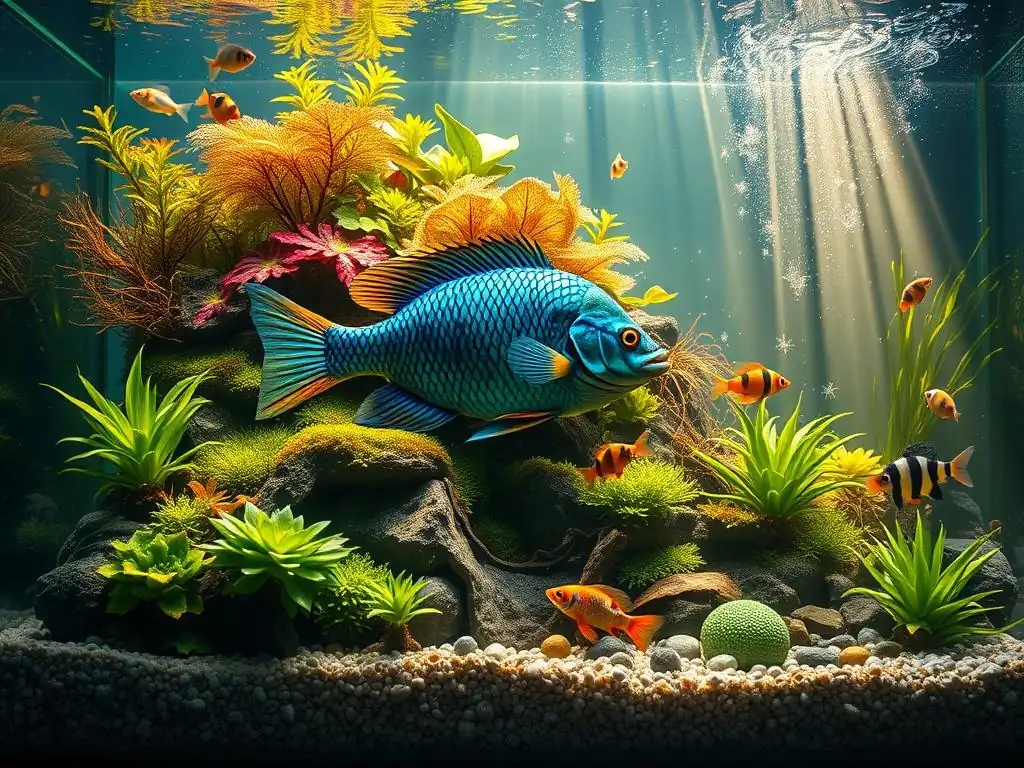
Ever wondered how to create the perfect haven for the Brochis britskii, a truly robust and captivating member of the Brochis family? Dive in as we unveil the secrets to successful Brochis britskii aquarium care, from setting up the ideal environment to ensuring their long-term health and happiness. Get ready to unlock the knowledge you need to thrive in the fascinating world of freshwater aquariums!
- Introduction to Brochis britskii: A Comprehensive Guide for Aquarium Keepers
- Brochis britskii Aquarium Care: Essential Guidelines
- Brochis britskii Tank Mates: Compatibility and Social Behavior
- Brochis britskii Health and Disease Prevention
- Brochis britskii Breeding: Challenges and Opportunities
- Distinguishing Brochis britskii from Other Brochis Species
- Purchasing Brochis britskii: Finding Healthy Specimens
- Conclusion: Mastering Brochis britskii Aquarium Care
-
Frequently Asked Questions
- What are the key characteristics of Brochis britskii that make it a desirable aquarium fish?
- What are the ideal water parameters for a Brochis britskii aquarium?
- What type of substrate and tank setup is recommended for Brochis britskii?
- What is the best diet for Brochis britskii in an aquarium setting?
- What are some common health issues to watch out for in Brochis britskii aquariums?
- Final Reflection: Appreciating the Resilience of Brochis britskii
- Embark on Your Brochis Britskii Adventure!
Introduction to Brochis britskii: A Comprehensive Guide for Aquarium Keepers
Why Choose Brochis britskii for Your Freshwater Aquarium?
Choosing Brochis britskii for a freshwater aquarium offers several compelling advantages, particularly for aquarists seeking a hardy and peaceful bottom-dweller. Unlike some more delicate species, Brochis britskii is known for its resilience and adaptability, making it an excellent choice for both novice and experienced hobbyists. Their robust nature means they can tolerate a slightly wider range of water parameters than some Corydoras species, provided stable conditions are maintained, significantly easing aspects of Brochis britskii aquarium care.
Furthermore, their unique appearance, characterized by a taller dorsal fin and a more robust body shape compared to typical Corydoras, adds distinct visual interest to a community tank. These fish are active foragers, constantly sifting through the substrate, which can help keep the tank bottom clean. Their peaceful temperament ensures they coexist harmoniously with a wide variety of non-aggressive fish, contributing to a tranquil and balanced aquatic environment.
Understanding the Unique Characteristics of Brochis britskii
Brochis britskii, often referred to as the "Brit's Brochis," is a fascinating member of the Callichthyidae family, closely related to Corydoras. Originating from the Amazon basin in South America, specifically reported in areas like the Rio Negro, they thrive in soft, acidic waters with plenty of leaf litter and submerged root systems. Adults typically reach a size of about 3 to 4 inches (7.5 to 10 cm) in length, making them a medium-sized catfishes suitable for appropriately sized aquariums.
Their most distinguishing features include a proportionally higher dorsal fin and a more elongated, less compact body than many Corydoras species. They possess the characteristic armored plates and sensitive barbels used for foraging in the substrate. Brochis britskii are known to live for 5 to 8 years in a well-maintained aquarium, a testament to their hardiness when provided with optimal Brochis britskii aquarium care. They are primarily bottom-dwellers, spending most of their time sifting through the substrate in search of food.
Brochis britskii Aquarium Care: Essential Guidelines
Optimal Tank Setup for Brochis britskii
Tank Size Requirements for a School of Brochis britskii
Brochis britskii are highly social fish and absolutely thrive when kept in groups. A minimum of six to eight individuals is recommended to ensure their comfort and natural schooling behavior. For a healthy school of this size, a tank of at least 20 to 30 gallons (approximately 75 to 115 liters) is advisable. While they are bottom-dwellers, the footprint of the tank is more important than its height, as it provides ample space for foraging and swimming.
For larger schools or community setups, a 40-gallon breeder tank or larger is ideal, offering even more room for their active exploration and reducing potential stress. Adequate space is a critical component of successful Brochis britskii aquarium care, as overcrowding can lead to stress, weakened immune systems, and increased susceptibility to disease, ultimately impacting their lifespan and well-being.
Substrate Recommendations for Brochis britskii
The choice of substrate is paramount for Brochis britskii due to their foraging habits. These fish actively sift through the bottom material using their delicate barbels to locate food particles. Therefore, a fine, soft substrate like sand is highly recommended. Substrates such as play sand, pool filter sand, or specialized aquarium sand are excellent choices.
Coarse gravel or substrates with sharp edges should be strictly avoided. Such materials can abrade or damage their sensitive barbels, leading to infections and severe discomfort, which can be detrimental to their overall health. Proper substrate selection is a fundamental aspect of Brochis britskii aquarium care, directly impacting their ability to feed naturally and remain free from injury.
Essential Aquarium Decorations and Hiding Places
Providing ample hiding places and appropriate decorations is crucial for the well-being of Brochis britskii. While they are active, they also appreciate areas where they can retreat and feel secure. Driftwood, smooth river rocks, and dense plantings are excellent choices. The wood and rocks can also provide surfaces for beneficial biofilm growth, which they might graze on.
Live plants, especially those that can be rooted in sand like Java Fern, Anubias, or cryptocorynes, are highly beneficial. Floating plants can also help diffuse lighting, creating a more natural and comfortable environment for these fish. Incorporating these elements into the tank setup greatly enhances the overall Brochis britskii aquarium care experience, mimicking their natural habitat and reducing stress levels.
Water Parameters for Healthy Brochis britskii
Maintaining Ideal Water Chemistry for Brochis britskii
Maintaining stable and appropriate water parameters is fundamental to successful Brochis britskii aquarium care. These fish thrive in soft to moderately hard water with a slightly acidic to neutral pH. Ideal temperature ranges from 72°F to 78°F (22°C to 26°C). The pH should be kept between 6.0 and 7.5, with a general hardness (GH) between 2 and 15 dGH.
Ammonia and nitrite levels must always be zero, and nitrates should be kept below 20 ppm. Regular testing with a reliable liquid test kit is essential to monitor these parameters and ensure the water quality remains pristine. Sudden fluctuations in temperature or chemistry can be highly stressful and detrimental to their health, making consistency key in their long-term care.
The Importance of Regular Water Changes
Regular water changes are perhaps the single most critical aspect of maintaining excellent water quality for Brochis britskii. A weekly water change of 25% to 30% is generally recommended for a well-stocked aquarium. This routine helps to dilute accumulated nitrates, replenish essential minerals, and remove organic waste that can degrade water quality over time.
When performing water changes, always ensure that the new water is dechlorinated and temperature-matched to the aquarium water to prevent shock. Using a gravel vacuum or siphon to clean the substrate surface during water changes is also beneficial, as it removes detritus and uneaten food that can contribute to ammonia spikes. Diligent water changes are a non-negotiable part of effective Brochis britskii aquarium care.
Feeding Brochis britskii: A Balanced Diet
What to Feed Your Brochis britskii for Optimal Health
Brochis britskii are omnivorous bottom-feeders, and a varied diet is crucial for their optimal health and vibrant coloration. High-quality sinking pellets or wafers specifically designed for bottom-dwellers should form the staple of their diet. These ensure the food reaches them, as they primarily forage on the substrate. Supplement this with frozen foods such as bloodworms, brine shrimp, and daphnia, offered two to three times a week.
Live foods like blackworms or grindal worms can also be offered periodically as a treat and to encourage natural foraging behaviors. Vegetable matter is also important; blanched zucchini, cucumber, or spirulina flakes can be offered occasionally. Providing a diverse diet not only meets their nutritional needs but also stimulates their natural instincts, contributing significantly to comprehensive Brochis britskii aquarium care.
Avoiding Overfeeding: A Crucial Tip
While it's tempting to provide ample food, overfeeding is a common mistake that can have severe consequences for Brochis britskii and the entire aquarium ecosystem. Excess food quickly decomposes, leading to ammonia and nitrite spikes, which are highly toxic to fish. It also contributes to elevated nitrate levels and can cause unsightly algae blooms.
Feed Brochis britskii small amounts once or twice a day, only what they can consume within 5-10 minutes. Observe their feeding habits closely to adjust portions. If you notice food accumulating on the substrate after feeding, you are likely overfeeding. Practicing mindful feeding is an integral part of Brochis britskii aquarium care, helping to maintain pristine water quality and prevent health issues like bloat or fatty liver disease.
Ideal Tank Companions for Brochis britskii
Choosing appropriate tank mates is vital for the long-term well-being of Brochis britskii. Given their peaceful and shy nature, they thrive in community tanks with other similarly peaceful and non-aggressive species. Ideal tank companions include small to medium-sized tetras (such as Neon Tetras, Cardinal Tetras, or Rummy Nose Tetras), rasboras, dwarf cichlids (like German Blue Rams or Bolivian Rams), and other peaceful schooling fish that occupy the mid to upper levels of the water column.
Other peaceful bottom-dwellers, such as Otocinclus catfish or other Corydoras species, can also be suitable, provided there is enough space and food for all bottom inhabitants. The key is to select species that will not outcompete Brochis britskii for food or territory and will not exhibit fin-nipping or aggressive behaviors. Thoughtful selection of tank mates is a cornerstone of responsible Brochis britskii aquarium care.
Avoiding Incompatible Fish Species
To maintain a stress-free environment for Brochis britskii, it is crucial to avoid housing them with incompatible fish species. Highly aggressive or territorial fish, such as larger cichlids (e.g., African Cichlids, Oscar fish) or certain barbs (e.g., Tiger Barbs known for fin-nipping), should be avoided. These species can harass, injure, or outcompete the more timid Brochis britskii, leading to chronic stress, fin damage, and increased susceptibility to disease.
Similarly, very large or predatory fish that could view Brochis britskii as a food source are entirely unsuitable. Even seemingly peaceful large fish might inadvertently stress smaller species due to their sheer size and movement. Researching the temperament and adult size of potential tank mates before introducing them is a critical step in preventing conflict and ensuring effective Brochis britskii aquarium care.
Brochis britskii are inherently social fish, and their well-being is strongly tied to being kept in a group. They exhibit schooling behavior, finding comfort and security in numbers. Keeping them individually or in very small groups (fewer than six) can lead to increased stress, shyness, and a reluctance to engage in natural behaviors like foraging. Stressed individuals may also become more susceptible to common fish diseases.
A group of six to eight Brochis britskii allows them to display their natural schooling dynamics, which is fascinating to observe. They will often forage together, rest in close proximity, and generally appear more confident and active. Meeting their social needs is a fundamental aspect of holistic Brochis britskii aquarium care, ensuring they live a full and healthy life in the aquarium.
Brochis britskii Health and Disease Prevention
Common Diseases Affecting Brochis britskii
While generally robust, Brochis britskii can fall victim to common freshwater aquarium diseases, particularly if water quality is poor or they are under stress. Ich (white spot disease) is a frequent concern, characterized by small white spots resembling salt grains on the body and fins. Fin rot, often caused by bacterial infections, manifests as frayed or disintegrating fins. Bacterial infections can also lead to red streaks on the body or lethargy.
Bloat, characterized by a swollen abdomen, can occur due to overfeeding or internal bacterial infections. Fungal infections might appear as cotton-like growths on the skin or fins. Addressing these issues promptly is crucial, and maintaining excellent water parameters is the best preventative measure in Brochis britskii aquarium care.
Recognizing Symptoms of Illness in Brochis britskii
Early detection of illness is key to successful treatment. Aquarists should regularly observe their Brochis britskii for any changes in behavior or appearance. Symptoms of illness can include:
- Lethargy or unusual hiding: Fish spending excessive time hidden or remaining motionless when they are normally active.
- Loss of appetite: Refusal to eat or spitting out food.
- Changes in coloration: Fading colors or unusual darkening.
- Abnormal swimming: Erratic movements, rubbing against tank decorations, or difficulty maintaining buoyancy.
- Physical signs: White spots (Ich), frayed fins (fin rot), cloudy eyes, swollen body (bloat), visible parasites, or unusual growths.
Any deviation from their normal behavior or appearance warrants immediate investigation. Prompt action, often involving water changes and potentially medication, is vital for effective Brochis britskii aquarium care when illness strikes.
Quarantine Procedures for New Brochis britskii
Implementing a strict quarantine procedure for all new Brochis britskii before introducing them to the main display tank is a non-negotiable best practice. A separate, fully cycled quarantine tank, typically 10-20 gallons, should be set up with a heater and filter. New fish should be housed in this tank for a minimum of two to four weeks. During this period, observe them closely for any signs of disease.
This isolation period allows any latent diseases to manifest without infecting your established fish population. It also gives the new fish time to acclimate to your water parameters in a low-stress environment. Treating any identified illnesses in the quarantine tank is much easier and safer than in a large community tank. This preventative measure is an invaluable part of diligent Brochis britskii aquarium care, protecting your entire aquatic ecosystem.
Brochis britskii Breeding: Challenges and Opportunities
Creating a Breeding Environment for Brochis britskii
Breeding Brochis britskii in a home aquarium can be challenging but rewarding. Like many catfish, they often require specific triggers to induce spawning. A dedicated breeding tank of 10-20 gallons is recommended, set up with fine sand, dense planting (especially fine-leaved plants like Java Moss), and possibly a spawning mop. Water parameters should be soft (GH 2-8 dGH) and slightly acidic (pH 6.0-6.8).
Spawning is often triggered by large, cool water changes (dropping the temperature by 5-10°F or 3-6°C) combined with increased feeding of high-protein live or frozen foods, mimicking heavy rainfall in their natural habitat. Maintaining pristine water quality with zero nitrates is also crucial. Patience and persistence are key when attempting to encourage Brochis britskii to breed.
Identifying Brochis britskii Eggs and Fry
Once spawning occurs, Brochis britskii typically lay small, adhesive eggs on broad-leafed plants, tank glass, or sometimes on decorations. The eggs are usually pale white to light amber and are relatively small, about 1-2 mm in diameter. A single female can lay dozens, sometimes over a hundred, eggs. The parents may or may not guard the eggs, but it's generally recommended to remove the parents to a separate tank after spawning to prevent egg predation.
The eggs usually hatch within 3-5 days, depending on temperature. The newly hatched fry are tiny and will initially feed on their yolk sacs for the first few days. Identifying the eggs early allows for their protection and increases the chances of successfully raising the next generation, a delicate but fulfilling aspect of Brochis britskii aquarium care.
Raising Brochis britskii Fry: A Step-by-Step Guide
Raising Brochis britskii fry requires meticulous attention to diet and water quality. Once their yolk sacs are absorbed (typically after 2-3 days post-hatching), the fry need microscopic food. Infusoria is an excellent initial food source, followed by newly hatched brine shrimp nauplii or micro-worms as they grow slightly larger. Feed small amounts multiple times a day to ensure constant availability.
Maintain extremely clean water by performing small, daily water changes (10-20%) using temperature-matched, dechlorinated water. A sponge filter is essential to prevent the tiny fry from being sucked into the filtration system. As they grow, they can gradually be introduced to finely crushed flakes or powdered fry food. Successful Brochis britskii aquarium care for fry requires consistent effort and a keen eye for detail.
Distinguishing Brochis britskii from Other Brochis Species
Brochis britskii vs. Brochis splendens: Key Differences
Distinguishing Brochis britskii from its close relative, Brochis splendens (often sold as the Emerald Brochis or Common Brochis), can be challenging but important for accurate identification. The most prominent difference lies in the dorsal fin: Brochis britskii typically possesses a much higher and more pointed dorsal fin compared to the lower, more rounded dorsal fin of Brochis splendens.
Furthermore, Brochis britskii tends to have a slightly more elongated and streamlined body shape than B. splendens, which can appear more robust or "stocky." While both share a generally greenish-bronze iridescence, subtle variations in coloration and patterning may also exist. Careful observation of these morphological features is crucial for precise identification when engaging in Brochis britskii aquarium care.
Visual Identification of Brochis britskii
For definitive visual identification of Brochis britskii, focus on several key characteristics. Look for its distinctive tall, sail-like dorsal fin, which stands significantly higher than its body depth. The body itself is generally elongated and torpedo-shaped, covered in two rows of bony plates on each side, typical of the Brochis genus.
Their coloration is typically an iridescent green or bronze, which can shimmer under appropriate lighting, often with a paler belly. They possess several pairs of barbels around their mouth, used for foraging. Compared to Corydoras species, Brochis britskii will appear noticeably larger and more robust, even as juveniles. Understanding these specific visual cues aids significantly in proper Brochis britskii aquarium care and species management.
Purchasing Brochis britskii: Finding Healthy Specimens
Selecting Reputable Brochis britskii Suppliers
When looking to add Brochis britskii to your aquarium, selecting a reputable supplier is paramount to ensuring you acquire healthy specimens. Look for local fish stores or online retailers with a strong reputation for ethical practices, clean tanks, and knowledgeable staff. A good supplier will have well-maintained tanks with clear water, appropriate filtration, and fish that appear active and alert.
Inquire about the fish's origin, whether they are wild-caught or tank-bred, and how long they have been at the facility. Reputable suppliers often quarantine new arrivals themselves, reducing the risk of disease transmission. Purchasing from a trusted source is the first crucial step in responsible Brochis britskii aquarium care and helps prevent introducing illnesses into your established tank.
Assessing the Health of Brochis britskii Before Purchase
Before making a purchase, meticulously assess the health of the individual Brochis britskii you intend to buy. Observe the fish in the dealer's tank for at least 10-15 minutes. Look for individuals that are active, alert, and swimming normally, preferably schooling with their conspecifics. Their fins should be intact, without any signs of fraying, clamping, or white spots (Ich).
Check their bodies for any visible lesions, parasites, unusual growths, or discolored patches. Their eyes should be clear and bright, not cloudy or sunken. Avoid fish that are lethargic, swimming erratically, or showing signs of labored breathing. A healthy Brochis britskii will have a full, rounded belly (not bloated or sunken) and vibrant coloration. This careful inspection is an essential part of proactive Brochis britskii aquarium care.
Conclusion: Mastering Brochis britskii Aquarium Care
The Rewards of Keeping Brochis britskii
Mastering Brochis britskii aquarium care opens the door to a truly rewarding aquarist experience. These robust and peaceful bottom-dwellers add unique charm and activity to a freshwater community tank. Their industrious foraging habits, coupled with their striking iridescent coloration and distinctive dorsal fin, make them a captivating focal point. Witnessing their natural schooling behaviors and their calm demeanor alongside other peaceful species brings immense satisfaction.
Beyond their aesthetic appeal, Brochis britskii are relatively hardy fish, capable of thriving for many years when provided with consistent, high-quality care. Their longevity and resilience make them a steadfast addition to any well-maintained aquarium, offering years of enjoyment and a deeper appreciation for the aquatic world. The dedication invested in their care is repaid manifold by their vitality and peaceful presence.
Further Resources for Brochis britskii Enthusiasts
For those looking to deepen their knowledge and refine their Brochis britskii aquarium care practices, a wealth of resources is available. Online forums and dedicated aquarium communities are excellent places to connect with experienced hobbyists, share insights, and troubleshoot specific challenges. Websites specializing in catfish profiles and freshwater aquarium care often provide detailed species-specific information, including nuanced breeding techniques and advanced health management strategies.
Consulting scientific journals or ichthyological databases can also offer deeper insights into their natural habitat, behavior, and taxonomy. Engaging with these resources can significantly enhance one's understanding and ability to provide optimal care, ensuring a thriving environment for these remarkable fish. Continuous learning is a hallmark of truly mastering Brochis britskii aquarium care.
Frequently Asked Questions
What are the key characteristics of Brochis britskii that make it a desirable aquarium fish?
Brochis britskii are known for their hardiness and active scavenging behavior. They are also visually appealing with their distinctive coloration and relatively larger size compared to other Corydoras species.
What are the ideal water parameters for a Brochis britskii aquarium?
These fish thrive in slightly acidic to neutral water (pH 6.5-7.5), with a temperature range of 72-78°F (22-26°C). Maintaining good water quality through regular water changes is crucial.
What type of substrate and tank setup is recommended for Brochis britskii?
A soft, sandy substrate is ideal to protect their delicate barbels. The tank should include plenty of hiding places such as plants, driftwood, or caves to reduce stress.
What is the best diet for Brochis britskii in an aquarium setting?
Brochis britskii are omnivores and will accept a variety of foods, including sinking pellets, flakes, and live or frozen foods like bloodworms and brine shrimp. Ensure they get enough food, as they are bottom feeders.
What are some common health issues to watch out for in Brochis britskii aquariums?
Like other Corydoras, they are susceptible to bacterial infections and parasitic infestations if water quality is poor. Watch for signs like fin rot, cloudy eyes, or unusual behavior and treat promptly.
Final Reflection: Appreciating the Resilience of Brochis britskii
The journey into understanding Brochis britskii and its aquarium care has revealed more than just practical tips; it has highlighted the remarkable adaptability of life and the responsibility we bear as custodians of these fascinating creatures. In a world increasingly disconnected from the natural world, appreciating the nuances of species like Brochis britskii becomes a vital act of conservation and connection.
This exploration has underscored the ongoing influence of responsible aquarium keeping on preserving biodiversity. The dedication of aquarists to understanding and replicating the natural environments of species like Brochis britskii is crucial for their long-term survival. In the end, we will conserve only what we love; we will love only what we understand; and we will understand only what we are taught.
- Baba Dioum. This quote perfectly encapsulates the importance of spreading knowledge and fostering appreciation for these often-overlooked inhabitants of our planet.
Now, consider the lessons learned about Brochis britskii and their care. Let this knowledge inspire you to not only provide the best possible environment for your own aquatic companions but also to become an advocate for responsible aquarium practices. Let us all strive to deepen our understanding of the natural world and, in doing so, contribute to a future where biodiversity thrives.
Embark on Your Brochis Britskii Adventure!
Thank you for diving deep into the world of Brochis britskii! We hope you found valuable insights into caring for these fascinating fish. Now, it's time to put that knowledge into action.
- Start planning your own Brochis britskii habitat. Consider tank size, substrate, and compatible tank mates based on what you’ve learned.
- Share your newfound Brochis britskii wisdom! Pass this article on to fellow aquarium enthusiasts and spread the word about this unique species.
- Challenge yourself! Observe the unique behaviors described in this article and document your own findings within your aquarium.
What specific element will you prioritize when setting up your Brochis britskii tank?