
Corydoras robineae (Flagtail Cory): The BannerWaving Bottom Dweller

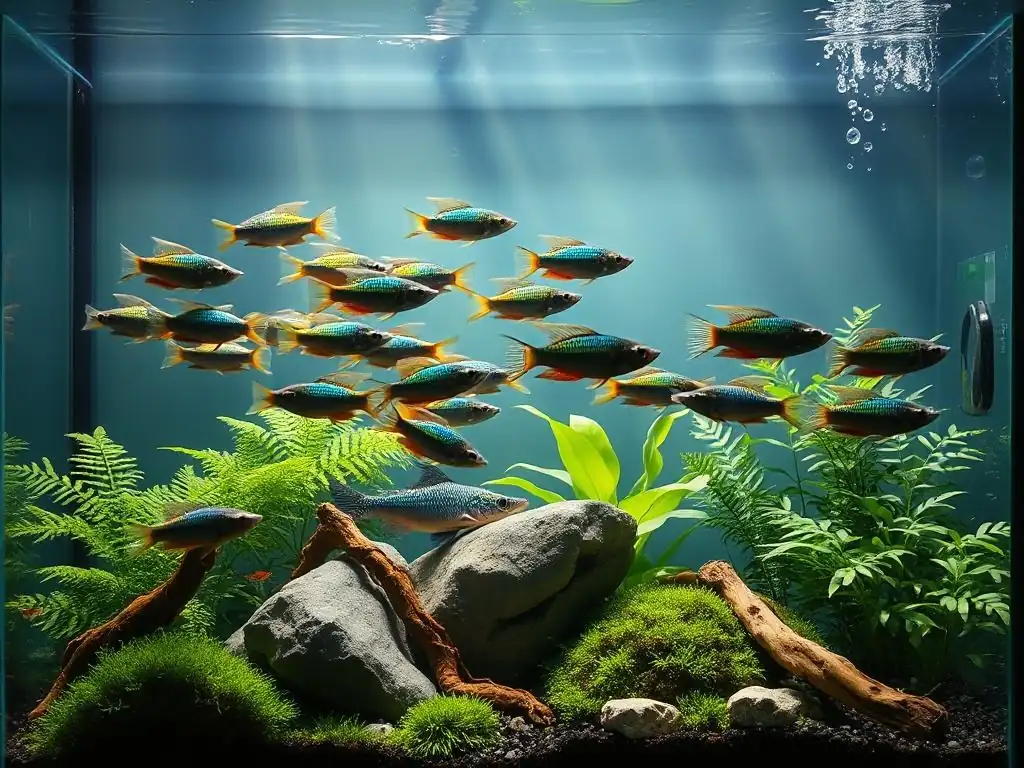
Welcome to Aquarium Mastery, fellow aquarist!
Ever wondered how to add a touch of vibrant personality to your freshwater aquarium? Get ready to meet Corydoras robineae, the Flagtail Corydoras. This fascinating little fish isn't just another bottom-dweller; its unique markings and playful antics make it a true standout. Dive into our comprehensive Flagtail Corydoras care guide and discover everything you need to know about keeping these banner-waving beauties happy and healthy. What secrets does their care hold, and can they thrive in your tank? Read on to find out!
- Understanding the Flagtail Corydoras: An Introduction to Corydoras robineae
- Flagtail Corydoras Care Guide: Creating the Ideal Aquarium Environment
- Feeding Your Flagtail Corydoras: Diet and Nutritional Needs
- Flagtail Corydoras Tank Mates: Compatibility and Community Tank Setup
- Breeding Flagtail Corydoras: A Comprehensive Guide to Reproduction
- Common Health Issues in Flagtail Corydoras: Prevention and Treatment
- Purchasing Flagtail Corydoras: Selecting Healthy Specimens
- The Appeal of Flagtail Corydoras: Why Choose Corydoras robineae for Your Aquarium
- Advanced Flagtail Corydoras Care: Tips for Experienced Aquarists
-
Frequently Asked Questions
- What are the ideal water parameters for a Flagtail Corydoras?
- What is the best type of substrate for a tank housing Flagtail Corydoras?
- What should I feed my Flagtail Corydoras?
- How many Flagtail Corydoras should I keep together?
- What are some common health issues to watch out for with Flagtail Corydoras?
- Final Reflection: Appreciating the Subtle Wonders
- Unleash the Flagtail Fun: Dive Deeper into Corydoras Care!
Understanding the Flagtail Corydoras: An Introduction to Corydoras robineae
Distinguishing Features of the Flagtail Cory: Identification and Appearance
The Flagtail Corydoras, Corydoras robineae, is a captivating freshwater fish distinguished by its elegant appearance and the prominent, dark "flag" marking on its dorsal fin. Typically reaching an adult size of about 2 to 2.5 inches (approximately 5 to 6.5 cm), these small, robust bottom dwellers possess the classic Corydoras armored body, composed of overlapping bony plates. Their base coloration is generally a light tan or silver, often with a subtle iridescence that catches the light as they move.
Beyond the striking dorsal fin, the Flagtail Cory features a distinctive black stripe that runs horizontally along its body, from behind the gill plate to the caudal peduncle. This stripe often fragments or becomes less defined towards the tail. Their fins are largely translucent, but the caudal (tail) fin is often adorned with faint, vertical barring, adding to their understated beauty. The delicate barbels around their mouth, crucial for foraging, are also a key identifying feature, though less visually prominent than their namesake fin.
The Natural Habitat of Corydoras robineae: Origins and Water Conditions
Corydoras robineae originates from the vast and biodiverse Amazon basin, specifically found in the blackwater and clearwater tributaries of rivers such as the Rio Negro and Rio Tapajós in Brazil. These natural environments are characterized by slow-moving or still waters, often with dense submerged vegetation, abundant leaf litter, and fallen branches that provide ample hiding spots and foraging grounds. The water in these regions is typically soft and acidic, influenced by decaying organic matter.
In their native habitat, Flagtail Cories experience stable water conditions, with temperatures generally ranging from 72°F to 79°F (22°C to 26°C). The pH levels are usually on the acidic side, often between 5.5 and 7.0, and the water hardness is notably low, typically measuring between 1 and 5 dGH (degrees of General Hardness). Understanding these pristine natural conditions is fundamental to any comprehensive Flagtail Corydoras care guide, as replicating them in an aquarium is key to their long-term health and well-being.
Flagtail Corydoras Care Guide: Creating the Ideal Aquarium Environment
Setting Up a Flagtail Corydoras Tank: Tank Size and Substrate Considerations
When setting up an aquarium for Flagtail Corydoras, tank size is a critical factor. For a small school of 6 to 8 individuals, a minimum tank size of 20 gallons (approximately 75 liters) is recommended. While vertical space is less crucial for these bottom-dwelling fish, the tank's footprint – its length and width – is paramount, providing ample floor space for foraging and swimming. A larger footprint allows for more territory and reduces potential stress within the group.
The choice of substrate is perhaps the most vital consideration for Corydoras robineae. These fish are constantly sifting through the substrate with their delicate barbels in search of food. Therefore, a fine, soft sand substrate is absolutely essential. Coarse or sharp gravel can damage their sensitive barbels, leading to infections and hindering their natural foraging behavior. Incorporating smooth river stones, driftwood, and plenty of live plants (like Java Moss or Anubias) will provide crucial hiding spots and enrichment, mimicking their natural environment and contributing to a successful Flagtail Corydoras care guide.
Water Parameters for Healthy Flagtail Cories: Temperature, pH, and Hardness
Maintaining stable and appropriate water parameters is fundamental to the health and longevity of Flagtail Corydoras. The ideal water temperature for these fish ranges from 72°F to 78°F (22°C to 25.5°C). Consistency within this range is more important than hitting an exact number, as sudden temperature fluctuations can cause significant stress and weaken their immune systems. A reliable aquarium heater with a thermostat is indispensable for maintaining this stability.
Regarding pH and hardness, Flagtail Cories thrive in slightly acidic to neutral water, with a pH range of 6.0 to 7.2. Their preference for soft water means the general hardness (GH) should ideally be between 2 and 12 dGH. Regular water testing using a reliable kit is crucial to monitor these parameters and ensure they remain within the optimal range. Rapid shifts in pH or hardness should be avoided; if adjustments are necessary, they should be made gradually over several days to prevent shocking the fish, reinforcing a key aspect of a thorough Flagtail Corydoras care guide.
Filtration and Water Changes: Maintaining Pristine Water Quality for Flagtail Corydoras
Effective filtration is paramount for maintaining the pristine water quality that Flagtail Corydoras require. A good filtration system should provide both mechanical and biological filtration. Sponge filters are excellent for smaller tanks or breeding setups, offering gentle flow and a large surface area for beneficial bacteria. For larger tanks, hang-on-back (HOB) filters with adjustable flow or canister filters are suitable, provided their outflow is diffused to create a gentle current, as strong currents can stress these bottom dwellers.
Regular partial water changes are just as important as filtration. It is recommended to perform weekly water changes of 25% to 30% of the tank volume. Always use dechlorinated water that is temperature-matched to the aquarium water to prevent shocking the fish. These routine water changes help remove accumulated nitrates, phosphates, and other pollutants, which are especially detrimental to Corydoras species. Consistent water changes, combined with appropriate filtration, form the cornerstone of a successful Flagtail Corydoras care guide, ensuring a healthy and stable environment.
Feeding Your Flagtail Corydoras: Diet and Nutritional Needs
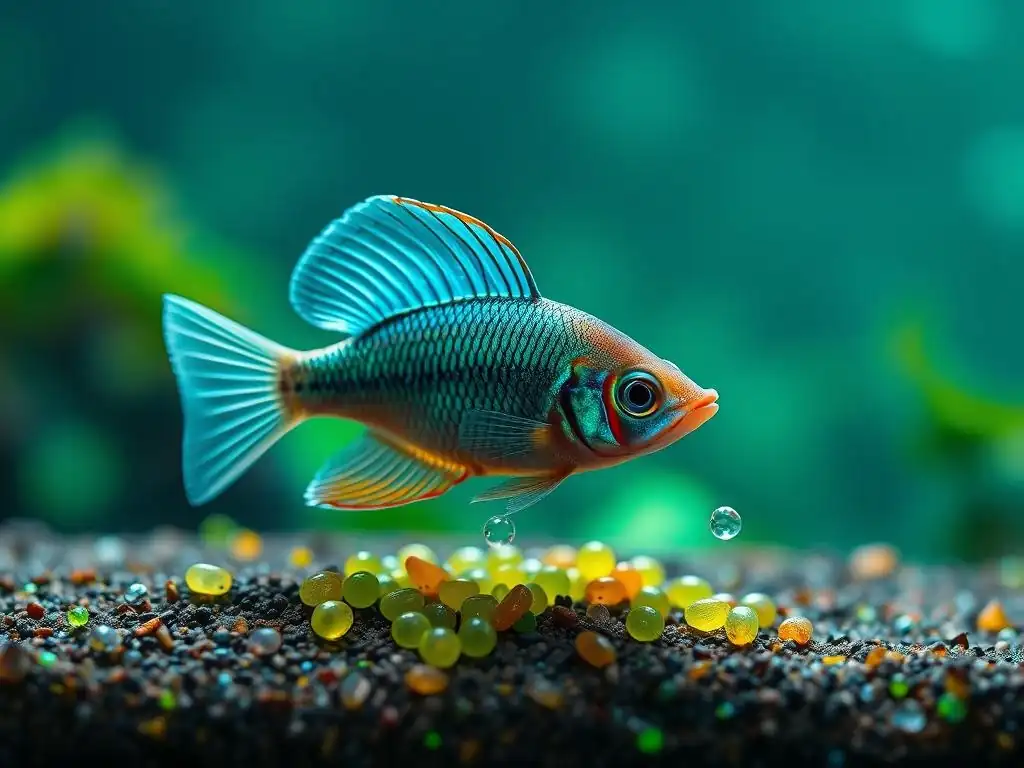
What to Feed Flagtail Cories: Optimal Food Choices for Growth and Color
Flagtail Corydoras are omnivores with a preference for meaty foods, and their diet should be varied to ensure optimal health, growth, and vibrant coloration. The staple of their diet should consist of high-quality sinking pellets, wafers, or granules specifically formulated for bottom-feeding fish. These foods are designed to sink quickly, ensuring that the Cories receive adequate nutrition before faster-moving, upper-level fish consume everything. Choose products rich in protein and spirulina for balanced nutrition.
To supplement their staple diet and provide essential nutrients, incorporate a variety of frozen and live foods. Excellent choices include frozen bloodworms, brine shrimp, daphnia, and tubifex worms. Live foods such as microworms, grindal worms, or small earthworms are also highly beneficial, stimulating their natural foraging instincts and providing superior nutritional value. Feeding a diverse diet not only boosts their immune system but also enhances their natural colors, making them even more visually appealing in the aquarium. This varied feeding approach is a vital component of any comprehensive Flagtail Corydoras care guide.
Feeding Schedule and Amounts: Preventing Overfeeding in Corydoras robineae
Establishing a consistent feeding schedule is important for the well-being of Flagtail Corydoras. It is generally recommended to feed them once or twice daily. When feeding, provide an amount that can be entirely consumed by the fish within 3 to 5 minutes. This timeframe helps prevent overfeeding, which is a common pitfall in aquarium keeping and can lead to significant problems.
Overfeeding poses several risks to Corydoras robineae and the overall aquarium environment. Excess food quickly breaks down, leading to a rapid increase in ammonia and nitrite levels, compromising water quality and stressing the fish. It can also contribute to digestive issues and obesity in the fish themselves, shortening their lifespan. By observing their feeding behavior and adjusting quantities accordingly, aquarists can ensure their Flagtail Cories receive adequate nutrition without negatively impacting water parameters, a key lesson in responsible Flagtail Corydoras care guide practices.
Flagtail Corydoras Tank Mates: Compatibility and Community Tank Setup
Ideal Tank Companions for Flagtail Cories: Peaceful Fish for a Harmonious Aquarium
Choosing appropriate tank mates is crucial for the well-being of Flagtail Corydoras, as they are peaceful and easily stressed by aggressive fish. Ideal companions are small, non-aggressive, mid to upper-level schooling fish that share similar water parameter requirements. Excellent choices include various small tetra species such as Neon Tetras, Cardinal Tetras, Ember Tetras, and Rummy-Nose Tetras. Small Rasboras like Harlequin Rasboras or Chili Rasboras, and docile Pencilfish species, also make suitable tank mates.
Other peaceful Corydoras species can also be kept together, as they will often school interchangeably, reinforcing their sense of security. It is important to remember that Flagtail Cories are highly social fish and should always be kept in groups of at least 6 to 8 individuals to thrive. A larger group reduces stress and encourages their natural schooling behaviors. This social aspect is a cornerstone of any effective Flagtail Corydoras care guide, ensuring a harmonious and active community tank.
Fish to Avoid with Flagtail Corydoras: Preventing Aggression and Competition
To ensure the safety and comfort of Flagtail Corydoras, certain types of fish should be strictly avoided as tank mates. Any large, aggressive, or fin-nipping species can cause significant stress, injury, or even death to these docile bottom dwellers. Examples of fish to avoid include most Cichlids (especially larger or more aggressive species like Oscars or Jack Dempseys), many Barb species (such as Tiger Barbs, known for fin nipping), and some larger Gouramis that can be territorial.
Predatory fish, even if not overtly aggressive, should also be avoided, as they may view the relatively small Flagtail Cories as a food source. Additionally, very large or boisterous bottom-dwelling fish might outcompete the Cories for food or intimidate them, leading to starvation or chronic stress. Careful consideration of potential tank mates is a critical step in creating a thriving environment and is a non-negotiable part of a comprehensive Flagtail Corydoras care guide.
Breeding Flagtail Corydoras: A Comprehensive Guide to Reproduction
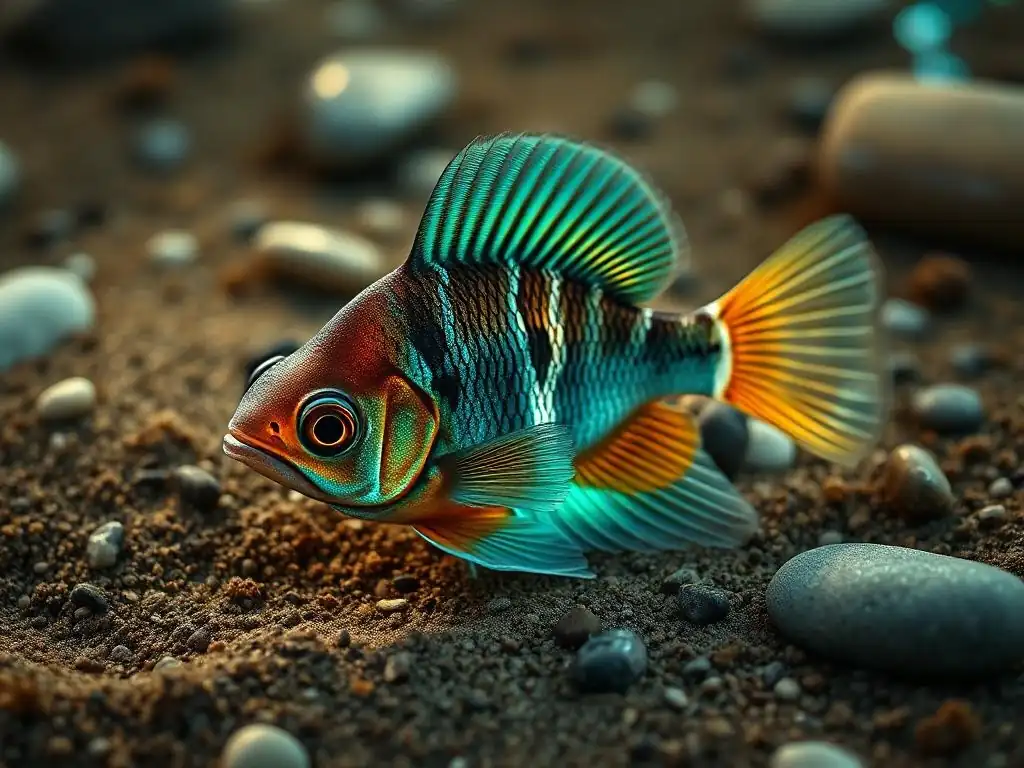
Setting Up a Breeding Tank for Corydoras robineae: Stimulating Spawning
Breeding Flagtail Corydoras can be a rewarding experience for dedicated aquarists. To maximize success, a dedicated breeding tank is highly recommended. A 10 to 20-gallon (38-75 liter) tank with a bare bottom or a thin layer of fine sand is ideal, making it easier to monitor and collect eggs. Filtration should be gentle, with a sponge filter being an excellent choice, as it provides biological filtration without creating strong currents that could harm delicate eggs or fry.
To stimulate spawning, condition the adult fish with a diet rich in live and frozen foods, such as bloodworms and brine shrimp, for several days to weeks. The most effective trigger for spawning is often a series of large, cool water changes. Perform daily or every-other-day water changes of about 50% of the tank volume, using water that is 5-10°F (3-6°C) cooler than the tank water.
This mimics the influx of cool rainwater in their natural habitat, signaling the start of the breeding season. Providing spawning mops, fine-leaved plants like Java Moss, or even broad-leafed plants will give the fish surfaces to deposit their eggs.
The Flagtail Corydoras Breeding Process: Egg Laying and Hatching
Once stimulated, Flagtail Corydoras will typically engage in their characteristic "T-position" spawning ritual. The male positions himself perpendicular to the female, with his head near her pectoral fin. The female then clasps the male's barbels between her pectoral fins, and he releases sperm. She then cups 2-4 eggs between her ventral fins, fertilizes them, and proceeds to deposit them on a chosen surface – often the tank glass, broad plant leaves, or spawning mops. This process repeats, with a single female capable of laying anywhere from 50 to 200 eggs over several hours, depending on her size and conditioning.
After spawning, it is advisable to remove the adult fish from the breeding tank to prevent them from consuming the eggs. The eggs are typically clear or slightly amber initially and will darken over time if fertilized. At a temperature of around 75°F (24°C), the eggs will usually hatch within 3 to 5 days. Maintaining excellent water quality in the hatching tank is crucial during this period; some aquarists add a small amount of methylene blue or an antifungal agent to prevent fungal growth on unfertilized eggs, though this should be done with caution.
Raising Flagtail Corydoras Fry: Care and Feeding of Baby Cories
Upon hatching, Flagtail Corydoras fry are tiny and delicate. For the first 2-3 days, they will primarily subsist on their yolk sacs. During this period, it's vital to maintain pristine water quality with frequent small water changes (e.g., 10% daily) using temperature-matched, dechlorinated water. Once the yolk sac is absorbed, the fry will become free-swimming and begin actively searching for food.
Initial feeding for the fry should consist of microscopic foods. Infusoria, liquid fry food, or powdered spirulina are excellent choices for the first few days. As they grow, typically after 3-5 days of free-swimming, they can be transitioned to newly hatched brine shrimp nauplii or microworms.
Feed small amounts multiple times a day (e.g., 3-5 times) to ensure they receive constant nutrition, as their metabolisms are very high. Continue with small, frequent water changes to prevent the buildup of waste from uneaten food, which can quickly turn lethal for young fry. This meticulous attention to diet and water quality is a specialized aspect of the Flagtail Corydoras care guide for successful breeding.
Common Health Issues in Flagtail Corydoras: Prevention and Treatment
Identifying Diseases in Flagtail Cories: Recognizing Symptoms Early
Flagtail Corydoras, like all fish, can be susceptible to various health issues, often stemming from poor water quality, stress, or inadequate nutrition. Early identification of symptoms is critical for successful treatment. Common signs of illness include clamped fins, lethargy, loss of appetite, or abnormal swimming patterns (e.g., erratic movements, difficulty maintaining buoyancy). Physical symptoms might include discolored patches on the body, white spots resembling salt grains (Ich), frayed or deteriorating fins (fin rot), or red sores.
Daily observation of your Flagtail Cories is the most effective preventative measure. Spend a few minutes each day watching their behavior and appearance. Any deviation from their normal active foraging and schooling patterns should prompt further investigation. Stress, often caused by fluctuating water parameters or aggressive tank mates, is a primary precursor to disease, so addressing environmental issues promptly can prevent many ailments. Recognizing these subtle changes is a key component of a proactive Flagtail Corydoras care guide.
Treating Common Corydoras Ailments: Medications and Preventative Measures
Once a disease is identified, prompt treatment is necessary. For common parasitic infections like Ich (Ichthyophthirius multifiliis), treatment often involves slowly raising the water temperature to 82-84°F (28-29°C) over 24 hours (if compatible with tank mates) and using an Ich-specific medication containing malachite green or formalin. Bacterial infections, such as fin rot or body sores, typically require broad-spectrum antibiotics or antibacterial treatments. Fungal infections, often presenting as white, cotton-like growths, can be treated with antifungal agents. Always follow medication instructions carefully and remove carbon from filters during treatment.
Beyond direct treatment, the most effective approach to fish health is prevention. This involves maintaining stable and optimal water parameters, providing a varied and nutritious diet, avoiding overcrowding, and ensuring compatible tank mates. Regular water changes and a robust filtration system are foundational. Furthermore, implementing a strict quarantine procedure for all new fish before introducing them to the main display tank can prevent the introduction of pathogens, thereby safeguarding your entire Flagtail Corydoras population.
Maintaining a Healthy Flagtail Corydoras Population: Quarantine and Observation
Maintaining a healthy Flagtail Corydoras population is an ongoing commitment that extends beyond just treating illnesses. A crucial preventative measure is the implementation of a quarantine tank for all new fish. This separate tank, usually 10-20 gallons, should house new additions for a minimum of 2-4 weeks. During this period, you can observe the new fish for any signs of disease, treat them if necessary, and ensure they are eating well before introducing them to your established community. This significantly reduces the risk of introducing pathogens to your main aquarium.
Beyond quarantine, continuous observation of your established Flagtail Corydoras population is essential. Look for any changes in behavior, such as unusual lethargy, gasping at the surface, or hiding more than usual. Physical signs like faded colors, fin damage, or unusual growths should also be noted immediately. Regular water testing (at least weekly) for ammonia, nitrite, and nitrate levels helps ensure the water quality remains pristine, which is the single most important factor in preventing stress and disease. Proactive monitoring and maintaining ideal conditions are cornerstones of a successful Flagtail Corydoras care guide.
Purchasing Flagtail Corydoras: Selecting Healthy Specimens
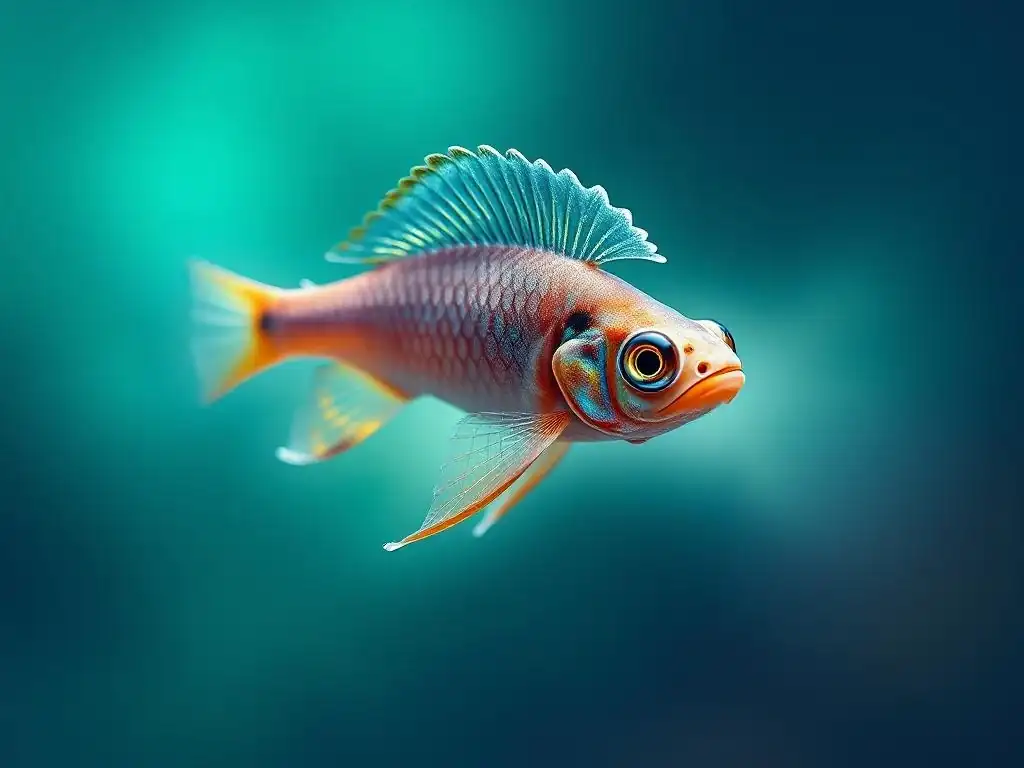
Where to Buy Corydoras robineae: Finding Reputable Breeders and Stores
When acquiring Flagtail Corydoras, the source of your fish significantly impacts their health and your long-term success. It is highly recommended to purchase Corydoras robineae from reputable local fish stores that maintain clean tanks and knowledgeable staff. Ask about their fish sourcing practices and their in-store quarantine procedures. A good store will have healthy, active fish and be able to answer questions about their care.
Alternatively, specialized online retailers that focus on freshwater fish can be a good option, provided they have strong reviews regarding their shipping practices and the health of their livestock. Some hobbyist breeders or local aquarium clubs also offer fish. These sources often provide well-acclimated fish that are already accustomed to aquarium life, and you might gain valuable insights directly from experienced keepers. Always prioritize sources that demonstrate a commitment to fish welfare, a key aspect of responsibly following a Flagtail Corydoras care guide.
Selecting Healthy Flagtail Corydoras: Signs of a Healthy Fish
Once you've found a reputable source, knowing how to identify healthy Flagtail Corydoras specimens is crucial. Look for fish that are active and constantly foraging on the bottom of the tank. They should exhibit their characteristic schooling behavior, swimming together confidently. Physically, healthy Flagtail Cories will have clear, bright eyes, intact barbels (no signs of erosion or nubs), and unfrayed fins. Their bodies should be well-rounded, not emaciated or sunken in the belly.
Avoid any fish that appear lethargic, are isolated from the group, or are gasping at the surface. Also, steer clear of fish with visible white spots (Ich), fuzzy growths (fungus), red sores, or clamped fins. Observe the entire tank for signs of illness, as even if a particular fish looks healthy, an unhealthy tank environment suggests potential issues. Choosing vibrant, active specimens is the first step in ensuring a thriving Flagtail Corydoras population in your aquarium.
The Appeal of Flagtail Corydoras: Why Choose Corydoras robineae for Your Aquarium
Flagtail Corydoras Behavior: Observing Their Unique Activities
The Flagtail Corydoras offers more than just aesthetic appeal; their unique behaviors provide constant entertainment and contribute positively to the aquarium ecosystem. These industrious bottom dwellers are perpetually active, constantly sifting through the substrate with their sensitive barbels in search of food particles. This continuous foraging not only provides them with sustenance but also helps to aerate the substrate, preventing the buildup of anaerobic pockets.
Flagtail Cories are also known for their characteristic "sprinting" to the surface for a quick gulp of air, a natural behavior for Corydoras species that allows them to supplement gill respiration with intestinal breathing. Observing a tight school of Flagtail Cories moving in unison across the tank floor, occasionally darting upwards, is a fascinating sight. Their peaceful disposition and busy nature make them a delightful addition, adding dynamic life to the lower regions of any community aquarium.
Enhancing Your Aquarium with Flagtail Cories: Adding Beauty and Functionality
Incorporating Flagtail Corydoras into your aquarium significantly enhances both its beauty and functionality. Their distinctive "flag" on the dorsal fin, combined with their subtle coloration and active schooling behavior, adds a unique visual dimension to the bottom third of the tank, a region often underutilized by other fish species. They bring a sense of natural movement and life to the substrate level, complementing the mid and upper-water column inhabitants.
Beyond their aesthetic contribution, Flagtail Cories serve a vital functional role. While not true "algae eaters," their constant foraging helps to clean up uneaten food that settles on the substrate, preventing its decomposition and subsequent water quality issues. This makes them excellent natural "clean-up crew" members, though they should not be relied upon as the sole solution for tank maintenance. Their presence is often indicative of a well-maintained bottom substrate and healthy water parameters, making them an excellent choice for any aquarist committed to a comprehensive Flagtail Corydoras care guide.
Advanced Flagtail Corydoras Care: Tips for Experienced Aquarists
Optimizing Water Chemistry for Flagtail Cories: Fine-Tuning Parameters
For experienced aquarists seeking to achieve peak health and potentially breed Flagtail Corydoras, fine-tuning water chemistry beyond basic parameters can yield significant benefits. While a pH range of 6.0-7.2 and hardness of 2-12 dGH are generally acceptable, optimizing for slightly more acidic (e.g., 6.0-6.8) and very soft water (e.g., 2-6 dGH) can more closely replicate their natural blackwater habitats and reduce long-term stress. This often involves using reverse osmosis (RO) water remineralized to target parameters, or incorporating natural pH buffers like driftwood and peat filtration.
Consistent, minor adjustments are key; sudden shifts are always detrimental. Techniques such as drip acclimation for new fish, extending over several hours, can significantly reduce stress upon introduction to the aquarium. Experienced aquarists might also explore the use of specific water conditioners that mimic blackwater conditions, which can enhance fish coloration and overall vitality. These nuanced approaches to water chemistry are advanced considerations in a meticulous Flagtail Corydoras care guide.
Planted Tank Considerations for Flagtail Corydoras: Choosing Compatible Plants
Integrating Flagtail Corydoras into a planted aquarium requires thoughtful plant selection to ensure both the plants and the fish thrive. While Cories appreciate the cover and natural feel of a planted tank, their constant foraging can disturb delicate plant roots. Therefore, choose plants that can either be anchored to decor (like driftwood or rocks) or have robust root systems. Excellent choices include various species of Anubias, Bucephalandra, Java Fern, and Java Moss, which can be tied or glued to hardscape elements.
For substrate-rooted plants, Cryptocoryne species and certain Swords (e.g., Echinodorus parviflorus) can work well, provided their roots are well-established or they are planted in pots submerged in the substrate. Avoid plants with very fine, easily dislodged roots if using a sand substrate, as the corys' activity might uproot them. Plants not only enhance the aquarium's aesthetics but also contribute to water quality by absorbing nitrates and providing essential hiding spots, enriching the environment for the Flagtail Corydoras and supporting an advanced Flagtail Corydoras care guide.
Frequently Asked Questions
What are the ideal water parameters for a Flagtail Corydoras?
Flagtail Corydoras thrive in slightly acidic to neutral water. The ideal range is a pH of 6.0 to 7.5, with a temperature between 72°F and 78°F. Maintaining stable water parameters is key to their health.
What is the best type of substrate for a tank housing Flagtail Corydoras?
A soft, sandy substrate is ideal for Flagtail Corydoras. This allows them to sift through it without damaging their delicate barbels, which they use to find food. Avoid sharp gravel or coarse substrates.
What should I feed my Flagtail Corydoras?
Flagtail Corydoras are omnivores and bottom feeders. Offer them a varied diet including sinking pellets, flakes, and live or frozen foods like bloodworms and daphnia. Ensure food reaches the bottom of the tank.
How many Flagtail Corydoras should I keep together?
Flagtail Corydoras are social fish and should be kept in groups. A minimum of 6 individuals is recommended to allow them to exhibit natural schooling behavior and feel secure in their environment.
What are some common health issues to watch out for with Flagtail Corydoras?
Common health issues include Ich (white spot disease) and bacterial infections. Maintaining excellent water quality through regular water changes and proper filtration is the best preventative measure. Watch for signs of stress or disease.
Okay, here's a final reflection designed to conclude your "Corydoras robineae (Flagtail Cory): The BannerWaving Bottom Dweller" article, optimized for emotional connection and future reflection, while also subtly reinforcing the "Flagtail Corydoras care guide" keyword:
Final Reflection: Appreciating the Subtle Wonders
The journey into understanding the Corydoras robineae, or Flagtail Corydoras, reveals more than just the specifics of aquarium keeping; it underscores the importance of responsible stewardship of even the smallest creatures in our care. As we've explored the nuances of their habitat, diet, and social needs, it becomes clear that providing optimal Flagtail Corydoras care is an act of respect for the delicate balance of the aquatic world.
The allure of these banner-waving bottom dwellers extends beyond their captivating appearance. Their presence in our aquariums serves as a constant reminder of the interconnectedness of life and the impact our choices have on the environment. In the end, we will conserve only what we love; we will love only what we understand; and we will understand only what we are taught.
- Baba Dioum. This quote encapsulates the essence of responsible fishkeeping: understanding and appreciating the unique needs of each species, fostering a deeper connection, and ultimately, contributing to their well-being.
Now, as you close this guide, consider the profound impact you can have on the lives of these remarkable fish. Let the knowledge gained here inspire you to create a thriving environment for your Flagtail Corydoras, and to share your understanding with others. Embrace the opportunity to be a champion for these subtle wonders, ensuring their vibrant banner continues to wave for generations to come.
Unleash the Flagtail Fun: Dive Deeper into Corydoras Care!
Thanks for exploring the captivating world of Corydoras robineae with us! Now that you're equipped with the knowledge to appreciate and care for these amazing banner-waving bottom dwellers, it's time to take action and elevate your aquarium game.
Here are a few things you can do right now:
- Commit to creating the perfect Flagtail Cory habitat. Revisit the specific water parameter and substrate recommendations to ensure your aquarium is a thriving paradise for these unique fish.
- Share your newfound Corydoras robineae knowledge! Tell your friends and fellow aquarists about the wonders of the Flagtail Cory and its unique needs. Let's spread awareness about responsible fishkeeping.
- Start a "Flagtail Friday" photo series on social media showcasing the beauty and antics of your Corydoras robineae (or inspiring others to learn about them)! Use #FlagtailFriday and #AquariumMastery to connect with other enthusiasts.
What's one small change you can make today to improve the life of a bottom-dwelling fish in your aquarium?