
Decoding the Genome: How Fish Genetics Are Revolutionizing the Aquarium Hobby

Welcome to Aquarium Mastery!
Ever wondered how fish genetics are reshaping the way we approach the aquarium hobby? Dive into our latest article, "Decoding the Genome: How Fish Genetics Are Revolutionizing the Aquarium Hobby," and uncover the fascinating secrets hidden within your finned friends. Prepare to explore the cutting-edge science that's changing everything, and discover how understanding fish genetics can elevate your aquarium game to a whole new level. Intrigued? Let's unlock the possibilities together!
- Understanding Fish Genetics: A New Era for Aquarists
- Selective Breeding and Designer Fish: The Power of Fish Genetics in Aquariums
- Genetic Testing for Fish Health and Disease Resistance
- Conservation Implications: Preserving Fish Biodiversity Through Genetics
- The Future of Fish Genetics in the Aquarium Hobby
- Practical Applications of Fish Genetics for the Average Aquarist
- Debunking Myths: Fish Genetics and Common Misconceptions
-
Frequently Asked Questions
- How is fish genetics impacting the aquarium hobby?
- Can understanding fish genetics help me breed my own fish?
- What are some ethical considerations when manipulating fish genetics in aquariums?
- How can I learn more about fish genetics without a science background?
- Are genetically modified fish commonly available in the aquarium hobby?
- Final Reflection: Unlocking the Aquatic Future
- Unleash Your Inner Aquarist: Dive Deeper into Fish Genetics!
Understanding Fish Genetics: A New Era for Aquarists
The Growing Importance of Fish Genetics in the Aquarium Trade
The understanding and application of fish genetics are ushering in a transformative era for the aquarium hobby. Historically, aquarists and breeders relied primarily on observational methods, selecting fish based on visible traits and hoping for the best outcomes. Today, a more scientific approach is taking root, allowing for precise control over desired characteristics, improved health, and enhanced longevity in ornamental fish.
This shift is not merely academic; it has significant economic implications for the global ornamental fish trade, which is estimated to be worth between $15 billion and $30 billion annually. Healthier, more vibrant, and predictably patterned fish reduce losses for breeders and retailers, while offering hobbyists more resilient and aesthetically pleasing aquatic companions.
Moreover, the integration of fish genetics helps mitigate common challenges faced by aquarists, such as susceptibility to disease and unpredictable growth patterns. By understanding the genetic underpinnings of these traits, breeders can produce fish that are inherently stronger and better adapted to captive environments.
This scientific advancement reduces the need for extensive chemical treatments and minimizes the heartbreaking loss of fish, ultimately making the fish genetics aquarium hobby more sustainable and enjoyable for enthusiasts worldwide. The ability to select for specific genes that confer disease resistance or enhance metabolic efficiency directly benefits the entire supply chain, from large-scale commercial operations to individual home aquariums.
Key Terms in Fish Genetics for Aquarium Enthusiasts
To fully appreciate the role of fish genetics in the aquarium hobby, it's essential to understand some fundamental terms. The genome refers to the complete set of genetic instructions in an organism, encoded in its DNA (deoxyribonucleic acid). DNA is organized into structures called chromosomes, and specific segments of DNA that code for particular traits are known as genes. For instance, a gene might dictate the color of a fish or the shape of its fins.
Within a population, different versions of the same gene are called alleles. If a fish inherits two identical alleles for a specific gene, it is homozygous for that trait; if it inherits two different alleles, it is heterozygous. The actual genetic makeup of an individual fish (the combination of alleles it possesses) is its genotype, while the observable characteristics resulting from that genotype (e.g., a long fin or an albino coloration) constitute its phenotype.
Traits can be dominant (expressed even if only one copy of the allele is present) or recessive (expressed only if two copies of the allele are present). Understanding these terms is crucial for any aquarist interested in selective breeding, hybridization, or simply appreciating the diversity within the fish genetics aquarium hobby.
Selective Breeding and Designer Fish: The Power of Fish Genetics in Aquariums
Enhancing Fish Traits Through Selective Breeding Techniques
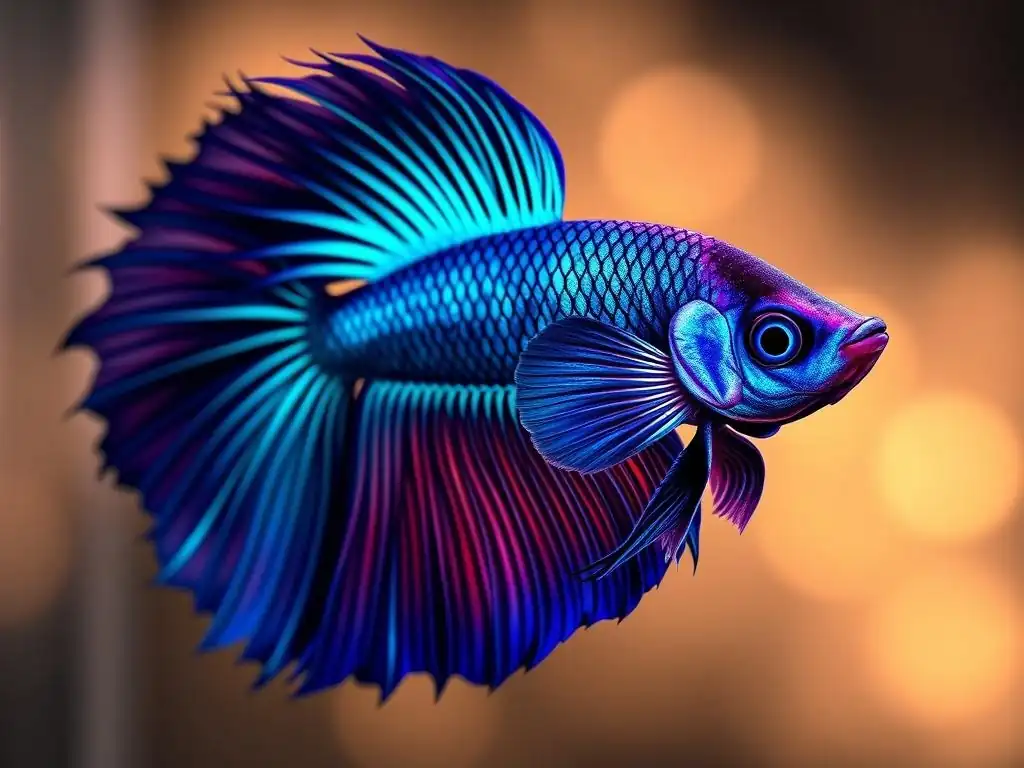
Selective breeding is a cornerstone of the fish genetics aquarium hobby, allowing aquarists and professional breeders to systematically enhance desirable traits over generations. This technique involves carefully choosing individuals with superior characteristics—such as vibrant coloration, unique finnage, specific body shapes, or even improved disease resistance—and allowing only those individuals to reproduce. Over successive generations, these chosen traits become more pronounced and consistent within the lineage. Common traits targeted include the striking red and black patterns of a high-grade Platinum Angelfish, the elaborate caudal fins of a Halfmoon Betta, or the compact, rounded body of a Fancy Goldfish.
Various techniques are employed in selective breeding. Line breeding is a common strategy that involves breeding related individuals to concentrate specific genes, maintaining a particular lineage with consistent traits. While effective for fixing desired characteristics, it requires careful management to avoid the pitfalls of excessive inbreeding.
Outcrossing, conversely, involves introducing new genetic material from unrelated individuals to inject vigor and genetic diversity into a line, often used to overcome issues like reduced fertility or weakened immune systems that can arise from prolonged inbreeding. The development of a new discus strain, for example, can take 5 to 10 generations, or even decades of meticulous selection, highlighting the long-term commitment required in advanced fish genetics aquarium hobby practices.
Examples of Popular "Designer Fish" Created Through Genetics [e.g., GloFish, Longfin Danios]
The power of fish genetics is vividly demonstrated in the array of "designer fish" available in the aquarium trade today. Perhaps the most widely recognized example is the GloFish, which are genetically modified (transgenic) organisms. These fish, including varieties of zebra Danios, tetras, and barbs, incorporate genes from naturally fluorescent jellyfish or sea anemones, causing them to glow under blue or ultraviolet light.
First commercialized in 2003, GloFish have become a significant commercial success, showcasing a unique application of genetic engineering in the fish genetics aquarium hobby. Their development involved inserting specific fluorescent protein genes into the fish embryo, resulting in a stable, inheritable trait.
Beyond genetic modification, traditional selective breeding has produced an astonishing variety of ornamental fish. Longfin varieties of common aquarium species, such as Longfin Danios, Angelfish, and various Betta splendens strains, are classic examples. These fish have been selectively bred over many generations to exaggerate their finnage, transforming the wild-type appearance into flowing, elegant forms.
Similarly, Flowerhorn Cichlids, a relatively new hybrid group originating from crosses between several South American cichlid species like the Midas and Red Devil, have been intensely line-bred for their distinctive nuchal humps (kok) and vibrant coloration. The countless strains of Fancy Guppies and Betta Splendens, each with unique fin shapes, patterns, and colors, further underscore the profound impact of selective breeding on the ornamental fish market, driven by the principles of the fish genetics aquarium hobby.
The Ethical Considerations of Selective Breeding in Ornamental Fish
While selective breeding offers exciting possibilities for enhancing fish traits, it also raises important ethical considerations concerning the welfare of ornamental fish. The pursuit of extreme aesthetics can sometimes lead to traits that compromise a fish's health or natural behavior.
For instance, some highly selectively bred goldfish varieties, such as "bubble eye" goldfish, have fluid-filled sacs under their eyes that can rupture easily, or "telescope eye" goldfish with protruding eyes that impair vision. Similarly, "balloon" mollies or platies, bred for their unusually rounded bodies, often suffer from compressed internal organs and spinal deformities that can shorten their lifespan and hinder their swimming ability.
Another significant concern is the reduction of genetic diversity in highly inbred lines. While inbreeding can "fix" desirable traits, prolonged and uncontrolled inbreeding can lead to "inbreeding depression," manifesting as reduced fertility, weaker immune systems, increased susceptibility to disease, and a higher incidence of deformities.
Responsible aquarists and breeders in the fish genetics aquarium hobby must prioritize the fish's overall health and well-being over solely aesthetic goals. This involves careful outcrossing when necessary, maintaining diverse breeding lines, and educating consumers about the potential welfare issues associated with certain extreme phenotypes, ensuring that ethical practices guide the evolution of the fish genetics aquarium hobby.
Genetic Testing for Fish Health and Disease Resistance
Identifying Genetic Markers for Common Fish Diseases
The advent of genetic testing has provided aquarists and breeders with powerful new tools for managing fish health. Researchers can now identify specific genetic markers—unique DNA sequences—that are associated with either susceptibility or resistance to common fish diseases. For example, studies have identified markers linked to resistance against Koi Herpesvirus (KHV), a highly contagious and often fatal disease affecting common carp and Koi. By analyzing the genetic makeup of individual fish, breeders can determine which individuals carry genes that make them more resilient to specific pathogens, such as certain viral, bacterial, or parasitic infections prevalent in aquatic environments.
This ability to pinpoint genetic predispositions is revolutionizing disease prevention in aquaculture and, increasingly, in the fish genetics aquarium hobby. Genomic sequencing allows scientists to map the entire genetic code of a fish species, revealing areas of the genome that correlate with resistance to conditions like Lymphocystis (a viral disease causing wart-like growths) or Columnaris (a bacterial infection causing fin rot and skin lesions).
With this knowledge, breeders can make informed decisions, selecting broodstock that are genetically predisposed to resist common ailments, thereby reducing the overall disease burden in their populations and contributing to a healthier fish genetics aquarium hobby.
Using Genetic Testing to Improve Fish Health Management in Aquariums
Genetic testing offers a proactive approach to fish health management, moving beyond reactive treatments for existing diseases. For commercial breeders, this means being able to select and breed individuals with robust genetic resistance to economically significant diseases, leading to healthier stock and reduced losses. While currently less common for the average hobbyist due to cost and accessibility, the potential for genetic testing to inform individual fish purchases is immense. Imagine being able to test a new fish for a genetic predisposition to Ich or Velvet before introducing it to your main tank, thereby minimizing the risk of introducing pathogens.
Furthermore, genetic testing can play a critical role in quarantine procedures. By identifying asymptomatic carriers of genetic conditions or susceptibilities, aquarists can take targeted preventive measures. For instance, if a fish tests positive for a marker indicating a high risk of developing a specific hereditary condition, breeders might choose not to use it for reproduction. This advanced application of the fish genetics aquarium hobby allows for more precise and effective health strategies, reducing the reliance on broad-spectrum medications and fostering more resilient aquatic communities.
The Role of Fish Genetics in Preventing Disease Outbreaks in Captivity
One of the most significant contributions of fish genetics is its potential to prevent disease outbreaks in captive environments. By selectively breeding for disease resistance, the overall genetic health of a fish population improves, leading to stronger immune responses and a reduced likelihood of succumbing to common pathogens.
This proactive genetic approach is particularly vital in high-density aquaculture operations, where disease can spread rapidly. For example, in Atlantic salmon farming, genetic selection programs have successfully bred fish with increased resistance to devastating diseases like sea lice infestations and Infectious Salmon Anemia virus, significantly reducing mortality rates and the need for chemical treatments.
For the fish genetics aquarium hobby, this translates to more robust fish that are less prone to illness, creating a more stable and less stressful environment for both the fish and the aquarist. When fish are genetically predisposed to resist common ailments, the incidence of widespread outbreaks within an aquarium system decreases dramatically.
This not only saves individual fish but also reduces the financial and emotional burden on hobbyists, making the entire experience more rewarding. The long-term adoption of genetic principles in breeding practices promises a future where disease outbreaks are less frequent and less severe, enhancing the sustainability and enjoyment of the fish genetics aquarium hobby.
Conservation Implications: Preserving Fish Biodiversity Through Genetics
The Use of Fish Genetics in Conservation Efforts for Endangered Species
Fish genetics plays an indispensable role in the conservation of endangered aquatic species. Genetic analysis allows conservationists to assess the genetic diversity within a population, identify distinct genetic units (often referred to as Management Units), and detect signs of inbreeding depression, which can severely compromise a species' long-term survival. For example, genetic studies on endangered native fish species, such as certain darter or pupfish populations, are crucial for identifying pure genetic strains and preventing unintended hybridization with non-native or introduced species that could dilute their unique genetic heritage.
Furthermore, genetic data informs critical decisions in captive breeding programs aimed at reintroduction into the wild. By understanding the genetic makeup of captive populations, conservationists can ensure that breeding pairs are selected to maximize genetic diversity, preventing genetic bottlenecks that could limit the adaptability and resilience of future generations. Techniques like cryopreservation of gametes (sperm and eggs) or embryos also rely on genetic principles, creating "genetic banks" that can preserve precious genetic material for future reintroduction efforts, safeguarding the diverse genetic library of the fish genetics aquarium hobby for the broader aquatic ecosystem.
Genetic Diversity and Its Importance for Fish Population Health
Genetic diversity is the cornerstone of a healthy and resilient fish population, whether in the wild or in captivity. It refers to the variety of genes within a species, enabling populations to adapt to changing environmental conditions, resist new diseases, and recover from ecological disturbances. A population with high genetic diversity is like a diverse investment portfolio: it has a greater chance of surviving unforeseen challenges because some individuals will possess the necessary genetic traits to cope. Conversely, low genetic diversity, often a result of population bottlenecks or prolonged inbreeding, makes a population highly vulnerable.
The consequences of reduced genetic diversity are severe, including increased susceptibility to disease outbreaks (as there are fewer individuals with unique resistance genes), reduced fertility rates, slower growth, and a diminished capacity to adapt to environmental stressors like pollution, rising temperatures, or habitat loss. For aquarists involved in the fish genetics aquarium hobby, understanding this principle is vital, particularly when participating in species maintenance projects for rare or challenging species. Maintaining a broad genetic base in captive populations ensures their long-term viability and contributes to the overall health and sustainability of the species.
How Aquarists Can Contribute to Fish Conservation Through Responsible Practices
Aquarists, as stewards of aquatic life, can make significant contributions to fish conservation through responsible practices guided by an understanding of fish genetics. Firstly, supporting ethical breeders who prioritize genetic health over extreme aesthetics is paramount. These breeders often maintain detailed records and actively manage their breeding lines to ensure genetic diversity and robust health. Secondly, a critical rule is to never release aquarium fish into wild ecosystems. This practice can introduce non-native genes (gene pollution), diseases, or even invasive species that can outcompete or hybridize with native populations, causing irreparable harm to local biodiversity.
Furthermore, aquarists can contribute by participating in "species maintenance projects" for rare or endangered species within the hobby. These projects aim to maintain genetically diverse captive populations that could, in some cases, serve as a genetic reservoir if wild populations decline further. Educating oneself and others about the origins and genetic background of their fish, understanding the impact of hybridization, and advocating for sustainable collection practices are all ways in which the fish genetics aquarium hobby can align with broader conservation efforts, fostering a responsible and environmentally conscious community.
The Future of Fish Genetics in the Aquarium Hobby
Potential Advancements in Fish Breeding and Health Management
The future of fish genetics in the aquarium hobby holds immense promise, driven by ongoing scientific advancements. We can anticipate more precise selective breeding programs, where breeders utilize genomic information to identify and select for specific desirable traits with unprecedented accuracy. This could lead to the development of "genetic passports" for high-value or rare fish, providing a detailed genetic profile that includes lineage, predispositions to certain conditions, and confirmed resistances. Such passports would revolutionize the trade in premium ornamental fish.
Beyond breeding, genetic advancements will likely lead to improved diagnostic tools for early detection of genetic predispositions to disease, allowing aquarists to take preventive measures before symptoms even appear. Imagine a future where a simple genetic test could inform you if your new fish is highly susceptible to a particular pathogen, allowing for tailored quarantine protocols. Furthermore, research into tailored nutrition based on a fish's genetic profile could optimize growth rates, coloration, and overall health, moving beyond generic feed formulations to highly specific dietary plans that leverage the full potential of fish genetics aquarium hobby practices.
Gene Editing and Its Possible Applications in Ornamental Fish
Gene editing technologies, particularly CRISPR-Cas9, represent a frontier with revolutionary potential for ornamental fish, albeit one fraught with ethical and regulatory considerations. CRISPR allows for precise modifications to a fish's genome, enabling scientists to "edit out" genes associated with disease susceptibility or "insert" genes for enhanced coloration or specific growth rates. For example, one could theoretically edit a gene to make a fish inherently resistant to Ich or to develop a novel, stable color pattern that cannot be achieved through traditional selective breeding.
Another intriguing application could be the creation of sterile ornamental fish through gene editing. This would address a significant ecological concern: the accidental release of aquarium fish into natural waterways, where they can become invasive species or hybridize with native populations. By rendering them sterile, the environmental risk would be drastically reduced. However, the widespread application of gene-edited fish in the fish genetics aquarium hobby is currently limited by significant ethical debates regarding the manipulation of life forms, public perception, and strict regulatory frameworks that necessitate careful consideration before such fish enter the consumer market.
The Role of Technology in Advancing Fish Genetics Research for Aquariums
Technological advancements are the engine driving progress in fish genetics research for aquariums. The plummeting cost of high-throughput sequencing has made it increasingly feasible to sequence the entire genome of various ornamental fish species, generating vast amounts of genetic data. Bioinformatics and artificial intelligence (AI) are then crucial for analyzing this "big data," identifying patterns, and uncovering the genetic basis of complex traits like color, finnage, and disease resistance. AI algorithms can sift through millions of genetic markers to pinpoint those most relevant to desired characteristics or disease susceptibility.
Beyond genomic analysis, emerging technologies like remote monitoring systems could be integrated with genetic markers to provide real-time alerts about environmental stressors impacting genetically susceptible fish. This fusion of biology and technology fosters unprecedented insights into fish health and well-being. Collaboration between academic research institutions, commercial aquaculture operations, and even large-scale public aquariums is accelerating the pace of discovery, ensuring that the cutting-edge of fish genetics research continues to inform and enrich the fish genetics aquarium hobby.
Practical Applications of Fish Genetics for the Average Aquarist
Choosing Genetically Healthy Fish for Your Aquarium
For the average aquarist, applying the principles of fish genetics begins with making informed choices when purchasing fish. The first step is to seek out reputable breeders or local fish stores that prioritize the health and genetic integrity of their stock. Avoid impulse buys from sources with questionable husbandry practices. When selecting individual fish, observe them carefully for signs of vitality: look for active swimming, clear eyes, intact fins, and a robust body shape. Avoid fish that appear lethargic, have clamped fins, visible deformities (unless they are a recognized, healthy variant), or show signs of disease.
Inquire about the source of the fish and the breeding practices employed. While detailed genetic profiles are not typically available for hobbyist-level fish, a knowledgeable retailer or breeder can often provide insights into the lineage, common health issues, and overall robustness of their stock. Prioritizing diversity when purchasing multiple fish of the same species, ideally from different batches or sources, can also help ensure a broader genetic base within your own aquarium, contributing to the health of your fish genetics aquarium hobby.
Understanding Line Breeding and Its Effects on Fish Traits
Line breeding is a powerful technique used by advanced aquarists and breeders to "fix" or concentrate desirable traits within a fish lineage. It involves the controlled breeding of closely related individuals over several generations to enhance specific characteristics, such as a particular fin shape, color pattern, or even temperament. The benefit of line breeding is the ability to achieve remarkable consistency and predictability in offspring, creating highly specialized strains of fish that are instantly recognizable, a hallmark of the sophisticated fish genetics aquarium hobby.
However, it's crucial to understand the potential downsides. Prolonged and uncontrolled line breeding can lead to inbreeding depression, which is the reduced fitness and health that results from a lack of genetic diversity. Symptoms of inbreeding depression include reduced fertility, slower growth rates, weakened immune systems, increased susceptibility to disease, and a higher incidence of genetic deformities.
To counteract this, successful line breeders often perform occasional outcrosses, introducing new genetic material from an unrelated but high-quality individual to restore vigor and genetic diversity without losing the desired traits. This balance is key to sustainable breeding within the fish genetics aquarium hobby.
Resources for Learning More About Fish Genetics and the Aquarium Hobby
For aquarists eager to delve deeper into the fascinating world of fish genetics, a wealth of resources is available. Scientific journals such as Aquaculture or Journal of Fish Biology publish cutting-edge research, often with accessible summaries for the non-specialist. Many universities offer extension programs or online courses related to aquaculture and fish biology that can provide a foundational understanding.
Specialized aquarium clubs focusing on particular species, such as Betta clubs, Guppy associations, or Cichlid societies, are invaluable. These groups often have members with decades of breeding experience and a deep practical understanding of species-specific genetics. Reputable online forums and educational websites (like Aquarium Mastery!) provide platforms for discussion, knowledge sharing, and access to curated information. Finally, a growing number of books on fish breeding and genetics offer comprehensive guides, making the complex principles of the fish genetics aquarium hobby more approachable for enthusiasts at all levels.
Debunking Myths: Fish Genetics and Common Misconceptions
Addressing Concerns About Genetically Modified Aquarium Fish
The term "genetically modified" often evokes strong reactions, and it's important to separate fact from fiction when discussing GM aquarium fish. The most prominent example, GloFish, are indeed transgenic, meaning they contain genes transferred from another species (jellyfish or sea anemones). These genes were inserted into the fish's DNA, making them fluoresce. It's crucial to distinguish these "GMO" fish from the vast majority of "designer fish" that are the result of traditional selective breeding, which merely involves choosing and breeding fish with naturally occurring desirable traits, not altering their genes directly.
Concerns about GM fish often revolve around safety: Are they safe for other fish? Do they pose an environmental risk if accidentally released? For GloFish, the company states that they are sterile, which significantly reduces the risk of them establishing wild populations or interbreeding with native species if released. While regulatory bodies like the FDA have approved GloFish for sale, the broader discussion around the ethics and safety of introducing genetically modified organisms into ecosystems continues. For the fish genetics aquarium hobby, understanding these distinctions is vital for informed discussion and responsible ownership.
Separating Fact from Fiction in Fish Breeding and Genetics
Several myths persist within the fish breeding community that can lead to misconceptions about fish genetics. One common myth is that "all hybrids are sterile." While some hybrids, like the mule (horse x donkey) or certain fish crosses (e.g., some parrot cichlid hybrids), are indeed sterile, many others are fertile. For instance, many livebearer hybrids (e.g., between different species of platies or swordtails) can reproduce, and even some cichlid hybrids are fertile, which can pose issues if released into the wild.
Another misconception is that "inbreeding always leads to deformities." While prolonged and uncontrolled inbreeding certainly increases the risk of genetic defects and inbreeding depression, controlled line breeding is a legitimate technique used to fix desirable traits. Problems arise when breeders do not manage their lines carefully, failing to introduce new genetic material (outcrossing) when necessary to maintain vigor.
Furthermore, the idea that "all wild-type fish are genetically superior" is also a myth. While wild populations often possess robust genetic diversity, captive breeding programs can sometimes enhance specific traits, such as disease resistance or adaptability to aquarium conditions, making certain captive-bred strains more resilient in a home aquarium environment than their wild counterparts.
Addressing Concerns About Hybrid Vigor and Inbreeding Depression
Two critical concepts in fish genetics that often generate misconceptions are hybrid vigor and inbreeding depression. Hybrid vigor, also known as heterosis, refers to the increased strength, growth, fertility, or other desirable traits often observed in the first generation offspring of two genetically distinct parents.
This phenomenon occurs because the offspring inherit a greater variety of alleles, masking deleterious recessive genes and leading to a more robust individual. For example, certain hybrid cichlids, though not always desirable for purity, can exhibit exceptionally fast growth rates or striking coloration due to hybrid vigor, showcasing a beneficial aspect of the fish genetics aquarium hobby.
Conversely, inbreeding depression is the opposite effect: a reduction in fitness and health that occurs when closely related individuals are bred together over multiple generations. This leads to an increase in homozygosity, meaning offspring are more likely to inherit two identical copies of recessive genes, including those that are harmful.
Symptoms of inbreeding depression include reduced growth, lower fertility, shorter lifespans, weakened immune systems, and a higher incidence of deformities. Understanding both hybrid vigor and inbreeding depression is fundamental for aquarists engaging in breeding, as it allows for strategic decisions that promote the long-term health and vitality of their fish populations, ensuring a thriving fish genetics aquarium hobby.
Frequently Asked Questions
How is fish genetics impacting the aquarium hobby?
Fish genetics is revolutionizing the hobby by allowing breeders to select for desirable traits like color and disease resistance. This leads to healthier and more visually stunning fish available to aquarists. It also helps in understanding fish behavior.
Can understanding fish genetics help me breed my own fish?
Yes, understanding basic genetic principles can greatly improve your breeding success. You'll be able to predict potential outcomes in offspring and selectively breed individuals with desired traits. This enables you to create new and unique varieties.
What are some ethical considerations when manipulating fish genetics in aquariums?
Ethical considerations include ensuring the well-being of the fish and avoiding practices that lead to deformities or reduced lifespans. It's also important to avoid releasing genetically modified fish into the wild, which could harm native populations. Transparency in breeding practices is also crucial.
How can I learn more about fish genetics without a science background?
AquariumMastery.com offers resources breaking down complex concepts into easy-to-understand articles. Look for articles specifically on fish genetics, breeding, and basic Mendelian inheritance. Online forums and local aquarium clubs can also provide valuable information.
Are genetically modified fish commonly available in the aquarium hobby?
While some genetically modified fish exist, such as GloFish, they are often subject to regulations and ethical debates. Naturally occurring variations achieved through selective breeding are more common and widely accepted in the aquarium hobby.
Final Reflection: Unlocking the Aquatic Future
The journey into fish genetics and its impact on the aquarium hobby reveals a profound shift in how we understand and interact with aquatic life. No longer confined to observation, we are now empowered to actively participate in shaping the future of our underwater worlds, fostering healthier, more vibrant, and sustainable ecosystems within our own homes. This newfound knowledge transforms the aquarium hobby from a passive pastime into an active pursuit of conservation and innovation.
This exploration has deeply underscored the immense potential of genetic understanding to revolutionize not only the aquarium hobby, but also our broader approach to aquatic conservation. The ability to identify disease resistance, enhance coloration, and even tailor fish to specific aquarium environments opens up unprecedented opportunities. In the end, we will conserve only what we love; we will love only what we understand; and we will understand only what we are taught.
- Baba Dioum. This quote resonates deeply, highlighting the crucial role of education and understanding in fostering a deeper appreciation for, and ultimately, the preservation of our planet's biodiversity.
Now, as you close this article, consider the power you hold as an aquarist. Embrace the knowledge of fish genetics, not just as a fascinating subject, but as a tool to cultivate thriving aquatic environments. Let your curiosity guide you to explore sustainable practices, support responsible breeding programs, and champion the well-being of these incredible creatures. The future of the aquarium hobby, and indeed, the future of aquatic conservation, lies in your hands.
Unleash Your Inner Aquarist: Dive Deeper into Fish Genetics!
Thank you for exploring the fascinating world of fish genetics with us! We hope you’ve gained a new appreciation for the science behind our scaled companions and how it impacts the aquarium hobby. Now it's time to put that knowledge into action.
Here's how you can take the next step:
- Explore the genetics of your own fish: Research the lineage and known genetic traits of your current aquarium inhabitants. You might be surprised by what you discover!
- Delve into advanced breeding techniques: Consider attending a local aquarium society meeting or online forum to learn about selective breeding and how genetics play a role.
- Share your newfound understanding: Educate fellow aquarium enthusiasts about the importance of responsible breeding and the impact of genetics on fish health and diversity.
What genetic trait are you most curious about exploring in your own aquarium?