
ClosedLoop Ecosystems: The Science Behind SelfSustaining Advanced Aquariums

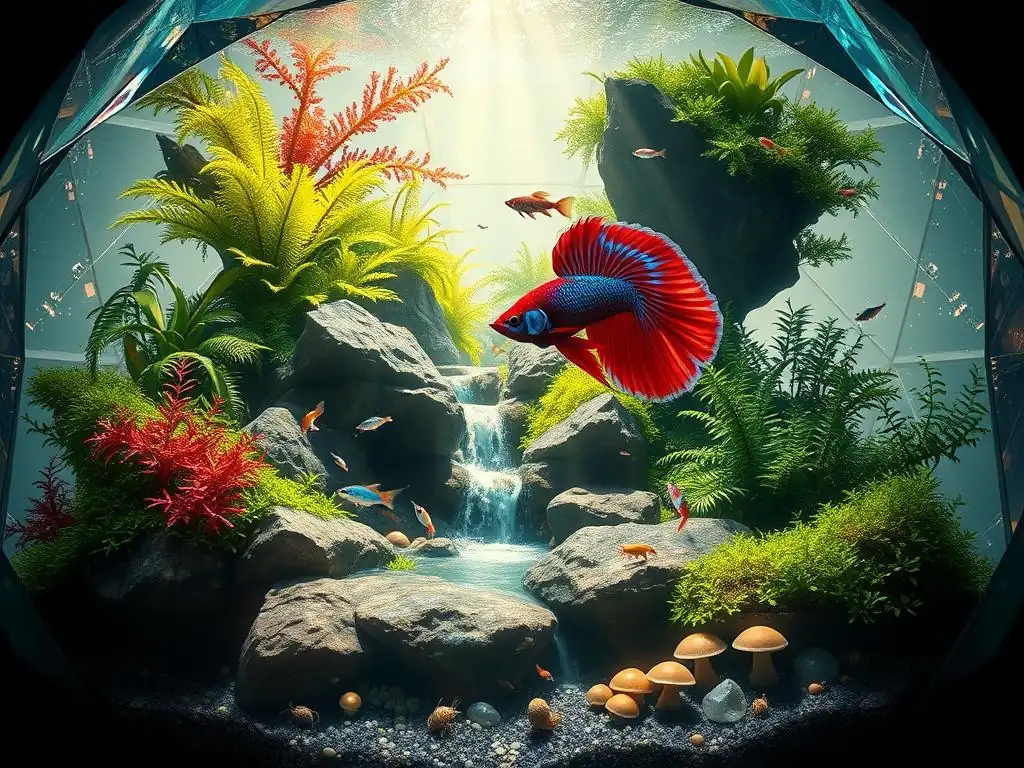
Welcome to Aquarium Mastery!
Ever wondered if you could create a truly self-sustaining underwater world? Dive in with us as we explore the fascinating science behind closed-loop ecosystems! This article unveils practical self-sustaining aquarium ecosystem tips, taking your aquarium hobby to the next level. Ready to unlock the secrets of a thriving, balanced aquatic environment? Let's get started!
- Understanding Closed-Loop Aquarium Ecosystems
-
The Key Components of a Self-Sustaining Aquarium
- Biological Filtration: The Nitrogen Cycle in Closed-Loop Aquariums
- Mechanical Filtration: Maintaining Water Clarity
- Chemical Filtration: Balancing Water Parameters Naturally
- The Role of Substrate: Nutrient Cycling and Biological Habitat
- Lighting for Photosynthesis: Supporting Plant and Coral Life
- Water Circulation and Oxygenation: Essential for a Healthy Ecosystem
-
Building a Self-Sustaining Aquarium Ecosystem: Step-by-Step Guide
- Planning Your Closed-Loop Aquarium: Size, Species, and System Design
- Selecting the Right Equipment: Filters, Pumps, and Lighting
- Aquascaping for a Balanced Ecosystem
- Introducing Beneficial Bacteria: Jumpstarting the Nitrogen Cycle
- Choosing the Right Livestock: Fish, Invertebrates, and Plants for a Self-Sustaining Tank
- Acclimation Procedures for New Additions
- Maintaining a Self-Sustaining Aquarium: Tips and Best Practices
- Advanced Techniques for Enhancing Self-Sustaining Aquarium Ecosystems
- Ethical Considerations in Closed-Loop Aquarium Keeping
- The Future of Self-Sustaining Aquarium Technology
- Conclusion: Mastering the Art of the Self-Sustaining Aquarium Ecosystem
-
Frequently Asked Questions
- How does a self-sustaining aquarium ecosystem work?
- What are the key components needed for a successful self-sustaining aquarium?
- What types of fish are best suited for a self-sustaining aquarium environment?
- How often does a self-sustaining aquarium need maintenance?
- What are some common problems that can disrupt a self-sustaining aquarium ecosystem?
- Final Reflection: Embracing the Balance of Miniature Worlds
- Dive Deeper: Transform Your Aquarium Dreams Into Reality!
Understanding Closed-Loop Aquarium Ecosystems
What is a Closed-Loop Aquarium? Defining Self-Sustaining Aquariums
A closed-loop aquarium, often referred to as a self-sustaining aquarium ecosystem, is a meticulously designed aquatic environment engineered to minimize external intervention and mimic the intricate balance found in natural aquatic habitats. Unlike conventional aquariums that rely heavily on frequent water changes, manual waste removal, and constant chemical adjustments, a self-sustaining system aims for internal biological and chemical processes to manage waste, cycle nutrients, and maintain stable water parameters.
The ultimate goal is to create a dynamic equilibrium where the inhabitants, plants, and beneficial microorganisms work synergistically to support each other, reducing the need for human input to little more than feeding.
This sophisticated approach to aquaristics leverages a deep understanding of ecological principles, including the nitrogen cycle, nutrient export mechanisms, and the symbiotic relationships between various species. Achieving a truly self-sustaining setup requires careful planning, appropriate equipment selection, and a patient approach to allow the ecosystem to mature. Many aquarists seek out "Self-sustaining aquarium ecosystem tips" to embark on this rewarding journey, recognizing that while initial setup can be complex, the long-term benefits in terms of stability, reduced maintenance, and a healthier environment for aquatic life are significant.
The Core Principles of a Thriving Closed-Loop System
The success of a thriving closed-loop system hinges on several fundamental ecological principles. Foremost among these is the concept of nutrient cycling, where waste products from fish and other inhabitants are efficiently converted into usable forms by beneficial bacteria and then absorbed by plants or exported through natural processes. This continuous loop prevents the accumulation of harmful substances like ammonia and nitrite, which are lethal to aquatic life, and manages nitrates, which can lead to algae blooms if left unchecked.
Another critical principle is biodiversity, ensuring a diverse range of organisms, from microscopic bacteria to plants, invertebrates, and fish, each playing a specific role in the ecosystem's balance. For instance, detritivores break down organic matter, while photosynthetic organisms (plants and algae) consume nitrates and produce oxygen. The system's resilience is directly proportional to its biological diversity and the maturity of its various cycles. Adhering to these core principles provides the best self-sustaining aquarium ecosystem tips for long-term success.
Benefits of Establishing a Self-Sustaining Aquarium Ecosystem
Establishing a self-sustaining aquarium ecosystem offers a multitude of benefits, making it an increasingly popular choice for advanced aquarists. Perhaps the most compelling advantage is the significant reduction in routine maintenance. While not entirely hands-off, a well-established self-sustaining tank requires far fewer water changes, less frequent filter cleaning, and minimal chemical dosing compared to a traditional setup. This translates to substantial savings in time, effort, and resources like water and dechlorinators.
Beyond convenience, these systems offer unparalleled stability and a healthier environment for aquatic inhabitants. With consistent water parameters and a robust natural filtration system, fish and invertebrates experience less stress, leading to stronger immune systems, vibrant coloration, and longer lifespans. For instance, tanks designed for natural nitrate reduction might see nitrate levels consistently below 5 ppm, a stark contrast to the 20-40 ppm often found in conventionally maintained tanks. Furthermore, a self-sustaining aquarium provides a fascinating, living educational tool, demonstrating ecological principles in action and fostering a deeper appreciation for aquatic environments.
The Key Components of a Self-Sustaining Aquarium
Biological Filtration: The Nitrogen Cycle in Closed-Loop Aquariums
Biological filtration stands as the bedrock of any self-sustaining aquarium, serving as the primary mechanism for detoxifying harmful waste products. This process is fundamentally driven by the nitrogen cycle, a series of biochemical reactions facilitated by specific groups of beneficial bacteria. First, ammonia (NH3/NH4+), a highly toxic compound produced from fish waste, uneaten food, and decaying organic matter, is converted into nitrite (NO2-), which is also highly toxic, by Nitrosomonas bacteria.
Subsequently, Nitrobacter bacteria convert nitrite into nitrate (NO3-), a less toxic compound that can be tolerated by most aquatic life in moderate concentrations. In a truly self-sustaining system, this nitrate is then either absorbed by live plants or corals as a nutrient source, or further processed into harmless nitrogen gas (N2) through anaerobic denitrification in oxygen-deprived zones, such as deep sand beds or live rock pores. Ensuring the efficient functioning of this cycle is paramount among all self-sustaining aquarium ecosystem tips.
Establishing a Robust Biological Filter for a Self-Sustaining Environment
Establishing a robust biological filter is the critical first step in creating a self-sustaining aquarium. This process, known as "cycling the tank," involves cultivating colonies of nitrifying bacteria sufficient to process the bioload of the planned inhabitants. The most recommended method for a self-sustaining system is fishless cycling, which can take anywhere from four to six weeks. This involves dosing the tank with a pure ammonia source (e.g., ammonium chloride) to feed the nascent bacterial colonies, allowing them to proliferate and convert ammonia to nitrite, and then nitrite to nitrate, without endangering any fish.
For optimal bacterial colonization, providing ample surface area is crucial. This includes highly porous biological filter media (like ceramic rings or bio-balls), live rock in saltwater setups (which can offer up to 20,000 square feet of surface area per cubic foot), and the substrate itself. Many aquarists also introduce bottled beneficial bacteria starters, which can significantly accelerate the cycling process, sometimes reducing the initial waiting period by a week or more. Patience during this phase ensures the biological foundation is strong enough to support the future ecosystem.
Mechanical Filtration: Maintaining Water Clarity
While biological filtration handles dissolved toxins, mechanical filtration is essential for maintaining physical water clarity and removing particulate matter. This includes uneaten food, fish waste, and decaying plant material that, if left to decompose, would contribute to the organic load and potentially overwhelm the biological filter. Common mechanical filtration media include filter floss, sponges, and filter socks, which physically trap these suspended particles as water passes through them.
In a self-sustaining system, the role of mechanical filtration is often minimized in terms of aggressive particle removal, as excessive mechanical filtration can strip beneficial detritus that some organisms rely on. However, it remains important to prevent excessive particulate buildup, which can clog pumps, reduce light penetration, and create anaerobic pockets. Regular, gentle cleaning or replacement of mechanical media is critical—perhaps once every two to four weeks, depending on the bioload—to prevent it from becoming a source of nitrates itself as trapped organic matter breaks down.
Chemical Filtration: Balancing Water Parameters Naturally
Chemical filtration involves the use of specialized media to remove dissolved organic compounds, odors, discolorations, and specific toxins or excess nutrients from the water. While traditional aquariums often rely on activated carbon or phosphate removers, a truly self-sustaining system aims to minimize the continuous use of such media, instead relying on natural processes. For instance, plants and algae in a refugium serve as a natural form of chemical filtration by absorbing nitrates and phosphates.
However, there are instances where chemical filtration might be temporarily employed in a self-sustaining setup, such as to remove medications after treating an illness, or to polish water for a special event. Granular Ferric Oxide (GFO) might be used sparingly to address persistent phosphate issues if natural methods are insufficient, but the goal is to identify and address the root cause of the imbalance rather than relying on constant chemical intervention. The philosophy is to let the ecosystem find its own balance, with chemical filtration as a last resort for specific, acute issues.
The Role of Substrate: Nutrient Cycling and Biological Habitat
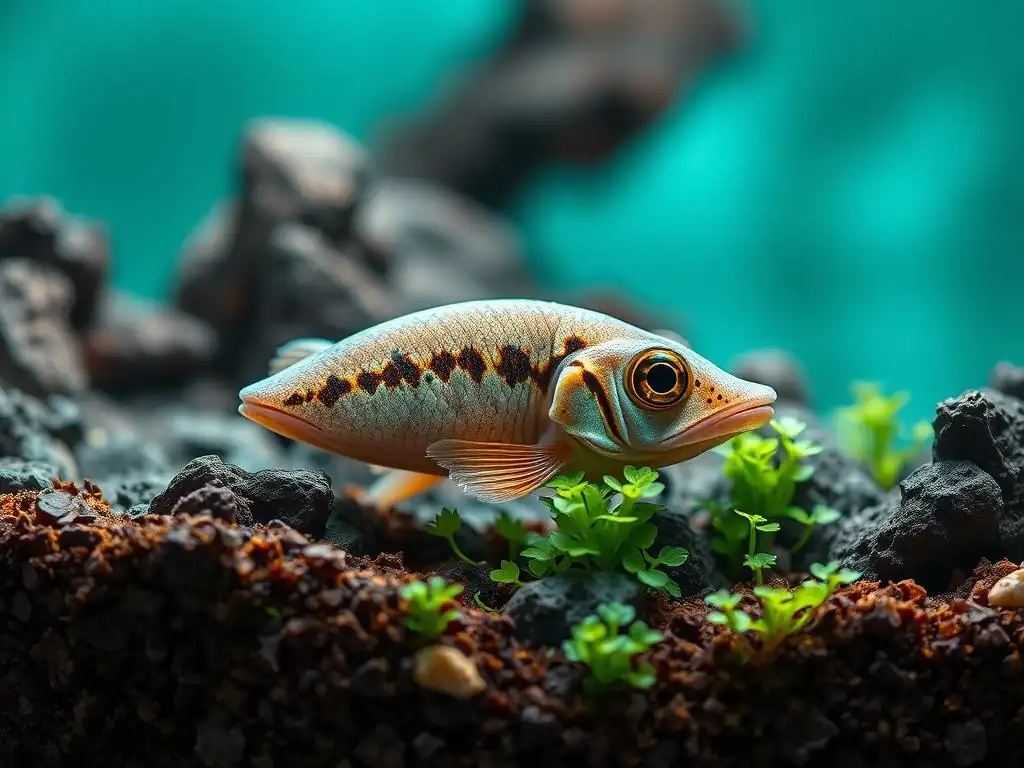
The substrate, whether sand, gravel, or specialized planted tank media, plays a multifaceted and often underappreciated role in a self-sustaining aquarium ecosystem. Beyond its aesthetic contribution, the substrate provides an immense surface area for the colonization of beneficial bacteria, both aerobic and anaerobic. In particular, deep sand beds (DSBs) of 4-6 inches or more can develop anoxic zones crucial for denitrification, the process that converts nitrates into harmless nitrogen gas, thereby completing the nitrogen cycle within the tank.
Furthermore, the substrate acts as a vital nutrient reservoir for live plants, especially in freshwater planted tanks, releasing essential minerals and trace elements over time. It also serves as a habitat for various detritivores, such as copepods, amphipods, and worms, which tirelessly sift through the material, breaking down organic waste and preventing its accumulation. This biological activity within the substrate is a cornerstone of nutrient cycling and waste management, making its selection and maintenance a key consideration for "Self-sustaining aquarium ecosystem tips."
Lighting for Photosynthesis: Supporting Plant and Coral Life
Lighting is an indispensable component in a self-sustaining aquarium, acting as the energy source for photosynthesis, the process by which plants, algae, and symbiotic zooxanthellae within corals convert light energy into chemical energy. This process is vital for the ecosystem's health, as these primary producers absorb nitrates and phosphates, thereby removing excess nutrients from the water, and concurrently release oxygen, which is crucial for fish and aerobic bacteria.
The type, intensity, and duration of lighting must be carefully chosen to match the needs of the photosynthetic organisms within the tank. For instance, high-light demanding plants or SPS corals require high PAR (Photosynthetically Active Radiation) values and a specific spectrum, typically within the 400-700 nm range. A typical photoperiod for most aquariums ranges from 8 to 12 hours daily. LEDs are increasingly popular due to their energy efficiency, tunable spectrum, and long lifespan, allowing aquarists to precisely control the light environment to optimize plant and coral growth.
Water Circulation and Oxygenation: Essential for a Healthy Ecosystem
Effective water circulation and oxygenation are non-negotiable for a healthy and thriving self-sustaining aquarium ecosystem. Water movement ensures that oxygenated water reaches all areas of the tank, preventing stagnant zones where harmful anaerobic bacteria could proliferate and ensuring that fish and invertebrates receive adequate oxygen for respiration. It also facilitates the distribution of nutrients to plants and corals and carries waste products to the filtration mechanisms.
Powerheads, wavemakers, and return pumps are commonly used to create the necessary flow. The ideal flow rate depends on the tank size and inhabitants; for example, a reef tank with SPS corals might require a turnover rate of 10-20 times the tank volume per hour to mimic natural ocean currents, while a freshwater planted tank might need less, perhaps 5-10 times. Surface agitation, created by the outflow of filters or air stones, is crucial for gas exchange, allowing carbon dioxide to escape and oxygen to dissolve into the water, further contributing to the stability of the closed-loop system.
Building a Self-Sustaining Aquarium Ecosystem: Step-by-Step Guide
Planning Your Closed-Loop Aquarium: Size, Species, and System Design
The foundational step in building a self-sustaining aquarium ecosystem is meticulous planning. This involves defining the tank's size, which directly impacts stability – larger tanks (e.g., 75 gallons or more) generally offer greater stability due to a larger water volume buffering against parameter swings. Crucially, you must decide on the type of ecosystem you wish to create: a freshwater planted tank, a brackish setup, or a saltwater reef or fish-only system. This choice dictates the specific requirements for water parameters, lighting, and suitable inhabitants.
Researching compatible species is paramount. For a self-sustaining tank, select fish, invertebrates, and plants that have similar environmental needs and are known to coexist peacefully without over-stressing the system or each other. Consider their adult size, dietary habits, and waste production. Finally, design the system layout, including placement of filtration components, lighting, and aquascaping elements, ensuring adequate space for equipment, maintenance access, and effective water flow. This early planning phase is a critical element of "Self-sustaining aquarium ecosystem tips."
Selecting the Right Equipment: Filters, Pumps, and Lighting
Choosing the appropriate equipment is vital for the long-term success of a self-sustaining aquarium. For filtration, prioritize high-quality biological media that offers extensive surface area for beneficial bacteria, such as specialized ceramic rings or porous bio-blocks. While mechanical filtration is necessary, it should be easily accessible for cleaning to prevent nitrate buildup. Pumps, including return pumps for sumps and powerheads for internal circulation, must be appropriately sized to provide adequate flow without causing excessive turbulence or stress to inhabitants.
Lighting is another key investment, especially for planted or reef tanks. LED fixtures are highly recommended due to their energy efficiency, longevity, and spectrum control, allowing you to tailor the light to the specific needs of your photosynthetic organisms. Consider features like programmable timers and dimming capabilities. Other essential equipment includes a reliable heater (for tropical setups), an accurate thermometer, and a robust test kit for monitoring water parameters. Investing in quality components upfront minimizes future issues and contributes significantly to the system's stability.
Aquascaping for a Balanced Ecosystem
Aquascaping in a self-sustaining aquarium goes beyond mere aesthetics; it is a functional art that profoundly impacts the ecosystem's balance and stability. The arrangement of live rock, driftwood, and substrate creates essential habitats, hiding spots for shy fish, and territories for aggressive ones, reducing stress and promoting natural behaviors. More importantly, it provides vast surface area for beneficial bacteria colonization, particularly with porous live rock in marine systems, which can host both aerobic and anaerobic bacteria for complete nitrogen cycle processing.
When designing your aquascape, consider the flow patterns it will create, ensuring that water circulates effectively throughout the tank to prevent dead spots where detritus can accumulate. For planted tanks, the layout should allow for optimal light penetration to all plants and facilitate future pruning. Incorporate elements that support the intended bioload; for example, a freshwater tank designed for a pair of dwarf cichlids might need more caves and crevices, while a heavily planted tank will prioritize substrate depth and open areas for plant growth.
Introducing Beneficial Bacteria: Jumpstarting the Nitrogen Cycle
Introducing beneficial bacteria is a crucial step in jumpstarting the nitrogen cycle and establishing the biological foundation for your self-sustaining aquarium. While these bacteria will naturally colonize over time, directly inoculating the tank with a commercial bacterial starter culture can significantly accelerate the cycling process, often reducing the initial waiting period from 4-6 weeks to 2-3 weeks. These bottled cultures typically contain strains of Nitrosomonas and Nitrobacter, the key nitrifying bacteria.
For optimal results, follow the product instructions carefully, which usually involve adding the culture directly to the tank water or filter media. Maintaining stable temperature and adequate oxygenation during this phase is important to support bacterial growth. Some aquarists also introduce a small amount of "seeded" filter media from an established, healthy aquarium, though this carries a slight risk of introducing unwanted pests or pathogens. The goal is to create a robust bacterial colony that can efficiently process ammonia and nitrite as soon as livestock is introduced.
Choosing the Right Livestock: Fish, Invertebrates, and Plants for a Self-Sustaining Tank
The selection of livestock is perhaps the most critical decision for a self-sustaining aquarium, as it directly impacts the bioload, nutrient cycling, and overall stability of the ecosystem. Overstocking is the most common pitfall, leading to excessive waste production that overwhelms the natural filtration capacity. Instead, opt for a lower bioload than typically recommended for conventional tanks, allowing the system to achieve true balance. Choose species that are known to be hardy, adaptable, and compatible with each other in terms of temperament, dietary needs, and environmental parameters.
For freshwater setups, consider species like Otocinclus catfish for algae control, Amano shrimp for detritus consumption, and certain livebearers or small schooling fish that have minimal impact on water quality. In marine systems, hermit crabs, snails, and various types of copepods and amphipods act as an essential "cleanup crew," consuming detritus and microalgae. Plants are indispensable in freshwater self-sustaining tanks for nutrient export and oxygen production, while corals play a similar role in reef aquariums.
Compatible Species for a Thriving Closed-Loop Environment
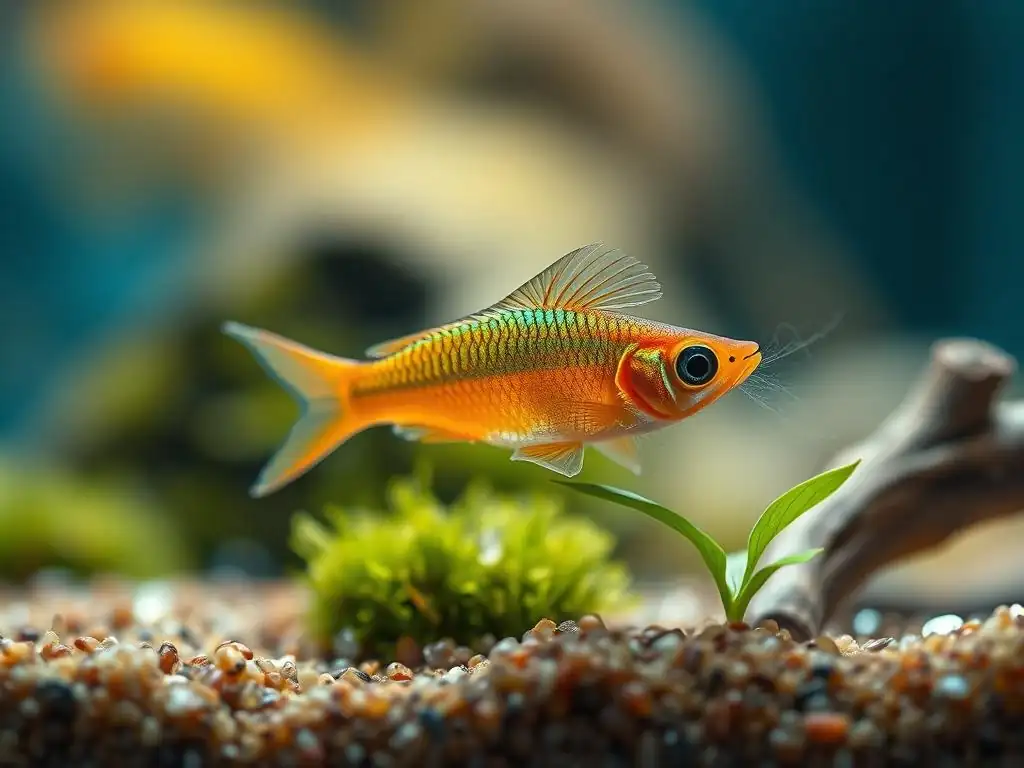
For a thriving freshwater closed-loop environment, consider a diverse range of species that contribute positively to the ecosystem. For example, a 20-gallon planted tank could host a school of 6-8 Ember Tetras ( Hyphessobrycon amandae), which are small, peaceful, and have a low bioload. Complement them with 3-5 Otocinclus catfish ( Otocinclus affinis) for algae control and 5-10 Amano shrimp ( Caridina multidentata) to consume detritus and leftover food. These species are known for their hardiness and minimal impact on water parameters.
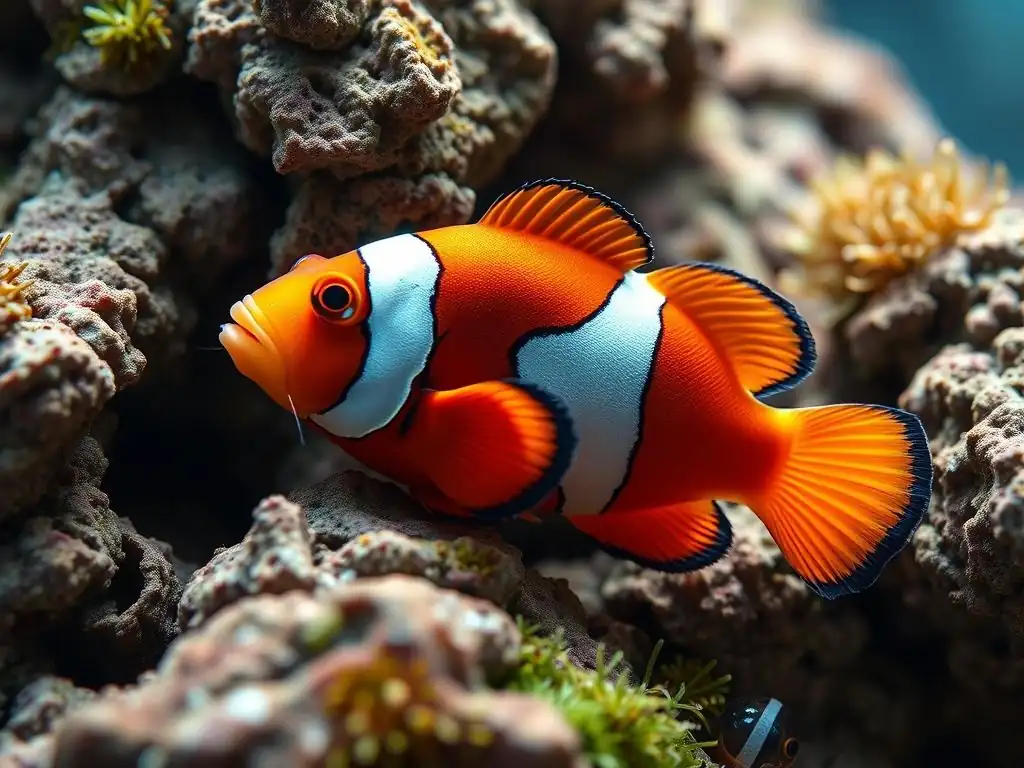
In a marine self-sustaining setup, a 40-gallon breeder tank might house a pair of Clownfish ( Amphiprion ocellaris) and a single Diamond Watchman Goby ( Valenciennea puellaris) for sand sifting. The cleanup crew is crucial: 10-15 Nassarius snails ( Nassarius vibex) for scavenging, 5-7 Astrea snails ( Astrea tecta) for algae, and 5-10 small hermit crabs ( Clibanarius tricolor). Including a refugium with macroalgae like Chaetomorpha would provide a natural nitrate export mechanism, effectively integrating these elements into a robust, self-sustaining aquarium ecosystem.
Acclimation Procedures for New Additions
Proper acclimation procedures are crucial when introducing new fish, invertebrates, or plants to a self-sustaining aquarium, minimizing stress and preventing shock that could compromise their health and the system's stability. The goal is to gradually equalize the water parameters (temperature, pH, salinity for marine tanks) between the transport bag and the aquarium. A rapid change in parameters can lead to osmotic shock, weakened immune systems, and even death.
For most fish and invertebrates, the drip acclimation method is highly recommended. This involves slowly dripping tank water into the bag or a separate container holding the new inhabitants over a period of 30-60 minutes, allowing the parameters to slowly equalize. For plants, a simple rinse to remove any potential pests or residual fertilizers is often sufficient before planting. Always turn off aquarium lights during acclimation and for several hours afterward to further reduce stress on new additions, providing them with the best chance to adapt to their new, self-sustaining aquarium ecosystem.
Maintaining a Self-Sustaining Aquarium: Tips and Best Practices
Monitoring Water Parameters: Regular Testing and Adjustment
Even in a self-sustaining aquarium, regular monitoring of water parameters is indispensable. While the system is designed to minimize interventions, fluctuations can occur, and early detection of imbalances prevents major issues. Key parameters include ammonia, nitrite, nitrate, pH, temperature, and for saltwater systems, salinity (specific gravity), alkalinity, calcium, and magnesium. Ammonia and nitrite should consistently read zero, indicating a healthy nitrogen cycle. Nitrate levels should ideally remain low, often below 10 ppm in freshwater tanks and below 5 ppm in reef tanks, primarily managed by plants or denitrification.
Testing should be performed weekly or bi-weekly initially, then perhaps bi-monthly once the system is well-established and stable. Consistent pH (e.g., 6.5-7.5 for most freshwater, 8.1-8.4 for marine) is vital, as significant swings can stress inhabitants. While a self-sustaining system aims to balance these naturally, minor adjustments might occasionally be necessary, such as adding a buffer to stabilize pH or a trace element supplement if deficiencies are noted, all guided by accurate test results. These are among the most important "Self-sustaining aquarium ecosystem tips."
Understanding Key Water Parameters in a Self-Sustaining System
In a self-sustaining system, understanding the nuances of key water parameters is crucial for proactive management. Ammonia and nitrite, the most toxic nitrogenous compounds, must always be at undetectable levels (0 ppm). If they rise, it indicates an overwhelmed biological filter, often due to overfeeding or an excessive bioload. Nitrate levels, while less toxic, are a primary indicator of nutrient accumulation; in a truly self-sustaining tank, they should remain low (e.g., <10 ppm freshwater, <5 ppm saltwater), managed by plant uptake or denitrification. Persistent high nitrates suggest a need for more nutrient export.
pH stability is paramount, as rapid shifts can be fatal. For freshwater, a range of 6.5-7.5 is common, while marine systems thrive at 8.1-8.4. Alkalinity (carbonate hardness) in marine tanks directly influences pH stability, ideally maintained between 7-12 dKH. Calcium (400-450 ppm) and magnesium (1250-1350 ppm) are also critical for coral and coralline algae growth. Regularly tracking these parameters provides invaluable "Self-sustaining aquarium ecosystem tips" for maintaining equilibrium and identifying potential issues before they escalate.
Avoiding Overfeeding: Maintaining Nutrient Balance
Overfeeding is one of the most common mistakes in aquarium keeping, and it can quickly derail a self-sustaining ecosystem. Excess food that goes uneaten decomposes, rapidly increasing the organic load and leading to spikes in ammonia and nitrite, overwhelming the biological filter. This not only directly harms fish but also fuels unsightly algae blooms by providing an abundant source of nutrients like nitrates and phosphates.
To maintain nutrient balance, feed your fish small amounts multiple times a day rather than a single large meal. Feed only what your fish can consume within 2-3 minutes. Observe your fish during feeding to ensure all food is eaten and none settles on the substrate. For bottom feeders, target feeding or using sinking pellets can be more efficient. Reducing feeding frequency to once every other day for some species, or even skipping a day once a week, can also help manage the bioload and promote a leaner, healthier system, providing excellent "Self-sustaining aquarium ecosystem tips" for long-term success.
Pruning and Plant Management: Preventing Overgrowth
For freshwater planted tanks or marine tanks with macroalgae in refugiums, regular pruning and plant management are essential for maintaining a healthy and balanced self-sustaining ecosystem. While plants are vital for nutrient export and oxygen production, unchecked growth can lead to several problems. Dense plant growth can block light from reaching lower leaves, causing them to rot and contribute to the organic load. Overgrown plants can also impede water circulation, creating stagnant areas.
Pruning involves selectively removing older, yellowing leaves and trimming back excessively long stems. For fast-growing species like Anacharis or Hornwort, this might be a weekly task. For slower growers like Anubias, less frequent pruning is needed. In marine refugiums, harvesting macroalgae like Chaetomorpha is a direct method of nutrient export, physically removing nitrates and phosphates from the system. Regularly managing plant biomass ensures efficient nutrient uptake and prevents the plants themselves from becoming a source of pollution, making it a key aspect of "Self-sustaining aquarium ecosystem tips."
Addressing Algae Blooms: Natural Control Methods
Algae blooms are a common challenge, even in self-sustaining aquariums, often signaling an imbalance in nutrients (primarily nitrates and phosphates) or excessive light. While some algae are natural and beneficial, an uncontrolled bloom can smother plants, corals, and decor, and indicate underlying issues. In a self-sustaining system, the first approach to addressing algae should always be natural control methods rather than chemical treatments.
The primary strategy is to identify and correct the source of excess nutrients, which often points back to overfeeding, insufficient water changes (if any are still performed), or an overloaded biological filter. Increasing the number of nutrient-consuming plants or macroalgae can help. Introducing algae-eating "cleanup crew" members, such as Otocinclus catfish, Amano shrimp, or various snail species (e.g., Nerite snails) in freshwater, or Turbo snails and hermit crabs in saltwater, can effectively graze on algae. Reducing the photoperiod or light intensity can also curb algae growth, as can ensuring proper water flow to prevent nutrient accumulation in specific areas.
Troubleshooting Common Issues in Closed-Loop Aquariums
Even with meticulous planning, closed-loop aquariums can encounter common issues, though their frequency is significantly reduced compared to conventional setups. The key to troubleshooting in a self-sustaining system is to identify the root cause, which often relates to an imbalance in the delicate ecological processes. For instance, cloudy water might indicate a bacterial bloom (often during initial cycling or after a major disturbance) or excessive particulate matter.
Algae blooms, as previously discussed, are almost always a symptom of excess nutrients. Fish diseases, while less common in stable self-sustaining environments, can still occur due to stress from new additions or sudden parameter shifts. The approach is to first re-evaluate feeding habits, check all primary water parameters (ammonia, nitrite, nitrate, pH, temperature), and ensure all equipment (filters, pumps, lights) are functioning optimally. Patience and observation are paramount, as rushing to chemical solutions can disrupt the very balance you've worked to establish.
Common Challenges and Solutions for Self-Sustaining Systems
One common challenge in self-sustaining systems is an unexpected rise in nitrates, even with plants or a deep sand bed. This often points to an overlooked source of decaying organic matter, such as detritus accumulating in low-flow areas or an inefficient cleanup crew. The solution involves siphoning out visible detritus, ensuring adequate water flow throughout the tank, and potentially increasing the number of detritivores.
Another challenge can be fluctuating pH, especially in freshwater tanks lacking sufficient buffering capacity. Introducing pH-stable substrates like inert sand or gravel, or using natural buffering elements like crushed coral (for slightly higher pH), can help.
Algae outbreaks, particularly persistent green hair algae or cyanobacteria, frequently indicate an imbalance in the Redfield ratio (nitrogen to phosphorus) or excessive light. Reducing light intensity or duration, ensuring adequate phosphate removal (e.g., through a refugium or GFO if necessary), and increasing the biomass of nutrient-consuming plants or macroalgae are effective strategies. The core "Self-sustaining aquarium ecosystem tips" for these challenges revolve around identifying the underlying ecological imbalance rather than simply treating symptoms, ensuring long-term stability and health.
Advanced Techniques for Enhancing Self-Sustaining Aquarium Ecosystems
Utilizing Deep Sand Beds for Enhanced Filtration
Deep Sand Beds (DSBs) represent an advanced technique for significantly enhancing the filtration capabilities of a self-sustaining aquarium, particularly in marine setups. A DSB typically consists of 4-6 inches (or more) of fine aragonite sand, often within the main display tank or a dedicated refugium. The magic of a DSB lies in its ability to create distinct aerobic and anaerobic zones. The top few inches are oxygen-rich, hosting aerobic nitrifying bacteria that convert ammonia to nitrite and then to nitrate.
Below this oxygenated layer, the sand becomes anoxic (low oxygen) and eventually anaerobic (no oxygen). In these deeper layers, specialized anaerobic bacteria thrive, performing denitrification – the crucial process of converting nitrates into harmless nitrogen gas (N2), which then off-gasses from the water. This natural nitrate reduction mechanism is incredibly efficient, often eliminating the need for water changes specifically for nitrate control, making DSBs a cornerstone of advanced "Self-sustaining aquarium ecosystem tips."
Implementing Refugiums for Nutrient Export
Refugiums are dedicated sections of an aquarium system, typically a separate sump or a partitioned area within a sump, designed to serve as a safe haven for beneficial organisms and a powerful tool for nutrient export. The primary function of a refugium in a self-sustaining system is to cultivate macroalgae, such as Chaetomorpha (Chaeto) or Gracilaria. These fast-growing algae efficiently absorb nitrates and phosphates directly from the water, effectively competing with undesirable nuisance algae in the main display tank.
Beyond nutrient export, refugiums provide a protected environment for the proliferation of beneficial microfauna, including copepods and amphipods. These tiny crustaceans are an invaluable natural food source for many fish and corals in the display tank, contributing to overall biodiversity and health. A refugium also acts as a stable buffer zone, providing additional water volume and fostering a stable environment for beneficial bacteria, further enhancing the resilience and self-sufficiency of the aquarium.
Exploring Natural Nitrate Reduction Methods
Beyond deep sand beds and refugiums, various other natural nitrate reduction (NNR) methods contribute to a truly self-sustaining aquarium. One such method involves the use of live rock, especially in marine aquariums. The highly porous structure of live rock provides extensive surface area for both aerobic and anaerobic bacteria, facilitating the complete nitrogen cycle within the rock itself, including denitrification in its anoxic internal pores. The more mature and diverse the live rock, the more efficient its NNR capabilities.
Another approach is the use of sulfur denitraters, which are specialized reactors that provide an anaerobic environment and a sulfur media source for bacteria that convert nitrates to nitrogen gas. While effective, these require careful monitoring. Lastly, a well-balanced bioload and efficient feeding practices are fundamental "Self-sustaining aquarium ecosystem tips" for NNR, as preventing excess nitrate production in the first place is always the most natural and effective method.
The Importance of Biodiversity in Closed-Loop Systems
Biodiversity is not merely an aesthetic choice but a fundamental pillar supporting the stability and resilience of closed-loop aquarium ecosystems. A diverse community of organisms, from bacteria and microfauna to plants, invertebrates, and fish, creates a more robust and self-regulating system. Each species plays a unique role: bacteria process waste, plants and macroalgae consume nutrients, detritivores break down organic matter, and various microfauna serve as a natural food source and contribute to the overall nutrient cycling.
When a system has high biodiversity, it is less susceptible to crashes or imbalances caused by the failure of a single component or the proliferation of a single undesirable organism. For example, if one type of algae-eater struggles, another might take its place. This redundancy and interconnectedness mimic natural ecosystems, allowing the aquarium to adapt and recover from minor disturbances more effectively. Promoting biodiversity through careful species selection and maintaining a healthy microfauna population is a critical "Self-sustaining aquarium ecosystem tip."
Ethical Considerations in Closed-Loop Aquarium Keeping
Responsible Sourcing of Livestock
Ethical considerations are paramount in closed-loop aquarium keeping, beginning with the responsible sourcing of livestock. This means prioritizing fish, invertebrates, and corals that are either aquacultured (tank-bred or tank-raised) or sustainably wild-caught. Aquaculture significantly reduces pressure on wild populations and minimizes the environmental impact associated with collection, such as habitat destruction or the use of harmful chemicals like cyanide. For instance, the demand for aquacultured clownfish has dramatically reduced the need for wild collection of this popular species.
When wild-caught specimens are considered, it is crucial to ensure they come from reputable suppliers who adhere to sustainable collection practices, avoiding regions known for destructive fishing methods. Supporting ethical suppliers not only promotes conservation but also often results in healthier, less stressed animals that adapt better to a captive environment, aligning with the principles of a self-sustaining and responsible aquarium hobby.
Minimizing Environmental Impact
Minimizing environmental impact is a core ethical responsibility for self-sustaining aquarium keepers. While a closed-loop system inherently reduces waste by minimizing water changes and chemical use, further steps can be taken. Energy efficiency is key: opting for LED lighting over traditional fluorescent or metal halide bulbs can drastically reduce electricity consumption. For example, a modern 100-watt LED fixture can often outperform a 250-watt metal halide in terms of PAR output and spectrum, while consuming less than half the energy.
Responsible disposal of waste, such as old filter media or expired chemicals, is also important. Ensuring that no aquarium water containing medications or high nutrient levels is directly discharged into natural waterways prevents pollution. Furthermore, educating fellow aquarists on sustainable practices and the benefits of self-sustaining systems contributes to a broader positive environmental impact within the hobby.
Promoting Sustainable Aquarist Practices
Promoting sustainable aquarist practices extends beyond individual tank management to influencing the broader hobby. This involves advocating for aquaculture and responsible wild collection, discouraging the purchase of species known to be unsustainably harvested or from endangered populations. Sharing knowledge and "Self-sustaining aquarium ecosystem tips" with other hobbyists about natural filtration methods, reduced reliance on chemicals, and proper species selection can inspire a more environmentally conscious approach.
Participating in or supporting conservation efforts related to aquatic ecosystems, such as coral reef restoration projects or freshwater habitat preservation, further aligns the hobby with ethical responsibilities. By demonstrating that beautiful and thriving aquariums can be maintained with minimal environmental footprint and maximum respect for aquatic life, self-sustaining aquarium keepers serve as ambassadors for a more sustainable future in aquaristics.
The Future of Self-Sustaining Aquarium Technology
Innovations in Filtration and Lighting
The future of self-sustaining aquarium technology is continuously evolving, driven by innovations in filtration and lighting. In filtration, we are seeing the development of more efficient and compact biological media with even greater surface areas, allowing for robust nitrogen cycle processing in smaller footprints. Advanced bioreactors that specifically target nitrate and phosphate removal through specialized bacterial cultures or algae cultivation are becoming more accessible to hobbyists, promising even greater self-sufficiency.
Lighting technology continues to advance rapidly, with full-spectrum tunable LED systems offering unparalleled control over light intensity, color, and photoperiod. Future innovations may include dynamic lighting that mimics natural sun cycles and weather patterns more precisely, further optimizing plant and coral growth while minimizing energy consumption. These advancements aim to make it easier for aquarists to achieve and maintain truly self-sustaining systems with minimal effort.
The Role of Technology in Monitoring and Control
Technology plays an increasingly significant role in the monitoring and control of self-sustaining aquariums, moving towards more automated and precise management. Smart sensors are being developed to continuously monitor key water parameters like pH, temperature, salinity, and even nitrate levels in real-time, providing instant alerts if parameters deviate from the desired range. This proactive monitoring allows for immediate intervention, often before issues become critical.
Automated dosing systems, already common for calcium and alkalinity in reef tanks, are becoming more sophisticated, capable of precisely delivering trace elements or supplements based on sensor readings. Integrated controllers can manage lighting schedules, pump flow rates, and even feeding, all from a smartphone app. This level of automation reduces human error and ensures consistent conditions, making advanced "Self-sustaining aquarium ecosystem tips" more accessible and reliable for aquarists.
The Potential for Self-Sustaining Aquariums in Conservation Efforts
The principles and technologies behind self-sustaining aquariums hold significant potential for broader conservation efforts. By mastering the art of closed-loop systems, aquarists can contribute to the understanding of aquatic ecosystems and develop techniques for species preservation. Public aquariums and research institutions are already utilizing advanced closed systems for breeding endangered fish and coral species, effectively creating ark populations that can be reintroduced to the wild if conditions allow.
Furthermore, these systems can serve as educational tools, demonstrating the delicate balance of aquatic environments and the importance of conservation to a wider audience. The ability to maintain complex ecosystems with minimal external input and waste makes self-sustaining aquariums a model for sustainable living and a testament to the power of ecological design, offering valuable insights that extend far beyond the hobby into broader environmental stewardship.
Conclusion: Mastering the Art of the Self-Sustaining Aquarium Ecosystem
Frequently Asked Questions
How does a self-sustaining aquarium ecosystem work?
A self-sustaining aquarium relies on a balanced cycle of biological processes, like the nitrogen cycle, where waste is converted into less harmful substances. It also depends on photosynthesis from plants or algae to produce oxygen and consume carbon dioxide. The goal is to create a near-closed loop with minimal external intervention.
What are the key components needed for a successful self-sustaining aquarium?
Essential components include a properly sized tank, a robust filtration system (biological, mechanical, and chemical), a diverse community of organisms (fish, invertebrates, and plants), and adequate lighting for photosynthesis. A stable water chemistry is also crucial.
What types of fish are best suited for a self-sustaining aquarium environment?
Fish suitable for self-sustaining aquariums are typically smaller, hardier species that produce less waste and are compatible with plants and invertebrates. Examples include small tetras, rasboras, and certain types of shrimp.
How often does a self-sustaining aquarium need maintenance?
While designed to minimize intervention, self-sustaining aquariums still require occasional maintenance. This includes water changes (less frequent than traditional tanks), algae control, and monitoring water parameters to ensure everything is balanced.
What are some common problems that can disrupt a self-sustaining aquarium ecosystem?
Common issues include overpopulation, imbalances in water chemistry (e.g., ammonia spikes), introduction of diseases, and inadequate lighting. Careful observation and prompt action are essential to restore balance.
Okay, here's a final reflection designed to close your article on closed-loop aquarium ecosystems, optimized for the keyword "selfsustaining aquarium ecosystem tips," and following the structure you outlined:
Final Reflection: Embracing the Balance of Miniature Worlds
The journey into creating self-sustaining aquarium ecosystems reveals more than just the science of balance; it illuminates the profound interconnectedness of life itself. What began as a quest for practical "selfsustaining aquarium ecosystem tips" culminates in a deeper appreciation for the delicate dance of nutrients, organisms, and environmental factors that govern these miniature worlds – a dance that mirrors the complexities of our own planet.
This exploration has not only provided practical guidance but has also underscored the inherent beauty and responsibility that comes with cultivating such a system. The success of a self-sustaining aquarium hinges on understanding and respecting the natural processes at play. In nature, nothing exists alone.
– Rachel Carson. This quote perfectly encapsulates the core principle behind these ecosystems, reminding us that every element, no matter how small, contributes to the overall health and stability of the whole.
As you embark on your own journey to create a thriving self-sustaining aquarium, remember that patience, observation, and a commitment to learning are your greatest allies. Let the principles of balance and interconnectedness guide your choices, and allow the microcosm you create to serve as a constant reminder of the beauty and fragility of the natural world. May your aquarium not only flourish but also inspire a deeper appreciation for the delicate ecosystems that surround us all.
Dive Deeper: Transform Your Aquarium Dreams Into Reality!
Thanks for exploring the fascinating world of closed-loop ecosystems! Now that you understand the science, it's time to bring that knowledge to life and elevate your aquarium experience.
Here are a few things you can do next:
- Start planning your own self-sustaining advanced aquarium. Consider the size, inhabitants, and filtration methods that best suit your vision.
- Explore local aquarium clubs or online forums to connect with experienced hobbyists and share your ideas.
- Research unconventional filtration methods, like mangrove propagation or deep sand beds, to truly push the boundaries of your ecosystem.
Ready to take the plunge and start building your dream aquarium?