
*Ophthalmotilapia ventralis*: The Quintessential Featherfin and Its Dazzling Variants

Welcome to Aquarium Mastery!
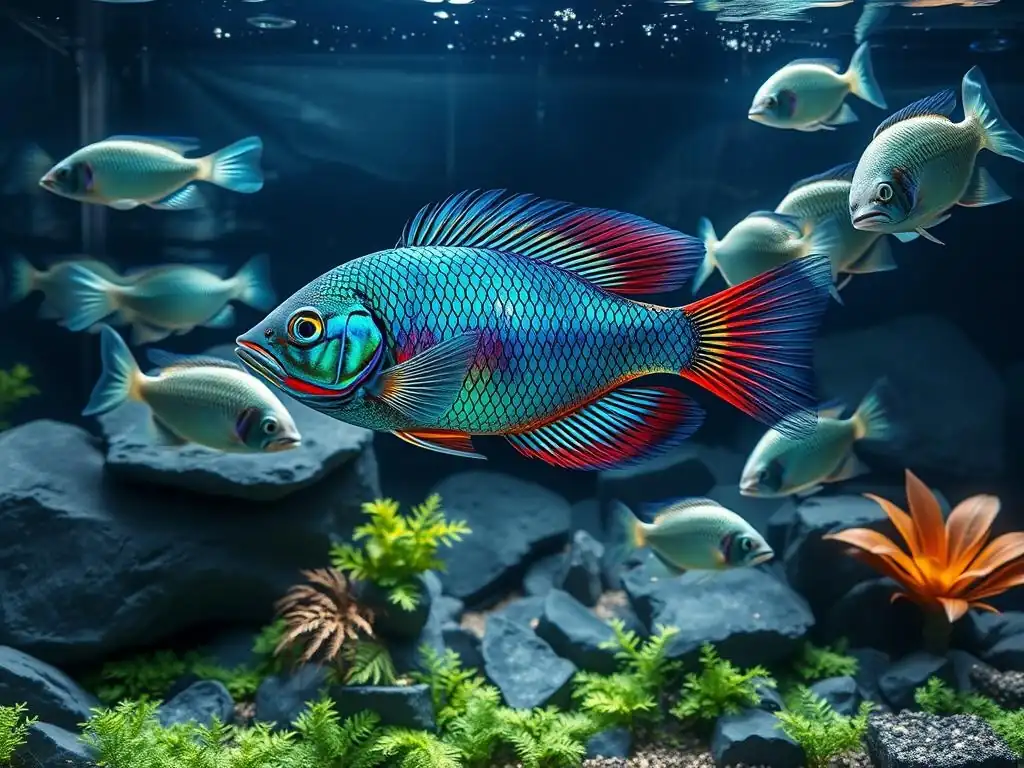
Ever been captivated by the shimmering elegance of a Featherfin Cichlid? Dive in and discover the secrets to successfully keeping Ophthalmotilapia ventralis, a truly stunning species. From dazzling color variations to essential care tips, we'll guide you through creating the perfect environment for these charismatic fish. Ready to unlock the mysteries of Ophthalmotilapia ventralis and elevate your freshwater aquarium game? Let's explore!
- Ophthalmotilapia ventralis: The Featherfin Cichlid and Its Variants
- Introduction to Ophthalmotilapia ventralis - A Lake Tanganyikan Cichlid
- Ophthalmotilapia ventralis Care: Mimicking the Lake Tanganyikan Habitat
- Ophthalmotilapia ventralis Tank Mates: Selecting Compatible Species
- Feeding Ophthalmotilapia ventralis: A Diet for Growth and Coloration
- Ophthalmotilapia ventralis Breeding: Inducing Spawning in Captivity
- Common Ophthalmotilapia ventralis Health Issues and Prevention
- Ophthalmotilapia ventralis Color Variations: Regional Forms and Strains
- Advanced Ophthalmotilapia ventralis Keeping: Optimizing Environment
- Conclusion: The Fascination of Ophthalmotilapia ventralis
-
Frequently Asked Questions
- How difficult is it to care for Ophthalmotilapia ventralis compared to other cichlids?
- What size tank is recommended for a group of Ophthalmotilapia ventralis?
- What are the ideal water parameters for Ophthalmotilapia ventralis?
- What should I feed my Ophthalmotilapia ventralis?
- Are Ophthalmotilapia ventralis compatible with other fish species?
- Final Reflection: Embracing the Art of Ophthalmotilapia ventralis Husbandry
- Dive Deeper into the Featherfin's World!
Ophthalmotilapia ventralis: The Featherfin Cichlid and Its Variants
Introduction to Ophthalmotilapia ventralis - A Lake Tanganyikan Cichlid
Understanding the Featherfin Cichlid's Unique Characteristics
Ophthalmotilapia ventralis, commonly known as the Featherfin Cichlid, is a captivating species native to the deep, clear waters of Lake Tanganyika in East Africa. These fish are renowned for their striking beauty, particularly the males, who develop elongated ventral and caudal fins that resemble delicate feathers, hence their common name. This unique finnage, often adorned with brilliant blues, yellows, and oranges, plays a crucial role in their elaborate courtship rituals, where males display their splendor to attract females in the open water column.
Beyond their aesthetic appeal, Featherfin Cichlids exhibit fascinating social behaviors. They are typically found in large schools in their natural habitat, often near rocky substrates or open sandy areas, feeding on plankton and small invertebrates. In an aquarium setting, observing their schooling dynamics and the males' impressive displays is a highlight for any aquarist. Understanding these inherent characteristics is the first step in providing optimal Ophthalmotilapia ventralis care tips, ensuring their well-being and allowing their natural behaviors to flourish.
Ophthalmotilapia ventralis: Aquarium Profile and Care Requirements
For aquarists seeking to add a touch of Lake Tanganyika's splendor to their home, Ophthalmotilapia ventralis presents a rewarding, albeit specific, challenge. Adult males can reach lengths of approximately 5 to 6 inches (13-15 cm), while females are typically smaller, around 4 inches (10 cm). With proper Ophthalmotilapia ventralis care, these cichlids can live for 8 to 10 years, offering a long-term commitment for dedicated hobbyists. Their specific environmental needs, mirroring their native lake conditions, are paramount for their health and vibrant coloration.
Successful Ophthalmotilapia ventralis care tips revolve around replicating the stable, alkaline, and oxygen-rich environment of Lake Tanganyika. This includes precise water parameters, a well-structured tank setup, and a suitable diet. While they are not considered beginner fish due to these specific requirements, intermediate to advanced aquarists will find them a highly rewarding species to keep, providing endless opportunities for observation and appreciation of their unique beauty and behaviors.
Ophthalmotilapia ventralis Care: Mimicking the Lake Tanganyikan Habitat
Essential Tank Setup: Substrate, Rockwork, and Water Flow
A crucial aspect of Ophthalmotilapia ventralis care is establishing an aquarium that closely mimics their natural Lake Tanganyikan habitat. For a small group of these cichlids (e.g., one male and three to four females), a minimum tank size of 75 gallons (approximately 280 liters) is recommended, with larger tanks (125 gallons or more) being ideal for multiple males or larger schools. The substrate should consist of fine sand, which replicates the sandy bottom areas where they forage and where females may deposit eggs. Avoid coarse gravel that can injure their delicate mouths.
Strategic rockwork is also vital, providing visual barriers and hiding spots for females and subdominant males, especially during breeding periods or to diffuse aggression. While Ophthalmotilapia ventralis are open-water swimmers, they appreciate structures to retreat to. Moderate water flow, simulating the natural currents of the lake, is beneficial and can be achieved with appropriate filtration or powerheads, ensuring good oxygenation throughout the tank. These foundational elements are critical Ophthalmotilapia ventralis care tips for creating a secure and stimulating environment.
Water Parameters: Maintaining Stability for O. ventralis
Maintaining precise and stable water parameters is arguably the most critical component of Ophthalmotilapia ventralis care. Lake Tanganyika is known for its exceptionally stable and unique water chemistry, and replicating this consistency is key to preventing stress and disease in these sensitive cichlids. Regular monitoring with reliable test kits is essential to ensure parameters remain within the optimal ranges.
The Role of pH and Hardness in Featherfin Cichlid Health
Featherfin Cichlids thrive in hard, alkaline water, characteristic of their native lake. The ideal pH range for Ophthalmotilapia ventralis is between 8.0 and 9.2, with an optimal target of around 8.5. The water hardness (GH) should be high, typically between 10-20 dGH (degrees of General Hardness), and carbonate hardness (KH) also elevated, ideally 10-15 dKH, to provide buffering capacity and maintain pH stability. Fluctuations in these parameters can cause significant stress, leading to weakened immune systems and susceptibility to diseases. Therefore, consistent monitoring and appropriate buffering agents, such as Tanganyika buffer salts, are indispensable Ophthalmotilapia ventralis care tips.
Temperature Range for Optimal Ophthalmotilapia ventralis Well-being
The water temperature in Lake Tanganyika is remarkably stable throughout the year, influencing the metabolic processes and overall health of its inhabitants. For Ophthalmotilapia ventralis, the optimal temperature range is between 75-80°F (24-27°C). Maintaining a consistent temperature within this range is crucial; sudden drops or spikes can be detrimental. Using a reliable aquarium heater with a thermostat, and potentially a backup, is highly recommended to ensure thermal stability. A stable temperature, combined with correct pH and hardness, creates a thriving environment for these magnificent cichlids.
Filtration and Water Changes: Crucial for a Thriving Aquarium
Effective filtration is paramount for Ophthalmotilapia ventralis care, given their sensitivity to water quality. A robust filtration system, combining mechanical, biological, and chemical filtration, is necessary to process waste and maintain crystal-clear, healthy water. Canister filters are often preferred for their capacity and efficiency, providing excellent biological filtration that converts harmful ammonia and nitrites into less toxic nitrates. Over-filtration is generally beneficial for Tanganyikan cichlids.
Regular partial water changes are equally vital. It is recommended to perform weekly water changes of 25-30% of the tank's volume to dilute nitrates and replenish essential minerals. When conducting water changes, ensure the replacement water is dechlorinated and matched as closely as possible in temperature and pH to the existing tank water to prevent shock. Neglecting water quality management is one of the most common pitfalls in Ophthalmotilapia ventralis care, often leading to health issues and reduced lifespan.
Ophthalmotilapia ventralis Tank Mates: Selecting Compatible Species
Choosing Peaceful and Similarly Sized Tank Mates
Selecting appropriate tank mates is a critical aspect of successful Ophthalmotilapia ventralis care, as their temperament, while generally peaceful for cichlids, requires careful consideration. Ideal companions are other peaceful to semi-aggressive species from Lake Tanganyika that occupy different niches within the water column. Good choices include various species of Cyprichromis (such as Cyprichromis leptosoma or Cyprichromis microlepidotus), which are open-water schooling fish that will not compete directly for territory with Ophthalmotilapia ventralis.
Other suitable tank mates might include smaller, less aggressive Julidochromis species (like Julidochromis transcriptus or Julidochromis dickfeldi) or Altolamprologus species (such as Altolamprologus compressiceps), provided the tank is sufficiently large and offers ample rockwork for their respective territories. The key is to choose species with similar water parameter requirements and temperaments, ensuring they don't pose a threat to the Featherfins' delicate fins or compete excessively for food.
Minimizing Aggression: Avoiding Fin-Nippers and Aggressive Feeders
To minimize aggression and stress within the aquarium, it is crucial to avoid tank mates that are known fin-nippers or overly aggressive feeders. Species like certain Mbuna cichlids from Lake Malawi, which are highly boisterous and aggressive, are completely unsuitable for Ophthalmotilapia ventralis aquariums due to their differing temperament and water parameter needs. Similarly, very aggressive Haplochromine species that might outcompete the Featherfins for food or harass them should be avoided.
Even within a group of Ophthalmotilapia ventralis, intraspecific aggression can occur, particularly between males. Providing a large tank with plenty of swimming space and visual breaks (e.g., rock structures) can help diffuse aggression. Keeping a single male with multiple females (e.g., 1 male to 3-4 females) or a very large group (10+ individuals) in a spacious aquarium can also help spread out aggression and establish a stable social hierarchy, contributing significantly to effective Ophthalmotilapia ventralis care.
Feeding Ophthalmotilapia ventralis: A Diet for Growth and Coloration
Nutritional Requirements: Protein, Fiber, and Vitamins
Proper nutrition is fundamental for the health, growth, and vibrant coloration of Ophthalmotilapia ventralis. In their natural habitat, they are primarily planktivores, feeding on zooplankton and phytoplankton found in the water column. Therefore, their diet in captivity should reflect this, being rich in high-quality protein, but also supplemented with vegetable matter. A balanced diet prevents nutritional deficiencies and supports their immune system.
Key nutrients include digestible proteins for muscle development, fiber for digestive health, and a range of vitamins and minerals for overall vitality and color enhancement. Over-reliance on single-source foods or low-quality ingredients can lead to health issues, including bloat, a common ailment in cichlids. Understanding these nutritional needs is a vital Ophthalmotilapia ventralis care tip.
Recommended Food: High-Quality Flakes, Pellets, and Frozen Foods
To meet their dietary requirements, a variety of high-quality foods should be offered. Premium spirulina-based flakes and small pellets designed for cichlids are excellent staples, providing a good balance of plant and animal protein. Look for foods that list spirulina, krill, or high-quality fish meal as primary ingredients.
Supplementing their diet with frozen foods several times a week can significantly boost their health and color. Good options include frozen Mysis shrimp, brine shrimp, and daphnia. These provide essential proteins and fats. Live foods, if sourced safely, can also be offered occasionally. Always ensure the food particles are small enough for their relatively delicate mouths, as they are not aggressive feeders like some other cichlid species.
Feeding Frequency and Portion Control: Preventing Bloat
Overfeeding is a common cause of digestive problems and bloat in cichlids, including Ophthalmotilapia ventralis. It is far better to feed small amounts multiple times a day than large portions once a day. A recommended feeding frequency is 2-3 times daily, offering only what they can consume within 1-2 minutes. This minimizes waste and prevents the accumulation of uneaten food, which can foul the water.
Portion control is crucial; observe your fish to gauge their appetite and adjust accordingly. If food remains after a couple of minutes, you are feeding too much. A lean diet, rich in varied nutrients and free from excessive fats, along with controlled portions, is a cornerstone of effective Ophthalmotilapia ventralis care, helping to prevent digestive issues and maintain water quality.
Ophthalmotilapia ventralis Breeding: Inducing Spawning in Captivity
Breeding Tank Setup: Substrate, Rockwork, and Water Conditions
Inducing Ophthalmotilapia ventralis to breed in captivity can be a rewarding experience for dedicated aquarists. While they can sometimes spawn in a community tank, a dedicated breeding tank (e.g., 50-75 gallons) often yields better results and ensures the safety of the fry. The breeding tank should have a fine sand substrate, as males will often create shallow depressions or "nests" in the sand during courtship.
While primarily open-water spawners, some flat rocks or smooth stones can be provided as potential spawning sites, though they often prefer open sandy areas. Water conditions in the breeding tank should be pristine and stable, mirroring the ideal parameters for general Ophthalmotilapia ventralis care: pH 8.0-9.2, high hardness, and a temperature of 78-80°F (26-27°C). A gentle sponge filter can provide adequate filtration without strong currents that might disturb eggs or fry.
Sexing Ophthalmotilapia ventralis: Visual Differences Between Males and Females
Distinguishing between male and female Ophthalmotilapia ventralis is relatively straightforward, especially when they reach maturity. Males are significantly more colorful and possess the characteristic elongated, flowing ventral and caudal fins that give them their "featherfin" name. Their coloration intensifies during breeding periods, displaying brilliant blues, yellows, oranges, and even reds, depending on the specific variant.
Females, in contrast, are generally smaller, less colorful, and have shorter, more rounded fins. While they may exhibit some subtle coloration, it typically lacks the intensity and iridescence of the males. Observing these distinct visual differences allows aquarists to select appropriate breeding pairs or groups, an essential step in successful Ophthalmotilapia ventralis care for breeding purposes.
Spawning Process and Fry Rearing: From Eggs to Juvenile Fish
Ophthalmotilapia ventralis are maternal mouthbrooders, meaning the female carries the eggs and fry in her mouth until they are free-swimming. The spawning process typically involves the male displaying his elaborate fins and vibrant colors to attract a female to his chosen spawning site (often a depression in the sand). The female then lays a small number of eggs, which she immediately picks up into her mouth. The male then displays his anal fin, which often has egg spots, enticing the female to nip at them, at which point he releases sperm to fertilize the eggs in her mouth.
After fertilization, the female will hold the eggs for approximately 3-4 weeks, depending on temperature. During this period, she will not eat and may appear reclusive. Once the fry are free-swimming, they can be released by the female. At this stage, the fry are quite small and should be fed infusoria, liquid fry food, or newly hatched brine shrimp multiple times a day. Maintaining excellent water quality with small, frequent water changes is crucial for fry survival. Gradually, as they grow, they can be transitioned to finely crushed flakes, continuing the diligent Ophthalmotilapia ventralis care into the next generation.
Common Ophthalmotilapia ventralis Health Issues and Prevention
Recognizing Symptoms of Common Cichlid Diseases
Despite meticulous Ophthalmotilapia ventralis care, these fish can still be susceptible to common cichlid diseases if water quality falters or stress levels rise. Recognizing early symptoms is crucial for timely intervention. Common issues include Malawi Bloat, characterized by a distended abdomen, loss of appetite, lethargy, and white, stringy feces. Ich (white spot disease) manifests as small, white spots resembling salt grains on the body and fins, often accompanied by flashing or rubbing against tank decor.
Bacterial infections can lead to fin rot (frayed or decaying fins), cloudy eyes, or general lethargy and loss of color. Parasitic infections might present as rapid breathing, clamped fins, or visible external parasites. Any deviation from normal behavior, such as hiding excessively, refusing food, or unusual swimming patterns, warrants immediate investigation into water parameters and overall fish health.
Prevention Strategies: Quarantine, Water Quality, and Diet
Prevention is the most effective approach to maintaining the health of your Ophthalmotilapia ventralis. A cornerstone of prevention is quarantining all new fish for a period of 4-6 weeks in a separate tank before introducing them to the main aquarium. This allows for observation and treatment of any latent diseases without exposing your established fish.
Maintaining pristine water quality is non-negotiable. Consistent water parameters (pH, hardness, temperature) and regular water changes (25-30% weekly) prevent the buildup of nitrates and other toxins, which are major stressors. A balanced, high-quality diet, as previously discussed, supports a strong immune system. Overfeeding and feeding low-quality foods are common causes of digestive issues, including bloat. These diligent Ophthalmotilapia ventralis care tips are your best defense against illness.
Treating Bloat, Ich, and Parasitic Infections
If disease strikes, prompt and appropriate treatment is essential. For Malawi Bloat, early intervention is key. Fasting the fish for a day or two, followed by feeding shelled peas or specialized anti-bloat foods, can sometimes help. In more advanced cases, medications like Metronidazole (often combined with an antibiotic) may be required, administered either through food or directly to the water.
Ich can typically be treated by slowly raising the water temperature to 82-84°F (28-29°C) for several days (if compatible with tank mates and oxygen levels are monitored) combined with an Ich-specific medication available from aquarium stores. External parasitic infections may require specific anti-parasitic medications. Always follow product instructions carefully and consult with experienced aquarists or aquatic veterinarians if symptoms persist or worsen. A proactive approach to Ophthalmotilapia ventralis care includes having a basic understanding of common treatments.
Ophthalmotilapia ventralis Color Variations: Regional Forms and Strains
Differentiating Between Zambian, Mpulungu, and Other Variants
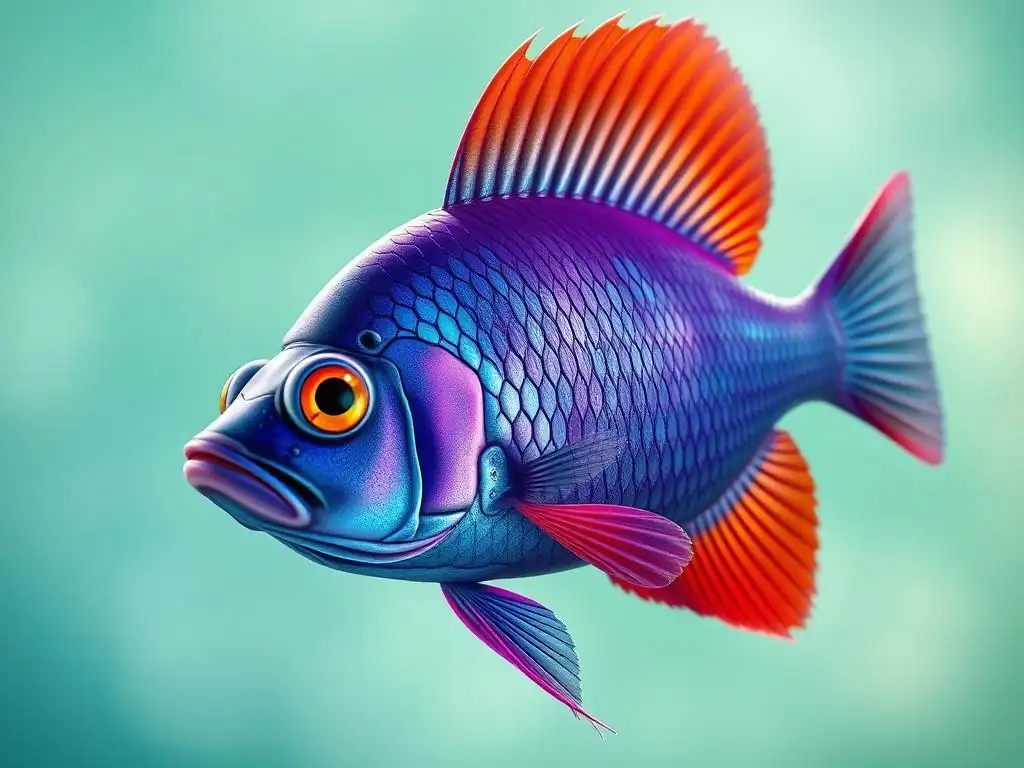
One of the most captivating aspects of Ophthalmotilapia ventralis is the stunning array of color variations found across different collection points within Lake Tanganyika. These regional forms, often named after their geographical origin, can display remarkably distinct patterns and hues. For instance, the "Mpulungu" variant, originating near the town of Mpulungu in Zambia, is highly prized for its intense blue and yellow coloration, often with iridescent scales.
Another well-known variant is from "Kipili," which may exhibit more orange or red tones in its fins and body. There are also forms from various other locations along the Tanzanian and Zambian coasts, each with subtle or striking differences in their coloration and finnage. Differentiating these variants allows hobbyists to specialize in certain forms and appreciate the incredible biodiversity within the species, adding another layer of depth to Ophthalmotilapia ventralis information.
Factors Influencing Color Intensity and Pattern Development
The vibrancy and intensity of Ophthalmotilapia ventralis coloration are not solely determined by genetics; environmental factors and Ophthalmotilapia ventralis care practices play a significant role. A primary factor is water quality: pristine, stable water parameters (correct pH, hardness, and low nitrates) are crucial for the fish to express their full genetic potential for color. Stress, often caused by poor water conditions, incompatible tank mates, or an inadequate environment, will dull their colors significantly.
Diet also plays a vital role; a high-quality diet rich in carotenoids (found in spirulina and certain frozen foods like krill) can enhance reds, oranges, and yellows. Lighting can also influence how colors are perceived, with full-spectrum lighting often bringing out the best in their iridescence. Finally, the social structure within the tank, particularly the presence of dominant males displaying for females, encourages the most spectacular color development. Optimal Ophthalmotilapia ventralis care directly translates into more dazzling, healthier fish.
Advanced Ophthalmotilapia ventralis Keeping: Optimizing Environment
Enhancing Display with Biotope-Specific Decor
For the advanced aquarist, optimizing the Ophthalmotilapia ventralis environment goes beyond basic Ophthalmotilapia ventralis care and aims to create a truly biotope-specific display that not only supports the fish but also enhances their natural behaviors and beauty. This involves meticulous attention to decor that mirrors Lake Tanganyika's underwater landscape. Utilizing fine, light-colored sand as the substrate is paramount, as it reflects light and allows the fish to dig their characteristic spawning pits.
Large, smooth, water-worn rocks, arranged to create open swimming areas interspersed with potential hiding spots and visual breaks, are ideal. Avoid sharp or porous rocks that can alter water chemistry or injure delicate fins. While Ophthalmotilapia ventralis are open-water dwellers, the presence of appropriate rockwork provides security and territorial markers, encouraging natural interactions. Subdued lighting or lighting that accentuates blues and yellows can also further enhance their natural coloration, making the tank a truly stunning display.
Managing Intraspecific Aggression: Strategies for Minimizing Conflict
While generally peaceful for cichlids, intraspecific aggression, particularly among males, can be a challenge in Ophthalmotilapia ventralis keeping. Dominant males will establish territories and display aggressively towards rivals. In smaller tanks, keeping only one male with multiple females (e.g., 1 male to 3-4 or more females) is often the most successful strategy to diffuse aggression, as the male's attention is spread among several females rather than focused on a single rival.
For very large aquariums (180 gallons or more), it may be possible to keep multiple males, provided there is ample space and numerous visual barriers to break lines of sight and allow subdominant males to retreat. Overcrowding with Ophthalmotilapia ventralis or other species can exacerbate aggression. Providing plenty of open swimming space combined with strategically placed rockwork helps create a dynamic yet stable environment. Consistent and vigilant observation of fish behavior is an advanced Ophthalmotilapia ventralis care tip that allows for early intervention if aggression becomes problematic.
Conclusion: The Fascination of Ophthalmotilapia ventralis
The Rewards of Successfully Keeping Featherfin Cichlids
Successfully keeping Ophthalmotilapia ventralis is a profoundly rewarding experience for any dedicated aquarist. These Featherfin Cichlids bring a piece of Lake Tanganyika's unparalleled beauty and unique behavioral complexity into the home aquarium. Witnessing the male's iridescent displays, the intricate mouthbrooding process, and the graceful schooling of these fish provides endless fascination. Their vibrant colors, elegant finnage, and relatively peaceful nature (for a cichlid) make them a standout species in the freshwater aquarium hobby.
The journey of providing optimal Ophthalmotilapia ventralis care tips, from meticulously maintaining water parameters to crafting a biotope-accurate environment, culminates in a thriving, active, and spectacularly colored group of fish. Their long lifespan means they can be cherished companions for many years, offering a continuous source of enjoyment and a testament to the aquarist's dedication and skill.
Further Resources for Ophthalmotilapia ventralis Information
For those captivated by Ophthalmotilapia ventralis and seeking to deepen their knowledge, a wealth of resources is available. Online forums dedicated to African cichlids, specialized books on Lake Tanganyikan fish, and scientific publications offer invaluable insights into their natural history, specific regional variants, and advanced husbandry techniques. Engaging with experienced hobbyists and breeders can also provide practical Ophthalmotilapia ventralis care tips and foster a deeper appreciation for these magnificent creatures. Continuous learning and a passion for the species are key to unlocking the full potential of keeping these quintessential Featherfin Cichlids.
Frequently Asked Questions
How difficult is it to care for Ophthalmotilapia ventralis compared to other cichlids?
Ophthalmotilapia ventralis are considered moderately challenging due to their specific water parameter needs and sensitivity. They require a well-established aquarium and consistent water quality maintenance.
What size tank is recommended for a group of Ophthalmotilapia ventralis?
A minimum of a 75-gallon tank is recommended for a small group (4-6 individuals) to provide ample swimming space and reduce aggression. Larger tanks are preferable for larger groups to establish clear territories.
What are the ideal water parameters for Ophthalmotilapia ventralis?
They thrive in alkaline water with a pH between 8.0 and 9.0, a KH between 8-12 dKH, and a temperature between 78-82°F. Maintaining stable water chemistry is crucial for their health.
What should I feed my Ophthalmotilapia ventralis?
Offer a varied diet consisting of high-quality cichlid pellets or flakes, supplemented with frozen or live foods like brine shrimp and daphnia. Avoid overfeeding and ensure the food is appropriately sized for their mouths.
Are Ophthalmotilapia ventralis compatible with other fish species?
They are best kept with other Tanganyikan cichlids of similar size and temperament to minimize aggression. Avoid keeping them with smaller, more delicate fish that may be outcompeted for food or harassed.
Final Reflection: Embracing the Art of Ophthalmotilapia ventralis Husbandry
The journey into the world of Ophthalmotilapia ventralis reveals more than just the intricacies of fishkeeping; it highlights the delicate balance between understanding and responsibility when caring for these aquatic jewels. As we've explored their unique needs and dazzling variations, it becomes clear that successful Ophthalmotilapia ventralis care extends beyond simply providing food and water. It demands a commitment to replicating their natural environment and appreciating their complex social dynamics.
This exploration has profoundly shaped my understanding of the interconnectedness within aquatic ecosystems. Witnessing the vibrant colors and intricate behaviors of these fish underscores the importance of conservation and responsible aquarium practices. In the end, we will conserve only what we love; we will love only what we understand; and we will understand only what we are taught.
- Baba Dioum. This quote resonates deeply, reminding us that education and appreciation are the cornerstones of protecting these magnificent creatures and their fragile habitats.
Now, as you embark on your own journey of Ophthalmotilapia ventralis care, I encourage you to embrace the challenge with curiosity and dedication. Let the knowledge you've gained inspire you to create a thriving environment for these featherfins, and in doing so, contribute to a greater understanding and appreciation for the beauty and complexity of the natural world. May your aquarium become a testament to the art of responsible fishkeeping and a vibrant reflection of the wonders of Ophthalmotilapia ventralis.
Dive Deeper into the Featherfin's World!
Thank you for exploring the captivating world of Ophthalmotilapia ventralis with us! We hope you’ve discovered new appreciation for these stunning fish and their unique variations. Ready to take the next step?
Here are a few ways to engage further:
- Begin planning your own Featherfin biotope aquarium. Consider the tank size, water parameters, and suitable tankmates to create the perfect environment for these beauties.
- Share this article with fellow cichlid enthusiasts and start a discussion about their experiences with keeping Ophthalmotilapia ventralis.
- Research the conservation status of Ophthalmotilapia ventralis in the wild and consider supporting organizations dedicated to protecting their natural habitat.
What specific variant of Ophthalmotilapia ventralis most intrigues you, and what challenges do you foresee in recreating its natural environment in your home aquarium?