
Glowlight Tetra Spotlight: Igniting Your Tank with Subtle Radiance – Care & Profile

Welcome to Aquarium Mastery!
Ever wondered how to bring a touch of subtle, shimmering light to your freshwater aquarium? Delve into our comprehensive Glowlight Tetra care guide and discover the secrets to keeping these captivating fish thriving. Prepare to be amazed as we unlock the mysteries of their ideal environment, diet, and tank mates, igniting your passion for aquarium keeping and creating a truly radiant underwater world. Intrigued? Let's dive in!
- Introduction to Glowlight Tetras: A Striking Addition to Your Tank
- Glowlight Tetra Care Guide: Essential Husbandry for a Thriving School
- Glowlight Tetra Profile: Understanding Their Behavior and Characteristics
- Selecting Tank Mates for Glowlight Tetras: Creating a Peaceful Aquarium Ecosystem
- Glowlight Tetra Breeding: A Difficult but Potential Endeavor
- Common Health Issues in Glowlight Tetras: Prevention and Treatment
- Purchasing Healthy Glowlight Tetras: Selecting Quality Specimens
- Conclusion: Mastering Glowlight Tetra Care for a Vibrant Aquarium
- Frequently Asked Questions
- Final Reflection: Embracing the Subtle Spark
- Ignite Your Aquarium Journey!
Introduction to Glowlight Tetras: A Striking Addition to Your Tank
Unveiling the Beauty of Hemigrammus erythrozonus
The Glowlight Tetra, scientifically known as Hemigrammus erythrozonus, is a small, captivating freshwater fish originating from the Essequibo River basin in Guyana, South America. Its most distinctive feature is a vibrant, iridescent orange-red stripe that runs horizontally from its snout to the base of its caudal fin, resembling a glowing filament, hence its common name.
This subtle yet striking coloration makes them a popular choice for aquarists seeking to add a touch of understated elegance to their community tanks. Typically reaching a modest size of about 1.5 to 2 inches (3.8 to 5 cm) in length, these peaceful characins are an excellent option for both novice and experienced hobbyists.
Discovered and introduced to the aquarium trade in the early 20th century, the Glowlight Tetra's enduring appeal lies in its serene demeanor and schooling behavior. In their natural habitat, they inhabit clear, slow-moving waters, often found among dense vegetation and submerged roots, which provide both shelter and foraging grounds. Their body is generally translucent with a silvery-pinkish hue, allowing the prominent orange stripe to truly stand out. Understanding the specific needs outlined in this Glowlight Tetra care guide is crucial for their well-being and to fully appreciate their subtle radiance within an aquarium setting.
Why Choose Glowlight Tetras for Your Freshwater Aquarium?
Glowlight Tetras are an exceptional choice for freshwater aquariums due to their peaceful nature, stunning schooling behavior, and relatively easy care requirements. Their calm temperament makes them ideal tank mates for a wide variety of other small, non-aggressive fish, contributing to a harmonious community tank. Observing a school of 6-10 or more Glowlight Tetras moving in unison, with their characteristic glowing stripe, creates a mesmerizing visual effect that enhances the aesthetic appeal of any planted aquarium. Their modest size also means they do not require excessively large tanks, making them suitable for aquarists with limited space.
Beyond their aesthetic appeal, Glowlight Tetras are robust and adaptable, provided their basic environmental needs are met. They are less prone to certain diseases compared to some more delicate species, making them a forgiving option for those new to fishkeeping. Their active yet non-destructive nature means they generally won't disturb live plants or substrate, allowing for beautifully aquascaped environments. For anyone looking to establish a vibrant, tranquil freshwater setup, incorporating these delightful fish, guided by a comprehensive Glowlight Tetra care guide, is a decision that promises both beauty and ease of maintenance.
Glowlight Tetra Care Guide: Essential Husbandry for a Thriving School
Optimal Tank Conditions for Glowlight Tetras: Water Parameters and Temperature
Glowlight Tetras thrive in stable water conditions that mimic their natural Amazonian habitat. Maintaining precise water parameters is a cornerstone of a successful Glowlight Tetra care guide. They prefer soft to moderately hard water with a general hardness (GH) ranging from 5 to 12 dGH and a carbonate hardness (KH) between 3 to 8 dKH.
The pH level should ideally be slightly acidic to neutral, specifically between 6.0 and 7.5. Consistent water temperature is also vital for their metabolism and overall health, with an optimal range of 72°F to 80°F (22°C to 27°C). Fluctuations outside this range can stress the fish and make them susceptible to illness.
To ensure these parameters are met, regular water testing is imperative. Use reliable liquid test kits, not strips, for accurate readings of pH, ammonia, nitrite, and nitrate. Ammonia and nitrite levels should always be 0 ppm, while nitrate should be kept below 20 ppm through consistent weekly water changes of 25-30%. Employing a quality heater with a thermostat is essential to maintain the stable temperature required by Glowlight Tetras. Filtration should provide adequate mechanical and biological filtration without creating excessively strong currents, as these fish prefer calmer waters.
Maintaining Ideal Water Chemistry for Glowlight Tetras
Maintaining ideal water chemistry for Glowlight Tetras involves more than just hitting the right numbers; it's about consistency and understanding the nitrogen cycle. A well-cycled aquarium is paramount, ensuring beneficial bacteria are established to convert harmful ammonia and nitrites into less toxic nitrates.
Regular water changes are the most effective method to dilute nitrate buildup and replenish essential minerals, preventing the accumulation of pollutants that can compromise fish health. For a 20-gallon tank housing a school of Glowlight Tetras, a 25% weekly water change is a good starting point, though larger bioloads or smaller tanks might necessitate more frequent or larger changes.
Beyond routine maintenance, consider the source water. If tap water is heavily chlorinated or contains chloramines, use a reputable water conditioner to neutralize these harmful chemicals. Some aquarists with very hard tap water may opt for a mix of tap water and reverse osmosis (RO) water to achieve the desired softness, though this requires careful monitoring of mineral content. Incorporating natural tannins from driftwood or Indian almond leaves can also help maintain a slightly acidic pH and provide beneficial antimicrobial properties, mimicking their blackwater origins and enhancing their coloration.
Recreating the Natural Habitat: Substrate and Decoration
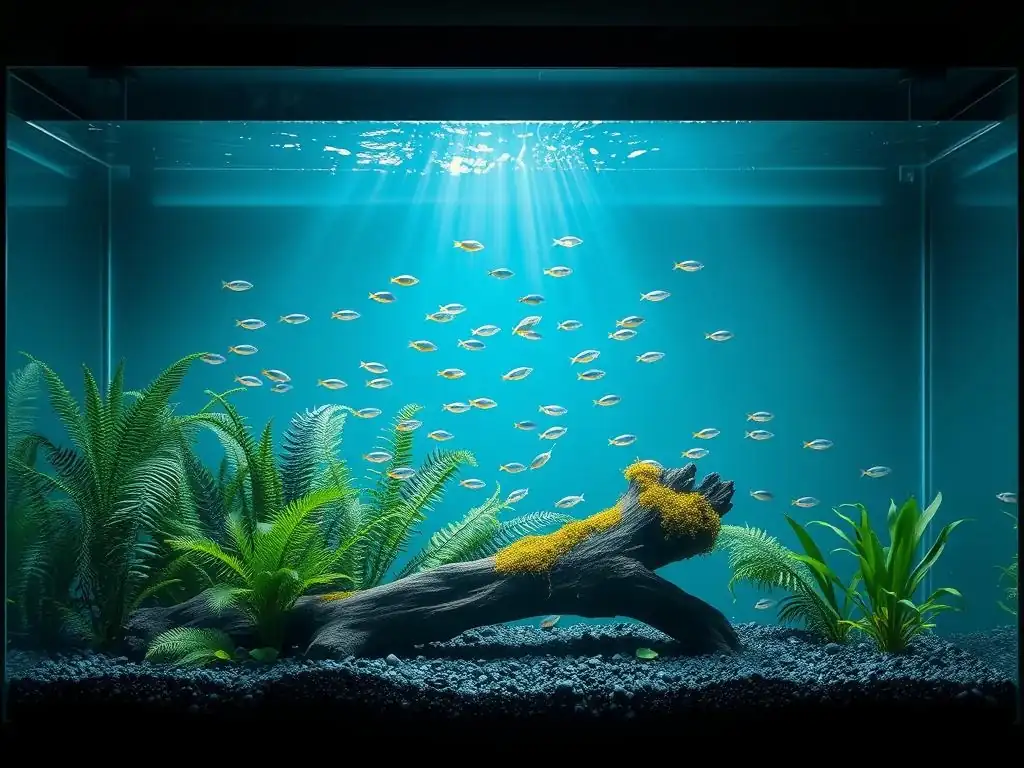
Recreating the natural habitat of Glowlight Tetras significantly contributes to their comfort and well-being, directly impacting their behavior and coloration. In their native South American rivers, these fish are often found in areas with dense vegetation, submerged roots, and leaf litter. Therefore, a dark substrate, such as fine gravel or sand, is highly recommended as it helps to reduce reflections and makes the fish feel more secure, often intensifying their "glow" as they feel less stressed. A dark background for the tank can further enhance this effect.
Abundant live plants are crucial for a thriving Glowlight Tetra setup. Species like Java Fern, Anubias, Amazon Swords, and various stem plants provide essential hiding spots, reduce stress, and contribute to water quality by absorbing nitrates. Floating plants can also be beneficial, diffusing light and creating shaded areas that Glowlight Tetras appreciate.
Driftwood and smooth river rocks can be incorporated to provide additional structure and natural aesthetics. Ensure all decorations are smooth and free of sharp edges to prevent injury. A well-planted tank not only provides a natural environment but also showcases the beauty of these fish, making it a key aspect of any Glowlight Tetra care guide.
Glowlight Tetra Tank Size: Providing Adequate Space for Activity
While Glowlight Tetras are small fish, their active schooling nature necessitates an appropriately sized aquarium to allow them ample space to swim and exhibit natural behaviors. A common misconception is that small fish can thrive in tiny tanks, but this often leads to stunted growth, stress, and aggression. For a healthy school of Glowlight Tetras (typically 6-10 individuals), a minimum tank size of 15 to 20 gallons (approximately 57 to 76 liters) is generally recommended. This size provides sufficient swimming room and helps maintain stable water parameters, which are paramount for their long-term health.
Larger tanks, such as 29 gallons or more, are always preferable, especially if you plan to keep a larger school or combine them with other peaceful community fish. In a larger volume of water, ammonia, nitrite, and nitrate fluctuations are less pronounced, making water chemistry management easier. The added space also allows for more complex aquascaping with dense planting, which mimics their natural environment and further reduces stress. Adhering to these tank size recommendations is a fundamental component of a comprehensive Glowlight Tetra care guide, ensuring your fish have the space they need to flourish.
Minimum Tank Size Recommendations for a School of Glowlight Tetras
For a small school of 6-8 Glowlight Tetras, a 15-gallon long tank (approximately 24 inches in length) is the absolute minimum, allowing for lateral swimming space. However, a 20-gallon long tank offers significantly better stability and more room for a slightly larger school (8-10 individuals) or for combining them with other small, peaceful species like Corydoras catfish or Otocinclus. The "long" dimension is more beneficial than "high" for schooling fish like tetras, as they utilize horizontal swimming space more effectively.
When planning your tank size, consider the "one inch of fish per gallon" rule as a very loose guideline, and err on the side of generosity. For Glowlight Tetras, it's more about swimming space and water volume for stability. A 20-gallon tank, for instance, provides about 10 gallons per inch of adult Glowlight Tetra if you have a school of eight 2-inch fish, which is a comfortable margin.
This ensures adequate dilution of waste products and reduces the frequency of extreme parameter swings. Always prioritize tank length over height for these active schooling fish to provide the best environment for your Glowlight Tetra care guide success.
Feeding Glowlight Tetras: Diet and Nutritional Needs
A balanced and varied diet is crucial for the health, vibrancy, and longevity of Glowlight Tetras. In their natural habitat, they are omnivores, primarily feeding on small insects, insect larvae, tiny crustaceans, and some plant matter. Replicating this diverse diet in captivity is a key aspect of a successful Glowlight Tetra care guide. Their small mouths necessitate appropriately sized food particles.
High-quality flake foods specifically formulated for tropical fish should form the staple of their diet. Look for flakes that list fish meal or shrimp meal as primary ingredients and are fortified with vitamins and minerals.
Supplementing their diet with frozen or freeze-dried foods like daphnia, brine shrimp, and bloodworms (cut into smaller pieces if necessary) provides essential proteins and nutrients that enhance their color and vigor. Live foods, such as newly hatched brine shrimp or microworms, can also be offered periodically as a treat and to encourage natural foraging behaviors, though they should be used sparingly to avoid introducing parasites.
What to Feed Glowlight Tetras: A Balanced Diet
To provide a truly balanced diet for your Glowlight Tetras, aim for a mix of high-quality dry foods and various supplemental options. For daily feeding, a premium flake food designed for small tropical fish is ideal. Ensure the flakes are crushed into small enough pieces for their mouths. As a general guideline, offer small amounts that can be consumed within 2-3 minutes to prevent overfeeding and water pollution.
Beyond flakes, incorporate a variety of frozen foods several times a week. Frozen brine shrimp, daphnia, and cyclops are excellent choices, providing rich protein and lipids. For a treat, small amounts of finely chopped frozen bloodworms can be offered.
Freeze-dried foods like tubifex worms or bloodworms can also be used, but always soak them in tank water for a few minutes before feeding to prevent digestive issues. Occasional offerings of finely crushed spirulina flakes or blanched zucchini can provide necessary vegetable matter, rounding out their omnivorous diet and contributing to their overall health as part of your Glowlight Tetra care guide.
Feeding Schedule and Portion Control for Optimal Health
Establishing a consistent feeding schedule and practicing strict portion control are vital for the health of your Glowlight Tetras and the cleanliness of your aquarium. Overfeeding is one of the most common mistakes in fishkeeping, leading to poor water quality, algae blooms, and digestive problems for the fish. For adult Glowlight Tetras, feeding small amounts two to three times a day is generally recommended. This allows them to consume the food efficiently without leaving excess to decay in the tank.
The key to portion control is to offer only what your school of Glowlight Tetras can consume within 2 to 3 minutes. If food remains floating or settles on the bottom after this time, you are feeding too much. Remove any uneaten food promptly with a net or siphon to prevent water parameter spikes.
Observe your fish during feeding; they should appear active and eager to eat. A slight plumpness after eating is normal, but constant bloating suggests overfeeding. Skipping one feeding day per week can also be beneficial, allowing their digestive systems to clear and encouraging them to forage for any missed particles, a practice often recommended in comprehensive Glowlight Tetra care guides.
Glowlight Tetra Profile: Understanding Their Behavior and Characteristics
Identifying Glowlight Tetras: Physical Attributes and Distinguishing Features
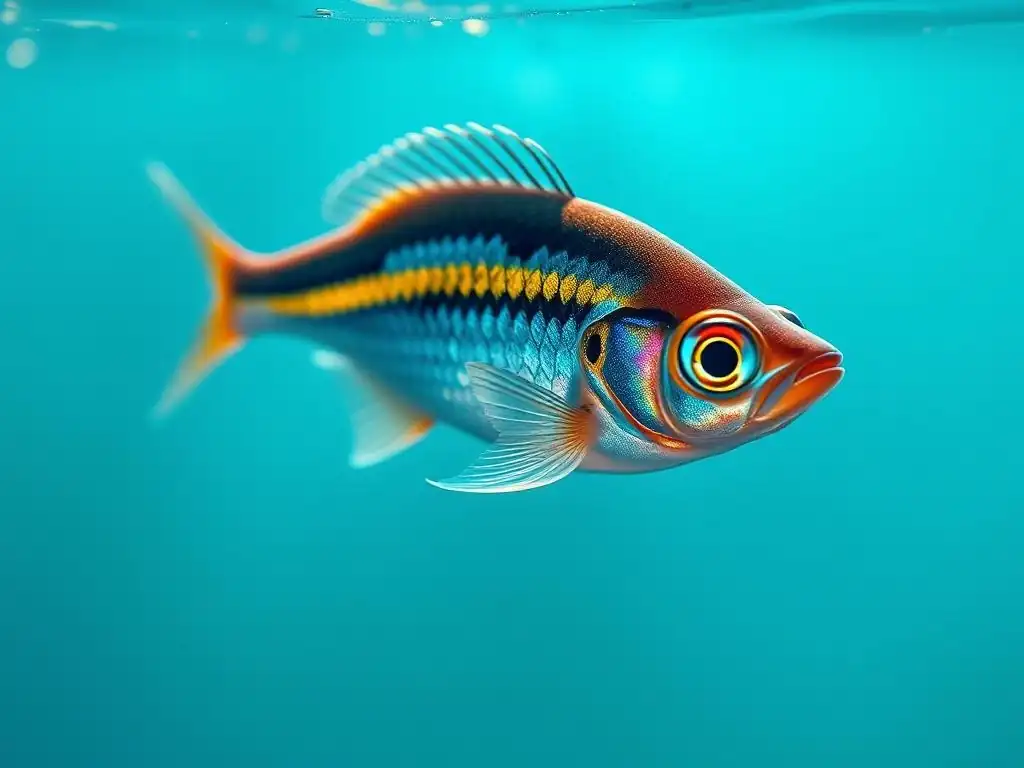
The Glowlight Tetra ( Hemigrammus erythrozonus) is easily identifiable by its distinct physical attributes, which set it apart from other small characins. The most prominent feature is the brilliant, iridescent orange-red stripe that runs horizontally along its lateral line, from the snout, through the eye, and extending to the base of the caudal fin. This stripe appears to glow, especially under proper aquarium lighting and against a dark background, giving the fish its common name. The rest of its slender, torpedo-shaped body is typically translucent with a subtle silvery-pinkish or brownish tint.
Adult Glowlight Tetras typically reach a maximum size of 1.5 to 2 inches (3.8 to 5 cm) in length, making them a relatively small species. Their fins are generally clear or slightly tinted with the same orange-red color as their stripe, particularly the dorsal and anal fins.
Unlike some other tetras, they lack a prominent adipose fin, which is a small, fleshy fin located between the dorsal and caudal fins. Sexing them can be challenging, but mature females often appear slightly rounder or plumper in the belly, especially when gravid, while males are generally more slender and may exhibit slightly more intense coloration.
Glowlight Tetra Temperament and Schooling Behavior: Creating a Harmonious Community
Glowlight Tetras are renowned for their exceptionally peaceful and non-aggressive temperament, making them ideal inhabitants for a wide range of community aquariums. They are not fin-nippers and generally pose no threat to other small, peaceful fish, including those with long, flowing fins. This docile nature allows them to coexist harmoniously with various species, from other small tetras and rasboras to peaceful gouramis and bottom dwellers like Corydoras catfish.
Their schooling behavior is a defining characteristic and a major reason for their popularity. Glowlight Tetras feel most secure and display their best colors when kept in a group of at least 6-10 individuals, with larger schools (12+) being even more impressive. In a sizable school, they will swim together in a coordinated fashion, creating a dynamic and visually appealing display.
Keeping them in insufficient numbers can lead to shyness, stress, and reduced activity, as they rely on the safety of the group. A strong school also discourages individual fish from becoming targets for potential aggression from slightly larger tank mates. Providing a well-planted environment with plenty of hiding spots further enhances their sense of security and encourages natural schooling patterns, a crucial aspect of optimal Glowlight Tetra care guide practices.
Glowlight Tetra Lifespan: Maximizing Longevity in Captivity
The average lifespan of a Glowlight Tetra in a well-maintained aquarium is typically between 3 to 5 years. However, with optimal care, stable water conditions, a high-quality diet, and a stress-free environment, some individuals have been known to live for up to 6 years or even slightly longer. Several factors significantly influence their longevity, all of which are covered in a comprehensive Glowlight Tetra care guide.
Consistent water quality is paramount. Regular weekly water changes (25-30%), proper filtration, and diligent monitoring of ammonia, nitrite, and nitrate levels prevent the accumulation of toxins that can prematurely shorten their lives. A stable temperature within their preferred range (72-80°F or 22-27°C) minimizes metabolic stress.
Furthermore, a varied and nutritious diet, as discussed previously, ensures they receive all the necessary vitamins and minerals for robust health. Keeping them in a sufficiently sized school (at least 6-10 individuals) in a well-planted tank reduces stress, as they feel more secure in numbers, which directly contributes to a longer, healthier life. Avoiding aggressive tank mates and providing ample swimming space are also key elements in maximizing their lifespan.
Selecting Tank Mates for Glowlight Tetras: Creating a Peaceful Aquarium Ecosystem
Compatible Tank Mates for Glowlight Tetras: Peaceful Community Fish
When selecting tank mates for Glowlight Tetras, the primary consideration should be their peaceful and non-aggressive nature. Due to their small size and docile temperament, Glowlight Tetras thrive in a community setting with other small, calm fish that won't outcompete them for food or stress them with aggressive behavior. Ideal companions are often similarly sized characins, peaceful bottom dwellers, and small, top-dwelling species.
Excellent compatible tank mates include other small tetra species like Neon Tetras, Black Neon Tetras, Rummy Nose Tetras, and Ember Tetras, as they share similar water parameter requirements and schooling tendencies. Peaceful rasboras, such as Harlequin Rasboras or Chili Rasboras, also make great companions. For the bottom of the tank, various species of Corydoras catfish (e.g., Panda Cory, Pygmy Cory) are perfect, as they are peaceful scavengers that won't bother the tetras.
Otocinclus catfish are another great choice for algae control. Small, peaceful gouramis like Dwarf Gouramis or Honey Gouramis can also coexist well. Ensure any tank mate chosen is not large enough to view the Glowlight Tetras as food and prefers similar water conditions, making this a critical part of any Glowlight Tetra care guide.
Fish to Avoid: Incompatible Tank Mates for Glowlight Tetras
Just as important as knowing which fish are compatible is understanding which species to avoid when keeping Glowlight Tetras. Introducing incompatible tank mates can lead to chronic stress, fin nipping, injury, or even predation, significantly shortening the lifespan of your Glowlight Tetras. Generally, any large, aggressive, or overtly predatory fish should be strictly avoided.
Examples of fish to avoid include Cichlids (such as Oscars, Jack Dempseys, or even larger Angelfish), as they will likely view Glowlight Tetras as a food source, even if they appear peaceful when young. Barbs, particularly larger or more boisterous species like Tiger Barbs, can be notorious fin-nippers and might harass the more delicate Glowlight Tetras. Larger gouramis or semi-aggressive fish like certain types of Rainbowfish (e.g., Red-Tailed Black Shark) might also be too boisterous or territorial.
Even seemingly peaceful fish that grow significantly larger than Glowlight Tetras, like some types of Plecos that become very large, can inadvertently stress or injure them as they move around the tank. Always prioritize peace and size compatibility to ensure the well-being of your Glowlight Tetras, a fundamental tenet of this Glowlight Tetra care guide.
Glowlight Tetra Breeding: A Difficult but Potential Endeavor
Setting Up a Breeding Tank for Glowlight Tetras
Breeding Glowlight Tetras in a home aquarium can be challenging but is certainly achievable with dedicated effort and specific tank setup. Unlike many livebearers, Glowlight Tetras are egg scatterers and do not exhibit parental care, often consuming their own eggs and fry. Therefore, a separate breeding tank is essential to maximize the survival rate of the offspring. A small tank, approximately 5-10 gallons (19-38 liters), is sufficient for this purpose.
The breeding tank should be meticulously clean and filled with very soft, acidic water (GH 1-5 dGH, pH 5.5-6.5). Using reverse osmosis (RO) water mixed with a small amount of tap water (treated with a conditioner) or specialized buffering solutions can help achieve these parameters. The temperature should be slightly elevated, around 78-80°F (26-27°C). Crucially, the tank needs a spawning medium to protect the eggs.
This can be a spawning mop made from synthetic yarn, a layer of marbles or a mesh grid on the bottom, or dense clumps of fine-leaved plants like Java Moss or Anacharis. A sponge filter providing gentle aeration is ideal, as strong currents can harm eggs and fry. Dim lighting or even darkness is preferred during spawning, as the eggs are light-sensitive.
Spawning Behavior and Egg Care for Glowlight Tetras
Once the breeding tank is set up and conditioned, select a healthy, well-conditioned pair or a group of one female and two males for breeding. Condition the adult fish in their main tank with a high-protein diet of live and frozen foods for several days to weeks prior to introducing them to the breeding tank. Introduce them to the breeding tank in the evening.
Spawning typically occurs in the early morning hours, often at dawn. The male will chase the female through the plants or spawning mop, and as they swim side-by-side, the female will release small, clear, adhesive eggs, which the male simultaneously fertilizes. A single female can lay between 50 and 150 eggs.
After spawning, which usually lasts for a few hours, the adult fish must be immediately removed from the breeding tank. This is critical because they will readily consume the eggs. The eggs are highly sensitive to light, so it's advisable to keep the breeding tank in dim light or even cover it for the first 24-48 hours. The eggs will typically hatch within 24-36 hours at 78-80°F (26-27°C). Fungus can be a problem, so some breeders add a very small amount of methylene blue to the water, though excellent water quality is the best preventative.
Raising Glowlight Tetra Fry: Providing the Right Environment and Food
Raising Glowlight Tetra fry is the most challenging part of the breeding process, primarily due to their minuscule size and specific feeding requirements. After hatching, the fry will be incredibly tiny and almost transparent, resembling slivers of glass. They will initially feed on their yolk sacs for the first 3-5 days, during which time they will remain largely motionless, often clinging to surfaces. Once the yolk sac is absorbed, they become free-swimming and require microscopic food.
The initial food for Glowlight Tetra fry must be infusoria or a liquid fry food specifically designed for egg-laying fish. These can be cultured at home or purchased. After about a week, when they have grown slightly, they can be transitioned to newly hatched brine shrimp nauplii. This is a critical stage, as consistent feeding of appropriately sized food is essential for their rapid growth and survival.
Feed small amounts multiple times a day (4-6 times) to ensure they always have access to food. Daily small water changes (10-20%) using temperature-matched, aged water are crucial to maintain pristine water quality, as the frequent feedings can quickly foul the water. As they grow, they can be gradually introduced to finely crushed flake food. The temperature of the fry tank should be maintained consistently at 78-80°F (26-27°C) to promote healthy development, as highlighted in this Glowlight Tetra care guide.
Common Health Issues in Glowlight Tetras: Prevention and Treatment
Recognizing Signs of Illness in Glowlight Tetras
Early detection of illness is crucial for successful treatment and preventing the spread of disease within your Glowlight Tetra school. Healthy Glowlight Tetras are active, swim in a tight school, exhibit vibrant coloration, and have clear eyes and intact fins. Any deviation from these normal behaviors and appearances should raise a red flag. Observing your fish daily is the best way to catch problems early.
Signs of illness in Glowlight Tetras can include:
- Behavioral Changes: Lethargy, listlessness, hiding excessively, isolation from the school, erratic swimming, gasping at the surface, rubbing against decorations (flashing).
- Physical Changes: Fading or dull coloration, white spots on the body or fins, fuzzy growths, red streaks, clamped fins (fins held close to the body), torn or frayed fins, bloating, sunken belly, cloudy eyes, visible parasites.
- Respiratory Distress: Rapid gill movements, difficulty breathing.
- Loss of Appetite: Refusal to eat or spitting out food.
If you notice any of these symptoms, immediately check your water parameters (ammonia, nitrite, nitrate, pH, temperature) as poor water quality is the leading cause of fish illness. Isolating affected fish in a quarantine tank can prevent the spread of contagious diseases to the rest of the community.
Common Glowlight Tetra Diseases: Symptoms and Treatment Options
Glowlight Tetras, like all aquarium fish, are susceptible to various diseases, especially when stressed by poor water quality, improper diet, or incompatible tank mates. While a comprehensive Glowlight Tetra care guide emphasizes prevention, knowing common diseases and their treatments is vital.
Ich (White Spot Disease): Causes, Symptoms, and Treatment
Ichthyophthirius multifiliis, commonly known as Ich or White Spot Disease, is one of the most prevalent and recognizable parasitic infections in freshwater aquariums. It is caused by a protozoan parasite that manifests as small, salt-like white spots scattered across the fish's body and fins. These spots are cysts embedded in the fish's skin. Infected Glowlight Tetras may also exhibit clamped fins, rapid gill movements, loss of appetite, and frequently "flash" or rub their bodies against tank decorations or substrate in an attempt to dislodge the parasites.
Ich outbreaks are often triggered by sudden temperature fluctuations, stress from poor water quality, or the introduction of infected new fish without proper quarantine. The parasite has a complex life cycle, with free-swimming stages that can re-infect fish. Treatment typically involves a multi-pronged approach. Gradually increasing the tank temperature to 82-84°F (28-29°C) for 10-14 days can accelerate the parasite's life cycle, making it more vulnerable to medication.
Simultaneously, adding aquarium salt (1 tablespoon per 5 gallons, dissolved gradually) can help kill the free-swimming parasites and aid the fish's slime coat. Over-the-counter Ich medications containing malachite green or formalin are highly effective and should be administered according to product instructions, often requiring repeated doses over several days. Always remove carbon filtration during treatment, as it will absorb the medication. Thorough gravel vacuuming during water changes is also recommended to remove dormant cysts from the substrate.
Preventing Disease in Your Glowlight Tetra Tank: Maintaining Water Quality and Hygiene
Prevention is always the best approach to maintaining a healthy Glowlight Tetra aquarium. A proactive disease prevention strategy is a cornerstone of any effective Glowlight Tetra care guide. The vast majority of fish illnesses are directly linked to poor water quality or environmental stress.
Key preventive measures include:
- Consistent Water Quality: Perform regular weekly water changes (25-30%) to keep nitrate levels low and replenish essential minerals. Test water parameters frequently (ammonia, nitrite, nitrate, pH) to ensure they remain within the optimal range for Glowlight Tetras.
- Proper Filtration: Ensure your tank has adequate mechanical, biological, and chemical (if desired) filtration to process waste efficiently. Clean filter media regularly, but avoid cleaning all media at once to preserve beneficial bacteria.
- Stable Temperature: Use a reliable heater to maintain a consistent temperature within their preferred range (72-80°F or 22-27°C). Avoid sudden temperature swings.
- Balanced Diet: Feed a varied, high-quality diet as outlined earlier, avoiding overfeeding. Remove any uneaten food promptly.
- Quarantine New Fish: Always quarantine new fish in a separate tank for at least 2-4 weeks before introducing them to your main display tank. This allows you to observe them for signs of disease and treat them if necessary, preventing the introduction of pathogens.
- Avoid Overcrowding: Do not overstock your aquarium, as this increases the bioload and stress on the fish.
- Minimize Stress: Provide plenty of hiding spots with plants and decor. Ensure compatible tank mates. Handle fish gently and only when necessary.
- Cleanliness: Regularly siphon gravel to remove detritus and fish waste, and clean tank decorations as needed. Use dedicated aquarium equipment for each tank if you have multiple setups.
By adhering to these practices, you can significantly reduce the risk of disease outbreaks and ensure your Glowlight Tetras live long, healthy, and vibrant lives.
Purchasing Healthy Glowlight Tetras: Selecting Quality Specimens
Where to Buy Glowlight Tetras: Reputable Sources and Breeders
When acquiring Glowlight Tetras, the source significantly impacts the health and quality of the fish you bring home. While readily available, not all suppliers maintain high standards of care. Prioritizing reputable sources is a critical step for any Glowlight Tetra care guide.
Local Fish Stores (LFS): A good local fish store is often the best option. Look for stores that maintain clean tanks, have knowledgeable staff, and where fish appear active and healthy. Observe their fish for signs of illness (e.g., Ich, clamped fins, lethargy) in the tanks you are interested in and surrounding ones. A good LFS will also typically offer a guarantee for a short period after purchase. Online Retailers: Many reputable online fish retailers specialize in shipping live fish.
They often have a wider selection and access to unique strains. Research reviews and their shipping policies thoroughly. Look for companies with a "live arrival guarantee" and clear instructions for what to do if fish arrive deceased or unwell. Packaging and insulation are key to successful online purchases.
Local Breeders/Hobbyists: If you can find a local breeder, this can be an excellent source. Fish from local breeders are often already acclimated to local water conditions and may be less stressed from transport. They can also provide valuable insights into their specific fish. Attend local aquarium club meetings to connect with breeders.
Avoid purchasing from stores with dirty tanks, dead fish, or fish exhibiting clear signs of disease. Saving a few dollars on unhealthy fish often leads to more expense and heartbreak down the line.
Identifying Healthy Glowlight Tetras: What to Look For
Selecting healthy Glowlight Tetras at the point of purchase is essential to ensure they thrive in your aquarium and don't introduce diseases. Take your time observing the fish before making a selection.
Here's what to look for when identifying healthy Glowlight Tetras:
- Active and Alert: Healthy Glowlight Tetras should be swimming actively, often schooling together. Avoid fish that are listless, sitting at the bottom, or hiding excessively.
- Vibrant Coloration: Their signature orange-red stripe should be bright and distinct. Dull or faded colors can indicate stress or illness.
- Clear Eyes: Their eyes should be bright, clear, and free of cloudiness or haziness.
- Intact Fins: Fins should be fully extended, free of tears, fraying, or white spots. Clamped fins (held tightly against the body) are a common sign of stress or illness.
- No Visible Blemishes: Check for any white spots (Ich), fuzzy growths (fungus), red sores, or other visible parasites on their body.
- Normal Body Shape: They should have a full, rounded belly (not bloated or sunken). Avoid fish that appear emaciated or have noticeable deformities.
- Breathing Rate: Gills should be moving at a normal, steady pace. Rapid breathing or gasping at the surface can indicate gill parasites or poor water quality.
- Schooling Behavior: Observe the school as a whole. A healthy school will move cohesively. If one or two fish are separated and acting erratically, it could be a sign of trouble.
Once you've selected healthy fish, ensure proper acclimation to your tank's water parameters to minimize stress. This careful selection process is a crucial first step in any successful Glowlight Tetra care guide.
Conclusion: Mastering Glowlight Tetra Care for a Vibrant Aquarium
The Enduring Appeal of Glowlight Tetras: A Rewarding Addition to Any Aquarium
The Glowlight Tetra, with its understated yet captivating iridescence, remains a perennial favorite among freshwater aquarists, and for good reason. Mastering their care, as outlined in this comprehensive Glowlight Tetra care guide, unlocks the full potential of these beautiful fish, allowing them to truly "ignite" your tank with their subtle radiance. Their peaceful demeanor, combined with their mesmerizing schooling behavior, makes them an ideal centerpiece or schooling addition to a wide variety of community aquariums. They bring a sense of calm and natural beauty that few other species can match.
From maintaining stable water parameters and providing a balanced diet to selecting compatible tank mates and understanding their social needs, diligent care ensures a thriving, long-lived school. The journey of keeping Glowlight Tetras is not just about maintenance; it's about observing their intricate behaviors, appreciating their vibrant, glowing stripe, and creating a harmonious aquatic ecosystem. For both beginners and seasoned hobbyists, the Glowlight Tetra offers a rewarding and visually stunning experience, cementing its place as a truly enduring jewel of the freshwater aquarium.
Frequently Asked Questions
What are the ideal water parameters for Glowlight Tetras?
Glowlight Tetras thrive in slightly acidic and soft water. Aim for a pH between 6.0 and 7.0, and a water hardness of 2-10 dGH. Keep the temperature between 72-79°F (22-26°C) for optimal health.
What is the best tank size for a school of Glowlight Tetras?
Glowlight Tetras are schooling fish and need space. A minimum tank size of 10 gallons is recommended for a small school of 6-8 individuals. Larger schools require larger tanks to avoid overcrowding.
What should I feed my Glowlight Tetras?
These tetras are omnivores and accept a varied diet. Offer them high-quality flake food, supplemented with small live or frozen foods like daphnia, brine shrimp, and bloodworms. A balanced diet is essential for their color and health.
Are Glowlight Tetras compatible with other fish species?
Glowlight Tetras are peaceful and do well in community tanks. Avoid keeping them with aggressive or fin-nipping fish. Suitable tank mates include other small tetras, rasboras, and peaceful bottom dwellers.
How do I maintain optimal water quality for Glowlight Tetras?
Regular water changes are crucial. Perform 25% water changes weekly or bi-weekly. Use a water conditioner to remove chlorine and chloramine, and monitor your water parameters regularly with a testing kit.
Okay, here's a final reflection tailored for your "Glowlight Tetra Spotlight" article, designed to resonate with readers and encourage them to connect with the content on a deeper level:
Final Reflection: Embracing the Subtle Spark
The glowlight tetra, as we've explored, is more than just a fish; it's a living testament to the beauty of understated elegance in the aquatic world. In a hobby often dominated by vibrant colors and extravagant displays, the glowlight's gentle radiance serves as a reminder that true beauty can be found in simplicity and the harmonious interplay of light and life. Its enduring popularity, even amidst a sea of more flamboyant species, speaks volumes about its captivating charm.
The glowlight tetra's subtle glow has always been a source of tranquility and inspiration for aquarists, offering a peaceful escape from the everyday. Personally, I've always found their gentle shimmer to be incredibly calming, a miniature underwater ballet that soothes the soul. The best and most beautiful things in the world cannot be seen or even touched - they must be felt with the heart.
- Helen Keller. This quote perfectly encapsulates the glowlight tetra's appeal; it's not just about what you see, but the feeling of serenity and wonder it evokes.
As you consider adding these captivating creatures to your aquarium, or perhaps simply appreciate their beauty from afar, remember the lessons they subtly teach. Let the glowlight tetra's gentle radiance inspire you to seek out the beauty in the understated, to cultivate tranquility in your own life, and to appreciate the quiet moments of connection with the natural world. Embrace the subtle spark, and let it illuminate your own journey.
Ignite Your Aquarium Journey!
Thank you for exploring the subtle radiance of Glowlight Tetras with us! We hope you've discovered the secrets to keeping these shimmering gems thriving. Now, let's turn that knowledge into action.
Here are a few things you can do next:
- Dive in and begin planning your Glowlight Tetra setup. Research tank mates, finalize your aquascaping vision, and prepare for these radiant fish to light up your aquarium.
- Share your newfound Glowlight Tetra wisdom with fellow aquarium enthusiasts! Spread the word and help others appreciate these often-overlooked beauties.
- Surprise! Start a photo journal chronicling your Glowlight Tetra's journey in your aquarium. Capture their growth, vibrant colors, and unique personalities to create a lasting tribute to their charm.
What unique aquascape elements are you considering to showcase the Glowlight Tetra's subtle radiance in your tank?