
*Cyprichromis leptosoma*: The Classic Sardine Cichlid and Its Many Forms

Welcome to Aquarium Mastery!
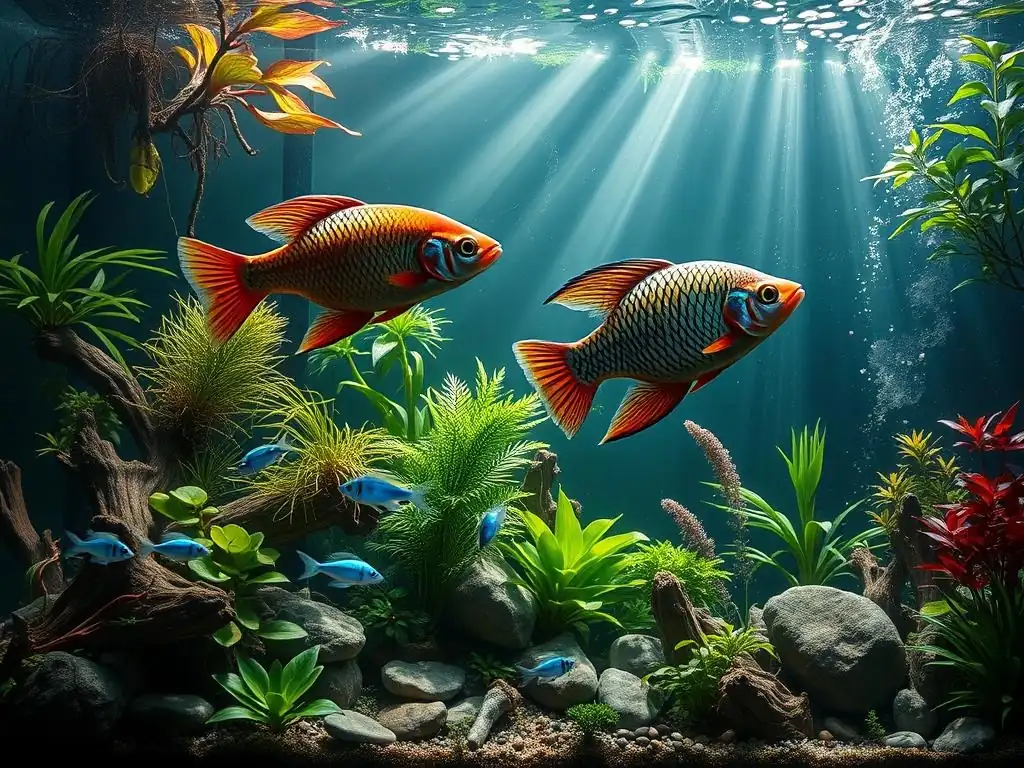
Ever been captivated by the shimmering beauty of a living jewel? Then prepare to be amazed by Cyprichromis leptosoma, the "sardine cichlid" that's anything but ordinary. Dive into our Cyprichromis leptosoma care guide and unlock the secrets to keeping these dazzling fish thriving in your freshwater aquarium. What makes them so special, and how do you create the perfect habitat? Let's explore!
- Introduction to Cyprichromis leptosoma: A Comprehensive Guide
- Cyprichromis leptosoma Care Guide: Essential Information for Aquarists
- Cyprichromis leptosoma Varieties and Color Morphs: Exploring the Diversity
- Cyprichromis leptosoma Tank Mates: Compatibility and Community Tank Considerations
- Breeding Cyprichromis leptosoma: A Step-by-Step Guide
- Common Health Issues in Cyprichromis leptosoma and How to Address Them
- Troubleshooting Common Problems in Cyprichromis leptosoma Aquariums
- Advanced Cyprichromis leptosoma Care Tips: Enhancing Their Well-being
- Conclusion: Mastering Cyprichromis leptosoma Care for a Thriving Aquarium
-
Frequently Asked Questions
- What are the basic care requirements for Cyprichromis leptosoma?
- What is the ideal water chemistry for Cyprichromis leptosoma?
- What type of tankmates are suitable for Cyprichromis leptosoma?
- What should I feed my Cyprichromis leptosoma?
- How do I encourage breeding of Cyprichromis leptosoma in my aquarium?
- Final Reflection: Appreciating the Sardine Cichlid's Enduring Appeal
- Dive Deeper: Unlock the Secrets of *Cyprichromis leptosoma*!
Introduction to Cyprichromis leptosoma: A Comprehensive Guide
Unveiling the Sardine Cichlid: An Overview of Cyprichromis leptosoma
Cyprichromis leptosoma, commonly known as the Sardine Cichlid, is a fascinating and highly sought-after species originating from the vast depths of Lake Tanganyika in East Africa. These unique cichlids are distinguished by their slender, elongated bodies, which resemble freshwater sardines, and their characteristic behavior of schooling in the open water column, often near rocky outcrops. Unlike many other Tanganyikan cichlids that are territorial bottom-dwellers or rock-huggers, Cyprichromis leptosoma thrives in the mid-to-upper water levels, making them a dynamic addition to a specialized aquarium.
In their natural habitat, Cyprichromis leptosoma are found in large shoals, navigating the sunlit waters between 15 and 60 feet deep, where they primarily feed on zooplankton. Males can reach an average size of 4 to 5 inches (10-13 cm), while females typically remain smaller, around 3 to 3.5 inches (7.5-9 cm). With proper Cyprichromis leptosoma care, these elegant fish can live for 5 to 8 years, offering aquarists a long-term display of their captivating schooling dynamics and vibrant coloration.
Why Cyprichromis leptosoma is a Popular Choice for Tanganyikan Cichlid Enthusiasts
The popularity of Cyprichromis leptosoma among cichlid enthusiasts stems from several key attributes. Their striking appearance, particularly the males, who display iridescent blues, yellows, oranges, and purples depending on the specific morph, adds a spectacular visual dimension to any Tanganyikan setup. Their active, schooling behavior creates a mesmerizing display of synchronized movement, providing a stark contrast to the more sedentary habits of many other cichlid species.
Furthermore, Cyprichromis leptosoma are relatively peaceful for cichlids, making them compatible with a wider range of tank mates that occupy different niches within the aquarium. This allows for the creation of diverse and harmonious Tanganyikan community tanks. Their unique open-water spawning method, where females mouthbrood eggs and fry, also adds an intriguing aspect for breeding enthusiasts. Adhering to a comprehensive Cyprichromis leptosoma care guide ensures these fish thrive, showcasing their full potential.
Cyprichromis leptosoma Care Guide: Essential Information for Aquarists
Tank Setup for Cyprichromis leptosoma: Creating the Ideal Habitat
Establishing an appropriate tank setup is fundamental to the health and well-being of Cyprichromis leptosoma. Replicating their natural Lake Tanganyika environment, characterized by alkaline water, ample open swimming space, and vertical rock structures, is crucial for their long-term success. A well-planned habitat minimizes stress, encourages natural behaviors like schooling, and enhances their vibrant coloration.
Consideration for tank dimensions, substrate choice, and decor elements are paramount. These fish require specific conditions to truly flourish, making a detailed understanding of their environmental needs a cornerstone of any effective Cyprichromis leptosoma care guide.
Tank Size Recommendations for Cyprichromis leptosoma
For a healthy and thriving school of Cyprichromis leptosoma, a minimum tank size of 55 gallons (approximately 208 liters) is recommended for a group of 6-8 individuals. This capacity provides sufficient horizontal and vertical swimming space, which is critical for these active, open-water dwellers. The length of the tank is often more important than its height, with tanks measuring at least 48 inches (120 cm) long being ideal.
For larger schools, which are highly recommended for optimal schooling behavior and reduced aggression (e.g., 10-15 individuals), a 75-gallon (284 liters) or even 125-gallon (473 liters) tank is preferable. This increased volume allows for greater stability in water parameters and provides ample room for the fish to establish their social hierarchy without undue stress.
Substrate and Decor for a Cyprichromis leptosoma Tank
A fine sand substrate, such as play sand or pool filter sand, is the most suitable choice for a Cyprichromis leptosoma tank. While these fish spend most of their time in the water column, a sand bottom is natural for a Tanganyikan setup and is easy to keep clean, preventing the buildup of detritus that can occur in coarser gravel. The sand should be inert and not alter water chemistry.
Decor should primarily consist of tall, vertical rock structures that reach close to the water surface. These mimic the rocky shorelines of Lake Tanganyika and provide visual breaks, potential spawning sites, and security for the fish. Although Cyprichromis leptosoma are open-water swimmers, having these rock formations nearby offers them a sense of refuge and helps to delineate territories for males without inhibiting their schooling behavior.
Water Parameters: Maintaining Optimal Conditions for Sardine Cichlids
Maintaining precise and stable water parameters is arguably the most critical aspect of Cyprichromis leptosoma care. These cichlids originate from the highly alkaline and hard waters of Lake Tanganyika. The ideal pH range for Cyprichromis leptosoma is between 7.8 and 9.0, with 8.2-8.6 being optimal.
Water hardness should be high, specifically a General Hardness (GH) of 10-20 dGH and a Carbonate Hardness (KH) of 10-15 dKH to provide adequate buffering capacity. The water temperature should be consistently maintained between 76-80°F (24-27°C). Sudden fluctuations in these parameters can cause significant stress and lead to health issues, underscoring the importance of diligent monitoring.
Cyprichromis leptosoma Diet and Feeding: Ensuring Proper Nutrition
Providing a balanced and appropriate diet is crucial for the health, coloration, and longevity of Cyprichromis leptosoma. In their natural habitat, these cichlids are primarily zooplankton feeders, sifting microscopic organisms from the water column. Replicating this diet in the aquarium is key to their well-being.
A varied feeding regimen that closely mimics their natural intake will ensure they receive all necessary nutrients, preventing deficiencies and promoting robust growth. Understanding what to feed and how often is a vital component of any comprehensive Cyprichromis leptosoma care guide.
What to Feed Your Cyprichromis leptosoma: Recommended Food Types
The primary diet for Cyprichromis leptosoma in the aquarium should consist of high-quality, small-sized flake or pellet foods specifically formulated for cichlids. Look for options that are rich in spirulina or other vegetable matter, as these provide essential vitamins and enhance their natural colors. Due to their small mouths and preference for mid-water feeding, food should be finely crushed or small enough to be easily consumed.
To replicate their natural zooplankton diet and provide essential proteins and fats, supplement their staple diet with frozen or live foods. Excellent choices include cyclops, daphnia, Mysis shrimp, and brine shrimp. These supplements should be offered several times a week. Avoid feeding overly large or high-protein foods like beef heart or bloodworms, which are not suitable for their digestive systems and can lead to bloat.
Feeding Frequency and Amount for Healthy Cyprichromis leptosoma
Due to their active metabolism and relatively small stomachs, Cyprichromis leptosoma benefit from frequent, small feedings rather than one large meal. It is recommended to feed them two to three times a day. This approach ensures they receive consistent nutrition without overfeeding, which can quickly degrade water quality.
Offer only the amount of food they can consume within 2-3 minutes. Any uneaten food should be promptly removed from the tank to prevent decomposition and the subsequent rise in ammonia and nitrite levels. Consistent, measured feeding practices are a fundamental aspect of effective Cyprichromis leptosoma care and maintaining a pristine aquatic environment.
Water Quality and Maintenance: Keeping Your Cyprichromis leptosoma Healthy
Pristine water quality is non-negotiable for Cyprichromis leptosoma. These fish are highly sensitive to fluctuations in water parameters and the accumulation of pollutants. Consistent and diligent maintenance practices are essential to prevent stress, disease, and ensure their long-term vitality.
A robust filtration system, regular water changes, and continuous monitoring of water chemistry form the backbone of a successful Cyprichromis leptosoma care guide, directly impacting their health and lifespan.
Regular Water Changes for Cyprichromis leptosoma Tanks
Regular water changes are paramount for diluting nitrates, replenishing essential minerals, and maintaining the stable water chemistry Cyprichromis leptosoma require. A weekly water change of 20-30% of the tank volume is a standard recommendation for most setups. In tanks with a higher bioload, such as those with larger schools or multiple species, increasing this to 30-40% weekly might be necessary.
Always use a high-quality water conditioner to neutralize chlorine and chloramines present in tap water. It is also crucial to ensure the temperature and pH of the new water closely match that of the tank water to prevent thermal shock or osmotic stress to the fish. Consistent water changes are a cornerstone of effective Cyprichromis leptosoma care.
Filtration Requirements for Cyprichromis leptosoma
Effective filtration is critical for maintaining the high water quality Cyprichromis leptosoma demand. A combination of mechanical, biological, and chemical filtration is highly recommended. Canister filters are often preferred for these setups due to their excellent capacity for filter media, strong flow rates, and ability to provide comprehensive filtration. Look for filters rated for tanks larger than your actual tank size to ensure robust performance.
Biological filtration, provided by porous media that houses beneficial bacteria, is vital for converting harmful ammonia and nitrite into less toxic nitrates. Mechanical filtration, often in the form of sponges or filter floss, removes particulate matter, while chemical filtration (e.g., activated carbon) can help remove odors and discoloration. Ensure good water circulation throughout the tank, as Cyprichromis leptosoma thrive in well-oxygenated environments with moderate flow.
Monitoring Water Chemistry: Essential Tests for Cyprichromis leptosoma Care
Consistent monitoring of water chemistry is an indispensable part of a comprehensive Cyprichromis leptosoma care guide. Regular testing helps identify potential issues before they become critical. At a minimum, test for pH, ammonia, nitrite, and nitrate levels weekly or bi-weekly. Ammonia and nitrite should always be undetectable (0 ppm), as even small amounts are highly toxic to fish.
Nitrate levels should be kept below 20 ppm, ideally under 10 ppm, through regular water changes. Additionally, periodically test your General Hardness (GH) and Carbonate Hardness (KH) (e.g., monthly) to ensure the water remains adequately hard and buffered, preventing pH crashes. A reliable liquid test kit is far more accurate than test strips for these critical measurements.
Cyprichromis leptosoma Varieties and Color Morphs: Exploring the Diversity
The Different Color Variations of Cyprichromis leptosoma: A Visual Guide
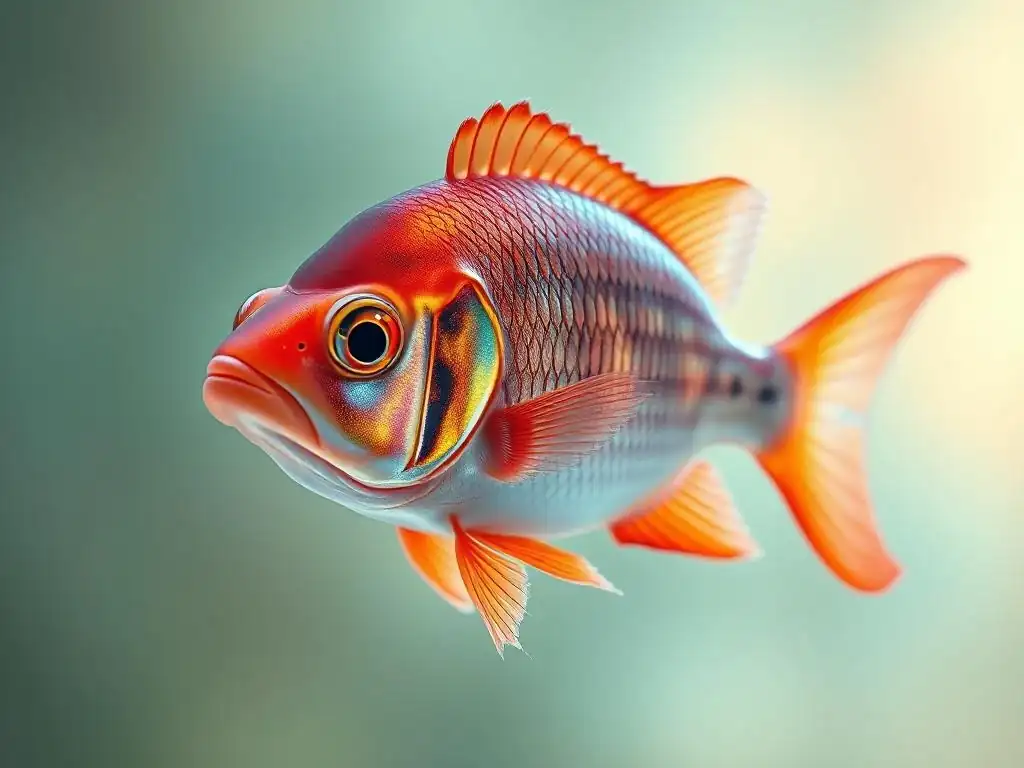
Cyprichromis leptosoma is celebrated for its remarkable diversity in color morphs, each originating from specific geographical locations within Lake Tanganyika. These regional variants, often named after their collection points, display distinct and vibrant coloration, primarily in the males, while females generally maintain a more subdued silvery-grey appearance. This genetic variation allows aquarists to choose a Cyprichromis leptosoma type that best suits their aesthetic preferences.
The male's coloration intensifies during breeding displays, showcasing brilliant blues, yellows, oranges, and even purples. Understanding these variations is not just about aesthetics; it also helps in ensuring genetic purity if breeding specific morphs, and appreciating the natural splendor of Lake Tanganyika's biodiversity.
Cyprichromis leptosoma "Mpulungu"
The "Mpulungu" morph of Cyprichromis leptosoma is arguably one of the most iconic and sought-after varieties, originating from the Mpulungu region in Zambia, at the southern tip of Lake Tanganyika. Males of this morph are renowned for their intensely vibrant yellow or orange dorsal fins, which often contrast beautifully with a shimmering blue or green body.
The caudal fin can also exhibit striking yellow or blue accents, making them particularly eye-catching in a well-lit aquarium. Their vivid colors and active schooling behavior make the "Mpulungu" a centerpiece for many Tanganyikan cichlid enthusiasts, requiring the same consistent Cyprichromis leptosoma care as other morphs to maintain their brilliance.
Cyprichromis leptosoma "Kitumba"
The "Kitumba" Cyprichromis leptosoma morph hails from the Kitumba region along the western shores of Lake Tanganyika. Males of this variety are distinguished by their prominent blue or purple body coloration, which often transitions into a more iridescent sheen under optimal lighting. This blue body is frequently complemented by contrasting yellow or orange hues in their dorsal and anal fins.
Some "Kitumba" individuals may also display subtle vertical barring on their flanks, adding another layer of visual interest. Their unique blend of cool body tones with warm fin colors makes them a highly desirable choice for aquarists looking for a distinct Cyprichromis leptosoma variant.
Other Notable Cyprichromis leptosoma Color Forms
Beyond "Mpulungu" and "Kitumba," several other notable Cyprichromis leptosoma color forms exist, each with its own unique charm. The "Utinta" morph, from the Tanzanian coast, is often characterized by its brilliant blue body and striking yellow fins. "Ndole," from the DRC side, frequently displays a green-blue body with yellow highlights, while the "Kigoma" variety can exhibit more subdued but equally elegant blues and yellows.
Other less common but equally beautiful morphs include "Isanga," "Kapampa," and "Sibwesa," each offering distinct patterns and color combinations. When selecting a variety, consider its availability and the specific visual impact you desire for your aquarium, knowing that the fundamental Cyprichromis leptosoma care guide principles apply to all.
Choosing the Right Cyprichromis leptosoma Variety for Your Aquarium
When selecting a Cyprichromis leptosoma variety, consider both aesthetic preference and practical considerations. The diverse array of color morphs allows aquarists to tailor the visual appeal of their tank. If you prefer vivid contrasts, the "Mpulungu" or "Kitumba" might be ideal. If you appreciate more subtle elegance, other morphs like "Kigoma" could be more suitable. It's important to research the specific characteristics of each morph, including any slight variations in size or temperament that might be noted by experienced breeders.
Beyond color, consider the availability of specific morphs from reputable suppliers. While the core Cyprichromis leptosoma care guide principles remain consistent across all varieties, ensuring you can acquire a healthy, well-sourced group of a chosen morph is crucial. Also, if you plan to breed, be mindful of keeping morphs separate to maintain genetic purity and prevent hybridization, especially if you wish to sell or trade the offspring as pure strains.
Cyprichromis leptosoma Tank Mates: Compatibility and Community Tank Considerations
Ideal Tank Mates for Cyprichromis leptosoma: Creating a Harmonious Environment
Cyprichromis leptosoma are generally peaceful cichlids, particularly when kept in a suitably sized school, making them excellent candidates for well-planned Tanganyikan community tanks. Ideal tank mates are other peaceful, similarly sized cichlids from Lake Tanganyika that occupy different ecological niches within the aquarium, thereby minimizing direct competition and territorial disputes. This allows for a diverse and harmonious display.
Excellent choices for Cyprichromis leptosoma tank mates include shell-dwelling cichlids like Neolamprologus multifasciatus or Lamprologus ocellatus, which inhabit the bottom substrate and utilize shells for shelter and breeding. Rock-dwelling species such as Julidochromis species (e.g., Julidochromis regani or Julidochromis transcriptus) are also compatible, as they prefer rocky crevices. Other open-water featherfins like Paracyprichromis nigripinnis or Paracyprichromis brieni are also suitable, as they share similar environmental needs and behaviors, complementing the Cyprichromis leptosoma care guide.
Fish to Avoid Housing with Cyprichromis leptosoma
When selecting tank mates, it is crucial to avoid housing Cyprichromis leptosoma with highly aggressive or overly territorial cichlids. Large, boisterous, or overtly predatory species can intimidate, stress, or even harm the more delicate and open-water swimming Cyprichromis leptosoma. This includes many Mbuna cichlids from Lake Malawi, which have different dietary requirements, more aggressive temperaments, and often prefer a rock-dense environment that clashes with the open-water needs of Cyprichromis leptosoma.
Additionally, avoid very small, slow-moving, or long-finned fish that might be perceived as food or harassed by the active Cyprichromis leptosoma, particularly during breeding periods. Species that require significantly different water parameters (e.g., very soft, acidic water) should also be excluded, as maintaining optimal Cyprichromis leptosoma care necessitates specific hard and alkaline conditions.
Breeding Cyprichromis leptosoma: A Step-by-Step Guide
Setting Up a Breeding Tank for Cyprichromis leptosoma
While Cyprichromis leptosoma can breed in a well-maintained community tank, setting up a dedicated breeding tank can significantly increase breeding success rates and fry survival. A tank of 20-30 gallons (75-113 liters) is often sufficient for a small breeding group (e.g., one male and three to four females). The breeding tank should replicate the pristine water parameters of the main display tank, maintaining a pH of 8.0-8.5, high hardness, and a stable temperature of 78-80°F (25.5-27°C).
Decor in the breeding tank should include tall, vertical rock structures or even PVC pipes that extend close to the water surface. These provide the open-water spawning sites that females prefer and offer refuge for mouthbrooding females after spawning. A fine sand substrate is suitable, and gentle filtration, such as a sponge filter, is recommended to prevent strong currents that could stress the fish or endanger newly released fry.
Identifying Male and Female Cyprichromis leptosoma
Distinguishing between male and female Cyprichromis leptosoma is generally straightforward, especially when the fish are mature. Males are typically larger, more robust, and display significantly more vibrant and iridescent coloration, particularly in their dorsal and caudal fins, which can be brilliant blues, yellows, oranges, or purples depending on the morph. They also develop longer, more pointed fins and exhibit more pronounced fin extensions.
Females, in contrast, are usually smaller, more slender, and possess a more subdued silvery-grey body coloration, with less pronounced finnage. During the spawning period, a female's belly may appear slightly distended as she carries eggs. Observing their behavior, such as males displaying to females with quivering movements, can also aid in accurate sex identification.
The Spawning Process: Observing Cyprichromis leptosoma Breeding Behavior
Cyprichromis leptosoma are open-water spawners and maternal mouthbrooders. The breeding process typically begins with the male displaying vigorously to a female, often quivering his body and flaring his fins to entice her. He will lead her to a chosen spawning site, which can be a flat surface on a tall rock, a piece of decor, or even a vertical section of the tank glass, usually in the upper water column.
The female will lay a small number of eggs, typically between 5 and 20, though clutches of up to 30 have been observed. She will immediately pick up these eggs into her mouth. As she does so, the male will release milt (sperm) near her mouth, fertilizing the eggs internally while she collects them. The female will then retreat to a safe, secluded area, often within the rockwork, to begin her mouthbrooding period, which lasts approximately 21-28 days at a temperature of 78°F (25.5°C).
Raising Cyprichromis leptosoma Fry: From Egg to Juvenile
Once the female has completed her mouthbrooding period, she will release fully formed, free-swimming fry. She may continue to guard them for a few days, taking them back into her mouth if she perceives a threat. For optimal fry survival, especially in a community tank, it is often advisable to gently move the mouthbrooding female to a separate "holding" or nursery tank during the last week of her brooding period. This allows her to release the fry into a safe, controlled environment where they won't be preyed upon by other tank inhabitants.
The fry are relatively large at birth, typically around 0.2 inches (0.5 cm) long, and are immediately capable of independent swimming and feeding. This robust size gives them a better chance of survival compared to the fry of many other fish species.
Feeding Cyprichromis leptosoma Fry: What to Feed and When
Newly released Cyprichromis leptosoma fry are relatively large and can immediately accept appropriately sized, highly nutritious foods. The ideal first food is newly hatched brine shrimp nauplii, which are rich in protein and easily digestible. Feed the fry small amounts of brine shrimp nauplii multiple times a day, typically 4-6 times, to support their rapid growth.
As the fry grow, usually after 1-2 weeks, their diet can be supplemented with or transitioned to finely crushed high-quality flake food or micro-pellets. Finely chopped frozen cyclops or daphnia are also excellent additions to their diet, providing variety and essential nutrients. Ensure that any dry food is crushed to a powder-like consistency for the smallest fry.
Maintaining Water Quality for Cyprichromis leptosoma Fry
Maintaining pristine water quality is even more critical for Cyprichromis leptosoma fry than for adults, as they are highly sensitive to pollutants. Daily small water changes of 10-15% are essential to prevent the buildup of nitrates and other waste products from frequent feedings. Always use aged or properly conditioned water that matches the temperature and parameters of the fry tank to avoid shocking the delicate fry.
A gentle sponge filter is the best choice for a fry tank, as it provides effective biological filtration without creating strong currents that could exhaust the fry or suck them into the filter intake. Regular monitoring of ammonia, nitrite, and nitrate levels using a liquid test kit is paramount to ensure a healthy environment for the developing Cyprichromis leptosoma fry, a crucial part of their specialized care.
Common Health Issues in Cyprichromis leptosoma and How to Address Them
Recognizing Signs of Illness in Cyprichromis leptosoma
Early detection of illness is vital for successful treatment and preventing the spread of disease within your Cyprichromis leptosoma school. Aquarists should regularly observe their fish for any changes in behavior or physical appearance. Signs of illness can include lethargy, unusual hiding, flashing (rubbing against tank decor or substrate), clamped fins, or a refusal to eat.
Physical manifestations of disease might include white spots resembling salt grains (Ich), frayed or deteriorating fins, bloating of the abdomen, cloudy eyes, or the presence of lesions or discolored patches on the body. Any deviation from their usual active schooling behavior, vibrant coloration, or strong appetite should prompt immediate investigation and water parameter checks, as these are often the first indicators of stress or disease requiring dedicated Cyprichromis leptosoma care.
Common Diseases Affecting Cyprichromis leptosoma and Their Treatments
Like all aquarium fish, Cyprichromis leptosoma are susceptible to a range of common freshwater diseases, although they are generally robust when kept in optimal conditions. Most health issues in cichlids are often triggered by poor water quality, sudden temperature or pH fluctuations, nutritional deficiencies, or the introduction of new, unquarantined fish. Prevention through consistent, high-quality Cyprichromis leptosoma care, including stable water parameters, a balanced diet, and proper quarantine procedures, is the most effective defense against disease.
If a disease does manifest, prompt diagnosis and treatment are crucial. It's often beneficial to isolate affected fish in a hospital tank to prevent the spread of pathogens and allow for targeted medication without impacting the main display tank's biological filter or healthy inhabitants.
Treating Ich (White Spot Disease) in Cyprichromis leptosoma
Ichthyophthirius multifiliis, commonly known as Ich or White Spot Disease, is a highly contagious parasitic infection that appears as small, white, salt-like spots on the fish's body, fins, and gills. If detected in Cyprichromis leptosoma, immediate treatment is necessary. A common and effective treatment involves slowly raising the tank temperature to 82-84°F (28-29°C) over 24-48 hours, which accelerates the parasite's life cycle and makes it more vulnerable to medication. This temperature increase should be done cautiously and ensures compatibility with all tank mates.
Alongside temperature elevation, an appropriate Ich medication containing malachite green or formalin should be used, following the manufacturer's instructions precisely. Remember to remove activated carbon from the filter during treatment, as it will absorb the medication. Continue the treatment for at least 7-10 days, even if the visible spots disappear, to ensure all stages of the parasite are eradicated from the tank.
Addressing Malawi Bloat in Cyprichromis leptosoma
While typically associated with Lake Malawi cichlids, Malawi Bloat (also known as Cichlid Bloat) can unfortunately affect Cyprichromis leptosoma and other Tanganyikan species if their dietary or environmental needs are not met. This severe digestive disorder is often triggered by an improper diet (e.g., too high in protein for their herbivorous/omnivorous digestive systems) or prolonged exposure to poor water quality. Symptoms include severe abdominal bloating, loss of appetite, white and stringy feces, labored breathing, and lethargy.
Immediate action is crucial for survival. Isolate the affected Cyprichromis leptosoma in a hospital tank. Cease feeding for 2-3 days to allow the digestive system to rest. After this fasting period, offer a small amount of blanched, deshelled peas, which act as a natural laxative. In some cases, adding Epsom salts (1 teaspoon per 10 gallons) to the hospital tank can help reduce swelling. For severe cases, antibacterial medications specific for internal infections may be necessary, but prevention through a proper Cyprichromis leptosoma diet and excellent water quality is always the best approach.
Troubleshooting Common Problems in Cyprichromis leptosoma Aquariums
Dealing with Aggression in Cyprichromis leptosoma Tanks
While generally peaceful, Cyprichromis leptosoma males can exhibit territorial aggression, particularly towards other males or if tank space is limited. This aggression can manifest as chasing, nipping, or fin damage. The most common cause is an imbalanced male-to-female ratio or insufficient space. To mitigate aggression, it is highly recommended to keep Cyprichromis leptosoma in a large school, ideally with a ratio of at least one male to three or four females, which helps disperse the male's attention and reduces stress on individual females.
Ensure the tank provides ample open swimming space combined with sufficient vertical rockwork or decor that offers visual breaks and potential hiding spots. If aggression persists, consider rearranging the tank decor to disrupt established territories. In some cases, slight overstocking (with robust filtration) can sometimes diffuse aggression by spreading it among more individuals, but this requires an even stricter adherence to water quality maintenance in your Cyprichromis leptosoma care guide.
Addressing Poor Water Quality and Its Impact on Cyprichromis leptosoma
Poor water quality is the single most common cause of stress, disease, and mortality in Cyprichromis leptosoma. Symptoms of declining water quality include fish appearing lethargic, clamped fins, faded coloration, rapid gill movement, and visible algae blooms or cloudy water. High levels of ammonia, nitrite, or nitrate are direct indicators of a problem.
Upon detecting poor water quality, perform an immediate and substantial water change (e.g., 50% or more, depending on the severity of the issue), ensuring the new water is temperature and pH matched. Thoroughly clean filter media if it's clogged, and check that the filtration system is functioning optimally. Review your feeding habits to prevent overfeeding, which contributes significantly to waste. Ensure that regular, scheduled water changes and tank maintenance, as outlined in this Cyprichromis leptosoma care guide, are being consistently performed.
Identifying and Resolving Feeding Issues in Cyprichromis leptosoma
Feeding issues in Cyprichromis leptosoma, such as refusal to eat, spitting out food, or general lack of appetite, can be indicative of various underlying problems. Observe whether only one fish or the entire school is affected, as this can provide clues. Individual fish refusing food might be stressed, ill, or simply not accustomed to a new food type. If the entire school stops eating, it often points to a systemic issue within the tank.
First, thoroughly check all water parameters (ammonia, nitrite, nitrate, pH, temperature) for any sudden fluctuations or undesirable levels. If water quality is good, consider the diet. Ensure you are offering a variety of high-quality foods, especially frozen Mysis shrimp or brine shrimp, which are highly palatable and nutritious for these cichlids. If the issue persists, carefully examine the fish for any physical signs of illness, such as bloating, lesions, or unusual growths, and consider internal parasitic infections as a possibility.
Advanced Cyprichromis leptosoma Care Tips: Enhancing Their Well-being
Optimizing Water Flow and Oxygenation for Cyprichromis leptosoma
Cyprichromis leptosoma originate from the vast, open waters of Lake Tanganyika, where water movement and oxygen levels are naturally high. To truly optimize their well-being in the home aquarium, it is beneficial to provide strong water flow and excellent oxygenation. This can be achieved by utilizing appropriately sized canister filters that offer high flow rates, or by supplementing with powerheads strategically placed to create gentle, consistent currents throughout the tank.
Good surface agitation, created by filter returns or air stones, is crucial for maximizing gas exchange and ensuring high dissolved oxygen levels, which these active fish greatly appreciate. This not only supports their respiratory health but also helps prevent stagnant areas where detritus can accumulate, contributing significantly to superior Cyprichromis leptosoma care and a more natural environment.
Providing Enrichment and Stimulation for Cyprichromis leptosoma
While Cyprichromis leptosoma are primarily open-water swimmers, providing environmental enrichment and stimulation can significantly enhance their well-being and encourage natural behaviors. Keeping them in a large school (10 or more individuals) is perhaps the best form of enrichment, as it allows them to exhibit their natural schooling dynamics, which reduces individual stress and boosts their confidence.
Arrange tall, vertical rockwork or decor with open spaces in between to encourage their natural swimming patterns and provide visual interest. Periodically rearranging a portion of the decor can also offer novelty. A varied diet, as discussed in the Cyprichromis leptosoma care guide, also serves as a form of enrichment, keeping them engaged and ensuring they receive a full spectrum of nutrients for optimal health and vibrant coloration.
Conclusion: Mastering Cyprichromis leptosoma Care for a Thriving Aquarium
Frequently Asked Questions
What are the basic care requirements for Cyprichromis leptosoma?
Cyprichromis leptosoma require a large aquarium (75 gallons or more), excellent water quality, and a diet of small, high-quality foods. They also need plenty of open swimming space and a peaceful environment.
What is the ideal water chemistry for Cyprichromis leptosoma?
These fish thrive in alkaline water with a pH between 7.8 and 9.0. They also prefer a water hardness of 9-19 dGH and a temperature between 76-82°F.
What type of tankmates are suitable for Cyprichromis leptosoma?
Cyprichromis leptosoma are peaceful and should be kept with other peaceful Tanganyikan cichlids. Avoid aggressive or overly territorial species that might stress them.
What should I feed my Cyprichromis leptosoma?
They require a diet of small, high-protein foods such as flakes, granules, and small frozen foods like daphnia and cyclops. Feed them small amounts multiple times a day.
How do I encourage breeding of Cyprichromis leptosoma in my aquarium?
Maintain excellent water quality and provide a stable environment. A large group with a higher number of females than males is also recommended to promote successful breeding.
Okay, here's a final reflection designed to conclude your Cyprichromis leptosoma article, optimized for emotional connection and future impact, and incorporating the requested Markdown formatting:
Final Reflection: Appreciating the Sardine Cichlid's Enduring Appeal
The journey through the world of Cyprichromis leptosoma reveals more than just the intricacies of aquarium keeping; it highlights the remarkable diversity and adaptability within a single species. Understanding the nuances of their care, from water parameters to social dynamics, underscores the responsibility we bear as custodians of these living jewels, ensuring their continued vibrancy in our aquariums and, by extension, contributing to their conservation in the wild.
This exploration of Cyprichromis leptosoma has undoubtedly deepened our appreciation for the delicate balance within aquatic ecosystems. The enduring popularity of these "sardine cichlids" speaks volumes about their captivating beauty and relatively peaceful nature, making them a cornerstone of the Tanganyikan aquarium hobby. In the end, we will conserve only what we love; we will love only what we understand; and we will understand only what we are taught.
- Baba Dioum. This quote reminds us that education and understanding are the cornerstones of conservation, and by sharing this knowledge, we contribute to the long-term well-being of these fascinating fish.
Now, as you close this guide, take a moment to reflect on the profound connection we share with the natural world. Consider how the principles of responsible Cyprichromis leptosoma care – meticulous attention to detail, a commitment to creating a thriving environment, and a deep respect for the species' inherent needs – can be applied to other aspects of your life. Let the vibrant colors and graceful movements of these sardine cichlids inspire you to cultivate beauty, harmony, and a sense of wonder in all that you do.
Dive Deeper: Unlock the Secrets of *Cyprichromis leptosoma*!
Thank you for exploring the fascinating world of Cyprichromis leptosoma with us. We hope you've gained valuable insights into the diversity and beauty of these sardine cichlids. Now it's time to put that knowledge into action and truly appreciate these amazing fish.
- Start planning your own Cyprichromis leptosoma biotope aquarium: This is the best way to fully appreciate their natural behavior and dazzling displays.
- Share this article with fellow cichlid enthusiasts to spread the word about the incredible Cyprichromis leptosoma varieties.
- Consider documenting your own Cyprichromis leptosoma keeping experiences – your observations could help others succeed!
What unique Cyprichromis leptosoma color variant are you most excited to research and why?