
Preserving Rare Swordtail & Variatus Strains Through Line Breeding

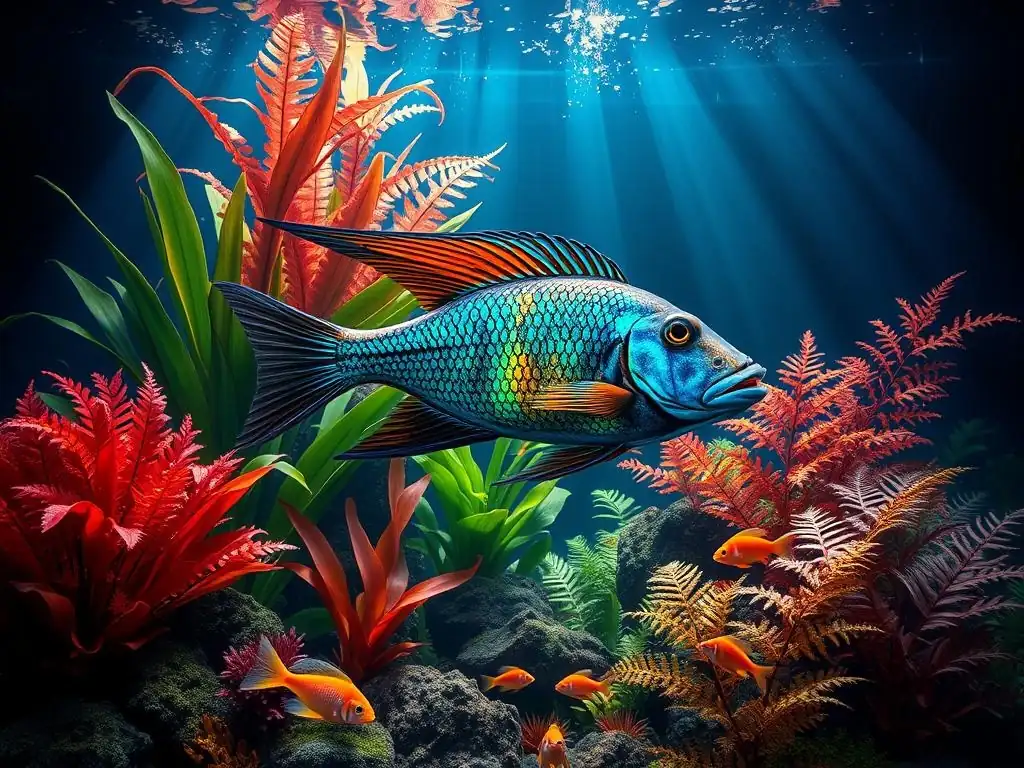
Welcome to Aquarium Mastery! Ever wondered how to unlock the secrets of preserving those breathtaking, rare swordtail and variatus strains? Delve into the fascinating world of line breeding swordtail genetics in our latest article and discover the techniques expert aquarists use to maintain vibrant bloodlines. Prepare to be amazed by the possibilities and learn how you can apply these principles to your own freshwater aquarium. Let's dive in!
- Understanding Line Breeding for Aquarium Fish Preservation
- Selecting Your Foundation Stock: Identifying Desirable Traits in Swordtails & Variatus
- Setting Up Your Breeding Tanks for Line Breeding Success
- The Line Breeding Process: A Step-by-Step Guide
- Managing Genetic Diversity and Avoiding Inbreeding Depression
- Documenting and Tracking Your Line Breeding Efforts
- Addressing Common Challenges in Line Breeding Swordtail Genetics
- Maintaining the Health and Vigor of Your Swordtail & Variatus Strain
- Showcasing and Sharing Your Rare Swordtail & Variatus Strains
-
Frequently Asked Questions
- How does line breeding help preserve rare Swordtail and Variatus strains?
- What are the potential risks associated with line breeding Swordtails and Variatus?
- What specific genetic traits should I focus on when line breeding Swordtails?
- How often should I introduce new genetic material to my line-bred Swordtail population?
- What are the best practices for choosing breeding pairs within a line-bred Swordtail population?
- Final Reflection: The Enduring Legacy of Line Breeding
- Ignite Your Conservation Efforts: Become a Swordtail Guardian!
Understanding Line Breeding for Aquarium Fish Preservation
What is Line Breeding and Why is it Important for Rare Swordtail Strains?
Line breeding is a highly selective form of breeding that focuses on concentrating desirable traits within a specific lineage of fish, aiming to create a consistent and pure strain. Unlike random breeding, which often results in a wide variation of offspring, line breeding involves carefully selecting individuals from successive generations that exhibit the desired characteristics most strongly, then breeding them back to the parent line or to closely related, superior individuals.
This meticulous process helps to fix specific phenotypes, such as unique color patterns like the "Pineapple" or "Tuxedo" variations, distinct fin shapes like the high-fin dorsal, or even enhanced vigor and disease resistance, ensuring these traits are passed down reliably.
For rare swordtail (Xiphophorus hellerii) and variatus (Xiphophorus variatus) strains, line breeding is crucial for their preservation. Many of these unique genetic lines, often developed by dedicated hobbyists over decades, face the threat of dilution or complete loss due to indiscriminate cross-breeding or lack of focused breeding efforts.
For example, a pure "Kohaku Swordtail" strain, characterized by its distinct red and white patterning, requires rigorous line breeding to prevent the emergence of unwanted colors or patterns that would compromise its specific aesthetic. Without controlled line breeding swordtail genetics, these rare and beautiful variations could disappear, leaving only common, mixed-breed forms.
The Role of Genetics in Preserving Swordtail & Variatus Traits
At its core, line breeding swordtail genetics relies on understanding how genes influence observable traits (phenotypes). Each swordtail carries a unique set of genes that dictate everything from its coloration and fin shape to its size and susceptibility to disease.
By selectively breeding individuals that express the desired traits, breeders aim to increase the frequency of the responsible alleles within the population, effectively "purifying" the genetic makeup for those specific characteristics. For instance, the "red" coloration in many swordtails is often a dominant or co-dominant trait, and through repeated selection of the reddest individuals, a breeder can establish a strain where nearly all offspring display intense red pigmentation.
Beyond superficial characteristics, genetics also plays a vital role in maintaining the overall health and vigor of a swordtail or variatus strain. Genetic diversity, even within a carefully managed line, is essential for long-term resilience.
A strong genetic foundation contributes to robust immune systems, ensuring the fish are less prone to common ailments like Ich (Ichthyophthirius multifiliis), and promotes consistent fertility and larger spawn sizes, which can range from 30 to over 100 fry per birth. Neglecting genetic principles can lead to the loss of desirable traits, an increase in genetic load (accumulation of harmful recessive alleles), and a general decline in the vitality of the strain, making the deliberate application of line breeding swordtail genetics paramount.
Distinguishing Line Breeding from Inbreeding: Minimizing Genetic Defects
While both line breeding and inbreeding involve breeding related individuals, their intent and execution differ significantly. Inbreeding, often used broadly, refers to the uncontrolled breeding of closely related fish without specific selection goals.
This indiscriminate approach can rapidly reduce genetic diversity, leading to a phenomenon known as inbreeding depression, where the accumulation of deleterious recessive genes manifests as reduced fertility, stunted growth, increased susceptibility to disease, and physical deformities such as bent spines or malformed fins. For example, unchecked inbreeding could lead to a decline in average swordtail lifespan from 3-5 years to less than 2 years, or a significant reduction in typical spawn sizes.
In contrast, line breeding is a highly controlled and purposeful form of inbreeding, characterized by intense selection and rigorous culling. The primary objective of line breeding swordtail genetics is to fix specific desirable traits while simultaneously identifying and eliminating individuals that exhibit any genetic defects or undesirable characteristics.
This means that while siblings or parent-offspring pairs might be bred, any offspring showing signs of weakness, deformity, or a lack of the desired trait are promptly removed from the breeding program. This stringent culling prevents the propagation of harmful alleles and ensures that the genetic pool, though narrowed for specific traits, remains robust for overall health and vitality, distinguishing it sharply from detrimental, uncontrolled inbreeding.
Selecting Your Foundation Stock: Identifying Desirable Traits in Swordtails & Variatus
Choosing Healthy and Genetically Diverse Swordtail & Variatus Individuals
The success of any line breeding program hinges on the quality of its foundation stock. When selecting your initial swordtail or variatus individuals, prioritize health above all else. Look for fish that are active, alert, and display vibrant coloration appropriate for their strain.
Their fins should be fully extended and free from tears or clamping, and their bodies should be well-formed without any visible deformities or signs of disease, such as white spots, fungal growths, or labored breathing. A healthy fish is more likely to breed successfully and produce vigorous offspring, providing a strong starting point for your line breeding swordtail genetics project.
Beyond individual health, consider the genetic diversity of your chosen foundation stock. Ideally, source your initial swordtails or variatus from different, reputable breeders to minimize the chances of starting with already closely related individuals. While true outcrossing might not always be possible for rare strains, aiming for fish from distinct lineages provides a broader genetic base. This initial diversity can help mitigate the risks associated with inbreeding depression in later generations, providing more genetic raw material for selection and allowing for greater flexibility in refining your desired traits through line breeding swordtail genetics.
Documenting Existing Traits: Creating a Phenotype Baseline for Your Swordtail Line
Before you begin breeding, meticulous documentation of your foundation stock's existing traits is crucial. This process involves creating a detailed phenotype baseline for each individual swordtail or variatus. Record everything from precise measurements (e.g., total length, sword length for males, dorsal fin height) to subjective observations of color intensity, pattern distribution (e.g., amount of black in a tuxedo pattern, specific red hues), and finnage characteristics (e.g., lyretail shape, delta tail spread). Use a consistent system for recording, perhaps assigning unique identifiers to each fish and noting their distinguishing features.
This comprehensive baseline serves as your reference point for evaluating progress across generations. For instance, if your goal is to enhance the length of the "sword" in male swordtails, having an initial measurement of, say, 3 cm on your foundation male allows you to quantitatively assess if subsequent generations show an average increase to 4 cm or more. Without this precise initial data, it becomes challenging to objectively measure the success of your line breeding swordtail genetics efforts and make informed decisions about which individuals to select for future breeding.
Avoiding Common Genetic Flaws in Swordtail & Variatus Breeding
A critical aspect of selecting foundation stock and subsequent generations is the proactive identification and avoidance of common genetic flaws. Swordtails and variatus, like many livebearers, can be prone to certain inherited issues if not carefully managed. These include spinal deformities such as scoliosis (bent spine), fin deformities (e.g., short or curled fins), susceptibility to specific diseases (e.g., chronic fin rot or fungal infections), and reduced fertility or viability. While some issues might be environmental, a recurring pattern across generations often points to a genetic predisposition.
Rigorous culling is the primary tool for avoiding the propagation of these flaws within your line. Any individual displaying such defects, even if it possesses other desirable traits, should be removed from the breeding program.
For example, if a male swordtail consistently produces offspring with bent spines, it indicates a strong genetic component, and continuing to breed that male will only spread the undesirable trait throughout your nascent line. By being uncompromising in eliminating carriers of these flaws, you strengthen the overall genetic health and integrity of your swordtail and variatus strain, reinforcing the principles of effective line breeding swordtail genetics.
Setting Up Your Breeding Tanks for Line Breeding Success
Optimal Tank Conditions for Swordtail & Variatus Breeding
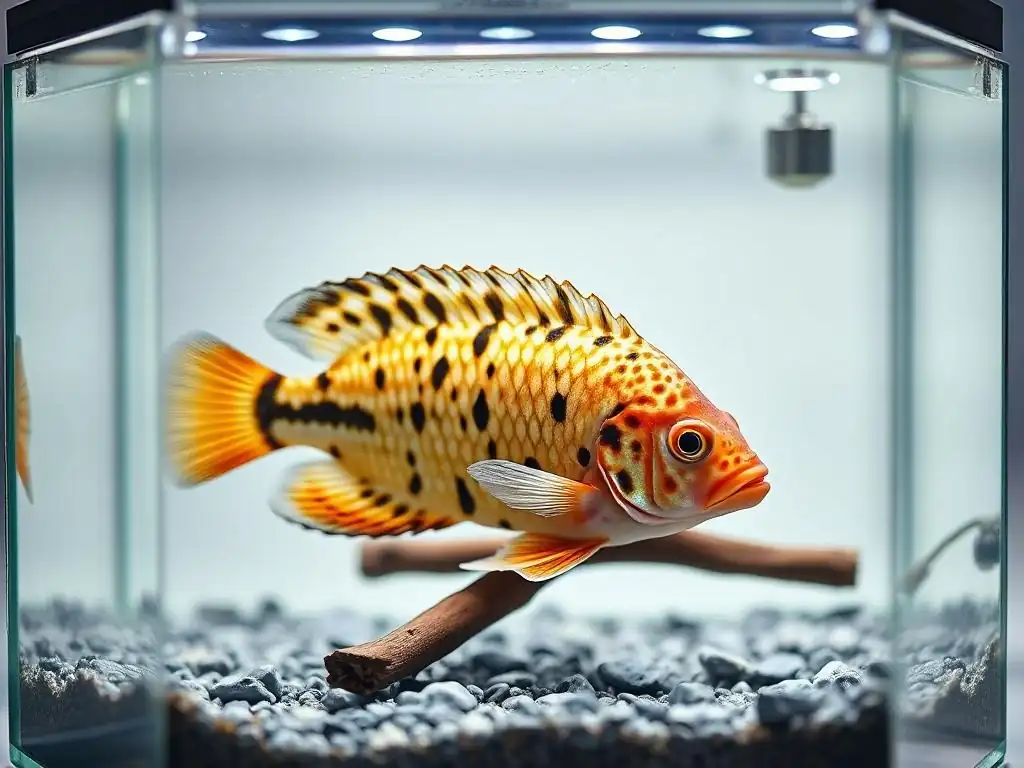
Creating the ideal environment is paramount for successful swordtail and variatus breeding. For a single breeding trio (one male and two females), a 10 to 20-gallon aquarium is often sufficient, providing adequate space without being overly large. The tank should be well-planted with dense vegetation such as Java moss, hornwort, or guppy grass, which provide crucial hiding places for fry and gravid females. A gentle sponge filter is highly recommended as it offers excellent biological filtration without posing a threat to delicate fry, unlike powerful hang-on-back or canister filters.
Water parameters must be stable and within the preferred range for these livebearers. Swordtails and variatus generally thrive in slightly alkaline water with a pH between 7.0 and 8.0 and medium hardness (GH 10-20 dGH). A consistent water temperature of 75-78°F (24-26°C) is ideal for promoting breeding activity and healthy fry development. Regular monitoring of ammonia, nitrite, and nitrate levels is essential, as poor water quality can stress fish, reduce fertility, and lead to high fry mortality. These stable conditions are fundamental to successful line breeding swordtail genetics.
Separating Fry and Protecting Young Swordtails from Predation
Adult swordtails and variatus, like many livebearers, will readily prey on their own fry. To maximize the survival rate of your valuable offspring, especially during critical line breeding efforts, effective fry protection strategies are necessary. One common method is to provide extremely dense planting in the breeding tank, giving fry ample places to hide immediately after birth. Alternatively, a gravid female can be moved to a separate "birthing tank" just before she is due to drop her fry. This allows the fry to be born into a safe environment without adult predators.
Once the fry are born, it is crucial to separate them from the adults as soon as possible. If using a birthing tank, the female can be returned to the main breeding tank, leaving the fry to grow out in their dedicated space. For larger breeding operations, a series of grow-out tanks are indispensable, allowing you to sort fry by size and age, preventing cannibalism among siblings as they grow. This controlled environment ensures that a higher percentage of the genetic potential from your line breeding swordtail genetics program reaches maturity.
Maintaining Water Quality for Healthy Swordtail & Variatus Development
Pristine water quality is absolutely critical for the healthy development of swordtail and variatus fry, which are far more sensitive to environmental fluctuations than adults. High levels of ammonia, nitrite, or nitrate can quickly lead to stunted growth, deformities, and significant mortality rates. Therefore, consistent and careful water changes are paramount. For fry tanks, small daily water changes of 10-20% are often more beneficial than larger, less frequent changes, as they help maintain stable parameters without shocking the young fish.
In addition to water changes, appropriate feeding and filtration play key roles. Fry require frequent, small feedings of high-quality, easily digestible foods like newly hatched brine shrimp, micro-worms, or finely powdered flake food, typically 3-5 times a day. Overfeeding can rapidly foul the water, so uneaten food should be siphoned out promptly. Gentle sponge filters are ideal for fry tanks as they provide effective biological filtration without creating strong currents or suction that could harm the tiny fish, ensuring the optimal conditions for the delicate process of line breeding swordtail genetics.
The Line Breeding Process: A Step-by-Step Guide
Step 1: Initial Cross and F1 Generation
The first step in line breeding swordtail genetics involves selecting your foundation pair or trio (one male, two females) based on the desirable traits you wish to establish or enhance. For instance, if you aim for a specific "red high-fin" swordtail, you would select the healthiest, most vibrant red individuals with the best dorsal fin development. These chosen individuals are then placed together in a dedicated breeding tank with optimal conditions. After successful breeding, the female will drop her fry, producing what is known as the F1 (first filial) generation.
It is important to allow the F1 generation to grow out to a size where their desired traits become clearly discernible, typically at 2-3 months of age for swordtails. During this grow-out period, maintain excellent water quality and provide high-quality nutrition to ensure their full development. While not every F1 individual will perfectly express the target traits, this generation serves as the initial pool from which you will make your first critical selections, moving you closer to establishing a pure line through line breeding swordtail genetics.
Step 2: Selecting the Best F1 Individuals for Further Breeding
Once the F1 generation has matured sufficiently to display their phenotypes, the most crucial step of selection begins. Carefully examine every individual, comparing them against the baseline traits you documented for your foundation stock and your ultimate breeding goals. Select only those F1 individuals that most strongly exhibit the desired characteristics (e.g., the most intense red coloration, the longest sword, the highest dorsal fin, or the most robust health) and show no signs of genetic flaws like bent spines or fin deformities.
It's common to select only the top 10-20% of the F1 generation for further breeding, depending on the size of the spawn. These chosen individuals will form the basis for the next generation. All other F1 fish, regardless of how minor their deviation from the ideal, should be culled from the breeding program to prevent the propagation of undesirable traits. This rigorous selection process is the cornerstone of effective line breeding swordtail genetics, ensuring that only the most promising genes are carried forward.
Step 3: Backcrossing to the Parent Line and Monitoring for Desired Traits
After selecting your prime F1 individuals, the next step often involves backcrossing. This means breeding the selected F1 individuals back to one of their original parents (usually the parent that most strongly displayed the desired traits). For example, if the F1 male from your chosen pair shows exceptional finnage, you might breed him back to his mother, especially if she also carried strong finnage genes. This strategy helps to "fix" the desired genes within the line by increasing their homozygosity.
As the F2 generation develops, meticulous observation is paramount. Compare the F2 offspring to both the F1 and the original parent stock. Are the desired traits becoming more consistent? Are there fewer variations? Are any new, undesirable traits emerging? This continuous monitoring and comparison are vital for assessing the effectiveness of your line breeding swordtail genetics strategy. If the traits are not becoming more consistent, you may need to reconsider your selection criteria or even introduce new genetic material in later stages.
Step 4: Refining Your Swordtail Line Through Selective Breeding
The process of selection and breeding continues over multiple generations (F3, F4, and beyond). With each successive generation, you will repeat the selection process, always choosing the individuals that best embody your breeding goals and exhibit no genetic flaws. As you progress, you should observe an increasing consistency in the desired traits within your swordtail line. For example, by the F4 or F5 generation, you might find that 80-90% of your fry consistently display the desired red coloration and fin shape, compared to perhaps 50-60% in the F1 generation.
This iterative process of selection, breeding, and culling is how a specific strain is refined and stabilized. It's a long-term commitment that requires patience and keen observational skills. The goal of line breeding swordtail genetics is not just to produce a few perfect individuals, but to establish a stable genetic line where the desired traits are reliably passed down, making the strain predictable and pure for future generations of hobbyists.
Managing Genetic Diversity and Avoiding Inbreeding Depression
Introducing New Genetic Material: Outcrossing Strategies for Swordtails
While line breeding inherently involves some degree of inbreeding to fix traits, maintaining overall genetic diversity is crucial to prevent inbreeding depression. If you notice signs of declining vigor, reduced fertility (e.g., smaller spawns, higher rates of infertile eggs), or an increase in deformities within your line, it might be time to introduce new genetic material through outcrossing. This involves carefully selecting an unrelated swordtail or variatus of the same desired type, but from a different lineage, to introduce fresh genes.
The key to successful outcrossing in line breeding swordtail genetics is strategic selection. The new fish should be as genetically healthy as possible and ideally possess the desired traits, or at least not carry undesirable ones. This "outcross" individual is then bred to one of your best line-bred fish. The offspring from this cross (often called F1 outcross) will have increased genetic diversity and vigor. You then selectively breed these F1 outcross individuals back into your main line over several generations, carefully culling any undesirable traits that might have been introduced, while retaining the added genetic strength.
Calculating Inbreeding Coefficients: Tools for Managing Genetic Health
For serious line breeders, understanding and managing the inbreeding coefficient (COI) can be a valuable tool. The COI is a measure of the probability that two alleles at any locus are identical by descent (i.e., they originated from the same ancestor). A COI of 0% means no common ancestors, while 100% implies complete inbreeding. While a high COI is often associated with inbreeding depression, it's the rate of increase and the selection pressure applied that truly matter in line breeding swordtail genetics.
There are software programs and online calculators available that can help track COIs if you maintain detailed pedigree records. While not strictly necessary for every hobbyist, understanding COI can help you make informed decisions about when an outcross might be beneficial to introduce fresh genes and reduce the overall relatedness within your line. For instance, if your COI consistently rises above 15-20% over several generations without strong positive results, it might signal a need to introduce new blood to maintain the vitality of your swordtail strain.
Recognizing and Addressing Signs of Inbreeding Depression in Your Swordtail Line
Vigilance is key to detecting the early signs of inbreeding depression, which can severely undermine your line breeding swordtail genetics efforts. Common indicators include a noticeable decrease in overall fish size compared to previous generations, reduced growth rates, and a general lack of vigor or activity. Fertility may decline, manifesting as smaller spawn sizes (e.g., a drop from 50+ fry per birth to fewer than 20), increased numbers of infertile eggs, or lower survival rates among fry.
Furthermore, an increase in physical deformities, such as bent spines, abnormal fin development, or missing opercula, is a strong red flag. Increased susceptibility to common diseases, even in well-maintained tanks, can also point to a compromised immune system due to inbreeding. If these signs appear, it's crucial to act. This often means introducing an outcross, as discussed, to reintroduce genetic diversity. Additionally, a temporary halt in breeding or a more aggressive culling strategy for affected individuals may be necessary to restore the health and vitality of your swordtail and variatus strain.
Documenting and Tracking Your Line Breeding Efforts
Creating a Pedigree Chart for Your Swordtail & Variatus Line
A fundamental tool for any serious line breeding swordtail genetics program is a meticulously maintained pedigree chart. This chart acts as a family tree for your fish, detailing the lineage of each individual in your breeding program. For each breeding pair, record the unique identifier of the male and female, the date of the spawn, and the number of fry produced. As the fry mature, assign unique identifiers to the selected individuals from that spawn that will be used for the next breeding generation, linking them back to their parents.
A well-structured pedigree chart allows you to trace back the ancestry of any fish in your line, identify common ancestors, and understand the degree of relatedness between potential breeding pairs. This information is invaluable for making informed breeding decisions, helping you to both fix desired traits and manage inbreeding levels. Without a clear pedigree, your line breeding efforts become haphazard, making it nearly impossible to consistently achieve your genetic goals for your swordtail and variatus strains.
Using Photos and Videos to Track Phenotype Changes Over Generations
Visual documentation is an incredibly powerful complement to written records in line breeding swordtail genetics. Regularly taking high-quality photos and short videos of your selected breeding stock and their offspring at various stages of development provides an undeniable visual history of your progress. For example, if you are breeding for increased sword length, a photo of the F1 male next to an F3 male at the same age can vividly demonstrate the success of your selective breeding.
These visual records allow for objective comparison of phenotype changes over generations. You can clearly see if the desired coloration is becoming more intense, if fin shapes are more consistent, or if body conformation is improving. Furthermore, photos and videos can help identify subtle genetic throwbacks or emerging undesirable traits that might be missed in written descriptions alone. This comprehensive visual archive is not only a valuable analytical tool but also a satisfying record of your dedication to preserving and enhancing your rare swordtail or variatus strain.
Maintaining Detailed Records of Breeding Pairs and Offspring
Beyond pedigree charts and visual documentation, comprehensive written records are essential for the scientific rigor of line breeding swordtail genetics. For each breeding pair, maintain a logbook or spreadsheet detailing:
- Pairing Date: When the male and female were placed together.
- Spawn Date: The exact date of each birth.
- Number of Fry: Total count of live fry.
- Fry Survival Rate: Number of fry surviving to a specific age (e.g., 30 days).
- Observations: Notes on the health, vigor, and initial appearance of the fry.
- Selection Notes: Specific reasons for selecting certain individuals for the next generation (e.g., "best color," "longest sword," "most active").
- Culling Notes: Reasons for culling individuals (e.g., "deformity," "poor color," "stunted growth").
- Environmental Data: Any significant changes in water parameters, diet, or tank conditions during the breeding cycle.
These detailed records allow you to identify patterns, troubleshoot problems, and refine your line breeding strategies. For example, if a particular pairing consistently produces fewer viable fry or more deformities, your records will help you identify and eliminate that pairing from future line breeding swordtail genetics efforts, leading to more efficient and successful outcomes.
Addressing Common Challenges in Line Breeding Swordtail Genetics
Dealing with Unexpected Mutations and Genetic Throwbacks
Despite careful selection, line breeding swordtail genetics can sometimes present unexpected genetic twists. Mutations, though rare, can spontaneously occur, introducing entirely new traits or altering existing ones. More commonly, "genetic throwbacks" can appear, where offspring revert to ancestral traits that were supposedly bred out of the line generations ago. For instance, a pure red swordtail line might suddenly produce a fish with wild-type spotted patterns, indicating the reappearance of recessive genes.
When faced with mutations or throwbacks, the breeder must decide whether the new trait is desirable or detrimental. If it's a desirable mutation, it can be isolated and potentially become the basis for a new line. However, if it's an undesirable throwback, those individuals must be rigorously culled to prevent the reintroduction of unwanted genes into your established line. This continuous vigilance and decisive action are crucial for maintaining the purity and direction of your line breeding swordtail genetics program.
Managing Aggression and Competition Among Swordtails
Swordtails, particularly males, can exhibit significant aggression, especially when housed in insufficient space or with an imbalanced male-to-female ratio. This aggression can lead to stress, fin nipping, injury, and even death, severely impacting breeding success and the health of your line. Dominant males may relentlessly harass submissive males or even females, preventing successful breeding or causing chronic stress that reduces fertility.
To mitigate aggression, provide ample space (e.g., 20+ gallons for a breeding group) and plenty of visual breaks in the form of dense planting or aquarium decor. Maintaining a ratio of at least two or three females per male can help disperse male attention and reduce stress on individual females. For highly aggressive males, temporary separation or even permanent removal from the breeding program might be necessary. Observing and managing these social dynamics is as vital as genetic selection in successful line breeding swordtail genetics.
Troubleshooting Breeding Problems and Fry Mortality
Even with optimal conditions, breeders may encounter challenges such as a lack of breeding activity, small spawn sizes, or high fry mortality. If swordtails are not breeding, check water parameters for stability, ensure proper temperature (75-78°F), and verify a balanced diet. Stress from overcrowding, aggressive tank mates, or poor water quality can inhibit breeding. Sometimes, simply varying the diet with live foods like bloodworms or brine shrimp can stimulate spawning.
High fry mortality, particularly in the first few days, often points to water quality issues (ammonia, nitrite spikes), insufficient or inappropriate food, or predation. Regularly test water parameters in fry tanks, ensure frequent small water changes, and provide a consistent supply of suitable fry food. If deformities are prevalent among dead fry, it might indicate genetic issues related to inbreeding depression, requiring a reassessment of your line breeding swordtail genetics strategy and potentially an outcross to introduce new genetic material. Diligent observation and prompt corrective action are key to overcoming these hurdles.
Maintaining the Health and Vigor of Your Swordtail & Variatus Strain
Optimal Diet and Nutrition for Swordtails and Variatus
A high-quality, varied diet is fundamental to maintaining the health, vigor, and reproductive success of your swordtail and variatus strain, directly impacting the effectiveness of your line breeding swordtail genetics. Provide a staple diet of high-quality flake or pellet food formulated for livebearers, which often contains added vegetable matter. Supplement this with a variety of live or frozen foods such as brine shrimp, bloodworms, daphnia, and spirulina flakes. These provide essential proteins, vitamins, and minerals that support strong growth, vibrant coloration, and robust immune systems.
For breeding females, a diet rich in protein and fat can promote larger, healthier spawns. Fry also require specialized nutrition; newly hatched brine shrimp or micro-worms, fed multiple times a day, are excellent for rapid growth and development. Consistent, nutritious feeding ensures that your swordtails have the energy and resources to breed effectively and produce strong, healthy offspring, reinforcing the positive outcomes of your line breeding efforts.
Preventing and Treating Common Swordtail Diseases
Despite best efforts, swordtails can still fall victim to common freshwater diseases. Prevention is always superior to treatment in line breeding swordtail genetics. Maintain impeccable water quality through regular water changes (e.g., 25% weekly for adult tanks), avoid overfeeding, and ensure stable water parameters. A well-balanced diet and minimal stress contribute significantly to a strong immune system, making fish less susceptible to pathogens.
Common diseases include Ich (white spot disease), fin rot, and fungal infections. Symptoms like white spots, frayed fins, or cotton-like growths should prompt immediate action. Isolate affected fish in a quarantine tank to prevent spread and begin appropriate treatment, often involving over-the-counter medications available at aquarium stores. Understanding the common ailments and having a plan for prompt treatment minimizes losses and protects the genetic integrity of your valuable swordtail and variatus strain.
Regular Health Checks and Quarantine Procedures
Proactive health management is a non-negotiable aspect of successful line breeding swordtail genetics. Implement a routine of daily health checks for all your fish. Look for any changes in behavior (e.g., lethargy, rubbing against objects), appearance (e.g., clamped fins, faded color, lesions, unusual growths), or appetite. Early detection of issues allows for prompt intervention, preventing minor problems from escalating into widespread outbreaks.
Furthermore, a strict quarantine procedure for any new fish introduced to your facility is absolutely essential. Even if a fish appears healthy, it can carry dormant pathogens. A dedicated quarantine tank should house new arrivals for at least 2-4 weeks, allowing time for any potential diseases to manifest. During this period, observe them closely and treat any emerging symptoms. Only after a clean bill of health should new fish be introduced to your main breeding or display tanks, safeguarding the health and genetic purity of your established swordtail and variatus strains.
Showcasing and Sharing Your Rare Swordtail & Variatus Strains
Preparing Your Swordtails for Aquarium Shows
For serious line breeders, showcasing your rare swordtail and variatus strains at aquarium shows is a rewarding way to share your success and gain recognition. Preparation begins weeks, even months, in advance. Select your best individuals that most perfectly embody the desired traits of your line. These fish should be in peak physical condition: vibrant color, flawless fins, ideal body shape, and active demeanor.
Leading up to the show, provide an enhanced diet with color-enhancing foods and maintain pristine water quality to maximize their brilliance. Ensure they are accustomed to being handled gently, as they will be moved to show tanks. Practicing with temporary show tanks at home can help reduce stress. Presenting a well-cared-for, genetically superior swordtail or variatus strain not only highlights your line breeding swordtail genetics achievements but also educates others on the beauty of selectively bred fish.
Connecting with Other Swordtail Breeders and Enthusiasts
Networking with other swordtail breeders and livebearer enthusiasts is invaluable for learning, sharing knowledge, and advancing your line breeding swordtail genetics efforts. Join local aquarium clubs, participate in online forums dedicated to livebearers, and attend fish shows. These communities offer a wealth of experience, troubleshooting advice, and opportunities to acquire new genetic material for outcrossing or to find homes for surplus offspring.
Sharing your experiences, challenges, and successes can lead to collaborative projects, such as exchanging breeding stock to introduce fresh genes or working together to preserve a specific rare strain. The collective knowledge of the livebearer community can provide insights into specific genetic lines, historical traits, and innovative breeding techniques, enriching your own journey in preserving these fascinating fish.
Documenting Your Success
Beyond the personal satisfaction, documenting your success in line breeding swordtail genetics contributes to the broader hobby. Publish articles in aquarium magazines or online forums detailing your methods, challenges, and the evolution of your strain. Share high-quality photos and videos of your fish across generations, illustrating the progress you've made in fixing specific traits.
This documentation serves several purposes: it provides a historical record of your strain's development, offers a valuable resource for aspiring breeders, and helps establish recognition for your efforts in the community. By transparently sharing your process and achievements, you not only inspire others but also contribute to the collective knowledge base, ensuring that the art and science of line breeding swordtail genetics continues to thrive and preserve these beautiful and diverse fish for generations to come.
Frequently Asked Questions
How does line breeding help preserve rare Swordtail and Variatus strains?
Line breeding allows aquarists to concentrate desirable traits within a specific bloodline. This helps to maintain the unique genetic characteristics of rare or endangered strains that might otherwise be lost through outcrossing. It's a form of selective breeding.
What are the potential risks associated with line breeding Swordtails and Variatus?
The primary risk is inbreeding depression, which can lead to reduced fertility, weakened immune systems, and increased susceptibility to genetic disorders. Careful selection of breeding pairs and occasional introduction of unrelated individuals can mitigate this risk. Monitoring for health issues is crucial.
What specific genetic traits should I focus on when line breeding Swordtails?
Focus on traits that define the rare strain, such as specific fin shapes, color patterns, or body size. Consistent selection for these traits in each generation will help to stabilize and reinforce them within the line. Detailed record keeping is essential.
How often should I introduce new genetic material to my line-bred Swordtail population?
The frequency depends on the health and vitality of the line, but typically, introducing unrelated individuals every 3-5 generations can help prevent inbreeding depression. Monitor for signs of reduced vigor or increased health problems to determine the need for new blood.
What are the best practices for choosing breeding pairs within a line-bred Swordtail population?
Select individuals that exhibit the desired traits most strongly and are in excellent health. Avoid breeding closely related individuals together (e.g., siblings or parents and offspring) whenever possible, and maintain accurate pedigree records to track lineage and avoid unintentional inbreeding. Observe their behavior to ensure they are strong and healthy.
Final Reflection: The Enduring Legacy of Line Breeding
The meticulous process of line breeding, as explored in this article, isn't merely a scientific endeavor; it's a testament to our dedication to preserving the delicate beauty and genetic diversity within rare Swordtail and Variatus strains. The survival of these unique fish lines hinges on our understanding and application of these techniques, ensuring their continued existence for generations to come. This responsibility underscores the profound impact we can have on the natural world, even within the confines of our aquariums.
This journey into line breeding has illuminated the intricate dance between genetics and environment, highlighting the fragility and resilience of life. Witnessing the emergence of desired traits, generation after generation, is a humbling experience, reminding us of the power of focused effort and patient observation. The beauty of line breeding lies not just in the creation of aesthetically pleasing fish, but in the preservation of genetic heritage, ensuring that these unique strains continue to thrive.
This quote encapsulates the core principle that drives our passion for this intricate art.
Now, consider the lessons learned from this exploration of line breeding. How can you apply the principles of focused effort, patient observation, and dedication to preservation in your own life? Whether it's nurturing a creative project, cultivating a meaningful relationship, or contributing to a cause you believe in, embrace the power of intentional action and unwavering commitment. Let the legacy of these rare Swordtail and Variatus strains inspire you to become a steward of beauty and resilience in all aspects of your world.
Ignite Your Conservation Efforts: Become a Swordtail Guardian!
Thank you for diving into the world of rare swordtail and variatus preservation! You've now got a foundation for understanding line breeding and its importance. Let's put that knowledge into action!
Here are a few ways you can contribute to the survival of these beautiful fish:
- Start a line breeding project with a rare swordtail or variatus strain: Research available strains, acquire healthy specimens, and begin documenting your efforts. This is the most impactful step you can take!
- Explore local aquarium clubs and online forums to connect with other breeders and share knowledge, or even offer to mentor a new hobbyist interested in line breeding.
- Document your projects and submit an article to a specialized aquarium publication or your own blog, to expand awareness of these rarer swordtail and variatus strains!
What specific variatus or swordtail strain captivates you the most, and what initial steps will you take to contribute to its preservation?