
Natural Algae Control: Integrating Plecos & Otos into a Balanced Ecosystem

Welcome to Aquarium Mastery!
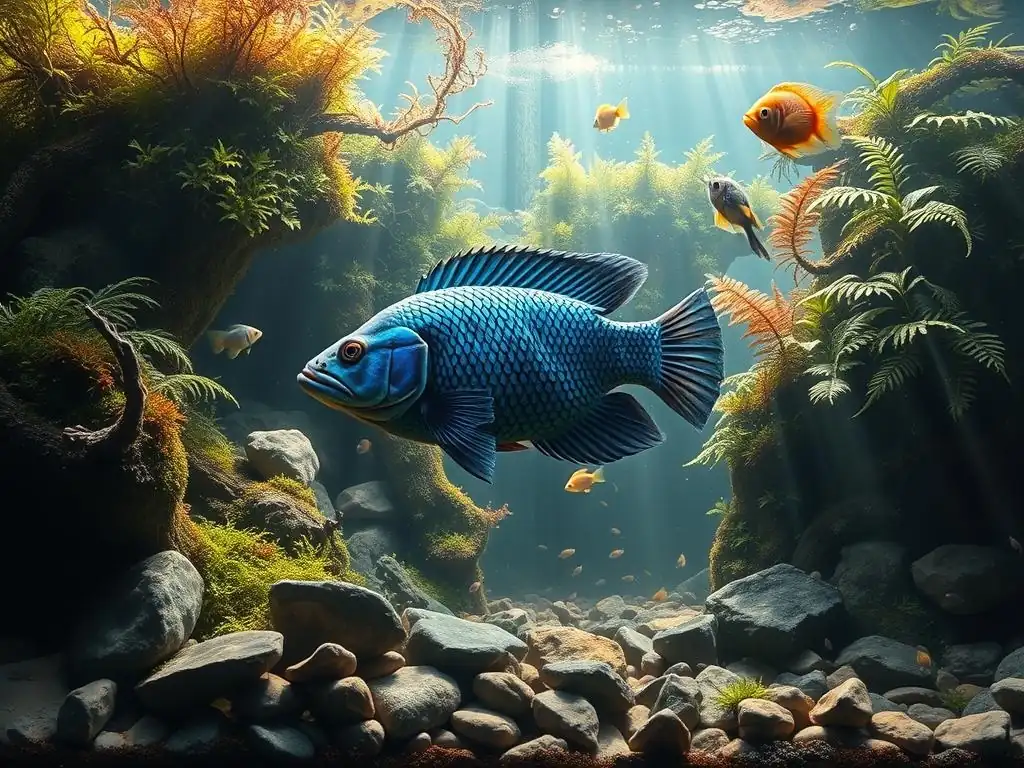
Ever wondered how to achieve crystal-clear water without relying solely on chemicals? Delve into the secrets of natural algae control! Our comprehensive guide explores the fascinating world of Plecos and Otos, revealing how these algae-eating champions can transform your freshwater aquarium into a thriving, balanced ecosystem. Ready to discover the power of these helpful tank mates? Read on to learn more about integrating Plecos & Otos for effective and sustainable algae management!
- Natural Algae Control: Integrating Nerite Snails & Amano Shrimp into a Balanced Ecosystem
- Understanding Algae in Aquariums: A Balanced Approach
- Introducing Nerite Snails and Amano Shrimp: Nature's Algae Eaters
- Nerite Snail & Amano Shrimp Algae Control: A Synergistic Approach
- Implementing a Natural Algae Control Strategy
- Troubleshooting Algae Problems with Nerite Snails and Amano Shrimp
- Maintaining a Balanced Aquarium Ecosystem for Long-Term Algae Control
- Beyond Algae: The Additional Benefits of Nerite Snails and Amano Shrimp
-
Frequently Asked Questions
- How effective are Plecos and Oto Cats at controlling algae in an aquarium?
- What type of Pleco is best for algae control in a community aquarium?
- Do Oto Cats and Plecos require supplemental feeding even if algae is present?
- Can Oto Cats and Plecos completely eliminate algae problems in an aquarium?
- What water parameters are most important for the health of Plecos and Oto Cats?
- Final Reflection: Cultivating Harmony Through Natural Balance
- Unleash the Power of Algae Eaters!
Natural Algae Control: Integrating Nerite Snails & Amano Shrimp into a Balanced Ecosystem
Understanding Algae in Aquariums: A Balanced Approach
The Role of Algae in a Freshwater Ecosystem
Algae are fundamental primary producers in any aquatic environment, including freshwater aquariums. They convert light energy into organic compounds through photosynthesis, forming the base of the food chain and producing vital oxygen. In a truly balanced aquarium, a small amount of algae is not only normal but also beneficial. It contributes to a natural aesthetic, provides a continuous food source for various aquatic invertebrates and herbivorous fish, and adds to the overall ecological stability. For instance, a thin, green film on decor or the back glass of a mature tank often indicates a healthy, thriving ecosystem.
However, excessive algae growth, commonly referred to as an "algae bloom," signals an imbalance within the aquarium's ecosystem. While a healthy presence of algae is desirable, uncontrolled proliferation can become problematic. Overgrowths can rapidly deplete oxygen levels at night, outcompete desirable aquatic plants for essential nutrients and light, and significantly detract from the aquarium's visual appeal. It is crucial for aquarists to distinguish between a beneficial, controlled presence and an problematic overgrowth, which typically stems from an excess of nutrients or improper lighting conditions.
Common Types of Algae Found in Aquariums
Identifying the specific type of algae is the first step toward effective management and natural algae control. Several common types frequently appear in freshwater aquariums:
- Green Spot Algae (GSA): Appears as small, dark green, hard circular spots primarily on aquarium glass and the leaves of slow-growing plants. It is often linked to high light intensity, low phosphate levels, or insufficient carbon dioxide (CO2).
- Green Dust Algae (GDA): Forms a fine, powdery green film that coats surfaces, easily wiped away but tends to reappear quickly. Typically associated with excess light or general nutrient imbalances, particularly nitrates.
- Hair Algae: Characterized by long, stringy, green strands that can attach to plants, decor, and even the substrate. Its presence often indicates high levels of nutrients (nitrates, phosphates) and/or excessive light. If left unchecked, it can quickly smother and stunt plant growth.
- Black Beard Algae (BBA) / Red Algae: A tenacious, dark, tufted, brush-like growth that can appear black, dark red, or purple. It is notoriously difficult to remove manually. BBA commonly thrives in tanks with fluctuating CO2 levels, inadequate water flow, and excess organic waste.
- Diatoms (Brown Algae): A brownish, dusty film that is particularly common in newly set up aquariums. It is typically caused by silicates present in tap water and elevated nutrient levels during the tank's cycling phase. Diatoms usually recede and disappear as the aquarium matures and beneficial bacterial colonies become well-established, often within the first 2-4 weeks.
Understanding these distinct types of algae is fundamental. For example, addressing Green Spot Algae often requires a different approach than managing a widespread Hair Algae problem due to their differing environmental triggers. While a new aquarium might experience a diatom bloom affecting approximately 30-50% of its surfaces, an established tank battling persistent Hair Algae might reveal consistent nitrate levels exceeding 20 ppm and phosphate levels above 1 ppm, signaling a more significant nutrient imbalance requiring intervention.
Why Algae Blooms Occur: Identifying the Root Causes
Algae blooms are not the problem themselves but rather clear symptoms of an underlying imbalance within the aquarium ecosystem. The primary culprits responsible for fostering excessive algae growth are typically:
- Excess Nutrients: The most common cause. Overfeeding fish, decaying plant matter, and insufficient or infrequent water changes lead to a buildup of nitrates, phosphates, and other dissolved organic compounds. For instance, nitrate levels consistently above 20 ppm and phosphate levels above 1 ppm are strong indicators of potential algae overgrowth, providing ample fuel for their rapid proliferation.
- Excessive Lighting: Providing too many hours of light, or light that is excessively intense for the tank's specific bioload and plant mass, directly fuels algae growth. Many aquarists find that maintaining lights on for more than 8-10 hours per day, particularly with high-output LED fixtures, can easily trigger various algae blooms.
- Insufficient CO2 (for planted tanks): In actively planted aquariums, if carbon dioxide levels are too low while light intensity is high, aquatic plants cannot photosynthesize efficiently. This leaves excess nutrients in the water column available for algae to exploit, as algae are often less demanding of CO2. A CO2 drop checker indicating light blue (low CO2) when lights are on can highlight this imbalance.
- Low Water Flow: Areas of stagnant water within the aquarium allow nutrients and detritus to settle and accumulate, creating pockets where algae can flourish undisturbed. This is often observed in tank corners, behind large decorations, or in densely planted zones with poor circulation.
- New Tank Syndrome: Newly established aquariums frequently experience diatom blooms during their initial maturation phase. This is due to higher silicate levels from tap water and the substrate, combined with fluctuating nutrient levels as the beneficial bacteria colonies are still establishing. This phase is usually temporary, lasting a few weeks to a month.
Addressing these root causes is paramount for achieving long-term natural algae control, rather than merely treating the visible symptoms. For example, reducing fish feeding by 10-20% and implementing weekly 25% water changes can significantly lower nutrient levels in the water. Adjusting the lighting schedule to a consistent 6-8 hours daily, or reducing light intensity, can starve light-dependent algae.
While many hobbyists consider fish like plecos and otos for algae control, it's essential to understand that these animals are part of a solution, not a standalone cure for poor aquarium husbandry. True ecological balance comes from managing the underlying conditions that promote algae growth, making the environment less hospitable for unwanted proliferation.
Introducing Nerite Snails and Amano Shrimp: Nature's Algae Eaters
Nerite Snails: Algae Control Specialists
Nerite snails (Neritina spp.) are highly esteemed in the aquarium hobby for their exceptional algae-eating capabilities. A key advantage is their inability to reproduce profusely in freshwater, as their larvae require brackish or saltwater to develop, effectively preventing undesirable population explosions in a home aquarium. They are particularly effective at consuming tough green spot algae, diatoms, and green film algae that adhere to glass, rocks, and plant leaves, often leaving surfaces remarkably clean. A single nerite snail can diligently graze an area of several square inches per day, making them efficient cleaners for tanks up to 20 gallons.
These diligent grazers possess a unique radula, a specialized chitinous ribbon equipped with rows of microscopic teeth, which allows them to scrape off even the most stubborn and embedded algae films. Their diet primarily consists of various types of algae, and they are generally considered safe for live aquatic plants, rarely consuming healthy foliage.
It is important to note that while they are excellent algae eaters, they may not entirely eliminate all algae types, such as mature black beard algae, which often requires a more comprehensive approach. Their effectiveness is highest when there is a consistent, albeit manageable, supply of algae for them to consume, positioning them as ideal inhabitants for preventative maintenance rather than reactive bloom control.
Different Nerite Snail Species for Algae Eating: A Comparison
Several species of Nerite snails are commonly available in the aquarium trade, all offering similar algae-eating prowess, though they vary considerably in their shell patterns and sizes:
- Zebra Nerite Snail (Neritina natalensis): Easily recognized by its distinctive black and yellow or orange striped shell patterns. These snails typically grow up to 1 inch (2.5 cm) in diameter.
- Tiger Nerite Snail (Neritina pulligera): Named for its beautiful mottled brown and black patterns, which resemble a tiger's stripes. This species also commonly reaches about 1 inch (2.5 cm) in size.
- Horned Nerite Snail (Clithon sp.): A smaller species, usually growing to only 0.5 inches (1.3 cm), distinguished by small, horn-like protrusions on its shell. They are excellent for nano tanks or navigating intricate decor.
- Olive Nerite Snail (Neritina reclivata): Features a smooth, understated olive-green shell, generally around 0.75 inches (1.9 cm). This species offers a more subtle aesthetic.
- Red Racer Nerite Snail (Neritina waigiensis): Known for its vibrant red or orange shells, often adorned with contrasting black markings, adding a striking pop of color to the aquarium.
While their aesthetic differences are notable, their dietary preferences and overall effectiveness in contributing to natural algae management are quite similar. For instance, whether an aquarist chooses a smaller Horned Nerite for a 5-gallon nano tank or a larger Zebra Nerite for a 50-gallon setup, their primary function remains consistent: diligently grazing on various algal films. The selection often comes down to personal preference for shell pattern and size. Regardless of the specific species, all Nerite snails require similar care, emphasizing stable water parameters and a consistent food source, which in a healthy aquarium is primarily the algae itself.
Nerite Snail Care Requirements: Ensuring Their Well-being
Nerite snails are relatively hardy invertebrates, but specific environmental conditions are essential to ensure their optimal health, activity, and longevity. They thrive best in mature, stable freshwater aquariums with a pH range between 7.0 and 8.0, and a moderate to high water hardness (General Hardness, GH) of 8-12 dKH (approximately 140-215 ppm). Ideal water temperatures typically range from 72-78°F (22-26°C).
Calcium is critically important for their shell health; if the aquarium water is too soft or lacks sufficient calcium, their shells can erode over time, leading to weakness and increased susceptibility to disease. In soft water conditions, supplementation with calcium-rich foods like blanched spinach or specialized invertebrate foods may become necessary.
These snails are sensitive to sudden and drastic changes in water parameters and should always be acclimated slowly using the drip method, typically over 1-2 hours, to prevent osmotic shock. It is imperative to remember that copper-based medications are highly toxic to all invertebrates, including snails, and must be avoided at all costs.
While Nerite snails are exceptionally good at consuming algae, if an aquarium is too clean and lacks sufficient natural algae, supplemental feeding with high-quality algae wafers or blanched vegetables (e.g., zucchini, cucumber) may be required to prevent starvation. Providing plenty of diverse surfaces for grazing, such as driftwood, rocks, and various plant leaves, ensures they have ample areas to consume algae, allowing them to contribute effectively to natural algae control.
Amano Shrimp: The Voracious Algae Consumers
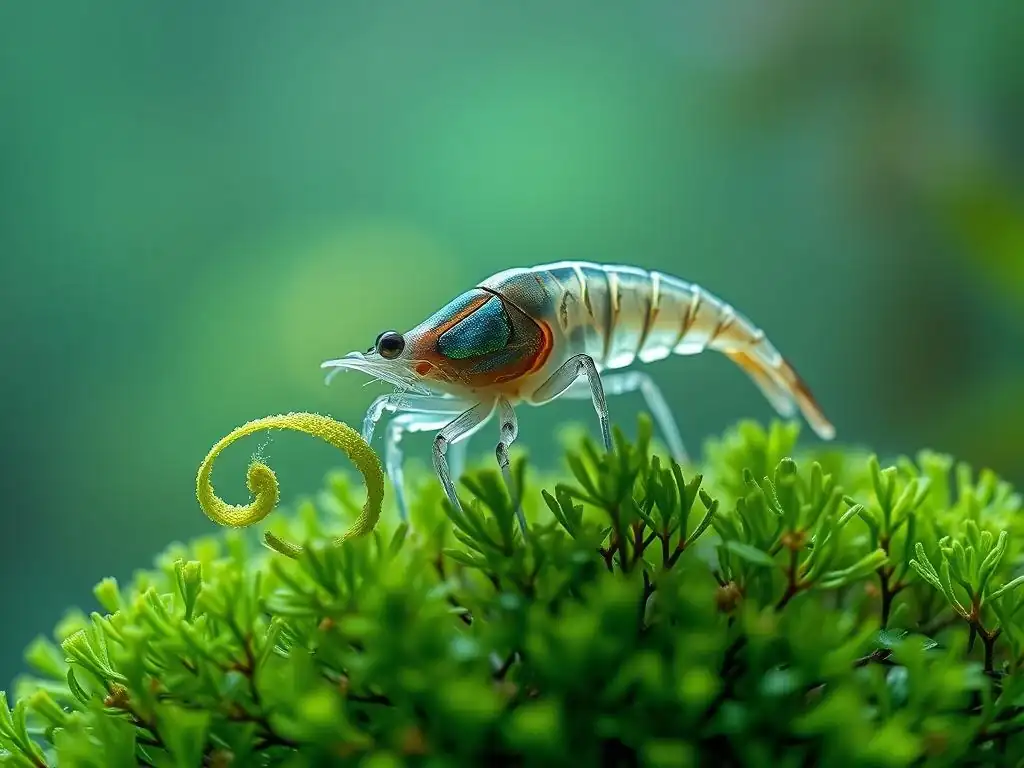
Amano shrimp (Caridina multidentata), famously named after the renowned aquascaper Takashi Amano, are celebrated for their insatiable appetite for a wide array of algae types. They are particularly effective against filamentous algae like hair algae, green film algae, and even some early stages or softer forms of black beard algae, which many other algae-eating species tend to ignore. Growing up to 2 inches (5 cm) in length, they are robust and highly active scavengers, constantly foraging for minute food particles and detritus throughout the tank. This continuous activity contributes significantly to the overall cleanliness and hygiene of the aquarium.
The effectiveness of Amano shrimp stems from their persistent and continuous grazing behavior; they spend almost all their waking hours meticulously picking at various surfaces. Unlike some fish often considered for pleco oto algae control, Amano shrimp generally have a minimal impact on the tank's bioload and do not produce significant waste, making them ideal inhabitants for maintaining delicate and heavily planted ecosystems.
A common guideline for effective algae management is to introduce 1 Amano shrimp per 5-10 gallons of water, though this ratio can be adjusted based on the severity of the algae issue and the overall density of plants in the aquarium. Their diligent cleaning habits make them an invaluable asset in a comprehensive natural algae control strategy, working tirelessly to keep the aquarium pristine.
Amano Shrimp Care: Maintaining a Healthy Shrimp Colony
Amano shrimp require stable water parameters to thrive and exhibit their best algae-eating behavior. They generally prefer a pH between 6.5 and 7.5 and a consistent temperature range of 70-78°F (21-26°C). While they can tolerate a relatively wide range of water hardness, moderately hard water (GH 6-10 dKH) is often preferred, as it provides essential minerals necessary for their exoskeleton development and successful molting process. Like Nerite snails, Amano shrimp are highly sensitive to copper and abrupt shifts in water parameters, necessitating careful drip acclimation over at least an hour when introducing them to a new aquarium.
Molting is a critical biological process for Amano shrimp, during which they shed their old exoskeleton to grow larger. During this period, they are particularly vulnerable to predators and stress, and sufficient calcium and other minerals in the water are vital for a successful and healthy molt.
If an aquarium lacks sufficient algae or food scraps, supplemental feeding with high-quality shrimp pellets, blanched vegetables (such as zucchini or spinach), or algae wafers is necessary to prevent starvation and ensure their nutritional needs are met. Providing a well-planted tank with plenty of hiding spots (e.g., mosses, driftwood, rock crevices) offers security, especially during molting, and promotes a healthy, active, and long-lived shrimp colony.
Nerite Snail & Amano Shrimp Algae Control: A Synergistic Approach
Combining Nerite Snails and Amano Shrimp for Optimal Algae Management
The true power of integrating Nerite snails and Amano shrimp for natural algae control lies in their complementary feeding habits and preferred grazing surfaces. Nerite snails are exceptionally good at scraping hard, biofilm-like algae from smooth, solid surfaces such as aquarium glass, rocks, and robust plant leaves, including the often-stubborn green spot algae. Their powerful radula allows them to meticulously "sandblast" away persistent films, leaving surfaces spotless.
In contrast, Amano shrimp are more agile and adept at foraging among intricate plant leaves, within crevices of driftwood, and meticulously picking at stringy algae types like hair algae and even some initial growths of black beard algae. Their nimble claws enable them to reach areas that snails cannot easily access.
By strategically combining these two species, aquarists can achieve a far more comprehensive and effective algae management strategy. For example, in a 40-gallon planted tank experiencing both green spot algae on the glass and some pervasive hair algae on plant leaves, introducing 3-4 Nerite snails and 5-6 Amano shrimp can target both issues simultaneously and efficiently.
This synergistic approach ensures that a wider spectrum of algae types and tank surfaces are regularly cleaned, significantly reducing the overall algae load and maintaining a clearer, healthier aquarium. This method provides a natural, continuous cleaning crew, often surpassing the targeted but less comprehensive efforts of individual species, even those like plecos and otos for algae control, in specific algae removal tasks.
Creating the Ideal Environment for Algae Eating Invertebrates
To maximize the effectiveness and well-being of Nerite snails and Amano shrimp, their environment must be specifically conducive to their health and active grazing behaviors. This extends beyond merely introducing them; it necessitates thoughtful tank setup and consistent ongoing maintenance. Providing a diverse aquascape with various surfaces like smooth rocks, textured driftwood, and different plant textures offers ample and varied grazing grounds. Ensuring good water circulation throughout the entire tank prevents the formation of "dead spots" where algae can accumulate unchecked, making it easier for these invertebrates to access and consume algae across all areas.
Furthermore, a stable and mature aquarium is ideal for these sensitive invertebrates. New tanks often experience fluctuating water parameters and may not yet have developed a stable biofilm or sufficient algae to sustain a healthy population of these grazers over the long term.
Allowing a tank to complete its nitrogen cycle and establish for several weeks or even months before introducing significant numbers of snails and shrimp will greatly improve their chances of survival, activity, and overall effectiveness. This foundational stability ensures that the invertebrates are not stressed and can consistently perform their vital role in natural algae control and overall tank hygiene.
Tank Size Considerations for Nerite Snails and Amano Shrimp
Appropriate tank size is a critical factor for both the well-being and the algae-eating efficiency of these invertebrates. For Nerite snails, a minimum tank size of 5 gallons is generally recommended, with larger tanks (10+ gallons) being more suitable for housing multiple snails. A single Nerite snail can effectively manage algae in a 5-10 gallon tank quite well.
Amano shrimp, being more active and growing larger (up to 2 inches), require at least a 10-gallon tank, with 20 gallons or more being ideal for a small group of 3-5 individuals. Overcrowding can lead to increased stress, reduced foraging activity, and elevated waste production, counteracting their benefits.
The number of invertebrates introduced should always be proportionate to the tank's algae problem and its overall volume. For mild to moderate algae growth, a general starting guideline is one Nerite snail per 5-10 gallons and one Amano shrimp per 5-10 gallons (or 1-2 Amano shrimp per 10 gallons in heavily planted tanks).
For instance, a 30-gallon aquarium might benefit from an initial introduction of 3 Nerite snails and 4-6 Amano shrimp. This careful stocking ensures they have sufficient grazing area and food without depleting the algae too rapidly, which could lead to starvation, or being overwhelmed by an excessive algae bloom.
Water Parameters for Effective Algae Control
Maintaining stable and appropriate water parameters is absolutely fundamental for the health and active contribution of both Nerite snails and Amano shrimp, directly impacting their algae-eating efficiency.
- Temperature: A consistent temperature range of 70-78°F (21-26°C) is ideal and comfortable for both species.
- pH: Nerite snails generally prefer slightly alkaline conditions (pH 7.0-8.0), while Amano shrimp can tolerate a slightly wider range (pH 6.5-7.5). A pH of 7.0-7.5 is typically a good compromise for a mixed invertebrate community tank.
- GH (General Hardness): This parameter is essential for the healthy development and maintenance of their shells and exoskeletons. Aim for a GH of 8-12 dKH (approximately 140-215 ppm) for Nerites and 6-10 dKH for Amanos.
- Ammonia, Nitrite, Nitrate: Ammonia and nitrite levels should always be 0 ppm. Nitrates should be kept below 20 ppm, and ideally below 10 ppm for the long-term health of shrimp, through diligent regular water changes.
- Copper: Absolutely zero. Copper is extremely toxic to all invertebrates and must be avoided in any form, including trace amounts from certain medications or tap water.
Regular testing of water parameters (at least weekly, or bi-weekly for well-established tanks) using a reliable test kit is crucial. Sudden or significant fluctuations in temperature, pH, or hardness can severely stress these invertebrates, making them lethargic and less effective at algae consumption, and can even lead to fatalities. For example, a sudden drop in pH from 7.5 to 6.5 can cause significant osmotic shock.
Consistent water quality is often more important than hitting exact numbers, as long as they remain within the recommended safe ranges. This stability ensures active grazing, successful molting, and their long-term contribution to natural algae management.
Plant Selection to Complement Algae Eaters
The strategic selection of live aquatic plants can significantly enhance the effectiveness of Nerite snails and Amano shrimp in algae control. Heavily planted tanks, especially those incorporating fast-growing species like Anacharis (Egeria densa), Hornwort (Ceratophyllum demersum), or Water Sprite (Ceratopteris thalictroides), directly compete with algae for essential nutrients. This competition effectively reduces the overall food source available for unwanted algae growth. These vigorous plants can also absorb excess nitrates at a rate of 5-10 ppm per week in a healthy, well-lit setup, directly starving the algae.
Furthermore, a diverse array of plants provides additional surface area for algae to grow in moderation, offering a continuous and natural food source for the invertebrates. Broad-leaved plants such as various Anubias species or Java Fern (Microsorum pteropus) are excellent, stable surfaces for Nerite snails to diligently graze upon.
Intricate stem plants and dense mosses (e.g., Java Moss, Taxiphyllum barbieri) offer abundant hiding spots and rich foraging grounds for the more nimble Amano shrimp. Ensuring a balanced plant biomass, where plants efficiently utilize available nutrients, creates a less hospitable environment for problematic algae blooms and a more productive one for your natural algae control crew.
Implementing a Natural Algae Control Strategy
Introducing Nerite Snails and Amano Shrimp to Your Aquarium: A Step-by-Step Guide
Proper acclimation is absolutely critical for the survival and long-term health of both Nerite snails and Amano shrimp, as they are highly sensitive to sudden changes in water parameters, including pH, temperature, and hardness. The drip acclimation method is strongly recommended for these delicate invertebrates. First, float the sealed bag containing the invertebrates in your aquarium for 15-20 minutes to allow the water temperature inside the bag to gradually equalize with the tank water. Then, carefully open the bag and secure it in a clean, separate container (e.g., a small bucket or plastic tub) placed next to your aquarium.
Using a length of airline tubing and an air valve or knot to control flow, start a slow drip of aquarium water from your main tank into the container, aiming for a rate of 1-2 drips per second. Allow this slow drip to continue for at least 1-2 hours, or until the volume of water in the container has quadrupled compared to the original volume.
This gradual introduction minimizes osmotic shock and allows the invertebrates to slowly adjust to your tank's specific water chemistry. Once acclimated, gently net the snails and shrimp and carefully release them into the aquarium, discarding the water from the container.
Avoid simply dumping them directly into the tank, as this abrupt change can cause severe stress, injury, or even death due to shock. This careful process ensures a smoother transition, allowing them to quickly adapt and begin their important work in natural algae control by diligently grazing on unwanted algal growths.
Monitoring Algae Levels and Adjusting Your Approach
Effective natural algae control is an ongoing, dynamic process that demands diligent monitoring and adaptive management from the aquarist. Regularly inspect your aquarium for any signs of algae growth, carefully noting the specific type, its exact location, and the severity of the outbreak.
For instance, observe if green spot algae is reappearing quickly on the glass after a manual cleaning, or if hair algae is visibly spreading on your plant leaves. Take careful note of how quickly your invertebrates consume existing algae; if they appear to be struggling to keep up with the growth, it might indicate an underlying nutrient imbalance or an insufficient number of grazers for the current algae load.
Based on your careful observations, be prepared to adjust your strategy proactively. If algae continues to persist despite the diligent efforts of your invertebrates, consider reducing your fish feeding frequency or quantity by 10-15%, shortening your aquarium's light cycle by an hour, or increasing the frequency of water changes (e.g., from weekly 20% changes to twice-weekly 20% changes).
Conversely, if your tank becomes exceptionally clean and natural algae is scarce, it is crucial to supplement their diet with high-quality algae wafers or blanched vegetables to prevent starvation. This continuous assessment and strategic adjustment ensures a proactive approach to maintaining a balanced ecosystem, effectively preventing major algae outbreaks before they can become problematic.
Supplemental Feeding: Ensuring Invertebrates Get Enough Nutrients
While Nerite snails and Amano shrimp are exceptionally good at consuming algae, it is absolutely crucial to ensure they receive adequate nutrition, especially in aquariums with minimal or well-controlled algae growth. If your aquarium is consistently clean, or if you observe your invertebrates becoming less active, appearing thin, or showing signs of shell erosion (in snails) or failed molts (in shrimp), supplemental feeding is necessary.
High-quality algae wafers or spirulina tablets are excellent choices, as they provide a balanced diet of plant matter and essential minerals. Offer small amounts, perhaps 2-3 times a week, ensuring that the food is consumed within a few hours to avoid fouling the water.
Blanched vegetables, such as thin slices of zucchini, cucumber, or spinach, also make highly nutritious supplements. Simply blanch them for a minute or two in boiling water to soften their texture, then sink them into the tank using a veggie clip or by weighting them down with a clean rock. It is important to remove any uneaten portions within 24 hours to prevent decay and subsequent water quality issues.
This proactive feeding prevents starvation, which can lead to weakened shells in snails or unsuccessful molts in shrimp, ultimately compromising their health and their ability to contribute effectively to the tank's natural algae control. A well-fed invertebrate is a healthy, active, and highly effective algae eater.
Troubleshooting Algae Problems with Nerite Snails and Amano Shrimp
When Algae Control Fails: Common Mistakes to Avoid
Even with the diligent efforts of Nerite snails and Amano shrimp, algae problems can sometimes persist or recur, indicating that underlying environmental issues are not being fully addressed. One of the most common mistakes is consistent overfeeding of fish, which directly contributes to an excess of nitrates and phosphates, fueling algae growth faster than any invertebrate crew can consume it.
For example, if you're feeding fish flakes twice a day and a significant amount consistently settles on the substrate, consider reducing feeding to once a day or using smaller, more controlled portions. Another frequent error is neglecting regular and sufficient water changes; infrequent changes allow pollutants and dissolved organic compounds to accumulate, providing a constant, rich nutrient source for algae.
Improper lighting is another pervasive culprit. Leaving aquarium lights on for excessively long durations (e.g., 12+ hours daily) or using lighting that is too strong for the tank's specific setup can easily overwhelm the algae-eating capabilities of even a robust invertebrate cleanup crew. For instance, a 50-gallon tank with high-intensity LEDs running for 10 hours may require a reduction to a more appropriate 7-8 hours daily.
Lastly, relying solely on invertebrates without actively addressing the root causes of algae is a fundamental misunderstanding of natural algae control. Invertebrates are excellent maintenance crew members, but they cannot compensate for poor husbandry practices. Addressing these foundational issues is paramount for long-term success, effectively complementing the invaluable work of your natural algae control team.
Recognizing Signs of Unhealthy Nerite Snails or Amano Shrimp
Observing your invertebrates regularly is crucial for the early detection of health issues, which can significantly impact their algae-eating efficiency and overall well-being. For Nerite snails, signs of ill health include a retracted foot where they remain clamped to a surface for extended periods without movement, or a shell that appears visibly pitted, eroded, or has a white, chalky appearance, often indicating a calcium deficiency or overly soft water. If a snail is consistently upside down and fails to right itself within a few hours, it may be dead or dying.
Amano shrimp, being more active, typically show signs of distress through lethargy, clamped legs, or unusual, frantic swimming patterns. Failed molts, where the shrimp struggles to shed its old exoskeleton or dies during this vulnerable process, often point to mineral deficiencies in the water (low GH/KH) or poor water quality. A healthy Amano shrimp will have a clear, translucent body and will be constantly foraging and active.
If you notice several dead shrimp after a recent water change, it strongly suggests insufficient acclimation or a sudden, drastic parameter shift. Recognizing these signs early allows for prompt intervention, such as adding a calcium supplement or performing a small, controlled water change, to restore their health and effectiveness in pleco oto algae control (in the broader context of natural tank maintenance).
Addressing Specific Algae Types with Targeted Strategies [e.g., Green Spot Algae]
While Nerite snails and Amano shrimp are highly versatile algae eaters, certain stubborn algae types may require a more targeted approach in conjunction with their continuous efforts.
- Green Spot Algae (GSA): This type is often caused by low phosphate levels or excessively high light intensity. Nerite snails are excellent at scraping GSA, but if it's rampant, consider increasing phosphate levels slightly (aiming for 0.05-0.1 ppm) or reducing light intensity and/or duration. Manual scraping with a dedicated algae blade or credit card is also very effective for glass.
- Black Beard Algae (BBA): This persistent and tough algae thrives with fluctuating CO2 levels and poor water circulation. While Amano shrimp might nibble at new, softer growth, they rarely eliminate established BBA. Targeted spot treatment with liquid carbon (e.g., glutaraldehyde-based products, dosed carefully according to instructions) or hydrogen peroxide (3% solution, typically 1ml per 10 gallons, applied directly to the algae with a syringe after turning off the filter) can be effective. Improving CO2 stability and increasing water flow are crucial long-term solutions.
- Hair Algae: Amano shrimp are exceptionally effective against hair algae. If it persists, it often indicates an excess of nitrates and phosphates in the water. Increase the frequency and volume of water changes, reduce feeding, and ensure that fast-growing plants are thriving to outcompete it for nutrients.
Integrating these specific strategies with your invertebrate cleanup crew provides a powerful, multi-pronged attack on algae. For instance, if you have a severe outbreak of BBA covering 30% of your aquarium decor, relying solely on Amano shrimp won't be sufficient.
You might perform a thorough manual removal, followed by a targeted liquid carbon spot treatment, and then rely on your Amano shrimp to prevent regrowth, all while simultaneously addressing the root cause like CO2 fluctuations or poor flow. This holistic and integrated approach ensures that your natural algae control team is supported by optimal tank conditions and specific interventions when needed.
Maintaining a Balanced Aquarium Ecosystem for Long-Term Algae Control
Regular Water Changes and Substrate Cleaning
Regular water changes are arguably the single most effective and fundamental measure for achieving long-term natural algae control. This practice directly removes excess nutrients and accumulated pollutants from the aquarium water, thereby starving algae of their primary food source. Aim for a weekly water change of 20-30% of the total tank volume.
This consistent replenishment of fresh water significantly reduces the concentration of nitrates, phosphates, and other dissolved organic compounds that actively fuel algae growth. For example, in a 50-gallon tank with nitrate levels reaching 40 ppm, a 25% water change can immediately reduce it to 30 ppm, and consistent weekly changes will keep these levels predictably low.
Coupled with water changes, thorough substrate cleaning (often achieved through gravel vacuuming) is equally essential. Detritus, uneaten fish food, and fish waste accumulate within the substrate, breaking down into nutrients that feed algae.
Vacuuming the substrate during each water change effectively removes these organic wastes before they fully decompose and release their nutrient load into the water column. This proactive cleaning prevents nutrient buildup in the substrate, which is a common source of persistent algae issues, and ensures that your natural algae control team, like Nerite snails and Amano shrimp, are working in an environment with manageable nutrient levels, rather than fighting an uphill battle against constant nutrient overload.
Proper Lighting and Nutrient Management
Controlling lighting and diligently managing nutrients are the fundamental pillars of preventing algae overgrowth in any aquarium. For lighting, a common and effective recommendation is to provide a consistent 6-8 hours of light per day. Excessive light duration or intensity, particularly in tanks with insufficient plant biomass or inadequate CO2, is a primary and frequent driver of algae blooms.
Consider investing in an automatic timer to ensure precise and consistent light cycles, which helps regulate algae growth. For example, setting a timer for 7 hours of light per day for a standard planted tank can drastically reduce algae issues compared to a prolonged 10+ hour photoperiod.
Nutrient management involves a multi-faceted approach. First and foremost, avoid overfeeding your fish; feed only small amounts that can be entirely consumed within 2-3 minutes, once or twice daily. Ensure your aquarium's filtration system is adequately sized for your tank's bioload and is well-maintained, as efficient mechanical and biological filtration removes waste particles and converts harmful compounds.
In planted tanks, it is crucial to balance nutrients specifically for healthy plant growth, as robust plants effectively outcompete algae for available resources. Regularly testing nitrate and phosphate levels (e.g., weekly or bi-weekly) and consistently keeping them below 20 ppm and 1 ppm respectively helps maintain an environment that is hostile to algae, allowing your Nerite snails and Amano shrimp to effectively manage any minor growths.
Preventing Overfeeding and Organic Waste Buildup
Overfeeding is arguably the single most prevalent cause of persistent algae problems in freshwater aquariums. Excess food quickly decomposes, releasing a rapid surge of nitrates, phosphates, and other dissolved organic compounds directly into the water column. Often, fish do not consume all the food offered, and the uneaten portions sink to the substrate, significantly contributing to the accumulation of detritus.
Even a slight daily overfeeding, such as adding just 0.5 grams more food than necessary in a small tank, can lead to a substantial nutrient spike over the course of a week. This constant influx of nutrients provides an unlimited and readily available food source for algae, making the job of your algae-eating invertebrates virtually impossible.
To effectively prevent this, feed only what your fish can consume completely within 2-3 minutes. If food consistently reaches and settles on the substrate after feeding, you are undoubtedly feeding too much. Consider feeding smaller, more frequent meals if necessary, rather than one large meal. Additionally, ensure good water flow throughout the tank to prevent stagnant areas where organic waste can settle and decompose.
Regular substrate vacuuming (as mentioned previously) is critical for physically removing accumulated organic waste. By minimizing organic waste buildup, you drastically reduce the primary fuel for algae, thereby allowing your natural algae control team of Nerite snails and Amano shrimp to maintain a clean, balanced, and healthy ecosystem effectively. This proactive approach is far more sustainable and effective than relying solely on algae eaters to clean up a continuously dirty environment.
Beyond Algae: The Additional Benefits of Nerite Snails and Amano Shrimp
Invertebrates as Scavengers: Maintaining a Clean Tank
Beyond their primary and well-known role in pleco oto algae control (in the broader context of natural tank maintenance), Nerite snails and Amano shrimp serve as invaluable scavengers in the freshwater aquarium. They tirelessly scour every corner of the tank for uneaten food particles, decaying plant matter, and various forms of detritus that settle on the substrate or decor.
This constant and diligent foraging helps to break down and consume organic waste before it can fully decompose and release harmful nutrients into the water column. For example, Amano shrimp are particularly adept at picking up tiny food particles that fall between plant leaves or into substrate crevices, areas often missed by fish or traditional cleaning methods.
This pervasive scavenging behavior contributes significantly to the overall cleanliness and water quality of the aquarium. By actively consuming decaying organic matter, they effectively reduce the bioload on the filtration system and minimize the production of nitrates and phosphates.
A tank with a healthy and active population of these invertebrates will often exhibit clearer water and less visible detritus, potentially reducing the frequency or intensity of manual cleaning required from the aquarist. They are essentially the unsung heroes of the clean-up crew, ensuring that the aquarium remains pristine and healthy from the bottom up, forming an integral part of the tank's natural waste management system.
The Aesthetic Appeal of Invertebrates in a Freshwater Aquarium
While their functional benefits in algae control are paramount, Nerite snails and Amano shrimp also add considerable aesthetic appeal and dynamic interest to a freshwater aquarium. Their unique appearances and active behaviors provide visual intrigue and contribute to a sense of natural dynamism within the aquascape. Nerite snails, with their diverse and often striking shell patterns—ranging from the bold black and yellow stripes of a Zebra Nerite to the intricate, horn-like protrusions of a Horned Nerite—can serve as beautiful focal points as they slowly glide across various surfaces. Their deliberate, unhurried movements offer a calming and meditative presence.
Amano shrimp, though more translucent and less overtly colorful, captivate observers with their constant, meticulous foraging and delicate movements. Watching a group of Amano shrimp meticulously pick at a piece of driftwood or gracefully navigate through dense plant foliage adds a subtle yet engaging element to the aquascape.
Their presence enhances the natural feel of the aquarium, making it appear more vibrant, alive, and ecologically complete. They also introduce a different type of life form compared to fish, significantly contributing to the overall biodiversity and visual richness of the aquatic display, transforming the tank from merely a home for fish into a thriving, miniature ecosystem.
Considering Tank Mates for a Harmonious Community Tank
When integrating Nerite snails and Amano shrimp into a community aquarium, careful consideration of potential tank mates is absolutely essential to ensure a harmonious and safe environment for these vulnerable invertebrates. Both species are peaceful by nature and highly susceptible to predation by larger, more aggressive, or opportunistic fish. Ideal tank mates include a variety of small, peaceful community fish species such as:
- Tetras: Including popular choices like Neon Tetras, Cardinal Tetras, and Ember Tetras.
- Rasboras: Such as the beautiful Harlequin Rasboras and the tiny Chili Rasboras.
- Guppies, Mollies, Platies: Smaller, peaceful livebearers that typically coexist well.
- Small Danios: Like Zebra Danios and Celestial Pearl Danios.
- Otocinclus Catfish: These peaceful, herbivorous fish also aid in algae control and generally coexist very well with both shrimp and snails, making them good companions for comprehensive algae management.
- Corydoras Catfish: Bottom-dwelling, peaceful catfish that typically do not bother snails or shrimp.
Conversely, it is crucial to avoid housing Nerite snails and Amano shrimp with known invertebrate predators. These commonly include most Cichlids (e.g., Angelfish, Dwarf Cichlids, and larger African Cichlids), Gouramis (especially larger species like Pearl Gouramis), Goldfish, and predatory loaches (e.g., Clown Loaches, Yoyo Loaches). Even some seemingly peaceful fish like Betta fish can occasionally view shrimp as a readily available food source.
For example, a single Betta might decimate a small colony of Amano shrimp within a matter of days. Always thoroughly research the compatibility of any potential tank mate before introduction to ensure the safety, well-being, and long-term thriving of your Nerite snails and Amano shrimp, allowing them to effectively perform their valuable algae-eating duties.
Frequently Asked Questions
How effective are Plecos and Oto Cats at controlling algae in an aquarium?
Plecos and Oto Cats can be very effective at controlling algae, especially diatoms and green spot algae. However, their effectiveness depends on the tank size and algae type.
What type of Pleco is best for algae control in a community aquarium?
For a community aquarium, smaller Pleco species like the Bristlenose Pleco are ideal. They are less aggressive and more manageable than larger Pleco species.
Do Oto Cats and Plecos require supplemental feeding even if algae is present?
Yes, Oto Cats and Plecos often need supplemental feeding, even with algae. They require a varied diet including algae wafers, vegetables, and protein sources for optimal health.
Can Oto Cats and Plecos completely eliminate algae problems in an aquarium?
No, Oto Cats and Plecos are not a guaranteed solution to complete algae elimination. They are best used as part of a balanced approach that includes proper lighting, water changes, and nutrient control.
What water parameters are most important for the health of Plecos and Oto Cats?
Plecos and Oto Cats thrive in stable water parameters. Maintaining a pH between 6.5-7.5, temperature between 72-78°F, and low levels of ammonia and nitrites are crucial for their well-being.
Final Reflection: Cultivating Harmony Through Natural Balance
The journey through understanding Pleco and Oto algae control reveals more than just effective aquarium management; it highlights the profound interconnectedness within any ecosystem, mirroring the delicate balance we strive for in our own lives. The principles of natural algae control, relying on symbiotic relationships rather than harsh chemicals, resonate deeply in a world increasingly aware of its environmental impact. This approach underscores the power of observation, patience, and a commitment to fostering sustainable solutions.
This exploration has underscored the enduring influence of nature's wisdom on our endeavors. Witnessing the quiet efficiency of Plecos and Otos transforming a murky tank into a vibrant ecosystem offers a powerful metaphor for how we can approach challenges in our own lives. Look deep into nature, and then you will understand everything better.
- Albert Einstein. This quote perfectly encapsulates the essence of this article, reminding us that by observing and learning from the natural world, we can unlock innovative and sustainable solutions.
Now, consider how you can apply these principles of balance and natural harmony beyond the aquarium. How can you cultivate a more sustainable and interconnected approach in your own life, fostering environments where different elements work together to create a thriving whole? Embrace the lessons learned from the Pleco and Oto, and let their quiet efficiency inspire you to seek out natural, balanced solutions in all aspects of your world.
Unleash the Power of Algae Eaters!
Thank you for diving into the world of natural algae control. We hope you've discovered the secrets to creating a thriving, balanced aquarium ecosystem with the help of our finned friends! Now, it's time to put that knowledge into action.
Ready to take the next step?
- Prioritize your tank's health: Introduce 2-3 Otocinclus catfish to your aquarium to tackle soft algae and keep your plants looking pristine.
- Expand your knowledge. Research compatible tank mates to create a diverse and happy community within your aquarium.
- Share your success! Document your aquascaping progress and post your algae-free aquarium photos on social media using #AquariumMastery for a chance to be featured!
What exciting new algae-eating inhabitant are you considering adding to your aquarium community?