
Pearl Gourami vs. Moonlight Gourami: A Tale of Two Ethereal Beauties

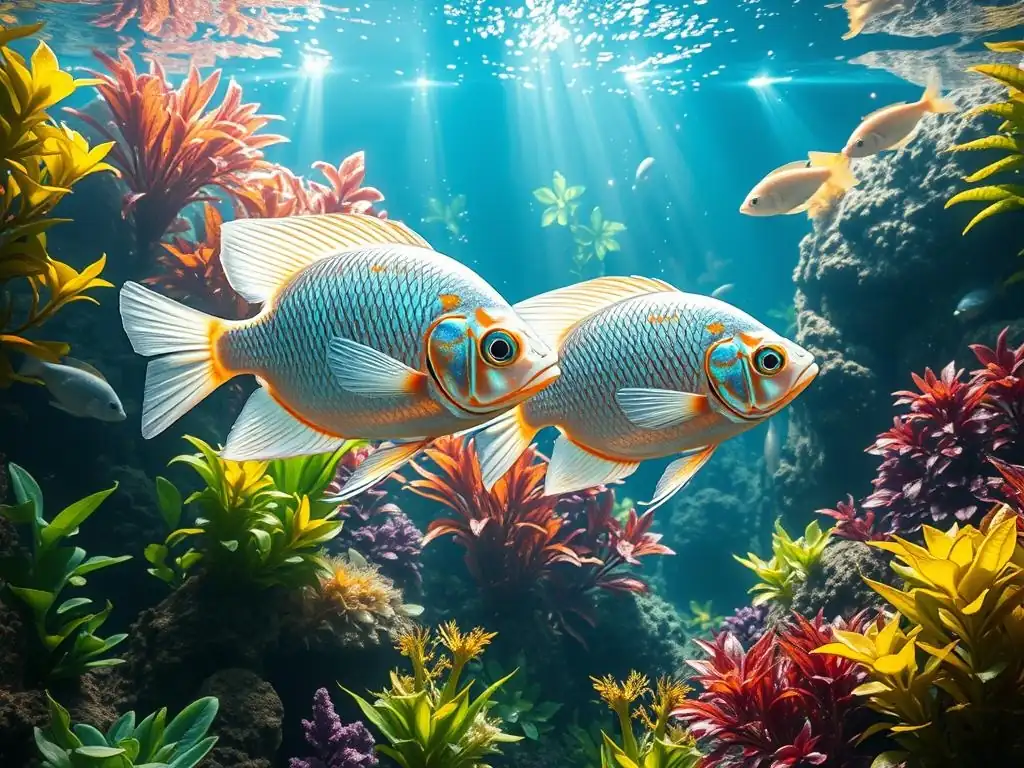
Welcome to Aquarium Mastery, where we unlock the secrets to thriving aquatic ecosystems! Ever wondered about the subtle differences between two of the most captivating freshwater fish? Prepare to be mesmerized as we dive deep into the world of Pearl Gourami and Moonlight Gourami care, exploring their unique personalities, optimal tank conditions, and everything you need to know to bring these ethereal beauties into your aquarium. Ready to unravel the mysteries? Let's begin!
- Introduction: Unveiling the Beauty of Pearl and Moonlight Gouramis
-
Pearl Gourami: A Comprehensive Overview
- Appearance and Characteristics of Pearl Gouramis
- Pearl Gourami Size and Lifespan in the Aquarium
- Pearl Gourami Care: Tank Setup and Water Parameters
- Pearl Gourami Diet and Feeding Habits
- Pearl Gourami Temperament and Compatibility with Tank Mates
- Breeding Pearl Gouramis: A Detailed Guide
- Common Pearl Gourami Diseases and Treatments
-
Moonlight Gourami: A Comprehensive Overview
- Appearance and Characteristics of Moonlight Gouramis
- Moonlight Gourami Size and Lifespan in the Aquarium
- Moonlight Gourami Care: Tank Setup and Water Parameters
- Moonlight Gourami Diet and Feeding Habits
- Moonlight Gourami Temperament and Compatibility with Tank Mates
- Breeding Moonlight Gouramis: A Detailed Guide
- Common Moonlight Gourami Diseases and Treatments
- Pearl Gourami vs. Moonlight Gourami: A Detailed Comparison
- Similarities Between Pearl and Moonlight Gouramis
- Choosing the Right Gourami for Your Aquarium
- Advanced Pearl and Moonlight Gourami Care Tips
- Conclusion: Appreciating the Unique Charms of Pearl and Moonlight Gouramis
-
Frequently Asked Questions
- What are the key differences in appearance between Pearl Gouramis and Moonlight Gouramis?
- What are the ideal tank conditions for both Pearl Gouramis and Moonlight Gouramis?
- Are Pearl Gouramis and Moonlight Gouramis compatible with other fish species?
- What are the feeding requirements for Pearl Gouramis and Moonlight Gouramis?
- What common health issues affect Pearl Gouramis and Moonlight Gouramis?
- Final Reflection: Appreciating Aquatic Harmony
- Ignite Your Aquarium's Radiance!
Introduction: Unveiling the Beauty of Pearl and Moonlight Gouramis
The world of freshwater aquariums offers a dazzling array of fish, and among the most captivating are the gouramis. Known for their graceful movements, intricate patterns, and peaceful demeanor, gouramis make excellent additions to many community tanks. Two species that frequently capture the hearts of aquarists are the Pearl Gourami and the Moonlight Gourami, both celebrated for their unique beauty and relatively manageable care requirements.
While both are members of the Osphronemidae family and share many characteristics, they possess distinct features that set them apart. This article will delve into the specific details of Pearl Gourami Moonlight Gourami care, exploring their individual needs, behaviors, and appearance, before offering a comprehensive comparison to help you decide which ethereal beauty is best suited for your aquatic sanctuary.
Pearl Gourami: A Comprehensive Overview
Appearance and Characteristics of Pearl Gouramis
The Pearl Gourami ( Trichopodus leerii) is renowned for its striking, iridescent pattern that resembles a string of pearls, hence its common name. Its body is adorned with a silvery-brown base color, heavily speckled with numerous pearly white or light blue spots that extend across its fins, creating a stunning, shimmering effect. A distinct black line often runs from the snout to the base of the caudal fin, sometimes fading into the pearly pattern.
Adult Pearl Gouramis typically develop a rich, reddish-orange hue on their throat and ventral fins, especially pronounced in males during breeding season. Males also exhibit longer, more pointed dorsal fins and more extended, filamentous ventral fins compared to females, which have shorter, rounded dorsal fins and a generally less vibrant coloration. This combination of intricate patterns and subtle color shifts makes the Pearl Gourami a truly mesmerizing addition to any well-maintained aquarium.
Pearl Gourami Size and Lifespan in the Aquarium
In a properly maintained aquarium environment, Pearl Gouramis can reach a respectable size, with adults typically growing to about 4 to 5 inches (10 to 12.5 cm) in length. While they are not considered giants of the aquarium world, their moderate size requires adequate swimming space and a suitable tank setup to ensure their comfort and well-being. Their relatively long, flowing ventral fins also contribute to their overall perceived size.
With optimal Pearl Gourami care, including stable water parameters, a balanced diet, and a stress-free environment, these elegant fish can live for a significant period. The average lifespan for a Pearl Gourami is generally between 4 to 6 years, though some well-cared-for individuals have been known to live for up to 8 years or even longer. This longevity makes them a rewarding long-term commitment for dedicated aquarists.
Pearl Gourami Care: Tank Setup and Water Parameters
Providing the right tank setup is crucial for successful Pearl Gourami care. A minimum tank size of 20 gallons (75 liters) is recommended for a single Pearl Gourami, though a 30-gallon (115-liter) or larger tank is ideal for a pair or small group to allow ample swimming space and reduce potential territorial disputes. They thrive in aquariums that are well-planted with floating vegetation, which provides cover and mimics their natural habitat in slow-moving Asian waters.
Water parameters for Pearl Gouramis should be kept stable to prevent stress and disease. They prefer soft to moderately hard water with a general hardness (GH) between 5-15 dGH and a carbonate hardness (KH) between 3-8 dKH. The ideal pH range is slightly acidic to neutral, typically between 6.0 and 7.5. Temperature should be maintained consistently between 75-82°F (24-28°C). Regular partial water changes, typically 25% weekly, are essential to maintain pristine water quality and ensure optimal Pearl Gourami care.
Pearl Gourami Diet and Feeding Habits
Pearl Gouramis are omnivores with a varied diet in their natural habitat, consisting of small invertebrates, algae, and plant matter. In the home aquarium, their diet should reflect this diversity to ensure proper nutrition and vibrant coloration. High-quality flake or pellet food designed for tropical fish should form the staple of their diet, providing essential vitamins and minerals.
Supplementing their dry food with live or frozen options is highly beneficial for comprehensive Pearl Gourami care. Brine shrimp, daphnia, bloodworms, and tubifex worms are excellent choices that provide protein and stimulate natural hunting behaviors. Additionally, blanched vegetables like spinach or spirulina flakes can be offered occasionally to provide necessary plant matter. Feed small amounts two to three times a day, only what they can consume within a few minutes, to avoid overfeeding and water pollution.
Pearl Gourami Temperament and Compatibility with Tank Mates
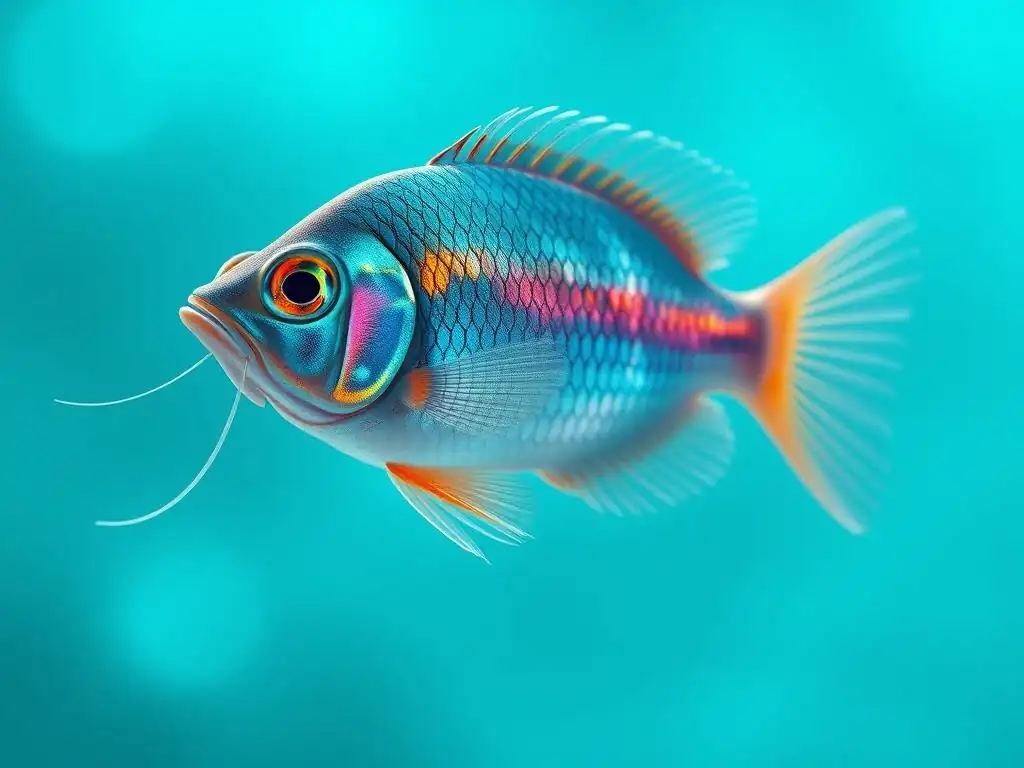
Pearl Gouramis are generally known for their peaceful and docile temperament, making them excellent candidates for community aquariums. Unlike some other gourami species, they are typically not aggressive or overly territorial, especially when given adequate space and appropriate tank mates. They can be kept singly, in pairs, or in small groups, though keeping multiple males in a smaller tank might lead to some minor squabbles.
When selecting tank mates for Pearl Gouramis, prioritize other peaceful, similarly sized fish that are not fin-nippers. Good companions include various species of tetras (e.g., Neon Tetras, Cardinal Tetras, Rummy-nose Tetras), rasboras (e.g., Harlequin Rasboras), corydoras catfish, Otocinclus catfish, and other small, non-aggressive bottom dwellers. Avoid keeping them with very boisterous or aggressive fish, as their long, flowing fins could be targets, leading to stress and injury. Proper Pearl Gourami care includes careful consideration of their social environment.
Breeding Pearl Gouramis: A Detailed Guide
Breeding Pearl Gouramis in the home aquarium is achievable and a rewarding experience for dedicated aquarists. Like other anabantoids, they are bubble nest builders. To encourage breeding, condition a pair with a high-protein diet of live and frozen foods for several weeks. A separate breeding tank, around 15-20 gallons (55-75 liters), with shallow water (6-8 inches deep) and plenty of floating plants like Water Sprite or Anacharis, is recommended.
The male will construct a bubble nest, often incorporating plant material. Once the nest is complete, he will entice the female beneath it, where spawning occurs. The female releases eggs, which the male fertilizes and then places into the nest. After spawning, which can last for several hours and produce hundreds of eggs, the female should be removed as the male becomes highly protective of the nest.
The male will guard the eggs and fry until they are free-swimming, typically within 2-3 days. Once the fry are free-swimming, the male should also be removed, and the fry can be fed infusoria or liquid fry food, gradually transitioning to baby brine shrimp. Successful Pearl Gourami care extends to the delicate process of raising their offspring.
Common Pearl Gourami Diseases and Treatments
Despite robust Pearl Gourami care, these fish, like all aquarium inhabitants, can be susceptible to common freshwater diseases, especially if water quality deteriorates or they experience prolonged stress. Ich (Ichthyophthirius multifiliis), a parasitic infection characterized by white spots resembling salt grains on the body and fins, is one of the most frequently encountered ailments. Fin rot, a bacterial infection causing frayed or deteriorating fins, is another common issue often linked to poor water conditions.
Other potential health concerns include velvet disease (Oodinium), characterized by a fine, dusty, yellowish coating, and various internal parasitic infections if food sources are not clean. Prevention is key in Pearl Gourami care: maintaining stable, pristine water parameters, providing a balanced diet, and avoiding overcrowding significantly reduce the risk of disease. If a disease is suspected, prompt diagnosis and treatment with appropriate aquarium medications, often combined with increased aeration and partial water changes, are crucial for recovery.
Moonlight Gourami: A Comprehensive Overview
Appearance and Characteristics of Moonlight Gouramis
The Moonlight Gourami ( Trichopodus microlepis) presents a stark contrast to the Pearl Gourami in its aesthetic, yet is equally captivating. Its defining characteristic is its uniform, ethereal silvery-white or pale greenish-blue coloration, which gives it a luminous, moonlit appearance. Unlike the speckled Pearl Gourami, the Moonlight Gourami lacks prominent patterns or stripes on its body, relying instead on its subtle iridescence to create a striking visual impact.
Their body shape is typically more rounded and slightly deeper than that of the Pearl Gourami. Like other gouramis, they possess long, filamentous pelvic fins that act as sensory organs, constantly moving and exploring their surroundings. Males can be distinguished from females by their slightly more pointed dorsal fin and often a slightly more robust body shape, though these differences are less pronounced than in Pearl Gouramis. The simplicity of their coloration contributes to their elegant and serene presence in the aquarium.
Moonlight Gourami Size and Lifespan in the Aquarium
Moonlight Gouramis are generally larger than Pearl Gouramis, making them a more substantial presence in the aquarium. Adults typically reach lengths of 5 to 6 inches (12.5 to 15 cm), with some individuals potentially growing a bit larger under optimal conditions. Their larger size means they require more swimming space and a more spacious tank setup to thrive comfortably.
With proper Moonlight Gourami care, these fish can enjoy a considerable lifespan, often ranging from 4 to 6 years. Exceptional care, including consistent water quality, a nutritious diet, and a low-stress environment, can extend their lives even further, sometimes up to 7 or 8 years. Their longevity makes them a long-term commitment, offering years of enjoyment for the dedicated aquarist.
Moonlight Gourami Care: Tank Setup and Water Parameters
Due to their larger adult size, Moonlight Gouramis require a more spacious tank than Pearl Gouramis. A minimum tank size of 30 gallons (115 liters) is recommended for a single specimen, while a pair or small group would ideally need a 40-gallon (150-liter) or larger aquarium to provide ample territory and reduce potential conflicts. Like Pearl Gouramis, they appreciate a well-planted tank with plenty of hiding spots created by live plants, driftwood, or rock formations. Floating plants are also highly valued, offering a sense of security and diffuse lighting.
Maintaining stable and appropriate water parameters is fundamental for effective Moonlight Gourami care. They prefer soft to moderately hard water, with a general hardness (GH) between 4-10 dGH. The ideal pH range is slightly acidic to neutral, typically from 6.0 to 7.5. The water temperature should be kept consistently between 75-82°F (24-28°C). Regular water changes, approximately 25% weekly, are vital for removing nitrates and maintaining the pristine conditions necessary for their health.
Moonlight Gourami Diet and Feeding Habits
Moonlight Gouramis are omnivores, and their diet in the aquarium should reflect this natural feeding behavior to ensure their vitality and vibrant appearance. A high-quality flake or pellet food formulated for tropical omnivores should serve as the primary dietary staple. Look for products that list fish meal, spirulina, and other plant-based ingredients among the first few components.
To provide a well-rounded diet and enhance their overall health, supplement dry foods with a variety of live or frozen options. Brine shrimp, bloodworms, daphnia, and mosquito larvae are excellent protein sources that are readily accepted. Additionally, blanched vegetables such as zucchini, shelled peas, or spirulina wafers can be offered occasionally to provide essential vegetable matter. Feeding small amounts two to three times a day is recommended, ensuring all food is consumed within a few minutes to prevent water contamination, a key aspect of Moonlight Gourami care.
Moonlight Gourami Temperament and Compatibility with Tank Mates
Moonlight Gouramis are generally considered peaceful fish, though they can be somewhat shy initially. They are typically less boisterous than some other gourami species and can make good additions to a calm community aquarium. While often kept singly, they can also be housed in pairs or small groups, provided the tank is sufficiently large to accommodate their adult size and allow for individual territories. Males might exhibit some minor territoriality towards each other, especially if space is limited.
When choosing tank mates for Moonlight Gouramis, opt for other peaceful, similarly sized community fish that won't harass them or nip at their long ventral fins. Suitable companions include larger tetras (e.g., Congo Tetras), peaceful barbs (e.g., Cherry Barbs), Rainbowfish, Corydoras catfish, and other non-aggressive bottom dwellers. Avoid highly aggressive or overly energetic fish that could stress the Moonlight Gourami, as well as very small, delicate species that might be outcompeted for food. Thoughtful selection of tank mates is crucial for effective Moonlight Gourami care.
Breeding Moonlight Gouramis: A Detailed Guide
Breeding Moonlight Gouramis is a fascinating process that mirrors many aspects of Pearl Gourami breeding, as both are bubble nest builders. To encourage spawning, condition a healthy pair on a diet rich in live and frozen foods. A dedicated breeding tank of at least 20-30 gallons (75-115 liters) is recommended, with shallow water (6-8 inches deep) and plenty of surface cover from floating plants like Hornwort or Frogbit, where the male can anchor his bubble nest.
The male will construct a robust bubble nest, often incorporating plant debris. Once the nest is ready, he will display to the female, enticing her beneath it. Spawning involves the male embracing the female, and as she releases eggs, he fertilizes them and carefully places them into the nest. After spawning, the female should be removed from the breeding tank, as the male will aggressively guard the nest and the developing eggs.
The eggs typically hatch within 24-48 hours, and the fry become free-swimming a few days later. Once free-swimming, the male should also be removed, and the fry fed infusoria or commercially prepared liquid fry food, transitioning to baby brine shrimp as they grow. Successful Moonlight Gourami care during breeding ensures the survival of the next generation.
Common Moonlight Gourami Diseases and Treatments
Moonlight Gouramis are generally hardy fish, but like all aquarium inhabitants, they can fall prey to common freshwater diseases if their environment is not optimal or they are subjected to stress. Bacterial infections, such as fin rot or columnaris (cottonmouth disease), can occur, often manifesting as frayed fins, lesions, or white patches on the body. Parasitic infections like Ich (white spot disease) are also common, particularly if new fish are introduced without proper quarantine or if water parameters fluctuate.
Fungal infections, which appear as white, cotton-like growths, can also affect Moonlight Gouramis, often secondary to an injury or other underlying illness. To prevent these issues, consistent and meticulous Moonlight Gourami care is paramount: maintain excellent water quality through regular water changes, provide a balanced and nutritious diet, and avoid overcrowding. If signs of illness are observed, prompt action is necessary. Isolate affected fish if possible, accurately diagnose the condition, and administer appropriate aquarium-safe medications according to instructions, often alongside increased aeration and temperature adjustments.
Pearl Gourami vs. Moonlight Gourami: A Detailed Comparison
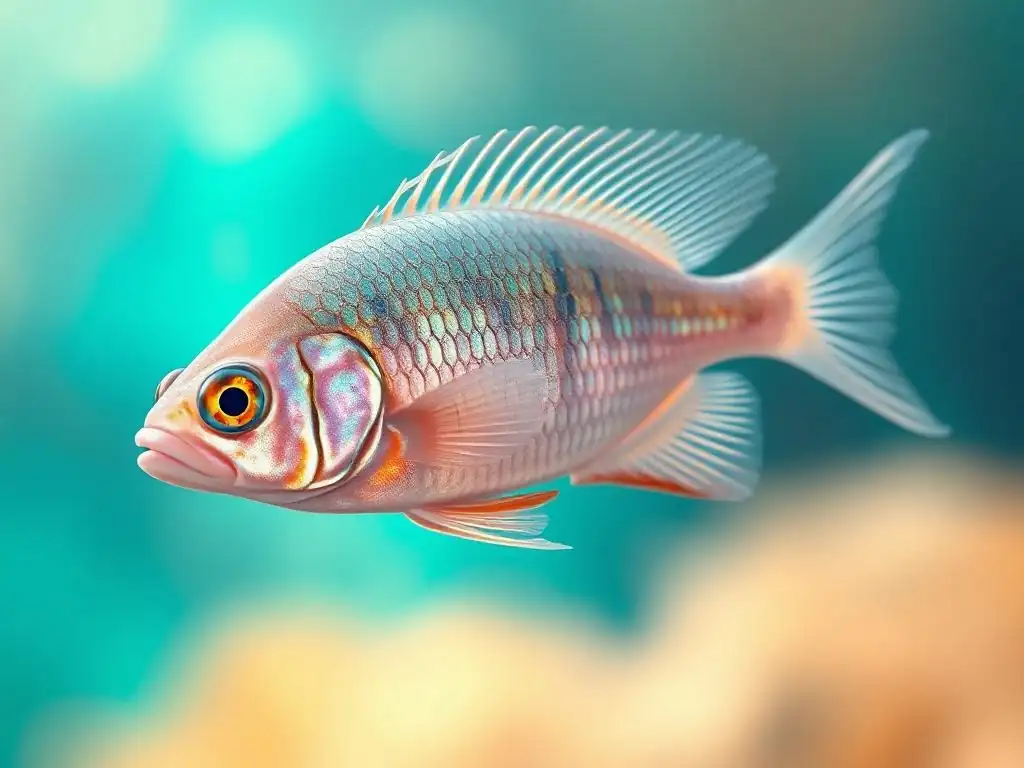
Physical Appearance: Spotting the Differences
The most immediate and striking difference between the Pearl Gourami and the Moonlight Gourami lies in their coloration and patterning. The Pearl Gourami ( Trichopodus leerii) is characterized by its intricate, pearl-like spots covering a brownish-silver body, often with a distinct black lateral line and reddish-orange coloration on the throat and ventral fins, particularly in males. This creates a detailed, shimmering effect.
In contrast, the Moonlight Gourami ( Trichopodus microlepis) is known for its uniform, ethereal silvery-white to pale greenish-blue body with virtually no distinct markings or patterns. Its beauty is found in its subtle iridescence and unblemished, luminous appearance. While both species possess the characteristic long, filamentous ventral fins, the overall body shape of the Moonlight Gourami is often slightly deeper and more robust than the more streamlined Pearl Gourami.
Temperament and Behavior: Which Gourami is More Peaceful?
Both Pearl Gouramis and Moonlight Gouramis are generally considered peaceful fish, making them suitable for community aquariums. However, there are subtle differences in their typical behavior patterns. Pearl Gouramis are often described as exceptionally peaceful and shy, preferring a calm environment and spending their time gracefully swimming through plants. They are rarely aggressive towards tank mates, though males may engage in minor, harmless sparring over territory or during breeding.
Moonlight Gouramis are also peaceful but can be a bit shyer and more reserved than Pearl Gouramis, especially when first introduced to a new tank. While generally docile, some individual Moonlight Gouramis, particularly males, might display slight territoriality, especially in smaller tanks or if housed with other large, similarly shaped fish. Both species thrive best with non-aggressive tank mates, but the Pearl Gourami is arguably the more consistently docile choice for a very tranquil community setup.
Tank Size Requirements: Matching the Gourami to Your Aquarium
The difference in adult size between the two species directly impacts their minimum tank size requirements, a critical aspect of Pearl Gourami Moonlight Gourami care. Pearl Gouramis, reaching up to 4-5 inches (10-12.5 cm), can be comfortably housed in a minimum of a 20-gallon (75-liter) aquarium for a single specimen or a pair. A 30-gallon (115-liter) tank offers even more room and is ideal for a small group.
Moonlight Gouramis, which grow larger at 5-6 inches (12.5-15 cm), require more spacious accommodations. A minimum of a 30-gallon (115-liter) tank is recommended for a single Moonlight Gourami, while a pair or small group would ideally need a 40-gallon (150-liter) or larger aquarium. Providing ample space is crucial for reducing stress, preventing territorial disputes, and ensuring the long-term health and well-being of these larger gouramis.
Water Parameter Preferences: Ensuring Optimal Health
While both Pearl and Moonlight Gouramis originate from similar regions in Southeast Asia and share broad water parameter tolerances, there can be slight nuances in their ideal ranges, which are important for their specific Pearl Gourami Moonlight Gourami care. Both prefer soft to moderately hard water and a slightly acidic to neutral pH.
Specifically, Pearl Gouramis thrive in a pH range of 6.0-7.5, with general hardness (GH) between 5-15 dGH. Moonlight Gouramis also prefer a pH of 6.0-7.5, but often lean towards slightly softer water with a GH between 4-10 dGH. Both species require a stable water temperature between 75-82°F (24-28°C). Consistent water quality, achieved through regular water changes and proper filtration, is paramount for both species, regardless of these minor differences.
Dietary Needs: What Do They Eat?
The dietary needs of Pearl Gouramis and Moonlight Gouramis are remarkably similar, as both are omnivorous and benefit from a varied diet. Their natural diets consist of small invertebrates, algae, and plant matter, and this should be replicated in the aquarium. High-quality flake or pellet foods should form the foundation of their diet.
To ensure optimal health and vibrant coloration, both species greatly benefit from regular supplementation with live or frozen foods such as brine shrimp, bloodworms, daphnia, and mosquito larvae. Additionally, providing some vegetable matter, like blanched spinach, spirulina flakes, or small pieces of zucchini, is beneficial for both Pearl and Moonlight Gourami care. Overfeeding should be avoided to maintain water quality and prevent digestive issues in either species.
Breeding Differences: A Side-by-Side Comparison
The breeding behaviors of Pearl Gouramis and Moonlight Gouramis are very similar, as both are bubble nest builders within the anabantoid family. Both males construct a nest of bubbles at the water's surface, often incorporating plant material, to house the eggs. Spawning involves the male embracing the female, and after the eggs are laid and fertilized, the male carefully places them into the nest.
A key difference, however, lies in the male's post-spawning behavior and the size of the fry. Both males will guard the nest aggressively, but Moonlight Gourami males can be particularly territorial. The fry of both species are very small and require infusoria or specialized liquid fry food initially. Due to the Moonlight Gourami's larger adult size, their fry may be marginally larger at hatching, but the general process and care for the fry remain largely consistent for both types of Pearl Gourami Moonlight Gourami care.
Similarities Between Pearl and Moonlight Gouramis
Despite their distinct appearances, Pearl Gouramis and Moonlight Gouramis share many fundamental care requirements, making general Pearl Gourami Moonlight Gourami care practices applicable to both. Both species thrive in well-planted aquariums with plenty of surface cover provided by floating plants, which offer security and diffuse light. They also appreciate driftwood and other decorations that create hiding spots and break up lines of sight, mimicking their natural, often densely vegetated habitats.
Maintaining stable and pristine water quality is paramount for both. This includes consistent temperatures between 75-82°F (24-28°C), soft to moderately hard water, and a slightly acidic to neutral pH (6.0-7.5). Regular partial water changes (25% weekly) are essential for removing nitrates and preventing the buildup of harmful compounds. Furthermore, both gouramis are labyrinth fish, meaning they possess a specialized organ that allows them to breathe atmospheric air, so access to the water surface is crucial.
Ideal Tank Mate Compatibility for Both Species
Both Pearl Gouramis and Moonlight Gouramis are generally peaceful community fish, and their ideal tank mates largely overlap. They are best kept with other equally peaceful, non-aggressive species that are not known for fin-nipping. Fast-moving or boisterous fish can stress them, while aggressive species can injure their delicate fins.
Suitable tank mates for both include a variety of peaceful schooling fish such as Neon Tetras, Cardinal Tetras, Harlequin Rasboras, and various species of Corydoras catfish. Other calm, bottom-dwelling fish like Otocinclus catfish are also good choices. Avoiding species that are significantly larger or smaller, or those with a reputation for aggression or fin-nipping, is a key component of successful Pearl Gourami Moonlight Gourami care for either species in a community setting.
Preventing Common Gourami Diseases
Preventing diseases in both Pearl and Moonlight Gouramis relies on similar principles of proactive Pearl Gourami Moonlight Gourami care. The cornerstone of disease prevention is maintaining consistently excellent water quality. This means regular monitoring of water parameters (pH, ammonia, nitrite, nitrate), performing routine partial water changes, and ensuring adequate filtration. Stress, often caused by poor water conditions, overcrowding, or incompatible tank mates, significantly weakens their immune systems, making them susceptible to illness.
A balanced and varied diet is also crucial for boosting their natural defenses. Feeding high-quality foods supplemented with live or frozen options provides essential nutrients. Quarantining new fish for at least two to four weeks before introducing them to the main aquarium is a critical step to prevent the introduction of pathogens like Ich or velvet. Observing fish daily for any changes in behavior or appearance allows for early detection and treatment, which is vital for the recovery of any affected gourami.
Choosing the Right Gourami for Your Aquarium
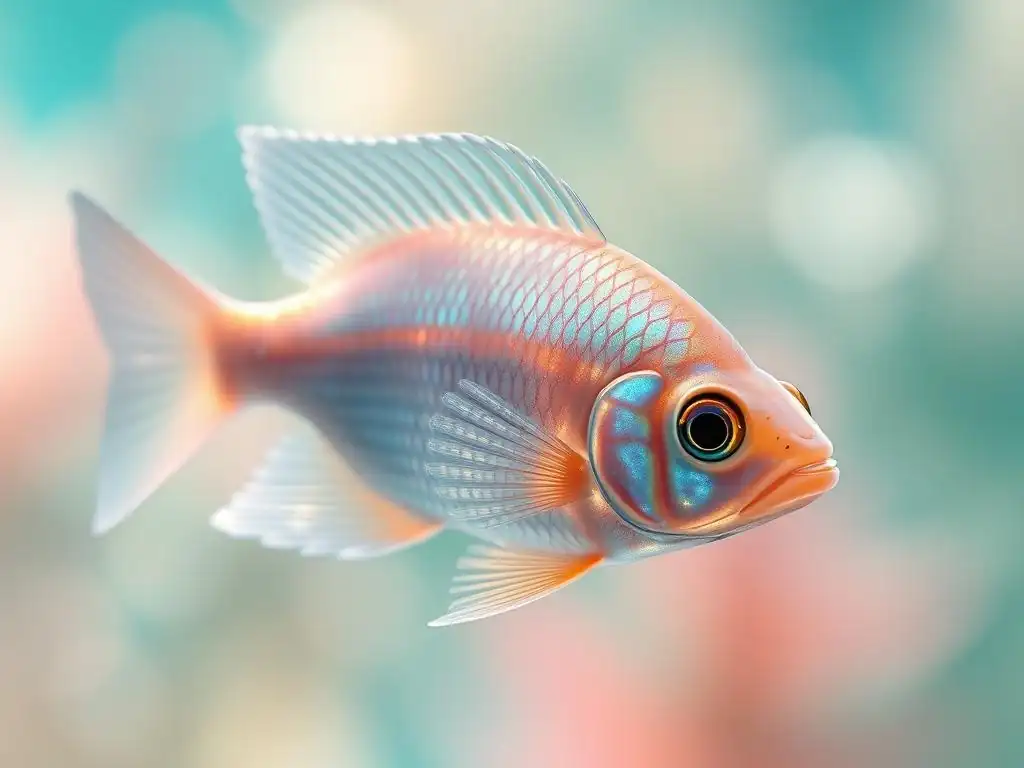
Assessing Your Tank's Suitability for Pearl or Moonlight Gouramis
The first step in choosing between a Pearl Gourami and a Moonlight Gourami is a realistic assessment of your existing or planned aquarium setup. Consider the tank's dimensions and total volume. For a single Pearl Gourami or a pair, a 20-gallon long (75-liter) or 30-gallon (115-liter) tank is typically sufficient, offering enough swimming space and territory.
However, if you are drawn to the larger Moonlight Gourami, a minimum of a 30-gallon (115-liter) tank for a single specimen or a 40-gallon (150-liter) or larger tank for a pair or small group is necessary. Ensure your filtration system is robust enough to handle the bioload of your chosen gourami and its tank mates. Also, consider the existing decor; both species appreciate dense planting and floating vegetation, so ensure your setup can accommodate these elements to provide a comfortable and secure environment for your chosen gourami.
Considering Your Experience Level with Aquarium Keeping
Both Pearl Gouramis and Moonlight Gouramis are generally considered good choices for intermediate aquarists, but their relative hardiness and specific needs can influence the best fit for your experience level. Pearl Gouramis are often cited as slightly more forgiving and peaceful, making them an excellent choice for those with some experience in maintaining stable water parameters and a community tank. Their serene nature makes them less prone to stress-induced issues.
Moonlight Gouramis, while also peaceful, are larger and can be a bit more sensitive to water quality fluctuations due to their size. Their shyness might also require a more patient approach from the aquarist. If you are new to the hobby, or prefer a fish that is less demanding regarding tank size and very consistently peaceful, the Pearl Gourami might be a slightly easier entry point into Pearl Gourami Moonlight Gourami care. However, with diligence, both can thrive under the care of a dedicated hobbyist.
Matching Gourami Temperament to Your Existing Fish
When adding either a Pearl or Moonlight Gourami to an existing community tank, carefully consider the temperament of your current inhabitants. Both gouramis are peaceful, but their long, flowing ventral fins can be an irresistible target for fin-nipping species. Avoid housing them with notorious fin-nippers like certain types of barbs (e.g., Tiger Barbs, unless in very large schools) or aggressive cichlids.
Also, consider the activity level of your existing fish. Very fast-moving or boisterous tank mates can stress out these generally calm gouramis, leading to shyness and potential health issues. Opt for similarly peaceful and moderately active fish such as tetras, rasboras, and corydoras catfish, which will coexist harmoniously. Ensuring a compatible community is a cornerstone of successful Pearl Gourami Moonlight Gourami care, allowing both your new gourami and existing fish to thrive without undue stress.
Advanced Pearl and Moonlight Gourami Care Tips
Optimizing Water Quality for Gourami Health
Beyond basic weekly water changes, advanced Pearl Gourami Moonlight Gourami care involves meticulous attention to water quality optimization. Regularly test your water parameters (ammonia, nitrite, nitrate, pH, GH, KH) to detect subtle fluctuations before they become problematic. Investing in a high-quality liquid test kit provides more accurate readings than test strips. Aim for nitrates below 20 ppm; if they consistently rise, consider increasing the frequency or volume of your water changes.
Enhance filtration by using a filter that provides excellent mechanical, chemical, and biological filtration. Consider adding supplemental biological media if your filter's capacity is limited. Incorporating live plants not only provides aesthetic beauty and hiding spots but also naturally absorbs nitrates, contributing to cleaner water. Ensure good water circulation without creating strong currents, as both gouramis prefer calmer waters. Consistent monitoring and proactive adjustments are key to long-term gourami health.
Providing Enrichment and Stimulation
While gouramis are not typically high-energy fish, providing environmental enrichment is crucial for their mental and physical well-being. This aspect of Pearl Gourami Moonlight Gourami care goes beyond basic necessities. A heavily planted tank with a mix of tall background plants, mid-ground foliage, and floating plants offers varied textures and hiding spots, allowing them to explore and feel secure. Floating plants are particularly important as they mimic the surface cover gouramis seek in nature and can aid in reducing stress.
Varying their diet with different types of live or frozen foods (e.g., bloodworms one day, brine shrimp the next) stimulates their natural foraging instincts. Introducing new, safe decorations or rearranging existing ones periodically (without causing undue stress) can also provide novel stimuli. A gentle current from a filter outflow, directed to create a calm zone, can offer a place for them to play or rest. A stimulated gourami is a healthier, more vibrant gourami.
Recognizing Early Signs of Illness in Gouramis
Early detection is paramount in treating any fish illness effectively, and this holds true for advanced Pearl Gourami Moonlight Gourami care. Regularly observe your gouramis for any subtle changes in behavior, appearance, or feeding habits. Healthy gouramis will typically be active, curious, and show a good appetite. Their coloration will be vibrant, and their fins will be intact and held erect.
Signs of potential illness include clamped fins, labored breathing (rapid gill movement), dull coloration, loss of appetite, hiding excessively, abnormal swimming patterns (e.g., listing, darting, or rubbing against decor), or any visible spots, lesions, or growths on their body or fins. For instance, a Pearl Gourami losing its pearly sheen or a Moonlight Gourami appearing cloudy could indicate a problem. Swelling, bulging eyes, or stringy white feces are also red flags. Promptly isolating affected fish and researching symptoms will allow for a quicker diagnosis and more effective treatment, significantly improving their chances of recovery.
Conclusion: Appreciating the Unique Charms of Pearl and Moonlight Gouramis
Both the Pearl Gourami and the Moonlight Gourami stand as testament to the exquisite beauty found within the freshwater aquarium hobby. While the Pearl Gourami captivates with its intricate, shimmering patterns resembling scattered jewels, the Moonlight Gourami enchants with its serene, luminous silver-white elegance. Each species brings its own distinct aesthetic and subtle behavioral nuances to the home aquarium, enriching the aquatic landscape with their graceful presence.
Understanding the specific requirements for Pearl Gourami Moonlight Gourami care, from their preferred tank sizes and water parameters to their dietary needs and social behaviors, is crucial for ensuring their long-term health and vibrancy. Whether you choose the ornate Pearl or the ethereal Moonlight, providing a well-maintained, stable environment with compatible tank mates will allow these anabantoid beauties to thrive, offering years of peaceful enjoyment and becoming truly treasured inhabitants of your aquatic masterpiece.
Frequently Asked Questions
What are the key differences in appearance between Pearl Gouramis and Moonlight Gouramis?
Pearl Gouramis are known for their pearl-like spots across their body and orange-red ventral fins. Moonlight Gouramis, conversely, have a more silvery, moonlit appearance and elongated ventral fins.
What are the ideal tank conditions for both Pearl Gouramis and Moonlight Gouramis?
Both prefer warm, well-planted tanks with plenty of swimming space and hiding spots. Temperature should be kept between 77-82°F, and the water should be soft and slightly acidic.
Are Pearl Gouramis and Moonlight Gouramis compatible with other fish species?
Yes, both are generally peaceful and can be kept with other peaceful community fish. Avoid aggressive or fin-nipping species that might stress them out.
What are the feeding requirements for Pearl Gouramis and Moonlight Gouramis?
They are omnivores and will accept a variety of foods, including flake food, frozen food, and live food. Ensure a balanced diet for optimal health and coloration.
What common health issues affect Pearl Gouramis and Moonlight Gouramis?
Like other aquarium fish, they can be susceptible to Ich (white spot disease) and other parasitic or bacterial infections. Maintaining good water quality is crucial for preventing illness.
Okay, here's a final reflection designed to close your "Pearl Gourami vs. Moonlight Gourami: A Tale of Two Ethereal Beauties" article, optimized for emotional connection and reflection, while subtly reinforcing the "Pearl Gourami Moonlight Gourami care" keyword:
Final Reflection: Appreciating Aquatic Harmony
The delicate dance between Pearl Gouramis and Moonlight Gouramis, as we've explored, highlights the beauty and responsibility inherent in aquarium keeping. Understanding their nuanced needs and appreciating their unique characteristics is paramount to creating a thriving aquatic ecosystem. This isn't just about keeping fish alive; it's about fostering an environment where these ethereal beauties can truly flourish.
The allure of these gouramis extends beyond their aesthetic appeal; it's a testament to our desire to connect with nature and create miniature worlds of tranquility. My own journey with these fish has taught me patience, observation, and the profound interconnectedness of life within an aquarium. In every drop of water, there is a story of life, a story that we can learn to read if we only take the time to listen.
This quote resonates deeply when considering the delicate balance required for successful Pearl Gourami and Moonlight Gourami care.
Now, as you close this article, consider the lessons learned. Reflect on the responsibility we bear as caretakers of these living jewels. Are you prepared to dedicate the time and effort required to provide optimal Pearl Gourami Moonlight Gourami care? Let the knowledge you've gained inspire you to create a haven where these ethereal beauties can thrive, bringing joy and tranquility to your life and a vibrant splash of life to your home.
Ignite Your Aquarium's Radiance!
Thank you for diving into the enchanting world of Pearl and Moonlight Gouramis! Now that you've discovered the subtle differences and unique charms of these ethereal fish, let's bring that knowledge to life.
Here are a few ways to connect with these captivating creatures:
- Embark on the Ultimate Biotope Project: Plan and begin setting up an aquarium specifically designed to mimic the natural habitat of either the Pearl or Moonlight Gourami. Consider water parameters, plant selections, and tankmates to create the ideal environment.
- Document your Gourami Journey: Share your experiences, photos, and videos of your Pearl or Moonlight Gouramis on social media using the hashtag #AquariumMasteryGouramis. Let's build a community of Gourami enthusiasts!
- Unleash Your Creativity: Design an original aquarium background inspired by the iridescence and color palettes found in these fish. Experiment with different materials and techniques.
What unique detail about Pearl or Moonlight Gouramis most inspires you to create a more vibrant and engaging aquarium?