
The Graceful Pearl Gourami: Understanding Its Gentle Behavior and Needs

Welcome to Aquarium Mastery!
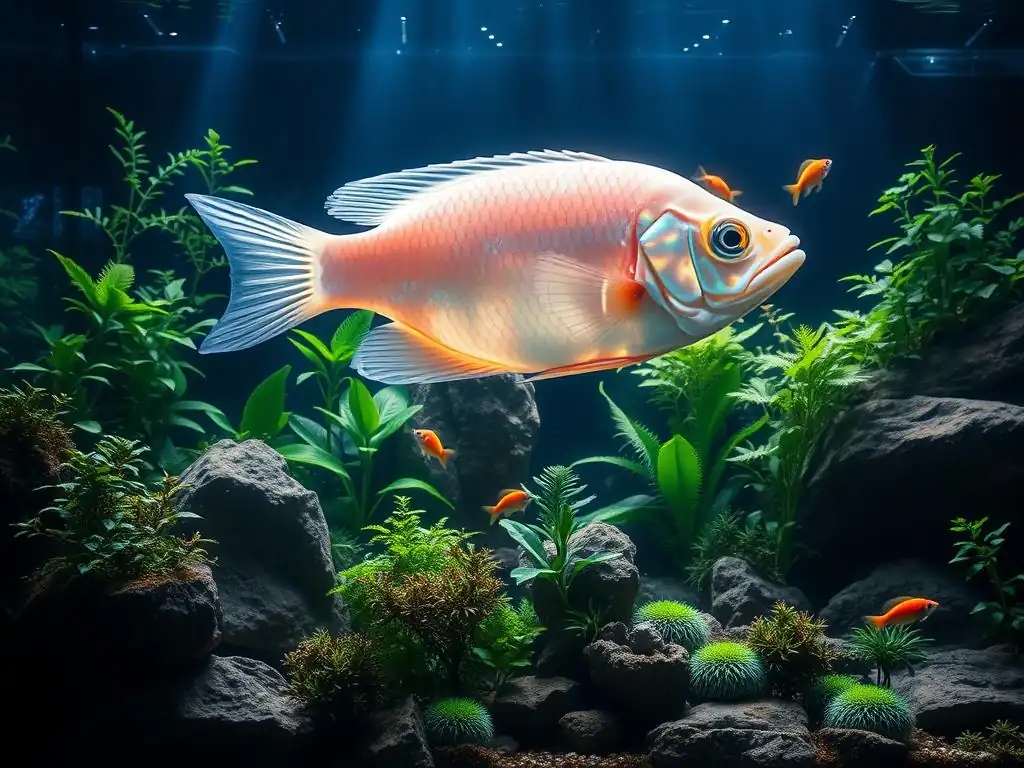
Intrigued by the gentle grace of the aquatic world? Dive in and discover the secrets to a thriving aquarium. Today, we unravel the mysteries surrounding one of the most captivating freshwater fish: the Pearl Gourami. Ever wondered how to perfectly cater to their unique needs and ensure they flourish in your care? Keep reading for our definitive Pearl Gourami care guide, and unlock the secrets to a happy and healthy aquatic life for these beautiful creatures!
- Pearl Gourami Care Guide: Introduction to a Peaceful Aquarium Inhabitant
- Pearl Gourami Appearance and Identification: A Detailed Overview
- Pearl Gourami Tank Setup: Creating the Ideal Habitat
- Pearl Gourami Diet and Feeding: Ensuring Optimal Health
- Pearl Gourami Tank Mates: Choosing Compatible Species
- Pearl Gourami Behavior and Temperament: Observing Their Gentle Nature
- Pearl Gourami Health and Disease Prevention: Common Issues and Solutions
- Pearl Gourami Breeding: A Rewarding Experience for Advanced Aquarists
- Maintaining a Thriving Pearl Gourami Aquarium: Long-Term Care Tips
-
Frequently Asked Questions
- How large does a Pearl Gourami typically grow in an aquarium?
- What are the ideal water parameters for a Pearl Gourami tank?
- What kind of temperament do Pearl Gouramis have, and are they compatible with other fish?
- What should I feed my Pearl Gourami to ensure it stays healthy?
- What are some common health issues that can affect Pearl Gouramis, and how can I prevent them?
- Final Reflection: Embracing the Gentle Art of Pearl Gourami Keeping
- Embrace the Serenity: Nurture Your Own Pearl Gourami Paradise!
Pearl Gourami Care Guide: Introduction to a Peaceful Aquarium Inhabitant
Why Choose a Pearl Gourami for Your Freshwater Tank?
The Pearl Gourami, scientifically known as Trichogaster leerii, is a highly sought-after freshwater fish renowned for its striking beauty and serene disposition. Its body is adorned with iridescent, pearl-like spots that shimmer under aquarium lighting, complemented by a distinct dark horizontal line and flowing, delicate fins. These attributes make it an exquisite centerpiece or a graceful addition to a peaceful community tank, offering a visual appeal that few other species can match. Their calm demeanor also significantly reduces the risk of aggression towards other tank inhabitants, making them an ideal choice for aquarists aiming for a harmonious environment.
Beyond their aesthetic charm, Pearl Gouramis possess a unique adaptation: the labyrinth organ. This specialized organ allows them to breathe atmospheric air directly from the surface, a trait that contributes to their hardiness and adaptability in various water conditions, provided basic parameters are met.
Their engaging behaviors, such as the male's intricate bubble nest building during breeding, add another layer of fascination to their presence, offering aquarists a rewarding observation experience. This ease of care combined with their captivating appearance makes them suitable for both novice and experienced hobbyists looking for a tranquil yet vibrant addition to their freshwater aquarium.
Understanding the Pearl Gourami's Peaceful Nature
The Pearl Gourami is celebrated for its exceptionally peaceful temperament, a characteristic that sets it apart from some of its more territorial gourami cousins. Unlike certain dwarf gouramis or the often boisterous kissing gouramis, Trichogaster leerii rarely exhibits aggression towards tank mates. They are not prone to fin-nipping or bullying, making them an excellent candidate for community aquariums housing other docile species. This placid nature ensures a stress-free environment for all inhabitants, promoting overall fish health and well-being.
Their social interactions are typically gentle. While they can be kept singly, in pairs, or in small groups, they generally maintain a respectful distance from other fish, preferring to explore their environment or gracefully glide through planted areas. They do not exhibit strong schooling behaviors but seem to appreciate the presence of their own kind, which can enhance their confidence and natural behaviors. This peaceful disposition is a cornerstone of successful Pearl gourami care, ensuring compatibility with a wide range of non-aggressive species and contributing to a harmonious aquatic ecosystem.
Pearl Gourami Appearance and Identification: A Detailed Overview
Identifying Features of Trichogaster leerii
The Pearl Gourami, Trichogaster leerii, is instantly recognizable by its distinctive "pearly" iridescent spots that cover its entire body, giving it a shimmering, jewel-like appearance. These spots are set against a base color that ranges from silvery-brown to a more reddish-brown, often with a prominent, jagged dark line or series of blotches running horizontally from its snout to the base of its caudal fin. A key identifying feature is their long, thread-like pelvic fins, which are highly sensitive and used to explore their surroundings, acting almost like antennae.
The coloration of a healthy Pearl Gourami is vibrant and can intensify significantly, especially in males during breeding periods or when the fish is thriving in optimal conditions. Males typically exhibit a stunning orange-red coloration on their throat, belly, and anal fin, which becomes particularly vivid when they are ready to breed. Their dorsal fin is also longer and more pointed than that of the female. These unique markings and fin characteristics make Trichogaster leerii a visually stunning and easily identifiable species within the aquarium hobby.
Pearl Gourami Size and Lifespan in Captivity
In a well-maintained captive environment, Pearl Gouramis typically reach an adult size of approximately 4 to 5 inches (10 to 12.5 cm) in total length. This makes them a medium-sized freshwater fish, perfectly suited for aquariums that are at least 20 gallons (around 75 liters) in capacity. Their moderate size ensures they have ample space to swim and explore, which is crucial for their well-being and for exhibiting their natural behaviors. Providing adequate space is a fundamental aspect of comprehensive Pearl gourami care.
With proper husbandry, including stable water parameters, a balanced diet, and a low-stress environment, Pearl Gouramis can enjoy a relatively long lifespan. On average, these fish live for 4 to 6 years in a home aquarium. There have been anecdotal reports of Pearl Gouramis living up to 7 years or even slightly longer under exceptional care. Their longevity is a testament to the benefits of consistent, high-quality maintenance and attention to their specific needs, making them a rewarding long-term inhabitant for dedicated aquarists.
Sexing Pearl Gouramis: Distinguishing Males and Females
Distinguishing between male and female Pearl Gouramis becomes relatively straightforward as they mature, particularly when they are in good condition and approaching breeding age. The most striking difference lies in the coloration and fin morphology of the males. Male Pearl Gouramis exhibit a much more vibrant and extensive orange-red coloration on their throat and belly, which intensifies dramatically during courtship and breeding. Their dorsal fin is also noticeably longer and more pointed, often extending beyond the base of their caudal (tail) fin.
In contrast, female Pearl Gouramis are typically less colorful, lacking the intense orange-red on their underside; their coloration remains more muted, often a silvery-brown. Their dorsal fin is shorter and more rounded, not extending as far back as the male's.
Additionally, mature females tend to have a plumper body shape, especially when they are gravid (carrying eggs), making them appear fuller in the abdomen compared to the more streamlined males. These distinct visual cues are invaluable for aquarists aiming to breed Pearl Gouramis or to simply maintain a balanced male-to-female ratio in their community tank, which is a useful piece of knowledge for any Pearl gourami care guide.
Pearl Gourami Tank Setup: Creating the Ideal Habitat
Optimal Tank Size for Pearl Gouramis
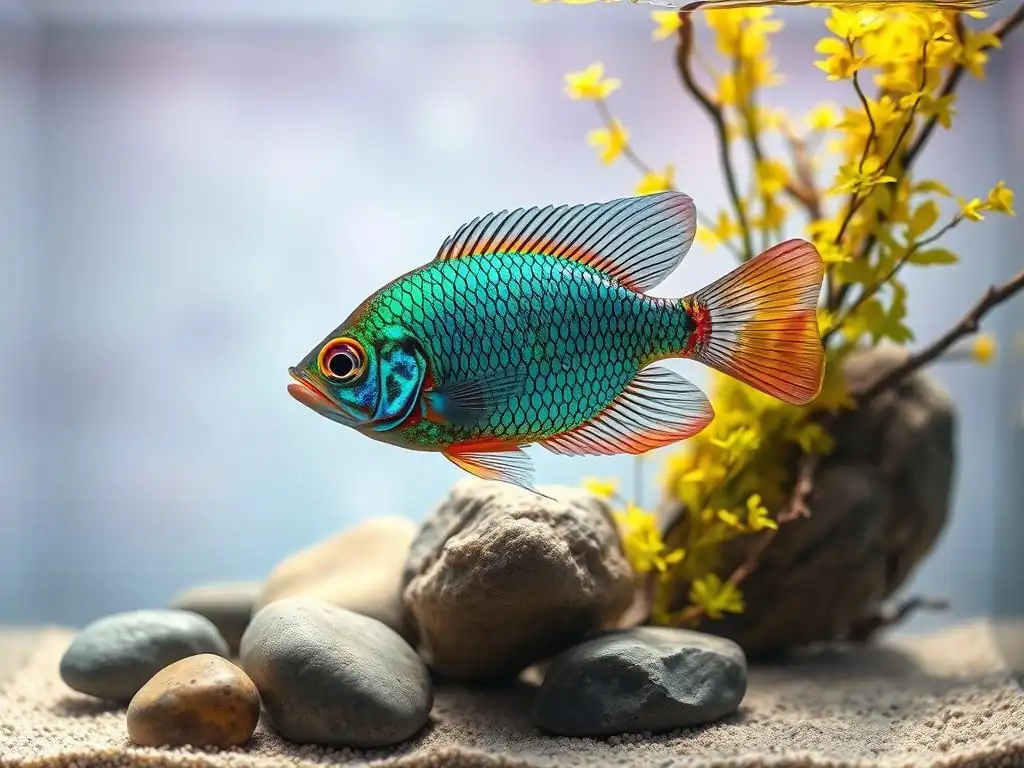
Selecting the appropriate tank size is a critical first step in providing excellent Pearl gourami care. For a single Pearl Gourami, a minimum aquarium size of 20 gallons (approximately 75 liters) is recommended. This volume provides sufficient swimming space for these active yet graceful fish and helps ensure greater stability in water parameters, which is vital for their health. A 20-gallon tank allows for proper aquascaping with plants and decor, creating a comfortable and secure environment.
For those wishing to keep a pair or a small group of Pearl Gouramis, or to integrate them into a diverse community tank, a larger aquarium of 30 gallons (around 113 liters) or more is highly advisable. Increased tank volume reduces the likelihood of territorial disputes, even among these peaceful fish, and provides more surface area for bubble nest building if breeding is a goal. Larger tanks also offer more dilution for waste products, contributing to more stable and pristine water quality, which directly impacts the longevity and vibrancy of your Pearl Gouramis.
Water Parameters for Pearl Gouramis: Temperature, pH, and Hardness
Maintaining precise water parameters is fundamental to successful Pearl gourami care. These tropical fish thrive in warm, stable conditions. The ideal water temperature range for Pearl Gouramis is between 75°F and 82°F (24°C to 28°C). Consistent temperature is crucial; sudden fluctuations can cause stress and weaken their immune system, making them susceptible to disease. A reliable aquarium heater with a thermostat is essential to maintain this stability.
Regarding water chemistry, Pearl Gouramis prefer slightly acidic to neutral water. The optimal pH range is typically 6.0 to 7.5. For water hardness, they do best in soft to moderately hard water, generally ranging from 5-15 dGH (degrees of General Hardness), which translates to approximately 80-250 ppm. Regular testing of these parameters using a quality aquarium test kit is vital to ensure the water remains within their preferred range. Deviations should be corrected promptly and gradually to avoid shocking the fish, underscoring the importance of diligent water parameter management in any Pearl gourami care guide.
Substrate and Decor for a Pearl Gourami Habitat
When setting up a Pearl Gourami habitat, the choice of substrate and decor plays a significant role in their comfort and well-being. A fine-grained substrate such as sand or small, smooth gravel is highly recommended. This type of substrate is easy to keep clean and will not pose a risk to their delicate barbels or bodies. Many aquarists opt for darker substrates, as these can help highlight the Pearl Gourami's iridescent colors and reduce light reflection, creating a more subdued and natural environment that makes them feel secure.
For decor, dense planting is paramount. Pearl Gouramis appreciate a heavily planted tank with both rooted and floating vegetation. Tall, broad-leaved plants like Amazon Swords, Cryptocoryne, and Vallisneria provide ample hiding spots and visual barriers, reducing stress. Floating plants, such as Water Lettuce or Dwarf Water Hyacinth, are particularly beneficial as they help diffuse overhead lighting, which gouramis prefer, and provide cover for bubble nests if breeding is desired. Additionally, driftwood and smooth rocks can be incorporated to create naturalistic structures and further enhance hiding opportunities, contributing to a truly ideal Pearl gourami care setup.
Essential Equipment: Filtration, Heating, and Lighting
To ensure a thriving environment for Pearl Gouramis, several pieces of essential equipment are necessary. Firstly, a reliable filtration system is critical for maintaining pristine water quality. However, Pearl Gouramis prefer calm water, so a gentle filter is advisable. Sponge filters, internal filters with adjustable flow, or hang-on-back (HOB) filters equipped with a pre-filter sponge or baffle to reduce current are excellent choices. Strong water currents can stress these fish and should be avoided.
Secondly, a high-quality heater with a precise thermostat is indispensable to maintain the stable temperature range of 75°F to 82°F (24°C to 28°C) that Pearl Gouramis require. Consistent temperature prevents thermal shock and supports their metabolic health. Lastly, appropriate lighting is important. Pearl Gouramis generally prefer moderate, subdued lighting. Intense overhead lighting can make them feel exposed and shy. LED lighting systems that offer adjustable brightness or the use of floating plants to diffuse light are ideal for creating a comfortable and naturalistic ambiance for your Pearl Gouramis, completing the essential equipment list for comprehensive Pearl gourami care.
Pearl Gourami Diet and Feeding: Ensuring Optimal Health
What to Feed Your Pearl Gourami: A Varied Diet
Ensuring optimal health for your Pearl Gourami begins with providing a diverse and nutritious diet. As omnivores, they require a balanced mix of both plant and protein-based foods. A high-quality flake food or small pellet, specifically formulated for tropical fish, should serve as the staple of their daily diet. Look for brands that list a good percentage of protein and essential vitamins, crucial for their vibrant coloration and overall vitality.
Supplementing their primary diet is key to their long-term well-being. Blanched vegetables, such as zucchini slices, shelled peas, or spinach, can be offered occasionally. Small, crushed spirulina wafers or algae wafers are also excellent additions, providing necessary plant matter and fiber. This varied feeding approach not only ensures they receive a full spectrum of nutrients but also stimulates their natural foraging behaviors, making a comprehensive Pearl gourami care guide truly effective.
Feeding Frequency and Portion Control
Proper feeding frequency and portion control are vital to prevent overfeeding, which can lead to poor water quality and health issues for your Pearl Gouramis. It is recommended to feed Pearl Gouramis two to three times per day. Each feeding session should consist of a small amount of food that they can entirely consume within 2 to 3 minutes. This ensures that all food is eaten, minimizing waste that could otherwise decompose and elevate ammonia and nitrate levels in the aquarium.
Consistency in feeding times can also contribute to a more stable environment and reduce stress for your fish. Observing your Pearl Gouramis during feeding will help you fine-tune the portion sizes; if there's uneaten food after a few minutes, reduce the amount for the next feeding. Promptly removing any leftover food is also a good practice to maintain water quality, which is a cornerstone of effective Pearl gourami care.
Supplementing Their Diet with Live and Frozen Foods
To truly ensure optimal health and stimulate natural behaviors, supplementing your Pearl Gourami's diet with live and frozen foods is highly beneficial. These foods offer essential nutrients that may be less abundant in dry foods and provide a welcome variety. Popular choices include frozen or live brine shrimp, daphnia, bloodworms, and tubifex worms. These protein-rich options are eagerly accepted and can significantly boost their health and vigor, especially during conditioning for breeding.
It is advisable to offer these supplemental foods 2-3 times per week. When using frozen foods, always thaw them thoroughly before feeding to prevent digestive issues. For live foods, ensure they are sourced from reputable suppliers to minimize the risk of introducing parasites or diseases into your aquarium. Incorporating these nutrient-dense options into their regimen is a vital component of a comprehensive Pearl gourami care guide, promoting stronger immune systems and more vibrant coloration.
Pearl Gourami Tank Mates: Choosing Compatible Species
Suitable Tank Mates for Peaceful Community Aquariums
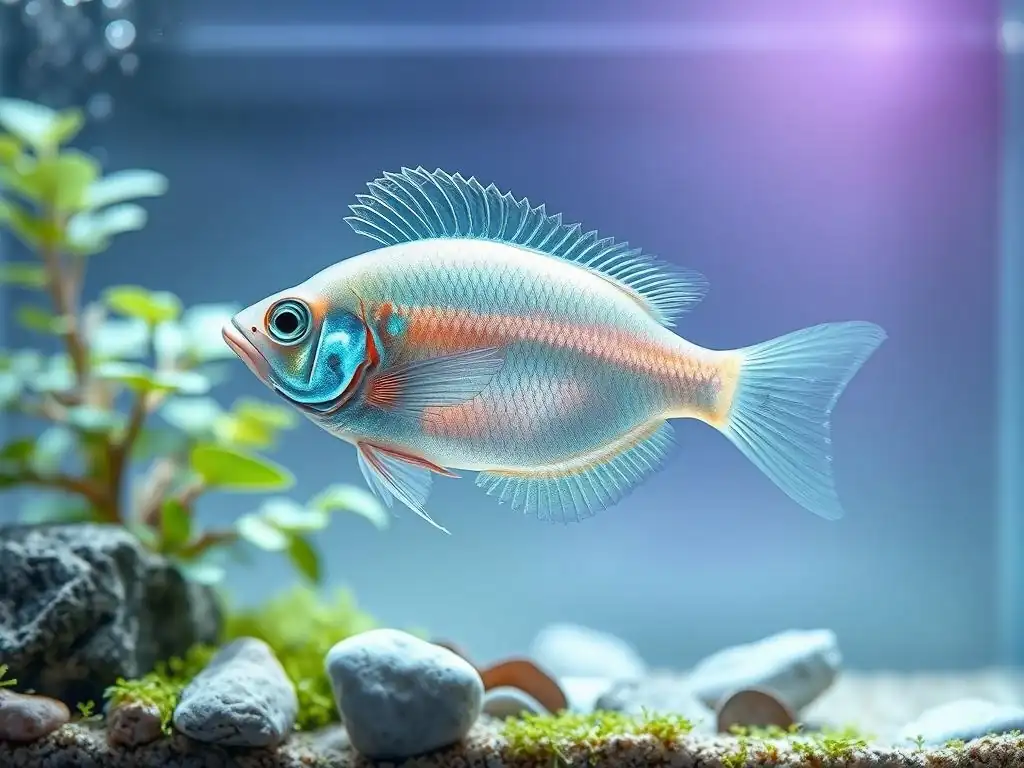
The Pearl Gourami's exceptionally docile nature makes it an ideal candidate for peaceful community aquariums. When selecting tank mates, prioritize species that are similarly calm, not prone to fin-nipping, and thrive in similar water parameters. Excellent companions include various peaceful tetras such as Neon Tetras, Cardinal Tetras, Rummy-Nose Tetras, and Ember Tetras, which are known for their schooling behavior and non-aggressive temperament. Rasboras, particularly Harlequin Rasboras and Lambchop Rasboras, also make fantastic choices due to their peaceful nature and complementary size.
Other suitable tank mates include smaller rainbowfish species, which add color and activity without aggression, and various peaceful bottom dwellers. Corydoras catfish are highly recommended as they are non-aggressive, active scavengers that occupy a different water column. Otocinclus catfish are also great for algae control and remain small and peaceful. When building a community around a Pearl Gourami care guide, ensuring that all inhabitants share a calm disposition and compatible environmental needs is crucial for a harmonious tank.
Fish to Avoid Keeping with Pearl Gouramis
While Pearl Gouramis are remarkably peaceful, certain fish species should be avoided as tank mates to prevent stress or harm. Aggressive or semi-aggressive fish, even those of similar size, are generally unsuitable. For instance, certain Barb species, like Tiger Barbs, are notorious fin-nippers and can cause significant stress or injury to the Pearl Gourami's delicate, filamentous pelvic fins. Similarly, most Cichlid species, even smaller ones, often exhibit territorial behavior that can overwhelm and intimidate the placid gourami.
Large, predatory fish, regardless of their usual temperament, should also be avoided as they may view the relatively small Pearl Gourami as a food source. Additionally, overly boisterous or extremely fast-swimming species can create a chaotic environment that stresses the more serene Pearl Gouramis, potentially leading to hiding behavior and reduced appetite. Careful consideration of temperament and activity level is paramount when deciding on tank mates for effective Pearl gourami care.
Maintaining a Balanced Community Tank Environment
Beyond simply selecting compatible species, maintaining a balanced community tank environment is crucial for the long-term well-being of your Pearl Gouramis and their tank mates. Providing ample space is fundamental; overcrowding can quickly lead to stress, aggression (even among typically peaceful fish), and poor water quality. Ensure the tank size is generous enough to accommodate the adult size and activity levels of all inhabitants. For example, a 30-gallon tank might be suitable for a pair of gouramis and a small school of tetras, but larger groups would require more space.
Furthermore, strategic aquascaping with plenty of visual breaks, hiding spots, and designated territories helps mitigate potential conflicts. Dense planting, caves, and driftwood can create safe havens for shyer fish and allow more dominant individuals to establish territories without constant confrontation. Regular monitoring of fish interactions, especially after introducing new inhabitants, is key. Any signs of persistent chasing, fin-nipping, or undue stress should prompt immediate investigation and, if necessary, the removal of incompatible species to preserve the tranquility of your Pearl gourami care setup.
Pearl Gourami Behavior and Temperament: Observing Their Gentle Nature
Pearl Gouramis are known for their gentle and relatively solitary social dynamics, though they can thrive in small groups. When kept in a group, a ratio of one male to two or three females is often recommended. While males can occasionally show mild territoriality towards each other, especially during breeding, this is typically far less pronounced than in other gourami species and usually resolves without serious harm in a sufficiently large and well-planted tank. Their peaceful nature ensures they rarely instigate conflicts with tank mates.
These fish are curious explorers, often gracefully navigating through dense vegetation and around tank decor. They frequently use their long, thread-like pelvic fins to "feel" their surroundings, investigating plants, substrate, and other objects. This tactile exploration is a fascinating aspect of their natural behavior. While not schooling fish, they often swim alongside each other and other peaceful species without displaying aggressive posturing, making their social interactions generally harmonious and a pleasure to observe in a well-managed Pearl gourami care environment.
Recognizing Signs of Stress or Illness in Pearl Gouramis
Early recognition of stress or illness is paramount for effective Pearl gourami care and intervention. Healthy Pearl Gouramis exhibit vibrant coloration, active swimming (though they are not hyperactive), and a keen appetite. Signs of stress or impending illness include faded or dull coloration, which can indicate poor water quality or environmental discomfort. Lethargy, characterized by spending excessive time at the bottom of the tank or remaining motionless near the surface, is another red flag.
Other symptoms to watch for include clamped fins (fins held tightly against the body), rapid gilling (indicating breathing difficulties or oxygen deprivation), loss of appetite, or erratic swimming patterns. Visible physical signs such as white spots (Ich), cotton-like growths (fungus), fin erosion (fin rot), or a swollen body with protruding scales (dropsy) require immediate attention. Any deviation from their normal gentle behavior, such as constant hiding or rubbing against tank decor, warrants a thorough check of water parameters and close observation for specific symptoms.
Promoting Natural Behaviors in Your Aquarium
To encourage and observe the full range of natural behaviors in your Pearl Gouramis, it is essential to create an environment that closely mimics their native habitat. A heavily planted aquarium, featuring both rooted and floating plants, provides the necessary cover and visual stimulation. Tall plants offer vertical exploration opportunities, while floating plants create a sense of security and diffuse overhead lighting, which gouramis prefer. This setup allows them to feel safe, reducing shyness and encouraging more active exploration.
Varying their diet with live and frozen foods, such as bloodworms and brine shrimp, stimulates their natural foraging and hunting instincts, adding mental enrichment. Maintaining stable, pristine water conditions is also critical, as a healthy environment reduces stress and allows fish to express their natural behaviors without inhibition. By providing an optimal habitat and diet, aquarists can enjoy the full display of their Pearl Gourami's gentle curiosity, graceful movements, and even the male's intricate bubble nest building, a true testament to comprehensive Pearl gourami care.
Pearl Gourami Health and Disease Prevention: Common Issues and Solutions
Common Diseases Affecting Pearl Gouramis
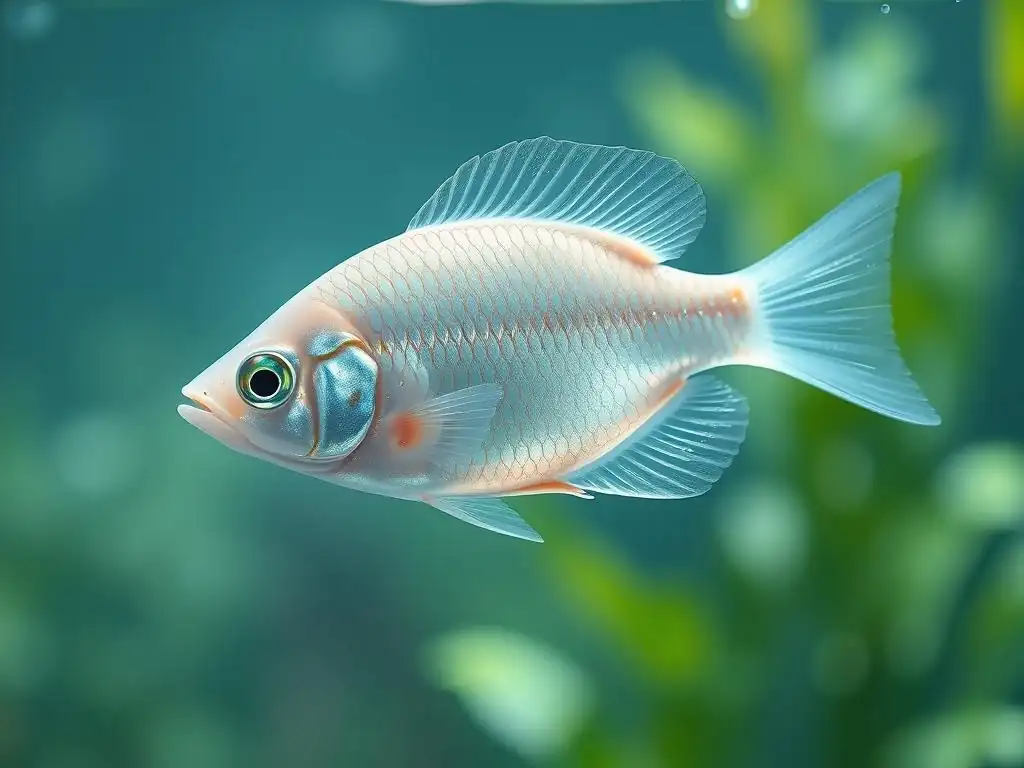
Like all aquarium fish, Pearl Gouramis are susceptible to a range of common diseases, particularly when subjected to poor water quality, stress, or inadequate nutrition. One of the most prevalent is Ich, or White Spot Disease, caused by the parasite Ichthyophthirius multifiliis, which manifests as small white spots resembling salt grains on the fish's body and fins. Other common parasitic infections include Velvet, which appears as a dusty, yellowish film.
Bacterial infections can lead to conditions like Fin Rot, where fins become ragged and frayed, or internal bacterial issues that may cause bloating or Dropsy, characterized by a swollen body and scales protruding like a pinecone. Fungal infections, often secondary to injuries or poor water conditions, appear as cotton-like growths on the body. Understanding these common ailments is a critical part of any Pearl gourami care guide, enabling aquarists to identify and address problems quickly.
Preventing Diseases Through Proper Tank Maintenance
The most effective strategy for preventing diseases in Pearl Gouramis is diligent and consistent tank maintenance, coupled with proactive measures. Regular water changes are paramount; a weekly 25-30% water change helps remove accumulated nitrates and other pollutants, replenishing essential minerals. Simultaneously, gravel vacuuming should be performed to remove uneaten food and detritus, which contribute to poor water quality. Consistent water parameters, including temperature, pH, and hardness, are crucial, as fluctuations can stress fish and compromise their immune systems.
Furthermore, quarantining new fish for a period of at least 2 to 4 weeks in a separate tank before introducing them to the main aquarium is a non-negotiable step. This practice prevents the introduction of pathogens that could decimate an established fish population. Avoiding overfeeding, providing a varied and nutritious diet, and maintaining a peaceful, uncrowded environment also significantly contribute to the overall health and disease resistance of your Pearl Gouramis, forming the bedrock of robust Pearl gourami care.
Treating Sick Pearl Gouramis: Medications and Quarantine
When a Pearl Gourami shows signs of illness, prompt and appropriate action is essential for successful recovery. The first step is to isolate the affected fish in a dedicated quarantine tank. This prevents the potential spread of disease to other tank inhabitants and allows for targeted treatment without harming beneficial bacteria in the main aquarium or exposing healthy fish to medication. The quarantine tank should be set up with a heater, gentle filtration (like a sponge filter), and ideally some hiding spots.
Once isolated, accurately diagnose the disease if possible. For common ailments like Ich, specific over-the-counter medications containing malachite green or formalin are often effective. For bacterial or fungal infections, broad-spectrum antibiotics or antifungal treatments may be necessary. Always follow the medication dosage instructions precisely and complete the full course of treatment, even if symptoms improve. Simultaneously, address any underlying water quality issues in both the quarantine and main tanks, as poor conditions are often the root cause of fish illness, reinforcing the importance of thorough Pearl gourami care.
Pearl Gourami Breeding: A Rewarding Experience for Advanced Aquarists
Setting Up a Breeding Tank for Pearl Gouramis
For aquarists interested in breeding Pearl Gouramis, setting up a dedicated breeding tank is highly recommended. A 10 to 15-gallon (38 to 57-liter) aquarium is typically sufficient for a single breeding pair. This tank should be equipped with a gentle filter, such as a sponge filter, to prevent powerful currents that could disturb the fragile bubble nest or harm the tiny fry. A heater is essential to maintain a consistent temperature, ideally between 80°F and 82°F (27°C to 28°C), which encourages spawning.
The breeding tank should also feature plenty of floating plants, such as Water Sprite, Hornwort, or even a few artificial floating leaves. These plants provide anchorage for the male's bubble nest and offer cover for the female and later, the fry. Soft, slightly acidic water (pH 6.0-6.5, GH 4-8 dGH) is often preferred for successful breeding, and some aquarists opt for a lowered water level (around 6-8 inches or 15-20 cm) to further encourage spawning. This specialized setup is a key component for advanced Pearl gourami care aiming for reproduction.
Conditioning Pearl Gouramis for Breeding
Successful Pearl Gourami breeding largely depends on properly conditioning the parent fish, which involves providing a high-quality, protein-rich diet for one to two weeks prior to introducing them to the breeding tank. This dietary enhancement stimulates egg production in the female and enhances the male's vitality and readiness to spawn. Ideal conditioning foods include a variety of live and frozen options such as bloodworms, brine shrimp, daphnia, and high-quality mosquito larvae.
During this conditioning period, observe the fish for signs of readiness. The male will typically develop more intense coloration, especially his vibrant orange-red throat, and may begin to construct small, preliminary bubble nests in his main tank. The female will appear noticeably plumper, indicating she is gravid with eggs. Once both sexes show these signs, they can be carefully introduced to the prepared breeding tank, where the male will usually proceed to build a more substantial bubble nest.
Caring for Pearl Gourami Fry: From Hatching to Independence
Once spawning occurs, often involving hundreds of tiny eggs laid within the bubble nest, the male Pearl Gourami takes on the responsibility of guarding the nest and fanning the eggs. The female, however, should be removed from the breeding tank immediately after spawning to prevent the male from harassing her. The eggs typically hatch within 24 to 48 hours, and the fry will remain in the nest, absorbing their yolk sacs, for another 3 to 5 days.
Once the fry become free-swimming and leave the nest, the male should also be removed to prevent him from potentially eating his offspring. Pearl Gourami fry are extremely small and require infusoria or liquid fry food for their first few days. As they grow, usually within a week, they can be transitioned to newly hatched brine shrimp or micro-worms, which provide essential protein for rapid growth.
Frequent, small water changes (e.g., 10-15% daily) are absolutely critical for fry survival, as they are highly sensitive to water quality fluctuations. This intensive care for the fry is a challenging but incredibly rewarding aspect of advanced Pearl gourami care.
Maintaining a Thriving Pearl Gourami Aquarium: Long-Term Care Tips
Regular Water Changes and Tank Maintenance
Consistent and diligent tank maintenance is the cornerstone of ensuring a healthy and thriving life for your Pearl Gouramis. Regular water changes are the most crucial aspect: a weekly water change of 25-30% is highly recommended. This practice effectively removes accumulated nitrates, phosphates, and other pollutants that can build up over time, while simultaneously replenishing essential trace minerals. When performing water changes, use a gravel vacuum to remove detritus and uneaten food from the substrate, which are major contributors to poor water quality.
In addition to water changes, routine filter maintenance is vital. Clean filter media regularly by rinsing it in old tank water removed during a water change. This preserves the beneficial bacterial colonies that are essential for the nitrogen cycle, avoiding a "new tank syndrome" spike. Never replace all filter media at once unless absolutely necessary. A consistent maintenance schedule prevents stress, bolsters the fish's immune system, and is the single most important factor in long-term Pearl gourami care.
Monitoring Water Parameters and Adjusting as Needed
Continuous monitoring of your aquarium's water parameters is indispensable for maintaining a stable and healthy environment for your Pearl Gouramis. Regular testing for ammonia, nitrite, nitrate, pH, and temperature should be part of your routine, ideally on a weekly basis, especially in newer setups or if any issues arise. Keeping a detailed log of your readings allows you to track trends and identify potential problems before they escalate.
If water parameters deviate significantly from the ideal ranges (e.g., high ammonia or nitrite, or an unstable pH), prompt corrective action is necessary. For instance, elevated nitrates typically indicate a need for larger or more frequent water changes. Adjustments to pH or hardness should always be made gradually to avoid shocking the fish. Understanding these parameters and knowing how to respond to fluctuations is a fundamental skill for any aquarist committed to providing thorough Pearl gourami care.
Ensuring a Healthy and Happy Life for Your Pearl Gouramis
Beyond just maintaining pristine water quality, ensuring a healthy and happy life for your Pearl Gouramis involves a holistic approach to their care. Provide a stimulating and secure environment through thoughtful aquascaping, including ample live plants (both rooted and floating) and hiding spots like driftwood or caves. This reduces stress and encourages their natural behaviors, such as exploration and bubble nest building. Compatible tank mates are also crucial; avoid aggressive or fin-nipping species to maintain a peaceful community.
A consistent feeding schedule with a varied, high-quality diet, including both dry and supplemental live/frozen foods, will support their immune system and vibrant coloration. Daily observation of your fish for any changes in behavior, appetite, or physical appearance allows for early detection and intervention of potential health issues. By combining diligent maintenance, parameter monitoring, and attentive observation, you can ensure your Pearl Gouramis thrive, displaying their full beauty and gentle nature for many years, truly embodying the essence of comprehensive Pearl gourami care.
Frequently Asked Questions
How large does a Pearl Gourami typically grow in an aquarium?
Pearl Gouramis typically reach a size of around 4-5 inches in captivity. Providing a sufficiently sized tank is crucial for their well-being.
What are the ideal water parameters for a Pearl Gourami tank?
They thrive in slightly acidic to neutral water, with a pH of 6.0-7.5. Maintain a temperature between 77-82°F (25-28°C) for optimal health.
What kind of temperament do Pearl Gouramis have, and are they compatible with other fish?
Pearl Gouramis are generally peaceful and shy. They are best kept with other non-aggressive fish of similar size and temperament.
What should I feed my Pearl Gourami to ensure it stays healthy?
Offer a varied diet including high-quality flake food, small live or frozen foods like bloodworms and daphnia. Supplementing with vegetable matter is also beneficial.
What are some common health issues that can affect Pearl Gouramis, and how can I prevent them?
Common issues include Ich (white spot disease) and bacterial infections. Maintaining excellent water quality and providing a stress-free environment are key to prevention.
Final Reflection: Embracing the Gentle Art of Pearl Gourami Keeping
The journey into understanding the Pearl Gourami, as explored in this guide, reveals more than just the specifics of aquarium maintenance; it highlights the importance of responsible and empathetic fishkeeping in a world increasingly disconnected from the natural rhythms of life. The delicate nature of these fish, their subtle behaviors, and their specific needs serve as a microcosm for the broader responsibility we have to understand and respect the living creatures we share our planet with.
This exploration of Pearl Gourami care has profoundly influenced how I perceive the aquarium hobby, moving beyond mere aesthetics to a deeper appreciation for the intricate ecosystems we recreate. The act of providing a thriving environment for these gentle creatures becomes a meditative practice, a reminder of the interconnectedness of life and the delicate balance required for its flourishing. The greatness of a nation and its moral progress can be judged by the way its animals are treated.
- Mahatma Gandhi. This quote resonates deeply when considering the ethical implications of keeping any animal, including the Pearl Gourami.
Now, as you close this guide, consider the lessons learned about the Pearl Gourami and how they might extend to other aspects of your life. Reflect on the patience, observation, and dedication required to create a thriving environment for these fish. Perhaps, by embracing the gentle art of Pearl Gourami keeping, you can cultivate a greater sense of empathy, responsibility, and appreciation for the delicate beauty that surrounds us all. Let the tranquility of their world inspire a more mindful and compassionate approach to your own.
Embrace the Serenity: Nurture Your Own Pearl Gourami Paradise!
Thank you for exploring the captivating world of the Pearl Gourami with us. We hope this article has illuminated the path to understanding and appreciating these gentle giants of the aquarium. Now, it's time to translate that knowledge into action!
- Dedicate at least 15 gallons to create a thriving habitat specifically tailored to the needs of your Pearl Gourami, ensuring plenty of space for them to explore and feel secure.
- Share this article with fellow aquarium enthusiasts who might be unaware of the Pearl Gourami's unique needs and gentle nature.
- Challenge yourself to propagate floating plants like Amazon frogbit or Water lettuce to provide cover and dappled light, mimicking their natural environment.
What surprising element will you introduce to your Pearl Gourami's aquarium to enhance their serene environment?