
Understanding CO2 Canister Sizes and Refill Options for Aquarists

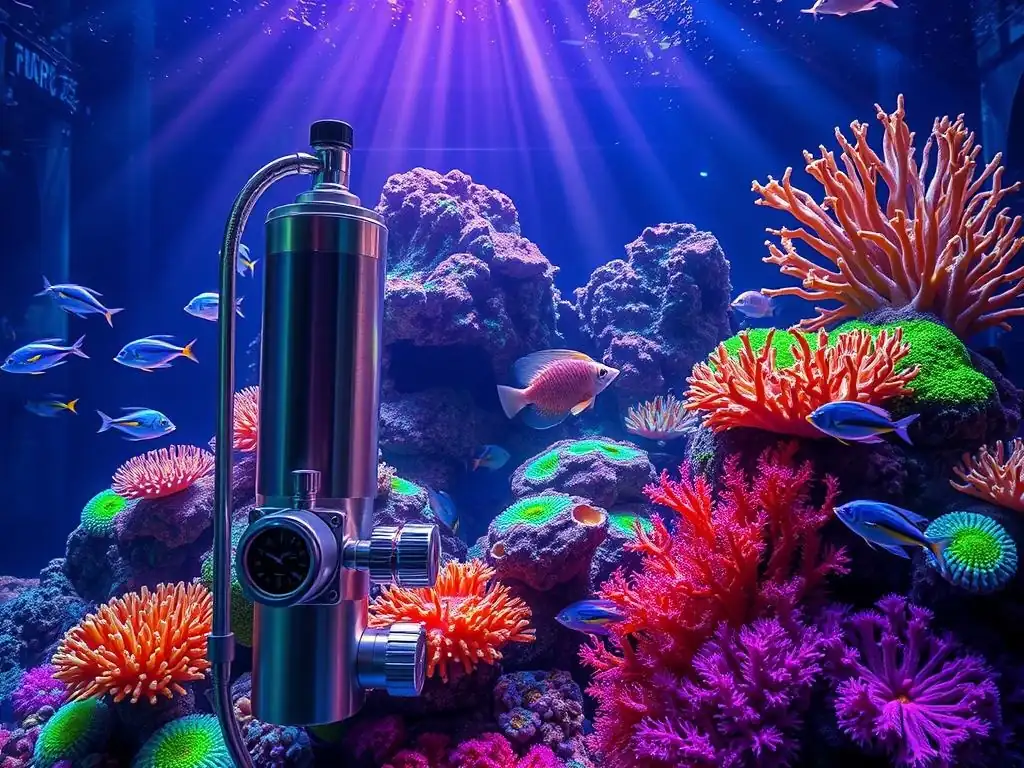
Welcome to Aquarium Mastery, where we dive deep into the art and science of creating thriving aquatic ecosystems! Ever wondered about the secret sauce behind lush, vibrant planted aquariums? Today, we're unraveling the mysteries of CO2 canister refill options, guiding you through everything you need to know to keep your plants happy and your tank bubbling with life. Curious about finding the perfect balance? Let's explore!
- Introduction to CO2 Canisters for Aquarium Plant Growth
- CO2 Canister Sizes: A Comprehensive Guide for Aquarium Enthusiasts
- CO2 Canister Refill Options: A Detailed Comparison
- Comparing CO2 Refill Costs: Which Option is Most Economical?
- Safety Tips for Handling and Refilling CO2 Canisters
- Choosing the Right CO2 Canister and Refill Method for Your Aquarium
- Optimizing CO2 Usage for a Healthy Planted Aquarium
- Troubleshooting Common CO2 System Problems
- Conclusion: Mastering CO2 for a Flourishing Planted Aquarium
- Frequently Asked Questions
- Final Reflection: Breathing Life into Our Aquatic Worlds
- Ignite Your Aquarium's Potential!
Introduction to CO2 Canisters for Aquarium Plant Growth
Why CO2 is Essential for Thriving Aquarium Plants
Carbon dioxide (CO2) is an indispensable nutrient for lush, vibrant plant growth in freshwater aquariums. Just like land plants, aquatic plants perform photosynthesis, converting light energy into sugars for growth, and CO2 is a critical reactant in this process. Without adequate CO2, even under optimal lighting and nutrient conditions, aquatic plants will exhibit stunted growth, yellowing leaves, and reduced vitality, often leading to an unsightly increase in nuisance algae as the plants cannot outcompete it effectively.
Studies and practical observations by aquarists consistently show that supplemental CO2 injection can increase plant growth rates by 30-50% or more compared to non-CO2 setups. For instance, challenging carpeting plants like Hemianthus callitrichoides 'Cuba' or Glossostigma elatinoides often fail to thrive or carpet densely without consistent CO2 levels. With proper CO2, a planted tank can transform from sparse to a dense, verdant aquascape within weeks, achieving a vibrant aesthetic that might take many months or be impossible to attain in a low-tech, non-CO2 environment.
Overview of CO2 Injection Systems in Aquariums
A typical pressurized CO2 injection system for an aquarium consists of several key components working in concert to deliver precise amounts of carbon dioxide to the water column. The core components include a CO2 canister (or cylinder) that stores the gas under high pressure, a regulator to reduce the high tank pressure to a usable output pressure, a solenoid valve for automated on/off control linked to a timer, a bubble counter to visually monitor the CO2 flow rate, and a diffuser or reactor to efficiently dissolve the CO2 gas into the aquarium water.
These systems range significantly in complexity and initial cost, catering to various tank sizes and aquarist experience levels. Simple setups for nano tanks under 10 gallons might involve smaller canisters and basic regulators, while sophisticated systems for large, heavily planted aquariums exceeding 200 gallons can feature advanced dual-stage regulators, in-line diffusers, and pH controllers for precise CO2 dosing. A standard pressurized system for a 50-gallon planted tank, excluding the CO2 canister refill options, might represent an initial investment of $200-$400, offering consistent and reliable CO2 delivery for optimal plant health.
CO2 Canister Sizes: A Comprehensive Guide for Aquarium Enthusiasts
Small CO2 Canisters: 2.5 lb and 5 lb Options for Nano and Small Tanks
Small CO2 canisters, typically available in 2.5 lb and 5 lb capacities, are popular choices for aquarists maintaining nano tanks (under 20 gallons) or small to medium-sized aquariums (up to 40 gallons). Their compact size makes them easy to conceal and transport, which is a significant advantage for hobbyists with limited space or those who prefer a discreet setup. These smaller tanks are also often chosen by beginners due to their lower initial purchase price compared to larger cylinders.
For a 20-gallon tank with moderate planting, a 5 lb CO2 canister can typically last between 3 to 6 months, assuming an average injection rate of 1 bubble per second (bps) for 8 hours daily. For even smaller setups, such as a 10-gallon nano aquarium, a 2.5 lb tank could provide CO2 for 4 to 8 months under similar conditions. This extended duration between the need for CO2 canister refill options makes them a convenient choice despite their smaller capacity.
Advantages of Smaller CO2 Tanks
One of the primary advantages of smaller CO2 tanks is their portability and ease of concealment. A 2.5 lb canister, for example, can often be tucked away neatly in a small cabinet or even behind a nano tank without drawing attention, preserving the aesthetic of the aquascape. This contrasts sharply with the bulky nature of larger cylinders that often require dedicated storage space.
Furthermore, the initial purchase cost for smaller cylinders is considerably lower. A new 5 lb CO2 cylinder can typically be acquired for around $70-$100, making the entry barrier for pressurized CO2 injection more accessible to new aquarists. This lower upfront investment allows hobbyists to experience the benefits of CO2 without committing to a larger, more expensive setup immediately.
Disadvantages of Smaller CO2 Tanks
Despite their advantages, smaller CO2 tanks come with the notable disadvantage of requiring more frequent refills, which can become a logistical inconvenience. While a 5 lb tank might last several months on a small tank, its lifespan on a moderately planted 30-gallon tank could be reduced to just 1-2 months, necessitating more frequent trips to a CO2 canister refill options provider.
Moreover, the cost-per-pound of CO2 is generally higher for smaller tanks. While a 5 lb tank might cost $15-$25 to refill, translating to $3-$5 per pound, a larger 20 lb tank might cost $30-$45 to refill, bringing the cost down to $1.50-$2.25 per pound. This means that over time, the operational cost of using smaller tanks can accumulate to be significantly higher, making the frequency of seeking CO2 canister refill options a more impactful financial consideration.
Medium CO2 Canisters: 10 lb and 15 lb for Medium-Sized Aquariums
Medium-sized CO2 canisters, commonly found in 10 lb and 15 lb capacities, strike an excellent balance between capacity and manageability, making them ideal for aquariums ranging from 40 to 100 gallons. These tanks offer a significant increase in CO2 storage over their smaller counterparts, leading to much longer intervals between refills without becoming excessively cumbersome for most aquarists to handle and transport.
For a standard 55-gallon planted tank, a 10 lb CO2 canister can typically last between 4 to 8 months when running at a moderate injection rate of 2-3 bubbles per second for 8 hours daily. Stepping up to a 15 lb tank for the same setup could extend this duration to 6-12 months, significantly reducing the frequency of trips for CO2 canister refill options. This extended period between refills is a major draw for hobbyists seeking a balance of convenience and efficiency.
Benefits of Using Medium-Sized CO2 Cylinders
The primary benefit of utilizing medium-sized CO2 cylinders is the substantial reduction in refill frequency compared to smaller tanks. This translates directly into greater convenience for the aquarist, freeing up time that would otherwise be spent on frequent trips to obtain CO2 canister refill options. For hobbyists with busy schedules, this extended autonomy is a significant advantage.
Furthermore, these sizes offer improved cost efficiency per pound of CO2. Refilling a 10 lb tank typically costs between $20-$35, which translates to a cost of $2-$3.50 per pound. This is notably more economical than the $3-$5 per pound often associated with 5 lb tanks, making medium-sized cylinders a more financially savvy choice for consistent CO2 injection over the long term.
Considerations for Medium-Sized CO2 Systems
While offering many advantages, medium-sized CO2 cylinders are heavier and more substantial than their smaller counterparts, which can be a consideration for transportation and placement. A full 10 lb CO2 cylinder, for instance, weighs approximately 18-20 lbs (including its tare weight), which is manageable for most individuals but certainly heavier than carrying a 5 lb tank. This added weight might make trips for CO2 canister refill options slightly more strenuous.
Additionally, for very densely planted aquariums or those with higher CO2 demands, even a 10 lb or 15 lb cylinder might still require semi-frequent refills. For a heavily planted 75-gallon tank, a 10 lb cylinder might only last 3-4 months, depending on the specific injection rate and duration. Aquarists with such setups might find themselves still seeking CO2 canister refill options every quarter, prompting consideration of even larger capacities for maximum convenience.
Large CO2 Canisters: 20 lb and Beyond for Large Planted Aquariums
Large CO2 canisters, typically 20 lb and larger (including 50 lb industrial sizes), are the preferred choice for aquarists managing substantial planted aquariums (100 gallons and up) or those operating multiple tanks from a single CO2 source. These cylinders offer the longest intervals between refills, providing unparalleled convenience and the lowest operational cost per pound of CO2, making them the most economical long-term solution for high-demand setups.
A 20 lb CO2 canister can provide CO2 for a 125-gallon tank for 6 to 12 months or even longer, depending on the plant density and injection rate. For a very large, heavily planted 200-gallon aquarium, a 20 lb tank might last 4 to 8 months. This significantly reduces the logistical burden of obtaining CO2 canister refill options, allowing aquarists to focus more on their aquascape's health and less on maintenance errands. Some professional aquascapers and hobbyists with multiple large tanks even opt for 50 lb cylinders to extend the refill interval to well over a year.
Advantages of Larger CO2 Canisters for Experienced Aquarists
The most significant advantage of larger CO2 canisters is the extended duration between refills, which translates to maximum convenience and minimal disruption to the aquarist's routine. For a 20 lb tank, waiting half a year or more between visits to a CO2 canister refill options provider is common, a stark contrast to the monthly or quarterly trips required for smaller tanks.
Furthermore, larger tanks offer the lowest cost per pound of CO2, making them the most cost-effective solution in the long run. Refilling a 20 lb tank typically costs between $30-$45, which brings the cost per pound down to an impressive $1.50-$2.25. This economic efficiency is a strong draw for experienced aquarists who have committed to high-tech planted setups and want to minimize ongoing operational expenses.
Challenges of Managing Large CO2 Systems
Despite their economic benefits and convenience, large CO2 canisters present several practical challenges, primarily related to their size and weight. A full 20 lb CO2 cylinder can weigh between 30-35 lbs, making it cumbersome to transport to and from a CO2 canister refill options provider. Its significant bulk (often over 2 feet tall) also means it typically cannot be stored discreetly beside or under a standard aquarium stand, usually requiring placement in a dedicated cabinet, utility room, or behind the tank in a less visible area.
The initial purchase cost for a large cylinder is also higher. A new 20 lb CO2 cylinder can range from $120-$180, representing a more substantial upfront investment compared to smaller tanks. While this cost is quickly offset by the lower per-pound refill price over time, it is an important consideration for budget-conscious aquarists.
CO2 Canister Refill Options: A Detailed Comparison
Local Welding Supply Stores: A Reliable CO2 Refilling Source
Local welding supply stores are widely considered one of the most reliable and cost-effective CO2 canister refill options for aquarists. These businesses routinely handle large volumes of various industrial gases, including CO2, for their primary clientele in welding and manufacturing. Their infrastructure is set up for efficient and safe cylinder filling, making them a go-to source for many planted tank enthusiasts. Most welding supply stores offer high-purity CO2 that is perfectly suitable for aquarium use, often meeting specifications that are effectively "food grade" even if not explicitly labeled as such.
For example, major chains like Airgas, Praxair, or local independent welding suppliers often provide refill services for various cylinder sizes. A common price for refilling a 5 lb tank might range from $15-$25, while a 20 lb tank could be refilled for $30-$45. These stores typically have specific operating hours for cylinder services, and it's always advisable to call ahead to confirm their CO2 refill capabilities and current pricing.
Finding Reputable Welding Supply Stores for CO2 Refills
Locating a reputable welding supply store for CO2 canister refill options is generally straightforward. A quick online search for "CO2 refill near me," "welding supply store [your city]," or "industrial gas supplier [your region]" will often yield several results. Websites like Yelp, Google Maps, or local business directories can provide addresses, contact information, and customer reviews, which can help in assessing their service quality and reliability.
Beyond online searches, local aquarium clubs, forums, and social media groups dedicated to planted tanks are invaluable resources. Experienced aquarists in your area often share recommendations for specific welding supply stores that offer consistent service and fair pricing for CO2 refills. Personal recommendations can often lead to finding the most convenient and trustworthy CO2 canister refill options.
Cost Considerations at Welding Supply Stores
The cost-effectiveness of welding supply stores as a CO2 canister refill option is one of their major appeals. As previously noted, the price per pound of CO2 generally decreases with larger cylinder sizes. A 20 lb refill at $30-$45 translates to a cost of $1.50-$2.25 per pound, which is significantly lower than what one might pay for smaller tanks or through other refill methods.
It's always prudent to confirm the current refill price before dropping off your tank, as prices can vary by region, supplier, and even fluctuate with gas market conditions. Some welding supply stores might also offer slight discounts for repeat customers or for those bringing in multiple cylinders for CO2 canister refill options, making it worthwhile to inquire about such possibilities.
Fire Extinguisher Service Companies: Another Option for CO2 Refills
Fire extinguisher service companies represent another viable, albeit less commonly discussed, option for CO2 canister refill options. These businesses specialize in the maintenance, inspection, and refilling of various types of fire extinguishers, many of which use CO2 as their extinguishing agent. Consequently, they possess the necessary equipment and expertise to safely handle and refill high-pressure CO2 cylinders, including those used by aquarists.
Their primary business focus means they are well-versed in handling pressurized gas cylinders and adhering to safety protocols. They often have the capacity to handle a wide range of cylinder sizes, from smaller portable units to larger industrial ones, making them a potential alternative to welding supply stores, especially in areas where welding suppliers might be scarce.
Advantages of Using Fire Extinguisher Services
One of the key advantages of using fire extinguisher services for CO2 canister refill options is their specialized equipment for handling high-pressure cylinders. This means they are well-equipped to perform refills safely and efficiently. In some cases, these companies may also offer quicker turnaround times than busy welding supply stores, especially if their primary CO2 filling operations are less demand-driven by the general public.
Anecdotal reports from aquarists suggest that in certain suburban or rural areas, fire extinguisher services might be more accessible or geographically convenient than dedicated welding supply stores. Their expertise in cylinder testing and maintenance can also be a hidden benefit, as they are often capable of performing hydrostatic testing if your cylinder is due for re-certification.
Potential Drawbacks and Considerations
While a viable option, there are potential drawbacks to consider when using fire extinguisher service companies for CO2 canister refill options. The most common concern among aquarists is whether the CO2 provided is "food-grade" or simply "industrial-grade." While industrial-grade CO2 is widely used in aquariums without any documented issues, some aquarists prefer the assurance of food-grade CO2, which these companies might not consistently stock. It is crucial to inquire about the CO2 quality before proceeding with a refill.
Furthermore, due to their primary business focus, some fire extinguisher services might charge slightly more for CO2 canister refill options compared to welding supply stores. Anecdotal evidence suggests that their pricing might be $5-$10 higher per refill, as CO2 refills for hobbyists are not their core business. It's always recommended to call ahead and compare pricing with other local options to ensure you're getting a competitive rate.
Home CO2 Refilling Kits: DIY CO2 Refill Solutions
For experienced aquarists with multiple tanks or those seeking maximum long-term cost savings, home CO2 refilling kits offer a do-it-yourself solution for CO2 canister refill options. This method involves transferring CO2 from a larger "mother" tank (e.g., a 20 lb or 50 lb cylinder) to smaller "daughter" tanks (e.g., 2.5 lb, 5 lb, or 10 lb cylinders) using a specialized transfer hose. The process relies on pressure differential, often enhanced by cooling the daughter tank, to facilitate the efficient transfer of liquid CO2.
While requiring an initial investment in equipment and a careful understanding of safety protocols, home refilling can drastically reduce the per-fill cost and eliminate the need for frequent trips to commercial refill stations. It offers unparalleled convenience once the setup is established and the technique is mastered.
Understanding Home Refilling Kit Components
A typical home CO2 refilling kit primarily consists of a high-pressure CO2 transfer hose equipped with the appropriate fittings, most commonly CGA 320 for standard aquarium CO2 cylinders. This hose connects the larger source tank to the smaller receiving tank. Some more advanced kits may include a pressure gauge to monitor the transfer, or a small digital scale to accurately weigh the receiving cylinder.
The use of a scale is highly recommended to prevent overfilling, which can be dangerous due to excessive pressure buildup. The goal is to transfer the exact rated capacity of the daughter tank (e.g., 5 lbs of CO2 into a 5 lb cylinder). Basic transfer hoses can be purchased for around $50, while more comprehensive kits with scales and better fittings might cost $100-$150.
Safety Precautions for Home CO2 Refilling
Safety is paramount when engaging in DIY CO2 canister refill options. Overfilling a CO2 cylinder is extremely dangerous and can lead to rupture if exposed to temperature increases. Always adhere strictly to the cylinder's rated capacity; for example, a 5 lb tank should never have more than 5 lbs of CO2 transferred into it. Using a scale to monitor the weight is the most reliable way to prevent overfilling.
Perform the refilling process in a well-ventilated area to prevent the accumulation of CO2 gas, which can displace oxygen and pose an asphyxiation risk. Always wear appropriate personal protective equipment, including safety glasses and gloves, as rapidly expanding CO2 can cause severe frostbite. Ensure all connections are secure and leak-free before and during the transfer. Understanding and respecting the high pressures involved in CO2 systems is crucial to a safe home refilling operation.
CO2 Canister Exchange Programs: Convenience vs. Cost
CO2 canister exchange programs offer a highly convenient alternative to direct refills, particularly for aquarists who prioritize ease of access and immediate availability. These programs, often found at local homebrew supply stores, paintball shops, or even some specialized aquarium stores, operate on a simple swap system: you bring in your empty CO2 cylinder, and in exchange, you receive a pre-filled cylinder of the same size. This eliminates any waiting time associated with refilling and the need for specialized equipment for home refills.
The primary appeal of exchange programs lies in their simplicity and speed. You don't have to worry about the condition of your cylinder's valve or the hydrostatic test date, as the exchange provider handles all maintenance and certification for their cylinders. This makes it one of the most hassle-free CO2 canister refill options available.
How CO2 Exchange Programs Work
The process of a CO2 exchange program is straightforward. An aquarist simply brings their empty CO2 tank to a participating retailer. The retailer then takes the empty tank and provides a full, pre-filled tank of the same size from their inventory. This means you are essentially "renting" a tank from their pool of cylinders, rather than continuously refilling your specific cylinder.
Exchange fees can vary, but a typical exchange for a 5 lb tank might range from $25-$40, while a 20 lb tank exchange could cost $50-$70. The key benefit is immediate turnaround; there's no waiting for the tank to be filled, making it an excellent choice for those who need a quick CO2 canister refill option without delay.
Evaluating the Value of Exchange Programs
While exchange programs offer unparalleled convenience, they generally come at a higher cost per pound of CO2 compared to direct refills at welding supply stores. For instance, paying $35 for a 5 lb exchange translates to $7 per pound, which is significantly more than the $3-$5 per pound one might pay for a direct refill. For a 20 lb tank, an exchange at $60 means $3 per pound, still higher than the $1.50-$2.25 per pound at a welding supplier.
Another consideration is that you might receive a different cylinder each time, which could vary in cosmetic condition or hydrostatic test date. While the cylinders are always certified safe, some aquarists prefer to keep their own cylinder for consistency. The trade-off between convenience and cost is a crucial factor when evaluating these CO2 canister refill options.
Comparing CO2 Refill Costs: Which Option is Most Economical?
Price per Pound of CO2: A Cost Analysis
Understanding the price per pound of CO2 is essential for determining the most economical CO2 canister refill options over time. This metric allows for a direct comparison across different tank sizes and refill methods, revealing the true cost efficiency.
Based on typical market rates:
- Welding Supply Stores: Generally offer the most competitive rates, ranging from $1.50 to $5.00 per pound. Larger tanks (e.g., 20 lb) consistently fall on the lower end of this spectrum, often costing $1.50-$2.25/lb, while smaller tanks (e.g., 5 lb) might be $3-$5/lb.
- Fire Extinguisher Service Companies: Can be slightly higher than welding suppliers, typically ranging from $2.00 to $6.00 per pound. This marginal increase might be acceptable for the added convenience or if they are the only local option.
- Home CO2 Refilling Kits: Once the initial investment in a larger "mother" tank and the refilling kit is made, the cost per pound of CO2 transferred is exceptionally low, often effectively $0.50-$1.00 per pound (representing only the cost of the bulk CO2). However, this method requires a significant upfront cost (e.g., $150-$250 for a 20 lb mother tank and kit) and the time/effort of DIY.
- CO2 Canister Exchange Programs: These are generally the most expensive per pound due to the convenience factor, ranging from $5.00 to $8.00 per pound. While convenient, the long-term cost can add up significantly, especially for larger tanks or frequent use.
Long-Term Cost Considerations: Refills vs. Replacements
When evaluating CO2 canister refill options, it's crucial to look beyond the immediate refill price and consider the long-term costs, including the initial cylinder purchase, hydrostatic testing, and ongoing operational expenses. A new 20 lb CO2 cylinder, for instance, can cost between $120-$180 initially. These cylinders require hydrostatic testing every five years to ensure safety, a service that typically costs $20-$40 per test.
Let's compare a 20 lb tank refilled at a welding supply store versus an exchange program over a 10-year period, assuming two refills/exchanges per year:
- Direct Refill (Welding Store): Initial tank purchase ($150) + (2 refills/year x $40/refill x 10 years) + (2 hydro tests x $30/test) = $150 + $800 + $60 = $1010 over 10 years.
- Exchange Program: No initial tank purchase (you swap tanks) + (2 exchanges/year x $60/exchange x 10 years) = $1200 over 10 years.
This analysis clearly shows that while direct refills require a higher initial investment and occasional hydrostatic testing, they are generally more economical in the long run. The convenience of exchange programs comes at a premium, which can accumulate to hundreds of dollars over a decade, making the choice of CO2 canister refill options a significant financial decision for dedicated aquarists.
Safety Tips for Handling and Refilling CO2 Canisters

Proper Storage of CO2 Cylinders
Proper storage of CO2 cylinders is paramount to ensuring safety in any aquarist's home. All CO2 canisters, regardless of size, must always be stored in an upright position. This is critical because if a cylinder falls, it can damage the valve, potentially leading to a rapid, uncontrolled release of gas, which can be extremely dangerous. Securing the cylinder to a wall or within a sturdy stand with straps or chains is highly recommended to prevent accidental tipping.
Furthermore, CO2 cylinders should be stored away from any direct heat sources, such as direct sunlight, heaters, or vents, and ideally in an area where temperatures do not exceed 120°F (49°C). High temperatures can cause the pressure inside the cylinder to increase dramatically, potentially leading to over-pressurization and rupture. A cool, dry, well-ventilated area is ideal for long-term storage, ensuring the integrity and safety of the CO2 canister refill options and the cylinder itself.
Connecting and Disconnecting CO2 Regulators Safely
Connecting and disconnecting CO2 regulators requires careful attention to avoid leaks and ensure personal safety. Before attempting to connect or disconnect a regulator, always ensure the main cylinder valve is completely closed. This prevents any sudden release of high-pressure gas. When connecting, first hand-tighten the regulator onto the cylinder valve. Once hand-tight, use an appropriate wrench to give it a final snug turn, typically about a quarter to half a turn past hand-tight. Avoid overtightening, as this can strip the threads or damage the O-ring seal.
After the regulator is securely attached, slowly open the cylinder valve, listening for any hissing sounds that indicate a leak. When disconnecting, first close the main cylinder valve, then bleed any remaining pressure from the regulator and lines by opening the needle valve or adjusting the working pressure knob until the gauges read zero. Only then should you proceed to loosen and remove the regulator, ensuring there's no residual pressure that could cause a sudden burst of gas.
Leak Detection and Prevention
CO2 leaks are a common issue in aquarium CO2 systems and can lead to rapid depletion of your tank, incurring unexpected costs for CO2 canister refill options. The most effective method for detecting leaks is the "soapy water test." Simply mix a small amount of dish soap with water to create a sudsy solution, then apply it generously to all connection points: the regulator-to-tank connection, the needle valve, the bubble counter, and all tubing connections. Bubbles forming indicate a leak.
To prevent leaks, ensure all O-rings (especially the one between the regulator and the tank) are in good condition and seated properly. If a leak persists at a threaded connection, a small amount of Teflon tape wrapped clockwise around the threads before tightening can often provide an effective seal. Regularly inspect tubing for cracks or kinks, and ensure all clamps or locking nuts on tubing connections are securely fastened. A small pinhole leak, barely audible, can empty a 5 lb CO2 tank in as little as a week, highlighting the importance of vigilant leak detection.
Choosing the Right CO2 Canister and Refill Method for Your Aquarium
Assessing Your Aquarium Needs and CO2 Consumption
Selecting the appropriate CO2 canister size and refill method begins with a thorough assessment of your aquarium's specific needs and its estimated CO2 consumption. Key factors include the tank's volume, the density of live plants, and your desired growth rate. A smaller tank, such as a 20-gallon aquarium with moderate planting, might only require a CO2 injection rate of 1 bubble per second (bps). In contrast, a heavily planted 75-gallon tank aiming for rapid growth could demand 3-5 bps or even more.
Higher plant biomass and more intense lighting will naturally lead to increased CO2 consumption. Understanding this demand is crucial for estimating how long a given CO2 tank size will last and, consequently, how frequently you will need to seek CO2 canister refill options. Overestimating your needs might lead to an unnecessarily large and costly initial investment, while underestimating could result in frustratingly frequent refills.
Matching Canister Size to Tank Size and Plant Load
Once you've assessed your CO2 consumption, matching the canister size to your tank's volume and plant load is the next logical step to optimize efficiency and convenience. General guidelines for tank size suitability are as follows:
- Under 30 gallons: A 2.5 lb or 5 lb CO2 canister is typically sufficient, offering portability and ease of concealment.
- 30-75 gallons: A 5 lb or 10 lb CO2 canister provides a good balance between refill frequency and manageability. A 10 lb tank is often preferred for more heavily planted tanks in this range.
- 75-125 gallons: A 10 lb or 20 lb CO2 canister is recommended. A 20 lb tank will significantly extend the time between CO2 canister refill options.
- Over 125 gallons or multiple tanks: A 20 lb or larger (e.g., 50 lb) CO2 canister is the most practical choice, offering the longest intervals between refills and the lowest cost per pound.
This strategic matching ensures that you're not constantly running out of CO2 or, conversely, dealing with an oversized tank that is difficult to manage.
Making an Informed Decision on CO2 Refill Options
Making an informed decision about your CO2 canister refill options involves weighing several factors: cost, convenience, availability, and your comfort level with DIY methods.
- Cost-effectiveness: For the lowest long-term cost per pound, particularly for larger tanks, local welding supply stores are generally the most economical choice.
- Convenience: CO2 exchange programs offer unparalleled convenience with immediate swaps, ideal for busy individuals, though they come at a higher per-pound cost.
- Accessibility: Fire extinguisher service companies can be a good alternative if welding suppliers are not readily available in your area.
- DIY & Long-term Savings: For experienced aquarists with multiple tanks and a strong understanding of safety, home CO2 refilling kits can offer significant savings over time, despite the initial investment and the need for careful handling.
Consider your personal priorities and local resources. If you have a welding supply store nearby with competitive pricing, it's often the best blend of cost and reliability. If convenience is paramount and budget is less of a concern, an exchange program might be your preferred route. Ultimately, the best CO2 canister refill option is the one that fits your aquarium's needs, your budget, and your lifestyle.
Optimizing CO2 Usage for a Healthy Planted Aquarium
Fine-Tuning CO2 Injection Rates
Achieving the optimal CO2 injection rate is crucial for healthy plant growth and preventing harm to aquarium inhabitants. A common starting guideline is to aim for 1 bubble per second (bps) for every 10 gallons of water, but this is merely a starting point. The ideal rate varies significantly based on tank size, plant density, water movement, and even the type of diffuser used. The ultimate goal is to achieve a dissolved CO2 concentration of 25-35 parts per million (ppm) in the aquarium water.
To fine-tune, gradually increase the CO2 injection rate over several days while closely observing your fish for signs of stress (e.g., gasping at the surface) and monitoring plant response (e.g., pearling, which is the release of oxygen bubbles from plant leaves). The use of a CO2 drop checker (discussed below) is indispensable for accurate monitoring and adjustment. Consistent and stable CO2 levels, rather than fluctuating ones, are key to preventing algae and promoting robust plant growth, thereby maximizing the efficiency of your CO2 canister refill options.
Monitoring CO2 Levels with Drop Checkers
A CO2 drop checker is an essential tool for monitoring the dissolved CO2 concentration in your aquarium water. This small device contains a reservoir of indicator solution (typically a 4 dKH solution with a pH indicator) that changes color based on the CO2 level in the surrounding water. The drop checker should be placed on the opposite side of the tank from the CO2 diffuser to accurately reflect the dissolved CO2 levels throughout the entire aquarium.
The color of the indicator solution provides a visual cue: blue indicates insufficient CO2 (below 20 ppm), green signifies optimal CO2 levels (25-35 ppm), and yellow suggests excessive CO2 (above 40 ppm), which can be dangerous for fish. It's important to remember that drop checkers have a delayed reaction, typically taking 2-3 hours to accurately reflect current CO2 levels. Therefore, adjustments should be made slowly and incrementally, allowing sufficient time for the drop checker to respond before making further changes, ensuring you don't over-dose after a fresh CO2 canister refill options.
Integrating CO2 with Other Aquarium Parameters
Effective CO2 injection is not a standalone solution but must be integrated harmoniously with other critical aquarium parameters, primarily lighting, nutrients, and water flow, to achieve a thriving planted tank. High CO2 levels without adequate lighting can lead to algae outbreaks, as plants cannot utilize the available CO2 efficiently. Conversely, intense lighting without sufficient CO2 will also promote algae growth and stunt plants due to carbon limitation. Aim for a PAR (Photosynthetically Active Radiation) level of 50-70 at the substrate for demanding plants, balanced with appropriate CO2.
Similarly, plants require a balanced array of macro and micronutrients (e.g., nitrogen at 10-20 ppm, phosphorus at 1-2 ppm, potassium, iron, etc.) to fully utilize the supplied CO2. A deficiency in any key nutrient can limit growth, regardless of CO2 availability. Finally, good water flow is essential to ensure that the dissolved CO2 is evenly distributed throughout the entire aquarium, reaching all plants, even those in shaded or low-flow areas. Poor circulation can lead to localized CO2 deficiencies, hindering overall plant health and making your investment in CO2 canister refill options less effective.
Troubleshooting Common CO2 System Problems
Identifying and Resolving CO2 Leaks
CO2 leaks are perhaps the most common and frustrating problem encountered with pressurized CO2 systems, leading to rapid depletion of your tank and unexpected trips for CO2 canister refill options. The most frequent leak points are the connection between the regulator and the CO2 cylinder, the needle valve, the bubble counter, and any tubing connections. The simplest and most effective method for detection is the soapy water test: apply a solution of dish soap and water to all connections; bubbles forming indicate a leak.
Once a leak is identified, resolution usually involves tightening the connection, replacing a worn O-ring (especially at the regulator-to-tank connection), or applying Teflon tape to threaded fittings (though not typically needed for the main regulator connection if the O-ring is sound). A small, seemingly insignificant leak, such as a pinhole in a silicone tubing, can surprisingly empty a 5 lb CO2 tank in as little as a week, underscoring the importance of regular leak checks, particularly after a CO2 canister refill options.
Addressing Fluctuations in CO2 Levels
Fluctuations in CO2 levels can stress both plants and fish, leading to stunted plant growth or fish gasping for air. Several factors can cause inconsistent CO2 delivery. A common culprit is a faulty or poorly adjusted regulator, which may not maintain a stable output pressure, leading to erratic bubble counter readings. An "end-of-tank dump" can also occur as a cylinder nears empty: the pressure drops rapidly, causing a sudden surge of CO2 before the tank completely empties.
To address this, ensure your regulator is a reliable model, preferably a dual-stage regulator that maintains a more stable output pressure as the cylinder empties. For single-stage regulators, be aware of the end-of-tank dump and plan your CO2 canister refill options accordingly, replacing the cylinder before it's completely depleted. Regularly check and tighten all connections, and ensure your solenoid valve (if used) is functioning correctly, opening and closing precisely with your timer.
Maintaining CO2 Regulators and Diffusers
Regular maintenance of your CO2 system's components, particularly the regulator and diffuser, is essential for consistent and efficient operation. CO2 diffusers can become clogged over time with algae, mineral deposits, or biofilm, which reduces their efficiency and can increase back pressure on the regulator. When a diffuser's bubble output diminishes or becomes uneven, it's time for cleaning. Soaking the diffuser in a dilute bleach solution (e.g., 1 part bleach to 10 parts water for 30 minutes) or a 3% hydrogen peroxide solution for an hour can effectively remove blockages. Rinse thoroughly afterward to remove all chemical residue.
CO2 regulators generally require little maintenance but should be handled with care. Avoid dropping or subjecting them to impacts, as this can damage internal diaphragms and gauges. Periodically check all O-rings and seals for wear and tear, replacing them if they appear cracked or brittle. Proper maintenance extends the lifespan of your equipment and ensures that your investment in CO2 canister refill options translates into consistent, healthy plant growth.
Conclusion: Mastering CO2 for a Flourishing Planted Aquarium
Key Takeaways for CO2 Canister Selection and Refilling
Mastering CO2 injection is a cornerstone of maintaining a vibrant, thriving planted aquarium. The journey begins with selecting the right CO2 canister size, which should be carefully matched to your aquarium's volume and the density of your aquatic plants. For instance, a 5 lb tank is often ideal for a 20-30 gallon moderately planted aquarium, offering a balance of capacity and portability. For larger setups, a 20 lb tank typically provides the best long-term economy, significantly extending the time between refills and reducing the per-pound cost of CO2.
When it comes to CO2 canister refill options, aquarists have several choices, each with its own trade-offs. Local welding supply stores usually offer the most cost-effective solution, especially for larger cylinders. Exchange programs provide unparalleled convenience but at a higher price point. Home refilling kits offer the lowest per-pound cost in the long run but require an upfront investment and a strong commitment to safety protocols. Regardless of the chosen method, prioritizing safety in handling and storing CO2 cylinders is non-negotiable.
Resources for Further Learning about CO2 Systems
Achieving a flourishing planted aquarium through optimized CO2 injection is an ongoing learning process. Understanding the nuances of CO2 systems, from regulator setup to fine-tuning injection rates, is crucial for success. We encourage you to explore our comprehensive guides on AquariumMastery.com. Dive deeper into topics such as advanced plant nutrition, detailed troubleshooting for common aquarium issues, and in-depth reviews of various CO2 regulators and diffusers. Continuous learning and diligent application of knowledge will ensure your planted aquarium remains a vibrant and healthy ecosystem for years to come.
Frequently Asked Questions
What are the most common CO2 canister sizes used in planted aquariums?
The most common sizes are 5lb and 10lb tanks. These offer a good balance between CO2 capacity and physical footprint, making them suitable for a range of aquarium sizes.
How often do I need to refill my CO2 canister?
Refill frequency depends on tank size, CO2 injection rate, and canister size. A 5lb tank might last several months on a smaller tank, while a larger tank may need refills more frequently.
Where can I find CO2 canister refill options?
You can typically find refill options at welding supply stores, fire extinguisher service companies, and some hydroponics shops. Look for places that offer CO2 refills specifically.
Are there different grades of CO2 for aquariums?
While technically there are, for planted aquariums, food-grade CO2 is generally considered perfectly safe and effective. Avoid industrial grades unless you can verify their purity.
What should I look for when choosing a CO2 refill service?
Look for a service that offers certified refills, hydrostatic testing if needed, and competitive pricing. Also, check customer reviews to ensure reliability.
Final Reflection: Breathing Life into Our Aquatic Worlds
The exploration of CO2 canister sizes and refill options, as detailed in this article, is not merely a technical discussion; it's about fostering sustainable practices within the aquascaping community. Understanding these options empowers aquarists to make informed choices that balance the vibrant health of their planted tanks with responsible environmental stewardship. The longevity and beauty of our underwater ecosystems depend on our commitment to efficient and eco-conscious practices, starting with something as fundamental as choosing the right CO2 delivery system.
This journey into the world of CO2 canisters has deeply underscored the interconnectedness of our hobby with the larger environment. It's a reminder that even seemingly small choices, like selecting a refillable canister over a disposable one, can collectively make a significant impact. The pursuit of lush, thriving aquatic landscapes shouldn't come at the expense of our planet's well-being. As Jacques Cousteau eloquently stated, The sea, once it casts its spell, holds one in its net of wonder forever.
This wonder demands our protection, and responsible CO2 management is a crucial part of that.
Now, as you consider your own aquascaping journey, I invite you to reflect on the choices you make. Are you prioritizing sustainability alongside aesthetics? Are you actively seeking out refill options and minimizing waste? Let this article serve as a catalyst for mindful decision-making, inspiring you to cultivate not only beautiful underwater worlds but also a deep respect for the planet that sustains them. Embrace the power of informed choices and become a steward of our aquatic ecosystems, one CO2 canister at a time.
Ignite Your Aquarium's Potential!
Thanks for diving deep into the world of CO2 canisters! Now that you're armed with the knowledge to choose and maintain the perfect CO2 system, it's time to put that expertise into action and supercharge your aquatic plants.
Here are a few ways to continue your journey:
- Start measuring your aquarium's CO2 levels accurately – invest in a reliable drop checker or CO2 monitor and fine-tune your system for optimal plant growth and fish health.
- Share this guide with fellow aquarists! Help them navigate the world of CO2 canisters and build thriving planted tanks.
- Explore local refill options beyond traditional sources. Could your local welding supply shop be your next best bet?
Ready to unlock the full potential of your planted aquarium?