
Aquarium Water Pumps Explained: The Heartbeat of Your Filtration System

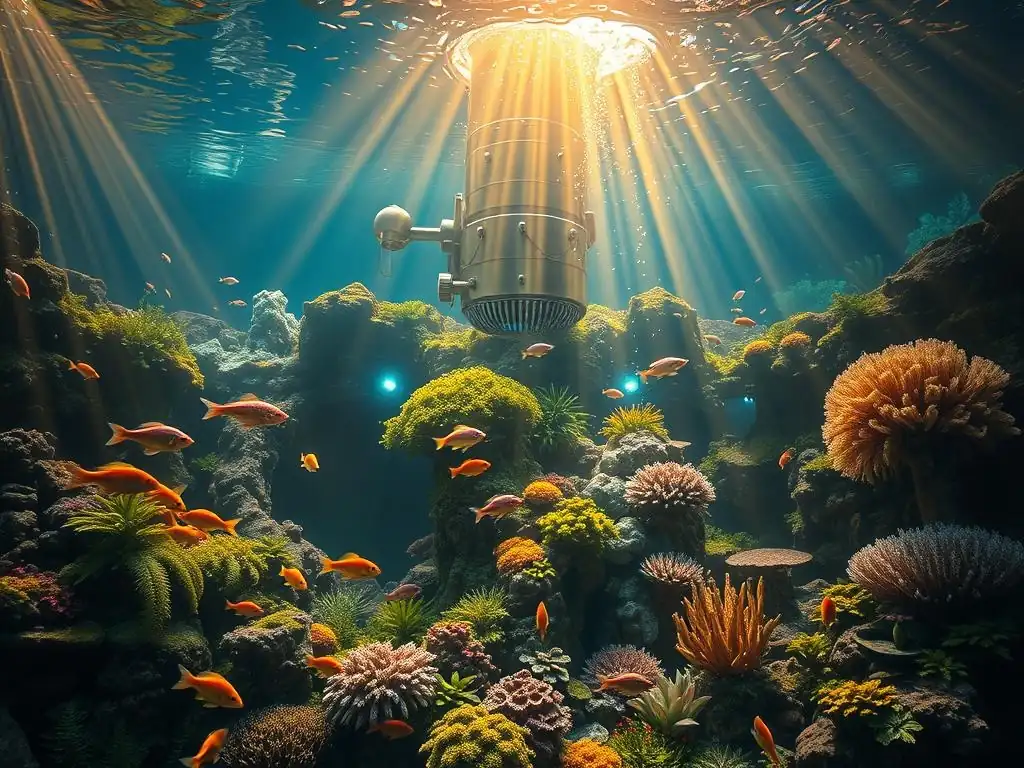
Welcome to Aquarium Mastery, where we're passionate about helping you create thriving aquatic ecosystems! Ever wondered if you're using the right pump to keep your aquarium healthy? This article dives deep into finding the best aquarium water pump size for your setup. Don't let inadequate circulation compromise your fish's health – keep reading to unlock the secrets to crystal-clear water and a happy, balanced aquarium!
- Understanding Aquarium Water Pumps
- Choosing the Right Aquarium Water Pump
- Different Types of Aquarium Water Pumps Explained
- Selecting the Best Aquarium Water Pump Size: A Practical Guide
- Installation and Maintenance of Aquarium Water Pumps
- Optimizing Water Circulation for a Healthy Aquarium
- Best Aquarium Water Pump Recommendations
- Upgrading Your Aquarium Water Pump
- Aquarium Water Pump FAQs
-
Frequently Asked Questions
- What is the importance of choosing the best aquarium water pump size?
- How do I determine the best aquarium water pump size for my tank?
- Does the type of aquarium (freshwater vs. saltwater) influence the best aquarium water pump size?
- What factors besides tank size should I consider when selecting the best aquarium water pump size?
- Where can I find reliable information on determining the best aquarium water pump size for my specific needs?
- Final Reflection: The Undulating Current of Responsibility
- Dive Deeper: Power Up Your Aquarium Knowledge!
Understanding Aquarium Water Pumps
The Vital Role of Water Pumps in Aquarium Health
Aquarium water pumps are the unsung heroes of any thriving aquatic environment, acting as the relentless heartbeat that drives the entire filtration system. Their primary function is to circulate water, ensuring that it constantly moves through mechanical, chemical, and biological filter media. This continuous flow is critical for removing physical debris, neutralizing harmful toxins like ammonia and nitrite, and providing a stable environment for beneficial bacteria to flourish. Without a properly functioning pump, stagnant water quickly leads to dangerous accumulations of waste products, jeopardizing the health and survival of all tank inhabitants.
Beyond filtration, water pumps play a crucial role in maintaining optimal water chemistry and physical conditions within the aquarium. They facilitate essential gas exchange at the water's surface, replenishing oxygen levels vital for fish respiration and expelling carbon dioxide.
Furthermore, consistent water movement helps distribute heat evenly throughout the tank, preventing temperature stratification that can stress sensitive aquatic life. For instance, in a 50-gallon freshwater tank, a pump that cycles the entire water volume four to six times per hour (200-300 gallons per hour, or GPH) is generally recommended to ensure efficient waste removal and oxygenation, preventing the rapid buildup of nitrates and phosphates that can fuel nuisance algae.
Types of Aquarium Water Pumps: A Comprehensive Overview
The world of aquarium water pumps offers a diverse range of options, each designed for specific applications and tank setups. The most common types include submersible pumps, which operate fully submerged within the water; external pumps, which sit outside the tank and draw water through plumbing; wave makers, specifically engineered to create oscillating currents in reef environments; and powerheads, versatile units used for localized circulation and aeration. Understanding the distinctions between these types is fundamental when determining the best aquarium water pump size for your specific needs.
Each pump type serves a unique purpose and boasts distinct advantages. Submersible pumps are often integrated into internal filters or used as return pumps in sumps for smaller to medium-sized tanks, valued for their quiet operation and compact footprint.
External pumps, on the other hand, are typically favored for larger systems with sumps, offering higher flow rates, easier maintenance access, and the advantage of not adding heat directly to the display tank. For instance, while a 20-gallon all-in-one nano reef tank might rely on an integrated submersible pump providing around 150 GPH, a 180-gallon reef tank with a sump would likely utilize an external pump capable of 1500 GPH or more, often supplemented by multiple wave makers producing thousands of GPH to simulate natural ocean currents.
Choosing the Right Aquarium Water Pump
Factors to Consider When Selecting a Water Pump
Selecting the optimal water pump for your aquarium involves a careful evaluation of several critical factors beyond just tank size. These include the type of aquarium (freshwater, saltwater, planted, reef), the specific inhabitants and their flow requirements, the type of filtration system employed (e.g., canister filter, sump, hang-on-back), and practical considerations such as head height, noise level, and energy consumption. A comprehensive assessment of these elements is crucial to ensure you pick the best aquarium water pump size that aligns perfectly with your aquatic ecosystem's needs, preventing issues like excessive current or insufficient flow.
For instance, a heavily planted freshwater tank might require a lower flow rate to avoid uprooting delicate plants, perhaps 2-3 times the tank volume per hour, while a bustling reef tank with soft corals might demand 10-20 times the tank volume per hour of total flow. Energy consumption is another significant factor; a small 100 GPH pump might draw only 5-10 watts, whereas a high-capacity 2000 GPH external pump could consume 70-120 watts continuously, leading to noticeable differences in electricity bills over a year.
Additionally, the pump's noise level can be a major concern for aquariums located in living areas, making quieter DC pumps or external models often the preferred choice.
Flow Rate and Tank Size: Finding the Perfect Match
The flow rate, typically measured in GPH (Gallons Per Hour), is arguably the most critical specification when selecting an aquarium water pump. It dictates how many times the entire volume of your tank's water is circulated through the filtration system per hour, known as the turnover rate. Matching the pump's GPH to your tank's size and specific needs is paramount for effective filtration, oxygenation, and nutrient distribution. An undersized pump will lead to poor water quality, while an oversized one can create excessive currents that stress fish, damage corals, or constantly stir up substrate.
General guidelines exist for different aquarium types to help you find the best aquarium water pump size. For typical freshwater community tanks, a turnover rate of 3-5 times the tank volume per hour is usually sufficient. This means a 50-gallon freshwater tank would ideally need a pump capable of 150-250 GPH.
However, planted tanks often benefit from a gentler flow of 2-3 times the tank volume, whereas marine reef tanks, especially those housing SPS (small polyp stony) corals, frequently require significantly higher turnover rates, sometimes exceeding 15-20 times the tank volume per hour. For example, a 75-gallon reef tank might necessitate a main return pump delivering 750-1000 GPH, often supplemented by powerful wave makers to achieve the desired total circulation.
Calculating the Best Aquarium Water Pump Size for Your Setup
GPH (Gallons Per Hour) Explained
GPH, or Gallons Per Hour, represents the volume of water a pump can move in one hour. It is the fundamental metric used to compare and select aquarium water pumps. However, it's crucial to understand that the advertised GPH rating of a pump is typically its maximum output at zero head height (i.e., pumping water horizontally at the same level). In real-world aquarium setups, especially those with sumps or external filters, water must be pumped vertically, against gravity, to return to the display tank. This vertical distance, known as "head height," significantly reduces the pump's actual GPH output.
Therefore, when calculating the best aquarium water pump size, you must consider the pump's performance curve, usually provided by the manufacturer, which illustrates how the GPH output decreases as head height increases. For example, a pump rated at 600 GPH at 0 feet of head might only deliver 400 GPH at 3 feet of head and perhaps just 250 GPH at 5 feet.
Failing to account for this reduction can result in an underpowered system, leading to insufficient filtration and circulation. Always select a pump whose GPH rating at your specific operating head height meets or exceeds your target turnover rate.
Turnover Rate: Optimizing Water Circulation
The turnover rate is a critical concept in aquarium husbandry, referring to the number of times the total volume of water in your aquarium passes through your filtration system per hour. Optimizing this rate is vital for effective waste removal, nutrient delivery, and maintaining stable water parameters. A well-calculated turnover rate ensures that water doesn't stagnate in any part of the tank, preventing the accumulation of detritus and the formation of anaerobic pockets, which can release harmful gases. This is a key consideration when determining the best aquarium water pump size.
Different aquarium types demand varying turnover rates. For instance, a standard freshwater community tank generally benefits from a turnover rate of 3-5 times per hour. This means a 30-gallon tank would need a pump delivering between 90 GPH and 150 GPH.
Heavily planted tanks often prefer a slightly lower rate, around 2-3 times per hour, to avoid disturbing plant substrates and delicate foliage. Conversely, marine reef tanks, particularly those with SPS or LPS (large polyp stony) corals, require much higher turnover rates, typically ranging from 10 to 20 times per hour, or even more, to ensure optimal nutrient exchange for corals. A 90-gallon reef tank aiming for a 15x turnover rate would require a total circulation of 1350 GPH (90 gallons * 15), often achieved through a combination of a main return pump and supplementary wave makers.
Head Height and Its Impact on Pump Performance
Head height is a crucial, yet often overlooked, factor when selecting an aquarium water pump, particularly for setups involving sumps or external filters where water needs to be pumped vertically. It refers to the vertical distance, measured in feet or meters, that the water must be pushed upwards from the pump's intake to its discharge point. As water is pumped higher, the pump has to work against gravity, resulting in a significant reduction in its actual flow rate (GPH). Ignoring head height can lead to a severely underperforming system, even if the pump's advertised GPH rating seems sufficient.
Manufacturers typically provide a performance curve or chart for their pumps, illustrating the GPH output at various head heights. For example, a pump might be rated at 800 GPH at 0 feet of head, but its output could drop to 600 GPH at 2 feet of head, 400 GPH at 4 feet, and potentially only 100 GPH at 6 feet.
This dramatic decrease highlights why it's essential to measure the exact vertical distance from the water level in your sump (where the pump sits) to the top of your display tank's return line. When choosing the best aquarium water pump size, always select a pump that can deliver your desired GPH at your specific head height, with a slight buffer for future plumbing restrictions or wear.
Types of Impellers and Their Applications
The impeller is the rotating component within a water pump that generates the flow of water. Its design significantly influences the pump's performance characteristics, including its efficiency, pressure-handling capabilities, and tolerance for debris. While often not a primary selection criterion for the average aquarist, understanding impeller types can provide insight into a pump's suitability for specific applications and its overall reliability. The two main categories are open impellers and closed impellers, each with distinct advantages.
Open impellers, characterized by their exposed vanes, are generally more tolerant of small debris and are less prone to clogging. They are often found in magnetic drive (mag-drive) pumps, which are known for their robustness and long lifespan, making them popular for continuous-duty applications like sump return pumps or pond pumps.
These impellers typically offer good flow rates but may be less efficient at generating high pressure. Closed impellers, on the other hand, feature shrouded vanes that create a more contained flow path, resulting in higher efficiency and the ability to generate greater pressure.
They are often used in centrifugal pumps designed for applications requiring a stronger push, such as feeding protein skimmers or reactors, though they can be more susceptible to clogging if not protected by a good intake screen. When considering the best aquarium water pump size for a specific task, the impeller type contributes to the pump's overall suitability and longevity.
Different Types of Aquarium Water Pumps Explained
Submersible Pumps: Pros, Cons, and Applications
Submersible pumps are perhaps the most common type of water pump found in aquariums, designed to operate completely immersed in water. Their primary advantage lies in their quiet operation, as the water itself dampens motor noise, and their compact size, allowing them to be discreetly placed within a tank, filter compartment, or sump. They are also highly efficient at transferring heat from the motor directly into the water, which can be a benefit in cooler environments but a disadvantage in already warm tanks, as they contribute to the overall water temperature.
However, submersible pumps also have drawbacks. Being constantly submerged means they can be more challenging to access for routine maintenance or troubleshooting, often requiring partial draining of the tank or sump. Their heat contribution can be problematic in summer months or for temperature-sensitive aquatic life, potentially necessitating a chiller.
Despite these cons, submersible pumps are widely used as return pumps in all-in-one aquariums, canister filters, and sumps, as well as for powering small internal filters, tabletop fountains, and even for mixing saltwater. For example, many popular nano aquariums (e.g., 10-20 gallons) come with integrated submersible pumps providing 100-200 GPH, perfectly suited for their compact filtration chambers.
External Pumps: Advantages and When to Use Them
External pumps, also known as inline pumps, are designed to operate outside the aquarium or sump, drawing water in through an intake hose and returning it via an output hose. Their primary advantage is their accessibility for maintenance and repair, as they don't require you to reach into the water.
Furthermore, because they are not submerged, they do not directly contribute heat to the aquarium water, which is a significant benefit for tanks prone to overheating or those requiring precise temperature control. External pumps also tend to offer higher flow rates and can handle greater head pressure, making them ideal for large aquariums and complex systems.
While external pumps generally run quieter than similarly powered submersible pumps due to their external placement, they do require additional plumbing and space outside the tank, which can be a consideration for smaller setups. They are typically more expensive than submersible equivalents and may require priming before initial use.
External pumps are most commonly employed in large sumped systems for main return pumps, powering chillers, UV sterilizers, or large reactors. For instance, a 150-gallon reef tank with a 5-foot head height would often benefit from an external pump capable of delivering 1500-2000 GPH, providing robust and reliable circulation without adding unwanted heat to the display tank.
Wave Makers: Creating Natural Reef Environments
Wave makers are specialized aquarium water pumps designed specifically to create dynamic and oscillating water currents, mimicking the natural surge and ebb found in ocean reef environments. Unlike traditional pumps that provide a constant, unidirectional flow, wave makers aim to replicate the complex, turbulent, and often random water movement that corals and reef inhabitants experience in their natural habitats. This dynamic flow is crucial for the health of many corals, facilitating nutrient delivery, waste removal from coral tissues, and preventing detritus from settling on their surfaces.
Modern wave makers often feature advanced controllers that allow for varying flow patterns, pulse modes, and even synchronized operation between multiple units to create highly realistic water motion. They are almost exclusively used in saltwater reef aquariums, where strong and varied water movement is paramount.
For example, a 75-gallon reef tank might incorporate two to three wave makers, each capable of pushing 1000-2000 GPH, to achieve a total circulation rate of 20-40 times the tank volume per hour, which is essential for the vitality of SPS corals like Acropora. When selecting the best aquarium water pump size for a reef setup, wave makers are an indispensable component for overall water movement.
Powerheads: Boosting Circulation and Oxygenation
Powerheads are versatile, compact submersible pumps primarily used to enhance water circulation and oxygenation in specific areas of an aquarium. While they share similarities with wave makers in terms of creating water movement, powerheads typically offer a more consistent, unidirectional flow and are often simpler in design, lacking the advanced programming capabilities of dedicated wave makers. They are highly effective at preventing "dead spots" – areas of stagnant water where detritus can accumulate and anaerobic conditions might develop – and can be used in both freshwater and saltwater setups.
In freshwater aquariums, powerheads can be strategically placed to ensure proper water movement around dense plant growth or large decorations, helping to distribute nutrients and prevent the buildup of organic waste. For instance, a 40-gallon heavily decorated freshwater tank might benefit from a small 100-200 GPH powerhead positioned behind a large piece of driftwood to keep detritus suspended for filter intake.
In marine tanks, powerheads are used to supplement the main return pump, providing additional flow for corals or to keep sand beds clean. They are also commonly used to drive accessories like protein skimmers, internal reactors, or even undergravel filters, making them a flexible tool for optimizing water quality and circulation.
Selecting the Best Aquarium Water Pump Size: A Practical Guide
Small Aquariums: Nano Tanks and Water Pump Needs
For small aquariums, often referred to as nano tanks (typically under 10 gallons), selecting the best aquarium water pump size requires a delicate balance. The primary goal is to provide adequate filtration and circulation without creating excessive turbulence that could stress small fish or invertebrates, or blast fine substrates. Gentle, consistent flow is key. Many nano tanks come as all-in-one units with integrated submersible pumps designed to provide appropriate flow for their compact filtration chambers.
If a separate pump is needed, or for upgrading an existing setup, look for very low GPH pumps, typically in the range of 25-100 GPH. These pumps should be quiet and compact, often drawing very little power (e.g., 2-5 watts). For example, a 5-gallon nano reef tank might be adequately served by a pump providing 50-75 GPH, ensuring gentle flow over corals and through filter media without turning the tank into a washing machine. Overpowering a nano tank can lead to stressed inhabitants, difficulty feeding, and even substrate erosion.
Medium-Sized Aquariums: Balancing Flow and Filtration
Medium-sized aquariums, generally ranging from 30 to 75 gallons, offer more flexibility in pump selection but still require careful consideration to achieve the best aquarium water pump size. For these tanks, the aim is to balance sufficient flow for robust filtration with the needs of the tank's inhabitants. Whether using a canister filter, a hang-on-back power filter, or a small sump, the pump's GPH rating should ensure a turnover rate of 3-5 times per hour for freshwater setups, and 8-15 times per hour for marine tanks, depending on the bioload and coral types.
For a 50-gallon freshwater tank, a pump delivering 150-250 GPH is a good starting point, often integrated within a canister filter or used as a return pump for a compact sump. For a 75-gallon marine tank, a return pump in the 750-1000 GPH range would be appropriate, often supplemented with powerheads or smaller wave makers to achieve the higher circulation demands of reef inhabitants. Consider pumps with adjustable flow control for fine-tuning the current, allowing you to adapt to the specific needs of your fish and corals.
Large Aquariums: High-Capacity Pumps for Optimal Health
Large aquariums, typically 75 gallons and above, demand high-capacity pumps to ensure optimal water circulation, filtration efficiency, and overall aquatic health. For these substantial systems, external pumps are frequently the preferred choice, especially when utilizing a sump, due to their higher flow rates, better energy efficiency, and easier maintenance access. Achieving the best aquarium water pump size for large tanks often involves a combination of a powerful main return pump and multiple supplemental circulation pumps (like wave makers or powerheads) to eliminate dead spots.
For a 125-gallon freshwater tank with a sump, a return pump capable of 800-1200 GPH at the actual head height might be necessary to ensure a 6-10x turnover rate through the sump. For a 180-gallon reef tank, the requirements escalate significantly; the main return pump could be rated at 1500-2500 GPH, supplemented by two to four powerful wave makers, each pushing 2000-5000 GPH, to achieve total tank circulation of 20-40 times the tank volume per hour.
Investing in energy-efficient DC pumps with variable speed control is often beneficial for large setups, allowing for precise flow adjustments and significant long-term energy savings.
Saltwater vs. Freshwater: Specific Pump Requirements
The choice of the best aquarium water pump size and type often differs significantly between saltwater and freshwater setups due to varying biological demands and water chemistry. Saltwater aquariums, particularly reef tanks, typically require much higher flow rates and more robust circulation compared to most freshwater tanks.
This is because many marine invertebrates, especially corals, rely on strong, turbulent water movement for nutrient uptake, waste removal, and to prevent detritus accumulation on their delicate tissues. A common guideline for reef tanks is a total circulation of 10-40 times the tank volume per hour, necessitating powerful return pumps and multiple wave makers.
Furthermore, saltwater environments are corrosive, meaning pumps used in marine tanks must be constructed from durable, marine-grade materials like ceramic shafts and high-quality plastics to resist salt creep and corrosion. Freshwater tanks, conversely, generally require less aggressive flow, typically 3-5 times the tank volume per hour for community fish, and are less demanding on pump materials.
For instance, a 75-gallon freshwater tank might thrive with a 250-400 GPH pump, while a 75-gallon reef tank would likely need a return pump of 750-1000 GPH plus additional wavemakers totaling several thousand GPH. Always check if a pump is rated for saltwater use before purchase.
Installation and Maintenance of Aquarium Water Pumps
Step-by-Step Guide to Installing Your Aquarium Pump
Proper installation is crucial for your aquarium water pump to operate efficiently and safely, ensuring it delivers the best aquarium water pump size performance for your system. Before beginning, always ensure your hands are dry and the power to all aquarium equipment is disconnected. First, unpack the pump and inspect it for any visible damage. If it's a submersible pump, place it securely in its designated location within the sump, filter chamber, or directly in the display tank, ensuring its intake is clear of obstructions and positioned deep enough to remain submerged even during normal water level fluctuations.
Next, connect the appropriate tubing or plumbing to the pump's outlet. For external pumps, connect both intake and output lines, ensuring all connections are secure, using hose clamps for flexible tubing over 0.75 inches in diameter to prevent leaks. For external pumps, you may need to prime the pump by manually filling the intake line with water before starting it.
Once all connections are secure and the pump is properly positioned, slowly restore power. Monitor the pump for a few minutes to ensure it's operating smoothly, without excessive noise or leaks, and that water is flowing as expected. Adjust flow control if available, and check for any air bubbles trapped in the lines, which might require a gentle shake or tilt of the pump to release.
Regular Maintenance: Keeping Your Pump Running Smoothly
Regular maintenance is paramount for extending the lifespan of your aquarium water pump and ensuring it consistently provides the best aquarium water pump size output for your system. Over time, calcium deposits, algae, and detritus can accumulate on the impeller and within the pump housing, leading to reduced flow, increased noise, and ultimately, pump failure. The frequency of cleaning depends on your tank's bioload and water parameters, but a general guideline is to perform a thorough cleaning every 1 to 3 months.
To maintain your pump, first, disconnect it from power and remove it from the aquarium. Disassemble the pump by carefully removing the volute (the front cover) and then gently pulling out the impeller assembly, which often includes a ceramic shaft. Inspect the impeller for any visible debris, hair, or calcium buildup.
Use a small brush (like a toothbrush or pipe cleaner) to scrub the impeller, its shaft, and the inside of the pump housing. For stubborn calcium deposits, soaking the parts in a dilute acid solution, such as a 50/50 mix of white vinegar and water, for 30 minutes to several hours can be highly effective. Rinse all parts thoroughly with clean water before reassembling the pump and returning it to service.
Troubleshooting Common Pump Issues: Noise, Reduced Flow, and More
Even with regular maintenance, aquarium water pumps can occasionally develop issues. Knowing how to troubleshoot common problems can save you time and money, and help maintain the best aquarium water pump size performance. One frequent complaint is increased noise. This can often be attributed to debris caught in the impeller, a worn impeller or shaft (especially if it's rattling), or air trapped within the pump or plumbing. Disconnecting the pump, disassembling it, and thoroughly cleaning the impeller and shaft often resolves noise issues. If the noise persists after cleaning, the impeller or shaft may need replacement.
Reduced flow is another common problem. The primary cause is almost always clogging from detritus, algae, or calcium buildup on the impeller or within the intake/output lines. A thorough cleaning, as described above, is the first step. Other causes include an air lock (especially with external pumps that aren't properly primed), excessive head height (if the setup has changed), or a kinked hose.
If the pump fails to turn on at all, first check the power connection. If power is confirmed, the impeller might be jammed with debris, or in rare cases, the motor may have failed. Addressing these issues promptly ensures your pump continues to provide optimal circulation and filtration for your aquarium.
Cleaning Your Aquarium Pump: A Detailed Guide
Thorough cleaning of your aquarium pump is essential for its longevity and performance. Calcium buildup, algae, and detritus can significantly impede its efficiency, reducing flow and increasing wear. To clean your pump, always start by unplugging it from the power outlet and removing it from the aquarium or sump. Next, carefully disassemble the pump. Most pumps allow for easy removal of the front intake screen or volute, exposing the impeller. Gently pull out the impeller assembly, which often includes a ceramic or metal shaft and small rubber bushings.
Once disassembled, inspect all components. Use a soft brush, like an old toothbrush or a specialized pump brush, to scrub away any visible slime, algae, or detritus from the impeller blades, the shaft, and the inside of the pump's housing. For stubborn mineral deposits, especially calcium carbonate, soak the disassembled parts in a solution of white vinegar (diluted 50/50 with water) or a commercial aquarium descaler.
A 30-minute soak is often sufficient for light buildup, while heavily encrusted parts may benefit from several hours or even an overnight soak. After soaking, scrub again and rinse all parts thoroughly with clean, fresh water to remove any residue before carefully reassembling the pump. This detailed cleaning process ensures your pump continues to deliver the best aquarium water pump size output.
Optimizing Water Circulation for a Healthy Aquarium
The Importance of Proper Water Circulation
Proper water circulation is a cornerstone of a healthy and thriving aquarium ecosystem, extending far beyond simply moving water through a filter. It plays a multifaceted role in maintaining stable water parameters, facilitating gas exchange, and ensuring the well-being of aquatic inhabitants. Consistent water movement prevents the formation of stagnant "dead spots" where detritus can settle and harmful anaerobic bacteria can flourish, releasing toxic compounds like hydrogen sulfide. Furthermore, robust circulation ensures that essential nutrients are delivered uniformly to all parts of the tank, benefiting plants and corals alike, while simultaneously carrying away waste products to the filtration system.
In marine reef tanks, for instance, proper water flow is critical for corals to efficiently uptake dissolved nutrients and expel metabolic waste products from their tissues. Insufficient flow can lead to "brown jelly disease" in corals or cause them to slowly starve. In freshwater setups, good circulation prevents temperature stratification, ensuring the entire water column is at a consistent temperature, which is vital for fish health.
For example, a flow rate that achieves a 4-5x turnover of the tank volume per hour helps distribute oxygen evenly throughout the water, which is crucial for fish respiration and the health of beneficial nitrifying bacteria residing in the filter media. Achieving this optimal circulation is a direct result of choosing the best aquarium water pump size and strategically positioning it.
Preventing Dead Spots in Your Aquarium
Dead spots are areas within an aquarium where water circulation is minimal or non-existent, leading to the accumulation of detritus, uneaten food, and other organic waste. These stagnant zones are problematic because they can become breeding grounds for nuisance algae, foster the growth of harmful anaerobic bacteria that produce toxic gases (like hydrogen sulfide, identifiable by a rotten egg smell), and contribute to elevated nitrate and phosphate levels. Preventing dead spots is crucial for maintaining pristine water quality and a healthy environment, and it is a key consideration when selecting and positioning the best aquarium water pump size.
To prevent dead spots, strategic placement of your main return pump and supplementary powerheads or wave makers is essential. For rectangular tanks, positioning the main return on one end and a smaller powerhead on the opposite end, slightly angled towards the front, can create a circular flow pattern that minimizes stagnant areas.
In tanks with complex aquascaping, such as large rock structures or dense plant growth, additional smaller pumps may be necessary to direct flow into otherwise sheltered areas. For example, a 75-gallon tank with intricate rockwork might benefit from a main return pump providing 750 GPH, supplemented by two small 200 GPH powerheads placed strategically behind the rock to ensure all areas receive adequate flow and prevent detritus accumulation that could lead to nitrate spikes of 20-30 ppm.
Positioning Your Pump for Maximum Efficiency
The strategic positioning of your aquarium water pump is as critical as selecting the best aquarium water pump size for achieving optimal circulation and filtration. Proper placement ensures that water is efficiently moved throughout the entire tank, minimizing dead spots and maximizing the pump's effectiveness. For main return pumps, especially those connected to sumps, the output nozzle is typically directed towards the opposite end of the tank from the overflow, creating a long, sweeping current that helps push water towards the intake.
For supplementary circulation pumps like powerheads or wave makers, the goal is to create diverse and turbulent flow patterns, avoiding direct, concentrated blasts of water that could stress inhabitants or erode substrate. In reef tanks, multiple wave makers are often placed on opposing sides of the tank, sometimes slightly angled, and set to different flow patterns (e.g., pulsing, random) to simulate natural ocean currents. For instance, in a 90-gallon reef tank, two 1500 GPH wave makers placed on opposite ends, approximately 6-8 inches below the water surface and angled slightly downwards, can create a strong yet varied flow that benefits corals.
In freshwater tanks, powerheads can be positioned behind large decorations or in corners to direct flow into stagnant areas. Regularly observing your tank's flow patterns (perhaps by watching the movement of small detritus) can help you fine-tune pump positioning for maximum efficiency.
Best Aquarium Water Pump Recommendations
Top Water Pump Recommendations for Nano Tanks (Under 10 Gallons)
For nano tanks, the emphasis is on gentle, consistent flow rather than sheer power, making the selection of the best aquarium water pump size crucial to avoid overwhelming small inhabitants or fine substrates. Ideal pumps for these setups are typically compact submersible units that offer low GPH outputs and operate very quietly. Many popular all-in-one nano aquariums come with integrated pumps that are perfectly sized for their filtration compartments, often providing a gentle flow of 50-100 GPH.
When purchasing a standalone pump for a nano tank, look for models designed specifically for small volumes. These pumps often have adjustable flow rates, allowing you to fine-tune the output to suit the specific needs of your fish, shrimp, or corals. For example, a pump with a true output of 25-75 GPH is generally sufficient for a 5-gallon tank, ensuring adequate water movement for filtration without creating excessive currents. Prioritize pumps known for their quiet operation and low power consumption, typically drawing less than 5 watts, to maintain a peaceful environment and minimize electricity costs.
Top Water Pump Recommendations for Small Tanks (10-30 Gallons)
For small aquariums in the 10-30 gallon range, selecting the best aquarium water pump size involves balancing effective filtration with the need for moderate, non-turbulent flow. Most hang-on-back (HOB) power filters for this size range include integrated pumps that provide appropriate flow, typically cycling the tank volume 3-5 times per hour. If using a small sump or an internal filter that requires a separate pump, submersible models are usually the most practical choice due to their quiet operation and compact footprint.
Look for pumps that offer a true output in the range of 100-300 GPH, allowing for adequate filtration turnover without creating overly strong currents that could stress fish or uproot plants. For instance, a 20-gallon freshwater community tank would benefit from a pump providing around 100-150 GPH. Some submersible pumps designed for this size range also come with adjustable flow controls, which are highly beneficial for fine-tuning the current. Prioritize models known for their reliability and low heat output, as even a small amount of added heat can significantly impact temperature stability in smaller water volumes.
Top Water Pump Recommendations for Medium Tanks (30-75 Gallons)
For medium-sized aquariums (30-75 gallons), the selection of the best aquarium water pump size becomes more diverse, accommodating various filtration methods like canister filters, sumps, or larger internal filters. The goal is to provide robust circulation that supports a healthy ecosystem without being overly aggressive. Depending on the tank type, flow rates typically range from 3-5 times tank volume per hour for freshwater setups and 8-15 times for marine environments.
For a 50-gallon freshwater tank, a pump delivering 200-350 GPH is often ideal, whether it's integrated into a canister filter or serving as a return pump for a compact sump. For a 75-gallon marine tank, a more powerful submersible or small external return pump capable of 750-1000 GPH at the actual head height would be appropriate, often supplemented by a moderate wave maker for additional circulation.
Consider pumps with durable ceramic shafts for saltwater use and those with adjustable flow features to fine-tune the current. Energy efficiency also becomes a more significant factor in this size range, as pumps will be running continuously.
Top Water Pump Recommendations for Large Tanks (75+ Gallons)
For large aquariums (75 gallons and above), the demand for powerful and reliable water circulation necessitates high-capacity pumps, making the choice of the best aquarium water pump size critical for overall system health. External pumps are frequently recommended for sumped systems in this size range due to their superior flow rates, quieter operation, and ease of maintenance outside the tank. For reef tanks, a combination of a powerful return pump and multiple wave makers is almost always required to achieve the necessary high turnover rates.
For a 125-gallon freshwater tank with a sump, a return pump capable of 1000-1500 GPH at your system's specific head height would provide excellent filtration and circulation. For a 180-gallon reef tank, the main return pump might need to deliver 1800-2500 GPH, often complemented by two to four high-flow wave makers, each pushing 2000-5000 GPH, to create dynamic and varied currents. Look for energy-efficient DC pumps with advanced controllers for precise flow adjustment and reduced electricity consumption over the long term. Prioritize pumps from reputable brands known for their durability and performance in continuous, heavy-duty applications.
Upgrading Your Aquarium Water Pump
When is it Time to Upgrade Your Pump?
Determining the right time to upgrade your aquarium water pump is crucial for maintaining optimal tank health and efficiency. Several indicators suggest that your current pump might no longer be providing the best aquarium water pump size performance for your setup. A noticeable and consistent reduction in water flow, even after thorough cleaning, is a primary sign that the pump is losing efficiency due to wear or age. If your pump becomes significantly noisier than usual, producing grinding, rattling, or humming sounds, it often indicates worn bearings, a damaged impeller, or a failing motor.
Frequent clogging or an inability to maintain stable water parameters despite regular maintenance can also point to an underperforming pump. Furthermore, if you've upgraded your tank size, added more inhabitants, or changed your filtration method (e.g., from a hang-on-back filter to a sump), your existing pump may no longer be the best aquarium water pump size for the new demands.
Most aquarium pumps have a lifespan of 3 to 5 years under continuous operation; if yours is nearing or past this age and showing signs of decline, proactively upgrading can prevent a sudden failure that could jeopardize your tank's ecosystem. For example, a 30% reduction in flow rate after cleaning is a strong indicator that replacement is imminent.
Considerations for Upgrading to a More Powerful Pump
Upgrading to a more powerful aquarium water pump involves several key considerations beyond just a higher GPH rating, ensuring you select the best aquarium water pump size for your enhanced needs. First, carefully evaluate your tank's current and future requirements. Are you experiencing dead spots, insufficient filtration, or planning to add more flow-loving corals? This will help determine the target GPH and the type of pump needed (e.g., a stronger return pump, or additional wave makers).
Next, assess your existing plumbing and infrastructure. Can your current return lines and bulkheads handle the increased flow of a more powerful pump without overflowing your sump or display tank? You might need to upgrade plumbing sizes to accommodate higher volumes.
Energy efficiency is another critical factor; modern DC pumps often offer significantly better efficiency and adjustable flow compared to older AC models. For instance, upgrading from an older 800 GPH AC pump to a new 1000 GPH DC pump might not only provide more flow but also reduce energy consumption by 20-30 watts, translating to noticeable savings over time. Finally, consider noise levels and the overall footprint of the new pump, especially if space is limited or the tank is in a living area.
Aquarium Water Pump FAQs
Answering Common Questions About Aquarium Water Pumps
-
Can an aquarium pump be too strong?
Yes, absolutely. While good circulation is vital, an overly powerful pump for your tank size can create excessive currents that stress fish, causing them to constantly fight the flow, leading to clamped fins, exhaustion, and reduced feeding. In planted tanks, strong currents can uproot delicate plants, while in sand-bottom tanks, they can create "sandstorms" or constantly shift the substrate, exposing the tank bottom.
For instance, a 500 GPH pump in a 10-gallon tank would be severely overpowered, turning it into a chaotic environment. Finding the best aquarium water pump size involves balancing flow with the needs of your specific inhabitants.
-
How long do aquarium water pumps typically last?
The lifespan of an aquarium water pump varies significantly based on its quality, maintenance, and continuous operating conditions. On average, a well-maintained, continuous-duty aquarium pump can last anywhere from 3 to 5 years. Higher-end models, especially those with durable ceramic shafts and robust motors, can sometimes last 7 years or more. However, neglect, such as infrequent cleaning, allowing debris to enter the impeller, or running the pump dry, can drastically shorten its lifespan, sometimes to less than a year.
-
What's the difference between a powerhead and a wave maker?
While both powerheads and wave makers circulate water, their primary functions and capabilities differ. A powerhead typically provides a consistent, unidirectional stream of water, primarily used for localized circulation, preventing dead spots, or driving small accessories. Wave makers, on the other hand, are specifically designed to create dynamic, oscillating, or pulsing currents that mimic natural ocean waves. They often come with advanced controllers that allow for varied flow patterns, synchronized operation between multiple units, and adjustable intensity, making them indispensable for replicating natural reef environments.
-
Do I need a separate air pump if I have a water pump?
Not necessarily. A well-chosen water pump that provides adequate surface agitation (water breaking the surface) can facilitate sufficient gas exchange for oxygenation. If your filter's return creates ripples or breaks the surface effectively, an air pump and air stone might not be required.
However, for heavily stocked tanks, tanks with low surface agitation, or during times of increased oxygen demand (e.g., warmer temperatures, medication), an air pump can provide supplemental oxygenation. The need depends on your overall system's circulation and bioload, and the best aquarium water pump size for your main filtration system often dictates if additional aeration is needed.
Frequently Asked Questions
What is the importance of choosing the best aquarium water pump size?
Choosing the right size is crucial. An undersized pump won't adequately filter the water, leading to poor water quality. An oversized pump can create excessive current, stressing fish and disturbing plants.
How do I determine the best aquarium water pump size for my tank?
The general rule is to circulate the entire tank volume 4-6 times per hour. Calculate your tank's volume in gallons and multiply by 4-6 to get the required Gallons Per Hour (GPH).
Does the type of aquarium (freshwater vs. saltwater) influence the best aquarium water pump size?
Yes, it can. Saltwater tanks, especially reef tanks, often require higher flow rates than freshwater tanks. Consider the specific needs of your aquarium inhabitants and desired water movement.
What factors besides tank size should I consider when selecting the best aquarium water pump size?
Consider the height of your tank, the type of filtration system you're using (e.g., sump), and the inhabitants of your aquarium. Longer or taller tanks require pumps with greater head height.
Where can I find reliable information on determining the best aquarium water pump size for my specific needs?
AquariumMastery.com provides detailed guides on various filtration systems and pump sizing. You can also find species-specific recommendations to ensure your fish are comfortable and healthy.
Final Reflection: The Undulating Current of Responsibility
The information presented throughout this article underscores the critical role of aquarium water pumps, highlighting that selecting the best aquarium water pump size is not merely a technicality, but a fundamental aspect of responsible fishkeeping. Understanding the nuances of flow rates, tank volumes, and the specific needs of aquatic inhabitants is paramount to creating a thriving and balanced ecosystem within the glass walls of our aquariums. Neglecting this vital component can have devastating consequences, underscoring the weight of our choices as custodians of these miniature aquatic worlds.
This understanding of optimal water flow extends beyond the immediate health of our fish; it reflects a broader commitment to responsible pet ownership and environmental stewardship. The dedication to researching and implementing the correct pump size demonstrates a profound respect for the delicate balance of nature, even within a controlled environment. The greatness of a nation and its moral progress can be judged by the way its animals are treated.
- Mahatma Gandhi. This quote resonates deeply, reminding us that our treatment of even the smallest creatures reflects our overall character and commitment to ethical living.
As you consider the information presented, I encourage you to reflect on your own role in creating a healthy and sustainable environment for your aquatic companions. Choosing the best aquarium water pump size is more than just a task; it's an opportunity to deepen your understanding of aquatic ecosystems and to contribute to the well-being of the creatures in your care. Embrace this responsibility, and let the gentle hum of your well-chosen pump serve as a constant reminder of your dedication to creating a thriving underwater world.
Dive Deeper: Power Up Your Aquarium Knowledge!
Thanks for exploring the vital role of water pumps in aquarium health! Now that you understand how these unsung heroes keep your underwater world thriving, it's time to take action.
Here are a few ways to amplify your aquarium mastery:
- Calculate Your Ideal Flow Rate: Use our handy calculator (available on our website's resources page!) to determine the perfect pump size for your specific tank.
- Share the knowledge: Recommend this article to an aquarium enthusiast who is struggling with water quality.
- Explore Beyond Flow: Research the different types of water pumps (internal, external, wave makers), and what is best for your fish.
What's one adjustment you plan to make to your aquarium's water flow this week to improve its overall health?