
Aquarium Invaders: Identifying and Eradicating Common Tank Pests Effectively

Welcome to Aquarium Mastery, where your underwater world comes to life!
Ever found uninvited guests lurking in your aquarium, threatening the delicate balance you've worked so hard to achieve? Discover the secrets to identifying and eradicating those pesky intruders in our comprehensive guide to common aquarium pest control. Dive in now and learn how to keep your tank thriving and pest-free! What are those tiny creatures and how do you get rid of them? Let's find out!
- Common Aquarium Pests: Identification, Control, and Prevention
- Understanding Aquarium Pests
- Identifying Common Aquarium Pests
- Aquarium Pest Control Methods
- Preventing Pest Infestations
-
Specific Pest Control Strategies
- Eradicating Algae: Light Control, Nutrients, and Water Changes
- Removing Pest Snails: Trapping, Manual Removal, and Chemical Treatments
- Eliminating Planaria: Gravel Vacuuming and Medication
- Controlling Hydra: Fenbendazole and Manual Removal
- Managing Aiptasia: Chemical Injections and Natural Predators
- Treating Fish Parasites: Medication and Water Quality
- Long-Term Aquarium Pest Management
- Conclusion: Maintaining a Healthy and Pest-Free Aquarium.
-
Frequently Asked Questions
- What are some of the most common pests found in freshwater aquariums?
- How can I identify if I have a planaria infestation in my aquarium?
- What are some natural methods for controlling snail populations in an aquarium?
- What steps should I take to prevent pests from entering my aquarium in the first place?
- Are there any chemical treatments available for eradicating hydra in an aquarium, and are they safe for all fish species?
- Final Reflection: Safeguarding Aquatic Harmony
- Transform Your Aquarium: Say Goodbye to Pesky Invaders!
Common Aquarium Pests: Identification, Control, and Prevention
Understanding Aquarium Pests
The Importance of Pest Management for Aquarium Health
Effective common aquarium pest control is paramount for maintaining a thriving aquatic ecosystem. Unchecked pest populations can rapidly degrade water quality, outcompete desirable organisms for resources, and introduce diseases, leading to significant stress or even mortality for fish and invertebrates. For instance, a severe algae bloom can deplete oxygen levels overnight, while an infestation of planaria can smother fish eggs or small fry. Data from various hobbyist forums and surveys suggest that uncontrolled pest issues are a contributing factor in roughly 20-30% of reported aquarium crashes, highlighting the critical need for proactive management.
Beyond the immediate threat to aquatic life, pests can also compromise the aesthetic appeal of an aquarium, turning a vibrant display into an unsightly mess. Persistent issues with common aquarium pests, such as widespread hair algae or an explosion of pond snails, often lead to frustration for aquarists and, in some cases, even abandonment of the hobby. Implementing a robust pest management strategy not only protects the health of your aquatic inhabitants but also preserves the beauty and enjoyment derived from your aquarium.
Defining Aquarium Pests
Aquarium pests are generally defined as any organism that, when introduced into an aquarium, proliferates uncontrollably or negatively impacts the health, aesthetics, or balance of the tank. This definition encompasses a wide range of biological entities, from various forms of nuisance algae to invasive invertebrates and even microscopic parasites. While some organisms, like certain types of detritus worms, are naturally occurring and generally harmless in small numbers, they can become problematic pests when their populations explode due to overfeeding or poor maintenance.
The key characteristic of an aquarium pest is its potential for rapid reproduction and its capacity to disrupt the delicate balance of a closed aquatic environment. For example, a single Aiptasia anemone can quickly clone itself into hundreds, stinging corals and fish, while a handful of hitchhiking bladder snails can lead to an overwhelming population in just weeks, consuming plants and fouling the substrate. Understanding what constitutes a pest is the first step in effective common aquarium pest control, allowing aquarists to differentiate between benign inhabitants and problematic invaders.
Common Freshwater vs. Saltwater Pests
The types of common aquarium pests encountered vary significantly between freshwater and saltwater environments, primarily due to differences in species diversity and ecosystem dynamics. In freshwater aquariums, common invaders often include various forms of algae (e.g., green spot algae, hair algae, cyanobacteria), nuisance snails (e.g., Ramshorn snails, Malaysian Trumpet Snails, bladder snails), planaria, and hydra. Fish parasites like Ich (white spot disease) and flukes are also prevalent concerns that require prompt common aquarium pest control.
Saltwater aquariums, conversely, contend with a distinct set of challenges. Aiptasia anemones are a notorious pest, rapidly spreading and stinging corals. Bristleworms can be beneficial in moderation but certain species can grow large and become problematic. Other common saltwater pests include flatworms, nudibranchs that prey on specific corals, and parasitic copepods. While Ich can affect saltwater fish, marine velvet (Amyloodinium ocellatum) is a particularly virulent and fast-acting parasite unique to marine systems, demanding specialized common aquarium pest control approaches.
Identifying Common Aquarium Pests
Identifying Algae: Diatoms, Green Spot, and Cyanobacteria
Algae are perhaps the most ubiquitous common aquarium pests, appearing in various forms, each indicative of specific tank conditions. Diatoms, often called "brown algae," typically appear as a brown film on surfaces, especially in new tanks or those with high silicates. They are common during the initial cycling phase and usually recede as beneficial bacteria establish. Effective common aquarium pest control for diatoms often involves patience and ensuring proper filtration.
Green spot algae manifest as small, hard green spots on glass and slow-growing plant leaves, thriving in high light and low phosphate environments. While unsightly, they are generally harmless. Cyanobacteria, or "red slime algae," are not true algae but photosynthetic bacteria, forming dark green, blue-green, or reddish-purple mats that can cover substrate and decor. They often indicate low flow, high nitrates, and phosphates. Manual removal combined with addressing nutrient imbalances is crucial for common aquarium pest control against cyanobacteria. Hair algae, another common nuisance, appears as long, stringy green strands, often signaling excess nutrients and light.
Recognizing Invertebrate Pests
Invertebrate pests can range from tiny, almost imperceptible organisms to larger, more obvious invaders, each requiring specific common aquarium pest control strategies. Their presence can indicate underlying issues in water quality or overfeeding, and their rapid reproduction rates can quickly overwhelm a tank if left unaddressed. Accurate identification is key to choosing the most effective removal or treatment method.
Snail Identification: Pond Snails vs. Nerite Snails
Nuisance snails are among the most common aquarium pests, often hitchhiking on plants or decor. Pond snails (Lymnaeidae family) and bladder snails (Physidae family) are small, typically brown or black, and reproduce rapidly, laying clear gelatinous egg clutches. They are characterized by a shell that opens to the left when held spire-up (bladder snails) or a more conical spire (pond snails). While they consume algae and detritus, their populations can explode with overfeeding, leading to an unsightly appearance and potential competition for resources.
In contrast, Nerite snails (Neritina species) are highly desirable algae eaters and not pests. They have rounder, often striped or spotted shells, and their eggs are hard, white dots that do not hatch in freshwater. Distinguishing between these types is crucial for common aquarium pest control, as removing beneficial snails unnecessarily can disrupt the tank's ecosystem. Identifying the specific snail type helps determine if manual removal, trapping, or introducing a predator like an Assassin Snail is the best course of action.
Detecting Planaria: Identifying and Distinguishing from Detritus Worms
Planaria are flatworms characterized by their triangular or arrow-shaped heads and two distinct eyespots. They are typically white, gray, or reddish-brown and glide smoothly across surfaces. These common aquarium pests are often indicative of overfeeding and poor tank hygiene, thriving in environments with excess organic waste. While generally harmless to adult fish, they can prey on fish eggs, small fry, and shrimp, making their common aquarium pest control essential in breeding tanks.
It is important to distinguish planaria from detritus worms (often tubifex or similar species), which are thin, white, thread-like worms that wiggle vigorously in the water column or substrate. Detritus worms are a natural part of the clean-up crew and are usually harmless, only proliferating noticeably in tanks with high organic loads. Unlike planaria, detritus worms lack a distinct head shape or eyespots. Misidentifying detritus worms as planaria can lead to unnecessary and potentially harmful common aquarium pest control treatments.
Identifying Hydra: Appearance and Impact
Hydra are fascinating, yet problematic, common aquarium pests characterized by their small, translucent, tube-like bodies with a crown of stinging tentacles at one end. They typically attach to glass, plants, or decor and can range in size from a few millimeters to about a centimeter when extended. Their appearance resembles tiny, inverted jellyfish or miniature sea anemones. They reproduce rapidly, often by budding, and their presence indicates an abundance of small food sources, such as copepods or detritus, often exacerbated by overfeeding.
The primary concern with hydra is their ability to sting and consume small prey, including fish fry, shrimp larvae, and even small adult shrimp. Their stinging nematocysts can also irritate larger fish. A heavy infestation can quickly decimate a population of newly hatched fry or shrimp, making targeted common aquarium pest control necessary, especially in breeding tanks. While visually unique, their small size can sometimes make them difficult to spot until their population has significantly increased.
Recognizing Aiptasia Anemones: Identification and Spread
Aiptasia anemones are notorious common aquarium pests in saltwater tanks, often hitchhiking on live rock or corals. They are characterized by their clear or brownish, translucent bodies and long, thin tentacles tipped with stinging nematocysts. They typically have a small base and can retract quickly when disturbed. Aiptasia can range from a few millimeters to several centimeters in size and are easily mistaken for desirable small anemones by new aquarists.
Their most problematic characteristic is their rapid and prolific reproduction, primarily through budding and pedal laceration (leaving behind a piece of their foot that regenerates into a new anemone). A single Aiptasia can quickly lead to an infestation of hundreds, outcompeting and stinging corals, causing tissue recession or even death. Their ability to spread aggressively makes early identification and swift common aquarium pest control crucial to prevent widespread damage to a reef tank.
Identifying Bristleworms: Beneficial vs. Detrimental Species
Bristleworms (Polychaetes) are segmented worms covered in hair-like bristles, common inhabitants of saltwater aquariums. Most species are beneficial detritivores, acting as part of the clean-up crew by consuming leftover food and decaying organic matter. They are typically reddish-brown and can be seen emerging from the substrate or live rock, especially at night. These beneficial species are generally small and retreat quickly when disturbed, contributing positively to nutrient cycling and making them not common aquarium pests.
However, certain species, such as fireworms (e.g., Hermodice carunculata), can be detrimental common aquarium pests. These worms are larger, often brightly colored, and possess venomous bristles that can cause a painful sting if handled. Some fireworm species can also prey on corals, anemones, or small invertebrates. Distinguishing between beneficial bristleworms and problematic ones often involves observing their size, color, behavior, and any signs of damage to tank inhabitants. For the vast majority of aquarists, bristleworms are a sign of a healthy sand bed, and common aquarium pest control is only needed for the few harmful species.
Diagnosing Fish Parasites: Ich, Velvet, and Flukes
Diagnosing fish parasites early is critical for effective common aquarium pest control and preventing widespread disease in the tank. These microscopic invaders can rapidly spread, leading to significant stress, secondary infections, and mortality if left untreated. Recognizing the specific symptoms associated with each parasite is the first step towards accurate diagnosis and targeted treatment.
Ich, or White Spot Disease (Ichthyophthirius multifiliis in freshwater, Cryptocaryon irritans in saltwater), is one of the most common and recognizable fish parasites. It manifests as small, salt-grain-sized white spots on the fish's body, fins, and gills. Infected fish often display symptoms such as flashing (rubbing against tank objects), clamped fins, rapid breathing, and lethargy. The parasite burrows into the fish's skin, making it resilient to some treatments during its embedded stage. Prompt common aquarium pest control is vital as Ich can be highly contagious and lethal.
Velvet (Oodinium in freshwater, Amyloodinium ocellatum in saltwater) is another highly contagious and often more virulent parasite than Ich. It appears as a fine, dusty, yellowish or brownish coating on the fish's skin, resembling velvet. Symptoms include rapid breathing (gills are often heavily affected), flashing, lethargy, and a general dullness of color. Velvet is particularly dangerous in saltwater systems due to its rapid life cycle and ability to cause mass fatalities quickly. Effective common aquarium pest control for velvet requires immediate and often aggressive treatment.
Flukes are external flatworm parasites that attach to the fish's gills or body. Gill flukes (Dactylogyrus) cause rapid breathing, gasping at the surface, and inflamed or frayed gills, while body flukes (Gyrodactylus) lead to cloudy eyes, excessive slime coat production, flashing, and lethargy. Flukes are often too small to be seen with the naked eye but their presence is inferred by the fish's behavior and physical symptoms. Common aquarium pest control for flukes typically involves specific medications to eradicate these persistent parasites.
Aquarium Pest Control Methods
Quarantine Procedures: Preventing Introduction
The most effective common aquarium pest control strategy begins with prevention, and robust quarantine procedures are the cornerstone of this approach. Quarantining all new fish, plants, and even live rock in a separate, dedicated tank for a period of 2-4 weeks allows aquarists to observe them for signs of disease or pest hitchhikers before introduction to the main display tank. This isolation period provides an opportunity to treat any detected issues without risking the established ecosystem.
During quarantine, new fish can be prophylactically treated for common parasites like Ich or flukes, while plants can be dipped in solutions like potassium permanganate or bleach (diluted) to kill snails, snail eggs, or other invertebrate pests. Live rock can be left in a separate container with circulating water for a few weeks to allow any Aiptasia or other undesirable organisms to emerge, which can then be manually removed or treated. This proactive measure significantly reduces the likelihood of introducing common aquarium pests, saving considerable time and effort in the long run.
Manual Removal Techniques
Manual removal is a fundamental and often highly effective common aquarium pest control method, particularly for visible pests and localized outbreaks. It is non-chemical, making it safe for sensitive inhabitants, and allows for immediate reduction of pest populations. While it can be time-consuming, it offers direct control over the pest problem.
Algae Removal: Scraping, Brushing, and Water Changes
Manual removal is the primary method for common aquarium pest control of most types of algae. For algae on glass, dedicated aquarium scrapers with razor blades or magnetic cleaners are highly effective, removing films and spots without scratching the acrylic or glass. Stiff-bristled brushes or old toothbrushes work well for removing algae from decor, rocks, and hard-to-reach crevices. For algae on plant leaves, gentle wiping or rubbing can dislodge it, though severely affected leaves might need trimming.
Regular and thorough water changes, typically 25-50% weekly, are also a crucial component of manual algae control. Water changes dilute dissolved nutrients (nitrates, phosphates) that fuel algae growth, effectively starving them. Combining physical removal with consistent water changes significantly reduces algae populations. For example, a 50% water change can immediately reduce nitrate levels from 40 ppm to 20 ppm, directly limiting the food source for common aquarium pests like hair algae.
Invertebrate Removal: Trapping and Manual Extraction
Manual extraction is a straightforward common aquarium pest control method for larger invertebrate pests. For nuisance snails, simply picking them off the glass, plants, or decor by hand is effective for small infestations. During water changes, siphon off snails from the substrate. For larger populations, traps can be highly effective. A simple snail trap can be made by placing a blanched lettuce leaf or a piece of cucumber in the tank overnight; snails will congregate on it, allowing for easy removal the next morning.
For Aiptasia anemones, manual extraction is risky as they can release spores when disturbed, leading to more anemones. However, specialized tools like Aiptasia X or Kalkwasser paste can be injected directly into the anemone, causing it to dissolve. For bristly worms, tongs or tweezers can be used to grab and remove them, especially at night when they are most active. This direct approach ensures problematic common aquarium pests are removed without affecting the rest of the ecosystem.
Biological Control: Natural Predators
Biological control involves introducing natural predators to manage common aquarium pests, offering a sustainable and often less invasive alternative to chemical treatments. This method leverages the natural food chain to keep pest populations in check, promoting a more balanced ecosystem within the aquarium. However, careful consideration of the predator's needs and compatibility with existing tank inhabitants is essential.
Using Algae-Eating Fish: Otocinclus and Siamese Algae Eaters
Algae-eating fish are excellent biological common aquarium pest control agents for various forms of algae. Otocinclus catfish (Otocinclus affinis) are small, peaceful fish that are highly effective at consuming diatoms and soft green algae from plant leaves, glass, and decor. A small group of 3-5 Otocinclus can significantly reduce algae growth in a 20-gallon tank. They prefer established tanks with stable parameters and plenty of hiding spots.
Siamese Algae Eaters (Crossocheilus oblongus) are larger, more active fish known for their voracious appetite for hair algae and even some types of black beard algae. A single SAE can effectively graze a 50-gallon tank, keeping challenging algae in check. They are generally peaceful but can become territorial as they mature. Both species offer a natural and continuous common aquarium pest control solution, reducing the need for constant manual scrubbing.
Introducing Snails: Assassin Snails for Pest Snail Control
Assassin snails (Anentome helena) are highly effective biological common aquarium pest control agents specifically for managing populations of nuisance snails like Ramshorn, bladder, and Malaysian Trumpet Snails. These predatory snails actively hunt and consume other snails, making them a targeted and efficient solution. Typically, one Assassin Snail can effectively control a moderate pest snail population in a 10-gallon tank, with more needed for larger infestations.
Once the pest snail population is decimated, Assassin Snails will often switch to consuming leftover food or detritus, making them a self-regulating solution for common aquarium pest control. They are relatively easy to care for and do not harm fish or plants. Their introduction can significantly reduce or eliminate the need for manual snail removal or chemical treatments, contributing to a more balanced and pest-free environment.
Chemical Treatments: Application and Risks
Chemical treatments offer a rapid and often effective common aquarium pest control solution, particularly for widespread infestations or specific parasitic diseases. However, their application requires careful consideration due to potential risks to beneficial bacteria, sensitive invertebrates, and even fish if dosages are incorrect or the wrong product is used. Always follow manufacturer instructions precisely and understand the active ingredients.
Understanding Chemical Treatments: Copper, Praziquantel, and Fenbendazole
Various chemical compounds are used for common aquarium pest control, each targeting specific types of invaders. Copper-based medications are widely used in saltwater aquariums to treat external parasites like marine Ich (Cryptocaryon irritans) and marine velvet (Amyloodinium ocellatum). It is highly effective but must be carefully monitored with a copper test kit, as high levels are toxic to fish, and even low levels are lethal to invertebrates (shrimp, crabs, corals). For freshwater, copper can also treat Ich but is less commonly used than other options.
Praziquantel is a broad-spectrum anthelmintic (anti-worm) medication effective against internal and external flukes (Gyrodactylus, Dactylogyrus), tapeworms, and some trematodes. It is generally safe for fish and plants and does not harm the beneficial bacteria in the filter. Fenbendazole is another anthelmintic, particularly effective against planaria, hydra, and some internal nematode worms. It is often used to eradicate these common aquarium pests in freshwater tanks and is generally considered safe for fish and plants, though some sensitive invertebrates (e.g., snails, shrimp) may be affected.
Medications for Fish Parasites: Identifying the Correct Treatment
Accurate diagnosis is paramount when selecting medications for fish parasites, as using the wrong treatment can be ineffective or even harmful. For Ich, common treatments include malachite green and formalin combinations (e.g., Kordon Rid-Ich Plus), or heat treatment combined with salt in freshwater systems. For saltwater Ich (Cryptocaryon), copper remains a primary treatment. For velvet, medications containing copper sulfate or acriflavine are often used.
For flukes, praziquantel is the go-to medication. It is typically administered as a bath treatment or mixed into food. Understanding the life cycle of the parasite is also crucial; for example, Ich has a free-swimming stage that is susceptible to medication, so consistent treatment over several days or weeks is necessary to catch all stages. Consulting a reliable guide or veterinarian for specific symptoms ensures the correct common aquarium pest control medication is chosen.
Algaecides: Risks and Alternatives
Algaecides are chemical solutions designed to kill algae. While they can provide a rapid common aquarium pest control solution for severe algae blooms, their use comes with significant risks. Many algaecides contain copper, which can be toxic to invertebrates and some fish, or other chemicals that can deplete oxygen levels, particularly in heavily planted tanks or those with high organic loads, potentially suffocating fish. They often offer a temporary fix without addressing the root cause of the algae.
Furthermore, killing a large amount of algae quickly can lead to a massive die-off, releasing ammonia and nitrates into the water, causing dangerous spikes in water parameters. This can stress fish and lead to secondary bacterial blooms. As such, algaecides are generally considered a last resort. Preferred common aquarium pest control alternatives include addressing light duration and intensity, managing nutrient levels (nitrates, phosphates) through regular water changes, proper feeding, and introducing algae-eating clean-up crew members.
Natural Remedies: A Holistic Approach
Natural remedies offer a less aggressive, often safer, and more holistic approach to common aquarium pest control, particularly for mild to moderate infestations. These methods leverage environmental adjustments or naturally occurring substances to deter or eliminate pests without resorting to harsh chemicals, making them ideal for sensitive setups like planted tanks or shrimp tanks.
Salt Treatments for Ich and Other Parasites
Salt (sodium chloride, non-iodized aquarium salt or rock salt) is a widely used and effective natural remedy for common aquarium pest control, particularly in freshwater aquariums. For Ich, increasing the water temperature gradually to 82-86°F (28-30°C) combined with adding aquarium salt at a concentration of 1-3 tablespoons per 5 gallons (or 0.1-0.3% salinity) can disrupt the parasite's life cycle. The elevated temperature speeds up the Ich life cycle, while the salt irritates the parasite, causing it to detach from the fish, and interferes with its osmoregulation in the free-swimming stage.
Salt treatments can also help alleviate stress in fish, aid in slime coat production, and act as a mild antiseptic, helping to prevent secondary bacterial infections. While generally safe for most freshwater fish, caution is advised with scaleless fish (e.g., Corydoras catfish) and certain sensitive plant species, which may not tolerate higher salt concentrations. For these common aquarium pest control scenarios, lower concentrations or alternative treatments may be necessary.
Garlic as a Natural Antiparasitic
Garlic has gained popularity among aquarists as a natural common aquarium pest control agent and appetite stimulant. While not a standalone cure for severe parasitic infections, its active compounds, such as allicin, are believed to have antiparasitic and antibacterial properties. Garlic can be used in two primary ways: soaking fish food in garlic extract or feeding garlic-infused foods.
When fish consume garlic, it is thought to make them less appealing to external parasites like Ich, potentially deterring infestations or aiding in recovery. It also acts as a strong appetite stimulant, encouraging sick or finicky fish to eat, which is crucial for their recovery. While research on its direct efficacy as a standalone antiparasitic is still evolving, garlic is widely considered a safe and beneficial supplement in a holistic common aquarium pest control regimen, particularly for boosting fish immunity and appetite.
Preventing Pest Infestations
Proper Aquarium Cycling and Water Chemistry
Establishing and maintaining proper aquarium cycling and stable water chemistry are foundational to preventing common aquarium pest infestations. A fully cycled tank with a robust nitrogen cycle ensures that ammonia and nitrite, highly toxic compounds that stress fish and fuel pest outbreaks, are efficiently converted into less harmful nitrates. Uncycled tanks or those with unstable parameters lead to stressed fish, making them more susceptible to parasites and diseases, and create environments where nuisance algae and invertebrates thrive on excess organic waste.
Regular testing of water parameters—ammonia, nitrite, nitrate, pH, and hardness—allows aquarists to identify and correct imbalances before they lead to pest issues. For instance, consistently high nitrate and phosphate levels often fuel aggressive algae growth, while wildly fluctuating pH can stress fish and suppress their immune systems. Maintaining optimal water quality through consistent monitoring and appropriate common aquarium pest control measures like regular water changes is a proactive defense against most invaders.
Selecting Healthy Fish and Plants
The initial selection of healthy fish and plants is a crucial, yet often overlooked, step in preventing common aquarium pest infestations. Purchasing livestock from reputable suppliers who maintain clean tanks and practice good husbandry significantly reduces the risk of introducing diseases or pests. Always observe fish for signs of illness such as white spots, frayed fins, labored breathing, or unusual behavior before purchase. A healthy fish will be active, alert, and have clear eyes and intact fins.
Similarly, thoroughly inspecting new plants for hitchhiking snails, snail eggs, hydra, or algae is vital. Many common aquarium pests are introduced via live plants. Opting for tissue-cultured plants, if available, completely eliminates the risk of introducing pests as they are grown in sterile environments. If using regular potted or bunched plants, implementing proper quarantine or dipping procedures before adding them to the main tank is an essential common aquarium pest control measure.
Inspecting New Additions Before Introduction
Even with reputable suppliers, a final inspection of all new additions before they enter the main display tank is a non-negotiable common aquarium pest control step. This applies to fish, invertebrates, live plants, substrate, and decor. Before introducing new fish, carefully examine them in their bag or a small container for any signs of external parasites like Ich, velvet, or flukes. Look for clamped fins, rapid breathing, or unusual spots.
For plants, meticulously check leaves, stems, and roots for any visible snails, snail eggs (often clear or white gelatinous blobs), hydra, or unwanted algae. For live rock or decor, inspect crevices for Aiptasia, pest flatworms, or other unwanted hitchhikers. A simple freshwater dip (for saltwater items) or a bleach/potassium permanganate dip (for plants) can often eliminate many common aquarium pests. This final, diligent inspection acts as a critical last line of defense against introducing problems that could escalate into full-blown infestations.
Maintaining a Clean and Balanced Aquarium
A consistently clean and balanced aquarium environment is the best long-term common aquarium pest control strategy. Regular maintenance routines, including routine water changes, gravel vacuuming, and filter cleaning, prevent the build-up of organic waste that fuels pest proliferation. Overfeeding is a major contributor to pest issues; uneaten food decomposes, releasing nutrients that promote algae blooms and provide ample food for nuisance snails and worms. Feed sparingly, only what fish can consume in 2-3 minutes, once or twice a day.
Maintaining a balanced ecosystem involves not just cleanliness but also appropriate stocking levels and compatible species. Overstocking leads to increased waste production and stressed fish, making them more susceptible to disease. Ensuring adequate filtration and water circulation helps prevent stagnant areas where pests like cyanobacteria thrive. A well-maintained tank with stable parameters, appropriate lighting, and a balanced bioload creates an environment inhospitable to common aquarium pests, allowing beneficial organisms to flourish.
Specific Pest Control Strategies
Eradicating Algae: Light Control, Nutrients, and Water Changes
Eradicating algae, a pervasive common aquarium pest, primarily involves addressing the triumvirate of light, nutrients, and water quality. For light, assess intensity and duration; many tanks benefit from 8-10 hours of moderate light daily, with higher intensity requiring shorter durations. Consider a siesta period (e.g., 4 hours on, 2-3 hours off, 4 hours on) to disrupt algae photosynthesis without significantly affecting plants. Reducing light intensity or raising the light fixture can also help curb growth.
Nutrient control is paramount. Overfeeding is a leading cause; reduce food portions to what fish consume in 2-3 minutes. Regularly gravel vacuum the substrate to remove trapped detritus and uneaten food. Perform consistent, large water changes (e.g., 30-50% weekly) to dilute nitrates and phosphates, which are primary algae fertilizers. For severe cases, consider adding fast-growing plants to outcompete algae for nutrients, or employ biological common aquarium pest control agents like Otocinclus catfish or Amano shrimp, which are voracious algae eaters.
Removing Pest Snails: Trapping, Manual Removal, and Chemical Treatments
Removing pest snails, such as Ramshorn or bladder snails, requires a multi-pronged common aquarium pest control approach. For light infestations, regular manual removal is effective; simply pick them off the glass or decor during water changes. For heavier populations, simple traps can be highly successful: place a blanched lettuce leaf, cucumber slice, or a piece of zucchini in the tank overnight, then remove it in the morning with the snails congregated on it. Repeat nightly until populations dwindle.
Addressing the root cause of snail explosions is critical: reduce overfeeding and ensure thorough gravel vacuuming to remove excess food and detritus, which serve as their primary food source. For persistent or overwhelming infestations, biological common aquarium pest control with Assassin Snails (Anentome helena) is highly effective, as they prey on other snails. As a last resort, chemical treatments containing copper or specific snail-killing agents can be used, but these can be harmful to desirable invertebrates (e.g., shrimp, beneficial snails) and plants, and should be used with extreme caution and only after manual and biological methods have failed.
Eliminating Planaria: Gravel Vacuuming and Medication
Eliminating planaria, the triangular-headed flatworms, primarily involves reducing their food source and, if necessary, using medication for common aquarium pest control. Planaria thrive in environments with excess organic waste, so thorough gravel vacuuming to remove uneaten food, fish waste, and decaying plant matter is crucial. Reduce feeding frequency and quantity, ensuring no food is left to rot in the tank. Cleaning filters regularly also helps reduce organic build-up.
For persistent or heavy infestations, specific medications containing Fenbendazole (e.g., Panacur, No-Planaria) are highly effective. Fenbendazole targets the nervous system of flatworms and is generally safe for fish and plants, though it can be lethal to snails and shrimp. Always remove desirable snails and shrimp to a separate tank before treatment. Follow dosage instructions precisely, as overdosing can be harmful. A 75% water change after treatment is often recommended to remove dead planaria and residual medication, ensuring thorough common aquarium pest control.
Controlling Hydra: Fenbendazole and Manual Removal
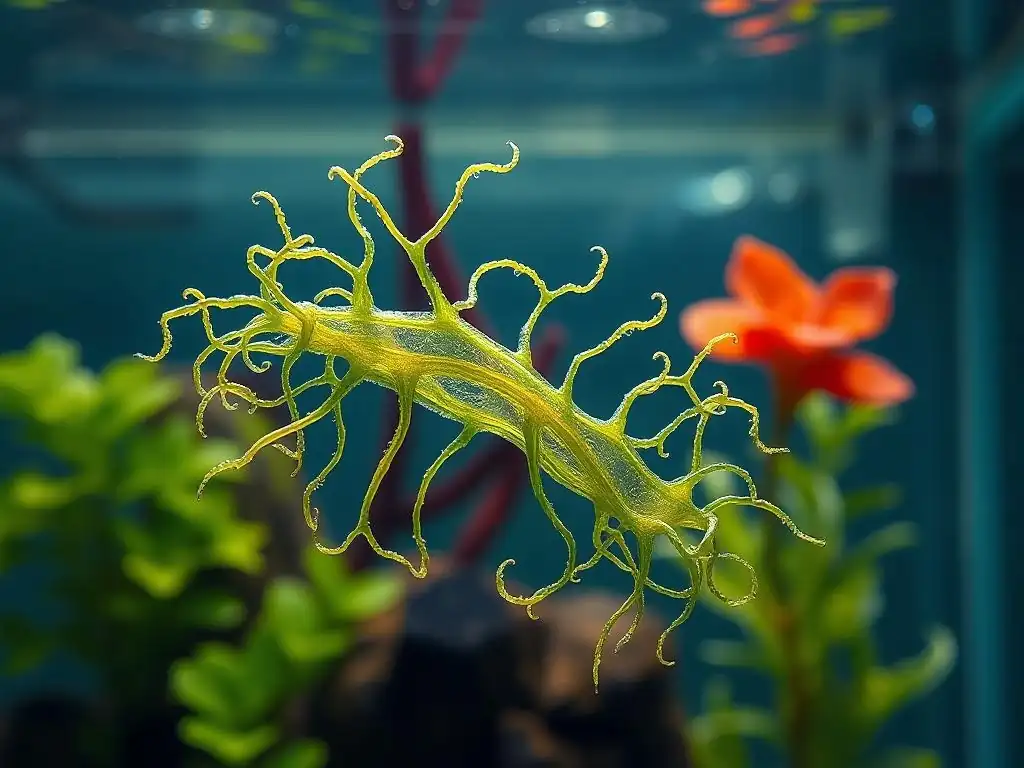
Controlling hydra, the small stinging polyps, involves addressing their food source and, for severe cases, chemical intervention as a common aquarium pest control measure. Hydra proliferate when there's an abundance of small live foods like copepods, daphnia, or newly hatched brine shrimp, often a result of overfeeding or an imbalance in the microfauna. Reducing feeding quantity and frequency, and ensuring no uneaten food remains in the tank, will starve them out. Manual removal by scraping them off the glass or decor can be effective for small, localized outbreaks.
For widespread or persistent hydra infestations, Fenbendazole is a highly effective chemical treatment. Similar to its use for planaria, Fenbendazole (e.g., Panacur, No-Planaria) disrupts the hydra's nervous system. It is generally safe for fish and plants but will harm snails and shrimp, so these invertebrates must be removed before treatment. Follow dosage instructions carefully, as a typical treatment lasts 3-5 days, with a large water change recommended afterwards to remove dead hydra and medication, providing comprehensive common aquarium pest control.
Managing Aiptasia: Chemical Injections and Natural Predators
Managing Aiptasia anemones, a persistent common aquarium pest in saltwater tanks, requires a direct and often multi-faceted approach due to their rapid reproduction. Chemical injections are a popular method for individual anemones. Products like Aiptasia X, Red Sea Aiptasia-X, or a paste made from Kalkwasser (calcium hydroxide) can be injected directly into the anemone's mouth or base using a syringe. This causes the Aiptasia to dissolve without releasing spores. Care must be taken not to over-inject or allow the solution to spread excessively.
For widespread infestations, biological common aquarium pest control using natural predators can be effective. Peppermint Shrimp (Lysmata wurdemanni) are known to consume Aiptasia, though their effectiveness can vary between individuals. Filefish (e.g., Acreichthys tomentosus) and Copperband Butterflyfish (Chelmon rostratus) are also known Aiptasia eaters, but these fish require specific tank conditions and may nip at corals or other invertebrates. Combining spot-treatment injections with the introduction of a suitable predator provides comprehensive common aquarium pest control for Aiptasia.
Treating Fish Parasites: Medication and Water Quality
Treating fish parasites like Ich, Velvet, and Flukes requires prompt action with specific medications combined with meticulous water quality management as a common aquarium pest control strategy. For Ich in freshwater, increasing temperature to 82-86°F (28-30°C) combined with aquarium salt (1-3 tbsp per 5 gallons) is often effective. For more severe cases or sensitive fish, medications containing malachite green and formalin (e.g., Kordon Rid-Ich Plus) are used, following a specific dosing schedule for 7-14 days to target the free-swimming stage.
For Velvet, which is highly virulent, immediate treatment with copper-based medications (e.g., CopperSafe, Cupramine) or acriflavine is necessary. In saltwater, copper is the most reliable common aquarium pest control for marine Ich (Cryptocaryon) and Velvet (Amyloodinium), requiring precise dosing and monitoring with a copper test kit for 14-21 days in a quarantine tank.
For flukes, Praziquantel is the treatment of choice, usually administered as a bath or mixed into food, with repeat doses often needed. Throughout any treatment, maintaining pristine water quality through daily small water changes and gentle aeration is crucial to support the fish's immune system and aid recovery.
Long-Term Aquarium Pest Management
Regular Water Changes and Maintenance
Regular water changes and consistent maintenance are the cornerstones of effective long-term common aquarium pest control. Performing weekly or bi-weekly water changes (typically 20-30% of tank volume) dilutes accumulated nitrates, phosphates, and other dissolved organic compounds that fuel algae growth and provide food for nuisance invertebrates. This also replenishes essential minerals and maintains stable water chemistry, reducing stress on fish and plants.
Beyond water changes, routine maintenance includes gravel vacuuming to remove uneaten food and detritus from the substrate, cleaning filter media to ensure efficient mechanical and biological filtration, and wiping down tank glass to prevent algae buildup. Regularly inspecting plants for signs of pest snails or hydra, and checking fish for early signs of disease, allows for immediate common aquarium pest control intervention before problems escalate. A disciplined maintenance schedule creates an environment that actively discourages pest proliferation.
Early Pest Detection and Monitoring
Early pest detection and continuous monitoring are critical components of a proactive common aquarium pest control strategy, allowing for swift intervention before infestations become overwhelming. Regularly inspecting all areas of the aquarium – glass, substrate, plants, decor, and fish – can reveal the first signs of unwanted invaders. For instance, noticing a few small, clear snail egg clutches on the glass or a slight increase in brown film can indicate a brewing pest problem.
Observing fish behavior is equally important; subtle changes like flashing, clamped fins, or unusual lethargy can be early indicators of parasitic infections. Keeping a keen eye during feeding times or after lights-out (when many nocturnal pests are active) can reveal hidden populations of planaria, hydra, or pest snails. Prompt identification of these early warning signs allows aquarists to implement targeted common aquarium pest control measures, which are typically easier and more effective than tackling a full-blown infestation.
Maintaining a Balanced Ecosystem
Maintaining a balanced ecosystem is fundamental to long-term common aquarium pest control, fostering a self-regulating environment that naturally resists outbreaks. This involves proper stocking levels to prevent overpopulation and excess waste, ensuring a healthy balance between fish, plants (if applicable), and beneficial microorganisms. A diverse clean-up crew, including snails (e.g., Nerites, Mystery Snails), shrimp (e.g., Amano Shrimp), and certain catfish (e.g., Otocinclus), can continuously graze on algae and detritus, reducing food sources for nuisance pests.
Appropriate lighting and nutrient management are also crucial for balance; sufficient light for plants will allow them to outcompete algae for nutrients, but excessive light will fuel algae. Proper filtration, including mechanical, biological, and chemical (if needed), ensures stable water parameters and efficient waste removal. A well-balanced tank, where all components work synergistically, is inherently more resilient to common aquarium pest control challenges, minimizing the conditions that allow pests to thrive.
Preventing Re-infestation
Preventing re-infestation is the final, crucial step in long-term common aquarium pest control, ensuring that previous efforts are not undone. This involves consistently applying the preventive measures learned. Always quarantine new fish for at least 2-4 weeks, even if they appear healthy, and consider prophylactic treatments for common parasites during this period. Thoroughly inspect and, if necessary, dip all new plants before adding them to the main tank to eliminate snail eggs, hydra, or other hitchhikers.
Maintaining strict biosecurity practices, such as using dedicated equipment (nets, buckets, siphon hoses) for each tank if you have multiple aquariums, prevents the accidental transfer of pests or diseases. Avoid introducing natural water sources (e.g., rocks or wood collected outdoors) without proper sterilization. By adhering to these rigorous common aquarium pest control protocols for every new addition and consistently practicing excellent husbandry, aquarists can significantly reduce the risk of pests making an unwelcome return.
Conclusion: Maintaining a Healthy and Pest-Free Aquarium.
Frequently Asked Questions
What are some of the most common pests found in freshwater aquariums?
Common freshwater aquarium pests include snails, planaria (flatworms), and hydra. These pests often arrive on new plants or live food and can quickly multiply in a tank.
How can I identify if I have a planaria infestation in my aquarium?
Planaria are easily identified as small, flat, worm-like creatures that move with a gliding motion. They are often seen on the glass or substrate, and an infestation can be indicated by a sudden increase in their numbers, especially after feeding.
What are some natural methods for controlling snail populations in an aquarium?
Introducing snail-eating fish like assassin snails or manually removing snails regularly can help control their population. Adjusting feeding habits to prevent excess food from accumulating is also crucial.
What steps should I take to prevent pests from entering my aquarium in the first place?
Quarantine new plants and livestock in a separate tank for a few weeks before introducing them to your main aquarium. This allows you to observe them for any signs of pests and treat them accordingly, preventing potential infestations.
Are there any chemical treatments available for eradicating hydra in an aquarium, and are they safe for all fish species?
Yes, there are chemical treatments, but caution is advised. It's crucial to research the specific product and ensure it's safe for all inhabitants, as some medications can harm sensitive fish or invertebrates.
Final Reflection: Safeguarding Aquatic Harmony
The information presented throughout this article underscores the critical importance of vigilant aquarium maintenance in preventing and managing common pests. The threat these invaders pose to the delicate balance of our aquatic ecosystems is not merely theoretical; it's a tangible reality faced by aquarists worldwide, demanding proactive measures and informed decision-making to ensure the health and longevity of our underwater havens.
This journey into the world of aquarium pest control has highlighted the interconnectedness of our actions and their impact on these miniature ecosystems. Recognizing the subtle signs of infestation and understanding the nuances of effective eradication methods is paramount to responsible aquarium keeping. The best time to plant a tree was 20 years ago. The second best time is now.
This ancient proverb resonates deeply, reminding us that while past mistakes may have led to pest infestations, the opportunity to learn, adapt, and protect our aquatic companions remains ever-present.
Now, armed with the knowledge and strategies outlined in this guide, I encourage you to reflect on your own aquarium practices. Are you actively monitoring for potential threats? Are you prepared to implement effective control measures when necessary? Let us all commit to becoming more conscientious aquarists, fostering environments where our aquatic inhabitants can thrive, free from the disruptive influence of common aquarium pests.
Transform Your Aquarium: Say Goodbye to Pesky Invaders!
Thank you for diving into the world of aquarium pest control! We hope this guide has empowered you with the knowledge to keep your tank thriving and pest-free. Now, let's put that knowledge into action.
Here are a few steps you can take to ensure a healthy and vibrant aquarium:
- Immediately inspect your tank for any signs of the pests discussed and take appropriate action based on our identification guide.
- Share this article with fellow aquarium enthusiasts to help them identify and prevent these common aquarium invaders and create a community of pest-free tanks!
- Try a surprising solution: Introduce a temporary, pest-eating resident (ensure compatibility with your current setup!) and observe the magic!
What unconventional method have you found effective in eradicating pests in your aquarium, and what advice would you give to someone facing a similar challenge?