
Creating a PestResistant Aquarium: Proactive Strategies for a Healthy, Clean Tank

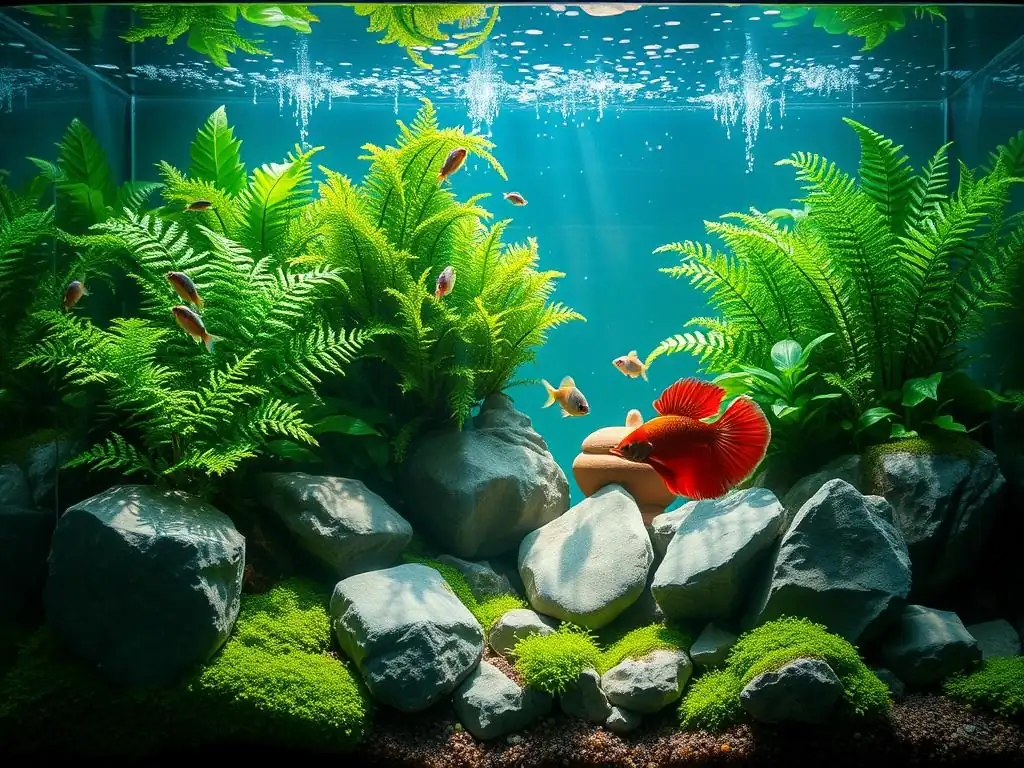
Welcome to Aquarium Mastery, where your underwater dreams become a reality!
Ever wondered how to truly achieve that pristine, crystal-clear freshwater aquarium you've always envisioned? You're in the right place! Dive into our latest article and discover proactive strategies for preventing algae in your freshwater aquarium, and unlock the secrets to a healthy, balanced ecosystem. Ready to say goodbye to unwanted green guests and hello to a thriving aquatic paradise? Let's get started!
- Introduction: The Importance of Pest Prevention in Your Aquarium
- Part 1: Setting Up a Pest-Resistant Aquarium from the Start
- Part 2: Maintaining a Pest-Free Environment: Key Strategies
- Part 3: Identifying and Addressing Early Signs of Pests
- Part 4: Advanced Pest Control Techniques
- Conclusion: Long-Term Strategies for a Pest-Resistant Aquarium
-
Frequently Asked Questions
- How does proper lighting contribute to preventing algae in a freshwater aquarium?
- What role does water chemistry play in algae control?
- Why is choosing the right fish and plants important for algae prevention?
- How often should I perform water changes to prevent algae blooms?
- What are some proactive maintenance steps beyond water changes to prevent algae?
- Final Reflection: Cultivating Aquatic Harmony
- Ignite Your Aquarium's Resilience!
Introduction: The Importance of Pest Prevention in Your Aquarium
Understanding Common Aquarium Pests and Their Impact
Aquarium pests are unwelcome guests that can quickly disrupt the delicate balance of your aquatic ecosystem. These range from common nuisances like various types of algae and snails to more insidious threats such as planaria, hydra, and even microscopic parasites. Each type of pest brings its own set of problems; for instance, excessive green hair algae can smother slow-growing plants and block light, while a sudden bloom of cyanobacteria (blue-green algae) can deplete oxygen levels, especially overnight, posing a direct threat to fish health.
The impact of these pests extends beyond aesthetics. An infestation can stress fish, making them more susceptible to diseases, and in severe cases, some pests like hydra can even prey on fry or small invertebrates. For example, a severe outbreak of black beard algae (BBA) can cling tenaciously to leaves and decor, reducing the visual appeal and potentially hindering plant photosynthesis. Understanding these common invaders and their potential to harm your tank is the first step in preventing algae in freshwater aquarium and maintaining overall tank health.
Why a Proactive Approach is Key to a Healthy Aquarium Ecosystem
Adopting a proactive approach to pest control is paramount for any aquarist aiming for a healthy and thriving tank. Rather than waiting for an infestation to take hold and then scrambling for a cure, preventive measures aim to create an environment where pests simply cannot flourish. This strategy significantly reduces stress on your fish and invertebrates, minimizes the need for harsh chemical treatments, and ultimately saves you time and effort in the long run.
A well-maintained, pest-resistant aquarium is a testament to good husbandry. By addressing the root causes of pest proliferation—such as excess nutrients, improper lighting, or the introduction of contaminated items—you build a resilient ecosystem. This not only makes preventing algae in freshwater aquarium more manageable but also fosters a stable, balanced environment where your aquatic inhabitants can thrive, exhibiting their natural behaviors and vibrant colors without the constant threat of unwanted organisms.
Part 1: Setting Up a Pest-Resistant Aquarium from the Start
Choosing the Right Aquarium Equipment for Pest Control
The initial selection of your aquarium equipment plays a crucial role in establishing a pest-resistant foundation. Investing in appropriate filtration and considering supplementary devices like UV sterilizers can significantly reduce the likelihood of future pest outbreaks, including the persistent challenge of preventing algae in freshwater aquarium. These choices directly influence water clarity and the biological stability of your tank.
Proper equipment ensures that organic waste, a primary food source for many pests, is efficiently removed, and beneficial microbial populations are supported. For example, an undersized filter will struggle to process waste, leading to elevated nutrient levels that invite algae, while a suitable UV sterilizer can directly target free-floating algae spores before they colonize surfaces. Thoughtful equipment selection is a foundational step in proactive pest management.
Selecting an Appropriately Sized Filter System for Water Clarity and Biofiltration
Filtration is the cornerstone of a healthy aquarium, directly impacting water quality and, consequently, pest resistance. An appropriately sized filter system ensures effective mechanical filtration to remove particulate matter, chemical filtration to absorb dissolved organic compounds, and crucial biological filtration to convert toxic ammonia and nitrite into less harmful nitrate. For instance, a common guideline suggests a filter turnover rate of at least 5-10 times the tank volume per hour; for a 20-gallon tank, this means a filter capable of processing 100-200 gallons per hour.
When a filter is undersized or inefficient, uneaten food and fish waste accumulate, decompose, and release nitrates and phosphates into the water column. These nutrients act as a direct fertilizer for nuisance algae, making preventing algae in freshwater aquarium a constant uphill battle. Investing in a robust canister filter or a well-designed hang-on-back (HOB) filter with sufficient media capacity for mechanical, chemical (like activated carbon), and biological (like ceramic rings or bio-balls) filtration is essential for maintaining pristine water conditions and minimizing nutrient availability for pests.
The Role of UV Sterilizers in Preventing Algae Blooms and Parasite Outbreaks
Ultraviolet (UV) sterilizers offer an additional layer of defense against free-floating pests and pathogens. These devices work by passing aquarium water through a chamber containing a UV-C lamp, which emits radiation that disrupts the DNA of microscopic organisms, including single-celled algae, bacteria, and some parasites like Ichthyophthirius multifiliis (Ich). For optimal effectiveness, the UV unit must be correctly sized; a 9-watt UV sterilizer, for example, is typically effective for tanks up to 75 gallons, while larger tanks may require 18 watts or more.
While UV sterilizers cannot eliminate algae already attached to surfaces or parasites embedded in fish, they are highly effective at preventing algae in freshwater aquarium by targeting the free-floating spores that initiate green water blooms. They also significantly reduce the population of waterborne pathogens, thereby decreasing the risk of disease outbreaks. Integrating a UV sterilizer, especially in tanks prone to green water or with sensitive fish, can be a valuable tool in maintaining a clear and healthy aquatic environment.
Substrate Selection: Minimizing Pest Habitats
The type of substrate you choose and how you maintain it can significantly influence the presence and proliferation of various aquarium pests. Certain substrates can harbor detritus and release nutrients, creating ideal breeding grounds for unwanted organisms. Making informed choices from the outset is vital for long-term pest control.
A well-chosen substrate, combined with diligent cleaning practices, ensures that organic waste is minimized and easily removed, thus cutting off a primary food source for many common pests. This proactive approach helps to maintain a cleaner, healthier tank that naturally resists infestations.
Choosing Inert Substrates: Avoiding Nutrient-Rich Options
When setting up a freshwater aquarium, opting for inert substrates like silica sand, gravel, or specialized aquarium-safe inert sands can greatly assist in preventing algae in freshwater aquarium. These materials do not leach significant amounts of nutrients such as phosphates or nitrates into the water column, which are primary fertilizers for algae. In contrast, substrates rich in organic matter, such as certain types of planted tank soils or garden soil, can release substantial nutrients as they break down, potentially triggering persistent algae blooms if not managed with a robust plant mass and diligent maintenance.
While nutrient-rich substrates are excellent for heavily planted tanks, they require a deeper understanding of nutrient cycling and often more intensive maintenance to avoid pest issues. For general community tanks or those where preventing algae in freshwater aquarium is a top priority, simple, inert gravel (grain size approximately 2-5mm) or fine sand provides a clean, stable base. These substrates are also easier to vacuum thoroughly, preventing the accumulation of detritus that can feed pests like planaria and snails.
Proper Substrate Vacuuming Techniques to Prevent Detritus Buildup
Regular and thorough substrate vacuuming is a critical maintenance practice for preventing algae in freshwater aquarium and controlling other pests. Detritus, composed of uneaten food, fish waste, and decaying plant matter, settles into the substrate and decomposes, releasing phosphates, nitrates, and other organic compounds that fuel algae growth and provide food for nuisance snails and planaria. Weekly or bi-weekly vacuuming, ideally during partial water changes, helps to remove these nutrient sources before they can break down.
To effectively vacuum, use an aquarium gravel vacuum (siphon). For gravel, plunge the wide end into the substrate and allow it to draw up water, stirring the gravel gently to lift debris while the gravel falls back down. For sand, hover the vacuum just above the sand surface to pull up detritus without sucking up too much sand. Aim to vacuum about 25-50% of the substrate area during each cleaning session, rotating areas to ensure comprehensive coverage over time. This consistent removal of organic waste significantly starves out many common pests.
Introducing New Inhabitants: Quarantine Procedures
One of the most common ways pests and diseases enter an established aquarium is through new arrivals. Skipping proper quarantine procedures can introduce a myriad of problems, from nuisance snails and various algae spores on plants to devastating fish diseases like Ich or velvet, which can quickly decimate an entire tank. A dedicated quarantine process is a non-negotiable step for responsible aquarists.
Quarantine acts as a crucial buffer, allowing you to observe and treat new fish, plants, or invertebrates in isolation before they are introduced into your main display tank. This proactive measure not only protects your existing aquatic inhabitants from potential threats but also simplifies any necessary treatments, as medications can be administered without affecting the sensitive ecosystem of your primary aquarium.
The Importance of a Quarantine Tank for New Fish, Plants, and Invertebrates
A quarantine tank is a separate, smaller aquarium used to house new fish, plants, or invertebrates for a period of observation and preventative treatment before they are introduced to the main display tank. This practice is indispensable for preventing algae in freshwater aquarium and avoiding the spread of diseases or other pests. Even seemingly healthy specimens can carry dormant pathogens or microscopic eggs/spores. For instance, a new fish might carry Ich parasites, which can rapidly multiply and infect your entire established population, potentially leading to significant losses.
The typical quarantine period for fish is generally 2-4 weeks, allowing ample time for any latent diseases to manifest. For plants, a 1-2 week quarantine with regular dips (e.g., potassium permanganate or a mild bleach solution followed by thorough rinsing) can kill snail eggs, hydra, or algae spores. Invertebrates like shrimp or snails also benefit from quarantine, as they can carry parasites or introduce unwanted pest snails. Without a quarantine tank, you risk introducing an entire host of problems that can undermine months or years of careful tank maintenance.
Effective Quarantine Protocols Including Observation and Preventative Treatments
An effective quarantine protocol involves setting up a basic tank with a heater, filter (sponge filter is ideal), and some hiding spots. For fish, daily observation is key: look for signs of disease such as white spots, clamped fins, labored breathing, or unusual behavior. During the quarantine period, some aquarists opt for prophylactic treatments with broad-spectrum medications (e.g., an anti-parasitic and anti-bacterial) to address potential issues before they become apparent. However, this should be done cautiously, as some medications can be harsh.
For new plants, thorough rinsing under tap water and then a dip in a mild bleach solution (1 part bleach to 19 parts water for 1-2 minutes, followed by thorough rinsing and dechlorination) or a potassium permanganate dip can eliminate snail eggs, algae, and other hitchhikers. After dips, plants should be quarantined in a separate container with fresh water for a week, observing for any resurgence of pests.
Only after a successful quarantine period, with no signs of disease or pests, should new inhabitants be introduced to the main tank, drastically reducing the risk of a widespread infestation or disease outbreak.
Part 2: Maintaining a Pest-Free Environment: Key Strategies
Water Quality Management: A Foundation for Pest Resistance
Maintaining impeccable water quality is arguably the most critical aspect of preventing algae in freshwater aquarium and ensuring overall pest resistance. Stable and optimal water parameters directly influence the health and resilience of your fish and plants, while simultaneously denying pests the conditions they need to thrive. Poor water quality, characterized by fluctuating parameters or high nutrient levels, stresses aquatic life and creates an inviting environment for opportunistic invaders.
By diligently managing water parameters and performing regular water changes, aquarists can proactively strip the water of dissolved pollutants and replenish vital trace elements. This creates a clean, stable, and less hospitable environment for most common aquarium pests, establishing a strong foundation for a healthy and vibrant aquatic ecosystem.
Maintaining Optimal Water Parameters: Temperature, pH, Ammonia, Nitrite, Nitrate
Consistent and optimal water parameters are fundamental for a pest-resistant aquarium. Fish and plants thrive in stable conditions, making them more resilient to stress and less susceptible to disease or pest infestations. Key parameters to monitor include temperature (stable within the species' preferred range, e.g., 75-80°F for tropical community fish), pH (consistent, typically between 6.5-7.5 for most freshwater species), and crucially, nitrogenous compounds.
Ammonia and nitrite should always be at 0 ppm, indicating a healthy nitrogen cycle. Nitrate levels should ideally be kept below 20 ppm for most freshwater tanks, as higher concentrations directly fuel algae growth and can stress fish.
Regular testing, at least weekly, using a reliable liquid test kit is essential to track these parameters. When ammonia or nitrite spikes, it indicates a problem with the biological filter and requires immediate action, as these compounds are highly toxic to fish and can lead to weakened immune systems, making them vulnerable to parasites. Keeping nitrates low by preventing algae in freshwater aquarium is a direct result of managing these parameters, as nitrates are a primary nutrient source for most algae species.
Regular Water Changes: Replenishing Trace Elements and Removing Dissolved Organics
Regular partial water changes are perhaps the single most impactful routine maintenance task for preventing algae in freshwater aquarium and maintaining a pest-free environment. Typically, a 20-30% water change performed weekly is recommended for most freshwater aquariums. This process directly removes accumulated nitrates, phosphates, and other dissolved organic compounds that serve as nutrients for algae and food sources for detritus-feeding pests like snails and planaria.
Beyond pollutant removal, water changes also replenish essential trace elements and minerals that are consumed by fish, plants, and beneficial bacteria. These elements are vital for healthy plant growth, which in turn helps to outcompete algae for available nutrients. By consistently performing water changes, you dilute undesirable substances and maintain a cleaner, more stable water column, making the environment less hospitable for pests to establish and proliferate.
Lighting Control: Preventing Algae Blooms
Lighting is a critical factor in the health of your aquarium, but it's also one of the most common culprits behind persistent algae blooms. Algae, being photosynthetic organisms, thrive on light, and an imbalance in intensity, duration, or spectrum can quickly turn your tank into an algae farm. Understanding and managing your aquarium's lighting schedule is therefore paramount for preventing algae in freshwater aquarium.
By carefully controlling the amount and type of light your tank receives, you can promote healthy plant growth while simultaneously starving out nuisance algae. This precise management helps to maintain a clean, visually appealing tank and supports a balanced ecosystem where plants can outcompete unwanted photosynthetic organisms.
Understanding the Relationship Between Light Intensity, Duration, and Algae Growth
Algae are opportunistic photosynthesizers that will exploit any excess light available. Their growth is directly proportional to the intensity and duration of light exposure. Too much light, either in terms of brightness or hours per day, is a leading cause of algae blooms, particularly in freshwater tanks. While plants also require light, their needs are specific, and excess light often benefits algae more, especially if other nutrients are abundant. For example, leaving aquarium lights on for 12-14 hours a day in a moderately planted tank will almost certainly lead to green spot algae or hair algae issues.
The ideal lighting duration for most freshwater aquariums, especially those with live plants, is typically 8-10 hours per day. Non-planted tanks may require even less, sometimes as little as 6 hours. High-intensity lighting, often used in heavily planted tanks with CO2 injection, must be carefully balanced with nutrient availability and CO2 levels; otherwise, it can trigger explosive algae growth. Understanding this delicate balance is crucial for preventing algae in freshwater aquarium and fostering a healthy, plant-dominated ecosystem.
Adjusting Lighting Schedules and Spectrum to Minimize Algae Development
To effectively minimize algae development, aquarists should employ timers to ensure consistent light schedules and consider the spectrum of their lighting. A common strategy for preventing algae in freshwater aquarium is to implement a "siesta" period. This involves breaking the 8-10 hour photoperiod into two segments, for example, 4 hours on, 2-3 hours off, then another 4 hours on. This brief dark period can disrupt algae's photosynthetic cycle more effectively than it impacts most higher plants, which are more efficient at storing energy.
While the spectrum (color) of light is less critical for algae than intensity and duration, using full-spectrum lights designed for plant growth (often with a Kelvin rating between 6500K-8000K) can promote healthy plant competition against algae. Avoid lights with a strong emphasis on red and blue spectra if you are not running a heavily planted, CO2-injected tank, as these can sometimes favor certain types of algae. Consistency and moderation in your lighting regimen are key to a clear and algae-free tank.
Feeding Practices: Preventing Overfeeding and Waste Buildup
Overfeeding is one of the most common mistakes made by new and experienced aquarists alike, and it directly contributes to pest problems. Excess food that goes uneaten quickly decomposes, releasing a surge of ammonia, nitrates, and phosphates into the water column. These nutrients are a primary fuel source for algae and provide ample sustenance for nuisance snails and planaria, turning your tank into an all-you-can-eat buffet for unwanted guests.
By adopting mindful feeding practices and choosing high-quality foods, you can significantly reduce the organic waste load in your aquarium. This proactive approach starves out many common pests, making preventing algae in freshwater aquarium much more achievable and ensuring a cleaner, healthier environment for your fish.
Proper Feeding Techniques to Reduce Waste and Pest Food Sources
Employing proper feeding techniques is crucial for preventing algae in freshwater aquarium and controlling other pests. The golden rule is to feed only what your fish can consume within 2-3 minutes, and no more than twice a day for most species. Many aquarists find success with feeding just once a day, or even every other day, as fish can go for extended periods without food. Overfeeding directly leads to uneaten food sinking to the substrate, where it decomposes and releases a significant amount of nutrients—nitrates and phosphates—into the water.
To minimize waste, observe your fish during feeding to ensure all food is consumed. If you notice food settling on the bottom after a few minutes, you are likely feeding too much. Breaking up larger flakes or pellets can also help ensure that smaller fish get their share without excess falling to the bottom. By reducing the availability of this primary food source, you effectively starve out nuisance snails, planaria, and limit the nutrient load that fuels algae blooms.
Choosing High-Quality Fish Food with Low Phosphate Content
The quality of fish food plays a direct role in the nutrient load of your aquarium. Cheaper, low-quality fish foods often contain a high percentage of fillers, binders, and ingredients that are less digestible for fish. As a result, more of the food passes through the fish undigested or breaks down quickly in the water, releasing excessive phosphates and nitrates. Phosphates, in particular, are a key nutrient for many types of algae, making the choice of food critical for preventing algae in freshwater aquarium.
Opt for high-quality, reputable brands that list fish meal, spirulina, or other digestible proteins as their primary ingredients. Look for foods that are specifically formulated to be highly digestible and have a low ash content, which often correlates with lower phosphate levels. While these foods may cost slightly more, they contribute significantly less to water pollution, promoting a cleaner tank and reducing the frequency and severity of pest outbreaks.
Plant Care: Promoting Healthy Plants and Outcompeting Algae
In a freshwater aquarium, healthy, thriving live plants are one of your best allies in the fight against algae and other pests. Plants and algae compete for the same resources—light, carbon dioxide, and essential nutrients like nitrates and phosphates. When plants are robust and growing well, they effectively outcompete algae, starving them of the sustenance they need to proliferate. This concept, known as competitive exclusion, is a powerful natural mechanism for preventing algae in freshwater aquarium.
By providing your plants with optimal conditions for growth, you empower them to act as a natural biological filter and a living deterrent to unwanted invaders. This holistic approach leverages nature's own balance to maintain a clean, clear, and pest-resistant aquatic environment.
Selecting Fast-Growing, Nutrient-Absorbing Aquarium Plants
To effectively outcompete algae and assist in preventing algae in freshwater aquarium, prioritize fast-growing, nutrient-absorbing plant species. These plants rapidly uptake nitrates, phosphates, and other dissolved organic compounds from the water column, directly depriving algae of their essential food sources. Excellent choices for this purpose include Hornwort ( Ceratophyllum demersum), Anacharis ( Egeria densa), Water Sprite ( Ceratopteris thalictroides), and various species of Stem Plants like Rotala or Ludwigia.
These plants typically grow quickly and can be easily trimmed to encourage bushier growth and further nutrient uptake. For example, a single bunch of Anacharis can absorb nitrates at a rate of several milligrams per liter per day in optimal conditions. By maintaining a dense population of these "nutrient sponges," you create an environment where algae struggle to find enough resources to establish themselves, leading to a significantly cleaner and healthier tank.
Providing Essential Nutrients for Plant Growth and Health (e.g., CO2, Fertilizers)
For plants to effectively outcompete algae, they must be supplied with all the essential nutrients they need to thrive. Beyond adequate lighting, this includes carbon dioxide (CO2), which is vital for photosynthesis, and a balanced array of macro (nitrogen, phosphorus, potassium) and micronutrients (iron, manganese, zinc, etc.). In tanks with moderate to high lighting, CO2 injection can dramatically boost plant growth, allowing them to rapidly consume available nutrients before algae can. Even in low-tech setups, ensuring sufficient CO2 from fish respiration and surface agitation is important.
Additionally, providing a balanced liquid fertilizer or root tabs, carefully dosed according to package instructions and tank needs, ensures plants have access to all necessary elements. For example, a deficiency in iron can lead to yellowing leaves, signaling stressed plants that are less effective at nutrient uptake. Healthy, vibrant plants are active consumers of nutrients, and by meeting their needs, you create a powerful biological defense against preventing algae in freshwater aquarium, turning your greenery into an active part of your pest control strategy.
Part 3: Identifying and Addressing Early Signs of Pests
Recognizing Common Aquarium Pests: Identification Guide
Early detection is paramount in effectively managing aquarium pests. The sooner you identify an unwelcome organism, the easier it is to control its population before it becomes a widespread infestation. Many aquarists mistakenly attribute all fuzzy green growths to "algae" without understanding the specific type, which can lead to ineffective treatment. A precise understanding of what you're dealing with allows for targeted and efficient intervention.
This section will provide a concise guide to help you distinguish between common types of algae and invertebrate pests. Knowing the characteristics of each pest, such as their appearance, preferred habitats, and typical growth patterns, will empower you to react swiftly and appropriately, making preventing algae in freshwater aquarium and other pest issues a more manageable task.
Identifying Algae Types: Green Spot Algae, Hair Algae, Cyanobacteria
Accurate identification of algae types is crucial for preventing algae in freshwater aquarium effectively. Green Spot Algae (GSA) appears as small, hard, circular green spots, typically found on glass, slow-growing plant leaves (like Anubias), and decor. It often indicates low phosphate levels or excessive light intensity. Hair Algae (also known as string algae or thread algae) presents as long, fine, green strands, resembling green hair, that attach to plants and decorations. It commonly signals an imbalance in nutrients, particularly excess iron, or too much light duration.
Cyanobacteria, often mistaken for algae, is actually a type of photosynthetic bacteria. It forms slimy, dark green, blue-green, or sometimes reddish-brown mats that can cover substrate, plants, and decor. It often smells foul or earthy and can be easily siphoned off. Cyanobacteria typically indicates poor water circulation, high dissolved organic compounds, or an imbalance in nitrate-to-phosphate ratios (e.g., very low nitrates with high phosphates). Recognizing these distinct characteristics allows for targeted treatment and adjustment of tank parameters.
Recognizing Common Invertebrate Pests: Snails, Planaria, Hydras
Beyond algae, several invertebrate pests can appear in freshwater aquariums, often introduced on live plants. Pest Snails (e.g., bladder snails, ramshorn snails, Malaysian trumpet snails) are typically small, reproduce rapidly, and thrive on excess food and decaying plant matter. While some can be beneficial detritivores, their populations can explode, becoming an aesthetic nuisance and competing for food.
Planaria are small, flatworms, usually white, brown, or pinkish, with a distinctive triangular or arrow-shaped head and two eyespots. They are often seen gliding on the glass or substrate and indicate overfeeding and an abundance of detritus. While generally harmless to adult fish, they can sometimes prey on snail eggs or shrimp fry.
Hydras are tiny, translucent polyps (typically 0.5-1 cm long) with tentacles, resembling miniature sea anemones. They attach to glass, plants, or decor and use their stinging tentacles to capture small food items like copepods, daphnia, or even fish fry. While indicative of clean water and a good food supply of microscopic organisms, they can be a significant threat in breeding tanks. Recognizing these distinct invertebrate pests is crucial for selecting appropriate control methods.
Early Intervention Strategies: Addressing Pest Problems Before They Escalate
Once identified, prompt action is key to preventing a minor pest issue from becoming a full-blown infestation. Early intervention strategies focus on non-chemical methods that directly remove or reduce pest populations and address underlying causes, without disrupting the tank's delicate balance. These methods are generally safe for all tank inhabitants and contribute significantly to preventing algae in freshwater aquarium from taking over.
By integrating these manual and natural control methods into your routine, you can maintain tighter control over pest populations. This proactive approach minimizes the need for more drastic measures later on and helps to sustain a healthy, balanced aquarium ecosystem.
Manual Removal Techniques: Siphoning, Scrubbing, and Trapping
Manual removal is the safest and often most immediate way to address early signs of pests. For preventing algae in freshwater aquarium and managing existing growth, siphoning is effective for removing loose hair algae, cyanobacteria mats, and detritus that fuels algae. A gravel vacuum can suck up these unsightly growths directly during water changes. Scrubbing the glass with an aquarium-safe magnetic cleaner or scraper, and using a toothbrush or dedicated algae brush for decor and hardy plant leaves, can dislodge stubborn green spot algae or black beard algae.
For invertebrate pests, trapping is highly effective. For snails, a piece of blanched lettuce or zucchini left overnight can attract hundreds of snails, which can then be removed in the morning. Commercial snail traps are also available. For planaria, small pieces of raw meat in a mesh bag can attract them, allowing for easy removal. Consistent manual removal, even daily for severe outbreaks, significantly reduces pest numbers and helps regain control without resorting to chemicals.
Natural Pest Control Methods: Introducing Algae Eaters and Predator Species
Introducing natural pest control agents can be a highly effective and sustainable strategy for preventing algae in freshwater aquarium and managing other nuisance organisms. For algae control, algae-eating fish and invertebrates are invaluable. Otocinclus catfish (Oto cats) are excellent for diatoms and soft green algae, typically growing to about 1.5-2 inches and doing well in groups of 3-5 in tanks 10 gallons or larger. Amano shrimp (up to 2 inches) are prolific algae eaters, known for consuming hair algae and even some types of black beard algae, making them suitable for most community tanks. Nerite snails (up to 1 inch) are fantastic at cleaning glass and decor of green spot algae and diatoms.
For pest snails, Assassin Snails ( Clea helena) are a popular biological control. These snails are carnivorous and will actively hunt and consume other pest snails, typically growing to about 0.75-1 inch. They reproduce slowly, so they won't become a pest themselves. While no single species is a magic bullet, these natural predators and grazers can significantly reduce pest populations when combined with good husbandry, helping to maintain a balanced and clean ecosystem.
Part 4: Advanced Pest Control Techniques
Chemical Treatments: When and How to Use Them Responsibly
While manual and biological methods are preferred for preventing algae in freshwater aquarium and controlling pests, severe or persistent infestations may sometimes necessitate the use of chemical treatments. These solutions can offer a rapid and effective way to eradicate stubborn pests, but they come with inherent risks. It is crucial to understand these risks and use chemical treatments responsibly to avoid harming your fish, plants, or beneficial bacteria.
Responsible chemical use involves careful selection of the right product for the specific pest, precise dosing, and an understanding of potential side effects on the entire aquatic ecosystem. This section will guide you through the considerations for safely and effectively employing chemical interventions as a last resort.
Understanding the Risks and Benefits of Chemical Pest Treatments
Chemical pest treatments offer the primary benefit of rapid and often complete eradication of severe infestations that manual or biological methods cannot control. For example, a widespread outbreak of cyanobacteria that resists siphoning may be quickly cleared by a targeted antibiotic or algaecide. However, these benefits come with significant risks. Many chemical treatments, especially broad-spectrum algaecides or snail eradicators, can harm beneficial nitrifying bacteria in your filter, potentially leading to an ammonia or nitrite spike and crashing your nitrogen cycle.
Furthermore, certain chemicals can be toxic to sensitive fish species, invertebrates (like shrimp and snails), or live plants. Copper-based medications used for snail control are highly toxic to all invertebrates and can even be absorbed by porous decorations, leaching out later. Always read the product label carefully, understand its active ingredients, and research its potential impact on all your tank inhabitants. Chemical treatments should be considered a last resort and used with extreme caution, prioritizing the underlying cause of the pest problem.
Choosing Safe and Effective Chemical Treatments for Specific Pests
When chemical intervention becomes necessary for preventing algae in freshwater aquarium or other pest control, choosing the correct product for the specific pest is paramount. For general green algae blooms, some aquarists use glutaraldehyde-based products (often sold as liquid carbon supplements like Seachem Flourish Excel) at a higher, algaecide dose. While effective, this can be harmful to sensitive plants (e.g., Vallisneria) and invertebrates. For cyanobacteria (blue-green algae), antibiotics like erythromycin are often effective, as cyanobacteria are a type of bacteria, not true algae.
For pest snails, options include copper-based medications, but these are highly toxic to all invertebrates, including shrimp and desirable snails, and can be dangerous if not used precisely. Products containing fenbendazole (e.g., Panacur C) can eliminate planaria and hydra, but they also kill snails and can be harmful to shrimp. Always purchase products specifically formulated for aquariums and follow dosage instructions meticulously. Consider treating in a separate quarantine tank if possible to minimize impact on your main display tank's inhabitants and biological filter.
Biological Control: Utilizing Natural Predators and Competitors
Biological control involves leveraging natural processes and organisms to manage pest populations. This approach is often more sustainable and less disruptive to the aquarium ecosystem than chemical treatments. By introducing species that naturally consume or outcompete pests, you create a self-regulating system that actively works towards preventing algae in freshwater aquarium and keeping other nuisance organisms in check.
This method emphasizes working with nature rather than against it, fostering a more balanced and resilient aquarium environment. It's a long-term strategy that supports a healthier ecosystem by relying on natural interactions within the tank.
Introducing Algae-Eating Fish and Invertebrates for Natural Algae Control
One of the most effective long-term strategies for preventing algae in freshwater aquarium is the strategic introduction of specialized algae-eating fish and invertebrates. These creatures graze on various types of algae, helping to keep surfaces clean and reduce the overall algae biomass. Popular choices include Otocinclus Catfish, which are excellent for diatoms and soft green algae on leaves and glass. They are small (up to 2 inches) and prefer to be in groups of 3-5. Amano Shrimp ( Caridina multidentata) are highly prized for their voracious appetite for a wide range of algae, including hair algae and some types of black beard algae, making them invaluable in planted tanks.
For hard green spot algae on glass and decor, Nerite Snails ( Neritina spp.) are exceptional grazers, leaving behind distinct zig-zag trails. Siamese Algae Eaters (SAE) ( Crossocheilus oblongus) are also effective, especially against black beard algae, but they can grow quite large (up to 6 inches) and require larger tanks. It's crucial to research the specific needs and compatibility of these species with your tank's inhabitants and size to ensure they thrive and effectively contribute to algae control.
Utilizing Beneficial Bacteria to Improve Water Quality and Reduce Pest Populations
Beyond the nitrifying bacteria essential for the nitrogen cycle, the introduction of beneficial heterotrophic bacteria can significantly improve water quality and indirectly reduce pest populations. These bacteria consume dissolved organic compounds and detritus directly, reducing the food source for various pests like planaria and certain types of algae. Products containing these "sludge-busting" bacteria can be dosed regularly to help break down waste that accumulates in the substrate and filter media.
By actively reducing the amount of organic waste in the water, these bacteria contribute to a cleaner environment, which in turn helps in preventing algae in freshwater aquarium by limiting nutrient availability. A robust population of beneficial bacteria also helps maintain a stable biological filter, ensuring that ammonia and nitrite are efficiently converted, thus keeping the water parameters pristine and reducing stress on fish, making them less susceptible to disease and pest-related issues.
Sterilization Techniques: A Last Resort for Severe Infestations
In extreme cases of persistent disease outbreaks or overwhelming pest infestations that resist all other methods, complete tank sterilization may become a necessary last resort. This drastic measure involves completely resetting the aquarium environment to eliminate every last pathogen, spore, or egg. While effective, it requires the removal of all living organisms and a thorough disinfection process.
This section outlines when and how to safely sterilize an aquarium and its components. It is a labor-intensive process that should only be undertaken after careful consideration, as it effectively restarts your aquarium's biological cycle from scratch.
Complete Tank Sterilization: When It's Necessary and How to Do It Safely
Complete tank sterilization is a drastic measure reserved for situations where a severe, persistent disease (e.g., resistant Ich strains, Columnaris, Velvet) or an uncontrollable pest infestation (e.g., massive planaria or hydra outbreak that threatens fry) has proven impossible to eradicate through other means. It's also considered if a tank has housed highly infectious or incurable diseases and you wish to ensure future inhabitants are safe. This process typically involves removing all living organisms (fish, plants, invertebrates) to a temporary holding tank.
The empty tank and all inert decorations (rocks, plastic plants) can then be disinfected. A common method involves using a bleach solution (e.g., 1 part unscented household bleach to 19 parts water) to soak the tank and decor for 1-2 hours. After soaking, everything must be thoroughly rinsed multiple times with fresh water and then treated with a strong dechlorinator to neutralize any residual bleach before refilling. Porous items may require longer soaking and rinsing. This process effectively kills all biological matter, including beneficial bacteria, meaning the tank will need to be re-cycled before adding new inhabitants.
Disinfecting Equipment and Decorations to Prevent Re-Infestation
To ensure a truly pest-free fresh start after sterilizing the main tank, all associated equipment and decorations must also be meticulously disinfected to prevent re-infestation. This includes filters, heaters, air stones, nets, gravel vacuums, and any non-porous decorations that were not part of the initial tank sterilization. Filter media, unless new, should be discarded, as it will harbor bacteria and potentially spores.
Hard, non-porous items like plastic plants, ceramic decorations, and filter parts can be soaked in the same bleach solution used for the tank, followed by thorough rinsing and dechlorination. Heating small, non-flammable items like gravel or certain rocks in an oven (e.g., 250°F for 30 minutes) can also effectively kill any lingering pests or pathogens. Nets and siphons should be soaked or thoroughly cleaned. This comprehensive approach ensures that no latent eggs, spores, or pathogens remain to re-establish a pest problem in your newly sterilized aquarium.
Conclusion: Long-Term Strategies for a Pest-Resistant Aquarium
Creating a Sustainable Ecosystem That Naturally Resists Pests
Achieving a pest-resistant aquarium is not about a single solution but rather the cultivation of a sustainable, balanced ecosystem. It involves understanding the intricate relationships between water quality, lighting, plant health, and the habits of your aquatic inhabitants. By consistently implementing proactive strategies—from careful equipment selection and rigorous quarantine to diligent water quality management and smart feeding practices—you empower your aquarium to naturally resist the proliferation of unwanted organisms.
A thriving tank, characterized by stable parameters, healthy plants that outcompete algae for nutrients, and unstressed fish, is inherently less susceptible to infestations. This holistic approach fosters a resilient environment where the biological processes within the tank work in harmony, making preventing algae in freshwater aquarium and other pest issues an ongoing, manageable part of responsible aquarism.
Regular Maintenance and Monitoring: The Key to Long-Term Success
The cornerstone of a pest-resistant aquarium is consistent, regular maintenance combined with vigilant monitoring. Weekly water changes (20-30%), thorough substrate vacuuming, and routine filter cleaning are non-negotiable practices that remove accumulating nutrients and detritus, thereby starving out many common pests. Daily observation of your fish, plants, and overall tank environment allows for early detection of any subtle changes or nascent pest issues before they escalate into full-blown problems.
This proactive and consistent approach is far more effective and less stressful than reacting to an established infestation. By adhering to a disciplined maintenance schedule and paying close attention to the health of your aquatic ecosystem, you ensure that your efforts in preventing algae in freshwater aquarium and maintaining a pest-free environment yield long-term success and a truly healthy, clean, and vibrant tank.
Resources for Further Learning About Aquarium Pest Control
For aquarists seeking to deepen their knowledge and refine their pest control strategies, numerous resources are available. Exploring detailed guides on water chemistry, plant nutrient requirements, and specific pest life cycles can provide invaluable insights. Consulting reputable aquarium forums and community groups can also offer practical advice and shared experiences from other hobbyists. Continuing to learn and adapt your approach based on new information and the specific needs of your aquarium will ensure long-term success in maintaining a healthy, pest-resistant aquatic environment.
Frequently Asked Questions
How does proper lighting contribute to preventing algae in a freshwater aquarium?
Proper lighting is crucial because excessive or imbalanced lighting fuels algae growth. Aim for moderate lighting levels and consider using a timer to regulate the photoperiod.
What role does water chemistry play in algae control?
Maintaining optimal water parameters is vital. Regular water changes help reduce nutrient buildup (nitrates and phosphates), which are algae food sources.
Why is choosing the right fish and plants important for algae prevention?
Certain fish and invertebrates, like Otocinclus catfish and snails, actively consume algae. Carefully selecting algae eaters and healthy plants that compete for nutrients helps control algae.
How often should I perform water changes to prevent algae blooms?
Regular water changes are essential. Aim for 25-50% water changes every 1-2 weeks to dilute algae-feeding nutrients and maintain a healthy aquarium environment.
What are some proactive maintenance steps beyond water changes to prevent algae?
Besides water changes, regularly clean the substrate to remove detritus, clean aquarium glass of any algae buildup, and avoid overfeeding your fish.
Final Reflection: Cultivating Aquatic Harmony
The journey to a pest-resistant aquarium, as we've explored, is not merely about eliminating unwanted organisms, but about fostering a thriving ecosystem. The principles of balance and proactive management discussed are profoundly relevant today, as aquarists increasingly seek sustainable and ethical approaches to fishkeeping. This understanding shifts the focus from reactive treatments to preventative measures, ensuring the long-term health and beauty of our underwater worlds.
The impact of adopting these preventative strategies extends beyond the confines of our glass boxes. It fosters a deeper appreciation for the delicate interplay of life within an aquarium, mirroring the broader ecological challenges we face on a global scale. By understanding and respecting these miniature ecosystems, we cultivate a mindset of responsibility and stewardship. The best time to plant a tree was 20 years ago. The second best time is now.
This ancient proverb perfectly encapsulates the proactive approach; the sooner we implement preventative measures, the healthier and more vibrant our aquariums – and our planet – will be.
Now, consider how you can apply these lessons of balance and prevention to other aspects of your life. Just as a well-maintained aquarium thrives, so too can your own well-being and the environments you inhabit. Take a moment to reflect on the proactive steps you can take to cultivate harmony, resilience, and lasting beauty in all that you do. Embrace the power of prevention, and watch as your world flourishes.
Ignite Your Aquarium's Resilience!
Thanks for diving into the world of proactive aquarium care! We hope you found the insights helpful in creating a healthier, more vibrant environment for your aquatic friends. Now, let's turn knowledge into action!
Here are a few things you can do next:
- Implement a quarantine protocol for all new additions to your aquarium. This is the single most impactful thing you can do to prevent pests and diseases from entering your established ecosystem.
- Share this article with fellow aquarium enthusiasts! Let's build a community of informed hobbyists.
- Consider setting up a dedicated “hospital tank” as a preventative measure. This will allow you to quickly isolate and treat any fish showing signs of illness before they affect the entire tank.
What’s one small change you can make today to proactively protect your aquarium from unwanted pests?