
Illuminate Your Underwater World: Aquarium Mastery's 2024 HighTech LED Lighting Review

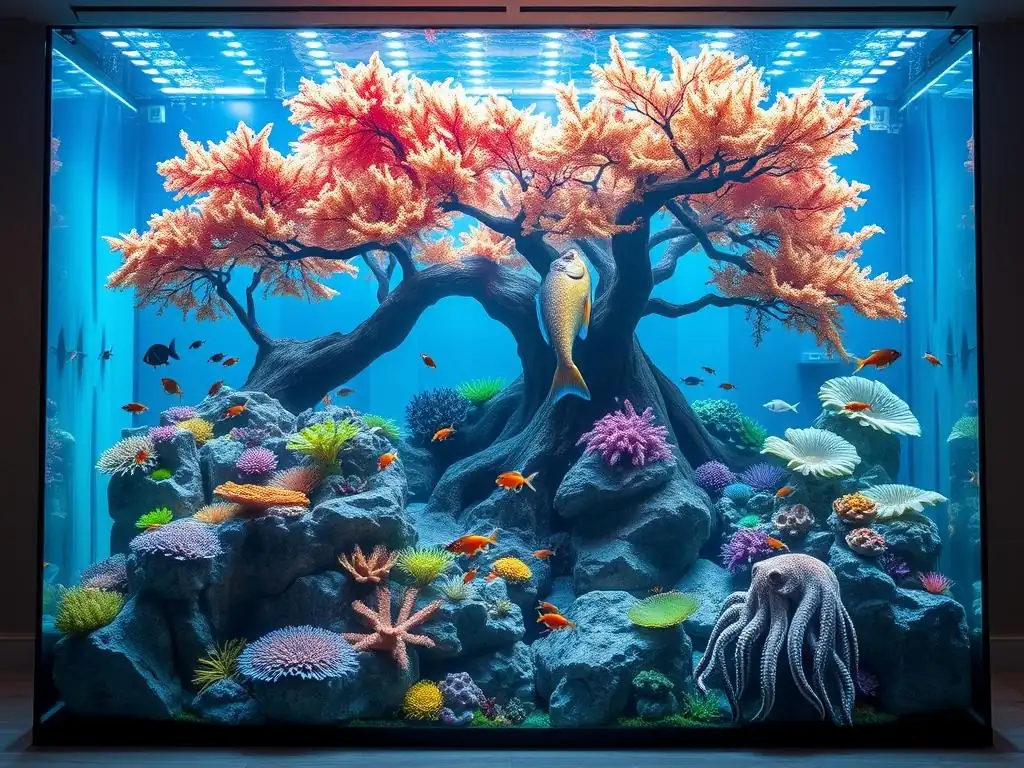
Welcome to Aquarium Mastery, where your underwater dreams take shape!
Are you ready to unlock the secret to vibrant colors and thriving aquatic life? Dive in and discover our comprehensive 2024 review of HighTech LED aquarium lighting, the key to transforming your tank into a breathtaking underwater paradise. Curious to know which LEDs will truly bring your aquarium to life? Let's illuminate the possibilities together!
- The Ultimate Guide to High-Tech LED Aquarium Lighting in 2024
- Top High-Tech LED Aquarium Lights of 2024: Reviews and Comparisons
- Key Considerations When Choosing High-Tech LED Aquarium Lighting
- Maximizing Plant Growth and Coral Health with High-Tech Aquarium LEDs
- Conclusion: Illuminate Your Aquarium with Confidence
-
Frequently Asked Questions
- What is HighTech LED aquarium lighting, and why is it important?
- How does HighTech LED lighting differ from standard aquarium lighting?
- What factors should I consider when choosing HighTech LED lighting for my aquarium?
- Can HighTech LED lighting be used in both freshwater and saltwater aquariums?
- How do I properly maintain HighTech LED aquarium lighting?
- Final Reflection: Illuminating the Depths of Innovation
- Ignite Your Aquarium's Brilliance
The Ultimate Guide to High-Tech LED Aquarium Lighting in 2024
Why High-Tech LED Lighting is Essential for a Thriving Aquarium Ecosystem
High-tech LED aquarium lighting has revolutionized the way aquarists cultivate vibrant and healthy underwater environments. Unlike traditional fluorescent or metal halide lamps, modern LEDs offer unparalleled control over light spectrum and intensity, which are critical factors for photosynthesis in aquatic plants and the calcification processes in corals.
This precise control allows aquarists to mimic natural sunlight cycles, provide the exact Photosynthetically Active Radiation (PAR) values needed for demanding species, and even enhance the coloration of fish and invertebrates through specific wavelength emphasis. For instance, a planted tank thriving with lush Rotala macrandra or a reef tank boasting vibrant Acropora corals often relies on a sophisticated high-tech LED system to meet their specific light energy requirements.
Beyond biological benefits, opting for high-tech LED aquarium lighting brings significant operational advantages. These units are remarkably energy-efficient, often consuming up to 60% less electricity than their fluorescent counterparts, which translates into substantial savings on utility bills over time. Furthermore, LED diodes boast an impressively long lifespan, typically rated for 50,000 hours or more, drastically reducing the frequency and cost of bulb replacements.
Their lower heat output also contributes to greater tank stability by minimizing water temperature fluctuations, a crucial aspect for sensitive aquatic life. The integration of smart controls, accessible via mobile apps, allows for sophisticated scheduling, dimming, and even weather simulations, making advanced aquarium management more accessible than ever.
Top High-Tech LED Aquarium Lights of 2024: Reviews and Comparisons
1. Fluence Bioengineering Ray 22: The Planted Tank Champion
Features of the Fluence Bioengineering Ray 22
The Fluence Bioengineering Ray 22 is engineered specifically for the rigorous demands of high-tech planted aquariums, making it a standout choice for aquascapers and serious plant enthusiasts. Its core strength lies in its meticulously designed full-spectrum output, which provides essential wavelengths for vigorous plant growth. This includes a robust balance of red and blue light for chlorophyll absorption, crucial for photosynthesis, alongside green and white light for excellent color rendition and visual appeal.
The Ray 22 delivers exceptionally high and uniform PAR values across the entire footprint of the aquarium, ensuring that even demanding stem plants like Hemianthus callitrichoides (HC Cuba) or delicate carpeting plants receive adequate light for dense, healthy growth without hot spots or shadowed areas. Its slim, passively cooled design also means minimal heat transfer to the water column and a sleek aesthetic above the tank.
Price and Value Proposition of the Fluence Bioengineering Ray 22
Positioned at the premium end of the high-tech LED aquarium lighting market, the Fluence Bioengineering Ray 22 typically ranges from $400 to $600, depending on the retailer and specific model variations. While this represents a significant initial investment, its value proposition is undeniable for dedicated planted tank hobbyists. The light's robust build quality, exceptional longevity (often exceeding 50,000 operating hours without significant degradation), and unparalleled performance in promoting plant health and growth justify its cost.
Owners frequently report accelerated growth rates, more vibrant coloration, and a noticeable reduction in algae issues due to the optimized spectrum. This translates into less frustration and more enjoyment from a flourishing aquascape, making it a wise long-term investment for those seeking professional-grade results in their high-tech planted aquariums.
Why Choose Fluence Bioengineering Ray 22?
Choosing the Fluence Bioengineering Ray 22 is ideal for aquarists who prioritize maximum plant growth and vibrant coloration in their freshwater planted tanks. If your goal is to cultivate challenging aquatic plants, achieve dense carpeting, or maintain a complex aquascape, the Ray 22 provides the precise light energy and spectrum needed for success.
Its reputation as a "planted tank champion" is well-earned, delivering consistent, high-quality light that significantly enhances plant health and vigor. For those ready to invest in a top-tier high-tech LED aquarium lighting solution that promises exceptional results and reliability, the Fluence Ray 22 is an outstanding choice.
2. Radion G6 Pro: The Coral Reef Powerhouse
Features of the Radion G6 Pro
The Radion G6 Pro by EcoTech Marine stands as a pinnacle of high-tech LED aquarium lighting for reef tanks, renowned for its ability to support and enhance the growth and coloration of even the most demanding SPS (Small Polyp Stony) corals. This fixture boasts an incredibly comprehensive spectrum, incorporating a sophisticated blend of UV, violet, blue, royal blue, green, red, and white LEDs. This multi-channel approach allows reefers to precisely tune the light to optimize coral fluorescence and photosynthesis, mimicking various natural reef environments.
Key features include the patented HEI (Hemispherical Edge Illumination) optics, which ensure superior color mixing and a remarkably even light spread, virtually eliminating hot spots and shadowing across the reef. Furthermore, the G6 Pro integrates seamlessly with EcoTech's Mobius app, offering advanced control over photoperiods, lunar cycles, and even weather simulations, providing an immersive and biologically beneficial lighting experience.
Price and Value Proposition of the Radion G6 Pro
As a premium high-tech LED aquarium lighting solution, the Radion G6 Pro typically commands a price point ranging from $700 to $900 per unit, depending on the size and specific model. While this represents a significant investment, the value it delivers to advanced reef aquarists is substantial. The Radion G6 Pro is celebrated for its proven track record in promoting rapid coral growth, enhancing vibrant coloration, and maintaining robust coral health, even for notoriously difficult species like Acropora millepora or Montipora digitata.
Its durable construction, active cooling system for prolonged LED lifespan, and continuous software updates ensure long-term performance and adaptability. For serious reefers, the G6 Pro isn't just a light; it's a sophisticated environmental controller that contributes directly to the success and beauty of their delicate coral ecosystems, justifying its higher cost through superior results and reliability.
Why Choose Radion G6 Pro?
The Radion G6 Pro is the definitive choice for dedicated reef aquarists seeking the ultimate high-tech LED aquarium lighting solution for their coral-dominated tanks. If your ambition is to cultivate a thriving, colorful, and diverse coral reef, especially one rich in SPS and LPS corals, the G6 Pro provides the unparalleled power, spectrum control, and advanced features required.
Its ability to fine-tune light parameters to specific coral needs, coupled with its robust build and smart control capabilities, makes it an investment in long-term reef success. For those who demand professional-grade performance and are willing to invest in the best for their marine inhabitants, the Radion G6 Pro stands as the undisputed powerhouse.
3. NICREW ClassicLED Plus: The Budget-Conscious Choice
Features of the NICREW ClassicLED Plus
The NICREW ClassicLED Plus serves as an excellent entry point into high-tech LED aquarium lighting for freshwater setups, offering a balanced spectrum and reliable performance without the premium price tag. Designed primarily for general community tanks and low to moderately planted aquariums, it features a combination of white, blue, and red LEDs that provide sufficient light for common freshwater plants like Java Fern, Anubias, and Cryptocorynes.
Its straightforward design includes adjustable mounting brackets, making it adaptable to various tank lengths, and a simple on/off switch or compatibility with basic external timers for managing photoperiods. The fanless design ensures silent operation and contributes to its energy efficiency, producing minimal heat and maintaining a stable water temperature.
Price and Value Proposition of the NICREW ClassicLED Plus
The NICREW ClassicLED Plus is remarkably affordable, typically ranging from $30 to $80, making it an accessible high-tech LED aquarium lighting option for beginners or those on a tighter budget. Its value proposition lies in its ability to deliver a significant upgrade over standard fluorescent lighting at a fraction of the cost of more advanced units. While it may not offer the granular spectrum control or extreme PAR output of high-end fixtures, it provides more than adequate illumination for most common freshwater fish and plants.
This affordability allows new aquarists to experience the benefits of LED lighting – improved plant growth, enhanced fish colors, and energy savings – without a prohibitive initial investment. It's a practical choice for setting up a healthy and visually appealing aquarium without breaking the bank.
Why Choose NICREW ClassicLED Plus?
The NICREW ClassicLED Plus is the ideal choice for aquarists seeking an effective yet budget-friendly high-tech LED aquarium lighting solution for their freshwater tanks. If you are just starting out in the hobby, have a community tank with less demanding fish and plants, or simply need a reliable and energy-efficient light without complex features, the ClassicLED Plus fits the bill perfectly.
It offers a solid foundation for healthy plant growth and vibrant fish colors, proving that quality LED illumination doesn't always have to come with a premium price. For those looking for a practical and economical upgrade to their aquarium's lighting, the NICREW ClassicLED Plus provides excellent value and performance.
Key Considerations When Choosing High-Tech LED Aquarium Lighting
Tank Size and Lighting Requirements
The physical dimensions of your aquarium are paramount when selecting high-tech LED aquarium lighting, as they directly dictate the necessary light spread and penetration. For instance, a standard 20-gallon long tank (30 inches long) will require a different light fixture than a 75-gallon tank (48 inches long) or a tall 120-gallon tank (24 inches deep). The length of the tank determines the fixture's physical size, ensuring even coverage from end to end, while the depth dictates the required light intensity and penetration power.
For a planted tank, if your substrate is 20 inches from the light source and you aim for high-light plants, you might need a fixture capable of delivering 50-70 PAR at that depth. Similarly, a deep reef tank with SPS corals might require fixtures capable of 200+ PAR at the bottom.
Beyond dimensions, the specific inhabitants of your aquarium determine the precise lighting requirements. Low-light freshwater plants, such as Anubias barteri or Java Fern, thrive with PAR values between 15-30, whereas demanding carpeting plants like Glossostigma elatinoides or red stem plants often require 50 PAR or more to flourish. In saltwater environments, soft corals like Zoanthids might only need 50-100 PAR, while large polyp stony (LPS) corals like Euphyllia generally prefer 75-150 PAR.
Small polyp stony (SPS) corals, such as Acropora, are the most light-hungry, often requiring 150-400+ PAR depending on the species and desired growth rate. Understanding these specific needs is crucial for selecting high-tech LED aquarium lighting that supports a thriving ecosystem.
Spectrum Control and Customization
The ability to control and customize the light spectrum is a hallmark of high-tech LED aquarium lighting and a critical factor for specialized aquariums. Different wavelengths of light serve distinct biological purposes: blue and royal blue light (400-470nm) are vital for coral fluorescence and photosynthesis, while red and blue light (600-700nm and 400-470nm) are essential for plant photosynthesis.
Advanced LED fixtures allow aquarists to adjust individual color channels (e.g., white, blue, red, green, UV) independently, enabling precise tuning of the light output to match the specific needs of various aquatic species. This granular control means you can emphasize certain colors to enhance the vibrancy of fish or corals, or dial in the exact spectrum for optimal plant growth.
The benefits of spectrum customization extend beyond merely meeting biological requirements; they also allow for artistic expression and environmental mimicry. With high-tech LED aquarium lighting, you can program naturalistic sunrise and sunset effects, simulate lunar cycles, or even replicate specific weather patterns like cloudy days. This not only creates a more aesthetically pleasing display but also reduces stress on aquarium inhabitants by avoiding sudden light changes.
For example, a reef aquarist might program a strong blue "actinic" phase in the morning and evening to encourage coral fluorescence, while a planted tank enthusiast might boost red and blue channels during peak photoperiods to maximize plant growth. This level of control makes high-tech LED aquarium lighting an indispensable tool for both scientific cultivation and visual appeal.
Energy Efficiency and Longevity
One of the most compelling advantages of investing in high-tech LED aquarium lighting is its superior energy efficiency compared to traditional lighting methods like fluorescent tubes or metal halides. LEDs convert a significantly higher percentage of electrical energy into light and dissipate much less as heat. This efficiency directly translates into lower electricity bills for aquarists, with some setups seeing energy savings of up to 60% compared to older lighting technologies.
For a large aquarium running lights for 10-12 hours a day, these savings can accumulate substantially over a year, offsetting the initial higher cost of the LED fixture. Moreover, the reduced heat output from LED fixtures helps maintain a more stable aquarium temperature, lessening the burden on heaters or chillers and further contributing to energy savings.
Beyond energy consumption, the longevity of high-tech LED aquarium lighting fixtures is a significant economic and practical benefit. LED diodes typically have an operational lifespan of 50,000 hours or more before significant light degradation occurs. In contrast, fluorescent bulbs often need replacement every 6-12 months, and metal halide bulbs every 9-12 months.
This extended lifespan means fewer bulb purchases, less frequent maintenance, and greater peace of mind for the aquarist. The durability of high-tech LED aquarium lighting also contributes to its overall value, as it provides consistent, high-quality illumination for many years, making it a reliable and cost-effective long-term investment for any serious aquarist.
Budget and Long-Term Cost
When considering high-tech LED aquarium lighting, the initial purchase price can sometimes be a deterrent, as these advanced fixtures often carry a higher upfront cost than conventional lighting options. For instance, a premium high-tech LED unit for a 75-gallon tank might cost between $400 and $900, whereas a basic fluorescent setup for the same tank could be $100-$200. However, it's crucial to evaluate this investment within the context of long-term costs.
The significant energy savings provided by LEDs (as discussed above) and their vastly extended lifespan (50,000+ hours versus 10,000-20,000 for fluorescents) mean that the total cost of ownership over several years is often considerably lower for high-tech LED aquarium lighting. This makes the initial outlay a strategic investment rather than a mere expense.
Furthermore, opting for a cheaper, less effective lighting solution can lead to unforeseen long-term costs associated with poor aquarium health. Inadequate lighting can result in stunted plant growth, pale corals, rampant algae issues due to imbalanced spectrum, and ultimately, the need to purchase more expensive supplements or even replace distressed livestock. These issues can quickly erode any initial savings made on a low-cost light.
By investing in quality high-tech LED aquarium lighting from the outset, aquarists are essentially paying for reliability, optimal growth, and a healthier, more stable aquatic environment, which minimizes future troubleshooting and expenses. It's an investment in the overall success and enjoyment of the aquarium hobby.
Maximizing Plant Growth and Coral Health with High-Tech Aquarium LEDs
Optimizing the Lighting Schedule
Optimizing the lighting schedule is a fundamental aspect of maximizing plant growth and coral health with high-tech LED aquarium lighting. Most aquatic plants and corals benefit from a consistent photoperiod, mimicking the natural day-night cycle. For freshwater planted tanks, a typical schedule ranges from 8 to 10 hours of intense light per day, with some aquarists opting for a "siesta" period in the middle to reduce algae growth.
Reef tanks, depending on the species of coral, often thrive on a 10 to 12-hour photoperiod. High-tech LED aquarium lighting systems excel in allowing precise, programmable schedules, ensuring that your aquatic inhabitants receive the exact amount of light exposure needed without fluctuations that could cause stress or inhibit growth.
A significant advantage of advanced high-tech LED aquarium lighting is the ability to program ramp-up and ramp-down phases, effectively simulating sunrise and sunset. Instead of a sudden jolt of light, the intensity gradually increases over 30 minutes to an hour in the morning and slowly dims at night.
This gradual change in light intensity significantly reduces stress on fish and corals, allowing them to acclimate gently to the light and retreat to shelter as darkness approaches. For example, a Radion G6 Pro can be programmed to transition from a deep blue moonlight phase to a full-spectrum daylight over an hour, creating a more natural and less disruptive environment for the aquarium's inhabitants.
Adjusting Light Intensity
Adjusting light intensity, primarily measured as Photosynthetically Active Radiation (PAR), is crucial for matching the high-tech LED aquarium lighting output to the specific needs of your plants and corals. Different species have vastly different PAR requirements for optimal growth and health. For instance, low-light freshwater plants like Java Fern might only need 15-30 PAR at the substrate, whereas a demanding carpeting plant such as Hemianthus callitrichoides could require 50-70+ PAR. Similarly, in reef tanks, soft corals may thrive with 50-100 PAR, while SPS corals often demand 150-400+ PAR, particularly for vibrant coloration and robust growth.
High-tech LED aquarium lighting allows for precise dimming and intensity adjustments, giving aquarists the flexibility to fine-tune the light output. It is generally recommended to start with lower intensity settings, especially when introducing new plants or corals, and gradually increase it over several weeks while monitoring their response. Signs of too much light include algae blooms, plant melting, or coral bleaching, while too little light may result in stunted growth or pale colors.
For example, if you notice an increase in green spot algae on your tank glass, it might indicate that your high-tech LED aquarium lighting is too intense or running for too long. Adjusting the intensity by 5-10% increments can help find the perfect balance for your specific setup.
Monitoring Plant/Coral Health and Adjusting Lighting Accordingly
The ongoing observation of your plants and corals is perhaps the most critical step in maximizing their health with high-tech LED aquarium lighting. Your aquatic inhabitants provide direct feedback on whether your lighting parameters are optimal. For plants, look for vigorous growth, vibrant green or red coloration (depending on the species), and the absence of algae on their leaves.
Stunted growth, pale leaves, or excessive algae (e.g., green hair algae, BBA) can be indicators of incorrect light intensity or duration. For corals, observe polyp extension, tissue integrity, and color vibrancy. Acropora corals, for instance, should exhibit tight, vibrant polyps and good growth tips under ideal high-tech LED aquarium lighting conditions.
Based on these observations, aquarists must be prepared to make small, iterative adjustments to their high-tech LED aquarium lighting settings. If plants are melting or corals are bleaching, the light intensity may be too high, or the photoperiod too long.
Conversely, if growth is slow or colors are muted, a slight increase in intensity or a shift in spectrum (e.g., boosting red/blue for plants, or blue/violet for corals) might be necessary. This adaptive approach, where you continuously monitor the health of your aquatic life and fine-tune your high-tech LED aquarium lighting, is essential for cultivating a truly thriving and visually stunning underwater world.
Conclusion: Illuminate Your Aquarium with Confidence
Investing in high-tech LED aquarium lighting is more than just purchasing a fixture; it's a commitment to fostering a thriving, vibrant, and biologically balanced underwater ecosystem. As demonstrated, the benefits extend far beyond mere illumination, encompassing precise spectrum control, remarkable energy efficiency, and unparalleled longevity. Whether you're cultivating a lush freshwater planted aquascape with demanding species or maintaining a complex coral reef with delicate SPS corals, the right high-tech LED aquarium lighting solution is an indispensable tool for success.
By carefully considering your tank's specific needs, understanding the features of top-tier models, and diligently optimizing your lighting schedule and intensity, you can unlock the full potential of your aquatic environment. Illuminate your aquarium with confidence, knowing that your investment in quality high-tech LED aquarium lighting will lead to years of stunning beauty and healthy aquatic life.
Frequently Asked Questions
What is HighTech LED aquarium lighting, and why is it important?
HighTech LED aquarium lighting refers to powerful and efficient lighting systems specifically designed to support the growth of demanding aquatic plants and enhance the colors of fish and corals. It's important because it provides the necessary spectrum and intensity for photosynthesis and overall aquarium health.
How does HighTech LED lighting differ from standard aquarium lighting?
HighTech LEDs typically offer greater control over the light spectrum, allowing you to tailor the light to the specific needs of your aquarium inhabitants. They also boast higher PAR (Photosynthetically Active Radiation) values, promoting robust plant growth compared to standard options.
What factors should I consider when choosing HighTech LED lighting for my aquarium?
Consider the size and depth of your tank, the specific needs of your plants and animals, and the adjustability of the light spectrum. Also, think about energy efficiency and lifespan of the LED fixture.
Can HighTech LED lighting be used in both freshwater and saltwater aquariums?
Yes, HighTech LED lighting can be used in both freshwater and saltwater aquariums. However, it is crucial to select a fixture specifically designed for the intended environment, as the spectrum and intensity requirements differ significantly.
How do I properly maintain HighTech LED aquarium lighting?
Regularly clean the lens to ensure optimal light penetration. Monitor the LED's performance over time, and consider replacing them as they begin to degrade, which will impact your tank inhabitants. Also, ensure proper ventilation to prevent overheating.
Final Reflection: Illuminating the Depths of Innovation
The journey through the world of high-tech LED aquarium lighting, as explored in this review, underscores a crucial point: innovation is constantly reshaping our ability to connect with nature, even within the confines of our homes. The advancements highlighted in the 2024 review are not merely about brighter lights; they represent a deeper understanding of aquatic ecosystems and a commitment to replicating them with greater fidelity and responsibility.
This pursuit of aquarium mastery has profoundly influenced the hobby, transforming it from a simple pastime into a sophisticated art form. The ability to precisely control light spectrum and intensity has unlocked new possibilities for plant growth, coral coloration, and overall aquatic health, fostering a deeper appreciation for the delicate balance of underwater life. As Jacques Cousteau once said, The sea, once it casts its spell, holds one in its net of wonder forever.
This "net of wonder" is now more accessible than ever, thanks to the technology we've explored.
Now, as you consider the possibilities illuminated by these advancements, I invite you to reflect on your own connection to the aquatic world. How can you leverage these innovations to create a thriving, sustainable ecosystem within your own aquarium? Embrace the power of high-tech LED lighting, not just as a tool, but as a gateway to a deeper understanding and appreciation of the beauty and complexity that lies beneath the surface.
Ignite Your Aquarium's Brilliance
Thank you for exploring the latest in high-tech LED aquarium lighting! Now that you're equipped with insights into 2024's top options, it's time to take the next step and bring your underwater vision to life.
Here are a few ways to supercharge your aquarium's potential:
- Start by evaluating your current lighting. Does it meet the needs of your specific aquatic inhabitants? Consider light spectrum, intensity, and duration.
- Dive deeper! Research some of the featured LED models in detail, paying close attention to user reviews and par (photosynthetically active radiation) data.
- Share your lighting experiences! Join the Aquarium Mastery community forum and tell us about your current setup or your dream lighting system.
What unique color spectrum are you most excited to explore with your next aquarium lighting upgrade?