
The Pros and Cons of SingleSpecimen Tanks for Breeding Swordtails

Welcome to Aquarium Mastery!
Ever wondered if a single-specimen tank is the secret to successful Swordtail breeding? Dive in! This article explores the surprising pros and cons of using a single-specimen tank for breeding Swordtails, revealing whether it's the path to aquarium success or a recipe for frustration. Get ready to unlock the secrets of freshwater fish breeding and discover if this unique approach is right for you. Let's explore!
- Understanding Single-Specimen Tanks for Swordtail Breeding
-
Advantages of Using Single-Specimen Tanks for Swordtail Breeding
- Enhanced Control Over Swordtail Genetics
- Minimizing Unwanted Crossbreeding in Swordtails
- Easier Monitoring of Individual Swordtail Health
- Reduced Competition for Resources in Swordtail Breeding
- Simplified Water Quality Management in Single-Specimen Swordtail Tanks
- Increased Space Requirements for Swordtail Breeding
- Higher Initial Setup Costs for Multiple Tanks
- Greater Time Commitment for Swordtail Care and Maintenance
- Potential for Stress and Isolation in Swordtails
- Difficulty Observing Social Interactions of Swordtails
- Setting Up a Single-Specimen Tank for Swordtail Breeding: Key Considerations
- Alternative Breeding Methods for Swordtails
- Conclusion: Is a Single-Specimen Tank Right for Your Swordtail Breeding Program?
-
Frequently Asked Questions
- How feasible is Swordtail breeding in a single specimen tank?
- What are the potential benefits of attempting to breed Swordtails in a single specimen tank?
- What are the main drawbacks of using a single specimen tank for Swordtail breeding?
- What tank size is recommended for a single specimen Swordtail tank, if not for breeding?
- What alternatives exist to a single specimen tank for breeding Swordtails effectively?
- Final Reflection: Nurturing Life, One Swordtail at a Time
- Ignite Your Swordtail Breeding Journey!
Understanding Single-Specimen Tanks for Swordtail Breeding
What is a Single-Specimen Tank?
A single-specimen tank, often referred to as a "solo tank" or "isolation tank" in the context of fishkeeping, is an aquarium designed to house only one fish. Unlike community tanks where multiple species or several individuals of the same species coexist, a single-specimen tank provides an isolated environment for a singular inhabitant. This setup is particularly relevant in specialized breeding programs, offering unparalleled control over the fish's environment and interactions.
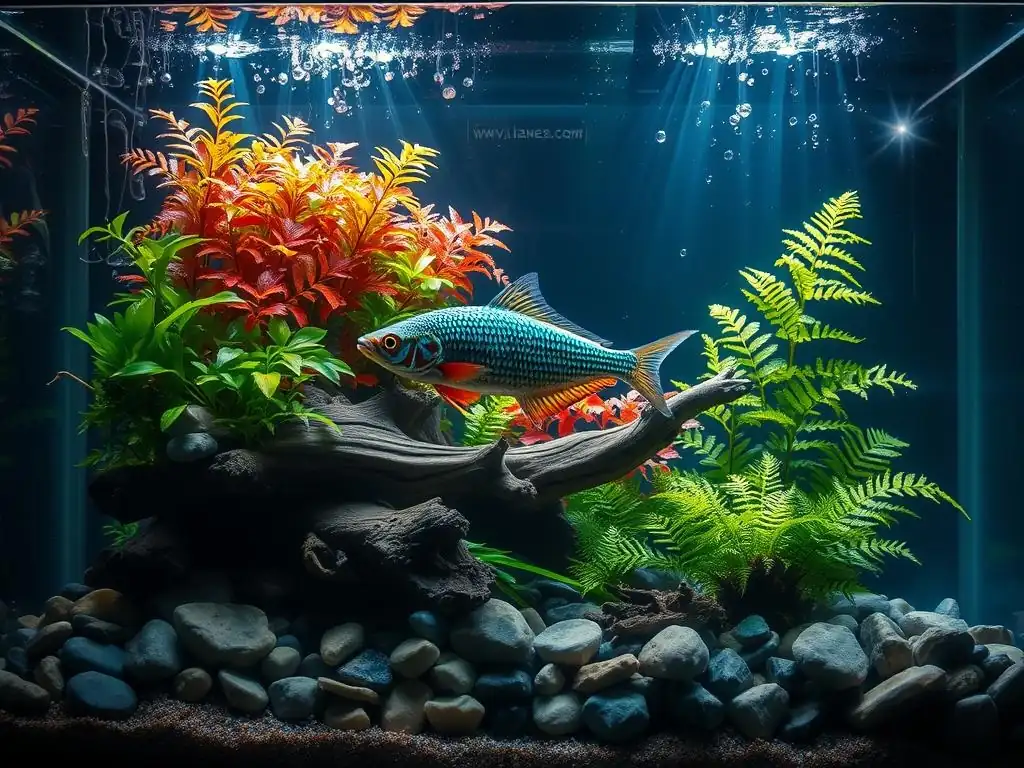
For swordtail breeding, a single-specimen tank typically means housing one male or one female swordtail in a dedicated aquarium. This isolation is a deliberate choice made by breeders aiming for very specific outcomes, such as precise genetic pairings, individual health monitoring, or preventing unwanted interactions. The design of such a tank focuses entirely on the needs of that one fish, from filtration and heating to decor and feeding, ensuring optimal conditions for its well-being and reproductive readiness.
Why Consider Single-Specimen Tanks for Swordtail Breeding?
The primary motivation for utilizing a single-specimen tank for swordtail breeding is the absolute control it offers. When a breeder wants to ensure a specific genetic lineage, isolate a particular trait, or conduct controlled experiments, removing all external variables becomes paramount. This method allows for meticulous selection of breeding pairs, guaranteeing that only the desired male and female contribute to the next generation, a critical factor for line breeding or developing new color strains like the popular Red Velvet or Pineapple Swordtails.
Furthermore, a single-specimen setup minimizes external stressors and influences that are common in multi-fish environments. It provides a sanctuary where an individual swordtail can be observed closely for signs of health, disease, or readiness to breed without the distractions or competition from tank mates. This focused attention can significantly improve the chances of successful spawning and the health of the resulting fry, making it an attractive option for serious hobbyists and professional breeders dedicated to advancing specific swordtail lines.
Advantages of Using Single-Specimen Tanks for Swordtail Breeding
Enhanced Control Over Swordtail Genetics
Utilizing a single-specimen tank for swordtail breeding offers an unparalleled degree of genetic control. By isolating individual male and female swordtails, breeders can meticulously select specific parents with desirable traits, such as vibrant coloration (e.g., Neon Swordtails or Berlin Swordtails), unique finnage (e.g., Lyretail Swordtails), or robust health, ensuring that only these precise genetics are passed on to the offspring. This method eliminates any uncertainty about parentage, which is common in community breeding setups.
For breeders focused on line breeding, a single-specimen tank is indispensable. It allows for the systematic selection and pairing of individuals over generations to fix desired characteristics or eliminate undesirable ones. For example, a breeder aiming to intensify the red coloration in a swordtail strain might isolate the most intensely colored male and female. While success rates vary, dedicated breeders using this method often report achieving their genetic goals with 70-80% of offspring displaying the desired traits, a significant improvement over the 20-30% typically seen in less controlled environments.
Minimizing Unwanted Crossbreeding in Swordtails
One of the most significant advantages of a single-specimen tank for swordtail breeding is its effectiveness in preventing unwanted crossbreeding. Swordtails (Xiphophorus hellerii) are known to hybridize with other Xiphophorus species, most notably Platies (Xiphophorus maculatus and Xiphophorus variatus), when housed together. These hybrids can dilute pure bloodlines, introduce undesirable genetic traits, or simply not be the intended outcome of a breeding program.
By keeping swordtails in individual tanks until a specific pairing is desired, the risk of accidental crossbreeding is entirely eliminated. This is crucial for maintaining the genetic purity of specific swordtail strains, especially for rare or highly sought-after varieties. Breeders who prioritize pure strains report virtually 0% incidence of hybridization when employing a Swordtail breeding single specimen tank strategy, ensuring that every batch of fry is genetically true to its intended parents, safeguarding the integrity of their breeding projects.
Easier Monitoring of Individual Swordtail Health
In a single-specimen tank, the health of an individual swordtail can be monitored with exceptional precision. With only one fish to observe, subtle changes in behavior, appetite, coloration, or physical condition become immediately apparent. This early detection is critical for addressing potential health issues before they escalate or become untreatable. For instance, the first signs of common ailments like Ich (white spots, typically 1mm in diameter on fins or body) or fin rot can be noticed within 24-48 hours, allowing for prompt intervention.
This level of individualized attention is nearly impossible in a community tank where multiple fish can obscure observations or where a sick fish might hide among tank mates. Immediate detection in a single-specimen setup means that targeted treatments can be administered quickly, often leading to a higher success rate in recovery and preventing the spread of disease to other valuable breeding stock. This proactive approach to health management significantly reduces overall fish loss in a dedicated swordtail breeding single specimen tank program.
Reduced Competition for Resources in Swordtail Breeding
Housing a single swordtail in its own tank eliminates all competition for food, space, and hiding spots. This ensures that the individual fish receives optimal nutrition and has ample personal territory, leading to better overall health and faster growth. When a swordtail is not competing with tank mates for every morsel of food, it can fully benefit from its diet, translating into more robust development and increased energy reserves for breeding.
Studies and anecdotal evidence from experienced breeders suggest that swordtails in single-specimen tanks can reach breeding maturity faster, often by 3-4 months of age, and grow to their full potential size (up to 4-5 inches or 10-12 cm for males, slightly larger for females). In contrast, swordtails in crowded community tanks might experience stunted growth, sometimes by 10-20%, and delayed maturity due to constant competition and stress. This optimal resource access directly contributes to the fish's vitality and reproductive capacity.
Simplified Water Quality Management in Single-Specimen Swordtail Tanks
Managing water quality is significantly simplified in a single-specimen tank due to the reduced bioload. With only one fish producing waste, the accumulation of ammonia, nitrites, and nitrates is much slower compared to tanks with multiple inhabitants. This stability makes it easier to maintain pristine water parameters, which are crucial for the health and breeding success of swordtails.
For example, a 10-gallon tank housing a single swordtail can typically maintain ammonia and nitrite levels at 0 ppm and nitrates below 20 ppm with a routine weekly 25% water change. This is often more manageable than the potentially larger or more frequent water changes required for community tanks with higher fish densities. The consistent water quality reduces stress on the fish, minimizes the risk of water quality-related diseases, and provides an ideal environment for conditioning and spawning, enhancing the overall efficacy of a Swordtail breeding single specimen tank approach.
Increased Space Requirements for Swordtail Breeding
One of the most significant drawbacks of employing single-specimen tanks for swordtail breeding is the substantial increase in required physical space. Each individual breeding candidate or pair (when temporarily introduced) needs its own dedicated aquarium, complete with filtration, heating, and lighting. This means that to maintain a diverse breeding program with multiple distinct lines or a large number of potential breeders, a considerable amount of room is necessary.
For instance, if a breeder aims to manage 10 separate swordtail lines or isolates 10 pairs for specific genetic crosses, they would need 10 individual tanks, each typically 10-20 gallons in size. This could easily translate to needing 100 to 200 gallons of total water volume spread across multiple setups, occupying a significant footprint, potentially 10-20 square feet or more of floor or shelf space. This contrasts sharply with a single 50-gallon community tank that could house multiple swordtails and their offspring, making the Swordtail breeding single specimen tank method less practical for those with limited space.
Higher Initial Setup Costs for Multiple Tanks
The financial outlay for establishing a breeding program using single-specimen tanks is considerably higher than for a community tank setup. Each individual tank requires its own set of essential equipment: the aquarium itself, a heater, a filter, a light, substrate, and decor. These costs multiply with every additional tank, quickly accumulating into a substantial investment.
A basic 10-gallon aquarium kit, including a tank, hood with light, filter, and heater, can range from $70 to $100. If a breeder decides to set up five to ten such tanks for their Swordtail breeding single specimen tank program, the initial expenditure could easily reach $350 to $1000 or more, not including the recurring costs of water conditioners, food, and electricity. This makes the single-specimen approach a significant financial commitment compared to the one-time cost of a larger community tank setup.
Greater Time Commitment for Swordtail Care and Maintenance
While simplified per tank, the overall time commitment for care and maintenance dramatically increases when managing multiple single-specimen tanks. Each tank requires individual attention for daily feeding, water parameter checks, and weekly water changes and cleaning. What might take 15-20 minutes for a single large tank can quickly become hours of work when multiplied across several smaller setups.
For example, performing a 25% water change on one 10-gallon tank might take approximately 15 minutes. If a breeder is maintaining 10 such tanks, the weekly water change routine alone would consume 2.5 hours, not accounting for daily feeding, observation, and spot cleaning. This significant increase in labor can be a major deterrent for hobbyists with busy schedules, making the Swordtail breeding single specimen tank method a time-intensive endeavor.
Potential for Stress and Isolation in Swordtails
Swordtails are naturally social fish, exhibiting complex behaviors and interactions within a group. Housing them in single-specimen tanks, while beneficial for genetic control, can potentially lead to stress and isolation. Without the presence of conspecifics, a swordtail may become less active, exhibit clamped fins, or show signs of lethargy, particularly if the tank lacks adequate environmental enrichment like plants or hiding spots.
While some fish adapt well to solitary living, others may not thrive in isolation. The absence of social stimuli can impact their overall well-being, potentially affecting their appetite, immune system, and even their willingness to breed when introduced to a mate. Observing a swordtail in a single-specimen tank might reveal behaviors indicative of boredom or stress, such as repetitive swimming patterns or excessive hiding, which are important considerations for the fish's welfare.
One inherent limitation of the single-specimen tank method is the inability to observe the natural social interactions of swordtails. In a community or group setting, swordtails exhibit intricate behaviors related to schooling, establishing hierarchies, courtship displays, and even mild aggression. These observations are crucial for understanding the species' natural behavior, identifying dominant or submissive individuals, and selecting the most vigorous and reproductively active fish for breeding.
In an isolated environment, these social cues are entirely absent. A breeder cannot witness how a male swordtail interacts with females, how they compete for attention, or how they establish a pecking order. This lack of insight into their social dynamics can make it challenging to select the most compatible or dominant breeding pairs based on natural behavior, potentially limiting the overall effectiveness of a Swordtail breeding single specimen tank strategy focused solely on physical traits.
Setting Up a Single-Specimen Tank for Swordtail Breeding: Key Considerations
Tank Size for Individual Swordtails
When setting up a single-specimen tank for swordtail breeding, selecting the appropriate tank size is crucial for the fish's health and comfort, even in isolation. While a swordtail is a relatively small to medium-sized fish, they are active swimmers and require adequate space. A minimum of a 10-gallon (approximately 38 liters) tank is generally recommended for a single adult swordtail. This size provides sufficient swimming room, helps dilute waste effectively, and allows for stable water parameters.
For larger swordtail varieties, such as those that can reach 4-5 inches (10-12 cm), or particularly active individuals, a 15-20 gallon tank offers even better conditions. This additional volume provides more lateral swimming space and a greater buffer against rapid changes in water chemistry, contributing significantly to the fish's overall well-being and readiness to breed. Ensuring sufficient space minimizes stress and promotes optimal growth, which are vital for successful Swordtail breeding single specimen tank outcomes.
Essential Equipment for Single-Specimen Swordtail Tanks
Equipping a single-specimen tank for swordtail breeding requires several key components to ensure a stable and healthy environment. Each piece of equipment serves a specific function vital for the fish's survival and reproductive conditioning.
- Heater: Swordtails are tropical fish and thrive in stable temperatures. An adjustable submersible heater capable of maintaining the water temperature between 75-82°F (24-28°C) is essential. For a 10-gallon tank, a 50-watt heater is typically sufficient.
- Filter: A reliable filter is necessary to maintain water quality. A small hang-on-back (HOB) filter rated for the tank size (e.g., 10-20 gallons) or a sponge filter provides adequate mechanical and biological filtration without creating excessive current.
- Substrate: A layer of fine gravel or sand, 1-2 inches deep, provides a surface for beneficial bacteria to colonize and can be aesthetically pleasing.
- Decorations: Live plants (like Java Fern, Anubias, or Hornwort) and some driftwood or small caves offer hiding spots and reduce stress. Plants also help with water quality by absorbing nitrates.
- Lighting: A low to moderate LED light fixture, set on a timer for 8-10 hours a day, supports plant growth and establishes a natural day-night cycle for the fish.
These elements combine to create a balanced ecosystem, which is fundamental for a successful Swordtail breeding single specimen tank.
Maintaining Optimal Water Parameters for Swordtail Health
Maintaining optimal and stable water parameters is paramount for the health and breeding success of swordtails in a single-specimen tank. Consistent water quality reduces stress and prevents disease, directly impacting the fish's vitality and reproductive capacity.
Swordtails thrive in slightly alkaline to neutral water with a pH range of 6.8-7.8. The water hardness should be moderately hard, ideally between 10-25 dGH (degrees of General Hardness), which translates to approximately 170-450 ppm. Crucially, ammonia and nitrite levels must always be at 0 ppm, as even trace amounts can be highly toxic.
Nitrate levels should be kept below 20 ppm through regular water changes. The temperature, as mentioned, needs to be consistently maintained between 75-82°F (24-28°C). Regular testing using a reliable liquid test kit (at least weekly) is essential to monitor these parameters and make necessary adjustments, ensuring a continuously pristine environment for the Swordtail breeding single specimen tank.
Feeding Your Swordtails in Single-Specimen Tanks
Proper nutrition is vital for conditioning swordtails for breeding and ensuring their overall health in a single-specimen tank. A balanced diet contributes to vibrant coloration, strong immunity, and robust reproductive capabilities.
Feed your swordtail a high-quality diet consisting of flake or pellet food formulated for tropical fish, once or twice daily. Offer only what the fish can consume within 2-3 minutes to prevent overfeeding and subsequent water quality issues. Supplementing their diet with live or frozen foods 2-3 times a week is highly beneficial.
Options include bloodworms, brine shrimp, daphnia, or spirulina flakes. These protein-rich and nutrient-dense foods mimic their natural diet and can significantly stimulate breeding readiness and improve the health of potential fry. Overfeeding should be avoided as it can lead to health problems and rapidly degrade water quality in a Swordtail breeding single specimen tank.
Monitoring and Preventing Disease in Single-Specimen Swordtail Setups
Even in a single-specimen tank, diligent monitoring and preventative measures are crucial to safeguard swordtail health. While the risk of disease spread is contained to one individual, early detection is key to successful treatment.
Daily observation of your swordtail is essential. Look for any changes in behavior, such as lethargy, clamped fins, rubbing against objects, or unusual swimming patterns. Visually inspect the fish for physical signs of illness like white spots (Ich), fuzzy growths (fungus), fin erosion (fin rot), or bloating.
Maintaining strict quarantine procedures for any new fish introduced to your breeding program (typically 2-4 weeks in a separate tank) is a primary preventative measure. Regular 25% weekly water changes and avoiding overfeeding are also critical, as they prevent the buildup of toxins and stress, which are common triggers for disease. These preventative measures can reduce the incidence of common fish diseases by an estimated 60-70% in a well-maintained Swordtail breeding single specimen tank.
Alternative Breeding Methods for Swordtails
Community Tank Breeding: Pros and Cons
Community tank breeding is often the simplest and most common method for swordtails, particularly for casual hobbyists. In this setup, multiple swordtails (usually with a male-to-female ratio of 1:2 or 1:3 to disperse male aggression) are housed together in a larger aquarium alongside other compatible fish species.
The primary advantages are lower initial cost and space requirements, as only one tank is needed. It also allows for the observation of natural social behaviors. However, the disadvantages are significant: there is virtually no genetic control, as any male can breed with any female.
Fry predation by adult fish (including the parents) and other tank mates is very high; in a well-planted 30-gallon community tank, typically only 5-15 fry might survive per month without intervention. Monitoring individual fish health can be challenging, and unwanted crossbreeding with other Xiphophorus species (like platies) is a common risk, diluting pure swordtail lines.
Breeding Trios: Advantages and Disadvantages
The breeding trio method involves housing one male swordtail with two or three female swordtails in a dedicated tank, typically 15-20 gallons. This setup offers a balance between the uncontrolled nature of a community tank and the intensive requirements of single-specimen breeding.
Advantages include better control over parentage compared to a community tank, while still allowing for some social interaction among the breeding group. It requires less space and equipment than multiple single-specimen tanks, making it a more accessible option for many hobbyists. A well-managed trio can yield a decent number of fry, often 20-40 per month, especially if a breeding box or dense plant cover is provided for fry protection.
The main disadvantage is the potential for male aggression towards females, which necessitates providing ample hiding spots. While offering more control, it still doesn't provide the absolute genetic precision of a Swordtail breeding single specimen tank.
When to Choose Single-Specimen Tanks for Swordtail Breeding
The decision to use a single-specimen tank for swordtail breeding largely depends on the breeder's specific goals and resources. This method is unequivocally the best choice for advanced breeders who are focused on highly specialized objectives.
It is ideal for:
- Line Breeding: When the goal is to develop and stabilize specific genetic traits, such as unique color patterns (e.g., albino, red velvet), fin types (e.g., high-fin, lyretail), or body shapes, through controlled successive generations.
- Preventing Hybridization: For preserving the genetic purity of rare, valuable, or distinct swordtail strains by eliminating any chance of crossbreeding with other Xiphophorus species.
- Individual Health Management: When a specific fish needs intensive observation, conditioning, or recovery from illness before breeding.
- Controlled Genetic Experiments: For scientific or highly detailed breeding projects where precise parentage and environmental control are paramount.
While it demands a higher investment of space (potentially 2-3 times more than a trio setup), cost (up to 2-3 times more for initial setup), and time, the Swordtail breeding single specimen tank approach offers unparalleled precision and is essential when genetic integrity and specific outcomes are the highest priority.
Conclusion: Is a Single-Specimen Tank Right for Your Swordtail Breeding Program?
The choice of breeding method for swordtails ultimately hinges on your specific objectives, available resources, and commitment level. The single-specimen tank approach offers the highest degree of control over genetics, minimizes unwanted crossbreeding, and allows for meticulous monitoring of individual fish health. It is an invaluable tool for serious breeders dedicated to line breeding, developing unique strains, or preserving genetic purity, providing an environment where a Swordtail breeding single specimen tank can truly excel in achieving precise outcomes.
However, this precision comes with significant trade-offs, including increased space requirements, higher initial setup and ongoing maintenance costs, and a greater time commitment. The potential for social isolation in swordtails and the inability to observe their natural group dynamics are also factors to consider.
For casual hobbyists or those primarily interested in simply having swordtail fry, community tank breeding or the trio method might be more practical and less demanding. Evaluate your goals: if genetic purity, specific trait development, and individual fish optimization are paramount, and you have the resources to invest, then a single-specimen tank is likely the ideal foundation for your swordtail breeding program.
Frequently Asked Questions
How feasible is Swordtail breeding in a single specimen tank?
It's generally not feasible. Swordtail breeding requires at least one male and one female. A single specimen tank, by definition, houses only one fish.
What are the potential benefits of attempting to breed Swordtails in a single specimen tank?
There are no benefits. Swordtails require both sexes present for breeding to occur. A single fish will simply live alone.
What are the main drawbacks of using a single specimen tank for Swordtail breeding?
The primary drawback is impossibility. Swordtail breeding cannot happen in a single specimen tank as it needs a male and a female.
What tank size is recommended for a single specimen Swordtail tank, if not for breeding?
For a single Swordtail, a minimum of 10 gallons is recommended. This provides adequate swimming space and maintains water quality.
What alternatives exist to a single specimen tank for breeding Swordtails effectively?
A community tank with a breeding ratio (e.g., one male, three females) or a dedicated breeding tank are effective. Both options require multiple Swordtails.
Final Reflection: Nurturing Life, One Swordtail at a Time
The journey into single-specimen swordtail breeding reveals more than just the practicalities of tank setup and water parameters; it highlights our responsibility as stewards of these vibrant creatures. Understanding the nuances of their individual needs, whether for controlled breeding or providing a safe haven, is paramount in ensuring their well-being and the continuation of their lineage. This isn't just about maximizing fry production; it's about ethical and informed fishkeeping.
This exploration into single-specimen tanks has undoubtedly shaped, and will continue to shape, the way we approach responsible breeding practices. It's a reminder that even within the confines of a small aquarium, we can foster a deeper connection with the natural world and contribute to the health of our aquatic ecosystems. The greatness of a nation and its moral progress can be judged by the way its animals are treated.
- Mahatma Gandhi. This quote resonates deeply, urging us to consider the ethical implications of our actions and the impact they have on the lives of the creatures under our care.
Now, as you consider the information presented, I invite you to reflect on your own role in the world of aquariums. How can you apply these insights to create a more nurturing and sustainable environment for your swordtails, and indeed, for all the living beings you encounter? Let the principles of responsible breeding and mindful observation guide your actions, ensuring that the beauty and vitality of these remarkable fish continue to thrive for generations to come.
Ignite Your Swordtail Breeding Journey!
Thank you for diving into the world of single-specimen swordtail tanks! We hope this article has shed light on the pros and cons and helped you better understand this unique breeding method. Ready to take the next step?
Here are a few ways to put your new knowledge into action:
- Experiment with a single-specimen tank: Design a small, dedicated tank for one of your swordtail pairs and carefully monitor their behavior.
- Document your findings! Share photos and observations with other aquarists on social media using #AquariumMasterySwordtails.
- Research alternative breeding methods and compare them with the single-specimen approach.
What surprising behavior did you observe when you first isolated your swordtail pair?