
Troubleshooting Swordtail Breeding: Why Aren't My Fish Reproducing?

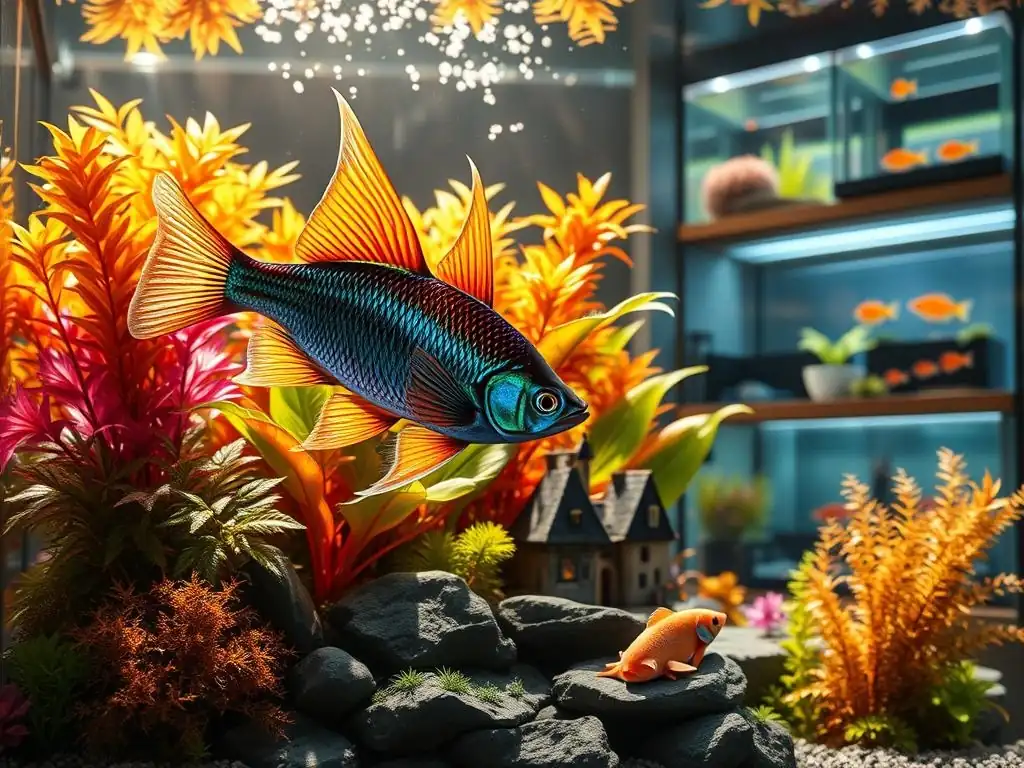
Welcome to Aquarium Mastery, your ultimate guide to thriving aquatic ecosystems!
Ever wondered why your vibrant Swordtails aren't producing the adorable fry you've been anticipating? Dive into our comprehensive guide, "Troubleshooting Swordtail Breeding: Why Aren't My Fish Reproducing?" We'll help you unlock the secrets to successful breeding, uncovering potential Swordtail breeding problems and offering simple solutions to get your fish happily reproducing. Ready to transform your aquarium into a breeding paradise? Let's explore!
- Understanding Swordtail Reproduction: A Foundation for Success
- Common Swordtail Breeding Problems and Solutions
- Optimizing Your Swordtail Breeding Setup for Maximum Success
- Advanced Swordtail Breeding Techniques
- Preventing Future Swordtail Breeding Issues
- Swordtail Breeding Problems Solutions: A Quick Checklist
-
Frequently Asked Questions
- Why aren't my swordtails breeding even though I have males and females?
- What water parameters are crucial for successful swordtail breeding?
- How can I tell if my female swordtail is pregnant (gravid)?
- What are some common diseases that can affect swordtail breeding?
- What can I do to increase the survival rate of swordtail fry?
- Final Reflection: Cultivating Life and Overcoming Obstacles
- Ignite Swordtail Breeding: Take Action Now!
Understanding Swordtail Reproduction: A Foundation for Success
The Basics of Swordtail Breeding Behavior
Swordtails (Xiphophorus hellerii) are popular livebearers, meaning they give birth to live, free-swimming fry rather than laying eggs. Their breeding process involves internal fertilization, where the male uses a modified anal fin called a gonopodium to transfer sperm packets to the female. Once fertilized, the female carries the developing embryos for a gestation period that typically ranges from 28 to 45 days, though this can vary based on water temperature, diet, and individual health. A noticeable "gravid spot" – a dark area near the anal fin – will enlarge and darken as the female approaches delivery.
Females can store sperm for several months after a single mating, allowing them to produce multiple broods without the presence of a male. This remarkable ability means that if you've recently acquired a female swordtail, she might already be pregnant. Males are constantly seeking to mate, often pursuing females relentlessly. Successful reproduction hinges on both sexes being mature, healthy, and thriving in an environment that mimics their natural habitat, providing the necessary cues for breeding.
Identifying Male and Female Swordtails for Breeding
Accurate sex identification is paramount for successful swordtail breeding programs. The most distinct feature differentiating male from female swordtails is the male's elongated, sword-like extension on the lower part of its caudal (tail) fin, which gives the species its common name. Additionally, the male's anal fin is modified into a slender, rod-like organ called a gonopodium, used for internal fertilization.
Female swordtails, in contrast, lack the "sword" extension on their tail fin, which is typically rounded. Their anal fin remains fan-shaped and unmodified. Females are also generally larger and more robust than males, especially when gravid. For optimal breeding outcomes and to prevent excessive stress on females from persistent male attention, it is recommended to maintain a ratio of one male to two or three females. This distribution helps to disperse the male's breeding focus and reduces potential aggression towards a single female.
Ideal Water Parameters for Swordtail Breeding Success
Maintaining stable and appropriate water parameters is critical for encouraging swordtail reproduction and ensuring the health of both parents and fry. Swordtails thrive in slightly alkaline to neutral water with a pH range of 7.0 to 7.8. The water hardness (dGH) should ideally be between 10 and 25 degrees. Temperature is also a key factor; a consistent temperature of 75-82°F (24-28°C) is optimal for metabolic processes, egg development, and sperm viability. Temperatures below this range can slow down breeding, while excessively high temperatures can stress the fish.
Beyond these primary parameters, water quality must be pristine. Ammonia and nitrite levels must be undetectable (0 ppm), as even trace amounts can cause significant stress, disease, and inhibit breeding. Nitrate levels should be kept below 20 ppm through regular partial water changes. Stability is more important than achieving exact numbers; wild fluctuations in pH or temperature can be more detrimental than slightly off but consistent parameters. A well-cycled aquarium with efficient filtration and consistent maintenance provides the foundation for successful swordtail breeding.
Common Swordtail Breeding Problems and Solutions
Problem 1: Swordtails Not Mating - Identifying the Cause
Incompatible Pair: Age, Size, and Temperament Issues
One of the primary reasons swordtails might not be mating is incompatibility between the male and female. This can stem from age disparities; very young swordtails (under 3-4 months) may not be sexually mature, while very old fish might have reduced fertility. Size differences can also be an issue, with a significantly larger male potentially intimidating a smaller female, or vice-versa, leading to unsuccessful mating attempts. Furthermore, individual temperaments play a role; an overly aggressive male might constantly harass a female without successful copulation, or a timid female might persistently evade male advances, even from a suitable partner.
To address this, observe the fish's interactions closely. If a male is relentlessly pursuing a female without apparent success or if the female shows signs of extreme stress (e.g., clamped fins, hiding constantly), the pairing might be unsuitable. Consider introducing a new male or female to the breeding group, ensuring they are of similar age and size. Maintaining a male-to-female ratio of 1:2 or 1:3 can also help, as it spreads out the male's attention, reducing stress on any single female and increasing the chances of successful mating.
Stressful Tank Environment: Impact on Reproduction
A stressful tank environment is a significant inhibitor of reproduction in swordtails. Overcrowding is a common culprit, as it leads to increased aggression, poor water quality, and a lack of personal space. A general guideline is to provide at least 1 gallon of water per inch of adult fish, but breeding tanks often benefit from more space.
Poor water quality, characterized by elevated ammonia, nitrite, or nitrate levels, chronic low pH, or unstable temperatures, directly impacts fish health and reproductive drive. Additionally, a lack of adequate hiding places or constant disturbances (e.g., loud noises, vibrations, frequent tank cleaning disruptions) can make fish feel insecure and unwilling to breed.
To alleviate stress, ensure your swordtail tank is appropriately sized – a 20-gallon tank is a good minimum for a breeding trio. Implement a consistent water change schedule (e.g., 25% weekly) to maintain pristine water parameters. Provide ample visual breaks and hiding spots within the aquarium using dense live plants like Java Moss, Hornwort, or Anacharis, as well as driftwood or rock formations. These elements offer security for females and allow all fish to retreat from perceived threats, creating a more relaxed environment conducive to breeding.
Lack of Hiding Places: Creating a Safe Breeding Environment
The absence of sufficient hiding places can severely deter swordtail breeding. Female swordtails, especially when gravid, require secure locations to retreat from persistent male advances and to feel safe before and after giving birth. Without these sanctuaries, females can become chronically stressed, leading to health decline, abortion of fry, or simply a refusal to mate. Even if mating occurs, the stress can result in smaller broods or less viable fry.
To create a safe and conducive breeding environment, heavily plant your aquarium. Dense live plants are ideal, such as Water Sprite, Guppy Grass, or even floating plants like Water Lettuce, which provide excellent cover from above. These plants offer physical barriers and visual breaks, allowing females to escape male attention and find quiet corners.
Additionally, consider introducing ceramic caves or small PVC pipes that offer tight spaces for fish to hide. A secure environment not only encourages successful mating but also significantly increases the chances of fry survival by providing immediate refuge after birth, which is a key component of effective swordtail breeding problems solutions.
Problem 2: Swordtails Mating but Not Producing Fry
Infertile Male Swordtails: Recognizing the Signs and Potential Causes
Even if swordtails appear to be mating, the absence of fry can point to an infertile male. A male might be too young to produce viable sperm, or conversely, too old, leading to declining fertility. Genetic factors can also play a role, as some males may simply be predisposed to infertility. While it's impossible to visually confirm sperm viability, observing the male's behavior can offer clues. An infertile male might still attempt to mate, but his gonopodium may not be effectively positioned or used, or the sperm packets might not contain viable sperm.
If a seemingly healthy male and multiple healthy females are consistently failing to produce fry over several weeks, despite appropriate environmental conditions, consider replacing the male. Introduce a new, proven male from a reputable source. Ensure the male is well-fed with a high-protein diet, as nutritional deficiencies can impact sperm quality. Sometimes, improving overall tank conditions and diet can boost a male's fertility, but in cases of inherent infertility, a replacement is the most direct of the swordtail breeding problems solutions.
Female Swordtail Health Issues: Preventing Breeding Problems
A female swordtail's health is paramount for successful gestation and fry delivery. Various health issues can prevent a female from becoming gravid or carrying a pregnancy to term, even after successful mating. Malnutrition, characterized by a diet lacking essential vitamins and proteins, can lead to poor egg development or an inability to sustain pregnancy.
Internal parasites, bacterial infections (such as internal dropsy or enteritis), or fungal infections can severely debilitate a female, impacting her reproductive organs and overall vitality. Chronic stress, perhaps from an overly aggressive male or poor water quality, can also lead to reabsorption of eggs or premature delivery of non-viable fry.
Preventing these issues involves providing a high-quality, varied diet that includes flake food, pellets, and live or frozen foods like brine shrimp or bloodworms. Maintaining pristine water conditions through regular water changes (e.g., 25% weekly) and effective filtration is crucial to prevent disease. Always quarantine new fish for at least 2-4 weeks before introducing them to your breeding tank to prevent the spread of pathogens.
Observing your females daily for signs of lethargy, abnormal swelling, clamped fins, or refusal to eat allows for early intervention and treatment, safeguarding their reproductive health. Healthy females are capable of producing large broods, often ranging from 20 to over 100 fry per birth.
Mycobacteriosis and its impact on Swordtail fertility
Mycobacteriosis, commonly known as fish tuberculosis (fish TB), is a chronic, progressive bacterial infection that can severely impact swordtail health and fertility. This disease is caused by various species of Mycobacterium and often presents with symptoms like emaciation (wasting away), spinal deformities (e.g., bent spine), lethargy, clamped fins, skin lesions, and internal organ damage. While not always immediately fatal, it slowly weakens the fish.
Infected swordtails, particularly females, may become infertile or produce only very small broods of weak, deformed, or non-viable fry. The bacteria can directly affect reproductive organs, making successful gestation impossible. Unfortunately, Mycobacteriosis is highly contagious within the aquarium and can be difficult to treat effectively, often requiring long-term antibiotic regimens that may not fully cure the fish. Due to its chronic nature and potential to spread, if Mycobacteriosis is suspected as a swordtail breeding problem solution, particularly in a breeding setup, euthanasia of affected individuals is often recommended to prevent further spread and protect the rest of the stock.
Problem 3: Fry Being Eaten - Protecting Your Swordtail Offspring
Parental Cannibalism: Minimizing Fry Predation by Adult Swordtails
One of the most disheartening swordtail breeding problems solutions is the predation of fry by their own parents. Swordtails, like many livebearers, do not exhibit parental care and will readily eat their offspring. This cannibalistic behavior is a natural instinct, especially in community tanks where adults might be underfed or perceive the fry as a readily available food source. In a bare or sparsely planted tank, fry have no immediate escape routes, making them easy targets for hungry adults.
To minimize parental cannibalism, providing abundant hiding places is crucial. Heavily plant the breeding tank with dense, fine-leaved plants such as Java Moss, Hornwort, Anacharis, or Guppy Grass. These plants create a tangled maze where tiny fry can hide immediately after birth. Floating plants also offer excellent surface cover. Another effective strategy is to use a breeding box or net, which isolates the gravid female, allowing her to give birth safely, after which she can be removed, leaving the fry protected. While breeding boxes can sometimes stress the female, they are highly effective for maximizing fry survival.
Tank Mate Predation: Choosing Compatible Tank Mates
Beyond parental cannibalism, other tank mates pose a significant threat to vulnerable swordtail fry. Most fish species, even relatively peaceful ones, will view newly born fry as a food source if they can fit them in their mouths. Larger tetras, barbs, gouramis, and certainly any cichlids are highly likely to prey on swordtail offspring. Even small community fish can pick off fry if they are not adequately protected.
If your primary goal is to breed swordtails and raise the fry, the most effective solution is a dedicated species-only breeding tank. This eliminates all other potential predators. If breeding in a community tank, choose tank mates very carefully. Small, peaceful, and non-predatory species like Otocinclus catfish, small rasboras (e.g., chili rasboras), or certain types of snails might coexist with fry, but even then, some predation can occur. Avoid any fish known to be even slightly aggressive or those with mouths large enough to consume a fry.
Setting Up a Breeding Tank or Fry Protection Measures
For serious swordtail breeding, setting up a dedicated breeding tank is the most reliable of the swordtail breeding problems solutions. A 5-10 gallon tank can suffice for a single gravid female, while a 20-gallon tank is ideal for a breeding trio and subsequent fry grow-out. This tank should be heavily planted with fine-leaved plants and have a gentle filter (like a sponge filter) that won't suck in tiny fry. Once the female delivers, she can be removed, leaving the fry to grow safely.
Alternatively, for those without space for a dedicated tank, various in-tank fry protection measures can be employed. Breeding traps or nets, suspended inside the main aquarium, allow the female to give birth in isolation. The fry then fall through a grate into a separate compartment, safe from the mother.
While effective, these can be stressful for the female if she is kept in them for too long. For a more natural approach in a community tank, creating dense "fry zones" with very thick plant cover (e.g., a large clump of Java Moss) can significantly increase the number of surviving fry, even without full isolation.
Optimizing Your Swordtail Breeding Setup for Maximum Success
Creating a Dedicated Swordtail Breeding Tank
A dedicated swordtail breeding tank significantly increases the success rate of producing healthy fry. For a breeding trio (one male, two females), a 10 to 20-gallon tank is ideal, providing ample space and reducing male-on-female aggression. Equip the tank with a reliable heater to maintain a stable temperature of 75-82°F (24-28°C) and a gentle filter. Sponge filters are highly recommended as they provide excellent biological filtration without creating strong currents that can stress fry or suck them in.
The substrate can be bare-bottom for easy cleaning, or a thin layer of fine gravel. Crucially, the tank must be heavily planted with live, fine-leaved plants such as Hornwort, Anacharis, Guppy Grass, or Java Moss. These plants serve multiple purposes: they provide abundant hiding places for fry immediately after birth, help maintain water quality by absorbing nitrates, and offer grazing surfaces for beneficial microorganisms that fry can feed on. Adequate lighting is also important to support plant growth and provide a natural day-night cycle for the fish.
Providing the Right Diet for Breeding Swordtails
A high-quality, varied diet is fundamental for the health and reproductive vigor of adult swordtails and the rapid growth of their fry. For adult breeding stock, provide a balanced diet consisting of high-quality flake food or pellets as a staple. Supplement this with live or frozen foods such as brine shrimp, daphnia, bloodworms, and spirulina-enriched foods. Live foods are particularly beneficial as they stimulate natural hunting behaviors and provide excellent nutritional content. Gravid females especially benefit from increased protein and vitamin intake to support egg development and energy reserves for birth.
Once fry are born, their dietary needs shift. They require very fine, high-protein foods that they can easily consume. Newly hatched brine shrimp are an excellent first food, packed with nutrients and stimulating to the fry. Other suitable options include finely crushed high-quality flake food, specialized powdered fry food, or microworms. Fry should be fed small amounts multiple times a day (3-5 times) to support their rapid growth and metabolism. Overfeeding should be avoided, as uneaten food can quickly foul the water, which is detrimental to delicate fry.
Maintaining Optimal Water Quality for Swordtail Fry Survival
Maintaining impeccable water quality is paramount for the survival and healthy development of swordtail fry, as they are significantly more sensitive to poor conditions than adult fish. Ammonia and nitrite levels must remain at 0 ppm at all times, as even trace amounts can be fatal to fry. Nitrate levels should be kept very low, ideally below 10 ppm. Regular, small water changes are key to achieving this: performing 10-15% water changes every 2-3 days is often more effective and less stressful than larger, less frequent changes.
When performing water changes, ensure the new water is dechlorinated and matches the temperature and pH of the tank water as closely as possible to prevent shock. A gentle air stone or a slow-flow sponge filter should be used to provide aeration without creating strong currents that can exhaust or injure the tiny fry. Consistent monitoring of water parameters with a reliable test kit is essential. A clean, stable, and well-oxygenated environment greatly reduces the risk of disease and ensures the best possible growth rates for your swordtail offspring.
Advanced Swordtail Breeding Techniques
Line Breeding Swordtails: Selective Breeding for Desired Traits
Line breeding is a selective breeding technique used to enhance and fix specific desirable traits within a swordtail population, such as unique color patterns (e.g., Red Wag, Pineapple, Tuxedo Swordtails) or finnage. This method involves breeding closely related individuals, often siblings or parent-offspring combinations, over successive generations. By consistently selecting individuals that exhibit the desired characteristics and breeding them together, breeders can intensify these traits in their offspring. Meticulous record-keeping of lineage, traits, and health is crucial for successful line breeding.
While effective for consolidating specific traits, line breeding carries significant risks, primarily inbreeding depression. Continuous breeding of closely related fish reduces genetic diversity, which can lead to decreased vitality, smaller brood sizes, increased susceptibility to diseases, and a higher incidence of genetic deformities (e.g., bent spines, abnormal gill plates). Successful line breeding requires careful culling of any fish showing undesirable traits or signs of weakness to maintain the overall health and vigor of the line.
Addressing Genetic Issues in Swordtail Breeding Programs
Genetic issues can surface in swordtail breeding programs as a result of excessive inbreeding or poor initial stock, manifesting as sterility, deformities, or a general lack of vigor. Common deformities include bent spines, shortened bodies, missing or malformed fins, and operculum (gill cover) issues. These problems not only detract from the aesthetic appeal of the fish but also often indicate underlying health weaknesses and reduced lifespan. Such issues can severely impact the success and sustainability of a breeding program.
The primary solution to genetic issues is to introduce new, unrelated bloodlines into your breeding program through a process called outcrossing. By breeding your existing stock with healthy, unrelated swordtails that possess good genetics, you can increase the overall genetic diversity of your offspring. This infusion of new genes can help to mask undesirable recessive traits, improve overall vitality, increase fertility, and reduce the prevalence of deformities. Regular outcrossing every few generations can help maintain the long-term health and robustness of your swordtail line, effectively addressing common swordtail breeding problems solutions related to genetics.
Using Breeding Triangles for Genetic Diversity
To further mitigate the risks of inbreeding depression while still maintaining some control over desired traits, breeders can employ techniques like breeding triangles. A breeding triangle involves using three distinct lines or individuals (e.g., Male A, Female B, Male C) and rotating their pairings. For example, you might breed Male A with Female B, then take a male from that cross (let's call him Male D) and breed him with a female from an entirely different line (Female E), and so on.
A simpler application involves three groups of fish: group 1, group 2, group 3. You breed group 1 male with group 2 female, group 2 male with group 3 female, and group 3 male with group 1 female.
This method ensures that genetic material is constantly being mixed and new combinations are introduced, preventing the rapid accumulation of deleterious recessive genes that can occur with simple brother-sister or parent-offspring pairings. While more complex to manage than simple pair breeding, breeding triangles contribute significantly to the long-term health, vigor, and fertility of your swordtail stock by actively promoting genetic diversity. This proactive approach is a valuable part of comprehensive swordtail breeding problems solutions.
Preventing Future Swordtail Breeding Issues
Quarantine New Swordtails Before Introducing Them to the Breeding Tank
A critical step in preventing future swordtail breeding issues, particularly those related to health, is to strictly quarantine all new swordtails before introducing them to your main breeding tank. A quarantine period of 2 to 4 weeks in a separate tank allows you to observe new fish for any signs of illness, parasites (like Ich or velvet), bacterial infections (such as fin rot or columnaris), or internal issues. During this time, you can treat any emerging problems without risking the health of your established breeding stock.
Introducing diseased fish directly into your breeding setup can decimate your existing population, halt breeding, and potentially lead to widespread infertility or fry mortality. The quarantine tank should mimic the conditions of your main tank and provide basic necessities like filtration and heating. Healthy new additions, free of stress and pathogens, are fundamental to maintaining a robust and productive swordtail breeding program. This simple yet vital practice is one of the most effective swordtail breeding problems solutions for long-term success.
Regular Water Changes and Tank Maintenance for Optimal Health
Consistent and thorough water changes, coupled with regular tank maintenance, are non-negotiable for the optimal health and breeding success of swordtails. Performing partial water changes (e.g., 25% weekly) removes accumulated nitrates, phosphates, and other dissolved organic compounds that can stress fish and inhibit reproduction. It also replenishes essential minerals and maintains stable pH and hardness levels. Clean filters, regularly siphoned substrate (if applicable), and algae removal contribute to overall water quality and a healthy environment.
Poor water quality is a leading cause of stress, disease, and breeding cessation in aquarium fish. Chronically high nitrates, for instance, can reduce fertility in both males and females and compromise the immune systems of both adults and fry. By adhering to a strict maintenance schedule, you ensure that your swordtails are living in pristine conditions, which directly translates to improved health, vitality, and a higher likelihood of successful and continuous breeding. This proactive approach is a cornerstone of effective swordtail breeding problems solutions.
Monitoring Your Swordtails for Signs of Illness or Stress
Daily observation of your swordtails is crucial for early detection of illness or stress, which can quickly derail a breeding program. Look for subtle changes in behavior, such as lethargy, hiding more than usual, flashing (rubbing against tank decor), or gasping at the surface. Physical signs include clamped fins, faded coloration, white spots (Ich), fuzzy growths (fungus), or abnormal swelling. Changes in appetite, such as refusing food or spitting it out, are also significant indicators of underlying issues.
Early detection allows for prompt intervention and treatment, often preventing minor problems from escalating into severe conditions that could lead to infertility, death, or the spread of disease throughout your breeding stock. Healthy, unstressed fish are naturally more inclined to breed and produce viable offspring. Regular monitoring is therefore an indispensable part of managing swordtail breeding problems solutions, ensuring that your fish remain in peak condition for reproduction.
Swordtail Breeding Problems Solutions: A Quick Checklist
Troubleshooting Checklist
- [ ] Verify male-to-female ratio (ideal 1:2 or 1:3) to reduce stress and encourage mating.
- [ ] Check water parameters: Temperature (75-82°F), pH (7.0-7.8), Hardness (10-25 dGH). Ensure stability.
- [ ] Confirm ammonia and nitrite are 0 ppm, nitrates below 20 ppm.
- [ ] Evaluate tank size: Is it adequate for adults and potential fry (minimum 20 gallons for a breeding trio)?
- [ ] Provide dense plant cover (Java Moss, Hornwort, Anacharis) for hiding and fry protection.
- [ ] Offer a varied, high-quality diet (flakes, pellets, live/frozen foods) for optimal nutrition.
- [ ] Observe mating behavior: Are males actively pursuing females? Is the gonopodium used effectively?
- [ ] Assess female health: Is she gravid? Are there signs of illness, stress, or malnutrition?
- [ ] Consider male fertility: If no fry after consistent mating, try a different male.
- [ ] If fry are being eaten, isolate gravid female in a breeding box or dedicated tank.
- [ ] Review tank mates: Are they compatible and non-predatory towards fry?
- [ ] Implement a quarantine period (2-4 weeks) for all new swordtails.
- [ ] Perform regular water changes (e.g., 25% weekly) and consistent tank maintenance.
- [ ] Monitor swordtails daily for any signs of illness or stress.
- [ ] If line breeding, consider outcrossing periodically to maintain genetic diversity.
Frequently Asked Questions
Why aren't my swordtails breeding even though I have males and females?
Several factors can inhibit breeding. These include poor water quality, inadequate diet, and stressful tank conditions. Ensure optimal parameters and provide a varied diet.
What water parameters are crucial for successful swordtail breeding?
Swordtails prefer slightly alkaline water. Maintaining a pH between 7.0 and 7.8, a temperature of 72-78°F, and ensuring low levels of ammonia and nitrite is vital for successful breeding.
How can I tell if my female swordtail is pregnant (gravid)?
A gravid female will have a noticeably swollen abdomen and a dark "gravid spot" near her anal fin. Observing these physical signs can indicate pregnancy.
What are some common diseases that can affect swordtail breeding?
Ich (white spot disease) and fin rot are common. These can stress fish and inhibit breeding. Prompt treatment is essential for the health of your swordtails.
What can I do to increase the survival rate of swordtail fry?
Provide plenty of hiding places like dense plants or a breeding box. This will protect the fry from being eaten by the adults. Also, feed them specialized fry food.
Final Reflection: Cultivating Life and Overcoming Obstacles
The journey of breeding swordtails, as we've explored, is a microcosm of life itself, filled with potential, challenges, and the constant need for adaptation. Understanding and addressing swordtail breeding problems is not just about achieving successful reproduction; it's about honing our observational skills, deepening our understanding of aquatic ecosystems, and learning to nurture life in all its delicate forms. The lessons learned in troubleshooting these issues extend far beyond the fish tank, offering valuable insights into problem-solving and perseverance in any endeavor.
This exploration into the intricacies of swordtail breeding has underscored the profound interconnectedness of environment, genetics, and care. It reminds us that even seemingly small adjustments can have a significant impact on the delicate balance of life. The challenges we face in encouraging reproduction mirror the broader struggles to maintain biodiversity and ensure the health of our planet. As Jacques Cousteau wisely stated: People protect what they love.
By understanding and appreciating the nuances of swordtail breeding, we cultivate a deeper respect for the natural world and our role in preserving it.
Now, armed with this knowledge, I encourage you to reflect on your own approach to nurturing life, whether it be in your aquarium, your garden, or your community. Consider the subtle factors that may be hindering growth and explore innovative solutions to overcome these obstacles. Embrace the challenges, celebrate the successes, and remember that every effort, no matter how small, contributes to a more vibrant and thriving world.
Ignite Swordtail Breeding: Take Action Now!
Thanks for exploring the world of swordtail breeding with us! We hope you've gained valuable insights into troubleshooting any issues you might be experiencing. Now it's time to put that knowledge into action and see some results!
Here's what you can do to boost your swordtail breeding efforts:
- Immediately reassess your aquarium setup. Prioritize improving water quality, ensuring a stable temperature, and providing ample hiding places for fry. This is the single most impactful step you can take.
- Consider introducing a small school of dither fish (e.g., small tetras) to reduce the stress on your swordtails. This can sometimes encourage more natural breeding behavior.
- Document your efforts! Keep a detailed breeding log, noting water parameters, feeding schedules, and any observed behaviors. Sharing this log, even just privately, can help you identify patterns and make informed adjustments.
What specific changes will you implement in your swordtail tank this week to encourage breeding?