
Sexing Severum Fish: Reliable Methods to Distinguish Males from Females


Welcome to Aquarium Mastery!
Ever wondered if you're looking at a male or female Severum fish? Unlocking the secrets to identifying your Severums' gender can be trickier than you think, but it's crucial for responsible breeding and understanding their behavior. Dive in to our in-depth guide on Severum fish sexing methods and discover the reliable techniques that will help you confidently distinguish males from females. Ready to become a Severum sexing expert? Let's get started!
- Introduction to Severum Fish Sexing
- Understanding Severum Fish Anatomy for Sex Identification
- Visual Severum Fish Sexing Methods: A Detailed Guide
- Behavioral Clues for Severum Fish Sexing
- Sexing Severums: The Importance of Maturity
- Advanced Severum Sexing Techniques
- Potential Pitfalls and Misconceptions in Severum Fish Sexing
- Creating an Optimal Environment for Severum Breeding and Observation
- Conclusion: Mastering Severum Fish Sexing for Successful Breeding
-
Frequently Asked Questions
- How reliable are external sexing methods for Severum fish?
- What are the primary physical differences between male and female Severums?
- Is vent sexing a reliable method for determining the sex of Severum fish?
- Do behavioral differences help in sexing Severums?
- At what age can you reliably sex Severum fish?
- Final Reflection: Unveiling the Secrets of Severum Identity
- Unveil the Secrets: Can You Spot the Male Severum?
Introduction to Severum Fish Sexing
Severum fish, scientifically known as Heros species, are popular and captivating New World cichlids renowned for their graceful movements and diverse color patterns. Native to the Amazon and Orinoco basins in South America, these fish can grow quite large, often reaching 8-12 inches in home aquariums. Identifying the sex of Severum fish is a common challenge for aquarists, but it is crucial for successful breeding programs, managing tank aggression, and ensuring the well-being of the fish. Accurate severum fish sexing methods allow hobbyists to form compatible pairs and avoid potential conflicts that can arise from an imbalanced male-to-female ratio.
While Severums are generally considered peaceful cichlids, males can exhibit territorial behavior, especially during breeding periods. Distinguishing between sexes becomes increasingly important as the fish mature, as subtle differences in anatomy and behavior become more pronounced. This guide will delve into reliable severum fish sexing methods, offering detailed insights into visual cues, behavioral patterns, and environmental factors that influence sex identification, helping aquarists confidently determine the gender of their cherished Heros specimens.
Understanding Severum Fish Anatomy for Sex Identification
Identifying the sex of Severum fish often relies on a careful examination of their physical characteristics, which become more distinct as the fish age. While some features are subtle, a combination of observations typically yields the most accurate results. Key anatomical areas to focus on include the fins, particularly the dorsal and anal fins, and the urogenital opening, commonly referred to as the vent. These areas undergo noticeable changes as Severums approach sexual maturity, making them primary indicators for severum fish sexing methods.
Beyond the specific features of fins and vents, the overall body shape and size can also offer clues, although these are generally less definitive. Males often develop a more robust build and can grow larger than females, especially in well-established pairs. Understanding these anatomical nuances is fundamental to mastering severum fish sexing methods and correctly identifying male and female Severums for breeding or community tank management.
Key Anatomical Differences Between Male and Female Severums
The most reliable anatomical distinctions between male and female Severums become apparent as they mature, typically after reaching 6-8 inches in length. Males generally exhibit longer, more pointed dorsal and anal fins, often extending past the caudal fin base. Their body coloration may also be more vibrant, and some males develop a slight nuchal hump (a fatty growth on the forehead) as they age, though this is less pronounced than in other cichlid species like Oscars.
Conversely, female Severums tend to have shorter, more rounded dorsal and anal fins that do not extend as far. Their body shape is often more rounded or plump, particularly when they are gravid (carrying eggs). The most definitive anatomical difference lies in the vent, or urogenital opening, which shows distinct shapes between the sexes, especially during breeding conditioning. These combined observations form the basis of effective severum fish sexing methods.
Visual Severum Fish Sexing Methods: A Detailed Guide
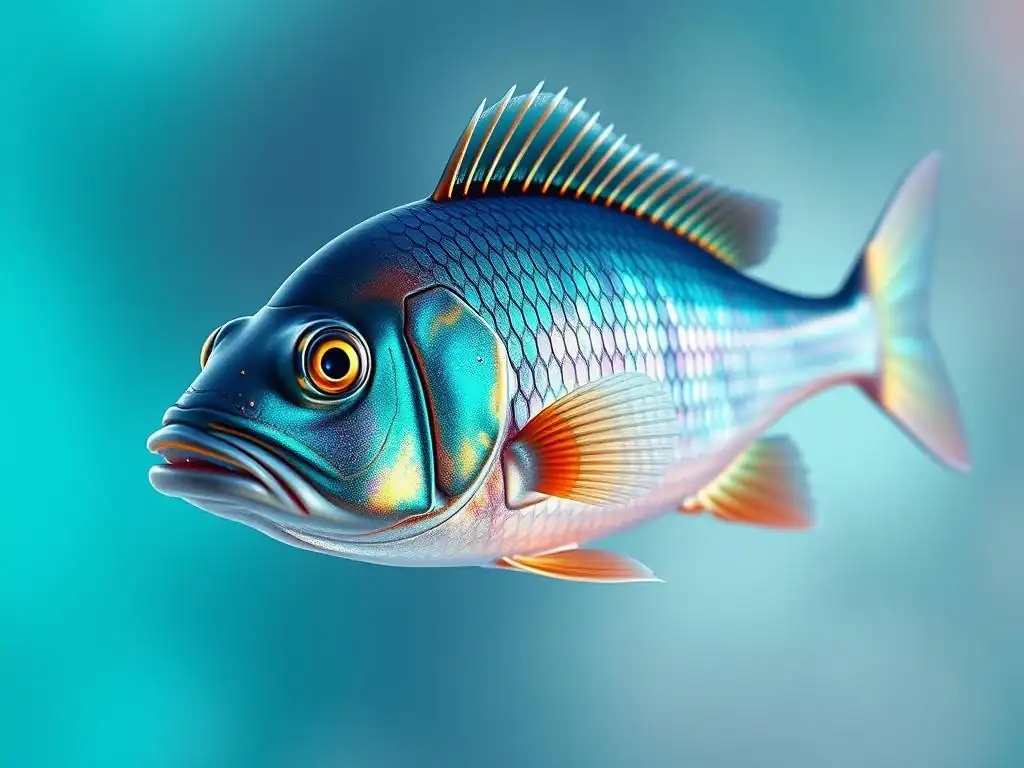
Visual inspection is the most common approach for severum fish sexing methods, relying on observable physical differences that become more pronounced with age and maturity. This section will detail the specific visual cues to look for, providing a comprehensive guide for distinguishing males from females. Patience and keen observation are crucial, as some differences can be subtle and require comparison between multiple individuals.
The effectiveness of visual severum fish sexing methods often improves when fish are conditioned for breeding, as their secondary sexual characteristics become more pronounced. Observing fish over time in a well-maintained environment will provide the best opportunities for accurate identification. Combining multiple visual cues significantly increases the reliability of the sexing process.
Examining Fin Shape for Sexing Severums
The shape and length of the dorsal and anal fins are among the most frequently cited visual indicators for severum fish sexing methods. While not always absolute, these characteristics provide strong clues, especially when comparing multiple individuals of similar age and size. Experienced aquarists often rely on these subtle differences for initial identification.
It is important to note that fin damage or stress can alter fin appearance, so observations should ideally be made on healthy, unstressed fish. Consistent observation over several weeks can help confirm initial assessments. This method is particularly useful when attempting to sex a group of juvenile Severums as they mature.
Dorsal and Anal Fin Differences in Male and Female Severums
Male Severums typically develop longer, more elongated dorsal and anal fins compared to their female counterparts. These fins often extend further back, sometimes reaching or even overlapping the caudal (tail) fin when fully extended. The overall appearance of a male's fins tends to be more flowing and pointed, contributing to a more streamlined profile. This characteristic is a primary consideration when employing severum fish sexing methods.
Female Severums, in contrast, generally possess shorter and more rounded dorsal and anal fins. Their fins usually do not extend as far back and appear more compact. While individual variation exists, a female's fins will typically lack the sharp, pointed tips and extensive trailing edges seen in mature males. This difference becomes more noticeable as Severums reach sexual maturity, usually around 6-8 inches in length.
Pointed vs. Rounded Fin Tips: A Visual Comparison
Focusing specifically on the tips of the dorsal and anal fins provides another valuable visual cue for severum fish sexing methods. Male Severums frequently exhibit sharply pointed fin tips, which can sometimes develop into delicate, filamentous extensions. These pointed tips contribute to the overall impression of longer, more elegant fins. This feature is often a strong indicator, particularly in well-conditioned specimens.
Female Severums, on the other hand, typically display more rounded or blunt fin tips. While not always perfectly circular, they lack the distinct sharpness and elongation characteristic of males. Observing these differences requires good lighting and a clear view of the fish, often best achieved when they are calm and swimming naturally. Comparing the fin tips of several Severums side-by-side can help highlight these subtle yet significant distinctions.
Vent Examination for Severum Sex Determination
Vent examination, also known as "venting," is considered the most accurate and definitive severum fish sexing method, particularly when fish are mature and conditioned for breeding. The vent is the urogenital opening located just in front of the anal fin. While it requires handling the fish, which can be stressful, it provides direct evidence of the fish's sex.
This method is best performed by experienced aquarists or under the guidance of one, as improper handling can injure the fish. It is also most effective when the fish are close to spawning, as the female's vent will be visibly swollen. For those serious about breeding Severums, mastering vent examination is indispensable.
Understanding the Urogenital Openings
The urogenital opening, or vent, is the external orifice through which fish excrete waste and, more importantly for sexing, release gametes (eggs or sperm). In Severums, this opening is situated between the anus and the anal fin. During non-breeding periods, the vent can be quite small and difficult to distinguish, making accurate severum fish sexing methods challenging.
However, as fish approach sexual maturity and are conditioned for spawning, the vent becomes more pronounced. In females, it will swell significantly as eggs develop, while in males, it remains relatively inconspicuous. Careful observation of this area, often requiring gently holding the fish in a wet hand, is key to this highly reliable sexing technique.
Vent Shape Differences: Male vs. Female Severum
The shape of the vent is the most reliable indicator for severum fish sexing methods. A male Severum's vent is typically small, pointed, and narrow, resembling a small slit or a very slight conical protrusion. It remains relatively flat against the body, even when the fish is sexually active.
Conversely, a female Severum's vent is noticeably larger, more rounded, and often appears swollen or "puffy," especially when she is gravid with eggs. This distended appearance is due to the ovipositor, a tube-like structure that extends from the vent to deposit eggs. The female's vent can look like a blunt, rounded papilla, making it distinctly different from the male's more pointed structure.
Body Shape and Size: Considerations for Sex Identification
While less definitive than fin shape or vent examination, the overall body shape and size can offer supplementary clues for severum fish sexing methods. These characteristics are often more noticeable in mature specimens and can contribute to a combined assessment, especially when comparing multiple fish within a group.
It's important to remember that diet, genetics, and tank conditions can also influence growth and body shape. Therefore, relying solely on size or general body contours for sexing can lead to inaccuracies. However, when considered alongside other visual and behavioral cues, these factors can enhance the overall reliability of your sexing efforts.
Male Severums: Typically Larger or More Streamlined?
Male Severums often grow larger than females of the same age and can appear more robust and muscular. They tend to have a more streamlined and elongated body profile, particularly when actively swimming or displaying. While not always a definitive indicator, a male Severum might reach lengths of up to 10-12 inches in a well-maintained aquarium, potentially surpassing females by 1-2 inches.
In some instances, mature male Severums may also develop a slight nuchal hump, a fatty deposit on the forehead, though this trait is less prominent in Severums compared to other cichlid species like Frontosas or Oscars. This subtle hump, combined with a larger overall size, can contribute to the identification process when applying severum fish sexing methods.
Female Severums: Common Body Shape Characteristics
Female Severums generally remain slightly smaller than males and tend to have a more rounded or plump body shape, especially when viewed from above. This roundness becomes particularly pronounced when the female is gravid (carrying eggs), as her abdomen will appear noticeably distended. This "full-bodied" appearance is a strong indicator of a female ready to spawn.
When not gravid, female Severums still tend to maintain a somewhat rounder profile compared to the more streamlined males. Their overall body length might reach 8-10 inches in optimal conditions, making size a less reliable sole indicator but a useful supporting observation in severum fish sexing methods.
Behavioral Clues for Severum Fish Sexing
Beyond physical characteristics, observing the behavior of Severum fish, particularly during pre-spawning and spawning periods, can provide strong indicators of their sex. Behavioral cues are especially useful when visual anatomical differences are subtle or unclear. These observations require patience and a keen eye for the nuances of cichlid social dynamics.
Behavioral severum fish sexing methods are often most effective in a well-established breeding tank where a group of fish can be observed interacting naturally. The roles adopted during courtship and spawning rituals are highly indicative of gender, offering reliable confirmation for sex identification.
Observing Breeding Behavior
When Severums are conditioned for breeding, their behaviors become highly differentiated between sexes, providing excellent opportunities for accurate severum fish sexing methods. These rituals involve specific actions from both the male and female, culminating in egg deposition and parental care. Understanding these roles is key to identifying a breeding pair.
Encouraging breeding behavior involves providing optimal water parameters, a high-quality diet, and suitable spawning sites. Once these conditions are met, observing the fish's interactions will often reveal their sex through their distinct contributions to the spawning process.
Severum Spawning Rituals: Identifying Sex Roles
During spawning rituals, the male Severum typically takes the lead in selecting and meticulously cleaning a spawning site, such as a flat rock, slate, or a large, broad leaf. He will vigorously fan and rub the surface to prepare it for egg deposition. The male also often displays intensified coloration and exhibits aggressive territorial defense against other tank inhabitants, actively chasing away any perceived threats. This protective and preparatory behavior is a hallmark of the male's role in severum fish sexing methods.
The female Severum, once she accepts the male's courtship, will join him in inspecting the cleaned site and may also participate in the cleaning process. Her primary role during the actual spawning is to deposit the eggs, often in rows, on the chosen surface. After egg laying, the female frequently takes on the primary role of fanning the eggs with her fins to ensure oxygenation and prevent fungal growth, while the male typically guards the perimeter of the territory.
Pair Formation and Courtship Displays
The formation of a breeding pair in Severums is characterized by specific courtship displays that help in severum fish sexing methods. Males will often initiate courtship by quivering their bodies, flaring their fins, and performing elaborate swimming patterns around a chosen female. They may also engage in gentle fin-nipping or lip-locking, which, while sometimes appearing aggressive, is part of their bonding ritual. The male's colors often intensify, becoming more vibrant and striking during this period.
A receptive female will respond by mirroring the male's movements, swimming closely alongside him, and also displaying her fins. As the bond strengthens, the pair will often swim together, excluding other fish from their chosen territory, indicating a strong pair bond. This consistent, synchronized behavior and shared territorial defense are strong indicators of a male-female pair preparing to spawn.
Aggression Levels: Male vs. Female Severum Behavior
While both male and female Severums can exhibit aggression, particularly during breeding, their typical aggression patterns differ, offering additional insights for severum fish sexing methods. Understanding these nuances can help differentiate between a dominant male and a protective female.
It's important to consider the overall tank dynamics and the presence of other fish, as aggression can be influenced by tank size, stocking levels, and the temperament of individual fish. However, consistent patterns of aggression often align with typical male or female behaviors.
Male Severum Territoriality and Dominance
Male Severums are generally more territorial and dominant, especially as they mature and establish their presence within the aquarium. They will actively defend a chosen area, whether it's a potential spawning site or a preferred resting spot, from other fish. This territoriality often manifests as chasing, fin-nipping, and elaborate threat displays, such as gill flaring and body trembling. These behaviors are more consistently observed in males, even outside of breeding periods, making them a useful, albeit not definitive, severum fish sexing method.
During breeding season, a male's aggression escalates significantly as he guards the spawning site and later, the eggs and fry. He will actively patrol the perimeter, ensuring no other fish come too close. This heightened and consistent display of dominance is a strong indicator of a male Severum.
Female Severum Aggression During Breeding
While generally less overtly aggressive than males, female Severums become fiercely protective and aggressive once eggs have been laid and during the subsequent raising of fry. Their aggression is primarily focused on the immediate vicinity of the nest and their offspring. They will relentlessly chase away any fish that approaches their clutch, often taking a more direct and hands-on role in defending the eggs and fry.
This maternal aggression is distinct from the broader territoriality displayed by males. A female Severum's protective behavior is specifically tied to her reproductive efforts, making it a clear indicator of her sex during the breeding cycle. Observing this focused, defensive aggression is a reliable severum fish sexing method when a pair is actively breeding.
Sexing Severums: The Importance of Maturity
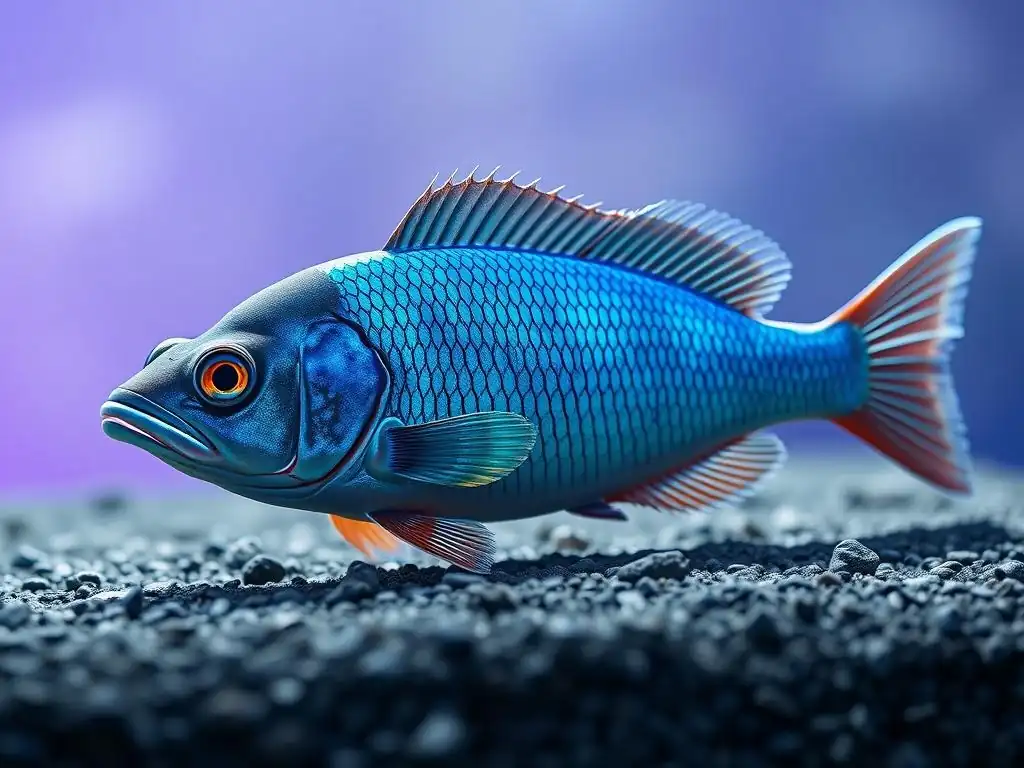
The age and maturity of Severum fish significantly impact the accuracy of severum fish sexing methods. Juvenile Severums exhibit very few, if any, discernible differences between sexes, making accurate identification nearly impossible. It is only as they approach sexual maturity that secondary sexual characteristics begin to develop and become reliable indicators.
Patience is a virtue when attempting to sex Severums. Rushing the process with immature fish will almost certainly lead to inaccurate conclusions and potential frustration. Understanding the timeline for sexual maturity is crucial for effective sexing.
Sexual Maturity in Severums: When to Start Sexing
Severums typically reach sexual maturity between 12 to 18 months of age, or when they have grown to an approximate size of 6-8 inches in length. At this stage, the subtle anatomical differences in fin shape, body contours, and especially the vent, become much more pronounced and reliable for severum fish sexing methods. Behavioral cues, such as courtship and territoriality, also begin to emerge consistently around this age.
Attempting to sex Severums prior to this developmental stage is largely ineffective. Their bodies are still developing, and the distinguishing features are not yet fully formed. For the most accurate results, it is best to wait until your Severums have reached at least 6 inches and are showing signs of adult coloration and behavior.
Juvenile Severums: Challenges in Sex Identification
Identifying the sex of juvenile Severums (fish under 6 inches in length) presents significant challenges due to the lack of developed secondary sexual characteristics. At this stage, both males and females appear remarkably similar in terms of fin shape, body size, and coloration. Their vents are also indistinguishable to the naked eye, making the most reliable severum fish sexing methods impractical.
For this reason, many aquarists who wish to breed Severums often purchase a group of 4-6 juveniles. This approach increases the likelihood that a natural male-female pair will form as the fish mature, allowing for self-selection rather than relying on difficult early sexing. Patience is paramount when dealing with young Severums, as their true sex will only reveal itself over time.
Advanced Severum Sexing Techniques
While visual and behavioral methods are the primary tools for severum fish sexing methods, there are situations where more advanced approaches or external expertise can be beneficial. These techniques are typically employed by dedicated breeders or in cases where traditional methods have proven inconclusive.
These advanced methods often involve leveraging the knowledge and experience of those who have spent years working with Severum fish. Their trained eyes and practical experience can discern subtle cues that might be missed by a less experienced observer.
Experienced Breeder Consultation
Consulting with experienced Severum breeders is an invaluable "advanced" severum fish sexing method. Breeders who have successfully spawned Severums multiple times possess a unique understanding of the species' nuances. They can often identify sex based on subtle characteristics that are difficult for novices to perceive, such as minute differences in fin angles, head shape, or even the way a fish carries itself. Many breeders are also skilled at gently venting fish, providing the most accurate confirmation.
Local aquarium clubs, cichlid-specific forums, or online communities are excellent places to connect with such experts. They can offer practical advice, review photos or videos of your fish, or even provide hands-on assistance, significantly increasing the accuracy of your severum fish sexing methods. Their insights can save considerable time and effort, guiding you towards successful breeding.
Potential Pitfalls and Misconceptions in Severum Fish Sexing
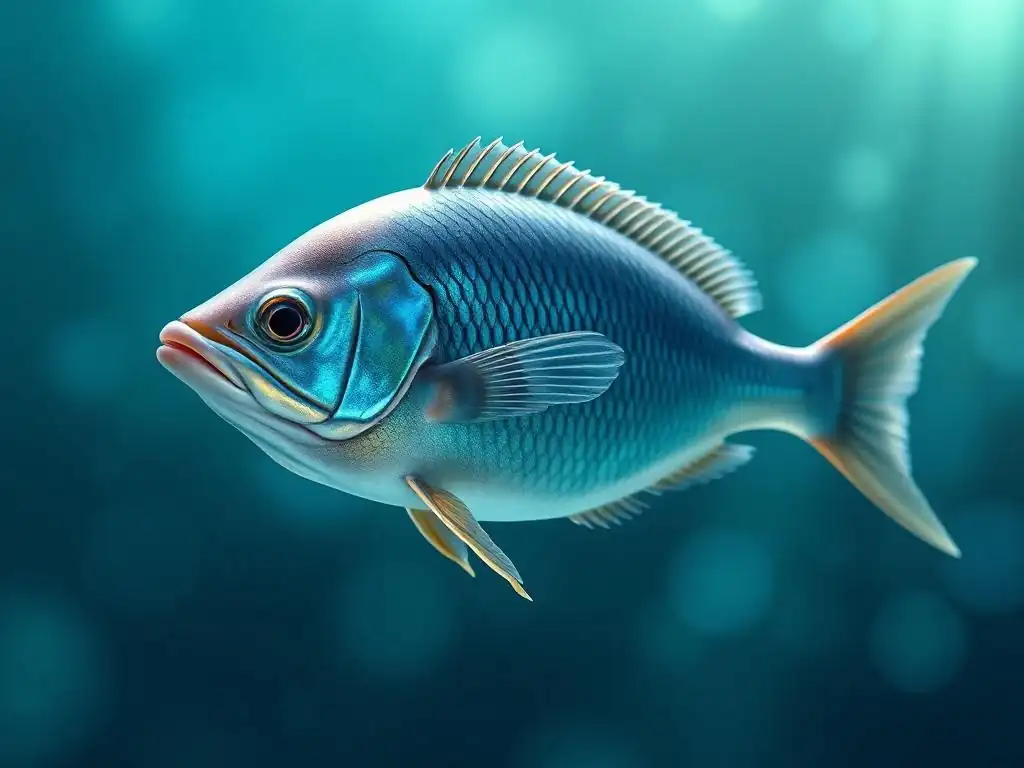
Despite the various severum fish sexing methods available, several common mistakes and misconceptions can lead to inaccurate identifications. Being aware of these pitfalls is crucial for any aquarist attempting to determine the sex of their Severums, as incorrect sexing can impact tank dynamics and breeding efforts.
Understanding the factors that can influence sexing accuracy will help aquarists approach the process with a more critical and informed perspective. It emphasizes the importance of a multi-faceted approach rather than relying on a single, potentially misleading, characteristic.
Common Mistakes to Avoid When Sexing Severums
One of the most common mistakes in severum fish sexing methods is relying on only one characteristic, such as general size or a slight difference in fin shape. Severums exhibit individual variations, and a single trait might not be definitive. For instance, a female could grow larger than average, or a male might have slightly less pointed fins. Another frequent error is attempting to sex fish that are too young; juvenile Severums simply do not display reliable sexual dimorphism, leading to guesswork.
Furthermore, mistaking general dominance or territoriality for maleness is a pitfall. While males are generally more aggressive, a large, dominant female, especially if she is the largest fish in the tank or preparing to spawn, can also exhibit significant aggression, potentially misleading an observer. Always consider a combination of visual and behavioral cues over an extended period.
Factors That Can Affect Sexing Accuracy
Several factors can significantly influence the accuracy of severum fish sexing methods. Environmental conditions play a crucial role; fish kept in suboptimal conditions, such as cramped tanks, poor water quality, or an inadequate diet, may experience stunted growth and delayed sexual maturity. This can prevent the full development of secondary sexual characteristics, making sex identification challenging and unreliable.
Individual variation within the Heros species is another important factor. Not every male will develop a prominent nuchal hump, nor will every female have perfectly rounded fins. Some individuals may exhibit traits that blur the lines between sexes, requiring meticulous observation and often the use of multiple severum fish sexing methods to make a confident determination. Stress can also alter behavior and appearance, temporarily masking or exaggerating certain traits.
Creating an Optimal Environment for Severum Breeding and Observation
Establishing an optimal environment is not only crucial for the health and well-being of Severum fish but also significantly aids in severum fish sexing methods, particularly when observing breeding behaviors. A well-designed tank setup and stable water parameters encourage natural behaviors and the full expression of sexual characteristics.
A comfortable and secure environment reduces stress, allowing fish to display their true temperaments and physical attributes. This facilitates more accurate identification of sexes and increases the likelihood of successful breeding.
Tank Setup for Encouraging Breeding Behavior
To encourage breeding behavior and facilitate accurate severum fish sexing methods through observation, a dedicated breeding tank of at least 75 gallons for a single pair is recommended, with larger tanks (100+ gallons) preferred for groups or if multiple pairs are desired. The tank should include several flat, smooth surfaces such as slate, ceramic tiles, or large, broad plant leaves (e.g., Anubias) that can serve as potential spawning sites. Providing ample hiding spots with driftwood, caves, or robust live plants (like Java Fern or Amazon Swords) reduces stress and offers security.
A powerful filtration system is essential to maintain pristine water quality, which stimulates spawning. Dim lighting and a peaceful environment, free from overly aggressive tank mates, will further encourage natural courtship and breeding rituals, making behavioral severum fish sexing methods more evident.
Water Parameters and Their Influence on Severum Reproduction
Maintaining precise and stable water parameters is critical for encouraging Severum reproduction and ensuring the fish are healthy enough to display clear sexual characteristics. Severums thrive in soft to moderately hard water with a pH range of 6.0-7.0, and a temperature between 76-82°F (24-28°C). Consistent water changes, typically 25-30% weekly, are vital to keep nitrate levels low and provide fresh minerals, which often act as a spawning trigger.
Optimal water parameters not only promote the overall health and vitality of the fish but also stimulate their reproductive instincts. Fish that are comfortable and healthy are more likely to exhibit clear courtship behaviors and develop pronounced physical characteristics, making severum fish sexing methods much more reliable. A slight increase in temperature combined with small, daily water changes with slightly cooler water can often induce spawning in conditioned pairs.
Conclusion: Mastering Severum Fish Sexing for Successful Breeding
Mastering severum fish sexing methods is a valuable skill for any aquarist aiming for successful breeding or simply better management of their Severum community tank. While challenging, particularly with juvenile fish, a combination of diligent observation and an understanding of key physical and behavioral distinctions can lead to highly accurate identifications. Patience, meticulous attention to detail, and a commitment to providing an optimal environment are the cornerstones of this endeavor.
By consistently applying the described techniques, from examining fin shapes and vents to interpreting courtship rituals and aggression patterns, hobbyists can confidently distinguish male from female Severums. This knowledge not only facilitates successful propagation but also contributes to the overall health and harmony of the aquarium, ensuring a rewarding experience with these magnificent New World cichlids.
Recap of Reliable Severum Sexing Techniques
To reliably determine the sex of Severum fish, a multi-faceted approach utilizing several severum fish sexing methods is recommended. The most definitive technique is vent examination, especially when the fish are mature and conditioned for breeding, revealing distinct differences in the shape of the urogenital opening. Complementing this, observing fin shape—specifically the longer, more pointed dorsal and anal fins of males versus the shorter, more rounded fins of females—provides strong visual cues.
Behavioral observations, particularly during courtship and spawning, offer further confirmation. Male Severums typically initiate territory cleaning and display more prominent guarding behavior, while females focus on egg deposition and fanning. Combining these visual and behavioral indicators, alongside considering overall body size and shape, significantly increases the accuracy of sex identification.
Further Resources for Severum Care and Breeding
For those looking to deepen their understanding of Severum fish and enhance their breeding success, continuous learning and engagement with the broader aquarist community are highly recommended. Exploring detailed guides on Severum diet, water chemistry specifics for breeding, and common cichlid health issues will provide a comprehensive foundation. Online forums dedicated to New World cichlids and local aquarium clubs offer invaluable opportunities to connect with experienced breeders and gain personalized advice, building upon the knowledge of effective severum fish sexing methods.
Successful Severum breeding is a rewarding journey that requires dedication to maintaining pristine water quality, providing optimal nutrition, and keen observation skills. By leveraging available resources and applying the detailed severum fish sexing methods outlined, aquarists can cultivate a thriving environment that encourages natural behaviors and leads to the successful propagation of these captivating fish.
Frequently Asked Questions
How reliable are external sexing methods for Severum fish?
While some external characteristics can offer clues, they are often unreliable and inconclusive. The best way is to use multiple methods for a more accurate assessment.
What are the primary physical differences between male and female Severums?
Males typically have more pointed dorsal and anal fins and may develop nuchal humps as they mature. Females generally have rounder fins and lack the hump.
Is vent sexing a reliable method for determining the sex of Severum fish?
Vent sexing, examining the shape of the genital papilla, can be accurate, especially during breeding season. However, it requires experience and is best performed by a skilled aquarist.
Do behavioral differences help in sexing Severums?
During spawning, males are more aggressive and engage in courtship displays. However, outside of breeding, behavioral differences are generally not reliable for sexing.
At what age can you reliably sex Severum fish?
It is difficult to reliably sex Severums until they reach sub-adult size, typically around 4-6 inches. Before this size, the sexual dimorphism is not pronounced enough.
Final Reflection: Unveiling the Secrets of Severum Identity
The ability to accurately sex Severum fish, as we've explored through various methods, is not merely a matter of curiosity for aquarists; it's a crucial step towards responsible breeding and maintaining a harmonious aquarium environment. Understanding these subtle differences empowers enthusiasts to make informed decisions, preventing aggression and promoting the well-being of these magnificent creatures. This knowledge translates directly into healthier, more vibrant Severum populations, both in captivity and, potentially, in the future, contributing to conservation efforts.
This journey into Severum sexing has underscored the importance of observation and patience in the aquarist's craft. It reminds us that even seemingly small details can unlock a deeper understanding of the natural world, fostering a greater appreciation for the intricacies of life. As we've seen, there's no single foolproof method, highlighting the need for a holistic approach and continuous learning. The key is not to prioritize one method over another, but to combine them and use them as a whole.
This quote perfectly encapsulates the spirit of responsible fishkeeping, urging us to be observant, adaptable, and always striving to learn more.
Now, armed with this knowledge of Severum sexing methods, I encourage you to look beyond the surface. Observe your own fish with a renewed sense of curiosity. Share your experiences, contribute to the collective knowledge, and help others unlock the secrets of these fascinating creatures. Let the insights gained here inspire you to become a more informed, compassionate, and ultimately, more successful aquarist. Your dedication will not only enrich your own aquarium but also contribute to a greater understanding and appreciation for the beauty and complexity of the aquatic world.
Unveil the Secrets: Can You Spot the Male Severum?
Thank you for diving into the world of Severum sexing! We hope you found the methods presented helpful in distinguishing your fish. Now it's time to put your knowledge to the test and connect further with the community.
Here's what you can do next:
- Carefully examine your Severums using the techniques described and definitively identify their sex. Document your findings.
- Share photos of your Severums on social media and tag Aquarium Mastery so others can practice their Severum sexing skills!
- Participate in the Aquarium Mastery forum and help other aquarists learn about Severums.
Based on what you've learned, are you confident enough to accurately sex Severums at your local fish store?