
The Magic of Blackwater: Creating an Authentic Tetra Habitat with Tannins

Welcome to Aquarium Mastery!
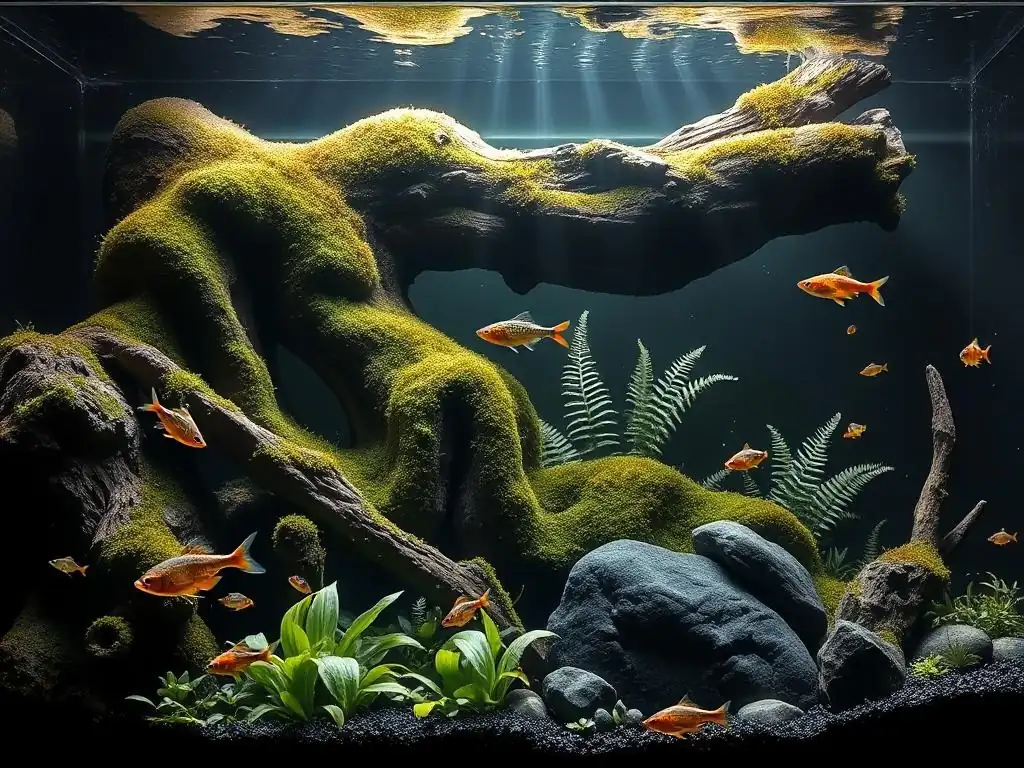
Ever wondered how to unlock the secrets of a thriving, authentic biotope aquarium? Dive in with us as we explore the fascinating world of blackwater aquariums and uncover the tannin benefits that create the perfect environment for your Tetras and other South American gems. Get ready to transform your tank into a slice of the Amazon!
- Understanding Blackwater Aquariums: A Tetra's Natural Paradise
- Blackwater Aquarium Tannin Benefits for Tetras: A Deep Dive
- Setting Up Your Own Blackwater Tetra Tank: A Step-by-Step Guide
- Sourcing and Using Tannins for Your Blackwater Aquarium
- Maintaining a Thriving Blackwater Tetra Aquarium
- Troubleshooting Common Blackwater Aquarium Issues
- Blackwater Aquarium Tannin Benefits: Beyond Tetras
- Blackwater Aquarium: Tetra Species Profiles
- Conclusion: Embracing the Blackwater Approach for Healthy and Vibrant Tetras
-
Frequently Asked Questions
- What are the primary benefits of tannins in a Blackwater aquarium?
- How do tannins affect the water chemistry in a Blackwater aquarium?
- What natural materials can I use to introduce tannins into my aquarium?
- Are there any potential drawbacks to using tannins in an aquarium?
- How can I control the tannin levels in my Blackwater aquarium?
- Final Reflection: Embracing the Essence of the Blackwater Biotope
- Dive Deeper: Transform Your Aquarium Today!
Understanding Blackwater Aquariums: A Tetra's Natural Paradise
What is a Blackwater Aquarium? Mimicking the Amazon
A blackwater aquarium is a specialized freshwater setup designed to replicate the unique conditions found in certain tropical rivers and floodplains, most notably the Amazon Basin, but also parts of Southeast Asia and Africa. Characterized by its distinctive tea-stained or cola-like appearance, this coloration is primarily due to the presence of dissolved organic compounds, particularly humic acids and tannins, leached from decaying plant matter such as leaves, wood, and seed pods.
Unlike clearwater or whitewater environments, blackwater typically exhibits very soft water (low GH and KH) and an acidic pH, often ranging from 4.5 to 6.5, creating a very specific and stable environment.
These natural blackwater environments, like the Rio Negro in Brazil, are incredibly stable in terms of water chemistry, largely due to the buffering capacity of the humic substances, despite their low mineral content. The low light penetration, a direct result of the dark water, also plays a crucial role in shaping the ecosystem, influencing plant growth, fish behavior, and the overall biological processes. Replicating these conditions provides a sanctuary for many fish species, allowing them to thrive in an environment that closely mirrors their ancestral homes.
The Role of Tannins in Blackwater Ecosystems
Tannins are a group of naturally occurring polyphenolic compounds found in plants. In blackwater ecosystems, they are primarily released from the decomposition of leaves, bark, and other botanical materials that fall into the water. As these organic materials break down, they leach these compounds, along with humic acids, fulvic acids, and other organic acids, into the water column. It is these substances that impart the characteristic amber or brown hue to blackwater, rather than suspended particulate matter.
Beyond their visual impact, tannins play several critical ecological roles. They act as natural chelators, binding with heavy metals and making them less toxic to aquatic life. They also possess mild antiseptic and anti-fungal properties, which can help inhibit the growth of harmful bacteria and fungi in the water. Furthermore, tannins contribute to the water's softness and acidity, creating a stable, low-stress environment that many sensitive fish species, particularly tetras, require for optimal health and breeding.
Why Blackwater is Beneficial for Tetra Species
Many popular tetra species, including the iconic Cardinal Tetra ( Paracheirodon axelrodi), Neon Tetra ( Paracheirodon innesi), and Ember Tetra ( Hyphessobrybus amandae), originate from the soft, acidic, tannin-rich waters of the Amazon Basin. For these fish, a blackwater setup is not just aesthetically pleasing but fundamentally crucial for their well-being. The specific water parameters reduce osmotic stress, meaning the fish expend less energy regulating their internal salt balance, which in turn boosts their immune system and overall vitality.
The "blackwater aquarium tannin benefits" extend beyond just water chemistry. The subdued lighting conditions created by the tinted water provide a sense of security for schooling tetras, which are often shy and prone to stress in brightly lit, open tanks. This natural environment encourages more natural behaviors, such as schooling tighter, exhibiting more vibrant coloration, and even triggering natural spawning behaviors that are often difficult to induce in conventional setups. The mild antiseptic properties of tannins also contribute to a healthier environment, minimizing the risk of common bacterial and fungal infections.
Blackwater Aquarium Tannin Benefits for Tetras: A Deep Dive
Enhanced Tetra Health and Vitality through Blackwater Conditions
One of the most significant blackwater aquarium tannin benefits is the direct improvement in fish health and vitality. Tannins, along with other humic substances, exhibit mild antibacterial and antifungal properties. This natural protection can significantly reduce the incidence of common aquarium ailments such as fin rot, columnaris, and various fungal infections that can plague fish in less ideal conditions. For instance, fish kept in blackwater setups often show fewer signs of stress-related illnesses, which are frequently linked to compromised immune systems.
Furthermore, the soft, acidic nature of blackwater closely mimics the natural habitat of many tetra species, reducing physiological stress. Tetras adapted to these low mineral environments thrive when their osmotic regulation is not overworked. This leads to more robust fish that are less susceptible to disease, exhibit stronger appetites, and engage in more natural behaviors. Anecdotal evidence from experienced aquarists frequently highlights how even seemingly "unhealthy" tetras introduced to a blackwater tank often regain their vigor and vibrant coloration within weeks, showcasing the profound "blackwater aquarium tannin benefits" for their overall well-being.
Breeding Tetras in Blackwater: Simulating Natural Spawning Triggers
For aquarists aspiring to breed tetras, blackwater conditions offer substantial advantages, often acting as a critical spawning trigger. Many tetra species, particularly those from the Paracheirodon and Hyphessobrycon genera, are "blackwater spawners." This means that the specific combination of low pH (often below 6.0), very low general hardness (GH), and the presence of humic acids and tannins is essential to induce spawning behavior. For example, Cardinal Tetras are notoriously challenging to breed in typical community tanks, but their breeding success rates increase dramatically in soft, acidic blackwater environments.
Beyond triggering the act of spawning, the blackwater environment also significantly improves egg and fry survival rates. The tannins provide a natural anti-fungal barrier, protecting delicate eggs from fungal infections that are common in clearer, harder water. Additionally, the subdued lighting conditions inherent in a blackwater tank offer crucial protection for light-sensitive eggs and newly hatched fry, which are often vulnerable to bright illumination. These combined "blackwater aquarium tannin benefits" make a blackwater setup almost indispensable for successful tetra breeding projects.
Blackwater and Tetra Coloration: Intensifying Natural Pigments
The aesthetic "blackwater aquarium tannin benefits" are immediately apparent in the vibrant coloration of tetras. When housed in conditions that closely replicate their natural habitat, many tetra species display their most intense and striking colors. For example, the brilliant red stripe of a Cardinal Tetra and the iridescent blue-green of a Neon Tetra appear exceptionally vivid and deep against the dark, tea-stained backdrop of a blackwater tank. This phenomenon is not merely an optical illusion; it reflects the fish's comfort and reduced stress levels.
In an environment that feels secure and natural, tetras are less prone to "stress dulling" – a common issue where fish lose their vibrant hues when feeling threatened or uncomfortable. The specific spectrum of light absorption by tannins also plays a role, allowing certain pigments in the fish's skin to appear more pronounced. This enhancement of natural pigments is a clear indicator of a healthy, thriving fish. Aquarists often report that their tetras in blackwater setups exhibit a richer, more profound coloration than those kept in standard clearwater tanks, showcasing a significant "blackwater aquarium tannin benefit" for visual appeal.
Setting Up Your Own Blackwater Tetra Tank: A Step-by-Step Guide
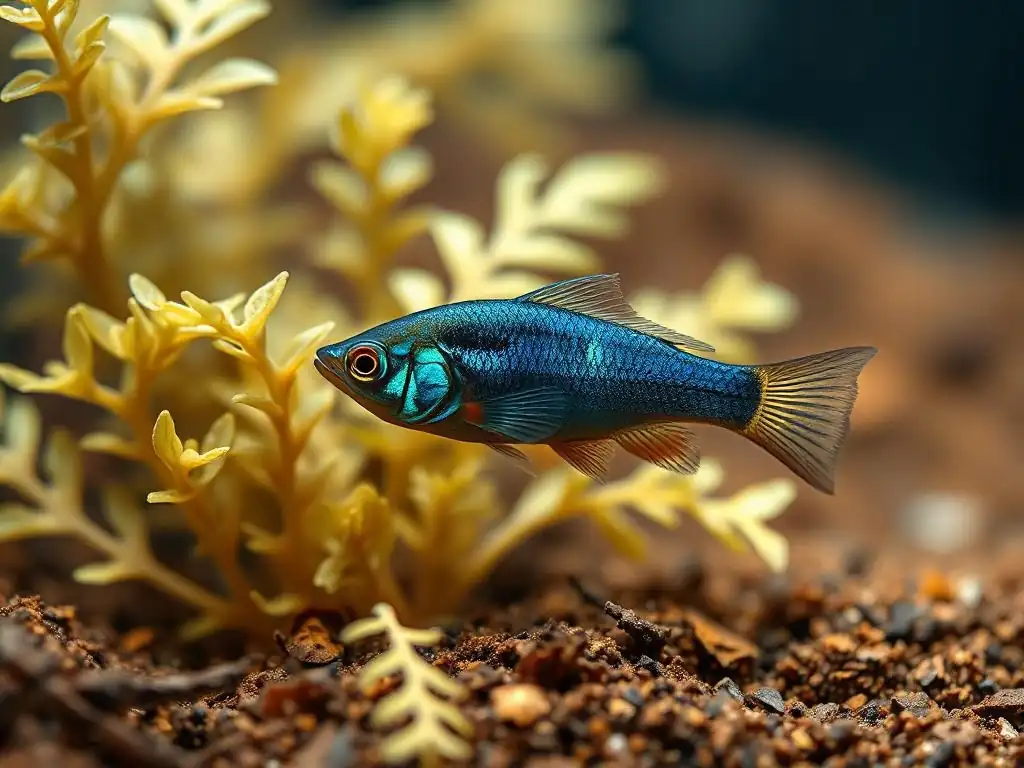
Choosing the Right Aquarium Size and Equipment for Your Tetra School
Selecting the appropriate aquarium size is paramount for a thriving blackwater tetra tank, especially considering that most tetras are schooling fish. A tank of at least 20 gallons (approximately 75 liters) is generally recommended for a small school of 6-8 tetras, such as Neon or Ember Tetras. For larger species or bigger schools, a 30-gallon (113 liters) or 40-gallon (151 liters) breeder tank would be more suitable, providing ample swimming space and reducing territorial disputes. For example, a school of 15 Cardinal Tetras would benefit greatly from a 40-gallon tank.
In terms of equipment, filtration is crucial, but it should be gentle. A sponge filter or a hang-on-back (HOB) filter with a low flow rate is often ideal, as strong currents can stress tetras. Ensure the filter media promotes biological filtration without removing beneficial tannins; activated carbon, for instance, should be avoided as it absorbs tannins. Lighting should be subdued; a low-wattage LED fixture on a dimmer or set to a lower intensity is perfect. Heaters are essential to maintain a stable tropical temperature, typically between 75-80°F (24-27°C), which is within the natural range for most Amazonian tetras.
Selecting Substrates and Decor for a Blackwater Biotope
The substrate chosen for a blackwater tetra tank should complement the natural biotope and not significantly alter water chemistry. Fine-grained sand, such as silica or play sand, is an excellent choice as it mimics riverbeds and is gentle on fish barbels (if present) and allows for easy cleaning. Avoid substrates that buffer pH upwards, such as crushed coral or aragonite. A dark substrate can also enhance the visual contrast, making the tetras' colors pop against the background.
Decor is where the blackwater biotope truly comes to life. Driftwood, particularly Malaysian or Mopani wood, is fundamental as it leaches tannins naturally and provides hiding spots. Large pieces can create intricate underwater landscapes.
Leaf litter, such as Indian almond leaves ( Terminalia catappa), oak leaves, or guava leaves, is indispensable. These leaves not only release tannins, contributing to the water's color and chemistry, but also provide a natural food source for micro-organisms and a foraging ground for tetras. Approximately 1-2 medium Indian almond leaves per 10 gallons of water can be a good starting point, replaced every 2-4 weeks as they decompose.
Preparing Your Water: Achieving Ideal Blackwater Parameters
Achieving the correct water parameters is the cornerstone of a successful blackwater tetra aquarium. Most blackwater tetras thrive in soft, acidic conditions. This typically means a pH range of 5.5 to 6.5, a general hardness (GH) of 1-5 dGH (17.9-89.5 ppm), and a carbonate hardness (KH) of 0-3 dKH (0-53.7 ppm). Tap water often needs significant modification to meet these parameters. Reverse Osmosis (RO) or deionized (DI) water is frequently used as a base, as it is essentially pure water with no minerals, allowing the aquarist complete control over the water chemistry.
Once you have soft water, the next step is to introduce tannins and humic substances. This can be done by adding pre-soaked driftwood, Indian almond leaves, or commercial blackwater extracts. For instance, using 1-2 medium Indian almond leaves per 10 gallons can lower pH by approximately 0.5-1.0 unit over a few days, depending on initial water parameters.
Regular testing with a reliable liquid test kit for pH, GH, and KH is crucial to monitor and maintain stability. Aim for gradual changes when adjusting parameters to avoid shocking the fish. Using a small amount of peat moss in a filter bag can also slowly lower pH and add tannins, but requires careful monitoring due to its potent effects.
Sourcing and Using Tannins for Your Blackwater Aquarium
Natural Sources of Tannins: Leaves, Wood, and Extracts
The most authentic way to introduce tannins into a blackwater aquarium is through natural botanical materials. Indian almond leaves ( Terminalia catappa) are perhaps the most popular choice due to their rich tannin content and mild antiseptic properties. Other excellent leaf options include dried oak leaves, guava leaves, and even some types of maple leaves, provided they are untreated and collected from pesticide-free areas. These leaves typically release tannins over several weeks as they decompose, creating a gradual and sustained tint.
Driftwood is another primary source of tannins, with varieties like Malaysian, Mopani, and Manzanita wood being commonly used. These woods will leach tannins for an extended period, often for months or even years, contributing to the dark water color and stability. For those seeking immediate effects or precise control, commercial blackwater extracts are available. These concentrated liquid products are typically derived from peat or other natural sources and offer a quick way to achieve the desired water tint and chemical properties, providing a reliable source of "blackwater aquarium tannin benefits."
Preparing and Introducing Tannins Safely to Your Aquarium
Proper preparation of natural tannin sources is crucial to prevent the introduction of unwanted pests or excessive organic load. Leaves should be thoroughly rinsed and ideally boiled for a few minutes to sterilize them and help them sink. Boiling also helps release some initial tannins, allowing for a more controlled introduction. For instance, boiling 5-7 medium Indian almond leaves in 1-2 liters of water for 10 minutes can create a concentrated "tannin tea" that can be added incrementally to achieve the desired tint.
Driftwood should also be thoroughly rinsed and soaked for several days or weeks, changing the water daily, until it becomes waterlogged and sinks. This process also helps leach out some of the initial heavy tannins, preventing a sudden drastic change in water parameters. When introducing tannins, whether from botanicals or extracts, do so gradually. Start with a smaller amount than recommended and observe the water color and parameters over 24-48 hours before adding more. This allows your fish and the tank's ecosystem to adjust slowly to the changing conditions, maximizing the "blackwater aquarium tannin benefits" without causing stress.
Monitoring and Adjusting Tannin Levels for Optimal Tetra Health
Maintaining optimal tannin levels in a blackwater aquarium is a continuous process that requires regular monitoring. While there isn't a precise "tannin level" test kit, the visual tint of the water serves as a primary indicator. Aquarists typically aim for a color resembling weak tea to strong coffee, depending on personal preference and the specific needs of the fish. However, this visual assessment must be complemented by testing key water parameters: pH, GH, and KH. Tannins contribute to lower pH and GH, so consistent readings indicate stable tannin levels.
If the water starts to clear, or if pH and hardness begin to creep up, it indicates that the tannins are depleting. This is a cue to replenish your tannin sources, either by adding more leaves, wood, or a commercial extract. Conversely, if the water becomes too dark too quickly, or if pH drops too drastically, a partial water change with fresh, appropriately conditioned water can dilute the tannins.
Aim for consistency rather than drastic fluctuations. Regular weekly or bi-weekly monitoring of water parameters (pH, GH, KH, ammonia, nitrite, nitrate) will help ensure the "blackwater aquarium tannin benefits" are consistently provided for your tetras.
Maintaining a Thriving Blackwater Tetra Aquarium
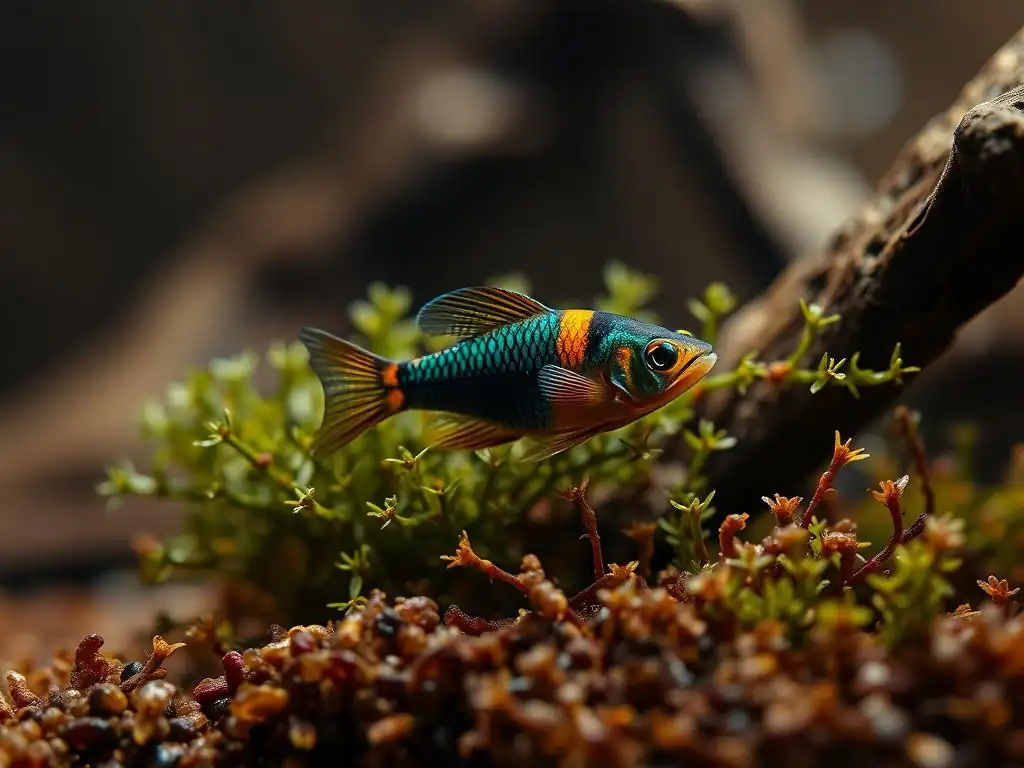
Water Changes and Tannin Replenishment: A Balanced Approach
Maintaining a thriving blackwater tetra aquarium requires a balanced approach to water changes and tannin replenishment. While blackwater tanks are often stable, regular water changes are still essential to remove nitrates and replenish essential trace elements. A typical schedule might involve a 10-20% water change weekly or bi-weekly, depending on stocking levels and filtration efficiency. However, unlike clearwater tanks, these water changes will dilute the tannins, requiring their reintroduction.
When performing water changes, it's crucial to use water that matches the tank's established parameters, ideally RO/DI water re-mineralized to the desired GH and KH, then tinted with tannins. Many aquarists prepare their "new" water in a separate container, adding Indian almond leaves or blackwater extract to achieve the desired color and pH before adding it to the tank.
This methodical approach ensures that the "blackwater aquarium tannin benefits" are consistently present, preventing sudden shifts in water chemistry that could stress your tetras. For example, if you remove 10 gallons, you might pre-treat 10 gallons of RO water with 1-2 medium Indian almond leaves for 24 hours before adding.
Preventing Algae Growth in Blackwater Environments
One of the often-overlooked "blackwater aquarium tannin benefits" is their natural ability to help prevent excessive algae growth. The tannins themselves act as a natural light filter, reducing the intensity and spectrum of light available for photosynthesis by algae. This subdued lighting, combined with the typically lower nutrient levels (especially phosphates) often found in well-maintained blackwater setups, creates an environment less conducive to common nuisance algae like green hair algae or diatoms.
However, algae can still appear if there's an imbalance. Overfeeding, excessive light duration (more than 6-8 hours a day), or a lack of proper tank maintenance can lead to nutrient spikes that fuel algae. To combat this, ensure proper feeding habits, limit lighting, and maintain a consistent water change schedule. Introducing some algae-eating invertebrates like Nerite snails or Amano shrimp can also help, though ensure they are compatible with soft, acidic water. The inherent properties of blackwater significantly reduce the likelihood of severe algae outbreaks, but vigilance is still key.
Choosing Compatible Tank Mates for Your Tetras in a Blackwater Setup
When choosing tank mates for your tetras in a blackwater setup, compatibility in terms of water parameters and temperament is paramount. Stick to species that naturally inhabit soft, acidic, tannin-rich waters. Excellent choices include other small schooling fish from the Amazon basin, such as various species of Rasboras (e.g., Harlequin Rasboras, Chili Rasboras), small peaceful cichlids like German Blue Rams ( Mikrogeophagus ramirezi) or Bolivian Rams ( Mikrogeophagus altispinosus), and certain types of dwarf gouramis.
Bottom-dwelling fish such as Corydoras catfish ( Corydoras spp.) are also ideal, as they thrive in similar conditions and appreciate the leaf litter for foraging. Ensure any chosen tank mates are peaceful and won't outcompete the tetras for food or space. Avoid aggressive or fin-nipping species. Always research the specific needs of each potential tank mate to ensure they will benefit from the "blackwater aquarium tannin benefits" and not be stressed by the unique environment, aiming for a harmonious and biotope-correct community.
Troubleshooting Common Blackwater Aquarium Issues
Dealing with Excessive Tannin Staining
While the characteristic amber tint is a hallmark of a blackwater aquarium, sometimes the water can become excessively dark, resembling strong coffee rather than weak tea. This usually happens when too many tannin-releasing botanicals are added at once, or if highly leaching wood is introduced without sufficient pre-soaking. The primary concern with excessive staining is not harm to fish, but rather impaired visibility and difficulty in observing the inhabitants.
To address this, the most effective method is a series of small, frequent water changes (e.g., 10-15% daily) using clear, appropriately conditioned RO/DI water until the desired tint is achieved. Avoid large water changes as they can cause rapid parameter shifts. If using a filter, temporarily adding a small amount of activated carbon or Purigen to a filter bag for 24-48 hours can quickly reduce the tint; however, remember that these will remove beneficial tannins and humic substances. Once the desired color is reached, remove the carbon/Purigen to allow the "blackwater aquarium tannin benefits" to resume.
Addressing pH Fluctuations in Blackwater Tanks
Blackwater tanks are inherently soft and acidic, making them more susceptible to pH fluctuations if not managed correctly. The low carbonate hardness (KH) means there is little buffering capacity to resist changes in pH. Sudden drops in pH can occur if large amounts of fresh tannins are introduced, or if the tank undergoes a "pH crash" due to a lack of buffering and accumulation of nitric acid from the nitrogen cycle. Rapid pH swings are highly stressful and potentially lethal to fish.
To prevent pH fluctuations, ensure your source water is consistently soft and has a very low KH. If using RO/DI water, re-mineralize it carefully, ensuring KH remains low but stable. Regularly test pH, GH, and KH. If pH is consistently dropping too low or fluctuating, consider adding a very small amount of crushed coral or a specialized pH buffer designed for soft water, but do so with extreme caution and in tiny increments, as these can counteract the desired acidity. The goal is stability, leveraging the natural "blackwater aquarium tannin benefits" for a stable, acidic environment.
Identifying and Treating Tetra Diseases in Blackwater Conditions
While blackwater conditions and the "blackwater aquarium tannin benefits" significantly enhance tetra health and immunity, fish can still fall ill. Identifying diseases in a dimly lit, tinted tank can be challenging. Look for subtle behavioral changes: lethargy, clamped fins, loss of appetite, flashing against decor, or unusual swimming patterns. Physical signs like white spots (Ich), fuzzy patches (fungus), or red streaks (bacterial infection) may be harder to spot but are still indicators.
If a disease is suspected, the first step is often to move the affected fish to a hospital tank. This allows for precise medication dosages without impacting the main display tank's delicate blackwater chemistry. Many fish medications can be harsh and may strip tannins or alter pH.
For mild cases, increasing the concentration of Indian almond leaves in the hospital tank can leverage their natural antiseptic properties. For example, adding 1 large Indian almond leaf per 5 gallons in the hospital tank can provide a potent natural treatment. Always research medication compatibility with soft, acidic water and follow dosage instructions carefully.
Blackwater Aquarium Tannin Benefits: Beyond Tetras
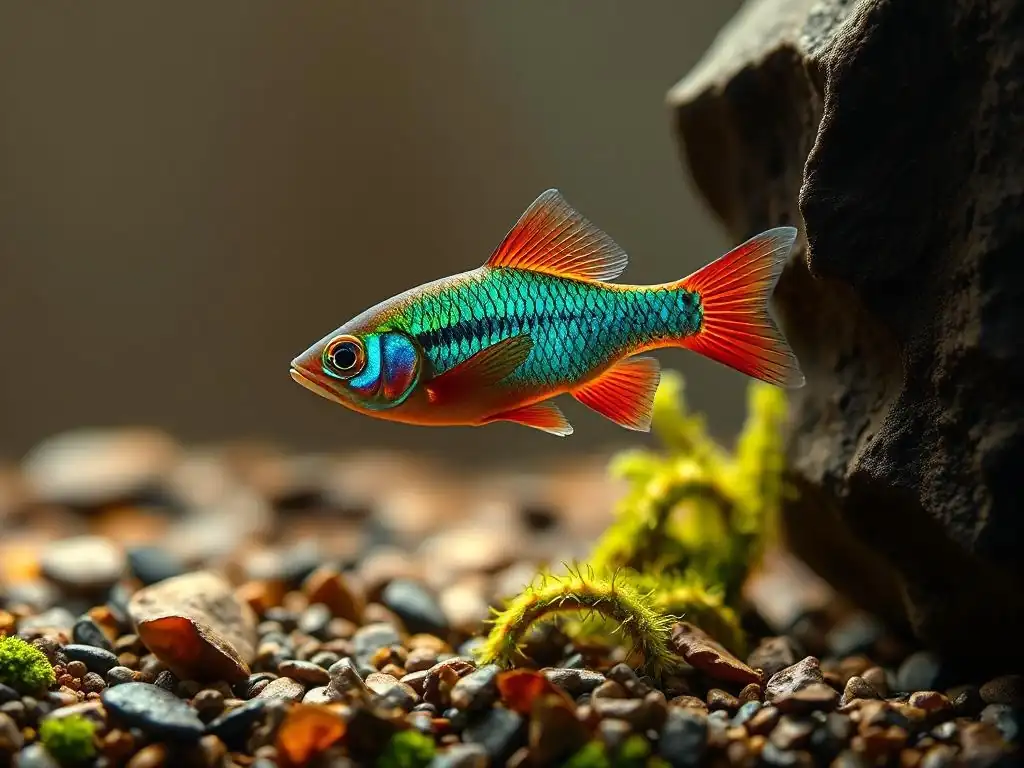
The Impact of Tannins on Other Freshwater Fish Species
While tetras are often the poster children for blackwater aquariums, the "blackwater aquarium tannin benefits" extend to a wide range of other freshwater fish species that originate from similar soft, acidic environments. This includes many species of dwarf cichlids such as Apistogramma spp. and Discus ( Symphysodon spp. ), which thrive and often breed more readily in these conditions. Discus, in particular, show enhanced coloration and reduced stress in blackwater, mirroring their native Amazonian habitats.
Other beneficiaries include various species of Rasboras, especially those from Southeast Asia like Harlequin Rasboras ( Trigonostigma heteromorpha), which also come from tannin-rich waters. Many peaceful catfish, such as Corydoras species, and even some Loricariids (plecos) from blackwater regions, also exhibit improved health and natural behaviors. The mild antiseptic properties and stress-reducing effects of tannins are universally beneficial for fish adapted to these environments, promoting stronger immune systems and overall vitality across diverse species.
Blackwater and Plant Growth: Finding the Right Balance
The interaction between blackwater conditions and plant growth is unique and requires careful consideration. The subdued lighting caused by the tannin tint can be challenging for many high-light demanding aquatic plants. However, several plant species are well-adapted to these conditions and can thrive, contributing to the biotope. Low-light plants like various Anubias species ( Anubias barteri), Bucephalandra, and Java Fern ( Microsorum pteropus) are excellent choices, as they do not require intense illumination.
Floating plants such as Amazon Frogbit ( Limnobium laevigatum) or Red Root Floaters ( Phyllanthus fluitans) are also popular, as they further diffuse light and provide cover, mimicking natural conditions. While tannins themselves do not directly inhibit plant growth, the reduced light penetration is the primary factor. Choosing the right plant species and ensuring they receive adequate, albeit subdued, light is key to a balanced blackwater planted tank. The "blackwater aquarium tannin benefits" for fish often outweigh the limitations for certain plant types, leading to a focus on hardy, low-light flora.
The Aesthetic Appeal of a Well-Maintained Blackwater Aquarium
Beyond the significant "blackwater aquarium tannin benefits" for fish health and breeding, the aesthetic appeal of a well-maintained blackwater aquarium is undeniable and captivating. The amber or tea-colored water, combined with dark substrates, natural driftwood, and leaf litter, creates a remarkably serene and naturalistic underwater landscape. This unique visual often evokes a sense of tranquility and an authentic slice of a wild ecosystem.
The subdued lighting and dark backdrop dramatically enhance the coloration of the fish, making their vibrant hues appear more intense and striking. The interplay of light and shadow, the subtle reflections on the water surface, and the natural decomposition of leaves all contribute to a dynamic and ever-evolving display. For many aquarists, the blackwater tank is not just a habitat but a living piece of art, offering a distinct and profound beauty that sets it apart from conventional clearwater setups.
Blackwater Aquarium: Tetra Species Profiles
Cardinal Tetra (Paracheirodon axelrodi)
The Cardinal Tetra is arguably the quintessential blackwater tetra, originating from the soft, acidic blackwater rivers and tributaries of the Amazon Basin, particularly the Rio Negro. They are renowned for their brilliant, iridescent blue stripe running horizontally above a vibrant red stripe that extends the entire length of their body, from snout to tail. In their natural blackwater habitat, these colors are exceptionally vivid due to the low light and specific water chemistry.
Cardinal Tetras are schooling fish and thrive in groups of at least 6-10 individuals, preferably more, which enhances their schooling behavior and reduces stress. They require stable water parameters: pH 4.5-6.5, GH 1-4 dGH, and temperatures between 73-80°F (23-27°C). The "blackwater aquarium tannin benefits" are particularly evident in Cardinal Tetras, as these conditions are crucial for their long-term health, vibrant coloration, and successful breeding. They are sensitive to poor water quality and sudden changes, making a well-established blackwater setup ideal for their care.
Ember Tetra (Hyphessobrycon amandae)
The Ember Tetra is a smaller, often overlooked tetra species, but its fiery orange-red coloration makes it a striking addition to a blackwater aquarium. Native to the Araguaia River basin in Brazil, they inhabit slow-moving tributaries and floodplains characterized by soft, acidic water and dense vegetation. Their small size, typically reaching only about 0.8 inches (2 cm), makes them perfect for nano blackwater setups or as part of a larger community.
Ember Tetras are peaceful and best kept in large schools of 10 or more to truly see their natural schooling behavior and vibrant color. They prefer water parameters similar to other blackwater tetras: pH 5.5-7.0, GH 3-8 dGH, and temperatures 72-80°F (22-27°C). The subdued lighting and tannin-rich water of a blackwater tank bring out their most intense orange hues, making them appear like living embers. The "blackwater aquarium tannin benefits" provide them with the security and environmental stability needed to thrive and display their full beauty.
Black Skirt Tetra (Gymnocorymbus ternetzi)
The Black Skirt Tetra, also known as the Black Tetra or Petticoat Tetra, is a robust and popular tetra species originating from the Paraguay, Guapore, and Mamore River basins in South America. Unlike some of the more delicate blackwater tetras, they are quite adaptable but still benefit significantly from the conditions of a blackwater aquarium. They are characterized by their tall, compressed body shape and two prominent black vertical stripes on a silver-grey background, which can fade with age or stress.
Black Skirt Tetras grow larger than many other tetras, reaching up to 2.5 inches (6.5 cm). They are schooling fish and should be kept in groups of at least 6 individuals to prevent fin-nipping tendencies that can arise from stress or loneliness. While tolerant of a wider range of pH (6.0-8.0) and hardness (5-19 dGH) than Cardinal Tetras, they exhibit less stress and more vibrant (or rather, darker and more defined) coloration in softer, slightly acidic water, aligning with the "blackwater aquarium tannin benefits." Their hardiness makes them a good choice for those new to blackwater setups.
Conclusion: Embracing the Blackwater Approach for Healthy and Vibrant Tetras
Frequently Asked Questions
What are the primary benefits of tannins in a Blackwater aquarium?
Tannins released from natural materials like driftwood and leaves create a more natural environment for certain fish. They also lower pH and can possess antimicrobial properties.
How do tannins affect the water chemistry in a Blackwater aquarium?
Tannins significantly lower the pH level of the water, making it more acidic. This mimics the natural habitat of many South American fish and can also soften the water.
What natural materials can I use to introduce tannins into my aquarium?
Suitable materials include driftwood, particularly mopani and Malaysian driftwood, as well as Indian almond leaves (catappa leaves), oak leaves, and alder cones. These release tannins slowly over time.
Are there any potential drawbacks to using tannins in an aquarium?
Excessive tannins can cause the water to become too acidic, potentially harming some fish. Also, the darkened water may make it more difficult to view the fish clearly.
How can I control the tannin levels in my Blackwater aquarium?
Regular water changes are the easiest way to dilute tannins. You can also use activated carbon in your filter to absorb tannins and monitor the pH regularly to maintain the desired level.
Final Reflection: Embracing the Essence of the Blackwater Biotope
The journey into the world of blackwater aquariums, as we've explored, is more than just recreating a visually stunning environment; it's about understanding and harnessing the powerful benefits of tannins for the well-being of our aquatic inhabitants. In a world increasingly disconnected from natural processes, the resurgence of interest in blackwater biotopes highlights a growing desire to reconnect with the fundamental principles of ecological balance, even within the confines of our glass boxes.
This fascination with blackwater extends beyond mere aesthetics; it represents a deeper appreciation for the intricate relationships within ecosystems. My own exploration into this realm has reinforced the profound impact even subtle changes in water chemistry can have on the health and vibrancy of aquatic life. It reminds us that mimicking nature isn't just about appearance, but about fostering an environment where organisms can thrive. In nature, nothing exists alone.
- Rachel Carson. This quote perfectly encapsulates the interconnectedness we strive to replicate in our blackwater aquariums, recognizing that the tannins are not merely a coloring agent, but a vital component of a holistic ecosystem.
As you consider the information presented here, I encourage you to reflect on your own relationship with nature and the ways you can bring its wisdom into your own life, and perhaps, into your own aquarium. Embrace the magic of blackwater, not just for its beauty, but for the profound understanding it offers of the delicate balance of life and the blackwater aquarium tannin benefits it provides.
Let it inspire you to create not just a beautiful display, but a thriving ecosystem, a miniature reflection of the natural world, and a testament to the power of observation and respect for the intricate web of life.
Dive Deeper: Transform Your Aquarium Today!
Thanks for exploring the fascinating world of blackwater aquariums and learning how to create the perfect habitat for your tetras! Now it's time to bring that knowledge to life.
Here are a few things you can do to continue your journey:
- Start your blackwater transformation: Begin by adding natural botanicals like Indian almond leaves or driftwood to your tank to release those beneficial tannins.
- Delve further: Research compatible plants that thrive in blackwater conditions, like Anubias or Java Fern.
- Share your progress: Post pictures of your evolving blackwater aquarium on social media using #AquariumMastery and inspire other tetra enthusiasts!
What unique botanical will you add to your aquarium first to create your own miniature blackwater paradise?