
Nutritional Needs of Dwarf Cichlids: Beyond Just Flakes

Welcome to Aquarium Mastery!
Curious about unlocking the vibrant colors and personalities of your Dwarf Cichlids? You've come to the right place! We're diving deep into the often-overlooked world of dwarf cichlid diet specifics, moving beyond the basics to ensure your little aquatic gems thrive. Are you feeding them what they really need? Let's find out...
- Understanding Dwarf Cichlid Diet Specifics for Optimal Health
- Essential Components of a Healthy Dwarf Cichlid Diet
- Feeding Strategies for Dwarf Cichlids in Community Tanks
- Specific Dietary Needs of Popular Dwarf Cichlid Species
- Creating a Feeding Schedule for Your Dwarf Cichlids
- Recognizing and Addressing Nutritional Deficiencies in Dwarf Cichlids
- Advanced Feeding Techniques for Breeding Dwarf Cichlids
- Choosing the Right Foods: A Buyer's Guide
- Troubleshooting Common Feeding Problems
- Conclusion: Mastering Dwarf Cichlid Nutrition for a Thriving Aquarium
-
Frequently Asked Questions
- What are the primary food sources for dwarf cichlids in their natural habitat?
- Can I feed my dwarf cichlids only flake food?
- How often should I feed my dwarf cichlids?
- What types of live or frozen foods are best for dwarf cichlids?
- Are there specific dietary considerations for different species of dwarf cichlids?
- Final Reflection: Cultivating Vibrant Life
- Unleash Your Cichlids' Vibrant Potential!
Understanding Dwarf Cichlid Diet Specifics for Optimal Health
Why a Specialized Diet Matters for Dwarf Cichlids
Dwarf cichlids, such as Rams, Apistogrammas, and Kribensis, are not simply generalist feeders that thrive on a singular diet of standard tropical fish flakes. Their natural habitats in South America and West Africa provide a diverse array of small invertebrates, insect larvae, tiny crustaceans, and some plant matter. Their digestive systems are finely tuned to process these specific types of food, which are rich in protein, essential fatty acids, and specific micronutrients. A diet lacking this natural complexity can lead to deficiencies, compromising their immune system, stunting growth, and dulling their vibrant coloration.
Providing a specialized dwarf cichlid diet specifics ensures that these fish receive the precise nutritional building blocks they need for long-term health and vitality. For instance, a diet rich in astaxanthin, often found in krill or spirulina, is crucial for maintaining the brilliant red and orange hues seen in species like German Blue Rams.
Without this, their colors can fade significantly within weeks, becoming dull and washed out. Furthermore, a balanced diet supports robust organ function and helps prevent common ailments that arise from nutritional stress, such as weakened immune responses leading to increased susceptibility to parasitic infections like Ichthyophthirius multifiliis (Ich).
Common Misconceptions About Feeding Dwarf Cichlids
One prevalent misconception is that any "tropical fish food" is sufficient for dwarf cichlids. While they may consume generic flakes, these often contain high levels of fillers like wheat flour, which offer little nutritional value and can contribute to digestive issues. Such a diet fails to provide the high protein content and diverse amino acid profiles essential for these carnivorous or omnivorous species. This can lead to a state of chronic undernourishment, even if the fish appear to be eating regularly, manifesting as lethargy, reduced activity, and a general decline in health over time.
Another common fallacy is that feeding a large quantity of food once a day is more convenient and promotes faster growth. In reality, overfeeding is detrimental, leading to rapid water quality degradation due as uneaten food breaks down, increasing ammonia and nitrite levels. A single large meal can also overwhelm a dwarf cichlid's digestive system, potentially leading to digestive upset, fatty liver disease, and bloat, especially in sensitive species like Apistogrammas.
For example, a 20-gallon tank with 4-5 dwarf cichlids can experience a significant ammonia spike (e.g., from 0 ppm to 0.5 ppm within 24 hours) if fed twice the recommended amount of food, placing undue stress on the fish and increasing their susceptibility to common ailments like fin rot or bacterial infections. Optimal dwarf cichlid diet specifics involve smaller, more frequent meals.
Essential Components of a Healthy Dwarf Cichlid Diet
High-Quality Protein Sources for Vibrant Colors and Growth
High-quality protein is the cornerstone of a healthy dwarf cichlid diet, crucial for muscle development, vibrant coloration, and overall growth. Dwarf cichlids are primarily carnivorous, and their natural diet consists of various small invertebrates. Providing protein from sources like insects, crustaceans, and small worms mimics their natural intake, ensuring they receive the full spectrum of essential amino acids. This directly translates to robust health, strong immune systems, and the ability to display their full genetic potential in terms of size and color.
Without sufficient high-quality protein, dwarf cichlids can exhibit stunted growth, faded colors, and a general lack of vigor. For instance, a diet with less than 40% protein content for growing juveniles can result in a 20-30% reduction in their eventual adult size compared to those fed a diet with 45-50% protein.
The quality of the protein also matters; protein from fish meal or krill is generally more bioavailable than plant-based proteins for these species, ensuring maximum absorption and utilization by the fish. Therefore, focusing on diverse, animal-based protein sources is paramount for their long-term well-being and the display of their stunning natural beauty.
Live Foods: A Natural and Stimulating Option
Live foods are arguably the best protein source for dwarf cichlids, offering unparalleled nutritional value and stimulating natural hunting behaviors. Options like newly hatched brine shrimp (Artemia nauplii), daphnia, micro worms, and grindal worms are highly palatable and easily digestible. For example, feeding newly hatched brine shrimp to juvenile Apistogramma species can accelerate their growth rate by as much as 15% compared to those fed solely on dry foods, due to the high protein (around 60% dry weight) and essential fatty acid content of the brine shrimp.
Beyond nutrition, live foods provide crucial mental stimulation. The chase and capture of live prey engage their natural instincts, reducing stress and promoting a more active and inquisitive demeanor. This engagement can also encourage breeding behaviors in mature pairs. While culturing live foods requires some effort, the benefits for dwarf cichlid diet specifics, including enhanced coloration and improved health, are significant, making them an invaluable part of a comprehensive feeding regimen.
Frozen Foods: Convenient and Nutritious Alternatives
Frozen foods offer an excellent balance of convenience and nutritional quality, serving as a staple in many dwarf cichlid diets. Common choices include frozen bloodworms, brine shrimp, daphnia, mysis shrimp, and cyclops. These foods retain much of their nutritional integrity through the freezing process and are readily accepted by most dwarf cichlid species. For instance, frozen bloodworms are a particular favorite for many Ram cichlids, providing a rich source of iron and protein that helps maintain their vibrant red and orange pigments.
When incorporating frozen foods, it's crucial to thaw them thoroughly in a small amount of tank water before feeding to prevent digestive upset and to avoid introducing cold food directly into the tank, which can shock the fish. While not stimulating natural hunting instincts as much as live foods, frozen options are highly beneficial for providing a varied protein source. They are also less likely to introduce parasites or diseases compared to wild-caught live foods, making them a safer alternative for maintaining optimal dwarf cichlid diet specifics.
Prepared Foods: Selecting the Right Pellets and Granules
High-quality prepared foods, specifically designed for carnivorous or omnivorous cichlids, can form a significant part of a dwarf cichlid's diet, offering convenience and balanced nutrition. Look for small pellets or granules that sink slowly, as dwarf cichlids often prefer to feed from the middle or bottom of the water column. Key indicators of a good prepared food include a high protein content (typically 40-50% or more), with the first few ingredients being animal-based proteins like fish meal, krill, or spirulina. Avoid foods with excessive fillers such as corn starch or wheat flour.
Many reputable brands formulate specialized dwarf cichlid diet specifics that include essential vitamins and minerals, as well as color-enhancing ingredients like astaxanthin. For example, some premium granule foods contain over 50% crude protein, derived primarily from sustainably sourced fish and shrimp, ensuring a highly digestible and nutrient-dense meal. While prepared foods alone are not sufficient, they provide a reliable baseline of nutrition and can be particularly useful for ensuring consistent nutrient intake, especially when live or frozen foods are not readily available.
The Importance of Vegetable Matter in a Dwarf Cichlid's Diet
While dwarf cichlids are primarily carnivorous, a small but significant portion of their natural diet includes vegetable matter. This plant-based component aids in digestion, provides essential fiber, and contributes a range of vitamins and minerals not always abundant in animal proteins. Neglecting this aspect of their diet can lead to digestive issues and a less robust immune system over the long term.
Incorporating vegetable matter helps maintain gut health and ensures a more complete nutritional profile, mirroring the varied diet these fish would encounter in their natural environments. It's not about making them vegetarians, but rather providing a balanced approach to their dwarf cichlid diet specifics that acknowledges their omnivorous tendencies, even if slight.
Algae Wafers and Spirulina: A Plant-Based Staple
Algae wafers and spirulina-based foods are excellent ways to introduce vegetable matter into a dwarf cichlid's diet. Spirulina, a blue-green algae, is particularly rich in proteins (up to 60-70%), vitamins (B complex, E), and minerals, as well as beta-carotenes which enhance natural coloration. Small pieces of spirulina flakes or granules can be offered a few times a week. For instance, a diet supplemented with spirulina has been shown to improve the immune response in fish, potentially reducing susceptibility to common bacterial infections by up to 15-20%.
Algae wafers, while often marketed for bottom feeders, can be broken into smaller pieces for dwarf cichlids to graze on. Ensure these wafers are primarily spirulina or other beneficial algae and not just filler. These plant-based staples contribute essential fiber for healthy digestion and provide a broad spectrum of micronutrients that complement the protein-rich animal foods, making them a valuable component of a balanced dwarf cichlid diet specifics plan.
Blanched Vegetables: Supplementing with Fresh Greens
Occasionally, blanched fresh vegetables can be offered as a supplementary treat to provide additional vitamins, minerals, and fiber. Suitable options include blanched zucchini, cucumber, shelled peas, and spinach. These should be cut into very small, manageable pieces that dwarf cichlids can easily nip at. For example, a tiny piece of blanched zucchini can be offered once a week, providing a natural source of vitamins A and C.
When preparing blanched vegetables, boil them briefly (1-2 minutes) to soften them, then cool completely before adding to the tank. Always remove any uneaten vegetable matter within a few hours to prevent water quality issues. While these are not a primary food source, they can add beneficial variety and micronutrients to the dwarf cichlid diet specifics, mimicking the incidental plant matter they might consume in the wild.
Vitamins and Minerals: Ensuring Complete Nutrition
Vitamins and minerals are crucial co-factors in countless metabolic processes, including growth, immune function, and reproduction. While high-quality prepared foods often contain a broad spectrum of these micronutrients, supplementing with specialized vitamin drops or ensuring a diverse diet of live and frozen foods can further guarantee complete nutrition for dwarf cichlids. For example, Vitamin D is essential for calcium absorption and bone health, while Vitamin C acts as a powerful antioxidant and supports immune system integrity.
Deficiencies in specific vitamins or minerals can lead to a range of health problems, from skeletal deformities to compromised immune responses. For instance, a lack of Vitamin E can impact reproductive success and overall vitality. Ensuring a varied dwarf cichlid diet specifics that includes both animal and plant matter, along with fortified prepared foods, helps prevent these deficiencies, leading to more resilient, vibrant, and long-lived fish.
Feeding Strategies for Dwarf Cichlids in Community Tanks
Addressing Competition for Food: Ensuring Every Fish Eats
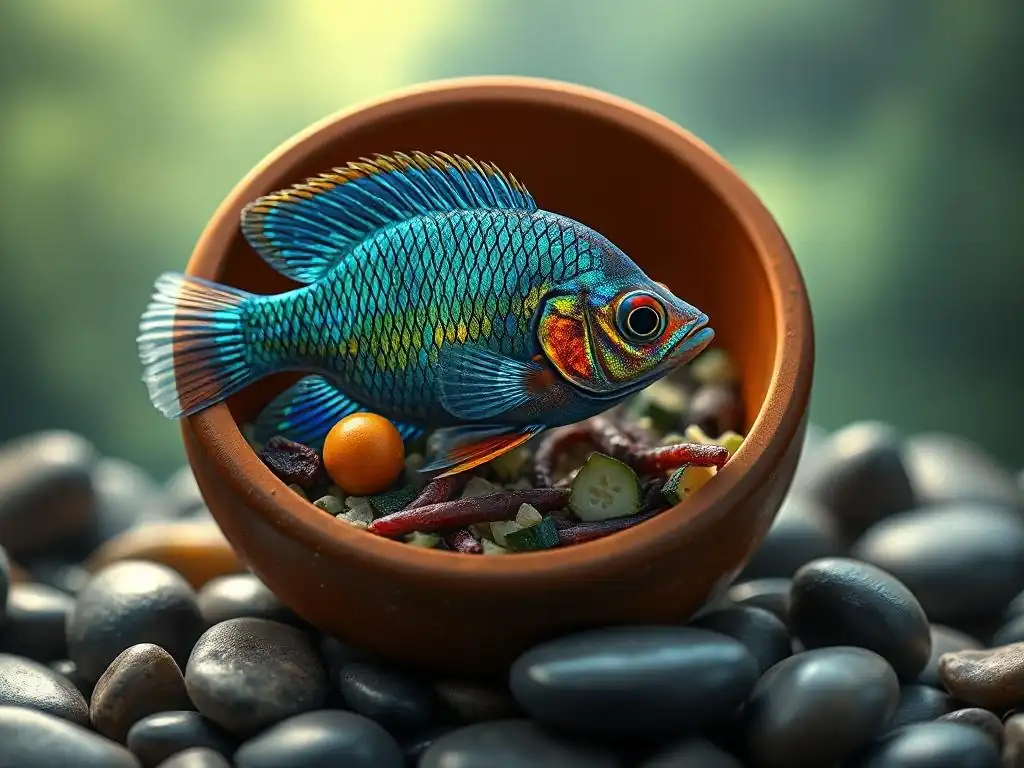
In a community tank, ensuring all dwarf cichlids receive adequate nutrition can be challenging due to competition from more aggressive or faster-moving tank mates. Dwarf cichlids, especially the shyer Apistogramma species or submissive individuals, can be outcompeted for food. To mitigate this, consider feeding multiple small portions in different areas of the tank simultaneously. For example, dropping some food near a favorite hiding spot or a specific plant cluster can allow shyer individuals to feed without direct confrontation.
Another effective strategy is to offer a mix of floating and sinking foods. While some faster fish might snatch floating flakes, sinking pellets or granules will reach the mid-to-bottom dwellers, where dwarf cichlids typically prefer to feed. Observing feeding behavior carefully is key; if certain individuals consistently appear thin or less vibrant, it's a clear sign they are not getting enough. Adjusting feeding times and methods to ensure equitable distribution is vital for the dwarf cichlid diet specifics of all tank inhabitants.
Target Feeding Techniques for Shy or Submissive Cichlids
For particularly shy or submissive dwarf cichlids, target feeding becomes an invaluable technique. This involves using a long pipette or turkey baster to deliver food directly to the fish, often near their preferred hiding spots or territories. This method ensures that the food reaches the intended recipient without being intercepted by more dominant tank mates. It's especially useful for species like Apistogramma cacatuoides or Mikrogeophagus ramirezi that might be intimidated by larger or more boisterous fish.
When target feeding, offer small amounts of highly palatable foods such as frozen brine shrimp, bloodworms, or finely crushed high-quality pellets. Consistency is important; conducting target feeding at specific times can train the fish to associate the pipette with food, making them more receptive. This focused approach to dwarf cichlid diet specifics guarantees that even the most timid individuals receive their necessary nutrients, promoting their health and reducing stress in a community environment.
Avoiding Overfeeding: Maintaining Water Quality
Overfeeding is one of the most common mistakes in aquarium keeping and has severe consequences for water quality and fish health. Uneaten food quickly decomposes, releasing ammonia and nitrites, which are highly toxic to fish. Even if the nitrogen cycle is established, consistent overfeeding can overwhelm the beneficial bacteria, leading to dangerous spikes in these compounds. For example, a single incident of excessive feeding in a 20-gallon tank can cause ammonia levels to jump from 0 ppm to 0.5 ppm within hours, stressing fish and potentially causing gill damage.
To avoid overfeeding, offer small portions that can be consumed within 2-3 minutes. It's better to feed two or three smaller meals throughout the day than one large one. If there's any food left after 5 minutes, you're feeding too much. Regularly observing the fish's belly size can also indicate if they are receiving adequate, but not excessive, food. A slightly rounded belly after feeding is good, but a perpetually bloated appearance indicates overfeeding. Maintaining a strict dwarf cichlid diet specifics schedule and portion control is paramount for stable water parameters and a healthy aquarium ecosystem.
Specific Dietary Needs of Popular Dwarf Cichlid Species
Ram Cichlids (Mikrogeophagus ramirezi): A Delicacy for Finicky Eaters
Ram cichlids, including the popular German Blue Rams and Bolivian Rams, are known for being somewhat finicky eaters, especially when first introduced to a new environment or if stressed. Their dwarf cichlid diet specifics lean heavily towards small, live, or frozen invertebrate foods. Newly hatched brine shrimp, daphnia, bloodworms, and small mysis shrimp are highly favored and readily accepted. For instance, a diet consistently rich in live or frozen brine shrimp can significantly improve the coloration and breeding readiness of German Blue Rams, often leading to successful spawns within weeks of proper conditioning.
While they may eventually accept high-quality sinking micro pellets or granules, it's often a gradual process. It's crucial to offer a varied diet to prevent nutritional deficiencies and to stimulate their appetite. For example, a Ram cichlid that refuses dry food might enthusiastically accept frozen bloodworms. Providing a diverse range of protein sources ensures they receive all necessary amino acids and essential fats, vital for their vibrant colors and overall delicate health.
Apistogramma Species: Catering to Diverse Dietary Preferences
Apistogramma species are a vast and diverse group, and while their general dwarf cichlid diet specifics are carnivorous, specific preferences can vary subtly between species. Most Apistogrammas thrive on a diet of small live and frozen foods, such as newly hatched brine shrimp, daphnia, cyclops, and micro worms. For example, Apistogramma cacatuoides readily accepts frozen bloodworms and brine shrimp, while smaller species like Apistogramma borellii might prefer even tinier foods like cyclops or grindal worms.
High-quality sinking micro pellets or granules can also be offered, but they should be small enough for their delicate mouths. It's important to observe individual species and even individual fish within a species to determine their preferred foods. A varied diet is crucial to meet the diverse nutritional requirements of this genus, ensuring their vibrant colors and complex behaviors are fully expressed. Consistently offering a mix of live, frozen, and prepared foods will cater to their varied dietary needs and maintain their robust health.
Kribensis (Pelvicachromis pulcher): A More Forgiving Diet
Kribensis cichlids are generally less finicky eaters compared to Rams or Apistogrammas, making their dwarf cichlid diet specifics somewhat more forgiving. They are omnivores with a preference for meaty foods but also readily consume vegetable matter. High-quality flake foods or small sinking pellets can form a staple of their diet, supplemented with live or frozen foods. For example, Kribensis will eagerly devour frozen bloodworms, brine shrimp, and daphnia.
In addition to protein-rich foods, Kribensis also benefit from the inclusion of vegetable matter. Spirulina flakes, algae wafers (broken into smaller pieces), or blanched zucchini can be offered regularly. This omnivorous nature allows for a broader range of dietary options, reducing the likelihood of specific nutritional deficiencies. However, like all fish, variety is key to their long-term health and vibrant coloration. A varied diet helps prevent issues like fatty liver disease, which can result from a monotonous diet high in low-quality fillers.
Creating a Feeding Schedule for Your Dwarf Cichlids
Frequency and Portion Sizes: Finding the Right Balance
Establishing an appropriate feeding schedule is paramount for the health of your dwarf cichlids and the stability of your aquarium. For most adult dwarf cichlids, feeding 2-3 times per day is ideal, offering small portions that can be consumed within 2-3 minutes.
This frequency mimics their natural foraging behavior and ensures a steady supply of nutrients without overwhelming their digestive system or polluting the water. For example, a typical feeding schedule might involve a small portion of high-quality granules in the morning, followed by frozen brine shrimp in the afternoon, and then another small portion of granules or flakes in the evening.
Portion sizes should be carefully calibrated to the number and size of your fish. A good rule of thumb is to offer an amount roughly equivalent to the size of one of their eyeballs per fish, per feeding. It’s always better to slightly underfeed than to overfeed. Overfeeding can lead to rapid water quality degradation, as uneaten food decomposes and contributes to ammonia and nitrite spikes. Consistent adherence to these dwarf cichlid diet specifics helps maintain pristine water conditions and robust fish health.
Monitoring Your Cichlids' Health Through Their Diet
Closely observing your dwarf cichlids during feeding times provides invaluable insights into their health and ensures the effectiveness of their diet. Healthy dwarf cichlids should display a strong feeding response, eagerly approaching the food and consuming it quickly. A lack of appetite, refusal to eat, or spitting out food are often early indicators of stress, illness, or an unsuitable diet. For example, a sudden disinterest in their favorite frozen bloodworms could signal an underlying bacterial infection or internal parasite.
Beyond appetite, monitor their physical condition:
- Coloration: Vibrant, strong colors indicate good health and proper nutrition. Faded or dull colors often suggest nutritional deficiencies or stress.
- Body Shape: A well-fed cichlid should have a rounded belly after feeding, but not appear bloated. A sunken belly suggests underfeeding or internal parasites.
- Activity Levels: Active, inquisitive behavior is a sign of health. Lethargy or hiding excessively can indicate illness or stress related to diet or environment.
By regularly assessing these factors, you can make timely adjustments to their dwarf cichlid diet specifics or tank conditions, ensuring their continued well-being.
Recognizing and Addressing Nutritional Deficiencies in Dwarf Cichlids
Signs of Malnutrition: What to Look For
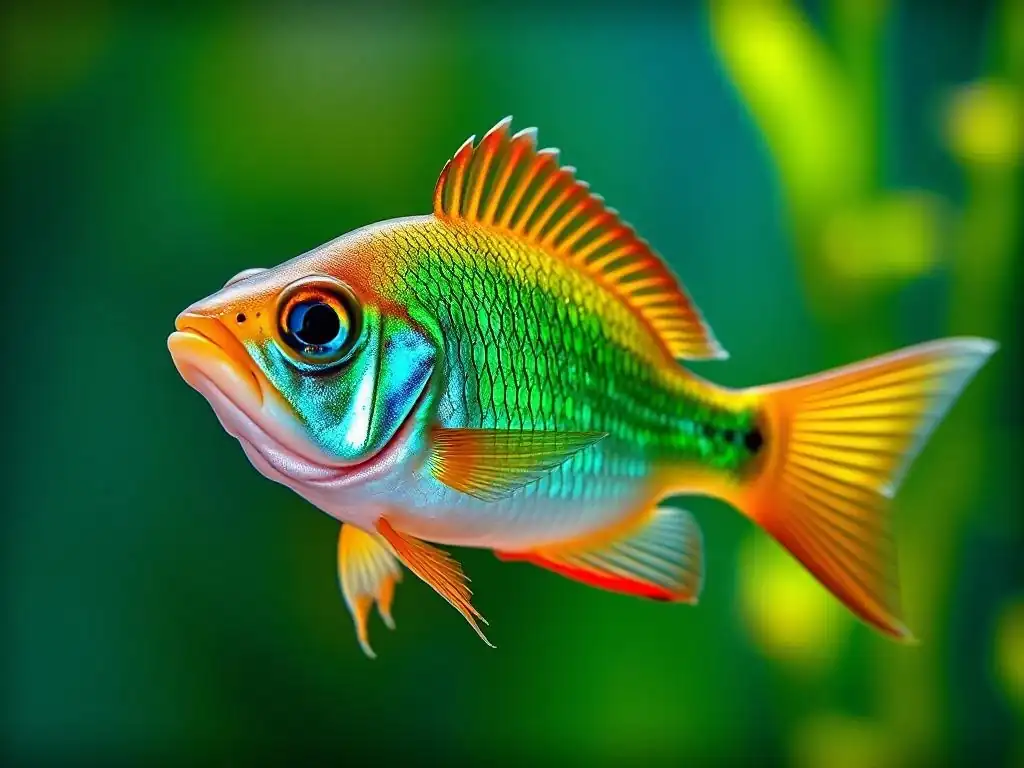
Recognizing the signs of malnutrition in dwarf cichlids is crucial for early intervention and preventing long-term health issues. One of the most common indicators is faded or dull coloration, as essential pigments like astaxanthin are often derived directly from their diet. For example, German Blue Rams lacking carotenes in their dwarf cichlid diet specifics will lose their vibrant orange and red hues within a few weeks, appearing pale yellow or grey. Another clear sign is stunted growth, where fish remain significantly smaller than their expected adult size despite reaching maturity.
Other symptoms include emaciation or a sunken belly, indicating a lack of caloric or protein intake, even if the fish appear to be eating. Lethargy, reduced activity, and a general lack of vigor are also common. Furthermore, a nutritionally deficient diet can lead to a compromised immune system, making the fish highly susceptible to common diseases like Ich, fin rot, or bacterial infections. In severe cases, skeletal deformities or fin erosion might be observed, particularly if there's a prolonged lack of essential vitamins and minerals.
Adjusting the Diet to Correct Deficiencies
Once nutritional deficiencies are identified, immediate adjustments to the dwarf cichlid diet specifics are necessary. The primary step is to diversify the food sources. If the fish have been on a monotonous diet of flakes, introduce a variety of high-quality live and frozen foods. For instance, if faded colors are observed, increase the frequency of feeding with krill, spirulina-enriched flakes, or frozen brine shrimp, all of which are rich in color-enhancing pigments. If stunted growth is an issue, focus on increasing high-protein live foods like newly hatched brine shrimp or bloodworms.
For emaciated fish, offer small, frequent feedings of highly palatable and easily digestible foods. Consider supplementing with vitamin drops designed for aquarium fish, which can be soaked into frozen or prepared foods. It's also important to ensure that the fish are actually consuming the food; if competition is an issue, implement target feeding. Monitor the fish closely for several weeks after dietary changes; improvements in coloration, activity, and body condition should become noticeable within 2-4 weeks. If no improvement is seen, other factors like water quality or disease should be investigated.
Advanced Feeding Techniques for Breeding Dwarf Cichlids
Conditioning Breeders with Nutrient-Rich Foods
Successful breeding of dwarf cichlids often hinges on proper conditioning, which involves providing a highly nutritious and varied dwarf cichlid diet specifics to prepare the fish for spawning. This conditioning period, typically lasting 2-4 weeks, focuses on increasing protein and fat intake to build up energy reserves and promote gonad development. Live foods are particularly effective during this phase due to their high nutritional value and palatability. For instance, feeding adult breeding pairs of Apistogramma agassizii live blackworms or grindal worms daily, supplemented with frozen mysis shrimp, can significantly increase egg production and fertility rates.
Examples of nutrient-rich foods for conditioning include:
- Live blackworms: Excellent source of protein and fat.
- Live grindal worms: Small, easy to culture, and very nutritious.
- Frozen bloodworms: Rich in iron and protein.
- Frozen mysis shrimp: High in protein and essential fatty acids.
- Newly hatched brine shrimp: Highly digestible and packed with nutrients for smaller species.
Offering multiple small meals throughout the day, rather than one large one, also helps maximize nutrient absorption and minimizes waste. This meticulous attention to their dwarf cichlid diet specifics can dramatically improve spawning success rates and the viability of the eggs and fry.
Feeding Fry: From Infusoria to Baby Brine Shrimp
Feeding dwarf cichlid fry requires specific, progressively larger food sources as they grow. Immediately after hatching, many dwarf cichlid fry are incredibly tiny and require microscopic food.
- Infusoria: For the first few days, especially for very small fry like those of Mikrogeophagus ramirezi, infusoria (microscopic organisms) are the ideal first food. These can be cultured by leaving vegetable matter (like lettuce leaves) in a jar of aquarium water for several days.
- Liquid fry food: Some commercial liquid fry foods can also serve as an initial food source, though they are generally less effective than live options.
As the fry grow, typically within 3-7 days, they can transition to slightly larger foods:
- Newly hatched brine shrimp (Artemia nauplii): This is the gold standard for dwarf cichlid fry. They are highly nutritious, swim actively, and are perfectly sized for fry that have absorbed their yolk sacs. Feeding newly hatched brine shrimp 3-4 times a day can lead to rapid growth, with fry often doubling in size within the first week.
- Micro worms: Another excellent option for transitioning fry, providing good protein.
As the fry continue to grow (around 2-3 weeks old), they can be introduced to finely crushed flakes or very small prepared fry foods, gradually transitioning to the adult dwarf cichlid diet specifics over several weeks. Consistent, small, and frequent feedings are crucial for high fry survival rates and healthy development.
Choosing the Right Foods: A Buyer's Guide
Evaluating Ingredients and Nutritional Content
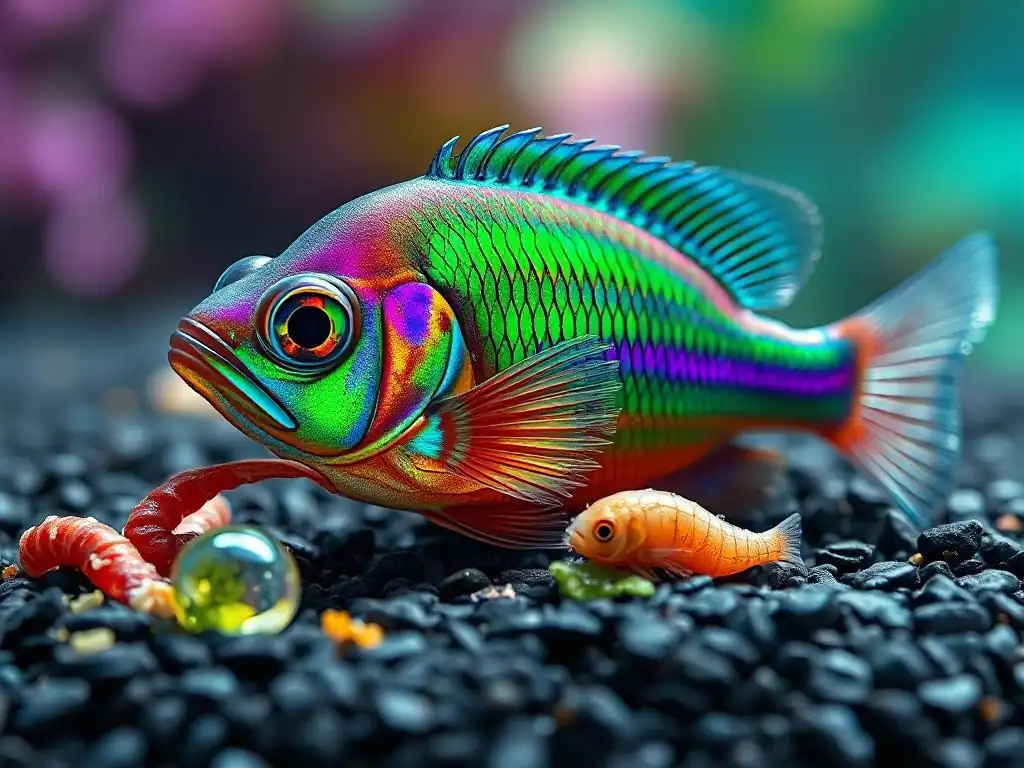
When selecting foods for your dwarf cichlids, a thorough evaluation of ingredients and nutritional content is paramount. Always check the ingredient list; the first few ingredients should be high-quality animal-based proteins such as whole fish meal, krill, shrimp, or squid. Avoid products where the first ingredients are primarily fillers like wheat flour, corn starch, or soy. A crude protein content of 40% or higher is generally recommended for dwarf cichlid diet specifics, along with moderate fat levels (8-15%) and low fiber (under 5-8%).
Look for specific nutritional additives that benefit cichlids, such as:
- Astaxanthin or other carotenoids: For color enhancement.
- Spirulina: Provides plant-based protein, vitamins, and pigments.
- Omega-3 fatty acids (DHA, EPA): Essential for overall health and immune function.
- Stabilized Vitamin C: An important antioxidant and immune booster.
Some premium foods will also list specific amino acid profiles, indicating a complete protein source. Understanding these factors ensures you're providing a genuinely nutritious dwarf cichlid diet specifics, not just empty calories.
Reputable Brands and Suppliers
Choosing foods from reputable brands and suppliers is crucial for ensuring quality and consistency in your dwarf cichlid diet specifics. Established brands often invest heavily in research and development, using high-quality ingredients and manufacturing processes that preserve nutritional value. Examples of widely trusted brands in the aquarium industry include Hikari, New Life Spectrum, Omega One, and NorthFin, all of which offer specialized cichlid formulas that meet high nutritional standards.
When sourcing live or frozen foods, opt for suppliers with good hygiene practices and clear origins. Local fish stores with high turnover rates for their live food cultures are often a good bet. For online purchases, check reviews regarding packaging and delivery, especially for frozen items. Purchasing from less reputable sources can lead to foods with inconsistent quality, expired ingredients, or even the introduction of pathogens, compromising your dwarf cichlid's health. Prioritizing quality over cost is a wise investment in the long-term well-being of your fish.
Troubleshooting Common Feeding Problems
Refusal to Eat: Identifying Potential Causes
When dwarf cichlids refuse to eat, it's a significant warning sign that requires immediate investigation. Several factors can contribute to a lack of appetite, and identifying the root cause is crucial for effective intervention.
- Stress: This is arguably the most common reason. New tank introductions, aggressive tank mates, improper water parameters (e.g., high ammonia, nitrite, or nitrate), or insufficient hiding spots can all stress fish to the point of refusing food. For instance, a Ram cichlid introduced to a tank with overly boisterous fish might hide and refuse food for several days.
- Illness: Many diseases, especially internal parasites or bacterial infections, manifest as a loss of appetite. Look for other symptoms like clamped fins, labored breathing, or abnormal swimming.
- Water Temperature: Temperatures outside their optimal range (e.g., too cold) can slow their metabolism and reduce appetite.
- Unpalatable Food: The food offered might not be appealing to the specific species or individual fish. Some dwarf cichlid diet specifics are more particular than others.
- Overfeeding: Paradoxically, if the water quality is poor due to previous overfeeding, fish may refuse to eat due to the toxic environment.
Systematically checking water parameters, observing tank dynamics, and attempting to offer different highly palatable foods are the first steps in diagnosing the issue.
Poor dwarf cichlid diet specifics can lead to a range of health issues, often due to nutritional deficiencies or digestive problems.
- Malawi Bloat (though less common in dwarf cichlids): While primarily associated with African cichlids, dwarf cichlids can suffer from similar digestive issues if fed diets too high in vegetable matter or indigestible fillers, leading to internal bacterial infections and swelling.
- Fatty Liver Disease: Caused by diets too high in fat or a monotonous diet lacking essential nutrients, leading to liver damage and lethargy.
- Hole-in-the-Head Disease (HITH): While its exact cause is debated, nutritional deficiencies (especially in vitamins and minerals like Vitamin C or D, or calcium/phosphorus imbalance) are often implicated as contributing factors, alongside poor water quality and internal parasites.
- Stunted Growth and Faded Coloration: Direct consequences of chronic nutritional deficiencies.
Prevention is key and revolves around providing a varied, high-quality dwarf cichlid diet specifics that mimics their natural intake. This means:
- Offering a mix of live, frozen, and high-quality prepared foods.
- Ensuring appropriate protein, fat, and fiber content.
- Avoiding overfeeding to maintain pristine water quality.
- Supplementing with spirulina or blanched vegetables where appropriate.
Regular water changes and monitoring water parameters also play a critical role in preventing diet-related illnesses by maintaining a healthy environment.
Conclusion: Mastering Dwarf Cichlid Nutrition for a Thriving Aquarium
Mastering dwarf cichlid nutrition is not merely about keeping them alive; it's about enabling them to thrive, displaying their full spectrum of vibrant colors, engaging behaviors, and ensuring their longevity. Moving beyond the simplistic approach of "just flakes" to embrace a diverse and specialized dwarf cichlid diet specifics is fundamental for any dedicated aquarist. By understanding their natural dietary needs, providing a balanced array of high-quality proteins, essential fats, and necessary vegetable matter, and implementing strategic feeding techniques, you lay the groundwork for a robust and healthy aquarium ecosystem.
The commitment to a species-appropriate diet directly translates into more resilient fish, better disease resistance, and often, successful breeding outcomes. From meticulously selecting nutrient-rich live and frozen foods to scrutinizing the ingredients of prepared pellets and granules, every choice contributes to their overall well-being. Recognizing the signs of nutritional deficiencies and promptly adjusting the diet further ensures that minor issues don't escalate into significant health problems. Ultimately, a well-fed dwarf cichlid is a vibrant, active, and enduring addition to any freshwater aquarium, rewarding the aquarist with years of beauty and fascination.
Frequently Asked Questions
What are the primary food sources for dwarf cichlids in their natural habitat?
Dwarf cichlids primarily consume small invertebrates, such as insect larvae and crustaceans, found among submerged vegetation and the substrate. They also supplement their diet with algae and plant matter.
Can I feed my dwarf cichlids only flake food?
While flake food can be a part of a dwarf cichlid's diet, relying solely on it is not recommended. Flake food often lacks the essential nutrients and variety needed for optimal health and vibrant coloration.
How often should I feed my dwarf cichlids?
Feeding dwarf cichlids small portions two to three times a day is generally recommended. Avoid overfeeding, which can lead to water quality issues and obesity in your fish.
What types of live or frozen foods are best for dwarf cichlids?
Excellent choices include daphnia, brine shrimp, bloodworms, and mosquito larvae. These foods provide essential proteins and natural enzymes that promote healthy growth and breeding.
Are there specific dietary considerations for different species of dwarf cichlids?
Yes, some species are more herbivorous than others. Researching the specific needs of your dwarf cichlid species is crucial. Some may benefit from vegetable-based supplements or algae wafers.
Okay, here's a final reflection designed for your article "Nutritional Needs of Dwarf Cichlids: Beyond Just Flakes," aiming to rank for the keyword "Dwarf cichlid diet specifics." It follows the structure you outlined and aims for an inspiring and reflective tone.
Final Reflection: Cultivating Vibrant Life
The journey into understanding the dwarf cichlid diet specifics reveals more than just the right flakes; it unveils a complex ecosystem within our aquariums, mirroring the delicate balance found in nature. Neglecting these nuances can lead to faded colors and shortened lifespans, highlighting the crucial role of informed care in ensuring these miniature marvels thrive.
This exploration has underscored how understanding the dietary needs of our dwarf cichlids is not merely a task, but an act of respect and responsibility. It's about recognizing that these creatures, though small, possess intricate requirements that demand our attention. The greatness of a nation and its moral progress can be judged by the way its animals are treated.
– Mahatma Gandhi. While Gandhi spoke of animals in general, the sentiment resonates deeply with the care we provide to our aquatic companions.
Now, as you step away from this article, consider the impact of your choices on the lives within your care. Are you truly providing the optimal environment for your dwarf cichlids to flourish? Let this knowledge inspire you to delve deeper, experiment with diverse food sources, and observe the vibrant results. Your dedication to understanding their needs will not only enhance their well-being but also deepen your connection with the fascinating world beneath the surface.
Unleash Your Cichlids' Vibrant Potential!
Thanks for diving into the world of dwarf cichlid nutrition! We hope you've gained valuable insights into providing your fish with the best possible diet. Now, let's put that knowledge into action!
Here are a few things you can do to further enhance your cichlids' well-being:
- Craft a personalized feeding schedule for your dwarf cichlids, incorporating a variety of live and frozen foods alongside high-quality flakes or pellets.
- Share this article with fellow aquarium enthusiasts to spread awareness about the importance of proper cichlid nutrition.
- Experiment with culturing your own live foods like daphnia or microworms to provide a truly enriching dietary experience.
What specific live food are you most excited to try introducing to your dwarf cichlids' diet this week?