
Yellow Tang Care: Mastering Diet, Algae Control & Disease Prevention Secrets

Welcome to Aquarium Mastery!
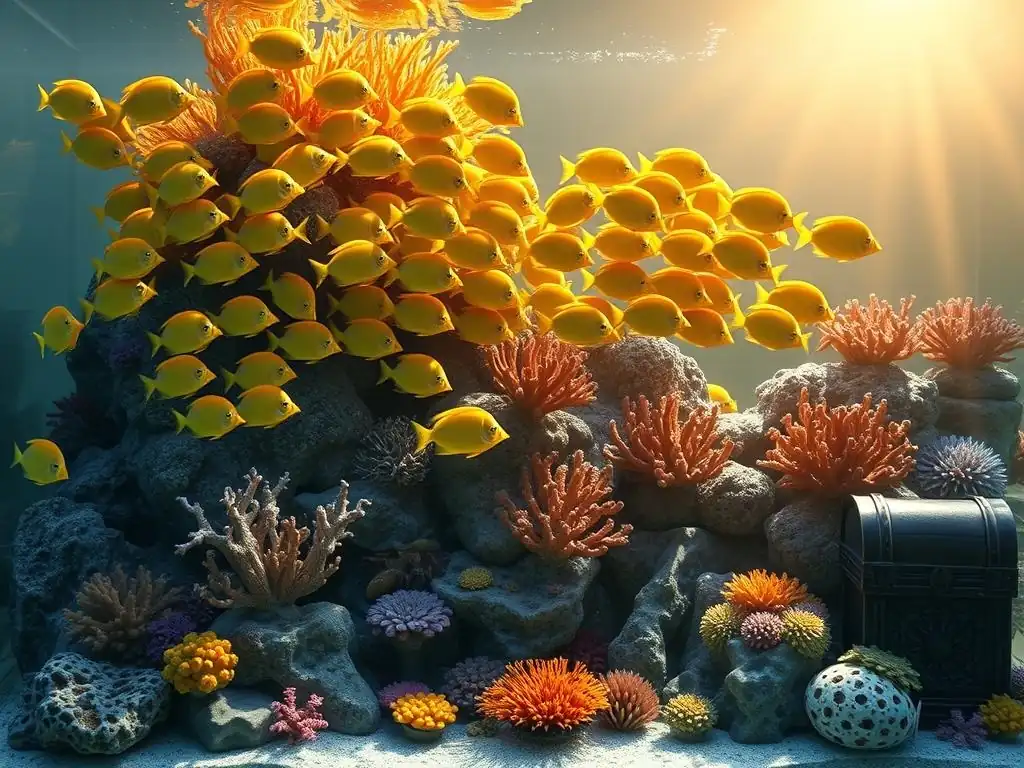
Ever wondered how to keep your vibrant Yellow Tang thriving in a saltwater paradise? Unlocking the secrets to their specific dietary needs is key, and we're diving deep into Yellow Tang Diet Maintenance Tips right here. Get ready to master algae control, understand essential nutrients, and learn how to prevent common diseases, ensuring your Yellow Tang enjoys a long and healthy life. Let's explore the secrets together!
- Understanding Yellow Tang Needs for Optimal Aquarium Health
- Yellow Tang Diet Maintenance Tips: A Comprehensive Guide
- Effective Algae Control in Yellow Tang Aquariums
- Yellow Tang Disease Prevention: Maintaining a Healthy Environment
- Choosing the Right Tank Mates for Yellow Tangs: Compatibility and Harmony
- Troubleshooting Common Yellow Tang Care Issues
- Conclusion: Ensuring a Thriving Yellow Tang in Your Aquarium
-
Frequently Asked Questions
- How often should I feed my Yellow Tang?
- What types of algae are best for a Yellow Tang's diet?
- Besides algae, what other foods can I offer my Yellow Tang?
- How can I prevent diseases in my Yellow Tang related to diet?
- What are some signs that my Yellow Tang is not getting enough of the right nutrients?
- Final Reflection: Embracing the Vibrant Life of Yellow Tangs
- Dive Deeper: Unlock Your Yellow Tang's Potential!
Understanding Yellow Tang Needs for Optimal Aquarium Health
Introduction to the Yellow Tang: A Vibrant Reef Resident
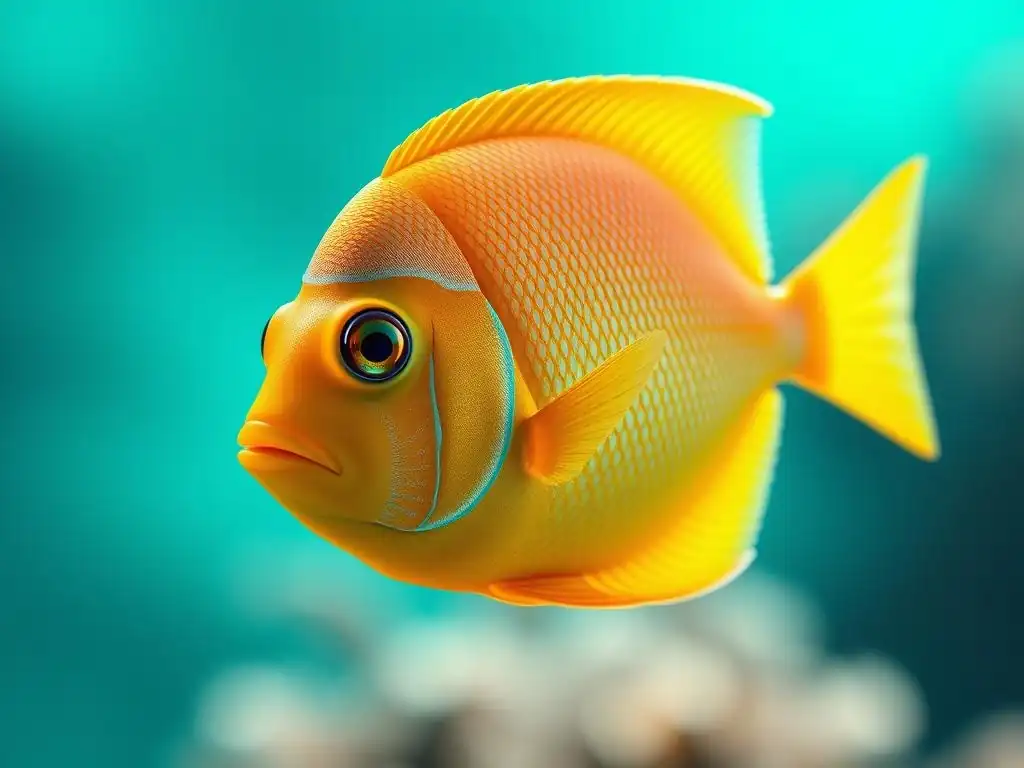
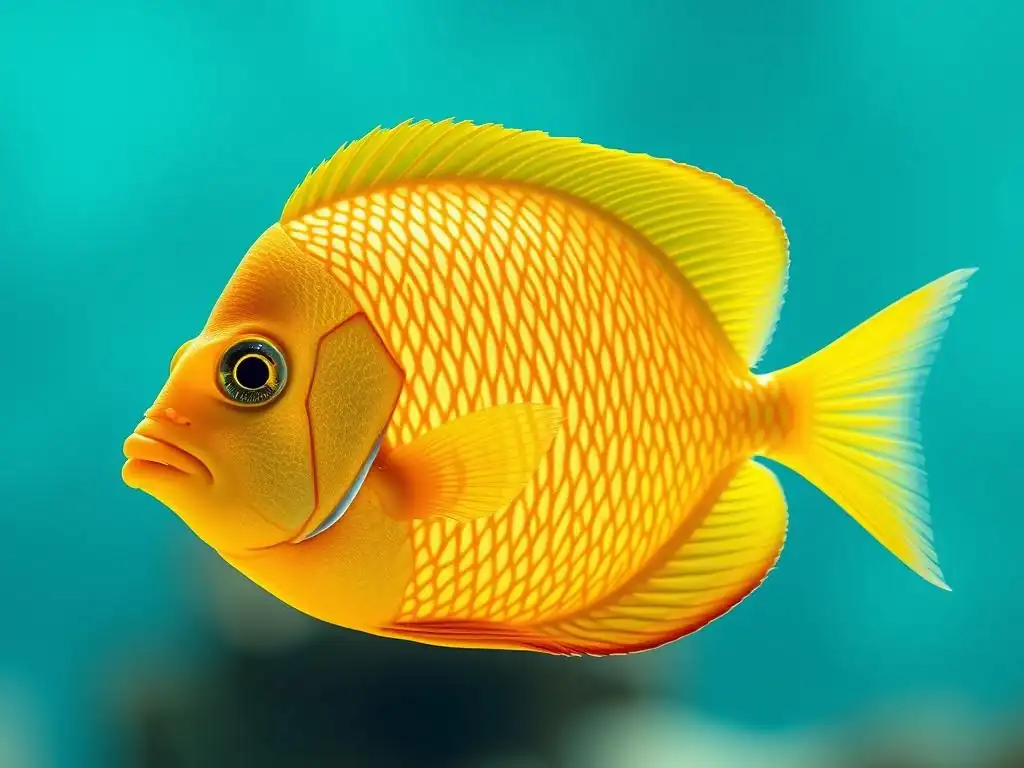
The Yellow Tang, scientifically known as Zebrasoma flavescens, is one of the most iconic and sought-after fish in the marine aquarium hobby. Renowned for its brilliant, uniform yellow coloration and graceful swimming, this species originates from the Indo-Pacific, with significant populations found around the Hawaiian Islands and the Ryukyu Islands of Japan.
In its natural reef habitat, the yellow tang plays a crucial ecological role as a diurnal herbivore, constantly grazing on various forms of benthic algae. Adults typically reach a size of about 7 to 8 inches (18-20 cm) in length, making them a substantial and active addition to a saltwater aquarium.
Beyond their aesthetic appeal, yellow tangs are valued for their natural algae-eating abilities, which can contribute to a cleaner, healthier reef tank. However, their long-term well-being in captivity hinges on understanding their specific environmental and dietary requirements. With proper care, including a well-planned Yellow tang diet maintenance tips regimen and stable tank conditions, these resilient fish can thrive for a remarkable lifespan, often exceeding 10 to 30 years in a well-maintained home aquarium, providing decades of vibrant beauty.
Key Considerations for Yellow Tang Care: Diet, Environment, and Health
Optimal care for yellow tangs revolves around three interconnected pillars: diet, environment, and health management. Their herbivorous nature dictates a diet rich in marine algae, requiring consistent feeding and access to grazing surfaces.
Without a proper Yellow tang diet maintenance tips plan, these fish can suffer from nutritional deficiencies, leading to issues like Head and Lateral Line Erosion (HLLE) or weakened immune systems. A stable and spacious environment is equally critical, as yellow tangs are active swimmers that require ample room to roam and establish territories, ideally in a tank no smaller than 75 gallons for a juvenile and 100 gallons or more for a mature adult.
Maintaining pristine water quality is the bedrock of a healthy environment, directly impacting both the tang's physical health and its susceptibility to disease. Key water parameters must be consistently monitored and maintained within specific ranges: temperature between 72-80°F (22-27°C), specific gravity (salinity) at 1.020-1.025, pH levels between 8.1-8.4, and ammonia and nitrite at undetectable levels (0 ppm), with nitrates ideally below 10-20 ppm. Regular water changes, robust filtration, and a vigilant approach to disease prevention, particularly through effective quarantine protocols for new arrivals, are paramount to ensuring a thriving and vibrant yellow tang.
Yellow Tang Diet Maintenance Tips: A Comprehensive Guide
The Importance of a Balanced Diet for Yellow Tangs
A balanced diet is not merely a recommendation but a fundamental necessity for the long-term health and vitality of yellow tangs. As obligate herbivores, their digestive systems are specifically adapted to process large quantities of plant matter, primarily marine algae. A diet lacking in sufficient fibrous green foods can lead to severe nutritional deficiencies, manifesting as faded coloration, lethargy, and a compromised immune system. This makes them highly susceptible to common marine ailments such as Marine Ich and, most notably, Head and Lateral Line Erosion (HLLE).
Implementing effective Yellow tang diet maintenance tips ensures that these active grazers receive the constant energy supply they need to fuel their high metabolism. Unlike many carnivorous fish, yellow tangs require frequent, small feedings throughout the day to mimic their natural grazing behavior on the reef. Providing a consistent and varied supply of appropriate foods directly translates to robust health, vibrant coloration, active swimming, and a significantly extended lifespan, allowing them to flourish within the confines of a captive environment.
Essential Components of a Yellow Tang Diet: Algae and Beyond
Natural Algae Grazing: Encouraging Healthy Feeding Habits
In their natural habitat, yellow tangs spend the majority of their day grazing on benthic microalgae and filamentous algae growing on rocks and substrate. This continuous feeding provides essential fiber and nutrients while also contributing to their active lifestyle. In a home aquarium, providing ample live rock is crucial, as it offers surfaces for beneficial algae to grow, allowing the tang to engage in its natural grazing behavior. A mature tank with established live rock will develop a biofilm and microalgae layers that the yellow tang will readily consume, mimicking its wild diet.
To encourage healthy natural grazing, ensure your aquarium has sufficient lighting to promote controlled algae growth on rockwork, without leading to nuisance blooms. A well-established biological filter and stable water parameters will also support the growth of desirable algae species. While natural grazing is beneficial, it is rarely sufficient to meet the complete nutritional needs of a yellow tang in captivity, making supplementation an absolute necessity for comprehensive Yellow tang diet maintenance tips.
Supplementing with Seaweed and Algae Sheets
Given that natural algae growth in most home aquariums is insufficient to sustain a yellow tang, supplementation with dried marine algae sheets (nori) is a cornerstone of their diet. These sheets are readily available, highly palatable, and provide the essential fibrous plant matter that yellow tangs require. It is crucial to use unseasoned, chemical-free varieties, often found in Asian markets or specialized aquarium stores. For an adult yellow tang, offering a piece roughly 3x3 inches in size, secured with an algae clip, once or even twice daily, is a common practice.
The tang will spend significant time picking at the sheet, mimicking its natural grazing. It is important to remove any uneaten portions after a few hours to prevent them from breaking down and fouling the water. Varying the type of seaweed offered, such as green, red, or brown nori, can provide a broader spectrum of nutrients. This consistent provision of high-quality marine algae is a critical component of effective Yellow tang diet maintenance tips.
Providing a Variety of Prepared Foods
While marine algae forms the bulk of a yellow tang's diet, offering a variety of high-quality prepared foods ensures a complete nutritional profile and prevents dietary boredom. High-quality marine flakes and pellets specifically formulated for herbivorous marine fish, rich in spirulina or other plant matter, should be offered regularly. These can provide essential vitamins and minerals that might be less abundant in dried algae sheets. For instance, a flake food with a minimum of 35% crude protein and 5% crude fat, designed for herbivores, would be suitable.
Frozen foods can also be incorporated as occasional treats, though sparingly due to their higher protein content. Frozen spirulina brine shrimp, mysis shrimp, or even finely chopped nutrient-rich greens like romaine lettuce (rinsed thoroughly) can be offered once or twice a week. The goal is to provide a diverse diet that covers all nutritional bases, complementing their primary diet of marine algae and ensuring robust health.
Creating a Feeding Schedule for Yellow Tangs: Frequency and Quantity
Yellow tangs are constant grazers in their natural environment, meaning they require frequent access to food throughout the day to support their high metabolism. A single large meal once a day is insufficient and can lead to digestive issues and nutrient deficiencies. Instead, it is highly recommended to feed yellow tangs small amounts multiple times a day, ideally 2-3 times, or even more if your schedule permits. This mimics their natural grazing behavior and ensures a steady supply of nutrients.
For prepared foods like flakes or pellets, offer only what the tang can consume within 2-3 minutes. For seaweed sheets, an algae clip can hold a piece in the tank for several hours, allowing the tang to graze at its leisure, but any uneaten portions should be removed before lights out or after 4-6 hours to maintain water quality. Consistent adherence to this feeding frequency and quantity is a cornerstone of effective Yellow tang diet maintenance tips.
Avoiding Overfeeding: Recognizing the Signs and Adjusting Portions
While yellow tangs require frequent feeding, overfeeding can lead to a cascade of negative consequences for both the fish and the aquarium ecosystem. Excess food that goes uneaten will quickly decompose, leading to elevated nutrient levels (nitrates and phosphates), which in turn fuel nuisance algae blooms and degrade water quality. Poor water quality is a significant stressor for fish, making them more susceptible to disease. Overfeeding can also directly impact the fish's health, potentially leading to fatty liver disease or swim bladder issues, though this is less common in active tangs.
Signs of overfeeding include visible uneaten food accumulating on the substrate or in crevices, cloudy water, and a rapid increase in nuisance algae such as diatoms or hair algae. If these signs are observed, it is crucial to immediately reduce the amount of food offered or decrease the feeding frequency. Adjust portions until all food is consumed promptly, ideally within a few minutes for prepared foods. Regular observation and fine-tuning of the Yellow tang diet maintenance tips are key to maintaining a healthy balance.
Effective Algae Control in Yellow Tang Aquariums
Why Algae Control is Crucial for Yellow Tang Health
While yellow tangs are renowned for their algae-grazing prowess, effective algae control extends beyond simply relying on your fish. Excessive or undesirable algae, such as thick mats of hair algae, cyanobacteria, or bubble algae, can pose significant problems in a marine aquarium. These nuisance algae can smother corals, impede water flow, and indicate underlying issues with water quality, specifically high nitrate and phosphate levels. A tank overrun with nuisance algae is not only unsightly but also stressful for its inhabitants.
A clean, balanced environment with controlled algae growth reduces the overall biological load and minimizes the presence of opportunistic pathogens. It ensures that the yellow tang is grazing on beneficial microalgae and supplemental foods rather than struggling through dense, unpalatable algal mats. Proactive algae control, therefore, is crucial for maintaining a low-stress environment, preventing water quality degradation, and ultimately promoting the long-term health and vibrant coloration of your yellow tang.
Natural Algae Control Methods: Utilizing Your Yellow Tang's Grazing Habits
Selecting the Right Algae Species for Consumption
Yellow tangs are primarily grazers of filamentous green algae, diatoms, and various types of microalgae that form thin films on rocks and glass. They are highly effective at keeping these surfaces clean, contributing significantly to the aesthetic and health of the aquarium. However, it's important to understand that they are generally less effective against tougher, calcified algae (like coralline algae, which is desirable), or problematic forms such as red slime algae (cyanobacteria) or bubble algae. Their preference for softer, easily digestible green algae makes them excellent natural janitors for common, less aggressive algal growths.
To maximize your yellow tang's natural grazing contribution, aim to cultivate a healthy, thin growth of green algae on your live rock and back glass. This provides a constant food source and encourages their natural behaviors. While they will graze on some types of hair algae, extremely dense or tough strains may require additional intervention.
Optimizing Tank Conditions to Encourage Algae Growth (For Consumption)
To leverage your yellow tang's natural grazing habits, it's beneficial to create conditions that support the growth of desirable algae species, without promoting nuisance blooms. This involves maintaining a moderate lighting schedule, typically 8-10 hours per day, which is sufficient for beneficial green algae to establish on live rock and tank surfaces. Ensuring adequate water flow across all areas of the rockwork also helps distribute nutrients and promotes healthy biofilm development, which is part of the tang's natural diet.
It's a delicate balance: you want enough algae to provide grazing opportunities for your tang, but not so much that it becomes unsightly or indicative of high nutrient levels. A well-established aquarium with stable water parameters will naturally develop these beneficial algal films. This integrated approach to algae management is an important aspect of effective Yellow tang diet maintenance tips.
Supplemental Algae Control Strategies: Beyond Natural Grazing
Manual Algae Removal: Tools and Techniques
Even with a diligent yellow tang on duty, manual algae removal remains an indispensable part of aquarium maintenance. This is especially true for areas the tang cannot reach, such as tight crevices, equipment, or for types of algae it doesn't consume. Tools like magnetic glass cleaners are excellent for daily or weekly cleaning of the front and side panels. For more stubborn spots or tougher algae on glass, a scraper with a plastic or metal blade (ensure it's safe for your tank material – plastic for acrylic, metal for glass) can be highly effective.
During routine water changes, a siphon can be used to vacuum algae off the substrate or to remove loose algae that has been scraped from surfaces. Dedicating 10-15 minutes during weekly maintenance to physically remove algae from glass, rocks, and equipment prevents build-up and significantly contributes to a cleaner, healthier environment.
Utilizing Algae-Eating Invertebrates
Introducing a diverse clean-up crew of algae-eating invertebrates can significantly bolster your algae control efforts, complementing your yellow tang's grazing habits. Snails such as turbo snails, Astrea snails, and trochus snails are excellent grazers of diatoms and green film algae, often reaching areas that fish cannot. For instance, a 100-gallon tank might benefit from 5-10 turbo snails to keep surfaces pristine. Hermit crabs, particularly various species of reef-safe hermits, can also help by sifting through sand and consuming detritus and some algal films.
When selecting invertebrates, ensure they are compatible with your yellow tang and other tank inhabitants. Avoid species that might be predatory or competitive. A varied clean-up crew covers more ground and consumes a wider range of algal types, contributing to a more balanced and cleaner aquarium ecosystem.
Chemical Algae Control: When and How to Use with Caution
Chemical algae control methods should always be considered a last resort, as they often address the symptoms (algae growth) rather than the root cause (nutrient imbalance). Products designed to remove phosphates (e.g., granular ferric oxide, GFO) or reduce nitrates (e.g., bio-pellets, denitrators) can be highly effective indirect chemical controls, as they starve the nuisance algae of essential nutrients. These methods are generally safe for reef tanks when used correctly and are preferred over broad-spectrum algaecides.
Direct algaecides, which are designed to kill algae, should be used with extreme caution in a reef or fish-only tank. Many contain copper or other compounds that can be toxic to corals, invertebrates, and even sensitive fish like tangs. If you must use them, follow the manufacturer's instructions precisely, ensure excellent aeration, and monitor your fish closely for any signs of stress. Prioritize identifying and eliminating the source of excess nutrients, such as overfeeding or insufficient water changes, before resorting to chemical solutions.
Yellow Tang Disease Prevention: Maintaining a Healthy Environment
Common Diseases Affecting Yellow Tangs: Identification and Prevention
Marine Ich (White Spot Disease)
Marine Ich, caused by the parasitic ciliate Cryptocaryon irritans, is arguably the most common and feared disease in saltwater aquariums. Yellow tangs are particularly susceptible due to their active nature and sometimes high-stress levels during shipping or introduction to new tanks. Symptoms include small, white spots resembling salt grains on the fish's body and fins, rapid breathing, flashing (scratching against rocks), and lethargy. If left untreated, it can quickly overwhelm a fish, leading to death.
Prevention is paramount and relies heavily on minimizing stress, maintaining stable, pristine water quality, and strictly adhering to quarantine procedures for all new arrivals. Treatment typically involves transferring the infected fish to a hospital tank for copper-based medication or hyposalinity treatment, as these methods are usually not safe for the main display tank with corals and invertebrates.
Head and Lateral Line Erosion (HLLE)
Head and Lateral Line Erosion (HLLE) is a perplexing and frustrating condition that commonly affects tangs, including the yellow tang. It manifests as pitting and lesions on the head, around the eyes, and along the lateral line, sometimes exposing bone or cartilage. While the exact cause is debated, leading theories point to nutritional deficiencies (especially a lack of marine-derived vitamins and varied algae), poor water quality, the use of activated carbon (particularly if it leaches phosphates), stray voltage, and chronic stress.
Prevention is multifaceted: providing a diverse and nutrient-rich Yellow tang diet maintenance tips that emphasizes marine algae and vitamin supplementation (e.g., foods soaked in Selcon), maintaining impeccable water quality with regular water changes, ensuring proper grounding of electrical equipment to eliminate stray voltage, and avoiding prolonged or excessive use of activated carbon are crucial steps. While recovery is possible, it can be a slow process, and severe damage may be permanent.
Brooklynella Hostilis
Brooklynella hostilis is a highly virulent ciliate parasite, often referred to as "Clownfish Disease" due to its prevalence in clownfish, but it can equally devastate other marine fish, including yellow tangs. This parasite causes rapid deterioration, characterized by an excessive production of slime coat, making the fish appear cloudy or "peeling." Other symptoms include rapid breathing, clamped fins, lethargy, and visible skin lesions. The disease progresses extremely quickly, often leading to death within a few days if left untreated.
Prevention relies heavily on stringent quarantine protocols for all new fish to avoid introducing the parasite into the main display tank. Because of its rapid progression, early detection and immediate treatment are critical. Treatment typically involves freshwater dips to dislodge the parasites, followed by formalin baths or other appropriate medications in a hospital tank. Given the speed and severity of Brooklynella, a proactive approach to tank hygiene and new fish introduction is vital.
Quarantine Procedures for New Yellow Tangs: Minimizing Disease Introduction
Implementing a strict quarantine procedure for all new yellow tangs (and any new fish or invertebrates) is the single most effective measure to prevent the introduction of diseases into your established display tank. A dedicated quarantine tank (QT) of at least 20-30 gallons for a juvenile tang, equipped with a heater, simple filter (sponge filter or hang-on-back filter), and PVC pipes for hiding spots, is essential. This tank should be separate from your main system and not share water or equipment.
The recommended quarantine period is typically 4-6 weeks. During this time, the tang should be observed closely for any signs of disease. Many aquarists opt for prophylactic treatment for common parasites like Ich (e.g., using a copper-based medication or tank transfer method) even if no symptoms are visible, as some parasites can be dormant. This proactive approach significantly reduces the risk of wiping out your entire established fish population due to a single infected new arrival.
Maintaining Optimal Water Quality: The Foundation of Disease Prevention
Regular Water Changes
Regular water changes are fundamental to maintaining optimal water quality and are a cornerstone of disease prevention for yellow tangs. They serve multiple vital functions: diluting and removing accumulated nitrates, phosphates, and other dissolved organic compounds that can become toxic at high concentrations; replenishing essential trace elements that are consumed by corals and fish; and stabilizing pH and alkalinity. For a typical reef or fish-only tank, a 10-20% weekly or bi-weekly water change is generally recommended.
For a 100-gallon system, this translates to changing 10-20 gallons of water at a time. Always use high-quality RO/DI (reverse osmosis/deionized) water mixed with a reputable marine salt mix, ensuring the new water matches the temperature and salinity of the existing tank water to minimize stress on the fish. Consistency in water changes is far more important than the exact volume, as it prevents sudden fluctuations in water parameters.
Monitoring Water Parameters
Consistent monitoring of key water parameters is crucial for yellow tang health, as even slight deviations can cause stress and compromise their immune system. Regular testing should include:
- Salinity: 1.023-1.026 specific gravity (or 32-35 ppt)
- pH: 8.1-8.4
- Temperature: 72-80°F (22-27°C)
- Ammonia (NH3/NH4+): 0 ppm
- Nitrite (NO2-): 0 ppm
- Nitrate (NO3-): Ideally below 10-20 ppm for fish-only, lower for reef tanks.
- Alkalinity, Calcium, Magnesium: Important for reef tanks, but stability is key for fish too.
Invest in reliable test kits and establish a routine for testing, such as weekly for basic parameters and monthly for others. Consistent stability within these ranges is more beneficial than striving for absolute perfect numbers, as fluctuations are more detrimental than slightly off but stable parameters.
Proper Filtration
A robust and well-maintained filtration system is indispensable for keeping a yellow tang healthy and preventing disease. It typically involves a combination of mechanical, biological, and chemical filtration.
- Mechanical Filtration: Filter socks, sponges, or filter floss remove particulate matter and uneaten food, preventing them from breaking down and polluting the water. Filter socks should be changed or cleaned every few days, and sponges rinsed weekly.
- Biological Filtration: Live rock and bio-media (ceramic rings, bio-balls) provide surface area for beneficial bacteria that convert toxic ammonia and nitrite into less harmful nitrate. A well-cured live rock base of 1-2 pounds per gallon is often recommended.
- Chemical Filtration: Activated carbon removes dissolved organic compounds and odors, improving water clarity. Granular Ferric Oxide (GFO) or other phosphate removers can be used to control phosphates, a primary nutrient for nuisance algae. Chemical media should be replaced regularly as per manufacturer instructions, typically monthly.
Regular maintenance of all filtration components is vital; a clogged filter sock or saturated carbon can quickly lead to degraded water quality and increased stress for your yellow tang.
Recognizing Early Signs of Disease: Proactive Observation and Intervention
Proactive observation is one of the most powerful tools in disease prevention and early intervention. Daily, careful observation of your yellow tang's behavior, appearance, and feeding habits can alert you to potential issues before they become critical. Look for subtle changes that deviate from their normal state.
Key signs to watch for include:
- Behavioral changes: Clamped fins, rapid or labored breathing, scratching or "flashing" against rocks/substrate, hiding more than usual, lethargy, listlessness, or abnormal swimming patterns.
- Physical changes: Visible spots (white, black, or red), lesions, sores, frayed fins, cloudy eyes, faded or darkened coloration, excessive slime coat, or unusual growths.
- Appetite changes: Refusal to eat, spitting out food, or a significant decrease in appetite.
If any of these signs are observed, act quickly. Isolate the fish in a hospital tank if possible, verify the symptoms, and research appropriate treatments. Early detection and intervention significantly increase the chances of successful recovery and prevent the spread of disease to other tank inhabitants.
Choosing the Right Tank Mates for Yellow Tangs: Compatibility and Harmony
Understanding Yellow Tang Temperament: Avoiding Aggression and Stress
Yellow tangs, while generally peaceful herbivores, can exhibit territorial and aggressive behaviors, especially towards other tangs or fish that share similar body shapes or dietary needs. This aggression is often exacerbated in smaller tanks where space is limited, and territories cannot be adequately established. A tank that is too small (less than 100 gallons for an adult tang) can lead to chronic stress for the yellow tang and its tank mates, increasing susceptibility to disease.
When selecting tank mates, it's crucial to consider the yellow tang's semi-aggressive nature. Providing ample swimming space, plenty of hiding spots (live rock caves and overhangs), and introducing fish in a strategic order (tang usually last, or simultaneously with other tangs if in a very large tank) can help diffuse potential conflicts. Understanding and respecting their temperament is key to creating a harmonious community.
Compatible Fish Species for a Yellow Tang Aquarium
When choosing tank mates for a yellow tang, aim for species that occupy different niches, have different body shapes, and are generally peaceful or semi-aggressive enough to hold their own without being overly dominant. Good candidates include:
- Clownfish: Ocellaris, Percula, and other common clownfish species are generally peaceful and occupy different areas of the tank.
- Gobies: Watchman gobies, Diamond gobies, and various shrimp gobies are excellent bottom dwellers that won't compete for swimming space.
- Blennies: Lawnmower blennies and Starry blennies are primarily herbivorous but tend to stay on rocks and substrate, avoiding direct competition.
- Dottybacks: Many dottyback species are colorful and stay relatively small, often occupying rockwork.
- Certain Damselfish: While some can be aggressive, species like the Yellowtail Damselfish can be compatible in larger tanks.
- Wrasses: Cleaner wrasses, Six-Line wrasses, and various fairy/flasher wrasses are active and typically peaceful, adding color and movement.
These species generally coexist well with yellow tangs, contributing to a diverse and active marine environment.
Incompatible Fish Species to Avoid
To maintain peace and prevent stress or injury in your yellow tang aquarium, avoid tank mates that are highly aggressive, predatory, or too similar in appearance or dietary needs.
- Other Tangs (especially Zebrasoma species): Introducing another yellow tang or tangs of similar shape (e.g., Sailfin Tang, Purple Tang) into anything but a very large (200+ gallon) and well-structured tank is highly likely to result in severe aggression and fighting. If multiple tangs are desired, they often need to be added simultaneously as juveniles to a vast system.
- Large Predatory Fish: Lionfish, large groupers, or large moray eels can view yellow tangs as potential food, especially if the tang is smaller.
- Very Small or Delicate Fish: Extremely small gobies, dartfish, or pipefish may be intimidated or outcompeted for food by the more boisterous yellow tang.
- Aggressive Angelfish: Some larger, more aggressive angelfish species can sometimes bully or compete with tangs.
Careful research into each potential tank mate's temperament, adult size, and specific needs is crucial to ensure a thriving and harmonious community aquarium.
Troubleshooting Common Yellow Tang Care Issues
Addressing Fin Nipping and Aggression
If your yellow tang begins exhibiting fin nipping or overt aggression towards other tank inhabitants, it's crucial to identify the underlying cause. Often, this behavior stems from insufficient tank size, competition for resources, or the introduction of a new fish perceived as a threat or rival. A tank smaller than 100 gallons for an adult yellow tang can significantly contribute to territorial disputes.
To mitigate aggression, ensure your tank provides ample swimming space and plenty of hiding spots and visual barriers created by live rock. Rearranging the rockwork can sometimes disrupt established territories and reduce aggression. If a new addition is being targeted, consider isolating the aggressor (the tang) in a "time-out" box within the tank for a few days, or temporarily removing it to a separate hospital tank if possible.
Introducing new fish after dark can also help them settle in before the tang discovers them. Long-term, providing a diverse Yellow tang diet maintenance tips with consistent feeding can reduce food-related aggression.
Resolving Feeding Problems and Dietary Deficiencies
A yellow tang that refuses to eat, exhibits faded coloration, or shows signs of Head and Lateral Line Erosion (HLLE) may be experiencing feeding problems or dietary deficiencies. The first step is to check all water parameters for stability and optimal ranges, as poor water quality is a common stressor that suppresses appetite. Also, observe for any signs of disease (e.g., Marine Ich) that might be impacting its ability or willingness to eat.
Review your Yellow tang diet maintenance tips to ensure it's diverse and rich in marine algae. Try offering different types of nori or high-quality spirulina-based flakes and pellets. Soaking foods in a vitamin supplement like Selcon or Vita-Chem can enhance their palatability and nutritional value, often stimulating a reluctant eater. Offer small amounts frequently throughout the day to mimic natural grazing. If the tang continues to refuse food and shows signs of distress, further investigation into underlying health issues may be necessary.
Managing Algae Blooms and Water Quality Imbalances
Algae blooms (e.g., green hair algae, diatoms, cyanobacteria) are a common issue in aquariums and often signal an underlying water quality imbalance, primarily elevated nitrates and phosphates. While yellow tangs graze on some algae, excessive blooms indicate a problem beyond their control. The first step is to identify the source of excess nutrients. Common culprits include overfeeding, insufficient water changes, inadequate filtration, or excessive light duration/intensity.
Implement corrective actions: reduce feeding portions and frequency, increase the frequency and volume of water changes (e.g., 20-25% twice a week temporarily), clean mechanical filter media (filter socks, sponges) more often, and ensure chemical filtration (carbon, GFO) is fresh and effective. Manual removal of the nuisance algae is also crucial to reduce biomass. Addressing the root cause of the nutrient imbalance is key to long-term algae control and maintaining a healthy environment for your yellow tang.
Conclusion: Ensuring a Thriving Yellow Tang in Your Aquarium
Recap of Key Yellow Tang Care Principles
Mastering yellow tang care revolves around a consistent and holistic approach to their needs. Providing a spacious, meticulously maintained aquarium with stable water parameters is the foundation, ensuring a low-stress environment. Central to their well-being is a diverse and consistent Yellow tang diet maintenance tips, heavily reliant on marine algae, supplemented by high-quality prepared foods, and offered frequently to support their active grazing nature. Equally critical is a proactive disease prevention strategy, most effectively implemented through strict quarantine procedures for all new arrivals and vigilant observation for early signs of illness.
By faithfully adhering to these core principles – a suitable environment, a balanced diet, and robust disease prevention – aquarists can expect to enjoy a vibrant, healthy yellow tang for many years. These iconic fish not only add stunning visual appeal to a saltwater tank but also contribute to its ecological balance through their natural grazing habits, making them a truly rewarding inhabitant for the dedicated marine hobbyist.
Resources for Further Learning and Support
The journey of aquarium keeping, especially with specialized species like the yellow tang, is one of continuous learning and adaptation. To deepen your understanding and troubleshoot specific challenges, numerous resources are available. Reputable online forums and communities dedicated to marine aquariums offer a wealth of shared experience and real-time advice from seasoned hobbyists. Engaging with your local fish store (LFS) can also provide personalized guidance and access to quality supplies.
Furthermore, comprehensive aquarium books and scientific articles provide in-depth information on fish physiology, water chemistry, and disease management. Never hesitate to seek advice or share your experiences; the collective knowledge of the aquarist community is a powerful tool for ensuring the long-term health and success of your yellow tang and the entire aquarium ecosystem.
Frequently Asked Questions
How often should I feed my Yellow Tang?
Yellow Tangs should be fed multiple small meals throughout the day, typically 2-3 times. This mimics their natural grazing behavior and ensures they receive sufficient nutrients.
What types of algae are best for a Yellow Tang's diet?
They thrive on a diet rich in algae, with green hair algae and nori seaweed being excellent choices. Supplementation with high-quality flake or pellet food is also beneficial.
Besides algae, what other foods can I offer my Yellow Tang?
While algae should be the cornerstone of their diet, you can also offer them blanched vegetables like zucchini or spinach. This provides essential vitamins and minerals for optimal health.
Maintaining a varied and nutritious diet is crucial for preventing diseases. Also, ensure proper water parameters and quarantine new arrivals to avoid introducing pathogens.
What are some signs that my Yellow Tang is not getting enough of the right nutrients?
Signs of poor nutrition include faded coloration, lethargy, and fin erosion. If you observe these symptoms, review your feeding practices and consider supplementing their diet immediately.
Final Reflection: Embracing the Vibrant Life of Yellow Tangs
The vibrant yellow of a healthy Yellow Tang is more than just a splash of color in an aquarium; it's a testament to responsible care and a deep understanding of their needs. Mastering the nuances of their diet, algae control, and disease prevention is not merely a task, but a commitment to ensuring these magnificent creatures thrive in our care. The knowledge shared within this article, therefore, extends beyond simple fishkeeping, touching upon the very essence of ethical aquarium practices in a world increasingly aware of its impact on marine ecosystems.
The journey of understanding Yellow Tangs has profoundly shaped my perspective on responsible aquarium keeping. It's a constant reminder that our actions, however small, have ripple effects on the delicate balance of marine life. The dedication required to provide them with a suitable environment, a balanced diet, and vigilant disease prevention is a reflection of our respect for the natural world. In the end, we will conserve only what we love; we will love only what we understand; and we will understand only what we are taught.
- Baba Dioum. This quote perfectly encapsulates the spirit of this article: to educate, to foster understanding, and ultimately, to inspire conservation through responsible aquarium keeping.
As you close this article, I invite you to reflect on the profound responsibility that comes with keeping Yellow Tangs. Consider how you can apply these diet maintenance tips and preventative measures to create a thriving environment for these beautiful fish. Let us all strive to be more than just hobbyists; let us be stewards of the ocean, ensuring that the vibrant yellow of the Yellow Tang continues to grace our aquariums for generations to come, a symbol of our commitment to responsible and sustainable practices.
Dive Deeper: Unlock Your Yellow Tang's Potential!
Thank you for exploring the world of Yellow Tang care with us! We hope you’ve gained valuable insights into keeping these vibrant fish healthy and thriving. Now, let's put that knowledge into action:
- Immediately review your current feeding schedule for your Yellow Tang. Are you providing enough algae and varied nutrition?
- Explore innovative algae control methods discussed – could adding a specific type of snail or implementing a refugium benefit your tank?
- Share this article with fellow reef enthusiasts to collectively improve Yellow Tang care practices and combat common diseases.
What's one small change you can make today to significantly improve your Yellow Tang's well-being?