
Do Otocinclus Need to Be in Groups? The Social Life of an Oto

Welcome to Aquarium Mastery!
Ever wondered if your tiny Otocinclus catfish feels lonely in your aquarium? Dive into our comprehensive guide to unravel the secrets of Otocinclus schooling behavior requirements and discover how to create a thriving social environment for these fascinating algae eaters. Is a solitary Oto a happy Oto? Let's find out!
- Understanding Otocinclus Catfish: An Introduction to Oto Social Behavior
- The Importance of Group Size for Otocinclus Health and Well-being
- Otocinclus Schooling Behavior Requirements: A Deep Dive
- Choosing the Right Tank Mates for Your Otocinclus School
- Maintaining a Healthy Otocinclus School: Tank Setup and Care
- Addressing Common Concerns About Otocinclus Social Needs
- Conclusion: Prioritizing Social Needs for Healthy Otocinclus Catfish
- Frequently Asked Questions
- Final Reflection: Understanding the Oto's Need for Community
- Transform Your Tank: Cultivate a Thriving Oto Community!
What are Otocinclus Catfish? A Brief Overview for Aquarium Keepers
Otocinclus catfish, often affectionately called "Otos," are small, peaceful, and highly sought-after freshwater fish known for their exceptional algae-eating capabilities. Originating from the densely vegetated, slow-moving tributaries and floodplains of South America, particularly within the Amazon basin, these diminutive loricariids typically reach an adult size of about 1.5 to 2 inches (3.8-5 cm). Their subtle, mottled coloration allows them to blend seamlessly with submerged wood and plant matter, making them a discreet yet effective cleanup crew in many community aquariums.
Despite their small stature, Otocinclus play a significant role in maintaining tank cleanliness by diligently grazing on various forms of soft algae, including brown diatom algae and green spot algae. Their gentle nature makes them an ideal addition to planted tanks and peaceful community setups, where they pose no threat to other fish or delicate plant leaves. However, their delicate constitution and specific environmental needs, especially concerning water quality and social structure, necessitate a thorough understanding of their care requirements to ensure their longevity and well-being.
Why Understanding Otocinclus Schooling Behavior Matters for Your Aquarium
Understanding the social dynamics of Otocinclus is paramount for any aquarist considering these charming fish. Unlike some solitary bottom-dwellers, Otos are inherently social creatures that thrive when kept in appropriate groups. Ignoring their fundamental social needs can lead to severe stress, compromised immune systems, and a significantly shortened lifespan, often resulting in premature loss within weeks or months. Their natural Otocinclus schooling behavior requirements are not merely a preference but a crucial aspect of their biological and psychological well-being.
When Otocinclus are kept in isolation or in insufficient numbers, they often become withdrawn, lethargic, and less inclined to graze, leading to poor health and a failure to thrive. A well-established school, conversely, exhibits natural behaviors, including synchronized grazing, playful interactions, and a visible sense of security. Recognizing and accommodating these Otocinclus schooling behavior requirements is not just about keeping them alive, but about allowing them to exhibit their full spectrum of natural behaviors and flourish in your home aquarium, contributing positively to the tank's ecosystem.
The Importance of Group Size for Otocinclus Health and Well-being
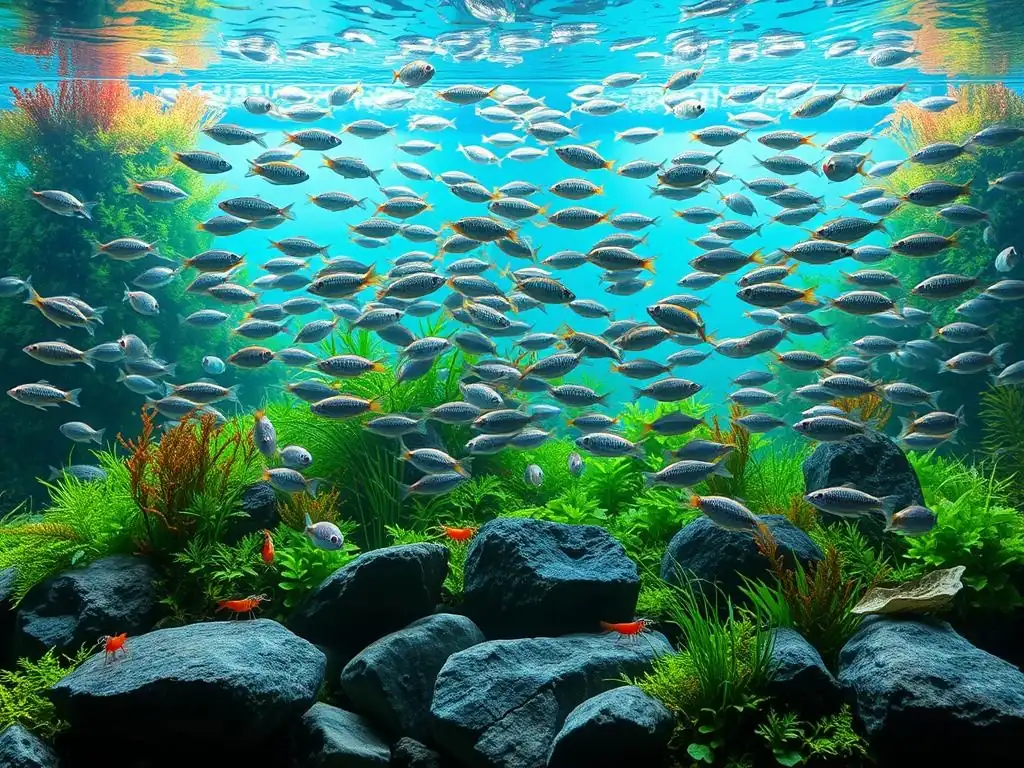
In their native South American habitats, Otocinclus catfish are typically found in large aggregations, often numbering in the dozens, clinging to submerged vegetation, roots, and driftwood in clear, oxygen-rich waters. These natural schooling formations serve multiple vital purposes, primarily as a defense mechanism against predators. Being part of a large group dilutes the risk for any single individual, making it harder for predators to target one fish. Furthermore, schooling enhances foraging efficiency, as multiple eyes can locate scarce food sources more effectively.
Observations of wild Otocinclus populations show them actively grazing together, moving in unison across surfaces, a behavior that underscores their strong social cohesion. This collective behavior is deeply ingrained in their biology, making the presence of conspecifics a fundamental aspect of their sense of security and overall well-being. Replicating, as much as possible, these natural Otocinclus schooling behavior requirements in an aquarium environment is key to their successful husbandry.
Stress Reduction in Otocinclus: How Group Dynamics Play a Crucial Role
The presence of a school significantly mitigates stress in Otocinclus catfish. When an Oto is isolated, it lacks the inherent security that comes from being part of a larger group, making it feel vulnerable and exposed. This heightened state of anxiety can manifest as constant hiding, refusal to feed, and a general state of lethargy. Prolonged stress directly impacts their immune system, making them highly susceptible to common aquarium diseases such as Ich (white spot disease) or various bacterial infections, which can quickly become fatal for these delicate fish.
Conversely, Otocinclus kept in appropriate groups exhibit greater confidence, spend more time actively grazing and exploring the tank, and are less prone to succumbing to illness. The communal reassurance provided by their school allows them to behave naturally, reducing their physiological stress responses and promoting robust health. This social dynamic is crucial; a secure group translates directly into a healthier, more active, and longer-lived Otocinclus.
Optimal Otocinclus Group Size: How Many Otos Should You Keep Together?
For optimal health and to truly observe natural Otocinclus schooling behavior, a minimum group size of six to ten individuals is highly recommended. While some aquarists might attempt to keep smaller groups of three to five, these numbers are generally insufficient for the Otos to feel truly secure and thrive; they often remain shy and stressed. A group of at least six allows them to establish a comfortable social dynamic, with ten or more being even more beneficial, provided the tank size can accommodate them without overcrowding.
For instance, a standard 10-gallon (approximately 38-liter) aquarium might barely support three to four Otos, but they would likely remain stressed. A 20-gallon long (approximately 76-liter) tank, with its larger footprint, is a much better starting point for a group of six to eight. For a thriving school of ten or more Otos, a 30-gallon (approximately 114-liter) or larger aquarium is ideal, providing ample grazing surfaces and swimming space. Prioritizing these optimal group sizes directly addresses their fundamental Otocinclus schooling behavior requirements.
Otocinclus Schooling Behavior Requirements: A Deep Dive
Do Otocinclus Need to School? Examining the Necessity vs. Preference
The question of whether Otocinclus need to school is often debated, but expert consensus and observational evidence strongly suggest it is a necessity rather than a mere preference. Isolated Otocinclus frequently exhibit signs of severe distress, including prolonged periods of hiding, a complete loss of appetite, and a general failure to thrive, leading to significantly shortened lifespans, often dying within a few weeks or months. This stark contrast to the lively, active behavior of Otos in a well-established school underscores the critical nature of their social needs.
Their survival strategy in the wild relies heavily on group cohesion for safety and foraging efficiency. When this natural social structure is absent in an aquarium, the individual fish perceives itself as highly vulnerable, triggering chronic stress responses. Therefore, providing for their Otocinclus schooling behavior requirements is not just about observing natural behaviors; it is a fundamental aspect of their survival and well-being in captivity.
Benefits of Keeping Otocinclus in Schools: Improved Health and Activity
Keeping Otocinclus in appropriate schools yields numerous benefits, directly contributing to their improved health and overall activity levels. In a group, Otos exhibit greater confidence, leading to more active and visible grazing throughout the tank, which in turn enhances their effectiveness as algae controllers. This collective confidence also encourages them to explore their environment more openly, rather than constantly seeking refuge.
Furthermore, a school dynamic often stimulates their feeding response. When one Oto begins to graze on supplemental foods like blanched vegetables or algae wafers, others are more likely to follow suit, ensuring adequate nutrition for the entire group. This communal activity not only makes them more robust but also provides a fascinating display of their natural Otocinclus schooling behavior, transforming them from shy, reclusive fish into active, engaging members of your aquarium community.
Recognizing Signs of Stress in Solo or Small Groups of Otocinclus
Recognizing the signs of stress in Otocinclus is crucial for timely intervention, especially when they are kept in isolation or insufficient numbers. A primary indicator is constant hiding, where the fish spends most of its time tucked away behind filters, under decorations, or within dense plant cover, rarely venturing into open spaces. Another common sign is a noticeable pallor or dullness in their coloration, as stressed fish often lose their vibrant hues.
Other critical symptoms include rapid gill movement, even in well-oxygenated water, indicating respiratory distress or general anxiety; a complete lack of appetite or a refusal to graze on available algae or supplemental foods; and erratic swimming patterns, such as darting quickly or listlessness. Observing any of these signs in your Otocinclus should prompt an immediate assessment of their social environment and a consideration of increasing their group size to meet their inherent Otocinclus schooling behavior requirements.
Choosing the Right Tank Mates for Your Otocinclus School
Compatible Tank Mates: Ensuring a Peaceful Community Aquarium
Selecting appropriate tank mates is vital for the well-being of your Otocinclus school, as their small size and peaceful nature make them vulnerable. Ideal companions are small, non-aggressive fish that occupy different levels of the water column and do not compete directly for food or space. Excellent choices include smaller tetras, such as Neon Tetras, Cardinal Tetras, or Ember Tetras, which are similarly peaceful and prefer mid-level swimming.
Other compatible species include various rasboras like Harlequin Rasboras or Chili Rasboras, dwarf gouramis (e.g., Honey Gouramis), and peaceful livebearers such as Guppies or Endlers, provided their water parameter requirements align. Crucially, these tank mates should not be fin-nippers or overly boisterous, as even seemingly minor harassment can cause significant stress to Otocinclus, undermining the security provided by their schooling behavior.
Fish to Avoid: Potential Bullies and Competitors for Otocinclus
Certain fish species are entirely unsuitable as tank mates for Otocinclus and should be avoided. Any large or aggressive cichlids, with the rare exception of very small, exceptionally peaceful dwarf cichlids, pose a significant threat, as they may view Otos as food or harass them relentlessly. Larger gouramis, many species of barbs (especially Tiger Barbs), and any known fin-nippers can cause stress and injury, preventing the Otocinclus from displaying natural Otocinclus schooling behavior.
Furthermore, avoid other bottom-dwelling fish that are aggressive feeders or grow significantly larger than Otos, such as common Plecos, as they will outcompete Otocinclus for the limited algae and supplemental food resources. Even seemingly peaceful but overly boisterous fish can inadvertently stress Otos, so choose tank mates that are calm and respectful of their small, delicate nature.
Creating an Ideal Environment for Otocinclus Schooling Behavior
Beyond appropriate tank mates, the physical environment plays a critical role in fostering natural Otocinclus schooling behavior. A heavily planted aquarium is paramount, offering numerous hiding spots and surfaces for algae growth. Dense thickets of plants like Java Fern, Anubias, or various stem plants provide security, allowing the Otos to feel safe while grazing or resting. Driftwood and smooth rocks also offer additional surfaces for biofilm and algae, as well as crucial hiding places.
Maintain gentle water flow, as strong currents can stress these small fish. A mature tank, rich in established biofilm and stable water parameters, is also essential. By providing an environment that mimics their natural habitat with ample cover and grazing opportunities, you create a secure space where your Otocinclus school can thrive, exhibit their natural behaviors, and feel confident in their surroundings.
Maintaining a Healthy Otocinclus School: Tank Setup and Care
Tank Size Considerations for Otocinclus Groups: Providing Enough Space
While Otocinclus are small, their active grazing habits and need for schooling dictate specific tank size requirements. For a healthy school of 6-8 Otos, a 20-gallon long (approximately 76 liters, with dimensions around 30x12x12 inches) is an excellent starting point. This tank footprint provides ample surface area for grazing and allows the school to spread out comfortably. For larger groups of 10 or more Otos, a 30-gallon breeder (approximately 114 liters, 36x18x12 inches) or even larger is ideal, offering even more grazing territory and reducing potential competition for space.
It's crucial to remember that overcrowding, even with small fish, leads to increased stress, poor water quality, and a higher susceptibility to disease. Providing sufficient space ensures that your Otocinclus school can maintain their natural social dynamics without feeling confined, allowing them to exhibit robust Otocinclus schooling behavior.
Water Parameters and Filtration: Essential for Oto Health and Wellbeing
Pristine water quality is absolutely critical for the health of Otocinclus catfish. They thrive in stable, well-oxygenated water with specific parameters: a temperature range of 72-79°F (22-26°C), a pH between 6.0 and 7.5, and soft to moderately hard water (GH 3-10 dGH, KH 3-8 dKH). Ammonia and nitrite levels must be zero, and nitrates should be kept as low as possible, ideally below 20 ppm. Regular, small water changes (e.g., 20-25% weekly) are more beneficial than infrequent large changes, as they help maintain stability.
For filtration, a gentle flow is preferred; sponge filters or hang-on-back filters with baffles are excellent choices to avoid strong currents that can stress these small fish. A mature filter, rich in beneficial bacteria, is vital for processing waste and ensuring stable water chemistry, which directly impacts the well-being of the entire Otocinclus school.
Diet and Feeding Habits: Ensuring Adequate Nutrition for Your Otocinclus School
While Otocinclus are renowned algae eaters, relying solely on natural algae growth in the tank is often insufficient, especially for a healthy school. Supplemental feeding is crucial. Their primary diet should consist of a variety of blanched vegetables such as zucchini slices, cucumber, or spinach, which can be weighted down for them to graze on. High-quality spirulina wafers, algae wafers, and biofilm are also excellent additions.
It's often best to offer these supplemental foods after tank lights are dim or off, as Otos are primarily nocturnal grazers and feel more secure feeding in lower light conditions. Observe their feeding behavior closely to ensure all members of your Otocinclus school are getting enough to eat, as inadequate nutrition can quickly lead to emaciation and decline, regardless of how well their Otocinclus schooling behavior requirements are met.
When an Otocinclus consistently stays hidden, it's often a strong indicator of stress rather than mere shyness, especially if it's the only one or part of a very small group. While some initial shyness is normal upon introduction to a new tank, prolonged hiding suggests that the fish does not feel secure in its environment. This insecurity usually stems from an insufficient group size, lack of adequate hiding spots, aggressive tank mates, or overly bright lighting.
Addressing this concern typically involves increasing the number of Otocinclus to a minimum of six, providing more dense plant cover and driftwood, ensuring suitable tank mates, and possibly dimming the aquarium lights during the day. By reinforcing the school and providing a sense of security, you'll likely observe your Otocinclus venturing out more, actively grazing, and exhibiting their natural Otocinclus schooling behavior.
Introducing New Otocinclus to an Existing School: Best Practices
Introducing new Otocinclus to an existing school requires careful consideration to minimize stress and prevent disease. First, always quarantine new fish in a separate tank for at least 2-4 weeks. This crucial step prevents the introduction of pathogens that could decimate your established community. When ready to introduce them, add several new Otos (e.g., 3-4) at once, rather than just one. This helps them acclimate more quickly and immediately reinforces the group dynamic, reducing individual stress.
Acclimate new Otocinclus slowly to the main tank's water parameters using a drip acclimation method over 1-2 hours, as they are highly sensitive to sudden changes. Introducing them when the tank lights are dim or off can also reduce initial stress. By following these practices, you ensure a smoother transition for the new arrivals and maintain the stability and health of your existing Otocinclus school, supporting their vital Otocinclus schooling behavior requirements.
Long-Term Health and Happiness: Supporting a Thriving Otocinclus Community
Ensuring the long-term health and happiness of your Otocinclus community hinges on consistently meeting their specific needs. This includes maintaining pristine and stable water parameters through regular testing and water changes, providing a varied and nutrient-rich diet supplemented with blanched vegetables and algae wafers, and selecting only peaceful and appropriate tank mates. Most importantly, it means prioritizing and maintaining their required group size, ideally six to ten or more individuals.
A thriving Otocinclus school is a joy to observe, exhibiting natural behaviors like synchronized grazing, active exploration, and a noticeable sense of calm and confidence. By understanding and diligently addressing their Otocinclus schooling behavior requirements, you create an environment where these delicate yet captivating catfish can truly flourish, living out their full natural lifespan and contributing significantly to the beauty and balance of your aquarium.
Frequently Asked Questions
Do Otocinclus need to be in groups?
Yes, Otocinclus are social creatures and thrive in groups. Keeping them in groups of at least 6 helps them feel secure and reduces stress. Isolation can lead to health problems and a shorter lifespan.
What is the ideal group size for Otocinclus in an aquarium?
While a minimum of 6 is recommended, a larger group, such as 8-10 individuals, is even better. This allows them to exhibit more natural schooling behavior and provides a greater sense of security.
What happens if I only keep one or two Otocinclus in my aquarium?
Keeping only one or two Otocinclus can lead to significant stress and loneliness. This can weaken their immune system, making them more susceptible to diseases and parasites. They may also become less active and eat less.
How does Otocinclus schooling behavior benefit them in the aquarium?
Schooling provides safety in numbers, allowing them to forage for algae more confidently. It also enhances their overall well-being and reduces the likelihood of aggression or territorial behavior within the group.
Does the size of my aquarium affect how many Otocinclus I can keep?
Yes, the size of your aquarium is a crucial factor. A larger tank allows for more natural movement and reduces competition for resources. Overcrowding can stress Otocinclus and negatively impact water quality, so ensure you have adequate space.
Final Reflection: Understanding the Oto's Need for Community
The exploration of Otocinclus schooling behavior requirements reveals more than just aquarium care; it highlights the profound impact of social dynamics on the well-being of even the smallest creatures. Understanding that these seemingly solitary algae eaters thrive in groups underscores a fundamental truth: connection and community are vital, not just for humans, but for a diverse range of life on our planet.
This understanding has profoundly influenced how we perceive the responsibility we have as caretakers of these delicate fish. Recognizing the importance of Otocinclus schooling behavior has shifted the focus from mere survival to thriving, emphasizing the ethical obligation to provide environments that foster natural social interactions. The greatness of a nation and its moral progress can be judged by the way its animals are treated.
- Mahatma Gandhi. This quote, while broad, resonates deeply when considering the ethical implications of keeping social animals in isolation.
As we conclude this exploration, let us remember that every living being deserves the opportunity to express its natural behaviors. Consider the implications of this knowledge not only for your own aquarium practices, but also for how you approach your understanding of the interconnectedness of life. Let's strive to create environments, both within our homes and in the wider world, that prioritize community and well-being for all.
Transform Your Tank: Cultivate a Thriving Oto Community!
Thanks for diving deep into the social world of Otocinclus! We hope you’ve gained valuable insights into their needs and how to provide the best environment for these algae-eating companions. Ready to take your aquarium to the next level?
Here are some actions you can take right now:
- Prioritize acquiring at least 6 Otocinclus to ensure a comfortable and natural social environment for them. A happy oto is a busy (and algae-eating) oto!
- Research and introduce compatible tank mates to create a diverse and enriching aquarium ecosystem that promotes harmony.
- Share this article with fellow aquarium enthusiasts! Let's spread the knowledge and improve the lives of Otocinclus everywhere.
What fascinating behavior have you observed in your Otocinclus, and how has it shaped your approach to aquascaping?