
Unlocking Plant Growth: A Deep Dive into HighTech Aquarium Lighting Systems

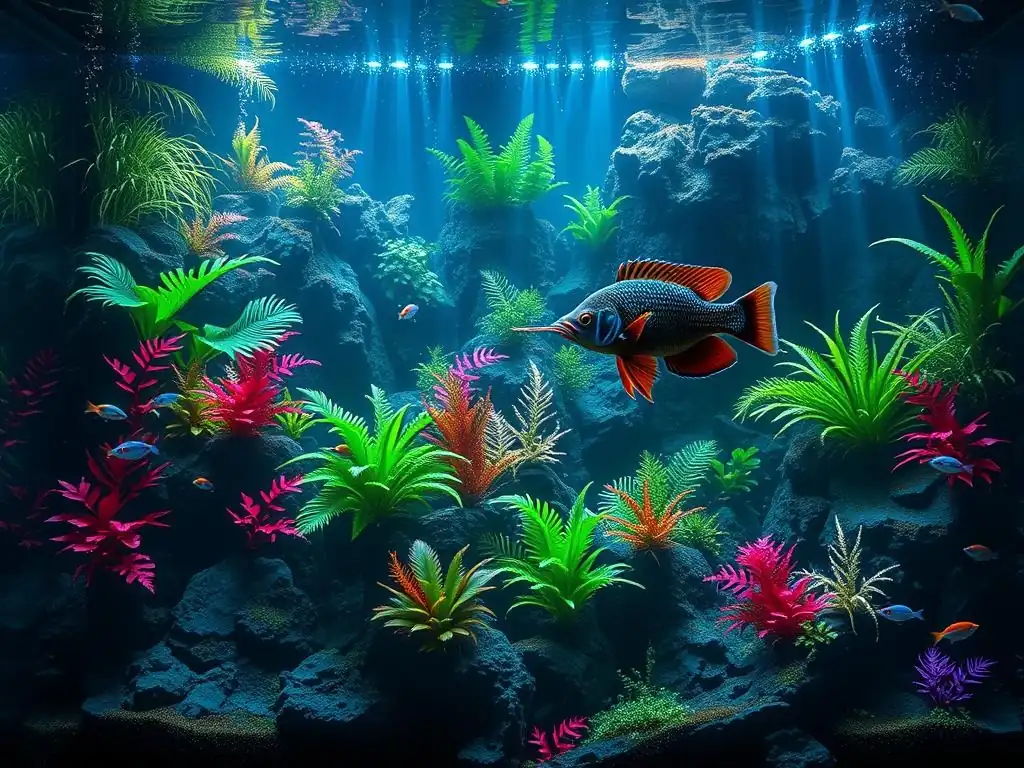
Welcome to Aquarium Mastery! Ever wondered how to unlock the true potential of your planted aquarium?
Dive in and explore our detailed guide on hightech aquarium lighting systems – the key to vibrant growth and breathtaking displays. Discover the secrets to choosing the right setup and watch your underwater world flourish. Ready to illuminate your aquatic paradise? Let's begin!
- Optimizing Plant Growth: A Guide to Advanced Aquarium Lighting
- Understanding Advanced Aquarium Lighting for Planted Tanks
- Exploring Different Types of Advanced Aquarium Lighting
- Key Considerations When Choosing an Advanced Aquarium Lighting System
- Installing and Maintaining Advanced Aquarium Lighting Systems
- Optimizing Plant Growth: Integrating Lighting with Other Factors
- Troubleshooting Common Issues
- Advanced Techniques
- Conclusion: Achieving a Thriving Planted Tank with Advanced Lighting
-
Frequently Asked Questions
- What exactly are HighTech aquarium lighting systems?
- Why would I need a HighTech lighting system for my aquarium?
- Are HighTech lighting systems only for planted aquariums?
- What are some potential drawbacks of using HighTech aquarium lighting?
- How do I choose the right HighTech lighting system for my aquarium?
- Final Reflection: Illuminating the Future of Aquatic Growth
- Ignite Your Aquarium: Grow Thriving Plants Now!
Optimizing Plant Growth: A Guide to Advanced Aquarium Lighting
Understanding Advanced Aquarium Lighting for Planted Tanks
Defining an Advanced Planted Aquarium
An advanced planted aquarium is characterized by its dedication to cultivating a diverse range of aquatic plants, particularly those with high demands for light, carbon dioxide (CO2), and specific nutrient profiles. Unlike low-tech setups that rely on ambient light and passive nutrient cycling, these aquariums typically feature intricate aquascapes, often housing sensitive or rare plant species like Hemianthus callitrichoides 'Cuba' (HC Cuba), Rotala macrandra, or various Bucephalandra species. Success in these environments hinges on precise environmental control and the integration of sophisticated equipment.
The objective of an advanced planted tank extends beyond mere survival; it aims for lush, vibrant growth, intense coloration, and often, rapid propagation. This level of cultivation requires a dynamic balance between light, CO2, and essential macro and micronutrients. Achieving this equilibrium necessitates meticulous planning and the deployment of high-tech aquarium lighting systems alongside pressurized CO2 injection, comprehensive fertilization regimens, and robust filtration, creating a controlled ecosystem where plants can truly flourish.
The Critical Role of Lighting in High-Demand Planted Aquariums
Lighting serves as the primary energy source for photosynthesis, the process by which aquatic plants convert light energy into chemical energy, using carbon dioxide and water to produce sugars and oxygen. In high-demand planted aquariums, where plants are genetically predisposed to rapid growth and require significant energy input, the quality, intensity, and duration of light are paramount. Insufficient or inappropriate lighting will inevitably lead to stunted growth, pale coloration, and increased susceptibility to algae infestations, as plants struggle to compete.
Conversely, meticulously controlled and powerful high-tech aquarium lighting systems provide the precise spectrum and intensity necessary to drive vigorous photosynthesis. This robust photosynthetic activity ensures plants grow densely, exhibit their natural vibrant hues, and effectively outcompete algae for available nutrients. For instance, achieving the characteristic red coloration in plants like Rotala macrandra 'Red' or Alternanthera reineckii 'Mini' is directly dependent on adequate light intensity and a spectrum rich in specific wavelengths, alongside sufficient iron and CO2.
Exploring Different Types of Advanced Aquarium Lighting
LED Aquarium Lights: Precision and Efficiency for Plant Growth
Light Emitting Diodes (LEDs) have become the predominant technology for high-tech aquarium lighting systems due to their exceptional efficiency, longevity, and unparalleled control capabilities. Modern LED fixtures can deliver intense PAR (Photosynthetically Active Radiation) values, making them suitable for even the most demanding carpeting plants and stem plants in deep tanks. Their compact design and minimal heat transfer into the water column are significant advantages, reducing the need for active tank cooling.
Many premium LED units offer advanced features such as programmable daily cycles, individual color channel control, and even cloud or lightning simulations, providing a highly customizable and natural lighting experience. The ability to precisely tune the spectrum and intensity allows aquarists to optimize growth for specific plant species, enhance fish coloration, and even mitigate certain types of algae by adjusting light parameters.
Spectral Tuning with LEDs for Planted Tanks
Spectral tuning with LEDs refers to the ability to adjust the output of different color wavelengths (e.g., red, green, blue, white, UV, infrared) independently. This precision allows aquarists to tailor the light spectrum to the specific needs of their aquatic plants. For instance, chlorophyll, the primary pigment for photosynthesis, efficiently absorbs light in the blue (around 430-470 nm) and red (around 640-670 nm) regions of the spectrum. By boosting these specific wavelengths, high-tech aquarium lighting systems can maximize photosynthetic efficiency.
Beyond primary photosynthesis, specific spectral adjustments can influence plant morphology and coloration. A higher proportion of red light can promote stem elongation and flowering in some species, while increased blue light often encourages more compact growth, particularly beneficial for carpeting plants. Some advanced LED fixtures even incorporate UV or far-red (700-800 nm) diodes, which, while not directly photosynthetic, can trigger photomorphogenetic responses, leading to healthier, more vibrant plants and contributing to a more natural viewing experience.
Advantages and Disadvantages of LED Systems
The advantages of LED systems for planted aquariums are numerous and significant. They offer superior energy efficiency, often consuming 50% to 70% less power than comparable T5 High Output (T5HO) or metal halide fixtures for similar PAR output. Their lifespan is exceptionally long, typically exceeding 50,000 hours, which translates to years of maintenance-free operation and eliminates the need for frequent bulb replacements.
LEDs also produce very little radiant heat into the water, reducing the risk of overheating the aquarium. Furthermore, their slim profiles and precise control capabilities, including dimming and spectral adjustments, offer unparalleled flexibility in aquascaping and plant cultivation.
Despite their many benefits, LED systems do have some drawbacks. The initial investment for high-quality, full-spectrum, programmable high-tech aquarium lighting systems can be substantially higher than other lighting types, with premium units costing anywhere from $300 to over $1,000 for larger tanks. While the long-term running costs are lower due to energy savings and no bulb replacement, the upfront expense can be a barrier. Additionally, some aquarists find the "shimmer" effect produced by point-source LEDs to be less natural than the more diffuse light from fluorescent tubes, though this is largely a matter of personal preference.
Metal Halide Lighting: High Intensity for Deep or Large Tanks
Metal Halide (MH) lighting represents a traditional, yet still highly effective, option for high-tech aquarium lighting systems, particularly for very deep or exceptionally large planted tanks. Known for their immense intensity and excellent light penetration, MH fixtures can deliver high PAR values even at significant depths, making them suitable for tanks exceeding 24-30 inches where other lighting types might struggle to provide adequate light at the substrate level. Their powerful, concentrated light source creates a natural "shimmer" effect reminiscent of sunlight penetrating water.
While less common now with the rise of advanced LEDs, metal halide lights were once the gold standard for high-light planted aquariums, especially for showcasing vibrant plant colors and promoting robust growth. They typically come in wattages from 150W to 400W, capable of bathing even the largest home aquariums in intense, broad-spectrum light. Their robust output makes them ideal for demanding carpeting plants and large, light-hungry stem plants that require significant energy to thrive.
Benefits of Metal Halide Illumination
The primary benefit of metal halide illumination is its unmatched intensity and depth penetration. For aquariums deeper than 24 inches, a single 250W or 400W metal halide fixture can deliver more than sufficient PAR to the substrate, enabling the growth of high-light plants that would otherwise struggle.
This strong penetration ensures that even plants at the bottom of a tall tank receive the necessary light for photosynthesis. Furthermore, metal halide bulbs offer a broad spectrum of light, and specific plant-growth optimized bulbs (e.g., 6500K or 10000K) provide excellent color rendition for both plants and fish, enhancing the overall visual appeal of the aquarium.
Another aesthetic advantage often cited by enthusiasts is the pronounced "shimmer" effect that metal halides create, closely mimicking the natural ripple of sunlight on the water's surface. This dynamic lighting effect adds a captivating dimension to the aquascape. Despite their higher energy consumption compared to LEDs, their ability to provide uniform, high-intensity light across a wide footprint makes them a compelling choice for very large or deep showcase planted tanks where maximum light output is the priority.
Drawbacks of Metal Halide Systems
Despite their intensity, metal halide systems come with several notable drawbacks that have led to their reduced popularity in favor of LEDs. The most significant is their substantial heat generation. MH bulbs produce a considerable amount of heat, requiring active cooling solutions such as fans or even chillers to prevent the aquarium water from overheating, especially in enclosed canopies.
This heat also contributes to higher room temperatures. Another major disadvantage is their high energy consumption; a 250W MH fixture can easily consume several times more electricity than a comparable LED fixture for a similar PAR output, leading to significantly higher running costs.
Furthermore, metal halide bulbs have a relatively short lifespan for optimal performance. Their PAR output degrades noticeably after 6 to 9 months of daily use, necessitating frequent and costly bulb replacements, with individual bulbs typically ranging from $50 to $150. These bulbs also require a specific ballast for operation, adding to the system's bulk and complexity. The overall size and weight of MH fixtures are often larger and heavier than modern LED or T5 solutions, making them less aesthetically pleasing for some setups and more challenging to integrate into minimalist designs.
T5 Fluorescent Lighting: A Balanced Solution for Planted Aquariums
T5 High Output (T5HO) fluorescent lighting has long been a popular and cost-effective choice for high-tech aquarium lighting systems, offering a balanced solution for many planted aquariums. These linear fluorescent tubes provide excellent light intensity and spread, making them highly effective for tanks up to 20-24 inches deep. Unlike older T8 or T12 fluorescents, T5HO bulbs are thinner, more efficient, and capable of producing significantly higher PAR values.
One of the key advantages of T5HO lighting is the wide availability of specialized bulbs tailored for plant growth. Aquarists can combine different spectral outputs, such as 6500K daylight, red-enhanced, or blue-enhanced bulbs, to create a customized spectrum that promotes robust plant growth and vibrant coloration. A multi-bulb T5HO fixture can deliver consistent, even illumination across the entire tank footprint, reducing shadowing and ensuring all plants receive adequate light.
The Efficiency of T5 Lights
T5HO lights offer a good balance of efficiency and output, making them a strong contender for planted tanks where budget and performance are both important. Compared to older fluorescent technologies, T5HO bulbs provide a significantly higher lumen-per-watt ratio, meaning more light output for less energy consumed. For example, a single 39W T5HO bulb can produce a substantial amount of PAR, and a 4-bulb 39W fixture over a standard 55-gallon or 75-gallon tank can easily provide the "high light" conditions required by demanding plant species.
The availability of specific spectrum bulbs further enhances their efficiency for plant growth. Bulbs like the "Daylight" (6500K-6700K) provide a full spectrum ideal for general plant health, while "Grow" or "Plant" bulbs incorporate boosted red and blue wavelengths to specifically target chlorophyll absorption peaks. This ability to mix and match bulb types allows aquarists to fine-tune the spectrum for optimal photosynthetic efficiency and visual appeal, without the complexity or higher upfront cost of advanced LED units.
Limitations Compared to LEDs
While T5HO lighting offers excellent performance, it does have several limitations when compared to modern LED systems. The most significant drawback is their bulb lifespan for optimal PAR output. T5HO bulbs typically need to be replaced every 6 to 12 months, even if they still appear bright, because their PAR output degrades over time. This regular replacement adds to the long-term running costs, unlike LEDs that can last for many years. T5HO fixtures also generate more heat than LEDs, requiring adequate ventilation in enclosed canopies to prevent heat buildup.
Furthermore, T5HO lights offer less precise spectral control than advanced LED fixtures. While various bulb types can be combined, the ability to fine-tune individual color channels or program dynamic light cycles is generally absent. T5HO fixtures are also typically bulkier than sleek LED designs, and their energy efficiency, while good, still lags behind the most advanced LED high-tech aquarium lighting systems. For aquarists seeking ultimate control, minimal long-term maintenance, and the highest energy efficiency, LEDs often present a more compelling, albeit more expensive, solution.
Key Considerations When Choosing an Advanced Aquarium Lighting System
Light Spectrum: Optimizing Photosynthesis
The light spectrum, often referred to as the color of light, is crucial because plants absorb specific wavelengths for photosynthesis more efficiently than others. Chlorophyll a and b, the primary photosynthetic pigments, absorb strongly in the blue (400-500 nanometers) and red (600-700 nanometers) regions of the visible spectrum. A balanced spectrum, often achieved with a combination of white, red, and blue LEDs or specific T5HO bulbs, ensures that plants receive the necessary light energy for robust growth and vibrant coloration.
While a full-spectrum light (typically 6500K to 7000K) provides a good foundation, optimizing the spectrum for a planted tank goes beyond simply mimicking sunlight. Certain wavelengths, such as those in the deep red (around 660 nm) and royal blue (around 450 nm), are particularly effective at driving photosynthesis. Many high-tech aquarium lighting systems allow for spectral tuning, enabling aquarists to boost these critical wavelengths, which can lead to faster growth rates, stronger stems, and enhanced red pigmentation in plants like Rotala macrandra 'Green' or Alternanthera reineckii.
Understanding PAR (Photosynthetically Active Radiation)
PAR, or Photosynthetically Active Radiation, is the most critical metric for evaluating aquarium lighting for planted tanks. It measures the amount of light within the visible spectrum (400-700 nanometers) that is usable by plants for photosynthesis. Unlike lumens (which measure light perceived by the human eye) or watts (which measure power consumption), PAR directly quantifies the light energy available for plant growth. A high PAR value at the substrate level is essential for demanding plants, especially carpeting species.
General PAR guidelines for planted tanks are often categorized: low light plants (e.g., Anubias, Java Fern) typically thrive with 15-30 PAR, medium light plants (e.g., Cryptocoryne, Swords) require 30-50 PAR, and high light plants (e.g., HC Cuba, Glossostigma, most stem plants in a high-tech setup) demand 50-100+ PAR. High-tech aquarium lighting systems are designed to deliver these higher PAR values consistently across the tank, ensuring that even the most light-hungry species receive sufficient energy to grow densely and exhibit their full potential.
The Importance of Kelvin Temperature
Kelvin temperature, or color temperature, describes the perceived color of light and is expressed in degrees Kelvin (K). While PAR measures the quantity of usable light, Kelvin temperature influences the visual aesthetic of the aquarium and can subtly affect plant growth. For planted tanks, a color temperature between 6500K and 7000K is often considered ideal, as it closely mimics natural daylight and provides a balanced spectrum that is both visually appealing and beneficial for plant photosynthesis.
Lights with lower Kelvin temperatures (e.g., 3000K-4000K) appear warmer, with a yellowish or reddish hue, while higher Kelvin temperatures (e.g., 10000K-20000K) appear cooler, with a bluer or whiter tint. While plants can adapt to a range of color temperatures, the 6500K-7000K range generally promotes healthy growth and vibrant colors for most aquatic plants. Some aquarists might opt for slightly higher Kelvin temperatures (e.g., 8000K) to enhance the blues in their fish or lower (e.g., 5000K) for a warmer, more natural look, but the core photosynthetic needs are still met by a good PAR output within the optimal spectrum.
Light Intensity: Meeting the Needs of Demanding Plants
Light intensity, directly measured by PAR, is paramount for the success of a high-tech planted aquarium. Demanding plants, such as most carpeting species ( Monte Carlo, HC Cuba) and many colorful stem plants ( Rotala species, Ludwigia species), require significant light intensity to photosynthesize efficiently, grow compactly, and develop vibrant coloration. Insufficient intensity leads to leggy, pale growth, or even melting, as plants struggle to produce enough energy.
However, a delicate balance must be struck. While high light is necessary, excessive intensity without corresponding levels of CO2 and nutrients can quickly lead to aggressive algae blooms, as algae are often more efficient at utilizing limited resources under very high light conditions. For instance, a carpet of Monte Carlo in a 12-inch deep tank might require a PAR of 60-80 µmol·m⁻²·s⁻¹ at the substrate, while a low-light Anubias nana would be perfectly content with 20-30 PAR. High-tech aquarium lighting systems often include dimming capabilities to allow aquarists to fine-tune intensity based on plant needs and algae presence.
Measuring Light Intensity
Accurately measuring light intensity in a planted aquarium is best achieved with a PAR meter. These specialized devices provide quantitative readings of Photosynthetically Active Radiation at various depths and locations within the tank, offering precise data on how much usable light your plants are actually receiving. While a dedicated PAR meter can be a significant investment (often $200-$500), it is an invaluable tool for serious planted tank enthusiasts and can prevent guesswork when setting up or troubleshooting lighting.
For those without access to a PAR meter, observable plant growth and algae presence can serve as qualitative indicators. Stunted growth, melting leaves, or plants "reaching" towards the light source might suggest insufficient intensity. Conversely, rapid algae growth, particularly green spot algae or black brush algae, often points to excessive light intensity or an imbalance with CO2 and nutrients. Adjusting fixture height, using dimmers, or observing plant response over several weeks can help approximate the ideal intensity for a given setup.
Adjusting Light Intensity to Prevent Algae
Algae blooms are a common challenge in planted tanks, and light intensity is frequently a contributing factor. When light intensity is too high relative to the available CO2 and nutrients, algae can quickly outcompete plants. For example, if a tank receives 80 PAR but only has 10 ppm CO2, plants will struggle to utilize the light, leaving excess energy for algae to exploit. Green dust algae (GDA) can signal too much light with insufficient nitrates, while green spot algae (GSA) often indicates high light and low phosphates.
To prevent or mitigate algae related to light intensity, aquarists can take several steps. The most direct approach is to reduce the light intensity, either by dimming the high-tech aquarium lighting systems (if dimmable) or raising the fixture higher above the tank. Shortening the photoperiod (light duration) can also help. Gradually increasing intensity only as plants show vigorous growth and CO2/nutrient levels are stable allows plants to establish themselves and outcompete algae effectively. It's a continuous balancing act, requiring careful observation and adjustment.
Light Duration: Creating a Natural Photoperiod
Light duration, or photoperiod, refers to the number of hours the aquarium lights are on each day. Establishing a consistent and appropriate photoperiod is crucial for the health and growth of aquatic plants, mimicking the natural day-night cycle they experience in their native habitats. Plants require a period of darkness for respiration and to process the sugars produced during photosynthesis. An inconsistent or excessively long photoperiod can stress plants and, more commonly, trigger aggressive algae growth.
For most planted aquariums, a photoperiod of 8 to 10 hours per day is generally recommended. While some aquarists experiment with a "siesta" period (e.g., 4 hours on, 2-3 hours off, 4 hours on) to potentially curb algae, a single continuous photoperiod is often simpler and equally effective for healthy plant growth. The key is consistency; sudden changes in duration can disrupt plant metabolism and lead to stress or algae outbreaks.
Setting Up a Timer
Using a reliable timer is absolutely essential for maintaining a consistent photoperiod in any planted aquarium, especially with high-tech aquarium lighting systems. Manual switching on and off is highly impractical and leads to inconsistent lighting, which can stress plants and encourage algae. Timers ensure that lights turn on and off at the exact same time every day, providing the stability plants need.
There are various types of timers available. Simple mechanical timers are inexpensive and reliable for basic on/off functions. Digital timers offer more precision and often allow for multiple on/off cycles, making them suitable for siesta periods or more complex schedules. Many advanced LED lighting systems come with integrated controllers that allow for highly sophisticated programming, including gradual sunrise/sunset effects, dimming schedules, and even weather simulations, providing ultimate control and promoting a more natural environment for the aquarium inhabitants.
The Impact of Light Duration on Plant Health
The duration of light directly impacts the total amount of energy available to plants for photosynthesis over a 24-hour cycle. Too short a photoperiod (e.g., less than 6 hours) will limit the total energy intake, resulting in slow or stunted growth, even if the light intensity is high. Plants simply won't have enough time to produce sufficient sugars. This can lead to pale leaves, poor rooting, and a general lack of vigor.
Conversely, an excessively long photoperiod (e.g., more than 10-12 hours) is a common cause of algae blooms. While plants need light, they also require a dark period for crucial metabolic processes like respiration and nutrient uptake. When lights are on for too long, plants can become stressed, and algae, which are often more opportunistic, will readily exploit the excess light energy and available nutrients. Maintaining the recommended 8-10 hour photoperiod with high-tech aquarium lighting systems strikes the ideal balance for sustained plant health and algae prevention.
Tank Size and Depth: Matching Lighting to Aquarium Dimensions
The physical dimensions of your aquarium, particularly its depth and footprint, significantly influence the type and power of high-tech aquarium lighting systems required. Light intensity diminishes rapidly as it penetrates water, meaning deeper tanks require more powerful or concentrated light sources to deliver adequate PAR to plants at the substrate level. Similarly, the tank's length and width dictate the spread of light needed to ensure uniform coverage across the entire aquascape, preventing shaded areas where plants might struggle.
For example, a shallow, wide tank (e.g., a 20-gallon long or a shallow rimless cube) might be adequately lit by a single, moderately powerful LED fixture or a two-bulb T5HO setup. However, a deep, standard 75-gallon tank (24 inches deep) or a 120-gallon tank (24 inches deep, 48 inches long) will require significantly more powerful lighting, such as a multi-bulb T5HO fixture or a high-output LED system designed for deeper penetration and wider coverage. Overlooking these dimensions can lead to uneven plant growth and localized algae issues.
Calculating Light Requirements
While the traditional "watts per gallon" rule (e.g., 2-4 WPG for high light) provided a rough guide for fluorescent lighting, it is largely outdated and inaccurate for modern LED high-tech aquarium lighting systems. The most accurate way to calculate light requirements is by aiming for specific PAR values at the substrate, measured in micromoles per square meter per second (µmol·m⁻²·s⁻¹). As discussed, high-light plants typically need 50-100+ PAR.
To determine if a specific lighting fixture meets your tank's needs, research its PAR data at various depths, often provided by manufacturers or found in independent reviews. For example, if you have a 24-inch deep tank and want to grow HC Cuba, you'll need an LED fixture capable of delivering at least 60-70 PAR at that depth. For a 12-inch deep tank, a fixture delivering 40-50 PAR at the substrate might be sufficient for demanding plants, depending on the species. Always consider the target PAR for your specific plants and tank depth when selecting lighting.
Choosing the Right Light for Different Tank Depths
Selecting the appropriate high-tech aquarium lighting systems based on tank depth is crucial for optimal plant growth. For shallow tanks, generally under 18 inches deep, a wide range of advanced LED fixtures or T5HO setups can provide sufficient PAR. Many mid-range LEDs offer excellent spread and intensity for these dimensions without being overly powerful or expensive. For example, a 24-inch long LED designed for planted tanks might easily cover a 20-gallon long or a 29-gallon tank.
For deeper tanks, typically 24 inches or more, the challenge of light penetration becomes more significant. Here, higher-output LED fixtures with specialized lenses or more powerful diodes are necessary. Brands like Kessil, Radion, or certain Chihiros WRGB2 Pro models are designed to deliver high PAR even at depths of 24-30 inches. In some cases, for very deep tanks (30+ inches), a single powerful metal halide fixture might still be considered, though modern high-power LEDs often offer a more efficient and controllable alternative without the heat issues.
Installing and Maintaining Advanced Aquarium Lighting Systems
Proper Placement for Optimal Coverage
Proper placement of high-tech aquarium lighting systems is critical for achieving uniform light distribution and maximizing plant growth throughout the entire aquascape. Most fixtures are designed to be either suspended directly above the tank via hanging kits or mounted directly onto the tank rim. When hanging, ensure the fixture is centered over the tank's length and width to prevent "hot spots" or shaded corners. For larger tanks, or those with unusual dimensions, multiple fixtures might be necessary to ensure consistent PAR levels across the entire footprint.
Consider the height of the fixture above the water surface. Lowering the light increases intensity but also concentrates it, potentially leading to hot spots and algae. Raising it reduces intensity but provides a wider, more even spread. Experimentation, possibly with a PAR meter, can help determine the ideal height for your specific setup. Also, ensure that internal equipment like filter intakes or heaters do not cast significant shadows on light-sensitive plants, which can hinder their growth.
Preventing Overheating: Heat Management
While modern LED high-tech aquarium lighting systems produce significantly less heat than traditional metal halides, powerful units still generate enough heat to require proper dissipation. Most high-output LEDs incorporate robust passive heatsinks, and some even include active cooling fans, to prevent the internal components from overheating. Overheating can drastically shorten the lifespan of LED diodes and reduce their light output over time.
It is crucial to ensure adequate ventilation around your lighting fixture, especially if it is enclosed within a tight aquarium canopy. Without proper airflow, heat can build up, not only impacting the light's performance but also potentially raising the water temperature inside the aquarium to undesirable levels. If using a canopy, consider adding small exhaust fans to draw out warm air. For metal halide systems, active cooling fans are almost always a necessity due to their very high heat output.
Replacing Bulbs and LEDs: Maintaining Light Quality
For T5HO fluorescent and metal halide high-tech aquarium lighting systems, regular bulb replacement is a non-negotiable aspect of maintenance. While these bulbs may still visually appear bright, their PAR output degrades significantly over time. T5HO bulbs should typically be replaced every 6 to 12 months, and metal halide bulbs every 6 to 9 months, to ensure plants receive consistent, optimal light intensity. Failing to replace bulbs on schedule will lead to declining plant health and potential algae issues as light levels drop.
LEDs, on the other hand, boast a much longer lifespan, often rated for 50,000 hours or more, meaning years of use without needing replacement. However, even LEDs experience gradual degradation over many years. More importantly, the lenses and reflectors of LED fixtures can accumulate dust, salt creep, or mineral deposits from evaporating water, which can significantly block light transmission. Regular cleaning of these surfaces (e.g., monthly or bi-monthly) with a soft cloth and distilled water is crucial to maintain light quality and ensure maximum PAR delivery to your plants.
Lighting System Maintenance Schedule
A consistent maintenance schedule for your high-tech aquarium lighting systems is essential for long-term success and plant health. This schedule should include daily, weekly, and less frequent tasks. Daily, simply ensure your timer is functioning correctly and the lights turn on and off as programmed. Weekly, wipe down the exterior of the fixture to remove dust and check for any condensation or signs of wear.
Monthly, perform a more thorough cleaning: carefully wipe the lenses or protective covers of LED fixtures to remove any mineral buildup or dust that can impede light penetration. For T5HO or metal halide fixtures, clean the reflectors to maximize light output. Bi-annually or annually, consider testing your PAR output if you have a meter, and prepare for bulb replacement if using T5HO or metal halides. This proactive approach ensures consistent light quality, which is vital for a thriving planted tank and extends the lifespan of your valuable lighting equipment.
Optimizing Plant Growth: Integrating Lighting with Other Factors
CO2 Injection: Maximizing Growth Potential
In a high-tech planted aquarium, high-tech aquarium lighting systems are only one component of a successful ecosystem. The intense light provided drives rapid photosynthesis, which in turn demands a constant and ample supply of carbon dioxide (CO2). Without sufficient CO2, plants cannot efficiently utilize the high light energy, leading to stunted growth, nutrient deficiencies, and a higher susceptibility to algae. It's a critical synergy: high light without adequate CO2 is a recipe for algae blooms, particularly black brush algae (BBA) and green spot algae (GSA).
Therefore, pressurized CO2 injection is almost always a necessity in high-light planted tanks. Aiming for a CO2 concentration of 25-35 parts per million (ppm) during the entire light cycle is generally recommended. This level ensures that plants have ample carbon source to match the high energy input from the lights, promoting vigorous, lush growth and allowing plants to outcompete algae effectively. Monitoring CO2 levels with a drop checker and precise dosing through a regulator and diffuser are key to achieving this balance.
Nutrient Supplementation: Balancing Light and Nutrients
Just as plants require ample CO2 to utilize high light, they also need a balanced supply of macro and micronutrients. High-tech aquarium lighting systems stimulate rapid plant growth, which quickly depletes essential nutrients from the water column and substrate. Macro nutrients include nitrogen (N), phosphorus (P), and potassium (K), while micronutrients comprise iron (Fe), magnesium (Mg), calcium (Ca), boron (B), manganese (Mn), and others. Deficiencies in any of these can lead to stunted growth, discoloration, and increased vulnerability to algae.
To meet these demands, comprehensive liquid fertilization regimens, such as the Estimative Index (EI) or PPS Pro methods, are commonly employed. Root tabs can also supplement nutrients for heavy root feeders like Swords and Cryptocorynes. Regularly dosing these nutrients ensures that plants have all the building blocks they need to convert light energy into biomass. For example, an iron deficiency under high light can cause new leaves to appear pale or yellow, while low potassium might result in pinholes in older leaves. Balancing light, CO2, and nutrients creates a complete growth environment.
Water Circulation: Ensuring Even Distribution
Effective water circulation is a vital, yet often overlooked, component in maximizing the benefits of high-tech aquarium lighting systems. Good water flow ensures that CO2 and essential nutrients are evenly distributed throughout the entire aquarium, reaching all plant surfaces, particularly in dense plant stands or carpeting areas. Without adequate circulation, "dead spots" can form where CO2 and nutrient levels are depleted, leading to localized plant deficiencies and hindering overall growth, even if the light and global nutrient levels are optimal.
Powerheads, strategically placed internal filters, or directed filter output nozzles can be used to create a gentle but pervasive flow. The goal is to ensure that leaves gently sway, indicating that fresh CO2-rich water and nutrients are constantly being delivered to the plant's surface for absorption. Optimal circulation also helps to prevent the buildup of detritus on plant leaves, which can block light and encourage algae growth, thus ensuring that the energy from your advanced lighting system is fully utilized by your thriving plants.
Troubleshooting Common Issues
Algae blooms are a frequent frustration in planted aquariums, and lighting imbalances are often a primary culprit, especially in high-tech setups. Common lighting-related causes include too much light intensity (PAR) for the available CO2 and nutrients, excessively long photoperiods, or inconsistent lighting schedules. For instance, Green Spot Algae (GSA) often proliferates when light is too high and phosphate levels are too low, while Black Brush Algae (BBA) is frequently associated with fluctuating CO2 levels under high light.
To address lighting-related algae, the first step is to critically evaluate your high-tech aquarium lighting systems settings. Consider reducing light intensity by dimming the fixture or raising it higher above the tank. Shorten your photoperiod to 8-9 hours if it's longer. Ensure your CO2 system is delivering a consistent 25-35 ppm throughout the light cycle, and that your nutrient dosing is balanced. Often, a slight reduction in light, combined with optimized CO2 and nutrients, will allow plants to outcompete the algae over time.
While plant deficiencies are often linked to nutrient imbalances, issues with your high-tech aquarium lighting systems can also manifest as specific plant problems. Stunted growth, melting leaves, or plants appearing pale and leggy (stretching towards the light) can all be indicators of insufficient light intensity (PAR). If your plants are not getting enough energy, they cannot photosynthesize effectively, leading to poor health even if CO2 and nutrients are abundant.
Conversely, signs of "light burn" or sudden melting can occur if plants are subjected to excessively high light intensity without proper acclimation or sufficient CO2 and nutrients to match. For example, new plants added to a high-light tank may initially melt if they were grown under lower light conditions. Observing which leaves are affected (e.g., new growth vs. old growth) and the pattern of deficiency can help differentiate between light-related issues and specific nutrient deficiencies. Adjusting light intensity and duration, or slowly acclimating new plants to higher light, can resolve these problems.
Addressing Lighting System Malfunctions
Malfunctions in high-tech aquarium lighting systems can range from minor annoyances to complete system failure, impacting plant health significantly. Common issues include flickering lights, dimming output, or the fixture not turning on at all. For T5HO or metal halide systems, flickering or failure often points to a faulty bulb or ballast. For LEDs, issues might stem from power supply problems, driver malfunctions, or individual diode failures.
When troubleshooting, first check basic connections: ensure the power cord is securely plugged in, and verify that the timer is working correctly. If using a modular system, inspect individual components like power bricks or controllers. For T5HO and MH, try replacing the bulb with a known good one. If the problem persists, it may indicate a ballast or driver issue, which often requires contacting the manufacturer for replacement parts or professional repair. Always consult your lighting system's user manual for specific troubleshooting steps and safety precautions.
Advanced Techniques
Using Light Controllers for Dynamic Lighting
One of the most significant advantages of modern high-tech aquarium lighting systems, particularly advanced LEDs, is their integration with sophisticated light controllers. These controllers allow aquarists to program highly dynamic and natural lighting cycles that go far beyond simple on/off schedules. Features often include gradual sunrise and sunset effects, mimicking the natural progression of light throughout the day, which reduces stress on fish and plants by avoiding abrupt changes in illumination.
Beyond daily cycles, many controllers offer more advanced simulations such as cloud cover, lightning storms, or moon cycles, adding an immersive dimension to the aquarium. The ability to precisely adjust light intensity and spectrum throughout the day can also optimize plant growth by providing different light conditions at different times. For instance, some aquarists might program a peak intensity during the middle of the day, with slightly lower intensity at the beginning and end of the photoperiod, promoting efficient photosynthesis while potentially curbing algae.
Fine-Tuning Light Spectrum Combinations
For aquarists seeking to maximize specific plant attributes or enhance visual aesthetics, fine-tuning light spectrum combinations is an advanced technique enabled by premium high-tech aquarium lighting systems. While a broad-spectrum light is good, the ability to individually adjust red, green, blue, white, and even UV/far-red channels allows for highly specialized optimization. For example, boosting specific red wavelengths (e.g., 660nm deep red) can significantly enhance the vibrant red coloration in plants like Rotala 'Colorata' or Ludwigia repens 'Rubin'.
Similarly, increasing blue light can promote more compact growth in carpeting plants, preventing them from becoming leggy. Experimenting with a higher proportion of green light, while not directly photosynthetic, can make the overall aquascape appear more vibrant and natural to the human eye. Through careful adjustment and observation, aquarists can discover optimal spectral recipes that not only promote robust growth but also bring out the most stunning colors in their specific plant species, pushing the boundaries of aquascaping artistry.
Integrating Lighting with Automation Systems
The ultimate level of control for high-tech aquarium lighting systems involves integrating them with comprehensive aquarium automation systems. Platforms like Neptune Systems Apex or GHL Profilux allow for centralized control and monitoring of virtually every aspect of the aquarium environment, including lighting, CO2 injection, dosing pumps, temperature, and even water parameters. This integration creates a truly automated ecosystem where all variables work in concert.
For lighting, this means the system can automatically adjust intensity and spectrum based on programmed schedules, specific sensor readings (e.g., dimming lights if water temperature rises too high), or even external factors. For instance, the lighting can be programmed to ramp up precisely when CO2 reaches its optimal level, ensuring that plants have ample carbon to utilize the incoming light energy. This level of automation minimizes manual intervention, ensures consistent optimal conditions, and provides peace of mind, allowing the aquarist to focus on enjoying their thriving planted tank.
Conclusion: Achieving a Thriving Planted Tank with Advanced Lighting
Achieving a truly thriving planted aquarium, bursting with vibrant, healthy growth, hinges significantly on the careful selection and precise management of high-tech aquarium lighting systems. Understanding the nuances of light spectrum, intensity (PAR), and duration is paramount, as these factors directly fuel the photosynthetic engine of your aquatic plants. Whether opting for the precision and efficiency of modern LEDs, the raw power of metal halides for deep tanks, or the balanced performance of T5HO fluorescents, the right lighting choice sets the foundation for success.
However, lighting is but one crucial piece of the intricate puzzle. For your plants to truly flourish under advanced illumination, it must be seamlessly integrated with other vital elements: a consistent supply of CO2, a balanced regimen of macro and micronutrients, and effective water circulation. By diligently managing these interconnected factors and providing consistent care, aquarists can unlock the full growth potential of their plants, transforming their aquarium into a dynamic, beautiful, and vibrant underwater garden that is a testament to the power of sophisticated aquarium technology.
Frequently Asked Questions
What exactly are HighTech aquarium lighting systems?
HighTech aquarium lighting systems are powerful lights designed to maximize plant growth in aquariums. They typically involve higher light intensity and specific wavelengths to promote efficient photosynthesis, often using LED or metal halide technology.
Why would I need a HighTech lighting system for my aquarium?
HighTech lighting systems are crucial for aquariums with demanding aquatic plants. These plants require intense light to thrive and display their vibrant colors, which standard aquarium lighting often cannot provide.
Are HighTech lighting systems only for planted aquariums?
While primarily used for planted tanks, HighTech lighting can also benefit other aquariums by enhancing coral growth in reef tanks or simply improving the overall visual appeal. However, careful consideration is needed to avoid algae blooms.
What are some potential drawbacks of using HighTech aquarium lighting?
HighTech lighting can be more expensive and may require additional equipment, like CO2 injection and nutrient supplementation. It also carries a higher risk of algae problems if not properly managed.
How do I choose the right HighTech lighting system for my aquarium?
Consider the size and depth of your tank, the specific needs of your plants or corals, and your budget. Research different types of lights and their PAR (Photosynthetically Active Radiation) values to ensure adequate light intensity.
Final Reflection: Illuminating the Future of Aquatic Growth
The exploration of high-tech aquarium lighting systems reveals more than just optimal plant growth; it unveils a commitment to understanding and replicating natural processes within a controlled environment. As we've seen, the precision and control offered by these systems are not merely about aesthetics, but about fostering thriving aquatic ecosystems that mirror the complexity and beauty of the natural world. This dedication to detail and scientific understanding is increasingly relevant as we seek sustainable solutions in all aspects of life.
This journey into the world of aquarium lighting has profoundly impacted my perspective on the interconnectedness of life and technology. It's a reminder that even seemingly small advancements can have significant ripple effects, enhancing our ability to nurture and appreciate the delicate balance of nature. The best way to predict the future is to create it.
- Peter Drucker. This quote resonates deeply, highlighting the proactive role we play in shaping the future of aquatic ecosystems through informed choices and innovative technologies.
Now, consider how you can apply this understanding of controlled environments and optimized growth to your own life. What aspects of your personal or professional life could benefit from a more deliberate and scientifically informed approach? Embrace the spirit of innovation and precision, and illuminate your own path towards growth and flourishing, just as these high-tech systems illuminate the vibrant world beneath the water's surface.
Ignite Your Aquarium: Grow Thriving Plants Now!
Thanks for exploring the world of high-tech aquarium lighting with us. We hope you've gained valuable insights into creating the perfect environment for lush aquatic plant growth. Ready to take the next step?
Here are some actionable steps to bring your planted aquarium vision to life:
- Prioritize researching and selecting the optimal lighting system based on your specific tank size and plant species. Consider factors like PAR, spectrum, and controllability for the best results.
- Experiment with different photoperiods and light intensities to fine-tune your plant growth and observe how your plants respond.
- Share your planted tank journey with fellow aquascapers on social media using #AquariumMastery, and inspire others with your lighting setup!
What innovative lighting technique are you most excited to try in your aquarium to boost plant growth?