
Protecting Your Investment: Power Outage Solutions for Automated Aquariums

Welcome to Aquarium Mastery!
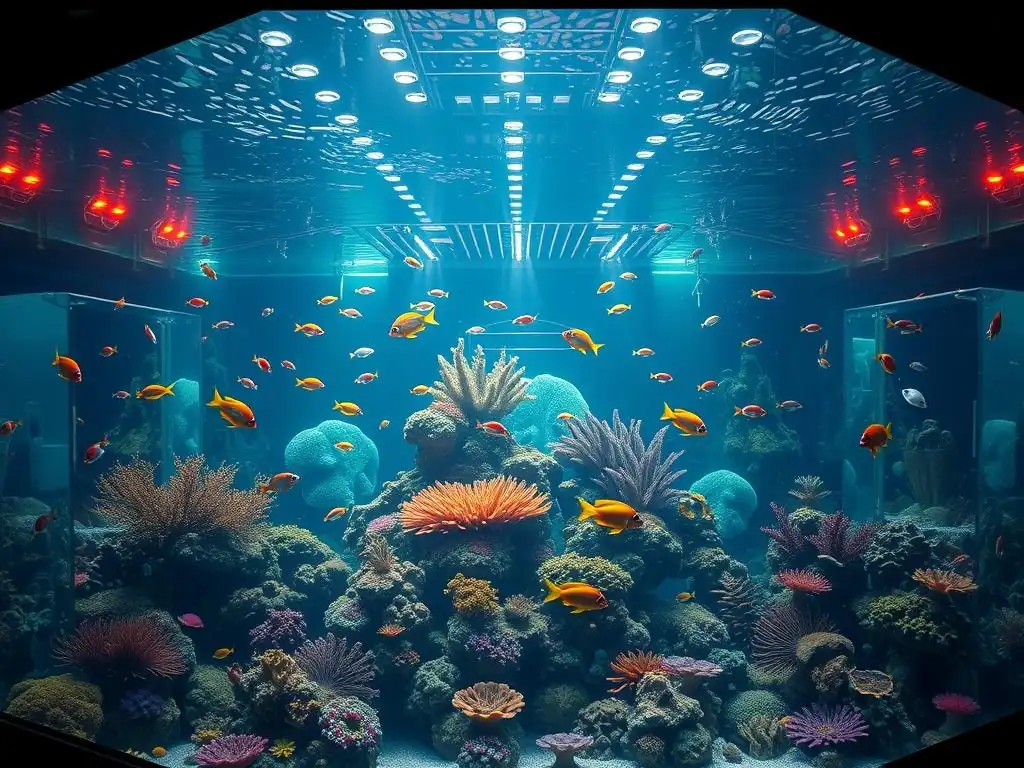
Ever wondered what happens to your underwater paradise when the lights go out? Power outages can be devastating for automated aquariums, but don't panic! We're here to guide you through the critical steps of power outage aquarium recovery. Dive in to discover how to safeguard your precious aquatic life and ensure your tank thrives, even when the unexpected happens. Ready to protect your investment? Let's get started!
- Protecting Your Reef: Power Outage Solutions for Automated Saltwater Aquariums
- Understanding the Risks: Why Power Outages are Critical for Automated Saltwater Aquariums
- Proactive Measures: Preventing Reef Tank Disasters Before They Happen
- Immediate Actions: What to Do During a Saltwater Aquarium Power Outage
- Long-Term Solutions: Ensuring Stability After the Power Returns to a Reef Tank
- Saltwater Aquarium Power Outage Recovery: Specific Equipment Recommendations
- Case Studies: Successful Saltwater Aquarium Power Outage Recoveries
- Saltwater Aquarium Power Outage Recovery: Advanced Strategies for Sensitive Species
- Troubleshooting Common Issues After a Power Outage in a Reef Tank
-
Frequently Asked Questions
- How long can my aquarium survive without power during a power outage?
- What are the most crucial steps to take immediately after a power outage hits my aquarium?
- What type of backup power solution is best for an automated aquarium with sensitive equipment?
- How can I maintain oxygen levels in my aquarium water during a power outage?
- What are the potential dangers of a prolonged power outage for my aquarium ecosystem?
- Final Reflection: Navigating the Unseen Currents of Uncertainty
- Safeguard Your Reef: Activate Your Backup Plan Now!
Protecting Your Reef: Power Outage Solutions for Automated Saltwater Aquariums
Understanding the Risks: Why Power Outages are Critical for Automated Saltwater Aquariums
The Vulnerability of Automated Systems to Power Loss in Reef Tanks
Automated systems represent the very lifeblood of a modern reef tank, meticulously maintaining the delicate balance required for corals, fish, and invertebrates to thrive. Equipment such as circulation pumps, heaters, chillers, protein skimmers, calcium reactors, and sophisticated lighting schedules operate continuously, often unnoticed, to replicate a stable marine environment. A sudden and unexpected power loss immediately halts these critical functions, transforming a carefully controlled ecosystem into a vulnerable, rapidly deteriorating habitat. The entire foundation of environmental stability, from consistent water flow to precise dosing, collapses without power.
The intricate dependency of a reef aquarium on electrical supply means that even a brief interruption can trigger a cascade of negative effects. Without power, water flow ceases, leading to stagnant areas where oxygen quickly depletes and waste products accumulate. Heaters and chillers become inactive, allowing temperatures to drift dangerously outside the optimal range of 75-82°F (24-28°C), while protein skimmers and reactors stop removing organic pollutants and maintaining essential water parameters. This instantaneous cessation of vital life support systems highlights the extreme vulnerability of automated reef tanks to power outages.
Potential Damage to Sensitive Corals and Fish During a Power Outage
The immediate and most critical threat during a power outage is the rapid depletion of oxygen levels within the aquarium. Without circulation pumps to facilitate gas exchange at the surface, and with fish and corals continuing to respire, oxygen is quickly consumed, leading to anoxia. Fish will begin to gasp at the surface, showing signs of severe stress, and eventually succumb if conditions persist. Invertebrates, particularly sensitive corals like SPS (Small Polyp Stony) and LPS (Large Polyp Stony) varieties, are highly susceptible to low oxygen and stagnant water, often exhibiting tissue necrosis and bleaching within hours.
Beyond oxygen deprivation, temperature fluctuations pose a significant risk. In colder climates, heaters ceasing operation can lead to rapid drops in water temperature, which can shock and kill marine life unaccustomed to such swings. Conversely, in warmer environments or during summer months, the absence of chillers can cause temperatures to climb dangerously high.
Furthermore, the cessation of filtration systems allows ammonia, nitrite, and carbon dioxide to accumulate to toxic levels. This combination of oxygen depletion, temperature instability, and rising toxins creates a hostile environment that can lead to widespread livestock loss, making a robust "power outage aquarium recovery" plan essential.
The Importance of a Saltwater Aquarium Power Outage Recovery Plan
Having a well-defined saltwater aquarium power outage recovery plan is not merely a convenience; it is a critical investment in the longevity and health of your aquatic ecosystem. Without a pre-planned strategy, aquarists are often left scrambling in the dark, making rushed decisions that can exacerbate the damage. A proactive plan outlines immediate actions, necessary equipment, and post-outage protocols, significantly minimizing the potential for livestock loss and extensive damage to the tank's delicate balance. It transforms a chaotic emergency into a manageable incident, providing clear steps to follow when every second counts.
A comprehensive recovery plan extends beyond just surviving the initial outage; it encompasses the crucial period after power is restored. This includes carefully reintroducing automated systems, meticulously monitoring water parameters, and addressing any lingering stress or issues that arise from the interruption. By anticipating potential problems and having solutions ready, aquarists can reduce their own stress levels and ensure a smoother, more effective "power outage aquarium recovery." This preparedness safeguards your valuable investment in corals, fish, and equipment, ensuring the long-term stability and success of your reef tank.
Proactive Measures: Preventing Reef Tank Disasters Before They Happen
Investing in a Reliable Battery Backup System for Saltwater Aquariums
A reliable battery backup system, commonly known as an Uninterruptible Power Supply (UPS), stands as the primary line of defense against the immediate impact of a power outage on a reef tank. These devices contain internal batteries that instantly kick in when the main power supply fails, providing temporary electricity to connected equipment without any interruption.
For critical reef tank components such as circulation pumps, small return pumps, and battery-operated air pumps, a UPS can provide vital hours of operation, maintaining essential water movement and oxygenation until power is restored or alternative solutions can be deployed. This immediate, seamless transition is invaluable for preventing rapid deterioration of water conditions.
The investment in a quality UPS is an investment in the resilience of your reef ecosystem. While they offer finite run times depending on their capacity and the load connected, they buy crucial time. For instance, a 1500VA UPS might power a critical return pump and a few powerheads for several hours, preventing total stagnation and oxygen depletion.
It's important to select a UPS that provides a pure sine wave output, especially for sensitive aquarium electronics with motors, as modified sine wave units can cause damage or reduce efficiency. This proactive measure is fundamental to any effective "power outage aquarium recovery" strategy.
Choosing the Right Size and Type of Battery Backup for Reef Equipment
Selecting the appropriate size and type of battery backup for your reef equipment requires careful consideration of your critical power needs. First, identify the essential equipment that must run during an outage (e.g., main circulation pumps, a small air pump, potentially a heater if ambient temperatures are very low). Sum their total wattage (W) or VA (Volt-Ampere) ratings.
As a general rule, a UPS's VA rating should be at least 1.5 times your total wattage. For example, if your critical equipment draws 200W, a 300VA UPS might suffice for minimal runtime, but a 1000VA or 1500VA unit will offer significantly more duration. Pure sine wave UPS units are highly recommended for sensitive aquarium motors and electronics, as they provide clean, stable power, unlike less expensive modified sine wave models which can cause humming, overheating, or even damage to equipment.
Beyond capacity, consider the type of UPS. Standby UPS units are the most basic, kicking in only when power fails. Line-interactive UPS units offer voltage regulation, protecting against sags and surges.
However, for the ultimate protection of high-value reef equipment, a true online (double-conversion) UPS is superior. These units constantly convert incoming AC power to DC and then back to AC, providing a consistent, isolated, and perfectly stable power output regardless of grid fluctuations. While more expensive, an online UPS virtually eliminates transfer time and delivers the cleanest power, making it an ideal choice for safeguarding highly sensitive and critical reef components during a "power outage aquarium recovery" scenario.
Understanding Generator Options for Larger Reef Systems
For larger reef systems, or in areas prone to extended power outages lasting multiple days, a portable generator becomes a highly viable and often necessary long-term solution. Generators provide a continuous source of AC power, capable of running not just critical life support but potentially all aquarium equipment, including heaters, chillers, and even lighting on a reduced schedule.
They typically run on gasoline, propane, or natural gas, offering significantly more runtime than battery backups. When considering a generator, assess your total aquarium wattage, including non-critical equipment you might want to power during an extended event, and select a unit with sufficient wattage output (e.g., 3,000-7,000 watts for typical large reef setups).
Integrating a generator safely into your home electrical system is paramount. For temporary use, an extension cord can power individual aquarium circuits, but ensure it's heavy-duty and rated for outdoor use. For a more seamless and safer transition, especially for prolonged outages, consider a manual or automatic transfer switch installed by a licensed electrician.
A transfer switch isolates your home's electrical system from the grid, preventing dangerous backfeeding and allowing you to safely power select circuits (like those connected to your reef tank) directly from the generator. While a larger investment, a generator provides unparalleled peace of mind and robust "power outage aquarium recovery" capabilities for serious aquarists.
Saltwater Aquarium Power Outage Checklist: Essential Preparations
A comprehensive saltwater aquarium power outage checklist is an indispensable tool for immediate response and effective "power outage aquarium recovery." Key items to have readily available include: at least one battery-operated air pump with extra D-cell batteries (or rechargeable ones), several air stones, and sufficient air tubing to reach your tank. These are crucial for maintaining vital oxygen levels and surface agitation when main pumps fail. Additionally, stock a few clean, food-grade 5-gallon buckets for potential emergency water transfers or manual water circulation.
Beyond aeration, ensure you have insulating materials like thick blankets, sleeping bags, or even old newspapers readily accessible. These can be draped around the tank to significantly slow down heat loss or gain, depending on ambient temperatures. A reliable, mercury-free thermometer is essential for monitoring water temperature changes. Furthermore, keep flashlights or headlamps with fresh batteries nearby, as navigating in the dark to perform emergency procedures can be challenging. Lastly, consider having a small, portable power bank to charge your phone, allowing you to access information or communicate during prolonged outages.
Regular Maintenance and Testing of Backup Systems
The efficacy of any "power outage aquarium recovery" plan hinges on the reliability of its backup systems, and reliability comes from consistent maintenance and testing. For Uninterruptible Power Supply (UPS) units, it is crucial to perform monthly tests. This involves unplugging the UPS from the wall for a few minutes (while it's still connected to your aquarium equipment) to force it to run on battery power.
Observe how long it powers your critical equipment. This test not only confirms that the battery is holding a charge but also helps you gauge its current runtime capacity under load, allowing you to identify if the battery needs replacement before an actual emergency.
For portable generators, a similar routine is vital. Start your generator at least once a month and run it for 15-20 minutes under a light load (e.g., a few lights or a small fan). This keeps the engine components lubricated, prevents fuel from gumming up the carburetor, and ensures it will start reliably when needed.
Always keep the fuel tank topped off and fresh fuel stabilizer added if storing gasoline for extended periods. Regularly checking oil levels and spark plugs also contributes to reliable operation. These consistent maintenance practices transform your backup systems from mere safety nets into fully dependable components of your "power outage aquarium recovery" strategy.
Immediate Actions: What to Do During a Saltwater Aquarium Power Outage
Assessing the Situation: Prioritizing Critical Reef Tank Systems
When a power outage strikes, the immediate priority is to remain calm and quickly assess the situation. First, determine if the outage is localized to your home or widespread in your area. Checking a utility company's website or app, or a quick glance at neighbors' lights, can provide this crucial information. This helps estimate the potential duration of the outage, which will significantly influence your "power outage aquarium recovery" strategy. Once the scope is understood, immediately identify and prioritize the critical life support systems in your reef tank: primarily water circulation and oxygenation.
With power gone, pumps cease, leading to rapid oxygen depletion and stagnation. Therefore, the very first manual intervention should focus on maintaining water movement and gas exchange. While temperature is also critical, oxygen deprivation will cause the most immediate harm to fish and sensitive corals.
If you have a battery backup system, confirm it has engaged and is powering your essential pumps. If not, or if the outage is expected to be prolonged, prepare to deploy manual aeration techniques. This rapid assessment and prioritization are fundamental to minimizing livestock stress and maximizing the chances of a successful "power outage aquarium recovery."
Manual Intervention: Maintaining Oxygen Levels in the Reef Aquarium
Maintaining oxygen levels is the single most critical manual intervention during a power outage, as oxygen depletion can lead to rapid mortality in fish and invertebrates. Without the constant surface agitation provided by return pumps and powerheads, the water quickly becomes stagnant, and oxygen is consumed by all tank inhabitants and biological processes. The goal is to maximize gas exchange at the water's surface to replenish dissolved oxygen.
One effective, albeit labor-intensive, manual technique is to scoop water from the tank with a clean cup or pitcher and pour it back in from a height. This creates bubbles and surface ripples, significantly increasing oxygenation. Repeat this process every 15-30 minutes for as long as the power is out, focusing on circulating water throughout the tank, particularly in areas where fish or corals are concentrated. While not as efficient as mechanical aeration, this simple action can buy precious time and is a vital component of immediate "power outage aquarium recovery" efforts.
Emergency Aeration Techniques for Reef Tanks
The most effective emergency aeration technique for reef tanks during a power outage involves the use of battery-operated air pumps. These compact devices are specifically designed to provide a continuous stream of air bubbles when electrical power is unavailable.
When connected to an air stone, they create a steady flow of fine bubbles that rise through the water column, greatly increasing the surface area for gas exchange and driving dissolved oxygen into the water. A good quality battery air pump, powered by D-cell batteries, can often run for 24-48 hours or more, providing crucial oxygenation for the duration of most typical outages.
It is advisable to have at least one, if not two, battery-operated air pumps on hand, especially for larger tanks or those with high bioloads. Position the air stone in a central location or near areas of high fish density to ensure widespread oxygen distribution. While these pumps may not provide the robust flow of your main circulation pumps, their ability to deliver consistent oxygen is paramount. This simple, inexpensive piece of equipment is a cornerstone of any effective "power outage aquarium recovery" plan, offering a reliable means to combat oxygen depletion and safeguard your valuable livestock.
Using Air Pumps and Battery-Operated Wave Makers
Beyond basic aeration, strategically deploying both battery-operated air pumps and battery-operated wave makers can significantly enhance your reef tank's resilience during a power outage. Battery air pumps, as previously noted, are crucial for oxygenation, but they primarily provide vertical water movement. To complement this, battery-operated wave makers or powerheads are invaluable for maintaining horizontal water flow and circulation throughout the tank. This flow prevents stagnant zones where detritus can settle and oxygen levels can plummet, which is especially critical for corals that rely on consistent water movement for nutrient delivery and waste removal.
Many modern battery-operated wave makers offer various flow patterns and can run for several hours on a set of batteries, or for extended periods if connected to a larger external battery pack. By strategically placing one or two of these in your tank, you can ensure that water continues to move across corals and around rockwork, preventing the buildup of harmful pockets of deoxygenated water and keeping waste products suspended for eventual removal once filtration is restored.
The combined action of aeration and circulation from these battery-powered devices forms a robust first line of defense in any "power outage aquarium recovery" scenario.
Temperature Control During a Power Failure
Maintaining stable water temperature is a critical aspect of "power outage aquarium recovery," especially for sensitive marine species. Reef tanks typically thrive within a narrow temperature range, usually between 75-82°F (24-28°C). Any significant deviation from this range, whether a rapid drop in colder climates or a sharp rise in warmer environments, can induce severe stress, weaken immune systems, and ultimately lead to disease or death for fish, corals, and invertebrates. The absence of heaters or chillers during an outage means the tank's temperature will gradually drift towards the ambient room temperature.
The rate of temperature change depends on several factors: the size of the tank (larger tanks change temperature more slowly), the ambient room temperature, and the degree of insulation. While a few hours of minor temperature drift might be tolerable for hardy species, sensitive corals and fish require more stable conditions. Therefore, proactive measures to either retain existing heat or safely introduce minimal warmth become vital considerations. Monitoring the temperature frequently with a reliable thermometer is essential to guide your interventions and prevent irreversible damage during a prolonged power failure.
Insulating the Aquarium to Retain Heat
One of the most effective passive methods for temperature control during a power outage is to insulate the aquarium. Just as a thermos keeps drinks hot or cold, wrapping your tank can significantly slow down the rate of heat loss (or gain). For colder climates, where the primary concern is a temperature drop, immediately drape thick blankets, sleeping bags, or even towels around all exposed sides of the aquarium. Pay particular attention to the back and sides, and if possible, cover the top glass or acrylic lid as well, leaving enough space for any emergency air lines.
For larger systems with sumps, insulating the sump can also contribute to overall temperature stability. This simple act creates a thermal barrier between the tank water and the ambient room air, allowing the water to retain its initial temperature for a much longer period. Depending on the room temperature and the thickness of the insulation, this can extend the safe temperature range for several hours, potentially even overnight, buying crucial time for power to be restored or for other "power outage aquarium recovery" methods to be implemented.
Safe Methods for Adding Heat (If Needed)
Adding heat to a reef tank during a power outage requires extreme caution to avoid shocking livestock or damaging the aquarium. Never use open flames, portable propane heaters, or other combustion devices directly near or in the vicinity of the tank due to fire risk and potential for harmful fumes. The safest methods involve indirect heat application. One approach is to use chemical heat packs, similar to those used for camping or hand warmers.
These should never be placed directly into the aquarium water. Instead, wrap them in a towel and place them against the outside glass of the tank, or in the sump, to gently radiate warmth into the water. Monitor the water temperature closely to ensure a gradual and controlled increase, aiming for a slow rise of no more than 1-2 degrees Fahrenheit per hour.
Another method, if you have a generator, is to power a small, dedicated room heater in the vicinity of the aquarium. Ensure the room heater is safely placed away from the tank and any flammable materials, and is monitored continuously. This can help raise the ambient room temperature, which in turn will slow down heat loss from the tank.
For very short-term, desperate measures, you can fill clean, sealed plastic bottles with hot tap water (not boiling) and float them in the sump or the main display, again, monitoring closely and ensuring no leaks. These techniques, when applied safely and judiciously, are vital for effective "power outage aquarium recovery" in colder conditions.
Long-Term Solutions: Ensuring Stability After the Power Returns to a Reef Tank
Gradual Reintroduction of Automated Systems
Once power is restored after an outage, resist the urge to immediately reactivate every piece of automated equipment in your reef tank. A sudden influx of light, strong currents, or chemical dosing after a period of stagnation can shock the entire ecosystem, potentially causing more harm than the outage itself. The reintroduction process should be gradual and thoughtful.
Begin by plugging in your essential circulation pumps and air pumps first. These will immediately restore vital water movement and oxygenation, which are the most critical needs. Allow these to run for at least 30 minutes to an hour, or until water parameters are assessed, before moving to other systems.
After circulation and oxygenation are re-established, you can then gradually reintroduce other equipment. Protein skimmers should be restarted next, as they begin removing accumulated organic waste. Heaters can be plugged in, but monitor their function to ensure they don't rapidly overheat the water. Lighting should be the last to be re-engaged, and ideally, at a reduced intensity or for a shorter duration initially, especially if the tank was dark for an extended period. This staggered approach allows the livestock and beneficial bacteria to slowly reacclimate to normal conditions, facilitating a smoother "power outage aquarium recovery."
Monitoring Water Parameters After a Power Interruption in a Reef Tank
Following a power interruption, the internal chemistry of a reef tank can degrade rapidly due to halted filtration, decreased oxygen, and increased stress on livestock. Therefore, meticulous monitoring of water parameters is absolutely critical during the "power outage aquarium recovery" phase. The biological filter, which relies on consistent oxygen and flow, may have been compromised, leading to a breakdown in the nitrogen cycle. Additionally, decaying organic matter from stressed or deceased organisms can contribute to dangerous spikes in toxins.
Immediately upon power restoration, and then frequently over the next 24-48 hours, conduct comprehensive water tests. Focus initially on ammonia and nitrite, as these are the most toxic byproducts of a compromised nitrogen cycle. Elevated levels indicate a potential crash of beneficial bacteria. Subsequently, test nitrate, alkalinity, calcium, and magnesium. Corals, especially SPS, consume these elements constantly, and their levels may have dropped due to lack of dosing or the general stress on the system. Accurate and timely testing provides the data needed to make informed adjustments and steer the tank back to stability.
Testing Ammonia, Nitrite, Nitrate, Alkalinity, Calcium, and Magnesium Levels
The immediate aftermath of a power outage necessitates a rigorous testing regimen, starting with the most lethal compounds. The first priority is to test for Ammonia (NH3/NH4+) and Nitrite (NO2-). These are highly toxic to marine life, and their presence, even at low levels, indicates that the beneficial nitrifying bacteria in your biological filter may have suffered due to lack of oxygen and flow.
Any detectable levels of ammonia or nitrite should prompt immediate action. Following these, test Nitrate (NO3-), which, while less acutely toxic, can accumulate to high levels and contribute to algae blooms and stress on sensitive corals.
Once the nitrogen cycle parameters are assessed, turn your attention to the essential elements for coral health and skeletal growth: Alkalinity (dKH), Calcium (Ca), and Magnesium (Mg). During an outage, automated dosing systems will have ceased, and corals will have continued to consume these elements, potentially leading to significant drops. Low alkalinity can cause coral tissue recession, while imbalances in calcium and magnesium hinder calcification. Regular testing and accurate readings of these six parameters provide a holistic view of your tank's health and are indispensable for successful "power outage aquarium recovery."
Adjusting Water Chemistry as Needed to Maintain Reef Stability
Based on the water parameter test results, careful and gradual adjustments to your tank's chemistry are essential to maintain reef stability and facilitate a full "power outage aquarium recovery." If ammonia or nitrite levels are elevated, the most effective immediate action is to perform small (10-20%), targeted water changes using properly mixed and temperature-matched saltwater. Avoid large water changes, as these can add further stress to an already compromised system. Dosing a high-quality bacterial supplement can also help repopulate the beneficial bacteria that convert these toxins.
For low alkalinity, calcium, or magnesium, reintroduce your regular dosing regimen slowly. If levels are significantly depleted, perform several small, incremental doses over 12-24 hours rather than a single large dose. Rapid changes in these parameters can be as detrimental as the low levels themselves, particularly for sensitive SPS corals. Continue to monitor all parameters daily for at least a week post-outage, making further small adjustments as needed, until all levels have stabilized within their optimal ranges and your reef inhabitants show clear signs of full recovery.
Preventing Future Saltwater Aquarium Power Outage Problems: Lessons Learned
Every power outage, whether minor or catastrophic, offers invaluable "lessons learned" that can significantly strengthen your "power outage aquarium recovery" plan for the future. Immediately after the event, conduct a thorough post-mortem analysis. What equipment failed? Was your battery backup sufficient, or did it run out of power too quickly? Were you missing any critical emergency supplies, such as extra batteries or manual aeration tools? Did your livestock show signs of stress that could have been mitigated with better preparation? Documenting these observations is crucial.
Use this experience to refine and enhance your existing emergency protocols. Perhaps the outage highlighted the need for a larger UPS, a small generator, or more robust insulation. It might also prompt you to diversify your emergency equipment, adding a second battery-operated air pump or a dedicated battery-powered wave maker. Regularly review and update your emergency checklist, and ensure all household members who interact with the aquarium are aware of the plan. Proactive refinement based on real-world experience is the best way to safeguard your reef tank against future power interruptions and ensure its long-term health and stability.
Saltwater Aquarium Power Outage Recovery: Specific Equipment Recommendations
Top-Rated Battery Backup Systems for Reef Aquarium Equipment
For robust "power outage aquarium recovery," investing in top-rated battery backup systems is paramount. Among the most highly regarded brands are APC (American Power Conversion) Smart-UPS and CyberPower Smart App Sinewave UPS series. These units are specifically known for providing pure sine wave output, which is crucial for the smooth and safe operation of sensitive aquarium equipment with motors, such as return pumps, powerheads, and protein skimmers. Modified sine wave units, while cheaper, can cause humming, premature wear, or even damage to these devices.
When selecting a model, look for capacities ranging from 1000VA to 2200VA for most medium to large reef tanks. A 1500VA unit, for example, can typically power a 100-watt return pump and a few powerheads for 2-4 hours, depending on the load.
Key features to prioritize include: a high VA/wattage rating for longer run times, pure sine wave output, automatic voltage regulation (AVR) to protect against power fluctuations, and hot-swappable batteries for easy replacement without powering down. Some higher-end models also offer network connectivity for remote monitoring and alerts, adding another layer of security to your "power outage aquarium recovery" strategy.
Emergency Air Pumps and Wave Makers for Reef Tanks
Essential for immediate "power outage aquarium recovery," emergency air pumps and wave makers provide critical life support when the main power fails. For air pumps, reliable battery-operated models are key. Brands like Tetra Whisper Air Pump (Battery-Powered) or Penn-Plax Silent-Air Battery Powered Air Pump are popular choices. Look for models that use D-cell batteries, as these generally offer longer run times—often 24-48 hours or more on a single set of batteries. Ensure you have several air stones and sufficient tubing to effectively oxygenate your tank.
For maintaining crucial water flow, battery-operated wave makers or powerheads are invaluable. While dedicated battery-powered models are less common than air pumps, some DC powerheads can be run directly from a 12V battery (like a small car battery or a deep-cycle marine battery) with an appropriate inverter or adapter.
Alternatively, some higher-end DC-controlled pumps (e.g., certain models from Ecotech Marine Vortech or Maxspect Gyre) have battery backup accessories that allow them to continue operating for several hours. Having at least one of these devices ensures continuous water movement, preventing stagnation and detritus settling, which is vital for coral health during a power interruption.
Temperature Monitoring and Control Solutions for Reef Tank Power Outages
Effective temperature monitoring and, where safe, control are vital for "power outage aquarium recovery." For simple, reliable temperature monitoring, a standard glass thermometer (mercury-free) that can be easily placed in the tank is indispensable. Digital thermometers with a minimum/maximum temperature logging feature are also highly useful, as they can show you the extent of temperature fluctuations while you were away or asleep. Brands like Marina Floating Thermometer or Hanna Instruments Checktemp offer accurate readings.
For actual temperature control during an outage, direct heating solutions are limited without power. However, several indirect methods can help. As previously mentioned, insulating the tank with blankets is a primary passive method.
For active, temporary heat addition, chemical heat packs (like those used for camping or reusable hand warmers) wrapped in towels and placed against the outside of the tank or in the sump can provide gentle, radiated warmth. For those with generators, a small, independent room heater placed safely in the vicinity of the tank can raise the ambient temperature, indirectly preventing the tank from cooling too rapidly. Always prioritize safety and gradual temperature changes over rapid heating or cooling.
Case Studies: Successful Saltwater Aquarium Power Outage Recoveries
A SPS Dominant Reef Tank Recovery Story
In a suburban area prone to occasional power disruptions, a dedicated hobbyist, Sarah, maintained a vibrant 120-gallon SPS (Small Polyp Stony) dominant reef tank. Her proactive "power outage aquarium recovery" plan included a 1500VA pure sine wave UPS connected to her main return pump and two critical powerheads, alongside a battery-operated air pump with fresh D-cell batteries. During a severe thunderstorm, her power went out for six hours. The UPS immediately kicked in, maintaining essential flow and oxygenation, while the battery air pump provided additional aeration.
Upon power restoration, Sarah followed her recovery protocol meticulously. She gradually brought all systems back online, starting with circulation. She immediately tested her water parameters: ammonia and nitrite were undetectable, nitrates were slightly elevated, and alkalinity had dipped by about 0.5 dKH.
She performed a small 10% water change to address the nitrates and slowly dosed alkalinity back to target levels over 24 hours. Thanks to the maintained flow and oxygen during the outage, her SPS corals showed only minor stress and no tissue necrosis, and all fish survived without incident. This case exemplifies how proper planning and immediate action lead to a successful "power outage aquarium recovery" for even sensitive SPS systems.
A Soft Coral Reef Tank Recovery Story
Mark, an aquarist in a region experiencing a cold winter snap, faced a 10-hour power outage affecting his 75-gallon soft coral reef tank. His "power outage aquarium recovery" strategy prioritized temperature retention and oxygenation. As soon as the power failed, he quickly wrapped his entire tank, including the sump, in thick moving blankets and sleeping bags. He also deployed a battery-operated air pump, placing the air stone near the center of the tank. The ambient room temperature dropped from 70°F (21°C) to 55°F (13°C) over the outage.
When power was restored, the tank's temperature had only fallen from 78°F (25.5°C) to 72°F (22.2°C) – a manageable drop thanks to the insulation. All soft corals, while appearing somewhat deflated during the outage, recovered fully within a few hours. His fish showed minimal signs of stress.
Water tests revealed no ammonia or nitrite spikes, though nitrates were slightly up. Mark performed a 15% water change and monitored the tank closely for the next few days. This incident demonstrated the profound impact of simple yet effective insulation and consistent oxygenation in achieving a successful "power outage aquarium recovery," even during prolonged cold-weather outages.
Saltwater Aquarium Power Outage Recovery: Advanced Strategies for Sensitive Species
Protecting SPS Corals During Power Loss
SPS (Small Polyp Stony) corals are among the most sensitive inhabitants of a reef tank, making their protection during a power outage a priority for advanced "power outage aquarium recovery" strategies. Their high metabolic rate and reliance on strong, consistent flow for nutrient uptake and waste removal mean they are extremely vulnerable to stagnation and oxygen depletion. Even a few hours without adequate flow can lead to tissue recession (STN/RTN - Slow/Rapid Tissue Necrosis), which can quickly spread and decimate a colony.
To mitigate this, consider multiple layers of defense. Beyond a primary UPS for your main return pump, allocate additional battery-backed powerheads (e.g., small, efficient DC pumps with a dedicated battery supply or those compatible with a high-capacity UPS) strategically throughout the tank. Aim to maintain at least 5-10 times the tank volume in flow per hour, even on emergency power.
This ensures that water continues to move across all coral surfaces, preventing dead spots and facilitating gas exchange directly at the coral tissue level. Furthermore, if the outage is prolonged, consider gently stirring the water near highly valued SPS colonies every hour or so, if safe to do so, to dislodge any accumulated detritus and ensure localized flow.
Maintaining Proper Water Circulation in Reef Tanks
Maintaining proper water circulation is paramount for a successful "power outage aquarium recovery," especially in reef tanks. Circulation serves multiple vital functions: it ensures even distribution of dissolved oxygen and essential elements, prevents the settling of detritus and waste products in stagnant areas, and brings food to filter feeders like corals and clams. Without flow, toxins accumulate rapidly, and oxygen levels plummet, creating an anoxic environment unsuitable for marine life.
During an outage, the goal is to replicate as much of your regular flow as possible using emergency equipment. Battery-operated wave makers and powerheads are your primary tools. Strategically place these devices to create broad, sweeping flow patterns that reach all areas of the tank, including behind rockwork and in the sump.
For larger tanks, consider having multiple battery-powered units. Aim for a turnover rate of at least 10-20 times your tank volume per hour, even if it's less than your typical flow. This consistent, albeit reduced, water movement is critical for preventing the onset of anoxia and ensuring the overall health of your reef ecosystem.
Special Considerations for Anemones and Clams
Anemones and clams, while beautiful additions to a reef tank, require special considerations during a power outage due to their unique physiological needs, making their "power outage aquarium recovery" distinct. Anemones, being sessile or semi-sessile, rely heavily on consistent water flow to bring them food, remove waste, and ensure proper gas exchange. Without flow, they can become highly stressed, leading them to detach from their rockwork and wander around the tank. A detached anemone can be a significant danger, potentially being sucked into pump intakes or stinging other corals and fish as it drifts.
If an anemone detaches, try to gently guide it to a safe, low-flow area once power is restored. Do not force it to reattach. For clams, which are filter feeders, consistent flow is also critical for their feeding and oxygen uptake. They are particularly sensitive to poor water quality and oxygen deprivation. Ensure that any emergency circulation you provide during an outage directly impacts their location. If an anemone or clam appears severely stressed (e.g., shriveled, mouth agape), continue to monitor water parameters closely and maintain the best possible flow and oxygenation to aid their recovery.
Troubleshooting Common Issues After a Power Outage in a Reef Tank
Dealing with Algae Blooms After a Power Interruption
One of the most common and frustrating issues to emerge after a power interruption is an unexpected algae bloom. This typically occurs because the nutrient export systems (like protein skimmers and refugiums) were offline, allowing organic waste to accumulate. Simultaneously, stressed or dying organisms can release nutrients, and the disruption to lighting schedules can also trigger opportunistic algae growth, especially if the tank was dark for an extended period followed by an abrupt return to full lighting. Diatoms, green hair algae, and even nuisance cyanobacteria can appear rapidly.
To combat an algae bloom during "power outage aquarium recovery," the first step is to ensure all filtration systems are fully operational and performing optimally. Manually remove as much algae as possible through siphoning and scrubbing. Increase the frequency of small water changes (e.g., 10-15% every 2-3 days) to export accumulated nutrients. Temporarily reduce your lighting photoperiod or intensity, and consider adding a nutrient-absorbing media like GFO (Granular Ferric Oxide) if you don't already use it. Patience is key; it may take several weeks for the tank to rebalance and for the algae to recede.
Addressing Fish Stress and Disease
Fish stress and subsequent disease outbreaks are unfortunate but common consequences of power outages, making their management a crucial part of "power outage aquarium recovery." The sudden lack of oxygen, temperature fluctuations, and deteriorating water quality all contribute to severe stress, which significantly weakens a fish's immune system. Signs of stress include clamped fins, rapid breathing (gasping at the surface), hiding, loss of color, or erratic swimming. This weakened state makes them highly susceptible to opportunistic pathogens like Ich (white spot disease), velvet, or bacterial infections.
Upon power restoration, observe your fish closely for several days to a week. If signs of disease appear, be prepared to act quickly. For minor stress, maintaining pristine water quality and stability is often enough for recovery. However, if disease symptoms manifest, consider isolating affected fish in a quarantine tank for treatment to prevent the spread to the main display. Ensure their diet is nutritious, and avoid any additional stressors. Proactive observation and a readiness to treat common ailments are vital to safeguarding your fish population after a power interruption.
Restarting Protein Skimmers and Calcium Reactors Safely After a Power Outage
Safely restarting protein skimmers and calcium reactors is a critical step in "power outage aquarium recovery," as both devices can be prone to overflowing or malfunctioning if simply plugged back in. Protein skimmers, especially after being off for an extended period, often require a "break-in" period. When you restart your skimmer, it may produce excessive microbubbles or overflow uncontrollably. This is due to changes in water surface tension or air trapped in the pump.
To safely restart a skimmer, ensure all air lines are clear and then plug it in. If it overflows, manually adjust the air intake or gate valve to reduce the foam production until it stabilizes. This may take anywhere from a few minutes to several hours. For calcium reactors, ensure the pump and CO2 solenoid restart correctly.
Monitor the effluent drip rate meticulously, as the initial CO2 injection might be inconsistent. You may need to manually adjust the CO2 bubble count and effluent drip rate to re-establish the desired alkalinity and calcium output. Patience and careful observation during these restarts prevent overflows and ensure these vital pieces of equipment contribute effectively to the tank's long-term stability.
Frequently Asked Questions
How long can my aquarium survive without power during a power outage?
The survival time depends on several factors, but generally, a healthy aquarium can survive 24-48 hours without power if you take steps to minimize stress. Factors include tank size and bioload.
What are the most crucial steps to take immediately after a power outage hits my aquarium?
The most important actions are to stop feeding your fish, insulate the tank to conserve heat, and minimize disturbances. Avoid opening the tank unnecessarily.
What type of backup power solution is best for an automated aquarium with sensitive equipment?
For automated aquariums, a battery backup system with a pure sine wave inverter is often the best choice. This will ensure sensitive equipment like pumps and controllers continue to function smoothly.
How can I maintain oxygen levels in my aquarium water during a power outage?
You can manually agitate the water surface with a cup or pitcher. A battery-powered air pump is a more effective and reliable solution to maintain adequate oxygen levels.
What are the potential dangers of a prolonged power outage for my aquarium ecosystem?
Prolonged outages can lead to temperature fluctuations, depletion of dissolved oxygen, and a buildup of harmful waste products, all of which can stress or kill your fish and invertebrates.
The preceding discussion has highlighted the critical importance of proactive planning in the face of inevitable power outages, a reality that can swiftly transform a thriving automated aquarium into a vulnerable ecosystem. The fragility of these meticulously crafted environments underscores the need for robust backup systems and well-defined recovery strategies, ensuring the continued health and well-being of the aquatic life entrusted to our care.
This topic resonates deeply because it speaks to a broader truth: the delicate balance between technological advancement and the unpredictable forces of nature. Our commitment to these miniature underwater worlds reflects a deeper responsibility to safeguard the vulnerable, a principle that extends far beyond the glass walls of an aquarium. The best preparation for tomorrow is doing your best today.
- H. Jackson Brown, Jr. This quote perfectly encapsulates the proactive mindset required to protect our investments, both tangible and emotional, from unforeseen disruptions.
Ultimately, the power to safeguard your aquatic haven lies within your hands. Let this exploration of power outage solutions serve as a catalyst for reflection and action. Consider the vulnerabilities within your own systems, not just in your aquarium, but in all aspects of your life where reliance on technology intersects with the unpredictable. Take the necessary steps to prepare, to protect, and to ensure the resilience of the ecosystems you cherish. Your dedication will not only safeguard your investment but also contribute to a deeper understanding of our interconnectedness with the natural world.
Safeguard Your Reef: Activate Your Backup Plan Now!
Thank you for exploring essential strategies to protect your automated aquarium during power outages. Now it's time to put that knowledge into action!
Ready to ensure the well-being of your aquatic ecosystem? Here's what you can do:
- Implement a UPS (Uninterruptible Power Supply) system today for your most critical equipment like circulation pumps and heaters. Don't wait for the next outage!
- Explore alternative power solutions like battery-powered air pumps or even a small generator to keep essential functions running smoothly.
- Share this crucial information with fellow aquarium enthusiasts! Spread the word on social media or in your local aquarium club to help others protect their investments.
What's the first step you'll take this week to fortify your aquarium against unexpected power disruptions?