
The Heart of Your Aquarium: Expert Setup Guide for Any Filter System

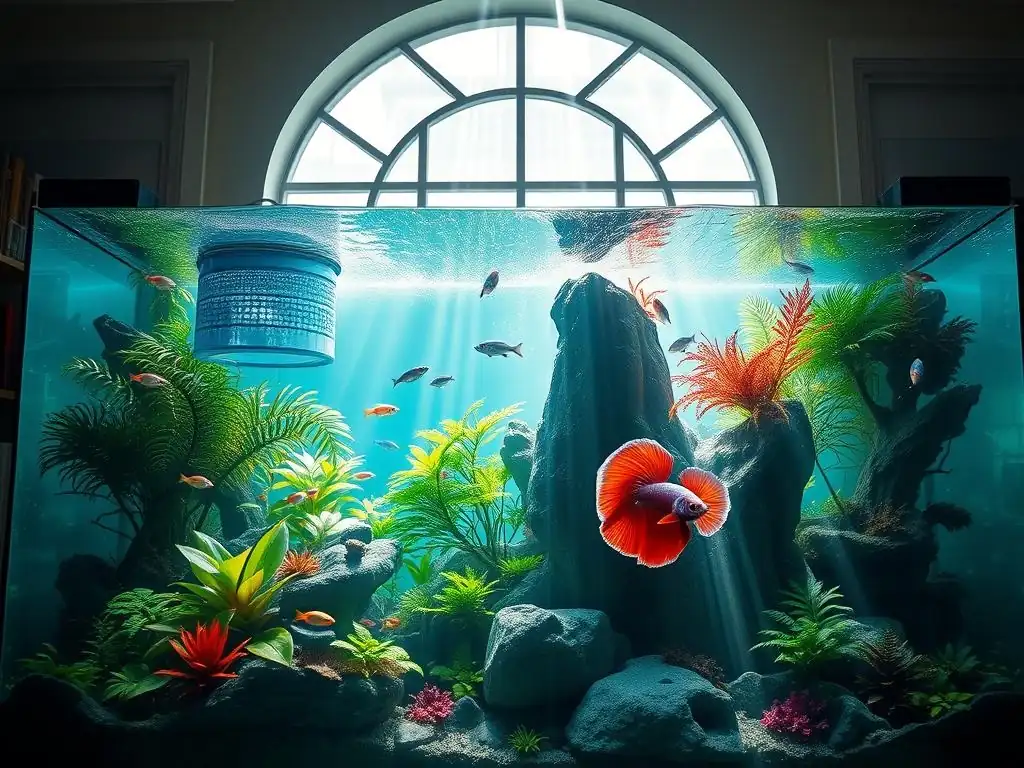
Welcome to Aquarium Mastery, fellow aquarist!
Ready to unlock the secrets to crystal-clear water and a thriving aquatic ecosystem? The right filter system is the heart of any aquarium, and choosing the best one can feel overwhelming. Dive into our expert guide, "The Heart of Your Aquarium: Expert Setup Guide for Any Filter System," where we'll demystify the process and equip you with the knowledge to set up the best filter system aquarium for your unique needs. Curious how to choose the perfect filter for your specific tank and inhabitants? Let's get started!
- Mastering Aquarium Filtration: A Comprehensive Guide
- Understanding Aquarium Filtration
- Setting Up Your Aquarium Filter
- Optimizing Filter Performance
- Maintaining Your Filter
- Choosing the Best Filter
- Advanced Filtration Techniques
- Expert Filtration Tips
-
Frequently Asked Questions
- What is the most important factor when choosing a filter system for my aquarium?
- How often should I clean my aquarium filter?
- What are the different types of aquarium filter systems available?
- Why is biological filtration so crucial for a healthy aquarium?
- Can I use tap water directly in my aquarium with my new filter system?
- Final Reflection: Cultivating Clarity and Life
- Dive Deeper: Perfect Your Aquarium's Filtration!
Mastering Aquarium Filtration: A Comprehensive Guide
Understanding Aquarium Filtration
Importance of Effective Filtration
Effective aquarium filtration is the cornerstone of a thriving aquatic environment, far surpassing a mere aesthetic preference for clear water. Its primary role is to process and remove harmful waste products generated by fish respiration, uneaten food, and decaying plant matter. Without robust filtration, these organic compounds would quickly break down into ammonia and nitrite, both highly toxic to aquatic life. For instance, even low concentrations of ammonia, such as 0.25 ppm, can cause severe stress and gill damage in many freshwater fish species, leading to disease and mortality.
Beyond detoxification, a well-implemented filtration system ensures the stability of crucial water parameters, which is vital for the long-term health and vibrancy of your aquarium inhabitants. It facilitates the nitrogen cycle, where beneficial bacteria convert toxic ammonia to nitrite, and then nitrite to less harmful nitrate. This continuous cycle, powered by your filter, prevents sudden chemical spikes that can wipe out an entire tank. Furthermore, proper filtration reduces the frequency of major water changes needed to maintain water quality, making tank maintenance more manageable and less disruptive to the ecosystem.
Types of Aquarium Filters
Mechanical Filtration
Mechanical filtration is the physical removal of particulate matter from the water column. This process typically involves filter media such as sponges, filter floss, or pads that trap solid debris like uneaten food, fish waste, and plant detritus as water passes through them. For example, a coarse sponge might capture larger particles, while a finer filter floss can trap microscopic suspended particles, significantly improving water clarity.
While highly effective at removing visible debris, mechanical filtration does not remove dissolved pollutants. Its primary benefit lies in preventing the accumulation of organic matter that would otherwise decompose and contribute to the nitrogenous waste load. Regular cleaning or replacement of mechanical media is crucial; if neglected, trapped waste will break down, releasing nitrates back into the water and potentially overwhelming the biological filtration, thus undermining the goal of a best filter system aquarium setup.
Chemical Filtration
Chemical filtration utilizes specialized media to remove dissolved organic compounds, odors, discolorations, and specific toxins from the water. The most common chemical media is activated carbon, which works through adsorption, binding pollutants to its porous surface. For instance, activated carbon can effectively remove tannins that stain water yellow or brown, as well as residual medications after a treatment period.
Other chemical media include resins designed to target specific pollutants like nitrates, phosphates, or silicates, which are often problematic in saltwater reef tanks or freshwater planted aquariums struggling with algae. While powerful, chemical media has a finite capacity and becomes saturated over time, typically within 2 to 4 weeks for activated carbon. Once saturated, it can no longer adsorb pollutants and may even begin to leach some back into the water, necessitating regular replacement to maintain its effectiveness.
Biological Filtration
Biological filtration is arguably the most critical component of any aquarium filter, as it directly supports the nitrogen cycle—the natural process that detoxifies harmful waste products. This form of filtration provides a vast surface area for beneficial nitrifying bacteria to colonize. These bacteria convert highly toxic ammonia (NH₃) into less toxic nitrite (NO₂⁻), and then convert nitrite into significantly less harmful nitrate (NO₃⁻). Common biological media include ceramic rings, bio-balls, porous sponges, and specialized sintered glass media, all designed to maximize surface area for bacterial growth.
The success of a best filter system aquarium setup hinges on robust biological filtration. Without a sufficient colony of these bacteria, ammonia and nitrite levels would quickly skyrocket, leading to immediate stress and eventual death for fish and invertebrates. For example, a well-established biological filter in a 50-gallon aquarium can process several milligrams of ammonia per hour, preventing toxic accumulation. Unlike mechanical or chemical media, biological media should rarely be replaced or aggressively cleaned, as this would remove the essential bacterial colonies and crash the nitrogen cycle, leading to a dangerous "new tank syndrome" even in an established aquarium.
Setting Up Your Aquarium Filter
Preparing for Initial Setup
Unboxing and Inspection
Upon receiving your new filter system, the first crucial step is to meticulously unbox all components and conduct a thorough inspection. Compare the contents against the manufacturer's parts list provided in the instruction manual to ensure everything is present. More importantly, carefully examine each part, especially critical components like the motor housing, impeller, and any O-rings or seals, for any signs of damage such as cracks, chips, or deformities that could compromise the filter's integrity or lead to leaks.
Immediately following the unboxing, read the entire instruction manual from cover to cover. While many filter setups share common principles, each model can have unique assembly requirements, priming procedures, or maintenance nuances. Understanding these specifics upfront can prevent common mistakes, save time, and ensure the filter operates at its optimal performance from day one, contributing to a truly best filter system aquarium setup.
Essential Setup Supplies
Before you begin the physical setup of your aquarium filter, gather all necessary supplies to ensure a smooth and efficient process. You will typically need at least two clean buckets (one for rinsing filter media, one for old tank water if performing maintenance), a clean towel to protect surfaces and wipe up spills, and possibly scissors or a sharp knife for cutting tubing to the correct length, especially for canister or sump systems.
Additionally, have a bottle of aquarium water conditioner readily available, as you may need to de-chlorinate tap water if using it for initial rinsing of certain components or for priming. For filters with O-rings and seals, a small amount of silicone grease (often included, or purchased separately) is essential to lubricate these components, ensuring a watertight seal and extending their lifespan. Having these items on hand streamlines the setup, minimizing interruptions and allowing for a precise and secure best filter system aquarium setup.
Filter Installation
Hang-on-Back (HOB) Filters
Hang-on-Back (HOB) filters are among the most popular choices for smaller to medium-sized aquariums due to their ease of installation and maintenance. To install, simply hang the filter body over the back rim of your aquarium, ensuring it is level. Assemble the intake tube, connecting it securely to the motor housing or filter body, and adjust its length so that the intake strainer is submerged sufficiently, typically a few inches from the substrate to avoid sucking up too much debris.
Next, arrange the filter media inside the filter chamber according to the manufacturer's recommendations, usually with mechanical media (e.g., sponge, floss) first, followed by biological media (e.g., ceramic rings), and then chemical media (e.g., activated carbon). Before plugging in the filter, fill the filter reservoir with aquarium water to prime the pump and ensure it starts correctly, preventing dry running that can damage the impeller.
Internal Filters
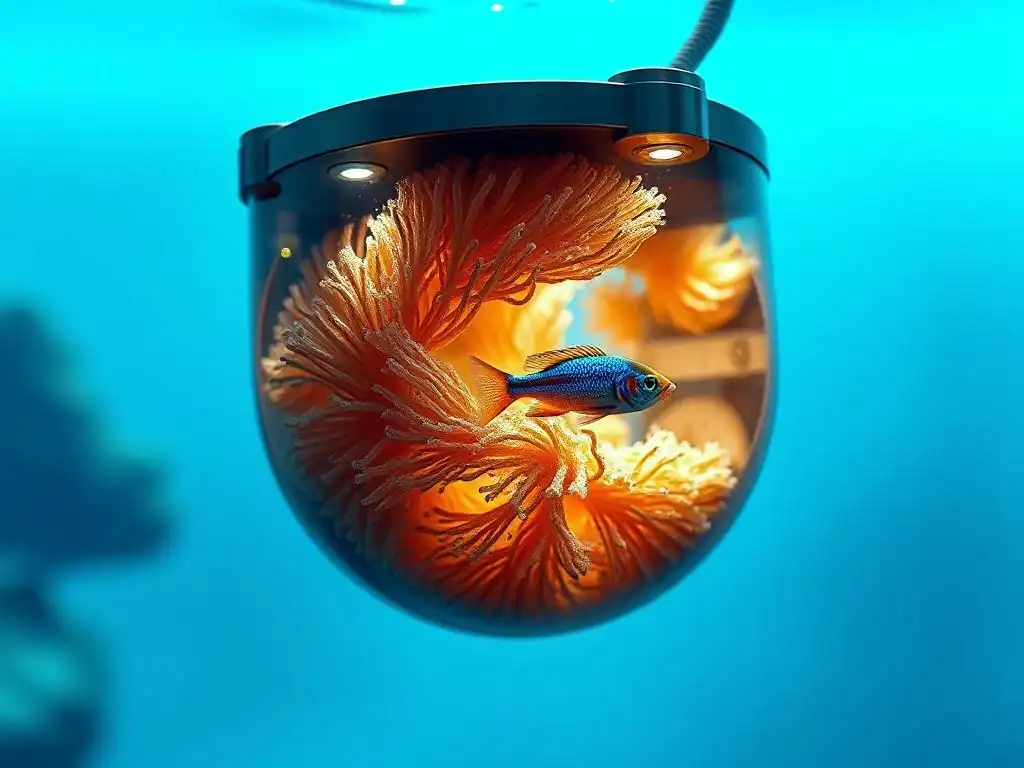
Internal filters are designed to be fully submerged within the aquarium, typically attached to the glass with suction cups. Their compact design makes them ideal for smaller tanks, quarantine tanks, or as supplementary filtration in larger setups. When installing, ensure the filter is positioned in an area that allows for good water circulation throughout the tank, often near the back or a corner.
Most internal filters come with integrated mechanical and biological media, often in the form of sponges. Ensure these media are properly seated within the filter body. Before plugging in, verify that the filter is completely submerged to prevent air from entering the impeller, which can cause noisy operation or prevent it from starting. Some models also include an adjustable spray bar or output nozzle, which can be angled to direct flow and minimize surface disturbance if desired.
Canister Filters
Canister filters are powerful external filters that sit below the aquarium, typically in a cabinet, offering large media capacities and excellent filtration for medium to large tanks. Installation involves connecting two hoses: an intake hose that draws water from the tank into the canister, and an outflow hose that returns filtered water. These hoses connect to specific inlet and outlet ports on the filter head, and secure hose clamps are essential to prevent leaks.
Inside the canister, filter media trays are stacked. A common arrangement for a best filter system aquarium setup is mechanical media (coarse to fine sponges) in the bottom tray, followed by biological media (ceramic rings, bio-balls) in the middle trays, and chemical media (activated carbon, resins) in the top tray. Before sealing the canister lid, ensure all O-rings and seals are properly seated and lubricated with silicone grease to create a watertight seal.
Sump Filters
Sump filters, often simply called "sumps," are separate aquariums or custom-built containers located below the main display tank, commonly used in large freshwater and almost all saltwater reef aquariums. Water flows from the display tank via an overflow box into the sump, passes through various filtration stages, and is then returned to the main tank by a return pump. Installation involves complex plumbing with PVC pipes, bulkheads, and unions to create a gravity-fed drain and a pumped return line.
Sumps offer immense flexibility and capacity for a best filter system aquarium setup, allowing for large volumes of biological media, the integration of equipment like protein skimmers and heaters, and even dedicated refugium sections. A typical sump might have distinct chambers for mechanical filtration (e.g., filter socks), a protein skimmer, a large biological media section, and a return pump chamber. Careful planning of the plumbing and water levels within each chamber is critical to prevent overflows or dry-running the return pump.
Priming Your Filter
Priming your filter is a critical step after installation, ensuring that water flows through the system correctly and that the pump does not run dry. For Hang-on-Back (HOB) and internal filters, priming often involves simply filling the filter box or submerging the unit completely in aquarium water before plugging it in. This displaces any air trapped around the impeller, allowing the pump to draw water efficiently.
For canister filters, which are more prone to airlocks due to their external placement, priming is typically more involved. After securing all hose connections and filling the canister with water (either manually or via a built-in priming button/lever), you must ensure all air is expelled from the system. For many models, this involves opening the intake and output valves and then repeatedly pressing a priming button until water begins to flow steadily from the output hose, indicating the canister is full and air-free. Immediately after successful priming, meticulously check all connections for any signs of leaks.
Connecting Hoses and Plumbing (Canister and Sump Filters)
For canister filters, securely connecting the intake and output hoses is paramount to prevent leaks and ensure efficient water flow. The hoses typically attach to barbed fittings on the filter head; these connections should be tightened with hose clamps (often provided) to create a watertight seal. Ensure the intake hose reaches an appropriate depth in the aquarium and that the output hose is positioned to provide good water circulation, perhaps with a spray bar. Avoid kinks or sharp bends in the hoses, as these can significantly restrict flow and strain the pump.
Sump systems involve more complex and permanent plumbing, often utilizing PVC pipes and fittings. Bulkheads are installed through drilled holes in the aquarium bottom or overflow box to create watertight pass-throughs for water to drain into the sump. Unions are commonly used in the plumbing lines to allow for easy disconnection of equipment for maintenance.
When assembling PVC plumbing, use PVC cement and primer for strong, leak-proof joints. For threaded connections, apply Teflon tape or pipe thread sealant to ensure a watertight seal. Precision in plumbing is key for a reliable and leak-free best filter system aquarium setup with a sump.
Optimizing Filter Performance
Media Selection
Activated Carbon
Activated carbon is a powerful chemical filtration media widely used for its ability to adsorb dissolved organic pollutants, foul odors, and water discoloration. It works by attracting and trapping these substances within its highly porous structure. For example, if your aquarium water develops a yellowish tint or an earthy smell, a bag of activated carbon can often restore crystal clarity and freshness within 24-48 hours. It is also invaluable for removing residual medications after treating a sick fish, preventing them from harming beneficial bacteria or invertebrates.
However, activated carbon has a finite lifespan; once its pores become saturated with pollutants, it can no longer adsorb effectively. Typically, it needs to be replaced every 2 to 4 weeks, depending on the bioload of the aquarium.
If left in the filter for too long after saturation, it can potentially leach some of the adsorbed pollutants back into the water. It's also important to note that while highly effective for specific purposes, activated carbon does not contribute to biological filtration and should not be used continuously in tanks where trace elements are crucial, such as heavily planted aquariums or reef tanks, unless specifically formulated for such environments.
Biological Media
Biological media provides the essential surface area for the colonization of beneficial nitrifying bacteria, which are the backbone of the aquarium's nitrogen cycle. The effectiveness of biological media is directly proportional to its usable surface area. For instance, high-quality sintered glass or ceramic media can boast an astonishing internal surface area, with some products claiming over 700 to 1000 square meters per liter of media, allowing for a massive bacterial colony to thrive within a compact space. This vast surface area efficiently converts toxic ammonia and nitrite into less harmful nitrate.
Selecting the right biological media is crucial for a best filter system aquarium setup. While simple sponges can provide some biological filtration, dedicated media like ceramic rings, bio-balls, or specialized porous rock alternatives offer superior performance due to their intricate pore structures. These media should be placed in a section of the filter where water flow is consistent but not turbulent, allowing bacteria to flourish without being washed away. Unlike mechanical or chemical media, biological media should rarely be replaced and only gently rinsed in old tank water if flow becomes severely restricted, to preserve the vital bacterial colonies.
Mechanical Filtration Media
Mechanical filtration media is designed to physically trap and remove particulate matter from the aquarium water, playing a crucial role in maintaining water clarity and preventing the accumulation of organic waste. Common examples include filter floss, coarse sponges, fine sponges, and filter socks. The media is typically layered within the filter, with coarser materials placed first to capture larger debris, followed by progressively finer materials that trap smaller suspended particles. For instance, a coarse sponge might catch large pieces of uneaten food, while a fine polishing pad can remove microscopic cloudiness, ensuring crystal-clear water.
Regular cleaning or replacement of mechanical media is vital for optimal filter performance and overall water quality. As debris accumulates, the media can become clogged, reducing water flow through the filter and potentially causing the trapped waste to decompose, releasing nitrates and other pollutants back into the water.
For example, filter floss in a heavily stocked tank might need rinsing every few days, while a coarse sponge in a lightly stocked tank might only need attention monthly. Neglecting mechanical media can lead to cloudy water, increased nitrate levels, and an overloaded biological filter, undermining the overall efficiency of your best filter system aquarium setup.
Adjusting Flow Rate
Adjusting the flow rate of your aquarium filter is an important aspect of optimizing its performance to suit the specific needs of your tank inhabitants and plants. Different fish species have varying preferences for water current; for instance, slow-moving fish like Bettas can be stressed by strong currents, while fast-swimming species like Danios thrive in brisk flow. Too strong a flow can also uproot delicate plants or blow around fine substrate. Conversely, insufficient flow can lead to "dead spots" in the aquarium where waste accumulates and oxygen levels may drop.
Many canister filters and some internal filters offer adjustable flow rates via a valve on the output or an adjustable pump. For filters without this feature, a spray bar can be used on the output to diffuse the flow and spread it more evenly across the tank, reducing localized high currents.
As a general guideline for a community freshwater tank, aiming for a filter that cycles the entire tank volume 4 to 6 times per hour is a good starting point. For example, a 50-gallon tank would ideally have a filter with a flow rate between 200 and 300 gallons per hour (GPH) to ensure adequate circulation and filtration without creating excessive turbulence.
Maintaining Your Filter
Regular Cleaning
Regular cleaning of your aquarium filter is non-negotiable for maintaining optimal water quality and ensuring the longevity of your filtration system. The frequency of cleaning depends heavily on the type of filter and the bioload of your tank. Mechanical media, such as sponges and filter floss, should be rinsed or replaced most frequently—often weekly or bi-weekly—as they are designed to trap solid waste. Neglecting this leads to reduced flow and the decomposition of trapped debris, releasing nitrates.
When cleaning mechanical media, always rinse it in old aquarium water removed during a water change, rather than tap water. Tap water contains chlorine, which can kill beneficial bacteria. Biological media, on the other hand, should be cleaned very sparingly, perhaps only every few months if flow is significantly impeded, and always in old tank water to preserve the invaluable bacterial colonies. Never clean all filter media at once, especially biological media, as this can crash your nitrogen cycle and lead to dangerous ammonia and nitrite spikes.
Media Replacement
The replacement schedule for filter media varies significantly depending on its type and function. Chemical media, such as activated carbon, has a finite lifespan and typically needs to be replaced every 2 to 4 weeks. Once saturated, activated carbon loses its ability to adsorb pollutants and can even begin to leach them back into the water. Specialized resins for nitrates or phosphates also have specific lifespans, often indicated by the manufacturer, and should be replaced accordingly.
Mechanical filter media, like sponges or filter floss, should be replaced when they can no longer be effectively rinsed clean or when they start to disintegrate, usually every 1 to 3 months for sponges or more frequently for floss. Biological media, however, should rarely, if ever, be replaced.
Its purpose is to host beneficial bacteria, and replacing it means discarding these vital colonies. If biological media becomes physically damaged or severely clogged over many years, only replace a small portion at a time to prevent destabilizing your aquarium's nitrogen cycle, ensuring the continuous efficiency of your best filter system aquarium setup.
Troubleshooting
Even with the best filter system aquarium setup, issues can occasionally arise. One of the most common problems is reduced water flow. This is typically caused by clogged mechanical filter media, a dirty or obstructed impeller (the spinning part of the pump), or air trapped within the filter system (especially common with canister filters). If you notice a significant drop in flow, first check and clean your mechanical media. If that doesn't resolve it, inspect the impeller for debris like plant matter or snail shells and ensure it spins freely.
Another frequent issue is unusual noise, such as rattling or grinding. This often indicates air in the filter, a loose component, or an issue with the impeller. For canister filters, re-priming the unit can often expel trapped air and quiet the system. If the noise persists, double-check all connections and ensure the filter is sitting on a stable, level surface. Persistent problems, such as leaks, require immediate attention; check all O-rings, seals, and hose clamps for proper seating and tightness, referring to your filter's manual for specific troubleshooting steps.
Choosing the Best Filter
Aquarium Size and Stocking
When selecting the best filter system aquarium setup, the size of your aquarium and its stocking density are paramount considerations. A general rule of thumb for effective filtration is to choose a filter that can process the entire volume of your tank's water at least 4 to 6 times per hour.
For instance, a 50-gallon aquarium would ideally require a filter with a flow rate between 200 and 300 gallons per hour (GPH). Heavily stocked tanks, or those housing high-waste producing fish like goldfish or large cichlids, often benefit from even higher turnover rates or multiple filters to ensure adequate waste removal.
Under-filtering can lead to rapid water quality degradation, algae blooms, and stressed fish, while over-filtering (within reason) generally provides a more stable and healthier environment. For a very large tank (e.g., 100 gallons or more) or a marine reef system, a sump filter often becomes the best filter system aquarium setup due to its immense capacity for biological media and ability to integrate other essential equipment like protein skimmers. Conversely, a small 10-gallon betta tank might be perfectly served by a small internal filter or a compact Hang-on-Back filter.
Budget
The initial budget for your aquarium filter plays a significant role in your selection, as prices can vary widely from under $20 for basic internal filters to several hundred dollars for advanced canister or sump systems. While it might be tempting to opt for the cheapest option, considering the long-term value and operational costs is crucial. A higher quality filter often offers better performance, durability, and lower long-term maintenance costs in terms of energy efficiency and media replacement.
Beyond the initial purchase price, factor in the recurring cost of replacement filter media (e.g., activated carbon, filter floss) and the filter's energy consumption, which can add up over time. For example, while a high-end canister filter might cost $150-$300 upfront, its superior efficiency and media capacity might lead to fewer media replacements and lower electricity bills compared to multiple cheaper, less efficient filters.
Investing in a reliable filter from the outset can save money and headaches by preventing fish loss and costly water quality issues down the line, making it a truly best filter system aquarium setup in the long run.
Ease of Maintenance
The ease of maintenance is a practical consideration that significantly impacts your long-term satisfaction with your filter system. Filters vary greatly in how straightforward they are to clean and service. Hang-on-Back (HOB) filters and internal filters are generally the easiest for beginners, often requiring just a quick removal of media cartridges or sponges for rinsing. Their simplicity makes them a popular choice for smaller tanks and those new to the hobby.
Canister filters, while offering superior performance and media capacity, typically require more effort to maintain. They often involve disconnecting hoses, unlatching clamps, and disassembling media trays, which can be a more involved process. Sump filters, while highly customizable and powerful, demand the most complex maintenance due to their intricate plumbing and multiple compartments. When choosing your filter, honestly assess your comfort level with maintenance tasks and the amount of time you are willing to dedicate. A best filter system aquarium setup for you is one that you can consistently and easily keep clean and functional.
Matching Filter to Aquarium Needs
Selecting the best filter system aquarium setup means precisely matching the filter's capabilities to the specific requirements of your aquarium ecosystem. For a heavily planted freshwater tank, a filter that provides excellent biological filtration without creating excessive flow that uproots plants, perhaps with a spray bar, would be ideal. Chemical filtration might be used sparingly to avoid removing plant nutrients. In contrast, a freshwater tank housing large, messy fish like Oscars or Goldfish would benefit immensely from a filter with robust mechanical filtration and a high flow rate to handle the significant bioload.
For saltwater aquariums, particularly reef tanks, the filtration needs are even more specialized. While biological filtration remains crucial, mechanical filtration (often via filter socks) and chemical filtration (such as GFO for phosphates) are standard. Most importantly, a protein skimmer is considered essential for marine systems to remove dissolved organic waste before it breaks down into nitrates and phosphates. For advanced reef keepers, a sump with integrated refugium can provide superior nutrient export and stability, making it the definitive best filter system aquarium setup for such demanding environments.
Advanced Filtration Techniques
UV Sterilizers
UV sterilizers are advanced filtration devices that use ultraviolet (UV-C) light to control free-floating microorganisms in the aquarium water. As water passes through a chamber containing a UV lamp, the UV-C radiation disrupts the DNA of algae spores, bacteria, viruses, and free-swimming parasites, rendering them unable to reproduce and effectively sterilizing the water. For instance, a 9-watt UV sterilizer can effectively clear green water algae blooms in a 55-gallon tank within days, provided the flow rate through the unit is appropriate.
The primary benefits of a UV sterilizer include achieving crystal-clear water by eliminating suspended algae, reducing the incidence of fish diseases by killing waterborne pathogens, and generally improving the overall health of the aquatic environment. It's important to note that UV sterilizers only affect organisms that pass directly through the unit and do not harm the beneficial bacteria colonizing your main filter media or within the substrate. This makes them a valuable addition to a best filter system aquarium setup for problematic algae, recurrent disease issues, or simply to maintain pristine water clarity.
Protein Skimmers (Saltwater)
Protein skimmers are indispensable equipment for nearly all saltwater aquariums, especially reef tanks, and are often considered a core component of a best filter system aquarium setup for marine environments. Their function is unique: they remove dissolved organic waste compounds, such as proteins and amino acids, from the water before these substances can break down into nitrates and phosphates. This is achieved by creating a massive amount of fine air bubbles in a contact chamber, to which organic compounds adhere. The protein-laden foam then rises into a collection cup, where it can be regularly removed.
The importance of protein skimmers cannot be overstated in a marine setup. By physically removing organic pollutants, they significantly reduce the bioload on the biological filter, prevent the buildup of unsightly algae, and maintain ultra-low nutrient levels critical for the health and vibrant coloration of corals and other sensitive invertebrates. For example, a high-quality protein skimmer can remove up to 30-50% of the total dissolved organic carbon in a healthy reef tank daily, contributing immensely to water clarity and stability.
Refugiums
A refugium is a dedicated, isolated compartment, often integrated within a sump, designed to serve as a safe haven and cultivation area for beneficial organisms and macroalgae. In saltwater aquariums, the primary purpose of a refugium is to grow nutrient-absorbing macroalgae, most commonly Chaetomorpha or "Chaeto." This macroalgae actively consumes nitrates and phosphates from the water, providing a natural and highly effective method of nutrient export, complementing or even replacing chemical media. For instance, a refugium sized at 10-20% of the main tank volume can effectively manage nutrient levels in many reef systems.
Beyond nutrient export, refugiums also foster the growth of beneficial microfauna, such as copepods and amphipods. These tiny crustaceans reproduce rapidly in the protected environment of the refugium, free from predation by the main tank's inhabitants. They then periodically "seed" the main display, providing a continuous, natural food source for corals and certain fish species. This biological diversity and natural nutrient control make refugiums a highly valued component of an advanced and truly best filter system aquarium setup for reef aquariums.
Expert Filtration Tips
Maintaining a Healthy Ecosystem
Achieving a truly healthy aquarium ecosystem extends beyond simply installing the best filter system aquarium setup; it requires a holistic approach to tank management. While filtration is crucial for processing waste, it must be complemented by other essential practices. Regular water changes, typically 25% weekly or bi-weekly depending on bioload, are vital for removing nitrates and replenishing essential trace elements that filtration cannot fully address.
Equally important are proper feeding habits and appropriate stocking levels. Overfeeding is a primary cause of filter overload and poor water quality, as uneaten food quickly decomposes. Feeding small amounts multiple times a day is generally better than one large meal. Furthermore, avoiding overstocking your tank ensures that the biological filter has sufficient capacity to handle the waste produced by your inhabitants, preventing chronic water quality issues and maintaining a stable, thriving environment.
Preventing Filtration Issues
Proactive measures are key to preventing common filtration issues and ensuring the continuous efficiency of your best filter system aquarium setup. One of the most effective prevention strategies is to avoid overfeeding. Excess food quickly breaks down, creating a heavy organic load that can overwhelm your filter's mechanical and biological capacity, leading to clogs and dangerous ammonia/nitrite spikes. Feed only what your fish can consume in a few minutes, two to three times a day.
Another critical tip is to perform routine, but gentle, filter maintenance. Cleaning mechanical media regularly (e.g., weekly or bi-weekly rinsing in old tank water) prevents it from becoming a source of nitrates and maintains optimal flow. Always have spare filter media on hand, especially mechanical media, so you can replace it as needed without delay. Familiarize yourself with the sounds and flow patterns of your filter; any sudden changes, like reduced flow or unusual noises, are often early indicators of a problem that needs immediate attention, preventing minor issues from escalating into major water quality crises.
Achieving Clear Water
Crystal-clear aquarium water is often the most visible indicator of an effective and well-maintained filtration system, but it's the result of more than just mechanical clarity. While mechanical filtration (sponges, floss, filter socks) is directly responsible for removing particulate matter that causes cloudiness, truly clear water signifies a balanced and healthy ecosystem supported by robust biological and, sometimes, chemical filtration. For example, if your water is cloudy despite clean mechanical media, it could indicate a bacterial bloom (often from an immature biological filter) or high dissolved organics, which chemical filtration (like activated carbon) can address.
Ultimately, achieving and maintaining pristine water clarity is a testament to your overall aquarium husbandry. It requires the synergistic combination of proper filter selection (ensuring adequate GPH and media capacity), diligent filter maintenance (regular cleaning and timely media replacement), and sensible tank management practices (avoiding overfeeding and overstocking). When all these elements align, your best filter system aquarium setup works seamlessly to create an environment where water parameters are stable, fish are healthy, and the view into your aquatic world is always breathtakingly clear.
Frequently Asked Questions
What is the most important factor when choosing a filter system for my aquarium?
The most important factor is matching the filter's capacity to the size and bioload of your tank. Overfiltration is generally preferred to underfiltration.
How often should I clean my aquarium filter?
Filter cleaning frequency depends on the type of filter and the tank's bioload, but generally, aim for every 2-4 weeks. Avoid cleaning all filter media at once to preserve beneficial bacteria.
What are the different types of aquarium filter systems available?
Common types include mechanical filters, chemical filters, and biological filters. Many systems combine these three in a single unit for comprehensive filtration.
Why is biological filtration so crucial for a healthy aquarium?
Biological filtration uses beneficial bacteria to convert harmful ammonia and nitrite into less toxic nitrate. This process is essential for maintaining a stable and healthy aquarium environment.
Can I use tap water directly in my aquarium with my new filter system?
No, tap water often contains chlorine or chloramine, which are harmful to fish and beneficial bacteria. Always use a water conditioner to remove these chemicals before adding water to your aquarium.
Final Reflection: Cultivating Clarity and Life
The journey through understanding and implementing the best filter system aquarium setup is more than just technical expertise; it's about fostering a thriving ecosystem within the confines of glass. The principles of biological balance, mechanical filtration, and chemical control discussed throughout this guide are not merely abstract concepts, but rather the very foundation upon which the health and beauty of your aquatic world depend. Today, as environmental awareness grows, understanding these principles becomes even more crucial, reminding us of the delicate interconnectedness of all living things, even within our own homes.
This exploration into aquarium filtration has, I hope, illuminated the profound responsibility we undertake when we choose to nurture aquatic life. The ongoing influence of a well-maintained aquarium extends beyond aesthetic pleasure; it offers a microcosm of the natural world, a constant reminder of the delicate balance that sustains all life. In nature, nothing is perfect and everything is perfect. Trees can be contorted, bent in weird ways, and they're still beautiful.
- Alice Walker. This quote resonates deeply, reminding us that even within the controlled environment of an aquarium, embracing the natural processes and striving for balance, rather than sterile perfection, is key to long-term success and beauty.
Now, armed with this knowledge, I invite you to reflect on the potential of your own aquarium. Consider how you can apply these principles to not only create a visually stunning display, but also to cultivate a thriving and sustainable ecosystem. Take the time to observe, to learn, and to adapt. Your aquarium is a living canvas, a testament to your dedication and understanding. Embrace the journey, and watch as your aquatic world flourishes, bringing joy and wonder to your life for years to come.
Dive Deeper: Perfect Your Aquarium's Filtration!
Thanks for exploring the crucial world of aquarium filters with us! We hope this guide has empowered you with the knowledge to maintain a thriving aquatic ecosystem. Now, let's put that knowledge into action.
Here are a few things you can do next:
- Immediately inspect and optimize your existing filter system. Make sure the flow rate is appropriate for your tank size and that all components are functioning correctly.
- Share this guide with fellow aquarium enthusiasts. Help them unlock the secrets to crystal-clear water and healthy fish!
- Consider experimenting with unconventional filtration methods, like incorporating live plants directly into your filter system, to achieve truly balanced water parameters.
What surprising improvements did you discover while inspecting your aquarium filter system, and how has it impacted your tank's clarity?