
Lunar Cycles & Saltwater Spawning: Harnessing Nature's Rhythms for Success

Welcome to Aquarium Mastery!
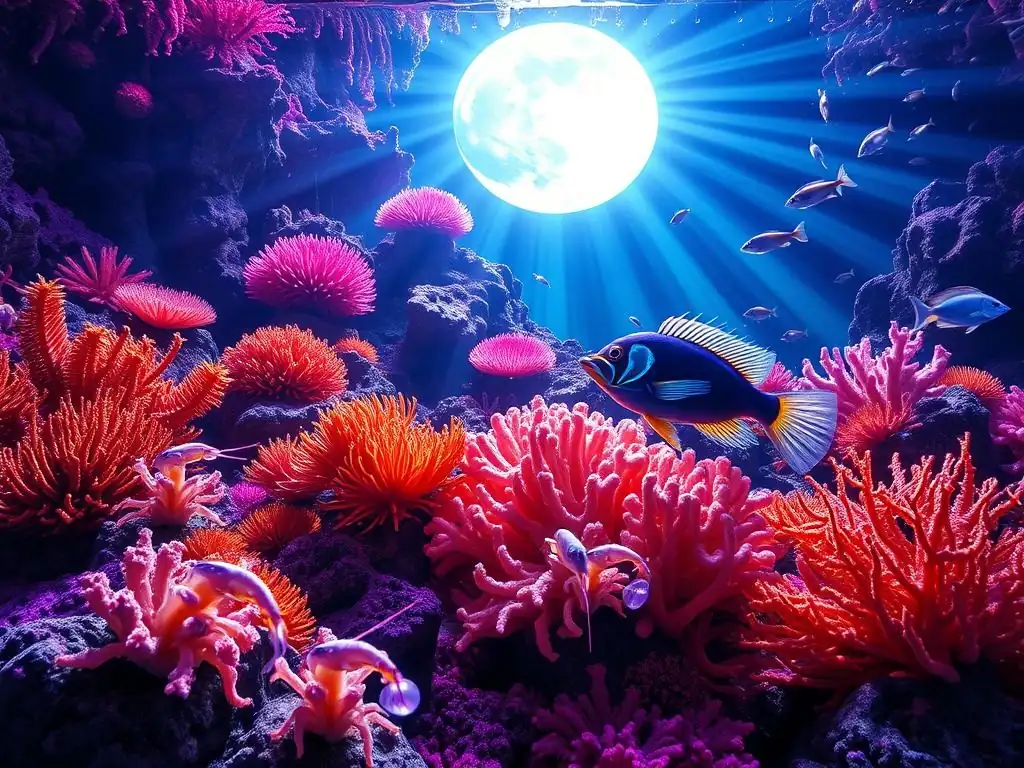
Ever wondered how the moon's gentle pull influences the delicate dance of life within your saltwater aquarium? Dive into the secrets of the Saltwater Spawning Lunar Cycle and discover how understanding nature's rhythms can unlock a new level of success in your aquatic endeavors. Prepare to be amazed by the intricate connection and learn how to harness this natural phenomenon to create a thriving ecosystem for your finned friends. Ready to explore?
- Understanding the Saltwater Spawning Lunar Cycle Connection
- Deciphering Lunar Signals for Successful Spawning
- Optimizing Aquarium Conditions for Lunar-Triggered Saltwater Spawning
- Species-Specific Spawning Behaviors and Lunar Alignment
- Advanced Techniques for Capturing Saltwater Spawning Events
- Larval Rearing Considerations After Lunar-Triggered Spawning
- Troubleshooting Common Issues with Lunar-Influenced Saltwater Spawning
- Maximizing Breeding Success: Integrating Lunar Cycles and Best Practices
-
Frequently Asked Questions
- What is the significance of the lunar cycle in saltwater aquarium spawning?
- How can I use information about the lunar cycle to improve my chances of successful spawning?
- What are some key environmental factors to consider alongside the lunar cycle for successful spawning?
- Are all saltwater species equally affected by the lunar cycle when it comes to spawning?
- Where can I find specific information about the lunar spawning triggers for a particular saltwater species?
- Final Reflection: Embracing the Moon's Embrace
- Unlock the Ocean's Secrets: Begin Your Deep Dive!
Understanding the Saltwater Spawning Lunar Cycle Connection
The Significance of Lunar Rhythms in Marine Environments
The moon exerts a profound gravitational pull on Earth's oceans, directly influencing tidal patterns and ocean currents. These predictable shifts in water movement and depth create dynamic environments that marine organisms have evolved to exploit. From the rhythmic ebb and flow of tides to subtle changes in ambient light penetration, these lunar-driven phenomena act as critical environmental cues, shaping the behavior and physiology of countless aquatic species. The consistent nature of these rhythms allows marine life to synchronize vital life processes, ensuring optimal conditions for survival and reproduction.
Marine fish, in particular, have developed intricate biological clocks that are finely tuned to these lunar rhythms. This synchronization offers a significant evolutionary advantage, allowing species to coordinate mass spawning events. Such collective reproduction can overwhelm predators, increase the chances of fertilization in vast ocean environments, and facilitate the dispersal of eggs and larvae to new, favorable habitats via specific tidal currents. Understanding this fundamental connection is the first step in replicating successful saltwater spawning lunar cycle conditions in a controlled aquarium setting.
How Lunar Phases Influence Saltwater Fish Reproduction
Lunar phases, primarily the full moon and new moon, are often associated with the strongest tidal amplitudes, known as spring tides. These powerful currents can play a crucial role in the transport and dispersal of pelagic (open-water) eggs and larvae, moving them away from the immediate spawning site where adult fish or other predators might consume them.
The changes in ambient light levels throughout the lunar cycle also act as a potent cue, influencing the hormonal cycles and reproductive readiness of many fish species. For instance, the increased illumination during a full moon might trigger specific behavioral changes or physiological responses related to spawning.
Beyond the direct physical effects, the subtle shifts in light intensity and duration over a 29.5-day lunar cycle can directly impact the production of key reproductive hormones in saltwater fish. Melatonin, a hormone sensitive to light, can influence the release of gonadotropins, which in turn regulate gamete maturation and release.
Many species exhibit a peak in spawning activity around either the new moon or full moon, demonstrating a strong correlation between the saltwater spawning lunar cycle and their reproductive efforts. This precise timing ensures that eggs and larvae are released when environmental conditions, such as food availability or predator presence, are most favorable for their survival.
Deciphering Lunar Signals for Successful Spawning
Identifying Lunar Cues for Saltwater Fish Spawning Events
For the observant aquarist, recognizing the subtle cues that saltwater fish exhibit in anticipation of spawning can be invaluable, especially when trying to align with the saltwater spawning lunar cycle. These cues often manifest as changes in behavior, coloration, or interaction patterns within a breeding pair. For example, many species will display increased courtship rituals, such as chasing, fin nipping, or elaborate swimming patterns. Clownfish (Amphiprioninae), for instance, often engage in vigorous "shaking" and cleaning of a chosen spawning site days before egg deposition.
Other indicators can include a noticeable swelling in the female's abdomen due to developing eggs, or a darkening of coloration in the male as he prepares to defend the spawning territory. Maintaining a detailed logbook of these observations, alongside the corresponding lunar phase, is crucial. By meticulously recording the date, time, and specific behaviors leading up to a spawning event, aquarists can begin to identify recurring patterns. This data-driven approach allows for the development of a predictive model tailored to the specific species being bred, enhancing the chances of successfully anticipating and managing saltwater spawning events.
Predicting Spawning Times Using Lunar Phase Data
Once an aquarist has gathered sufficient observational data, predicting future spawning times becomes a highly effective strategy for breeding success. By cross-referencing documented spawning events with a lunar calendar, distinct patterns often emerge. For example, if a pair of Banggai Cardinalfish (Pterapogon kauderni) consistently spawns within three days of the new moon, this establishes a strong predictive correlation. This predictive power allows for proactive preparation of larval rearing systems, ensuring all necessary equipment and live feeds are ready before the eggs are laid or fertilized.
Utilizing readily available online lunar calendars or dedicated mobile applications can simplify the tracking of moon phases. Aquarists can then mark potential spawning windows based on their historical data. For species that exhibit strong lunar periodicity in the wild, such as many tangs (Acanthuridae) or some wrasses, aligning captive conditions with these natural rhythms can significantly increase the frequency and viability of spawning. Even for species that spawn more frequently in captivity, like clownfish, a subtle increase in clutch size or consistency might be observed when the saltwater spawning lunar cycle is actively considered and mimicked.
Optimizing Aquarium Conditions for Lunar-Triggered Saltwater Spawning
Mimicking Natural Lunar Light Cycles in Your Aquarium
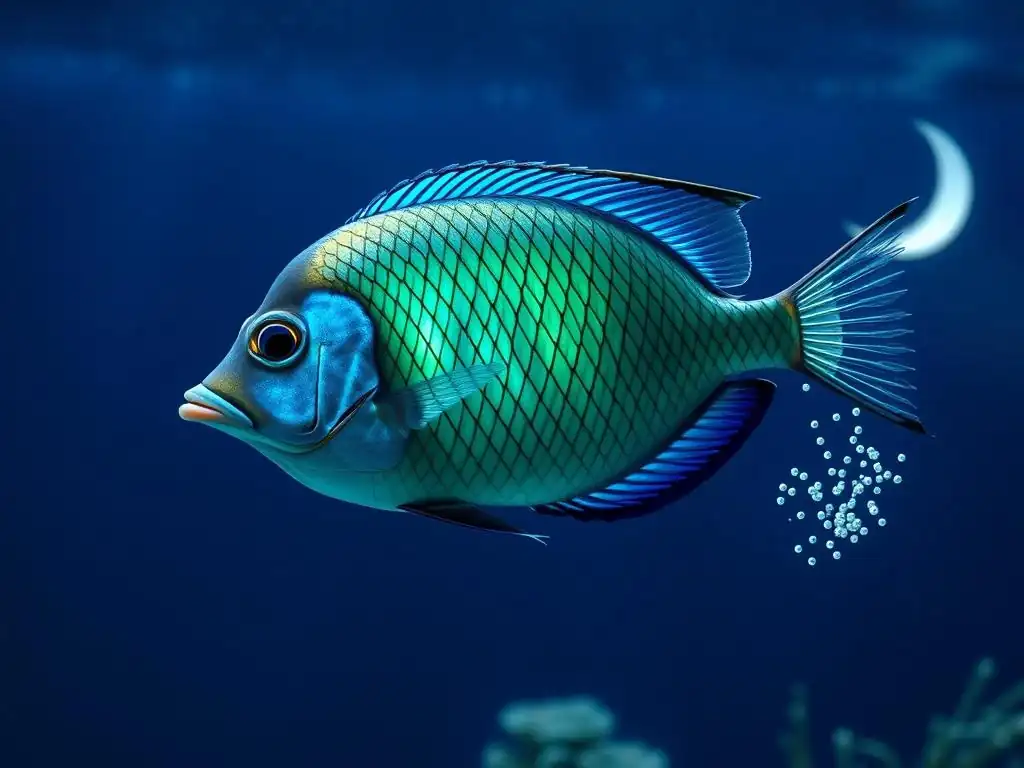
To encourage natural saltwater spawning lunar cycle behaviors, replicating the moon's light influence is paramount. This involves implementing a lighting system capable of simulating the dim, blue-white light of moonlight and, critically, varying its intensity over a 29.5-day cycle. Programmable LED lighting systems are ideal for this purpose, allowing for precise control over color spectrum and intensity. Aquarists can program a gradual increase in blue light intensity from the new moon to the full moon, and then a decrease back to minimal levels, mimicking the waxing and waning phases.
The intensity of simulated moonlight should be very dim, typically ranging from 0.1 to 1.0 PAR (Photosynthetically Active Radiation) at its peak, significantly lower than daytime lighting. This subtle illumination, often applied for 8-10 hours during the aquarium's "night" cycle, helps to regulate the fish's internal biological clock and influence their reproductive hormone production. Consistent application of this lunar light cycle can reduce stress, encourage natural courtship behaviors, and potentially lead to more consistent and successful saltwater spawning, especially for species known to be sensitive to natural light cues.
Water Parameter Management for Enhanced Spawning Success
Beyond light cycles, maintaining pristine and stable water parameters is non-negotiable for successful saltwater spawning. Temperature should be kept within the optimal range for the specific species, typically 25-27°C (77-81°F) for many tropical marine fish, with minimal fluctuations. Salinity should be stable at 1.023-1.025 specific gravity, mirroring natural reef conditions. pH levels should be consistently maintained between 8.0 and 8.4, and alkalinity (dKH) between 8-12 dKH to provide adequate buffering capacity.
Furthermore, nutrient levels must be meticulously controlled. Nitrates should be kept below 5 ppm, and phosphates should be undetectable (0.00 ppm) to prevent algae blooms and ensure water purity, which is critical for the health of breeding adults and the viability of their eggs. Regular, small water changes (e.g., 10-20% weekly) with high-quality, properly mixed saltwater help replenish essential trace elements and remove accumulated waste. Optimal water quality directly contributes to the overall health and reproductive vigor of the breeding pair, significantly enhancing the likelihood of successful saltwater spawning, regardless of lunar influence.
Species-Specific Spawning Behaviors and Lunar Alignment
Case Studies: Lunar Influence on Clownfish (Amphiprioninae) Spawning
Clownfish are among the most commonly bred saltwater fish in captivity, largely due to their relatively straightforward spawning habits. They are substrate spawners, laying their eggs on a flat surface, often near an anemone or a clay pot.
While captive clownfish, particularly Ocellaris (Amphiprion ocellaris) and Percula (Amphiprion percula), often spawn every 7-14 days regardless of lunar phase due to stable environmental conditions and abundant food, wild populations sometimes exhibit a preference for spawning around the full moon. This wild behavior is hypothesized to be linked to stronger tidal currents during full moons, which can help disperse their planktonic larvae away from the nesting site, reducing immediate predation risks.
In an aquarium setting, while a strict saltwater spawning lunar cycle isn't always necessary for clownfish to spawn, some breeders report that mimicking lunar cycles can lead to more consistent spawning frequencies or even larger clutch sizes. A typical clutch can range from 300 to over 1,000 eggs, which hatch within 7-10 days depending on temperature. The male meticulously guards and fans the eggs until hatching. Observing any subtle shifts in their bi-weekly spawning rhythm, or an increase in the number of eggs laid during specific lunar phases, can provide insights into their underlying biological responses to light cues.
Case Studies: Lunar Influence on Tang (Acanthuridae) Spawning
Tangs, such as the Yellow Tang (Zebrasoma flavescens) or Blue Tang (Paracanthurus hepatus), are pelagic spawners, releasing their eggs and sperm directly into the water column, where fertilization occurs externally. In their natural reef habitats, many tang species display a very strong lunar periodicity, often spawning en masse around the new moon or full moon. This timing aligns with periods of strong tidal currents, which are essential for rapidly dispersing the vast numbers of buoyant eggs and larvae away from the adult population and into the open ocean, where they can develop safely away from reef predators.
Breeding tangs in captivity is significantly more challenging than clownfish, primarily due to their large size, need for vast water volumes, and the precise environmental cues required to trigger spawning. Replicating the strong currents and the subtle, yet critical, changes in light and water chemistry associated with specific lunar phases is difficult in a closed system.
Successful captive breeding of tangs has only been achieved in a handful of facilities globally, often involving massive broodstock tanks (thousands of gallons) and sophisticated systems that simulate oceanic conditions, including precise saltwater spawning lunar cycle light profiles and dynamic water flow. The strong correlation between their wild spawning and lunar phases underscores the deep evolutionary programming that links their reproduction to these natural rhythms.
Adapting Spawning Strategies Based on Species-Specific Lunar Needs
Given the diverse reproductive strategies of saltwater fish, a "one-size-fits-all" approach to incorporating the saltwater spawning lunar cycle is ineffective. Aquarists must research the specific natural history and reproductive behaviors of the species they intend to breed. For species that are known pelagic spawners in the wild and exhibit strong lunar periodicity (e.g., many tangs, wrasses, or some damselfish), a dedicated effort to accurately simulate lunar light cycles, coupled with appropriate water flow variations to mimic tidal currents, will be crucial. This might involve increasing flow rates during simulated new or full moon periods to encourage broadcast spawning.
Conversely, for substrate spawners like clownfish or gobies, while lunar cycles might subtly influence consistency or clutch size, the primary focus should remain on providing optimal spawning surfaces, pristine water quality, and a highly nutritious diet. The emphasis shifts from large-scale environmental cues to micro-environment conditions. Understanding whether a species is an egg scatterer, substrate layer, or mouthbrooder, and then aligning the simulated saltwater spawning lunar cycle with their natural timing, will significantly increase the chances of successful breeding. This tailored approach, based on species-specific needs, is key to maximizing reproductive output.
Advanced Techniques for Capturing Saltwater Spawning Events
Setting Up a Dedicated Spawning Tank
For serious aquarists aiming to consistently breed saltwater fish, establishing a dedicated spawning tank is often a critical step. This separate system provides a controlled environment free from the stresses and predation risks of a community tank. A typical spawning tank might range from 20 to 40 gallons for smaller pairs like clownfish, featuring minimal decor to simplify egg collection and maintain water quality. Essential components include a mature biological filter (often a sponge filter or small hang-on-back filter for gentle flow), a heater, and a precise lighting system capable of lunar cycle simulation.
The benefits of a dedicated spawning tank are numerous: it allows for precise control over water parameters specifically tailored for breeding, eliminates competition for food, and most importantly, protects eggs and larvae from predation by other tank inhabitants. For substrate spawners, providing specific spawning surfaces like clay pots, tiles, or PVC pipes can encourage egg deposition and facilitate easy removal of the eggs once laid. For pelagic spawners, the design might incorporate an overflow system to gently collect buoyant eggs as they are released, preventing them from being consumed by the parents.
Implementing Light Cycles to Simulate Lunar Phases
Implementing a realistic saltwater spawning lunar cycle in an aquarium involves more than just turning a blue light on and off; it requires a sophisticated programmable lighting system. Modern LED fixtures offer the precision needed to mimic the moon's 29.5-day cycle. The programming typically involves setting a daily "night" period (e.g., 8-10 hours) during which the main lights are off, and only the "moonlight" LEDs are active. The intensity of these blue or very dim white LEDs is then gradually adjusted over the lunar month.
For example, the intensity can be programmed to start at near zero (new moon), slowly increase over 14-15 days to a peak (full moon), and then gradually decrease back to zero. The peak intensity should be very low, often less than 1 PAR, just enough to provide a subtle glow. This subtle, long-term change in nocturnal illumination directly influences the fish's circadian rhythms and hormonal cycles, encouraging them to synchronize their spawning with these simulated natural cues. Consistency in this programming is vital, as sudden changes can stress the fish and disrupt their reproductive cycles.
Larval Rearing Considerations After Lunar-Triggered Spawning
Optimizing Larval Feed for Enhanced Survival Rates
The success of saltwater spawning is only half the battle; the subsequent rearing of delicate marine larvae is often the most challenging phase. For many species, the initial larval feed is critical and typically consists of live rotifers (Brachionus plicatilis). These microscopic organisms are small enough for newly hatched larvae to consume and provide essential nutrients. Rotifers are usually cultured in separate systems and enriched with phytoplankton (e.g., Nannochloropsis) to boost their nutritional value before being fed to the larvae. This "green water" also serves as direct feed for some larval stages.
As the larvae grow and undergo metamorphosis, their dietary requirements change, necessitating a transition to larger live feeds. This often includes copepods (e.g., Tisbe, Tigriopus) or enriched Artemia nauplii. The feeding frequency for marine larvae is very high, often requiring continuous feeding through auto-dosing systems or frequent manual additions (e.g., 3-5 times per day) to ensure a constant supply of food. Inadequate nutrition during these early stages is a primary cause of high mortality rates, making the optimization of larval feed a paramount consideration after a successful saltwater spawning lunar cycle.
Maintaining Water Quality for Sensitive Saltwater Larvae
Marine fish larvae are exceptionally sensitive to water quality, far more so than adult fish. Their small size and undeveloped osmoregulatory systems make them highly vulnerable to even slight fluctuations in parameters or the accumulation of waste. Daily small water changes, typically 10-20% of the rearing tank volume, are often essential. This fresh saltwater must be perfectly matched in temperature and salinity to avoid shocking the delicate larvae. It is also crucial to use aged, aerated saltwater to ensure stability.
Filtration in larval rearing tanks must be extremely gentle to avoid physically damaging the fragile larvae. Sponge filters or very slow-flow air-driven filters are preferred over powerful mechanical filtration. Regular siphoning of the tank bottom to remove uneaten food and waste is critical to prevent bacterial blooms, which can rapidly decimate a larval batch. Maintaining pristine conditions, often with undetectable levels of ammonia, nitrite, and nitrate, directly correlates with higher survival rates and the successful progression of larvae through their developmental stages after a saltwater spawning lunar cycle event.
Troubleshooting Common Issues with Lunar-Influenced Saltwater Spawning
Addressing Inconsistent Spawning Patterns
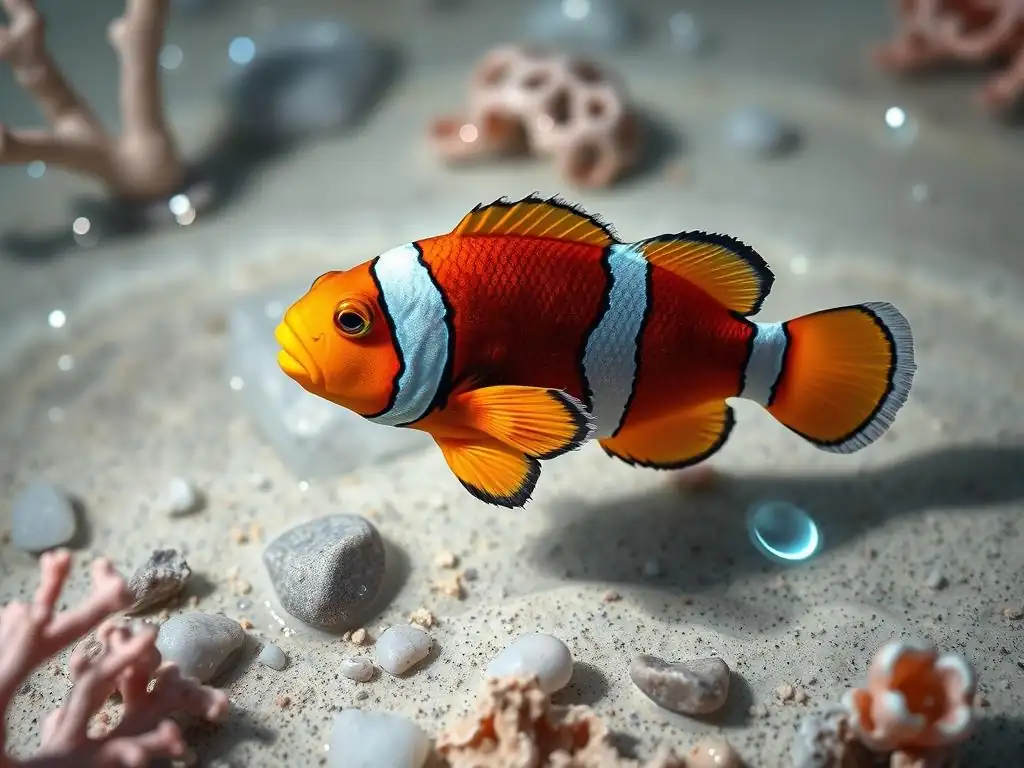
Even with careful attention to the saltwater spawning lunar cycle and environmental parameters, inconsistent spawning patterns can occur. One common reason is inadequate nutrition for the breeding pair. While a regular diet might sustain them, a highly varied and enriched diet, including live or high-quality frozen foods (e.g., spirulina-enriched brine shrimp, mysis shrimp, copepods), is often necessary to provide the energy and nutrients required for consistent gamete production. Stress from tank mates, aggressive interactions, or an unstable environment can also inhibit spawning.
Solutions include evaluating the diet for nutritional completeness, potentially supplementing with vitamins or highly nutritious gel foods. Ensuring the breeding pair has a secure, low-stress environment, perhaps in a dedicated spawning tank, can significantly improve consistency. If lunar simulation is being used, re-evaluating the accuracy and consistency of the light cycle programming is also important. Sometimes, the issue is simply the maturity or compatibility of the breeding pair; some pairs take longer to "gel" and become consistent spawners, even with perfect conditions. Patience and meticulous record-keeping are key to identifying and addressing these challenges.
Preventing Egg Predation and Loss
In a community aquarium, eggs laid by spawning fish are highly vulnerable to predation by other tank inhabitants, including the parents themselves in some species. For substrate spawners like clownfish, the male typically guards the eggs, but in a busy tank, other fish may still pick at them. For pelagic spawners, eggs are released into the water column and are immediately at risk of being consumed by any filter feeders or hungry fish. This high predation rate is a significant barrier to successful saltwater spawning in a mixed-species tank.
To prevent egg loss, several strategies can be employed. The most effective is to move the breeding pair to a dedicated spawning tank where they are the sole inhabitants, allowing them to spawn in peace and for eggs to be collected easily. For substrate spawners, the entire spawning surface (e.g., a clay pot) can be removed carefully with the eggs attached and transferred to a separate hatching tank.
For pelagic spawners, specialized egg collectors or overflow systems with fine mesh screens are used to gently funnel the buoyant eggs into a separate container as they are released, minimizing damage and maximizing retrieval rates. Careful monitoring during anticipated saltwater spawning lunar cycle events is crucial for timely intervention.
Maximizing Breeding Success: Integrating Lunar Cycles and Best Practices
Combining Lunar Data with Environmental Control
Achieving consistent saltwater spawning success is a multifaceted endeavor that goes beyond simply mimicking lunar cycles. While the saltwater spawning lunar cycle provides a powerful natural trigger, it must be integrated into a comprehensive breeding program that emphasizes overall environmental control. This means maintaining impeccably stable and optimal water parameters (temperature, salinity, pH, alkalinity, very low nutrients), providing a highly nutritious and varied diet for the broodstock, and ensuring a low-stress environment.
Meticulous record-keeping is paramount. Aquarists should log not only the lunar phase but also daily water parameters, feeding schedules, observed fish behaviors, and any spawning events. This data allows for the identification of correlations and the fine-tuning of conditions to maximize reproductive output. For instance, if a species consistently spawns three days after the full moon, ensuring water changes and specific feeding protocols are in place during that window can significantly enhance egg viability and larval survival. The synergy between lunar data and precise environmental management is the cornerstone of advanced saltwater breeding.
Long-Term Strategies for Sustainable Saltwater Fish Breeding
Sustainable saltwater fish breeding is not just about achieving a single spawning event; it's about establishing a robust and ongoing program that contributes to reducing reliance on wild-caught specimens. This requires a long-term perspective focused on maintaining healthy, genetically diverse broodstock. Regularly rotating breeding pairs, selecting individuals from different genetic lines, and avoiding inbreeding are crucial for maintaining the vigor and fertility of future generations. Consistent monitoring of growth rates, health, and spawning consistency across different pairs can inform these decisions.
Furthermore, continuous learning and adaptation are vital. As more scientific research emerges on the specific environmental cues and physiological responses of various marine species, aquarists can refine their techniques. Integrating new findings about the saltwater spawning lunar cycle, larval nutrition, or disease prevention into established protocols will lead to higher success rates. By combining scientific understanding with meticulous practical application, aquarists can contribute significantly to the advancement of marine aquaculture, ensuring a sustainable future for the hobby and the conservation of wild populations.
Frequently Asked Questions
What is the significance of the lunar cycle in saltwater aquarium spawning?
The lunar cycle significantly influences the spawning behavior of many saltwater fish and invertebrates. It acts as a natural trigger, signaling the optimal time for reproduction based on light and tidal changes.
How can I use information about the lunar cycle to improve my chances of successful spawning?
By carefully monitoring the lunar cycle and replicating its effects in your aquarium, you can mimic natural spawning conditions. This includes adjusting lighting and water parameters to align with specific lunar phases known to induce spawning in your target species.
What are some key environmental factors to consider alongside the lunar cycle for successful spawning?
Beyond the lunar cycle, crucial factors include maintaining optimal water quality, temperature, and salinity. Providing a nutrient-rich diet and suitable spawning substrate are also essential for successful reproduction.
Are all saltwater species equally affected by the lunar cycle when it comes to spawning?
No, the extent to which the lunar cycle affects spawning varies greatly among different saltwater species. Some species are highly dependent on the lunar phases, while others are less sensitive and may spawn more opportunistically.
Where can I find specific information about the lunar spawning triggers for a particular saltwater species?
AquariumMastery.com offers detailed species profiles that often include information on their spawning habits and lunar cycle dependencies. Researching scientific literature and consulting with experienced aquarists can also provide valuable insights.
Final Reflection: Embracing the Moon's Embrace
The intricate dance between lunar cycles and saltwater spawning is more than just a scientific observation; it's a testament to the profound interconnectedness of life on Earth. Understanding and respecting these natural rhythms, as we've explored, offers not only a pathway to sustainable practices but also a deeper appreciation for the delicate balance that sustains our planet.
This topic has profoundly influenced my perspective on how we interact with the natural world. Recognizing the power of these subtle, yet powerful, lunar influences underscores the importance of mindful observation and responsible stewardship of our oceans. Look deep into nature, and then you will understand everything better.
- Albert Einstein. This quote resonates deeply, reminding us that true understanding comes from immersing ourselves in the natural world and learning from its inherent wisdom.
Now, consider how you can apply this understanding in your own life. Whether you're a researcher, a conservationist, or simply someone who appreciates the ocean's beauty, I encourage you to reflect on the lessons learned here. Let's all strive to be more attuned to the rhythms of nature, fostering a future where human endeavors harmonize with the delicate balance of the marine ecosystem, ensuring the continuation of these magnificent saltwater spawning events for generations to come.
Unlock the Ocean's Secrets: Begin Your Deep Dive!
Thanks for exploring the fascinating connection between lunar cycles and saltwater spawning with us. Now that you understand the rhythms that drive marine life, it's time to put that knowledge into action!
Here are a few ways to harness the power of nature in your aquarium journey:
- Start tracking the lunar phases and correlating them with spawning behaviors in your own aquarium. Even subtle changes can provide valuable insights.
- Delve deeper:Research specific saltwater species and their known lunar-influenced spawning habits. Tailor your aquarium environment to encourage successful breeding.
- Share your observations! Join our Aquarium Mastery community and discuss your findings with fellow enthusiasts.
What unique strategies will you implement to mimic nature's cues and enhance the spawning success in your saltwater aquarium?