
Aquarium Mastery: Troubleshooting Live Food Culture Crashes – Fast & Effective Fixes

Welcome to Aquarium Mastery, fellow aquarist!
Ever felt the sting of a live food culture crash, leaving your prized saltwater fish wanting? This article dives deep into the common pitfalls and provides you with fast and effective fixes to keep your cultures thriving. Curious to learn how to prevent these frustrating setbacks and ensure a constant supply of nutritious food for your aquatic companions? Let's get started!
- Raising Clownfish: Troubleshooting Rotifer Culture Crashes – Fast & Effective Fixes
- Understanding Rotifer Culture Systems for Clownfish Larval Rearing
- Identifying Rotifer Culture Problems & Crashes
- Fast & Effective Fixes for Rotifer Culture Crashes
-
Preventing Rotifer Culture Crashes: Proactive Strategies
- Regular Monitoring and Testing of Culture Parameters (Ammonia, pH)
- Establishing a Consistent Feeding Schedule and Routine with Algae
- Implementing Strict Hygiene and Sterilization Protocols with Bleach Solution
- Maintaining Backup Cultures for Emergency Situations
- Selecting the Right Culture Vessels and Equipment (Conical Tanks, Air Pumps)
- Advanced Techniques for Enhancing Rotifer Culture Resilience
- Conclusion: Maintaining Thriving Rotifer Cultures for Successful Clownfish Breeding
-
Frequently Asked Questions
- How can I prevent a live food culture from crashing in the first place?
- What are some common signs that my live food culture is about to crash?
- My live food culture crashed! Is it possible to revive it?
- What kind of food should I be using to culture live food for my fish?
- How often should I be changing the water in my live food culture?
- Final Reflection: Cultivating Resilience in Our Aquatic Ecosystems
- Revive Your Cultures: Breathe New Life into Your Live Food!
Raising Clownfish: Troubleshooting Rotifer Culture Crashes – Fast & Effective Fixes
Understanding Rotifer Culture Systems for Clownfish Larval Rearing
The Importance of Rotifers in Clownfish Larval Rearing
Rotifers, specifically Brachionus plicatilis (L-type) and Brachionus rotundiformis (S-type), are the cornerstone of successful clownfish larval rearing, serving as the primary live food source for newly hatched clownfish fry. These microscopic zooplankton are perfectly sized for the tiny mouths of clownfish larvae, which typically measure only a few millimeters at hatching.
Their slow, jerky swimming motion makes them easily catchable targets, crucial for the survival and initial growth of delicate larval stages that cannot consume inert feeds. Without a consistent and healthy supply of rotifers, the survival rate of clownfish fry plummets dramatically, often to near zero, making robust rotifer cultures indispensable for any serious clownfish breeding program.
Furthermore, rotifers act as essential nutrient vectors. By feeding rotifers with phytoplankton rich in highly unsaturated fatty acids (HUFAs), such as Nannochloropsis oculata or Tetraselmis chuii, these vital nutrients are transferred directly to the clownfish larvae.
This bio-encapsulation process ensures that the fry receive the necessary omega-3 and omega-6 fatty acids, particularly DHA (Docosahexaenoic Acid) and EPA (Eicosapentaenoic Acid), which are critical for proper development of the nervous system, vision, and overall health. A lack of these essential fatty acids can lead to poor growth, deformities, and increased susceptibility to disease, highlighting the critical role of a well-maintained, nutritionally enhanced rotifer culture in mitigating live food culture problems and ensuring robust larval development.
Setting Up a Successful Rotifer Culture System: A Quick Recap
Establishing a successful rotifer culture system begins with selecting appropriate culture vessels, typically conical-bottomed tanks or buckets ranging from 5 to 50 liters, which allow for efficient harvesting and prevent dead spots. Proper aeration is paramount; gentle but consistent air stone bubbling from the bottom keeps rotifers suspended, ensures oxygen saturation, and prevents the accumulation of waste at the bottom.
A typical air flow rate might be around 0.5-1 liter per minute per 10 liters of culture volume, creating a gentle rolling motion rather than turbulent agitation. The culture water should be clean, filtered saltwater with a stable salinity, ideally between 15-25 parts per thousand (ppt) for Brachionus rotundiformis (S-type) or 20-35 ppt for Brachionus plicatilis (L-type), matching the salinity of the clownfish larval rearing tanks.
Feeding is the most critical aspect of rotifer culture. Live phytoplankton, such as Nannochloropsis or Tetraselmis, is the preferred food source, providing complete nutrition and maintaining water quality. Alternatively, concentrated algae pastes or commercially prepared rotifer diets can be used, but require careful monitoring to prevent overfeeding and subsequent water quality degradation.
A consistent feeding schedule, often multiple times a day in smaller amounts, helps maintain stable water parameters and promotes continuous rotifer reproduction. Regular harvesting, typically 25-50% of the culture volume daily, not only provides food for larvae but also serves to control population density, remove waste, and stimulate further reproduction, helping to prevent common live food culture problems like crashes due to overcrowding or nutrient depletion.
Identifying Rotifer Culture Problems & Crashes
Recognizing the Signs of a Rotifer Culture Crash
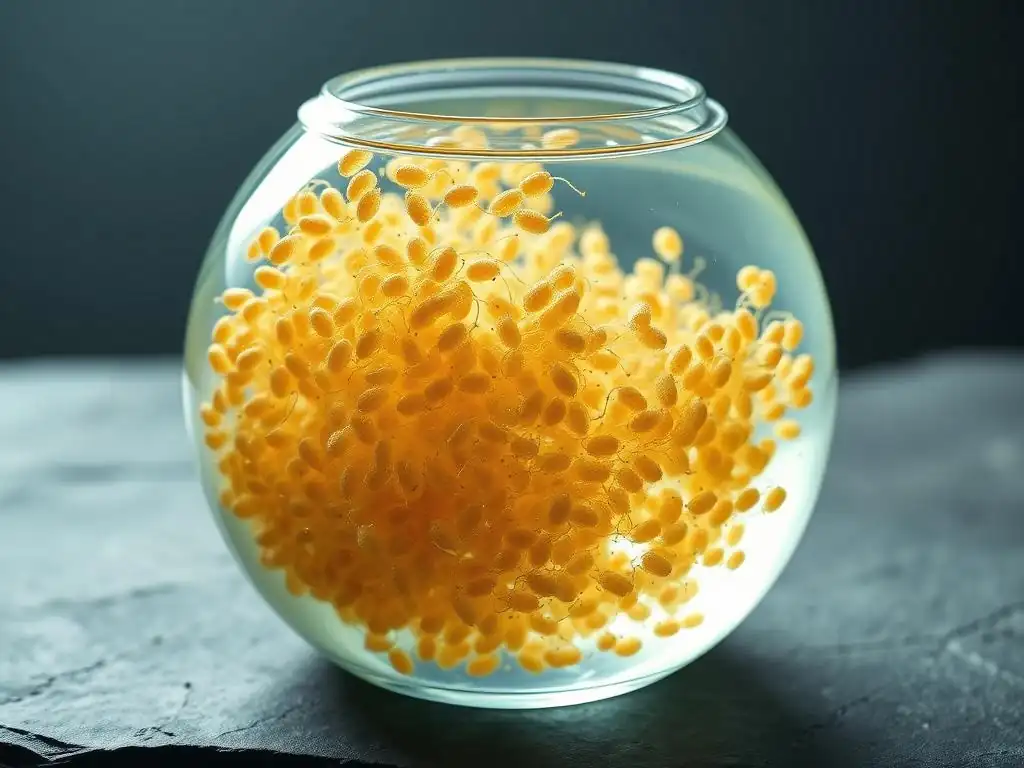
Recognizing the early signs of a rotifer culture crash is crucial for implementing timely interventions and preventing complete collapse. One of the most immediate and visible indicators is a dramatic decrease in the density of rotifers. While a healthy culture might appear as a cloudy, milky suspension, a crashing culture will become noticeably clearer within hours, indicating a rapid die-off.
Microscopic examination will confirm this, showing significantly fewer active rotifers per milliliter, often accompanied by an increase in dead, inactive rotifers sinking to the bottom. For instance, a healthy Brachionus rotundiformis culture might maintain a density of 100-200 rotifers/mL, whereas a crashing culture could drop to below 20 rotifers/mL in a single day.
Beyond visual density changes, changes in water quality are strong indicators. A healthy rotifer culture typically has clear water that may be slightly green from phytoplankton, with a mild, earthy smell. A crashing culture, however, often develops a foul, putrid odor, indicative of bacterial decomposition of dead rotifers and uneaten food.
The water may also become cloudy or discolored, turning brown or grey due to bacterial blooms. Furthermore, a sudden drop in pH (e.g., from 8.0 to 7.0) or an unexpected spike in ammonia or nitrite levels are red flags. These chemical shifts signify a breakdown in the culture's biological stability, often preceding or accompanying a mass rotifer die-off, underscoring the urgency of addressing these live food culture problems.
Common Causes of Rotifer Culture Problems
Water Quality Issues: Ammonia, Nitrites, and pH Imbalances
Water quality parameters are paramount for rotifer health, and imbalances are a leading cause of live food culture problems. Ammonia (NH3/NH4+) is highly toxic to rotifers, even at low concentrations. Levels exceeding 0.05 ppm can begin to stress rotifers, leading to reduced reproduction and increased mortality. Nitrites (NO2-), while less toxic than ammonia, can also be detrimental, with concentrations above 0.1 ppm causing issues. These compounds typically accumulate from uneaten food and rotifer waste products, especially in overcrowded or under-aerated cultures, or when the beneficial bacteria responsible for nitrification are not established or are overwhelmed.
pH fluctuations also pose a significant threat. Rotifers thrive within a narrow pH range, typically between 7.5 and 8.5. A sudden drop in pH below 7.0, often caused by excessive CO2 from respiration, bacterial activity, or the decomposition of organic matter, can rapidly stress and kill off an entire culture.
Conversely, a pH spike above 9.0, though less common, can also be lethal. Maintaining stable pH, often buffered by alkalinity in the saltwater, is critical, but if the buffering capacity is exhausted, rapid pH swings can lead to catastrophic rotifer die-offs, making regular monitoring of these parameters essential for preventing live food culture problems.
Overcrowding and Population Density Problems in Cultures
Overcrowding is a frequent culprit behind rotifer culture crashes. While a high density of rotifers might initially seem desirable for feeding clownfish larvae, exceeding the culture system's carrying capacity leads to a rapid decline in water quality and increased competition for resources.
When rotifer populations become too dense, typically exceeding 250-300 rotifers per milliliter for Brachionus rotundiformis cultures, oxygen levels can plummet due to increased respiration, even with adequate aeration. The sheer volume of waste produced by a dense population can overwhelm the system's ability to process it, leading to rapid accumulation of ammonia and nitrites, and a sharp drop in pH.
Furthermore, overcrowding stresses rotifers, making them more susceptible to disease and reducing their reproductive rates. Nutrient depletion also becomes a significant issue; even with consistent feeding, a massive population can quickly consume available phytoplankton, leading to starvation and a weakened state. This combination of poor water quality, oxygen depletion, and nutrient scarcity creates a toxic environment that triggers a rapid die-off, manifesting as a sudden crash. Regular daily harvesting, typically removing 25-50% of the culture volume, is the primary method to manage population density and prevent these live food culture problems.
Contamination from Protozoa and Unwanted Bacteria
Contamination by unwanted protozoa and bacteria is a insidious cause of rotifer culture problems, often leading to slow declines or sudden crashes. Ciliates, such as Vorticella, Euplotes, or Paramecium, are common contaminants that compete with rotifers for food and space. These protozoa reproduce rapidly, often outcompeting rotifers for the available phytoplankton, effectively starving the rotifer culture.
Some ciliates can also directly graze on rotifer eggs or even adult rotifers, further accelerating the decline. Identifying these microscopic invaders requires regular observation of culture samples under a microscope; a healthy rotifer culture should be dominated by rotifers, with minimal presence of other microorganisms.
Bacterial contamination, particularly from pathogenic or opportunistic bacteria, can also devastate a rotifer culture. While some bacteria are beneficial for nutrient cycling, an overgrowth of harmful bacteria can consume oxygen, produce toxins, and directly infect rotifers, leading to mass mortality. This often manifests as a foul smell, cloudy water, and a rapid decline in rotifer numbers.
Sources of contamination can include unsterilized equipment, unfiltered air, or contaminated food sources. Implementing strict hygiene protocols, including regular sterilization of equipment and using only clean, filtered saltwater, is essential to mitigate the risk of these live food culture problems and maintain a healthy culture.
Nutritional Deficiencies Affecting Rotifer Health (e.g., Lack of Nannochloropsis)
Nutritional deficiencies are a subtle yet critical factor in live food culture problems, often leading to weakened rotifers that are less resilient to stress and less nutritious for clownfish larvae. Rotifers require a balanced diet to thrive and reproduce optimally. The most common deficiency arises from an insufficient supply of essential fatty acids, particularly DHA and EPA, which are abundant in specific phytoplankton species like Nannochloropsis oculata and Tisochrysis lutea (formerly Isochrysis galbana). If the primary food source lacks these crucial lipids, rotifers will exhibit poor growth, reduced fertility, and a shorter lifespan, even if seemingly abundant.
Feeding rotifers with a mono-culture of phytoplankton that lacks a complete nutritional profile, or using expired/poor-quality algae paste, can lead to chronic nutritional stress. This can manifest as a slow decline in culture density, poor rotifer motility, and a general "unhealthy" appearance under the microscope.
Furthermore, rotifers that are nutritionally deficient themselves become less effective as a food source for clownfish larvae, potentially leading to larval deformities, low survival rates, and poor pigmentation. Ensuring a consistent supply of high-quality, HUFA-rich phytoplankton or fortified commercial diets is paramount not only for rotifer health but also for the ultimate success of the clownfish breeding program.
Temperature Fluctuations and Environmental Stressors
Temperature is a critical environmental parameter for rotifer cultures, and significant fluctuations or extremes can rapidly lead to live food culture problems and crashes. Most common rotifer species, such as Brachionus rotundiformis (S-type), thrive in a relatively narrow temperature range, ideally between 20°C and 28°C (68°F to 82°F). Temperatures significantly outside this range can stress rotifers, reduce their metabolic rate, inhibit reproduction, or even cause direct mortality. For instance, a sudden drop below 18°C can slow growth dramatically, while prolonged exposure above 30°C can be lethal, especially if oxygen levels are also low.
Beyond temperature, other environmental stressors can contribute to culture declines. Poor or inconsistent aeration can lead to oxygen depletion, particularly in dense cultures or during warm periods, causing rotifers to die off rapidly. Exposure to direct sunlight can cause rapid temperature swings and promote the growth of unwanted algae or bacteria. Furthermore, the introduction of chlorinated tap water, even in small amounts, or contaminants from cleaning agents on equipment, can be acutely toxic. Maintaining a stable, clean, and appropriately aerated environment, free from external chemical stressors, is fundamental to preventing rotifer culture problems and ensuring consistent productivity.
Fast & Effective Fixes for Rotifer Culture Crashes
Immediate Actions to Take During a Culture Crash
Performing Water Changes Safely and Effectively with Saltwater
When a rotifer culture shows signs of crashing, immediate action is crucial, and a strategic water change is often the first line of defense against live food culture problems. A partial water change, typically 25-50% of the culture volume, can rapidly dilute accumulated toxins like ammonia, nitrites, and organic waste, and help stabilize pH. It is imperative to use clean, pre-mixed saltwater that matches the existing culture's salinity and temperature as closely as possible. Drastic changes in salinity or temperature during the water change can further stress the already weakened rotifers, exacerbating the problem.
To perform the water change safely, gently siphon out the old culture water from the bottom of the vessel, being careful not to suck out a significant number of rotifers. Then, slowly add the fresh, temperature-matched saltwater. For example, if your culture is 15 ppt at 25°C, the new water must be identical. After the water change, resume gentle aeration and observe the rotifers closely. This immediate dilution of pollutants can often buy crucial time and provide a window for the rotifers to recover, especially if the crash was primarily due to acute water quality degradation.
Adjusting Aeration and Circulation for Improved Oxygen Levels
During a rotifer culture crash, often characterized by a foul smell and declining rotifer activity, inadequate oxygen levels are a common underlying live food culture problem. Immediately assessing and adjusting aeration is vital. Ensure that the air stone is functioning correctly and producing a fine, consistent stream of bubbles, not just large, sporadic bursts. Larger bubbles are less efficient at oxygen transfer. Increase the airflow slightly, but avoid creating turbulent conditions that can physically damage rotifers. The goal is to maintain a gentle rolling motion throughout the culture vessel, ensuring all rotifers are suspended and oxygenated.
Optimal oxygen levels are crucial for rotifer metabolism and reproduction. If the culture is overcrowded, increased aeration can help compensate for the higher oxygen demand. Additionally, good circulation prevents dead spots where waste can accumulate and anaerobic conditions might develop. If multiple air stones are available, consider adding a second one to larger cultures to ensure even oxygen distribution. Monitoring the rotifers' behavior – active swimming indicates sufficient oxygen, while clumping at the surface or sinking suggests low oxygen – can guide aeration adjustments and contribute significantly to fixing live food culture problems.
Implementing Emergency Feeding Strategies (e.g., Rotifer Food Concentrates)
When a rotifer culture is crashing, implementing emergency feeding strategies can provide a rapid nutritional boost and help stabilize the population, especially if the crash is due to starvation or nutritional deficiency. While live phytoplankton is ideal for long-term health, commercially available rotifer food concentrates or enriched algae pastes can be used for immediate resuscitation. These products are often highly concentrated and provide essential nutrients like HUFAs directly, without the need for phytoplankton cultivation, making them excellent tools to combat live food culture problems.
Care must be taken not to overfeed, as this can quickly foul the water and worsen the crash. Start with a conservative dose, perhaps half the recommended amount, and observe the culture. If the water clears quickly, indicating rapid consumption, you can add more. These concentrates are designed to be readily consumed, providing the energy and building blocks rotifers need to recover and begin reproducing again. For instance, products like Reed Mariculture's Roti-Rich or Phyto-Feast are specifically formulated for this purpose, offering a quick and effective way to address nutritional deficiencies in a declining culture.
Restoring Balance: Long-Term Solutions for Culture Stability
Optimizing Water Quality Parameters for Rotifers (Salinity, pH)
For long-term stability and to prevent recurring live food culture problems, optimizing and consistently maintaining ideal water quality parameters is paramount. For Brachionus rotundiformis (S-type) cultures, a stable salinity of 15-25 ppt is generally optimal, while Brachionus plicatilis (L-type) prefers 20-35 ppt. Regular use of a refractometer is essential to monitor salinity, and small, frequent adjustments with either freshwater (to lower salinity) or concentrated saltwater (to raise salinity) can maintain the target range. Drastic changes should be avoided.
Similarly, maintaining a stable pH between 7.5 and 8.5 is crucial. This can be achieved through regular water changes, proper aeration (to off-gas CO2), and ensuring adequate alkalinity in the source saltwater. Testing pH daily with a reliable pH meter or test kit will alert you to any downward trends. If pH consistently drops, it may indicate excessive organic load or insufficient buffering capacity, necessitating larger or more frequent water changes. Proactive management of these parameters is far more effective than reactive fixes during a crash, ensuring a robust environment for rotifer proliferation.
Controlling Population Density Through Regular Harvesting for Larval Feeding
Controlling population density is arguably the single most important long-term strategy for preventing rotifer culture problems, particularly crashes due to overcrowding and subsequent water quality degradation. Rather than waiting for a crash, implement a consistent daily harvesting schedule. For a healthy, productive culture, harvesting 25-50% of the rotifer population daily is a common practice. This removes a significant portion of the biomass, reduces the overall biological load on the system, and stimulates the remaining rotifers to reproduce more rapidly, maintaining a high growth rate.
The harvested rotifers are then used to feed clownfish larvae, creating a continuous cycle. If you don't need all the harvested rotifers for feeding, consider starting a new culture or discarding the excess to avoid overpopulation in the existing vessel. Regular harvesting ensures that the rotifers always have sufficient space, oxygen, and food, preventing the accumulation of waste products that lead to ammonia spikes and pH drops. This proactive management of density is a cornerstone of sustainable rotifer aquaculture and significantly reduces the incidence of live food culture problems.
Implementing Quarantine Procedures for New Rotifer Starts
Preventing the introduction of contaminants is a critical long-term strategy to avoid live food culture problems. Any new rotifer culture start, whether from a commercial supplier or another aquarist, should undergo strict quarantine procedures. This involves culturing the new batch in a separate, isolated vessel for at least 7-10 days, away from your established cultures. During this period, observe the culture daily under a microscope for any signs of unwanted protozoa (e.g., ciliates, amoebas), nematodes, or other microscopic organisms that could compete with or harm your rotifers.
If contaminants are identified, the entire quarantined batch should be discarded and the equipment thoroughly sterilized with a bleach solution (e.g., 1 part bleach to 9 parts water for 15-30 minutes, followed by thorough rinsing and dechlorination with sodium thiosulfate). Never introduce a new culture directly into your main production system without this quarantine period. This simple but effective measure acts as a crucial barrier, preventing the spread of diseases or competitive organisms that could devastate your entire rotifer supply, saving countless hours of troubleshooting live food culture problems later.
Improving Nutrition with High-Quality Algae Paste or Live Algae
Long-term stability and productivity of rotifer cultures are profoundly linked to their nutritional intake. Improving nutrition with high-quality algae paste or, ideally, cultivating live algae, is a proactive measure against live food culture problems. Live phytoplankton, such as Nannochloropsis oculata or Tisochrysis lutea, provides a complete and balanced diet, rich in essential fatty acids (DHA, EPA), vitamins, and amino acids. Culturing your own live algae ensures a fresh, consistent, and superior food source, eliminating reliance on potentially degraded commercial products.
If live algae cultivation is not feasible, investing in premium-grade, HUFA-enriched algae pastes or liquid rotifer diets is essential. Always check the expiration date and storage instructions (many require refrigeration) to ensure the product's nutritional integrity. Feeding small, frequent amounts throughout the day, rather than one large dose, mimics natural grazing and maintains consistent food availability without fouling the water. This consistent supply of high-quality nutrition results in healthier, more robust rotifers that reproduce more effectively and are significantly more resilient to environmental stressors, thereby preventing many live food culture problems.
Maintaining Stable Temperatures and Environmental Conditions
Maintaining stable temperatures and consistent environmental conditions is a cornerstone of long-term rotifer culture stability and a key preventative measure against live food culture problems. Rotifers are poikilothermic, meaning their internal temperature is dictated by their environment. Significant or rapid temperature fluctuations cause metabolic stress, reducing reproductive rates and increasing susceptibility to disease. Aim for a consistent temperature within the optimal range for your specific rotifer strain, typically 20-28°C (68-82°F) for Brachionus rotundiformis.
This stability can be achieved by placing culture vessels in a temperature-controlled room, using aquarium heaters (with caution to avoid hot spots), or insulating the vessels. Avoid placing cultures near windows where direct sunlight can cause temperature spikes, or near air conditioning vents that can cause rapid drops. Beyond temperature, ensuring consistent, gentle aeration prevents oxygen depletion, and protecting cultures from direct drafts or sudden vibrations can also reduce stress. A stable environment minimizes physiological stress on rotifers, promoting robust health and consistent production, and significantly reducing the likelihood of live food culture problems.
Preventing Rotifer Culture Crashes: Proactive Strategies
Regular Monitoring and Testing of Culture Parameters (Ammonia, pH)
Proactive and consistent monitoring of key water quality parameters is the most effective strategy for preventing live food culture problems before they escalate into full-blown crashes. Daily testing of ammonia and pH levels, along with salinity, provides an early warning system. Ammonia levels should ideally remain undetectable (0 ppm), and any reading above 0.05 ppm indicates a problem with overfeeding, overcrowding, or insufficient biological filtration. Nitrite levels should also be 0 ppm. If ammonia or nitrite begins to rise, immediate corrective action, such as a water change or reduced feeding, is warranted.
pH should be consistently maintained within the optimal range of 7.5 to 8.5. A gradual decline in pH often signals an accumulation of organic acids from waste or CO2, indicating a need for water changes or increased aeration. By meticulously logging these daily readings, aquarists can identify trends and intervene long before parameters reach critical, toxic levels. This diligent approach to water chemistry management allows for fine-tuning feeding and harvesting schedules, ensuring the culture environment remains pristine and supportive of healthy rotifer populations, thereby preventing the majority of live food culture problems.
Establishing a Consistent Feeding Schedule and Routine with Algae
Establishing and strictly adhering to a consistent feeding schedule with high-quality algae is fundamental to preventing live food culture problems. Rotifers are continuous filter feeders, and maintaining a stable, low-level concentration of phytoplankton in the water column is ideal. Rather than feeding one large meal per day, which can lead to periods of overfeeding (fouling the water) followed by periods of starvation, multiple smaller feedings throughout the day are far more beneficial. For instance, feeding 2-3 times daily, or even using a continuous drip system for larger cultures, can maintain a steady food supply.
The type and quality of algae are equally important. Live phytoplankton, such as Nannochloropsis oculata, is superior due to its complete nutritional profile and ability to help maintain water quality by consuming nitrates. If using concentrated algae pastes or commercial diets, ensure they are fresh, properly stored (often refrigerated), and specifically formulated for rotifers.
Overfeeding is a common mistake that leads to bacterial blooms and water quality crashes; observe how quickly the water clears after feeding to gauge the appropriate amount. A consistent and appropriate feeding regimen directly translates to stable rotifer growth and significantly reduces the risk of live food culture problems.
Implementing Strict Hygiene and Sterilization Protocols with Bleach Solution
Strict hygiene and sterilization protocols are non-negotiable for preventing live food culture problems, particularly contamination by unwanted organisms or pathogens. All equipment that comes into contact with rotifer cultures – including culture vessels, air lines, air stones, siphons, and harvesting screens – should be regularly cleaned and sterilized. A common and highly effective sterilization method involves soaking equipment in a bleach solution. A dilution of 1 part household bleach (sodium hypochlorite, typically 5-6%) to 9 parts water is generally effective.
Soak cleaned equipment in this solution for at least 15-30 minutes. After sterilization, it is crucial to thoroughly rinse all equipment with clean, dechlorinated saltwater (using a dechlorinator like sodium thiosulfate) to remove all traces of bleach, which is highly toxic to rotifers. Air stones and air lines should be replaced or soaked regularly as they can harbor biofilms. Implementing these rigorous cleaning and sterilization practices minimizes the risk of introducing harmful bacteria, protozoa, or other competitors that can devastate a rotifer culture, thereby proactively addressing common live food culture problems.
Maintaining Backup Cultures for Emergency Situations
One of the most robust proactive strategies against live food culture problems is the establishment and maintenance of multiple backup cultures. Even with the best practices, unforeseen crashes can occur due to equipment failure, power outages, or sudden contamination. Having at least two to three smaller, independent backup cultures, separate from your main production system, provides an invaluable safety net. These backups should be maintained with the same care as your primary culture, albeit at a lower production volume.
If your main culture crashes, you can rapidly scale up one of your backup cultures to meet the demand for clownfish larval feeding. This significantly reduces downtime and prevents the catastrophic loss of an entire batch of clownfish fry due to lack of food. Backup cultures should ideally be started from different source populations or at different times to minimize the risk of a systemic failure. This simple redundancy is a cornerstone of professional aquaculture and provides immense peace of mind when dealing with the unpredictable nature of live food culture problems.
Selecting the Right Culture Vessels and Equipment (Conical Tanks, Air Pumps)
The initial selection of appropriate culture vessels and equipment is a foundational step in preventing live food culture problems and ensuring long-term success. Conical-bottomed tanks or buckets are highly recommended for rotifer cultures. Their design promotes excellent circulation when aerated from the bottom, preventing dead spots where rotifers or waste can accumulate and decompose. This shape also facilitates easy harvesting, as rotifers tend to concentrate at the bottom when aeration is turned off.
Beyond the vessel, investing in reliable air pumps and quality air stones is crucial. The air pump should be powerful enough to provide consistent, gentle aeration to all culture vessels without overheating. Fine-bubble air stones or rigid air diffusers are preferred over large-bubble ones, as they provide more efficient oxygen transfer and less physical stress on the rotifers.
Having spare air pumps, air stones, and tubing on hand is also a wise preventative measure against equipment failure. Proper equipment, combined with regular maintenance and cleaning, creates an optimal environment that supports robust rotifer growth and minimizes the incidence of live food culture problems.
Advanced Techniques for Enhancing Rotifer Culture Resilience
Using Probiotics to Improve Rotifer Gut Health
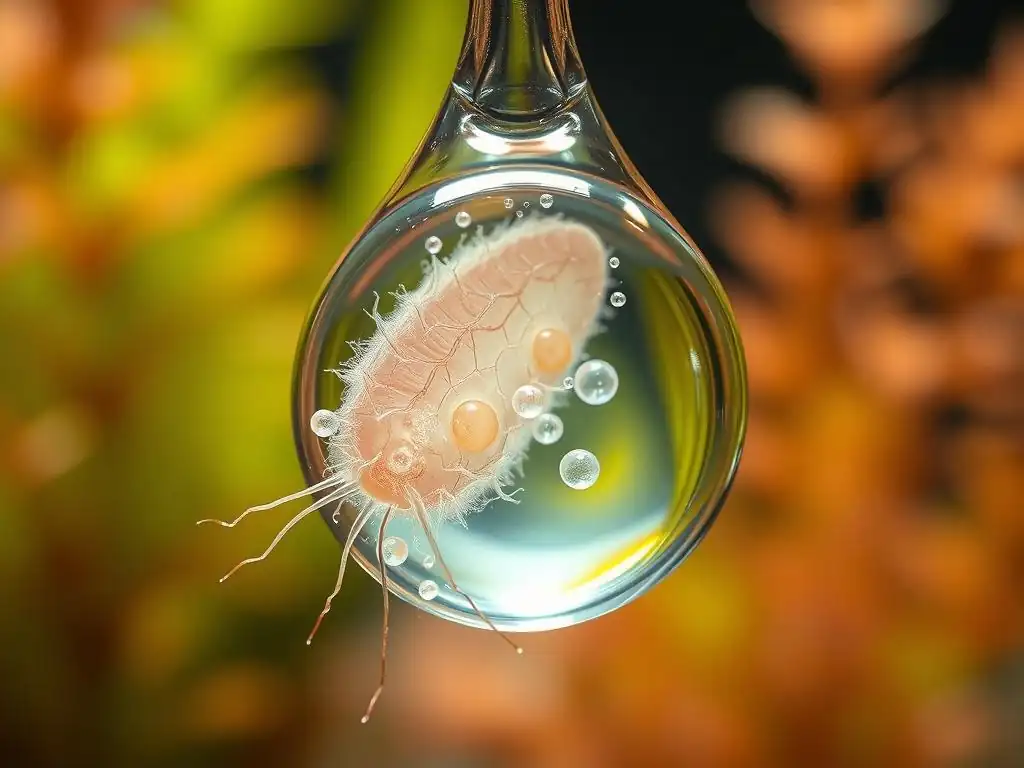
Incorporating probiotics into rotifer cultures is an advanced technique that can significantly enhance their resilience and overall health, mitigating live food culture problems. Probiotics, typically beneficial bacterial strains, can be added to the culture water or bio-encapsulated into the rotifers themselves through their diet. These beneficial bacteria colonize the rotifer's gut, improving digestion and nutrient absorption, and outcompeting potentially pathogenic bacteria for resources and attachment sites. This can lead to a stronger immune response in rotifers, making them more resistant to bacterial infections and environmental stress.
Studies have shown that rotifers fed probiotic-enriched diets exhibit higher survival rates, improved growth, and increased reproductive output. For example, specific strains of Bacillus species are commonly used in aquaculture as probiotics. When considering this technique, it's important to use aquaculture-grade probiotic products and follow dosage instructions carefully. While not a standalone solution, probiotics can serve as a valuable adjunct to excellent husbandry, creating a more stable and robust rotifer culture less prone to crashing from live food culture problems.
Implementing Nannochloropsis Culturing for Enhanced Rotifer Nutrition
Implementing your own Nannochloropsis oculata culture system is perhaps the most impactful advanced technique for ensuring superior rotifer nutrition and preventing live food culture problems. While commercial algae pastes are convenient, live Nannochloropsis provides the freshest, most bioavailable source of essential nutrients, particularly the crucial omega-3 fatty acid EPA. Nannochloropsis is relatively easy to culture in large volumes using simple setups like carboys or specialized algae reactors, provided with light, CO2 (optional but beneficial), and nutrient-rich f/2 medium.
A continuous supply of live, healthy Nannochloropsis allows for daily, precise feeding of rotifers, eliminating the guesswork and potential degradation associated with stored products. This consistent, high-quality nutrition leads to healthier, more robust rotifers that reproduce at optimal rates and, critically, are nutritionally superior for clownfish larvae. By controlling the entire food chain from algae to rotifer, aquarists gain unparalleled control over the nutritional profile of their live food, significantly reducing the likelihood of nutritional deficiencies leading to live food culture problems.
Rotifer Strain Selection and Culture Rotation Strategies
Advanced aquarists often employ rotifer strain selection and culture rotation strategies to enhance resilience and prevent live food culture problems. There are two primary types of rotifers used in aquaculture: S-type ( Brachionus rotundiformis) and L-type ( Brachionus plicatilis). S-type rotifers are smaller (typically 90-150 µm) and ideal for newly hatched clownfish larvae, while L-type rotifers are larger (150-250 µm) and more suitable for older larvae or larger fish species. Selecting the appropriate strain for the specific larval stage of clownfish is critical for optimal feeding success.
Beyond size, different strains or even different genetic lines within the same strain can exhibit varying tolerances to environmental conditions, disease resistance, and reproductive rates. Maintaining multiple, distinct strains or lines, and periodically rotating which one is actively cultured, can help prevent the buildup of specific pathogens or the development of culture fatigue. If one strain begins to show signs of decline, another, more robust strain can be brought into production. This genetic diversity and strategic rotation act as a biological safeguard, providing a deeper level of protection against widespread live food culture problems.
Conclusion: Maintaining Thriving Rotifer Cultures for Successful Clownfish Breeding
Key Takeaways for Preventing and Fixing Rotifer Culture Crashes
Maintaining thriving rotifer cultures is an art and a science, demanding diligence and attention to detail. The key takeaways for preventing and fixing live food culture problems center around proactive management and rapid response. Firstly, consistent monitoring of water quality parameters – ammonia, nitrites, pH, and salinity – is non-negotiable, acting as an early warning system.
Any deviation signals a need for immediate intervention, often through partial water changes or adjusting feeding. Secondly, strict hygiene and sterilization protocols for all equipment are paramount to prevent the introduction of contaminants that can devastate a culture. Regular cleaning with bleach solution and thorough rinsing are essential.
Furthermore, managing population density through daily harvesting is crucial; overpopulation is a leading cause of crashes due to oxygen depletion and waste accumulation. Providing high-quality, consistent nutrition, ideally through live, HUFA-rich phytoplankton like Nannochloropsis, ensures robust and healthy rotifers. Finally, establishing backup cultures provides an indispensable safety net against unforeseen events, minimizing downtime and safeguarding your clownfish larval rearing efforts. By integrating these strategies, aquarists can significantly reduce the incidence of live food culture problems, ensuring a consistent and nutritious food supply for their valuable clownfish fry.
Resources for Further Learning and Support [Link to relevant Aquarium Mastery articles]
For those seeking to deepen their understanding of rotifer culture and advanced clownfish breeding techniques, Aquarium Mastery offers a wealth of detailed resources. Explore our comprehensive guides on "Advanced Phytoplankton Culturing Techniques" to master your live algae production, or delve into "Clownfish Larval Rearing: From Hatch to Juvenile" for a complete overview of post-hatch care.
Our "Saltwater Aquarium Water Chemistry Explained" article provides in-depth insights into maintaining pristine water parameters essential for both rotifers and clownfish. These resources, available on AquariumMastery.com, provide the foundational knowledge and practical tips needed to overcome common live food culture problems and achieve consistent success in your aquaculture endeavors.
Frequently Asked Questions
How can I prevent a live food culture from crashing in the first place?
Prevention is key! Ensure you're maintaining proper water parameters and providing consistent food sources. Regularly monitor for signs of decline and take proactive steps to address any issues.
What are some common signs that my live food culture is about to crash?
Look for signs like a sudden decrease in population, unusual cloudiness or odor in the culture water, or a change in the behavior of the organisms. These are all warning signs.
My live food culture crashed! Is it possible to revive it?
Sometimes, yes. Try isolating a small, seemingly healthy portion of the culture and transferring it to a freshly prepared culture. This can sometimes allow the remaining organisms to rebound.
What kind of food should I be using to culture live food for my fish?
The appropriate food varies depending on the specific live food you are culturing. Research the specific needs of your culture; some require algae, others need yeast or other specialized feeds.
How often should I be changing the water in my live food culture?
Water changes are crucial for maintaining a healthy environment. The frequency will depend on the size of the culture, the type of live food, and the feeding schedule. Regular, partial changes are generally beneficial.
Final Reflection: Cultivating Resilience in Our Aquatic Ecosystems
The insights shared throughout this article, focusing on troubleshooting live food culture problems, are not merely about preventing crashes in tiny ecosystems. They represent a microcosm of the larger challenges we face in maintaining balance and resilience in all aspects of our lives, from our personal health to the health of our planet. Understanding the delicate interplay of factors that contribute to a thriving live food culture provides valuable lessons applicable far beyond the aquarium.
This journey into the microscopic world of infusoria, daphnia, and other live foods has profoundly influenced my own perspective on the interconnectedness of life. It's a constant reminder that even seemingly small imbalances can have cascading effects, and that proactive observation and intervention are crucial for long-term success. The only constant in life is change.
- Heraclitus. This quote resonates deeply when considering the dynamic nature of live food cultures and the need for adaptability in our approach to maintaining them.
Now, I invite you to reflect on the principles discussed here and consider how they might apply to your own endeavors. Just as careful monitoring and timely adjustments are essential for preventing live food culture crashes, so too are they vital for navigating the complexities of life. Embrace the challenge of cultivating resilience, both in your aquariums and in your own personal ecosystem. Let's all strive to be more observant, more proactive, and more adaptable in our pursuit of a balanced and thriving existence.
Revive Your Cultures: Breathe New Life into Your Live Food!
Thank you for diving into the world of live food cultures! We hope you've gained valuable insights into troubleshooting those frustrating crashes. Now, let's get those cultures thriving again!
Here are some actionable steps to bring your live food back from the brink:
- Immediately check your water parameters! Nutrient imbalances, pH swings, or temperature spikes are often the culprits. Adjust accordingly.
- Consider introducing a small, carefully monitored secondary culture as a backup. This diversifies your culture and protects against future crashes.
- Share your most successful revival tips in the comments below. Let's learn from each other and build a thriving community!
What's the first parameter you'll test to ensure your culture's survival and boost its productivity today?