
The Aquarist's Conundrum: Balancing Personal Passion with Planetary Preservation

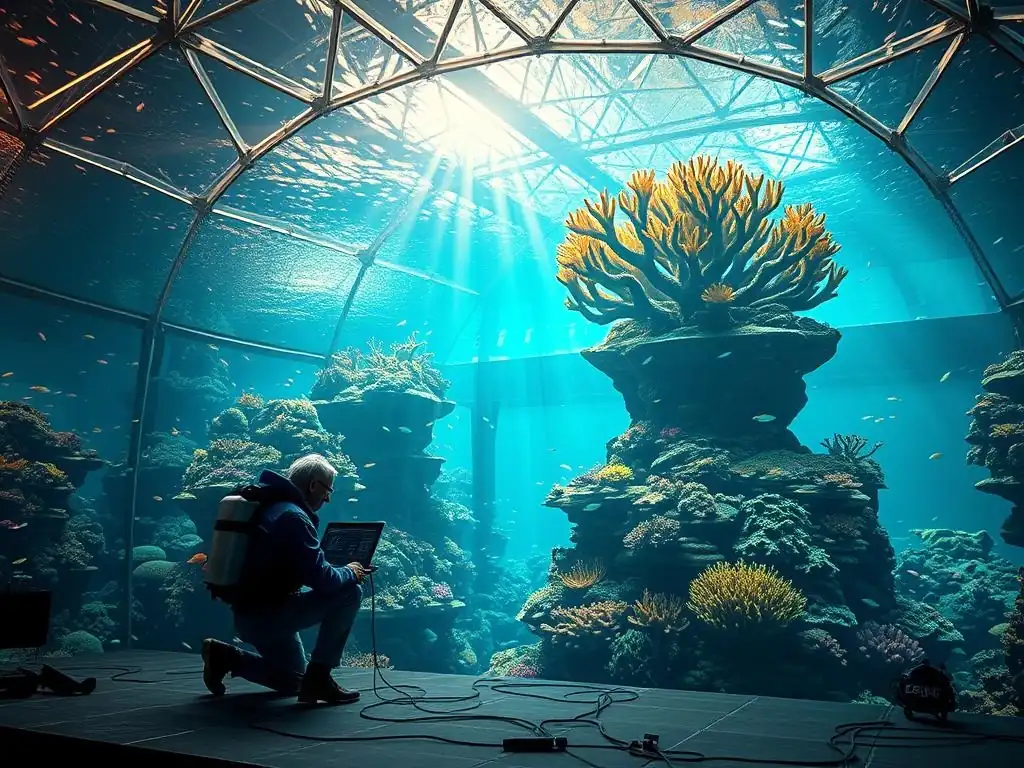
Welcome to Aquarium Mastery!
Ever wondered how to achieve that perfectly shimmering aquarium while also minimizing your impact on our planet? You're in the right place! This article dives deep into the aquarist's conundrum, exploring the fascinating (and crucial!) world of sustainable aquarium water chemistry balance. Discover how to nurture a thriving underwater ecosystem without compromising the health of our own. Intrigued? Let's dive in!
- Introduction: The Dual Responsibility of the Modern Aquarist
- Understanding Sustainable Aquarium Water Chemistry Balance
- The Ecological Footprint of Traditional Aquarium Practices
- Sustainable Alternatives for Responsible Aquarists
- Achieving a Naturally Balanced Aquarium Ecosystem
- Optimizing Aquarium Water Parameters for Sustainability
- Long-Term Strategies for Sustainable Aquarium Management
- The Future of Aquariums: Innovation and Conservation
- Conclusion: Embracing Sustainable Practices for a Thriving Hobby
-
Frequently Asked Questions
- What does "Sustainable aquarium water chemistry balance" mean in the context of the article?
- Why is achieving a sustainable aquarium water chemistry balance important?
- What are some key factors to consider when striving for a sustainable aquarium water chemistry balance?
- How can I minimize my aquarium's impact on the environment while maintaining water chemistry?
- What are some common mistakes that aquarists make that hinder sustainable water chemistry balance?
- Final Reflection: A Ripple Effect of Responsibility
- Dive Deeper: Champion Aquatic Conservation!
Introduction: The Dual Responsibility of the Modern Aquarist
Acknowledging the Environmental Impact of Aquarium Keeping
The seemingly serene world of aquarium keeping, while offering immense personal joy, carries an often-overlooked environmental footprint. From the energy consumed by heaters and filters to the resources involved in manufacturing equipment and the carbon emissions from shipping livestock across continents, the hobby is intertwined with global ecological impacts. A typical 50-gallon freshwater aquarium, for instance, can consume an estimated 150-250 kWh of electricity annually, primarily for heating and filtration, contributing to household energy demand.
Furthermore, the materials used in tanks, stands, and various accessories, often including plastics and glass, require significant energy and raw materials for their production. The global trade of ornamental fish and invertebrates, valued at over $300 million annually, involves complex supply chains that can lead to habitat disruption, unsustainable wild collection practices, and considerable carbon emissions from air freight, particularly for delicate marine species sourced from distant coral reefs.
The Aquarist's Role in Conservation and Sustainability
Despite these challenges, modern aquarists are uniquely positioned to become powerful advocates for aquatic conservation. Their direct interaction with miniature ecosystems fosters a deep appreciation for biodiversity and the delicate balance of life, making them natural stewards of the aquatic world. By actively seeking knowledge and adopting responsible practices, aquarists can transform their hobby into a force for positive environmental change.
This commitment extends beyond simply keeping fish alive; it involves understanding and implementing principles that minimize ecological harm while maximizing the well-being of the captive environment. Embracing a mindset focused on "sustainable aquarium water chemistry balance" is a fundamental step, ensuring that the passion for aquatics aligns with the broader goals of planetary preservation and responsible resource management.
Understanding Sustainable Aquarium Water Chemistry Balance
Defining Sustainable Water Chemistry for Aquariums
Sustainable water chemistry in aquariums goes beyond merely maintaining stable parameters; it involves achieving and preserving optimal water quality with minimal external intervention and resource consumption. This means fostering a robust biological filtration system, utilizing natural processes, and reducing reliance on frequent chemical additives or excessive water changes. The goal is to create an inherently stable and resilient aquatic environment that mimics natural ecosystems.
Such an approach emphasizes long-term ecological health over short-term fixes, focusing on the underlying causes of water quality issues rather than just treating symptoms. A truly "sustainable aquarium water chemistry balance" is characterized by consistent parameters, healthy livestock, minimal algae, and a thriving microbial community, all achieved through thoughtful setup and consistent, mindful maintenance.
The Importance of Maintaining a Stable and Balanced Ecosystem
Maintaining a stable and balanced ecosystem is paramount for the health of aquarium inhabitants and the overall longevity of the setup. Fluctuations in water parameters like pH, temperature, or nutrient levels can induce severe stress in fish and invertebrates, weakening their immune systems and making them susceptible to disease. For example, sudden pH shifts of more than 0.2 units in 24 hours can be highly detrimental to many sensitive species.
An unstable environment often leads to a cascade of problems, including ammonia spikes, nitrite poisoning, prolific algae blooms, and chronic fish illnesses, all of which necessitate interventions that consume more resources. These interventions, such as large emergency water changes, medication, or chemical treatments, not only add to the aquarist's workload but also contribute to the environmental footprint of the hobby. A well-maintained "sustainable aquarium water chemistry balance" prevents these crises, leading to a healthier, more resilient, and less resource-intensive aquarium.
The Ecological Footprint of Traditional Aquarium Practices
Harvesting Wild Fish and Invertebrates: The Ethical Debate
The collection of wild fish and invertebrates for the aquarium trade raises significant ethical and ecological concerns. Destructive fishing practices, such as cyanide fishing, historically used to stun reef fish, have devastated vast coral reef ecosystems, with an estimated 200,000 hectares of reefs damaged in the Philippines alone. While efforts have been made to curb this, other unsustainable methods like dynamite fishing or over-collection continue in some regions.
Beyond habitat destruction, the sheer volume of wild-caught animals, often with high mortality rates during capture, transport, and acclimation (sometimes exceeding 50% for delicate species like certain marine angelfish), places immense pressure on wild populations. Iconic species like the Banggai Cardinalfish (Pterapogon kauderni) have faced significant population declines due to over-collection, highlighting the urgent need for ethical sourcing to support a "sustainable aquarium water chemistry balance" within the hobby.
The Environmental Impact of Aquarium Product Manufacturing and Shipping
The journey of aquarium products from raw materials to a hobbyist's home carries a substantial environmental burden. Manufacturing processes for items like glass tanks, plastic filters, and synthetic decorations are energy-intensive and can generate significant waste. For instance, the production of plastic filter media relies on petroleum-based resources, and its disposal contributes to landfill waste if not properly managed.
Global shipping networks, essential for distributing specialized equipment and livestock, further contribute to carbon emissions. Air freighting delicate marine organisms from the Indo-Pacific to Europe or North America incurs a considerable carbon footprint, adding to greenhouse gas emissions. The packaging materials, often single-use plastics and cardboard, also contribute to waste streams, underscoring the need for more localized production and eco-conscious material choices to foster a truly "sustainable aquarium water chemistry balance".
Water Usage and Waste Management in Aquariums
Aquariums, by their very nature, are water-intensive. Regular water changes, essential for maintaining a "sustainable aquarium water chemistry balance" and removing accumulated nitrates, can consume significant volumes of tap water. A typical 50-gallon aquarium undergoing a 25% weekly water change will use approximately 12.5 gallons per week, totaling around 650 gallons annually, not including the initial fill or top-offs for evaporation.
Beyond water consumption, the disposal of nutrient-rich wastewater from water changes can impact local sewage systems or, if discharged directly, contribute to nutrient loading in natural waterways. Furthermore, the discarded filter media, expired chemicals, and other waste generated by the hobby, if not properly managed or recycled, add to landfill burden. Addressing these aspects through efficient practices is crucial for reducing the ecological footprint of aquarium keeping.
Sustainable Alternatives for Responsible Aquarists
Ethical Sourcing of Aquarium Livestock: Aquaculture and Captive Breeding
One of the most impactful sustainable alternatives is the ethical sourcing of aquarium livestock through aquaculture and captive breeding. These methods significantly reduce pressure on wild populations, minimize habitat destruction, and often result in healthier, hardier fish and invertebrates that are already accustomed to aquarium life. Captive-bred animals typically experience lower mortality rates during transport and acclimation compared to their wild-caught counterparts.
The success of captive breeding programs is evident in popular species like clownfish, where over 90% of those sold in the United States are now captive-bred. Many freshwater species, including guppies, mollies, and a wide array of cichlids, are also widely available as tank-bred specimens. Supporting reputable breeders and stores that prioritize aquaculture directly contributes to a more "sustainable aquarium water chemistry balance" by promoting responsible supply chains.
Choosing Sustainable Aquarium Products: Eco-Friendly Substrates, Filters, and Lighting
Responsible aquarists can significantly reduce their environmental footprint by opting for sustainable aquarium products. This includes selecting substrates made from recycled materials, such as crushed glass or inert gravel, rather than those harvested from sensitive ecosystems. For filtration, choosing reusable filter media, like ceramic rings or sponges, over disposable cartridges reduces plastic waste and the need for frequent replacements.
Lighting is another key area for sustainability. Energy-efficient LED lights can reduce electricity consumption by up to 70% compared to traditional fluorescent or incandescent bulbs, while also offering longer lifespans and customizable light spectra beneficial for plant growth. Investing in durable, high-quality equipment that lasts for many years also minimizes the need for frequent replacements and associated manufacturing impacts, contributing to a more "sustainable aquarium water chemistry balance" overall.
Implementing Water Conservation Techniques: Efficient Filtration and Water Changes
While regular water changes are indispensable for a healthy aquarium, several techniques can minimize water consumption. Optimizing biological filtration is paramount; a robust colony of beneficial bacteria efficiently processes waste, reducing the rate at which nitrates accumulate and potentially allowing for slightly less frequent or smaller water changes in well-established tanks. Overstocking and overfeeding are major contributors to rapid water quality degradation, so maintaining appropriate bioloads is critical.
Practical water conservation methods include utilizing the discarded water from water changes for other purposes, such as watering houseplants or gardens, as it is rich in nutrients. For those using RO/DI (Reverse Osmosis/Deionization) systems, which produce significant wastewater, installing a permeate pump can reduce wastewater by up to 80%, or the reject water can be collected for non-potable uses. These mindful practices directly support a "sustainable aquarium water chemistry balance" by conserving valuable resources.
Achieving a Naturally Balanced Aquarium Ecosystem
The Role of Beneficial Bacteria in Sustainable Aquariums
Beneficial bacteria are the cornerstone of any healthy and "sustainable aquarium water chemistry balance". Specifically, nitrifying bacteria, primarily Nitrosomonas and Nitrobacter species, are responsible for the critical process of nitrification. These microorganisms convert toxic ammonia (NH3/NH4+), produced from fish waste and decaying organic matter, into less harmful nitrite (NO2-), and then into relatively benign nitrate (NO3-). Without these microscopic allies, ammonia and nitrite would quickly accumulate to lethal levels.
To foster a robust bacterial colony, it is essential to properly cycle a new aquarium, allowing these bacteria to establish themselves on surfaces like filter media, substrate, and decorations. Avoiding over-cleaning filter media with tap water (which contains chlorine) and providing ample surface area through porous media (e.g., ceramic rings, bio-balls) ensures their proliferation. A thriving bacterial population is the primary defense against water quality crashes, making constant chemical interventions largely unnecessary.
Using Live Plants for Natural Water Filtration and Nutrient Cycling
Live aquatic plants are invaluable assets in creating a naturally balanced and "sustainable aquarium water chemistry balance". They act as powerful natural filters, absorbing nitrates, phosphates, and other excess nutrients directly from the water column. This nutrient uptake directly competes with nuisance algae, significantly reducing their growth and the need for chemical algaecides. Furthermore, through photosynthesis, plants release oxygen into the water during the day, benefiting fish and beneficial bacteria.
Fast-growing plant species such as Hornwort (Ceratophyllum demersum), Water Wisteria (Hygrophila difformis), and various floating plants like Frogbit (Limnobium laevigatum) are particularly effective at nutrient removal. In a heavily planted aquarium, the plants' ability to process waste often reduces the frequency or volume of necessary water changes, thereby conserving water and minimizing the need for external chemical treatments to maintain optimal water quality.
Understanding the Nitrogen Cycle and its Impact on Water Quality
A comprehensive understanding of the nitrogen cycle is fundamental to achieving and maintaining a "sustainable aquarium water chemistry balance". This natural biological process dictates how nitrogenous waste, primarily from fish excretion and decaying organic matter, is transformed within the aquarium environment. The cycle involves the conversion of highly toxic ammonia to nitrite by Nitrosomonas bacteria, and then nitrite to nitrate by Nitrobacter bacteria.
If any stage of this cycle is disrupted—due to overfeeding, overstocking, insufficient filtration, or medication use—toxic ammonia or nitrite can accumulate, leading to severe stress, illness, or death for aquatic inhabitants. Monitoring nitrate levels is crucial, as nitrates are the end product of this cycle and, while less toxic, can still accumulate to harmful levels (typically above 40 ppm for most fish) if not removed through water changes or plant uptake. A well-functioning nitrogen cycle ensures inherent stability and reduces the need for constant human intervention.
Optimizing Aquarium Water Parameters for Sustainability
Maintaining Proper pH Levels for Fish Health and Plant Growth
Maintaining proper and stable pH levels is crucial for fish health and plant growth, contributing significantly to a "sustainable aquarium water chemistry balance". pH, a measure of acidity or alkalinity, directly impacts the physiological processes of aquatic organisms. Different species have specific pH requirements; for instance, many Amazonian fish thrive in acidic water (pH 6.0-7.0), while African cichlids prefer alkaline conditions (pH 7.8-8.5). Fluctuations can cause severe stress and even death.
Sustainable pH management involves understanding your tap water's natural pH and hardness, and selecting species compatible with those parameters. Natural buffers like crushed coral or aragonite can gradually raise pH and hardness for species requiring alkaline conditions, while driftwood or peat can slowly lower pH for soft water species. Avoiding drastic chemical pH adjusters, which can cause dangerous swings and are resource-intensive, is key to long-term stability and a truly sustainable approach.
Controlling Ammonia, Nitrite, and Nitrate Levels Naturally
Effective control of ammonia, nitrite, and nitrate levels naturally is the bedrock of a "sustainable aquarium water chemistry balance". Ammonia and nitrite are highly toxic, even at concentrations as low as 0.25 ppm, and can cause gill damage and organ failure. Nitrate, while less toxic, becomes problematic at higher concentrations, typically above 40 ppm for most fish, leading to chronic stress and algae blooms.
Natural control relies on a robust biological filter, appropriate stocking levels (avoiding overpopulation), and strict adherence to feeding guidelines (preventing overfeeding). Live plants play a significant role by absorbing nitrates as a nutrient. Regular, but not excessive, water changes are essential for exporting accumulated nitrates that plants cannot fully process. This integrated approach minimizes the need for chemical detoxifiers or large emergency water changes, promoting a resilient and self-sustaining ecosystem.
The Importance of Water Hardness and Mineral Balance
Water hardness, encompassing General Hardness (GH) and Carbonate Hardness (KH), plays a vital role in maintaining a "sustainable aquarium water chemistry balance" and supporting aquatic life. GH, primarily measuring calcium and magnesium ions, affects osmotic regulation in fish. KH, or alkalinity, measures the water's buffering capacity—its ability to resist sudden pH changes. Both are critical for preventing metabolic stress and ensuring stable water parameters.
Sustainable management of hardness involves selecting fish species compatible with your local water supply's natural hardness. For soft water species, using reverse osmosis (RO) or deionized (DI) water and remineralizing it to the desired GH/KH is a precise and sustainable method. For hard water species, adding inert rocks like Texas Holey Rock or crushed coral can naturally increase hardness. Avoiding constant chemical adjustments for hardness helps maintain a stable environment with minimal external inputs, reducing both cost and environmental impact.
Long-Term Strategies for Sustainable Aquarium Management
Regular Maintenance Schedules for Optimal Water Quality
Implementing a consistent and regular maintenance schedule is a foundational long-term strategy for achieving and maintaining a "sustainable aquarium water chemistry balance". Proactive, routine tasks prevent minor issues from escalating into major crises that require intensive, resource-consuming interventions. A typical schedule might include weekly 20-30% water changes, gravel vacuuming to remove detritus, and visual inspection of equipment.
Consistency is key; for example, performing a 25% weekly water change is far more effective and less resource-intensive than waiting until water quality deteriorates significantly and then performing a 50% or larger emergency change. Regular filter cleaning (rinsing media in old tank water) ensures optimal biological filtration, reducing the buildup of toxins and the need for chemical additives. This disciplined approach minimizes waste and energy consumption, supporting a truly sustainable hobby.
Monitoring Water Parameters and Adjusting as Needed
Regular monitoring of water parameters is an indispensable long-term strategy for a "sustainable aquarium water chemistry balance". Consistent testing of pH, ammonia, nitrite, nitrate, and hardness (GH/KH) allows aquarists to detect subtle shifts before they become problematic. For new tanks, weekly testing is advisable; for established, stable systems, bi-weekly or monthly checks may suffice. Early detection of imbalances prevents the need for drastic interventions.
When parameters indicate a deviation, a sustainable approach involves identifying the root cause rather than immediately resorting to chemical solutions. For instance, a rise in nitrates might indicate overfeeding or insufficient plant mass, prompting an adjustment in feeding habits or the addition of more plants, rather than just a massive water change. This data-driven, proactive approach ensures that adjustments are targeted and resource-efficient, reinforcing the aquarium's natural stability.
Preventing and Addressing Common Aquarium Issues Sustainably
A core aspect of long-term "sustainable aquarium water chemistry balance" is preventing common aquarium issues through good husbandry, rather than reacting with chemical treatments. Algae outbreaks, for example, are often a symptom of excess nutrients (nitrates/phosphates) and/or improper lighting. Sustainable solutions involve reducing feeding, increasing plant mass, ensuring appropriate lighting duration (e.g., 8-10 hours daily), and regular water changes, rather than relying on algaecides.
Similarly, disease prevention is best achieved through maintaining pristine water quality, avoiding overstocking, providing a nutritious diet, and implementing a quarantine period for all new fish (typically 2-4 weeks). If disease does occur, exploring natural remedies or targeted treatments with minimal environmental impact, and always ensuring proper disposal of medications, aligns with sustainable practices. This holistic approach prioritizes the long-term health of the ecosystem over quick fixes.
The Future of Aquariums: Innovation and Conservation
Emerging Technologies for Sustainable Aquarium Keeping
The future of aquarium keeping is increasingly shaped by innovative technologies aimed at enhancing "sustainable aquarium water chemistry balance" and reducing environmental impact. Smart sensors and automated monitoring systems, for instance, can provide real-time data on water parameters like pH, temperature, and conductivity, alerting aquarists to deviations before they become critical. This precision reduces the need for manual testing and allows for more targeted, efficient interventions.
Advanced LED lighting systems with customizable spectra and intensity controls optimize energy consumption while providing ideal conditions for plant growth or coral coloration, further reducing the carbon footprint. High-efficiency pumps and heaters are designed to minimize electricity usage. Furthermore, closed-loop aquaculture systems and recirculating aquaculture systems (RAS) are becoming more sophisticated, promising even greater self-sufficiency and reduced waste in the captive breeding of aquatic species.
Supporting Conservation Efforts Through Responsible Aquarist Practices
Aquarists have a powerful role to play in broader conservation efforts, extending beyond their individual tanks. By consciously choosing to purchase only sustainably sourced livestock—prioritizing captive-bred fish and invertebrates over wild-caught specimens, or supporting collection operations that adhere to strict environmental standards, such as those promoted by the Marine Aquarium Societies of North America (MASNA) or Project Piaba in the Amazon—they directly influence market demand.
Supporting organizations dedicated to aquatic research and habitat restoration, such as the Coral Reef Alliance or local watershed protection groups, is another impactful way to contribute. Participating in citizen science initiatives, such as reporting invasive species sightings or contributing data on local water quality, further empowers aquarists to be active participants in environmental stewardship. Every responsible choice, from maintaining a "sustainable aquarium water chemistry balance" to advocating for ethical trade, reinforces the aquarist's commitment to preserving aquatic ecosystems.
The Role of Aquariums in Education and Public Awareness
Public and private aquariums serve as invaluable living classrooms, offering unique opportunities to educate the public about aquatic ecosystems, biodiversity, and the urgent need for conservation. By showcasing diverse aquatic life and demonstrating best practices in "sustainable aquarium water chemistry balance", these institutions can inspire a deeper appreciation for the natural world and encourage responsible environmental behavior. For example, institutions like the Monterey Bay Aquarium are renowned for their pioneering work in sustainable seafood initiatives and ocean conservation education.
Beyond large public aquariums, individual hobbyists also have a vital role in raising awareness. Sharing knowledge about responsible fish keeping, the importance of the nitrogen cycle, and the benefits of sustainable choices can influence friends, family, and online communities. By demonstrating that a passion for aquatics can coexist harmoniously with environmental stewardship, aquarists contribute to a growing movement of informed and responsible citizens dedicated to planetary preservation.
Conclusion: Embracing Sustainable Practices for a Thriving Hobby
Reaffirming the Aquarist's Commitment to Environmental Stewardship
The journey of aquarium keeping, at its core, is a profound connection to the aquatic world. By embracing sustainable practices, aquarists can transform their personal passion into a powerful act of environmental stewardship. This commitment means making conscious choices at every stage: from ethically sourcing livestock and selecting eco-friendly products to meticulously maintaining a "sustainable aquarium water chemistry balance" through natural processes and efficient resource use.
The reward for this dedication is not only a thriving, resilient aquarium ecosystem but also the satisfaction of contributing positively to the planet. A well-managed, sustainable aquarium is a testament to the harmony that can exist between human interests and ecological well-being, demonstrating that a deep appreciation for nature can translate into tangible conservation efforts.
Resources for Further Learning and Sustainable Aquarium Practices
The path to achieving a "sustainable aquarium water chemistry balance" and becoming a truly responsible aquarist is an ongoing journey of learning and adaptation. Numerous resources are available to support this endeavor, including reputable online forums and communities where experienced hobbyists share insights and best practices. Books and scientific journals dedicated to aquaculture, aquatic biology, and environmental conservation offer deeper theoretical understanding.
Engaging with local aquarium clubs or conservation organizations can provide practical advice, workshops, and opportunities to connect with like-minded individuals. Continuously researching new technologies, sustainable sourcing options, and advanced water chemistry principles will empower aquarists to refine their methods, ensuring their hobby remains both personally fulfilling and environmentally sound for years to come.
Frequently Asked Questions
What does "Sustainable aquarium water chemistry balance" mean in the context of the article?
It refers to maintaining water parameters in an aquarium in a way that minimizes environmental impact and ensures the long-term health of the aquatic ecosystem.
Why is achieving a sustainable aquarium water chemistry balance important?
A sustainable approach reduces reliance on harmful chemicals, minimizes water waste, and promotes responsible sourcing of aquatic life and resources.
What are some key factors to consider when striving for a sustainable aquarium water chemistry balance?
Consider things like appropriate stocking levels, using efficient filtration systems, and implementing regular water changes with responsibly sourced water.
How can I minimize my aquarium's impact on the environment while maintaining water chemistry?
Reduce your reliance on single-use plastics, source aquarium supplies ethically, and avoid releasing invasive species into the wild.
What are some common mistakes that aquarists make that hinder sustainable water chemistry balance?
Overstocking tanks, using excessive chemicals, and neglecting regular maintenance are frequent mistakes that disrupt the delicate balance and increase environmental impact.
Final Reflection: A Ripple Effect of Responsibility
The journey to achieve sustainable aquarium water chemistry balance extends far beyond the glass walls of our tanks. It's a microcosm reflecting the larger challenge of preserving our planet's delicate ecosystems. The principles of responsible sourcing, mindful consumption, and diligent waste management, so crucial for a thriving aquarium, are equally vital for the health of our oceans and the world around us.
This pursuit of balance has profoundly shaped my understanding of interconnectedness. It's not just about keeping fish alive; it's about recognizing our role in a larger web of life and acting accordingly. We are tied to the ocean. And when we go back to the sea, whether it is to sail or to watch it, we are going back from whence we came.
- John F. Kennedy. This quote resonates deeply, reminding us that our actions, no matter how small, have a ripple effect that extends far beyond our immediate surroundings.
Let us, therefore, embrace the aquarist's conundrum as a call to action. Consider how you can apply the principles of sustainability, not only in your aquarium but also in your daily life. Strive to be a conscious consumer, a responsible steward, and an advocate for the preservation of our planet's precious resources. The future of our oceans, and indeed our planet, depends on the collective efforts of individuals like you, committed to creating a more sustainable and balanced world.
Dive Deeper: Champion Aquatic Conservation!
Thanks for exploring the crucial intersection of aquarium keeping and environmental responsibility with us. We hope you’ve found actionable insights to fuel your passion while protecting our planet's precious aquatic ecosystems. Ready to make a tangible difference?
Here are a few things you can do right now:
- Commit to sustainably sourcing your next aquatic addition. Research ethical breeders and suppliers who prioritize conservation.
- Share this article with fellow aquarists to spark broader conversations about responsible practices.
- Consider volunteering for a local stream cleanup or donating to an organization dedicated to aquatic habitat restoration.
What small, sustainable change will you implement in your aquarium keeping routine this week to make a positive impact?