
Surface Access for Bettas: A NonNegotiable for Labyrinth Breathers


Welcome to Aquarium Mastery! Ever wondered if your Betta's dazzling colors hide a secret need? It's more than just aesthetics - did you know Bettas need surface access to thrive? Dive in to uncover the vital reasons why surface access is non-negotiable for these labyrinth breathers and ensure your Betta lives a happy, healthy life. Let's unlock the secrets to a flourishing Betta tank together!
- Surface Access for Bettas: Essential for Labyrinth Organ Function
- Understanding Why Bettas Need Surface Access: The Labyrinth Organ
- The Risks of Denying Bettas Surface Access
- Ensuring Adequate Surface Access for Your Betta
- Tank Setup Tips to Promote Betta Surface Breathing
- Recognizing Signs of Breathing Difficulty in Bettas
- Addressing Breathing Problems in Bettas: Immediate Actions
- Surface Access and Betta Behavior: Observing Natural Habits
- Common Myths About Betta Breathing and Surface Access
- Conclusion: Prioritizing Surface Access for a Healthy Betta
-
Frequently Asked Questions
- Why is surface access so important for Bettas?
- How can I ensure my Betta has adequate surface access in a planted aquarium?
- What happens if my Betta can't reach the surface to breathe?
- Does surface agitation from a filter affect a Betta's ability to breathe?
- My Betta seems to stay near the surface even with plenty of open water. Is this normal?
- Final Reflection: The Breath of Life for Bettas
- Unleash Your Betta's Full Potential!
Surface Access for Bettas: Essential for Labyrinth Organ Function
Understanding Why Bettas Need Surface Access: The Labyrinth Organ
The Betta's Unique Respiratory System: Breathing Beyond Gills
Betta fish, scientifically known as Betta splendens, are renowned for their vibrant colors and flowing fins, but equally fascinating is their unique respiratory system. Unlike most fish that rely solely on gills to extract oxygen from water, Bettas possess a specialized auxiliary breathing organ. This adaptation allows them to survive in environments that would be fatal to many other aquatic species, giving them a distinct advantage in their natural habitats.
While their gills perform the primary function of extracting dissolved oxygen from the water, they are often insufficient on their own. This is particularly true in their native Southeast Asian rice paddies, shallow ponds, and slow-moving streams, which are often warm, stagnant, and naturally low in dissolved oxygen. To compensate for these challenging conditions, Bettas evolved the capacity to breathe atmospheric air directly from the surface, a critical behavior for their survival.
What is the Labyrinth Organ and How Does it Work in Bettas?
The specialized organ unique to Bettas and other anabantoids is called the labyrinth organ. This intricate organ is located in a chamber above the gills and is composed of highly folded tissue, richly supplied with blood vessels. When a Betta gulps air from the surface, this air enters the labyrinth organ, where oxygen is absorbed directly into the bloodstream, much like lungs in terrestrial animals.
The labyrinth organ acts as a supplementary respiratory system, allowing the Betta to access oxygen from the air when water conditions are poor or simply to top up their oxygen levels. This dual breathing mechanism means that while Bettas can utilize their gills in oxygenated water, they also critically depend on regular access to the water's surface to gulp atmospheric air. This makes surface access for Bettas a non-negotiable requirement for their physiological well-being.
Why Surface Air is Crucial for Betta Fish Survival
The ability to breathe atmospheric air is not merely a convenience for Bettas; it is a fundamental necessity for their survival. Even in a well-maintained aquarium with adequate dissolved oxygen, Bettas will regularly rise to the surface to gulp air. This behavior is instinctual and vital because their gills alone often cannot meet their full oxygen demands, especially during periods of activity or in warmer water where oxygen solubility decreases.
Without consistent access to the water's surface, a Betta cannot properly utilize its labyrinth organ. This leads to a severe oxygen deficit, regardless of water quality. Observations indicate that a Betta may need to gulp air every few minutes to every hour, depending on its activity level, water temperature, and overall health. Therefore, ensuring Bettas need surface access is paramount for preventing chronic stress, health decline, and ultimately, premature death.
The Risks of Denying Bettas Surface Access
Suffocation and Drowning: A Real Threat to Bettas
Despite their aquatic nature, Betta fish can indeed suffocate or "drown" if denied access to the water's surface. This seemingly paradoxical situation arises directly from their reliance on the labyrinth organ. If the surface is completely blocked by dense floating plants, a tight-fitting lid with no air gap, or excessive surface film, the Betta cannot reach the atmospheric air it needs to supplement its gill breathing.
When deprived of surface air, a Betta will exhibit frantic attempts to reach the top, often swimming upwards repeatedly before sinking back down. Prolonged deprivation, even for a few hours, can lead to severe oxygen starvation, causing irreversible organ damage and ultimately death. This underscores why ensuring Bettas need surface access is not just a recommendation but a matter of life and death.
Stress and Weakened Immune System: The Indirect Consequences
Even if a Betta doesn't immediately suffocate, chronic lack of proper surface access leads to significant stress. The constant struggle to breathe and the resulting oxygen deprivation put immense strain on the fish's physiological systems. This elevated stress response, characterized by increased cortisol levels, directly impacts the Betta's immune system, weakening its ability to fight off diseases.
A stressed Betta is far more susceptible to common aquarium ailments that it might otherwise easily resist. This weakened immunity makes them prime targets for opportunistic pathogens. Therefore, neglecting the crucial need for surface access for Bettas can set off a cascade of health problems, even if the primary cause isn't immediately apparent.
Impact on Betta Health: From Fin Rot to Other Ailments
The long-term consequences of inadequate surface access manifest in various health issues. A Betta consistently struggling for air will often become lethargic, lose its vibrant coloration, and display clamped fins, all classic signs of stress and poor health. Chronic oxygen deprivation can lead to secondary infections like fin rot, which is often exacerbated by a compromised immune system.
Furthermore, a Betta that cannot properly breathe may develop swim bladder disorders due to poor buoyancy control or internal stress. They may also suffer from general wasting, poor appetite, and a significantly reduced lifespan. These myriad health problems highlight that ensuring Bettas need surface access is fundamental to their overall vitality and longevity in captivity.
Ensuring Adequate Surface Access for Your Betta
Tank Size and Surface Area: Finding the Right Balance
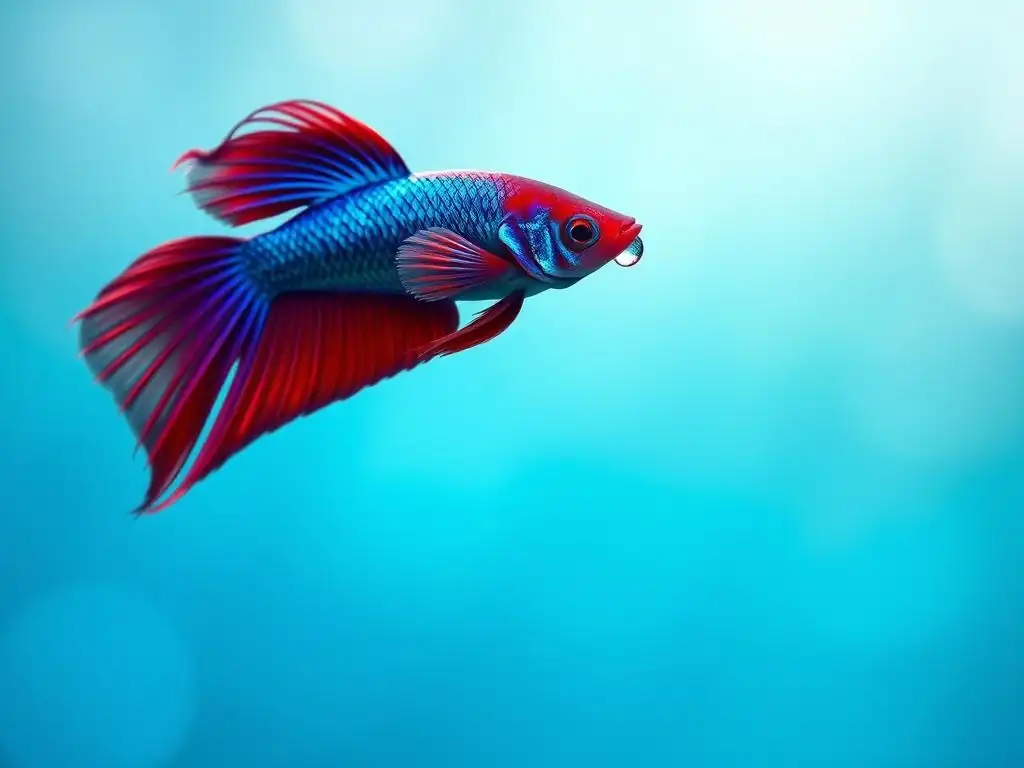
When setting up an aquarium for a Betta, tank volume is important (a minimum of 5 gallons is generally recommended for a single Betta), but surface area is equally, if not more, critical for Betta breathing. A wider, shallower tank provides a greater surface area for gas exchange between the water and the air, and, more importantly, offers easier access for the Betta to gulp atmospheric air. For instance, a 5-gallon tank that is wider than it is tall (e.g., 16 inches long, 8 inches wide) offers more beneficial surface area than a 5-gallon "tower" style tank.
A larger tank, such as a 10-gallon aquarium, not only provides more swimming space but also significantly increases the available surface area, making it much easier for your Betta to access the air it needs. This increased surface area also aids in passive oxygen diffusion into the water, benefiting the gills as well. Therefore, when considering a tank, prioritize surface area to ensure Bettas need surface access effortlessly.
Water Level Considerations: Maintaining Optimal Depth
The depth of the water in a Betta tank is another crucial factor for ensuring easy surface access. While Bettas are capable of swimming to various depths, excessively deep tanks can make the journey to the surface unnecessarily strenuous, especially for older or weaker fish. An ideal water level for a Betta aquarium is typically between 6 to 10 inches, though some aquarists maintain levels up to 12-14 inches in larger tanks.
This depth allows the Betta to quickly and easily ascend to the surface for a gulp of air without expending excessive energy. If the tank is too deep (e.g., over 18-20 inches), the constant vertical travel can become exhausting for the fish, leading to stress and reduced activity. Therefore, maintaining an appropriate water level is key to ensuring Bettas need surface access without undue effort.
Obstacles to Surface Access: Avoiding Decorations and Dense Plants
Careful consideration of tank décor and plant placement is vital to prevent obstructions to the water surface. Large, tall decorations, driftwood, or rock formations that extend too close to or above the water line can block clear paths for the Betta to reach the surface. Similarly, dense floating plants, while beneficial for providing shade and security, can become problematic if they cover the entire water surface.
It is crucial to leave ample open spaces on the surface, ideally at least 25-30% of the total surface area, allowing the Betta unobstructed access to the air. If using floating plants like frogbit or dwarf water lettuce, regularly thin them out to ensure clear patches. By avoiding these common obstacles, you ensure that Bettas need surface access for their critical breathing requirements.
Tank Setup Tips to Promote Betta Surface Breathing
Choosing the Right Aquarium Décor for Easy Air Access
Selecting appropriate aquarium décor plays a significant role in facilitating a Betta's access to the water surface. Opt for decorations that are either short enough to remain well below the water line or designed with openings that allow for easy passage. Smooth, rounded ornaments are preferable to prevent fin tears, but the primary concern for surface access is their height and placement. Avoid large, bulky items that create a "ceiling" effect or force the Betta into confined spaces near the surface.
Instead, consider using items that provide hiding spots at lower levels, encouraging the Betta to explore without hindering its vertical movement to the top. For instance, a small cave or a Betta log (floating or anchored) positioned a few inches below the surface can offer a resting spot without impeding access to the air. The goal is to create an environment where Bettas need surface access without encountering physical barriers.
Plant Placement for Optimal Surface Exploration
Live plants are highly beneficial for Betta aquariums, improving water quality and providing enrichment. When it comes to surface access, a balance is key. Rooted plants, such as Anubias, Java Fern, or Cryptocoryne species, should be placed in the substrate and trimmed to prevent them from growing too densely and reaching the surface. These plants enhance the environment without obstructing the Betta's path to air.
For floating plants, which can provide excellent cover and security for Bettas, it's essential to manage their growth. Species like Amazon Frogbit, Dwarf Water Lettuce, or Red Root Floaters can quickly proliferate and cover the entire surface. While some floating cover is good, it's vital to regularly remove excess plants to maintain clear open patches for gulping air. Aim to keep at least one-third to one-half of the surface clear to ensure Bettas need surface access freely.
Maintaining a Clean Water Surface for Efficient Breathing
A clean water surface is just as important as clear physical access for efficient Betta breathing. Over time, a thin, oily film, often called "protein scum" or "biofilm," can form on the water's surface. This film can significantly impede gas exchange between the water and the air, reducing the amount of dissolved oxygen available in the water. More critically, it can make it difficult for the Betta to break the surface tension and gulp clean atmospheric air.
To combat surface film, ensure gentle surface agitation from your filter outflow, or consider adding a small, gentle air stone if your filter doesn't provide enough movement. Regularly skim the surface with a paper towel or a small net to remove accumulated film. Performing consistent partial water changes also helps reduce the organic compounds that contribute to film formation. A pristine water surface is essential to ensure Bettas need surface access for unobstructed and effective breathing.
Recognizing Signs of Breathing Difficulty in Bettas
Gasping for Air at the Surface: A Clear Warning Sign
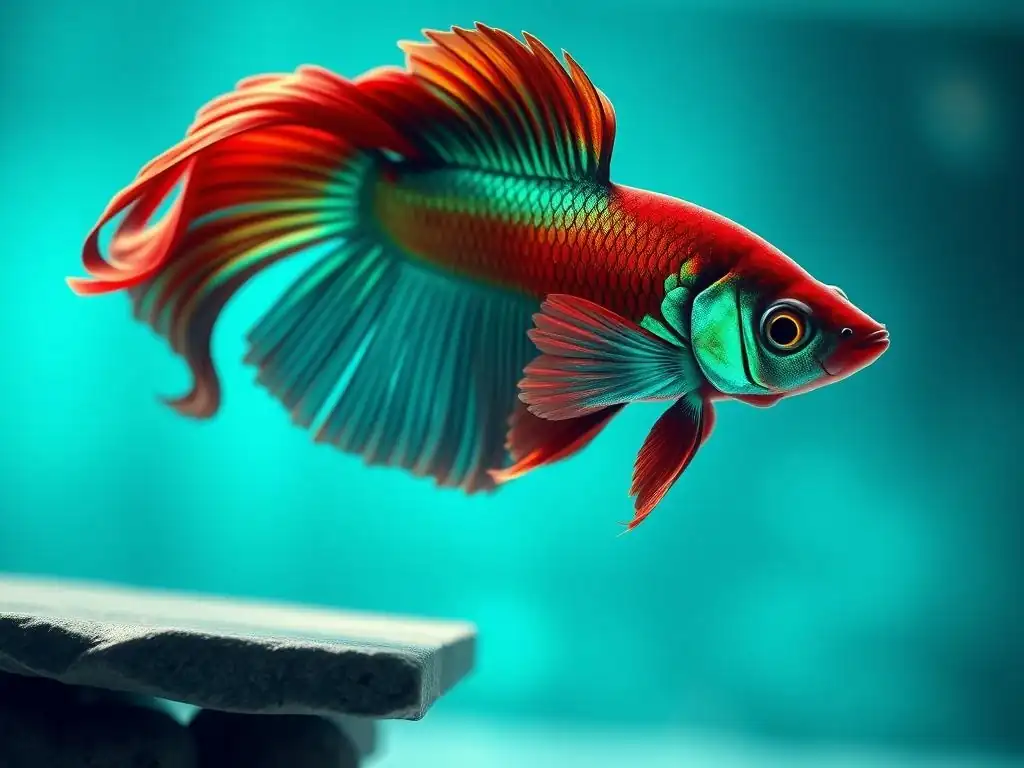
One of the most obvious and alarming signs of breathing difficulty in a Betta is persistent "gasping" at the surface. This behavior involves the fish repeatedly darting to the water's surface, gulping air, and then quickly sinking or swimming away, only to return shortly for another gulp. While healthy Bettas will periodically visit the surface to breathe, constant or frantic gulping indicates a problem.
If your Betta is spending an unusual amount of time at the surface, especially if its mouth is frequently breaking the water line, it's a clear warning that it's not getting enough oxygen, either from the water or from the air due to obstructed access. This is a critical indicator that Bettas need surface access to be re-evaluated immediately.
Lethargy and Lack of Activity: Subtle Indicators
Beyond overt gasping, more subtle signs can point to breathing difficulties. A Betta struggling to breathe will often become lethargic and exhibit a significant reduction in its usual activity levels. It may spend more time resting on the bottom of the tank, wedged in decorations, or hovering motionless near the surface. This conservation of energy is a direct response to oxygen deprivation.
Instead of actively swimming, exploring, or flaring, the fish may appear dull, listless, and unresponsive. While lethargy can be a symptom of various ailments, when combined with any signs of increased surface visits, it strongly suggests that the Betta is not receiving adequate oxygen. This change in behavior signals that Bettas need surface access and proper oxygenation to regain their vitality.
Chronic stress and poor health resulting from oxygen deprivation can also manifest in physical changes, particularly in the Betta's fins. A Betta under stress due to breathing difficulties may exhibit "clamped fins," where the fins are held tightly against the body rather than fanned out naturally. This is a common stress response across many fish species.
Furthermore, prolonged stress and a weakened immune system, direct consequences of inadequate oxygen, can make the Betta more susceptible to fin rot or other bacterial infections. The fins may appear tattered, discolored, or show signs of tissue loss. While fin rot has multiple causes, its presence in a Betta showing other signs of breathing distress can be an indirect indicator that its fundamental need for surface access is not being met, leading to a compromised immune system.
Addressing Breathing Problems in Bettas: Immediate Actions
Water Quality Testing and Adjustments: Ammonia and Nitrite Levels
When a Betta exhibits signs of breathing difficulty, the immediate first step is to thoroughly test your aquarium's water parameters. High levels of ammonia and nitrite are particularly detrimental, as they can directly impair a fish's ability to absorb oxygen through its gills and can even cause gill damage. A healthy Betta needs surface access, but also pristine water. Use a reliable liquid test kit to check for:
- Ammonia (NH3/NH4+): Should be 0 ppm.
- Nitrite (NO2-): Should be 0 ppm.
- Nitrate (NO3-): Should be below 20 ppm (ideally below 10 ppm for Bettas).
- pH: Stable, within the Betta's preferred range (typically 6.5-7.5).
- Temperature: Stable, between 76-82°F (24-28°C).
If ammonia or nitrite levels are elevated, perform an immediate partial water change (e.g., 25-50%) using dechlorinated water of the same temperature. Continue daily partial water changes until levels return to zero.
Increasing Surface Agitation: Gentle Aeration Methods
To improve oxygen exchange in the water and ensure a clear surface for your Betta's labyrinth organ, gently increase surface agitation. This can be achieved through several methods, but always prioritize a gentle flow, as Bettas dislike strong currents:
- Adjusting Filter Outflow: If your filter has an adjustable flow, direct the outflow towards the water surface to create gentle ripples. If the flow is too strong, consider adding a baffle or a sponge to diffuse it.
- Air Stone and Air Pump: A small air stone connected to an air pump can introduce fine bubbles that rise to the surface, creating agitation and aiding gas exchange. Position it away from the Betta's favorite resting spots.
Increased surface agitation helps dissipate the surface film and ensures that dissolved oxygen levels are optimized, complementing the Betta's ability to gulp atmospheric air. This dual approach ensures Bettas need surface access that is both clean and well-oxygenated.
Treating Underlying Health Issues: Addressing Potential Diseases
If water parameters are pristine and surface access is completely clear, yet your Betta continues to show signs of breathing difficulty, an underlying health issue may be present. Various diseases can affect a Betta's respiratory system or overall vitality, making it harder for them to breathe effectively.
Common ailments that can mimic or exacerbate breathing problems include:
- Bacterial infections: Can cause gill damage or general malaise.
- Parasitic infestations: Such as gill flukes, which directly irritate and damage gills.
- Swim bladder disorders: Can affect buoyancy, making it difficult to reach the surface.
Observe your Betta closely for other symptoms like white spots, fuzzy growths, unusual growths, or changes in scales. Consult a reputable aquatic veterinarian or an experienced aquarist for accurate diagnosis and appropriate treatment. Remember, while Bettas need surface access as a basic requirement, a healthy Betta is also one free from disease.
Surface Access and Betta Behavior: Observing Natural Habits
Bubble Nesting and Surface Interaction: Natural Behaviors Dependent on Air Access
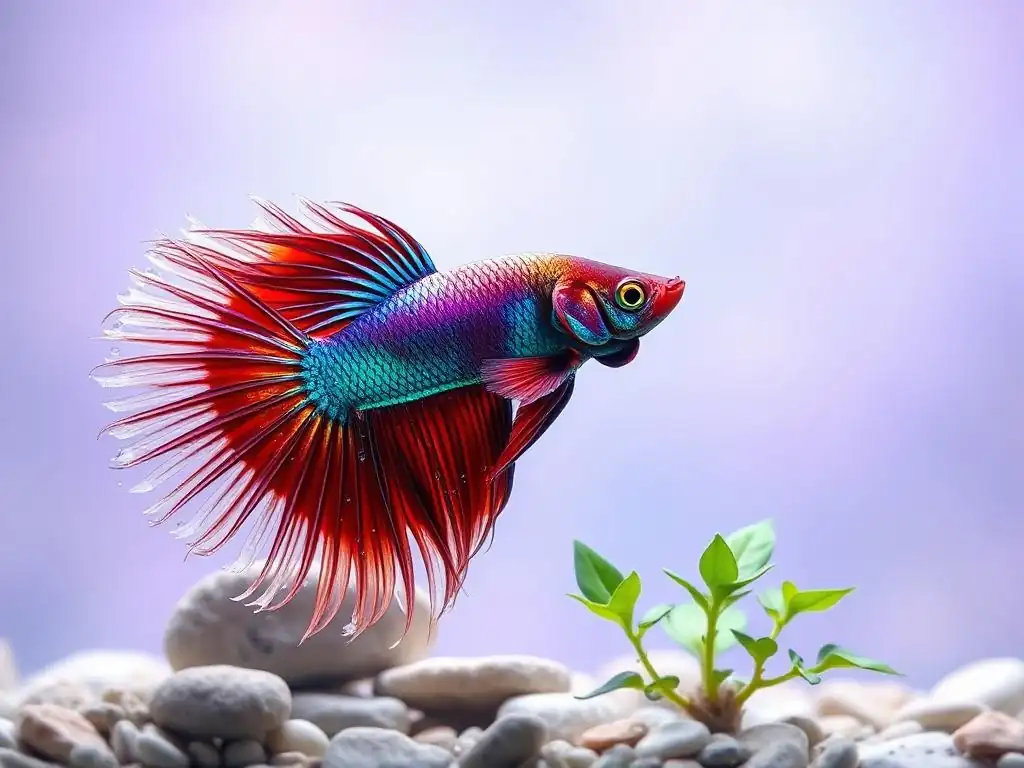
One of the most fascinating and well-known behaviors of male Bettas is bubble nesting, a crucial part of their breeding ritual. The male Betta meticulously constructs a nest of air bubbles at the water's surface, often anchored to a floating leaf or plant. To create these bubbles, the Betta repeatedly gulps air from the surface, coats it with a special mucus, and releases it to form the nest.
This intricate behavior is entirely dependent on clear and unobstructed surface access. A male Betta unable to reach the surface or finding it covered by film or dense plants will be unable to build a proper bubble nest. Observing a healthy male Betta actively building a bubble nest is a strong indicator that Bettas need surface access and are thriving in their environment. The absence of this behavior in a mature male could signal inadequate surface conditions.
How Surface Access Influences Betta Activity Levels
The ease with which a Betta can access the water surface directly correlates with its overall activity levels and engagement with its environment. A Betta that has consistent, unobstructed access to atmospheric air will be more energetic, active, and curious. It will swim freely throughout the tank, explore decorations, interact with its surroundings, and exhibit its natural inquisitive nature.
Conversely, a Betta that struggles to breathe due to poor surface access will conserve energy. It will be lethargic, spend more time resting at the bottom or hiding, and show reduced interest in food or its surroundings. This reduced activity isn't just a sign of stress; it indicates a fundamental physiological struggle. Ensuring Bettas need surface access allows them to live a full, active life, exhibiting their natural behaviors and vibrant personalities.
Surface Exploration and Hunting Behavior
In their natural habitat, Bettas are carnivorous and opportunistic hunters, often lurking just below the water surface to ambush small insects, larvae, or other invertebrates that fall onto the water. This natural hunting behavior involves frequent trips to the surface, not just for air, but also for foraging.
Providing clear surface access allows Bettas to engage in this instinctual surface exploration and hunting. They will often patrol the water line, looking for potential food items or simply investigating their surroundings. This type of natural behavior contributes significantly to their mental stimulation and overall well-being. By ensuring Bettas need surface access, aquarists facilitate not just survival, but also a rich and engaging life for these fascinating fish.
Common Myths About Betta Breathing and Surface Access
Myth: Bettas Only Need Air Bubbles. Reality: They Need a Clean Surface.
A common misconception is that simply having an air stone in the tank, producing bubbles, is sufficient for a Betta's respiratory needs. While air stones do increase dissolved oxygen in the water, which benefits the Betta's gills, they do not directly provide the atmospheric air that the labyrinth organ requires. The Betta's labyrinth organ needs to gulp air directly from the atmosphere above the water, not from bubbles within the water.
Therefore, even with an air stone, if the water surface is completely covered by a tight-fitting lid with no air gap, dense floating plants, or a thick protein film, the Betta will still struggle to breathe. The bubbles from an air stone are for water oxygenation; the clear surface is for labyrinth organ function. This distinction is crucial for understanding why Bettas need surface access to the open air.
Myth: A Small Tank is Enough. Reality: Surface Area Matters.
Another pervasive myth is that Bettas can thrive in tiny bowls or vases, sometimes even without filtration. This myth is directly contradicted by their need for adequate surface access and stable water parameters. While a Betta can survive in a small container for a short period, it cannot thrive. Small tanks (under 5 gallons) typically have very limited surface area, which restricts gas exchange and makes it difficult for the Betta to find a clear spot to gulp air.
Furthermore, small volumes of water are notoriously difficult to keep stable, leading to rapid fluctuations in temperature and ammonia/nitrite spikes, which further compromise the Betta's ability to breathe. A minimum of a 5-gallon tank, ideally one that is wider rather than tall, provides sufficient surface area for proper Betta breathing and stable water conditions. This reinforces that Bettas need surface access that is ample and unhindered, a feature often lacking in undersized habitats.
Myth: Surface Access is Only Important for Sick Bettas. Reality: It's Essential for All.
Some aquarists mistakenly believe that frequent surface gulping is only a sign of illness or poor water quality, and that healthy Bettas rarely need to visit the surface. This is incorrect. While excessive or frantic gulping can indicate a problem (such as low dissolved oxygen or gill issues), regular visits to the surface to gulp air are a perfectly normal and necessary behavior for all Bettas, regardless of their health status or water quality.
The labyrinth organ is a primary respiratory tool that Bettas use continuously throughout their lives. Even in a perfectly cycled, well-oxygenated tank, a healthy Betta will periodically rise to the surface for air. This consistent behavior demonstrates that Bettas need surface access as a fundamental physiological requirement, not just a symptom of distress. Understanding this distinction is key to providing optimal care.
Conclusion: Prioritizing Surface Access for a Healthy Betta
Key Takeaways: Ensuring a Long and Healthy Life for Your Labyrinth Breather
The unique respiratory system of the Betta fish, centered around its specialized labyrinth organ, makes consistent and unobstructed access to the water's surface an absolute necessity for their survival and well-being. Unlike most fish, Bettas must periodically gulp atmospheric air to supplement the oxygen extracted by their gills, especially in their naturally warm, oxygen-poor environments. This fundamental requirement means that ensuring Bettas need surface access is one of the most critical aspects of Betta care.
Prioritizing surface access involves selecting an appropriately sized tank with ample surface area, maintaining optimal water levels, and carefully arranging décor and plants to prevent obstructions. Vigilantly monitoring for signs of breathing difficulty, such as persistent gasping or lethargy, and promptly addressing any underlying issues with water quality or tank setup, are vital responsibilities for any Betta owner. By understanding and catering to this unique physiological need, aquarists can provide their labyrinth breathers with a healthy, vibrant, and long life, allowing these magnificent fish to thrive in their aquatic homes.
Frequently Asked Questions
Why is surface access so important for Bettas?
Bettas possess a labyrinth organ, allowing them to breathe air directly from the surface. Without surface access, they can't get enough oxygen, leading to stress and eventually suffocation. It's non-negotiable for their survival.
How can I ensure my Betta has adequate surface access in a planted aquarium?
Ensure plants don't completely cover the water's surface. Leave open areas for the Betta to breathe. Regularly trim any excessive plant growth that impedes access.
What happens if my Betta can't reach the surface to breathe?
If a Betta is consistently denied surface access, it will become lethargic and stressed. You might observe it gasping for air at the surface whenever it can, or staying at the bottom of the tank. This can lead to serious health problems.
Does surface agitation from a filter affect a Betta's ability to breathe?
Yes, excessive surface agitation can make it difficult for Bettas. Strong currents exhaust them and can disrupt their access to the surface. Consider a gentler filter or a baffle to reduce the flow.
My Betta seems to stay near the surface even with plenty of open water. Is this normal?
While surface access is vital, constant surface dwelling can indicate a problem. Check your water parameters (ammonia, nitrite, nitrate) to ensure they are within acceptable ranges. It could also be a sign of underlying illness.
Final Reflection: The Breath of Life for Bettas
The insights shared in this article underscore a critical truth: betta fish, as labyrinth breathers, fundamentally require surface access for survival and well-being. Ignoring this biological imperative is not merely a matter of suboptimal care, but a direct threat to their health and longevity. The information presented serves as a stark reminder that responsible betta keeping begins with understanding and respecting their unique respiratory needs.
This understanding extends beyond the aquarium itself, influencing how we perceive and interact with these captivating creatures. The ability to breathe air directly is not just a biological quirk; it's an integral part of their identity, shaping their behavior and influencing their interaction with their environment. It's our responsibility to ensure that the environments we create for them honor this fundamental aspect of their existence. The greatness of a nation and its moral progress can be judged by the way its animals are treated.
- Mahatma Gandhi. This quote, while broad, resonates deeply here, reminding us that our compassion and understanding extend to even the smallest creatures under our care.
Now, consider this: how can you, armed with this knowledge, become a more informed and compassionate betta keeper? Reflect on your current setup. Does it truly provide unrestricted access to the surface? Share this information with fellow enthusiasts, challenge misconceptions, and advocate for responsible betta care. Let's collectively ensure that every betta has the opportunity to take that vital breath, living a healthier, happier, and more fulfilling life.
Unleash Your Betta's Full Potential!
Thank you for diving into the world of Betta care! Now that you understand the crucial role surface access plays in your Betta's health and well-being, let's ensure your finned friend thrives. It's time to take action and create the perfect environment for your Betta.
Here are a few things you can do right now:
- Prioritize Surface Access: Immediately assess your current setup and make any necessary adjustments to guarantee your Betta can easily reach the surface for air. This is paramount for their respiratory health.
- Explore creative solutions to surface access. Consider adding floating plants like Amazon Frogbit or a betta log. Observe how your Betta interacts with the new addition.
- Share this knowledge! Help other Betta owners understand the importance of surface access by sharing this article on social media or within Betta-keeping communities.
What specific changes will you make to ensure your Betta has easy and consistent access to the water's surface?