
Can Your Aquarium Pump Be Too Powerful? Avoiding a Watery Disaster

Welcome to Aquarium Mastery!
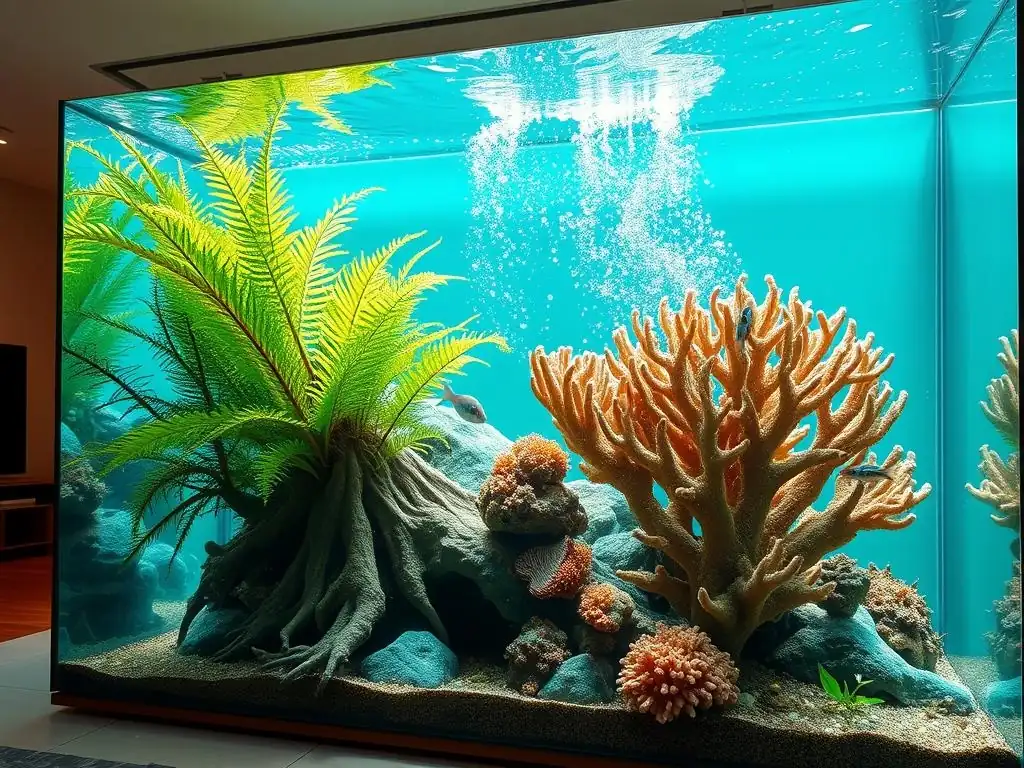
Ever wondered if more is always better when it comes to your aquarium pump? You might be surprised! Dive into our latest article, " Can Your Aquarium Pump Be Too Powerful? Avoiding a Watery Disaster," and discover the hidden dangers of overpowering aquarium pumps. From stressed-out fish to chaotic currents, learn how to choose the right pump and keep your aquatic ecosystem thriving. Ready to avoid a potential watery disaster? Let's explore!
- Understanding Aquarium Pump Power: Finding the Right Flow Rate
- Overpowering Aquarium Pumps Issues: Dangers and Consequences
- Determining the Ideal Aquarium Pump Size and Flow Rate
- Selecting the Right Aquarium Pump: Factors to Consider
- Solutions for an Overpowered Aquarium Pump
- Preventing Future Problems: Choosing the Correct Pump from the Start
- Frequently Asked Questions
- Final Reflection: Navigating the Currents of Aquarium Care
- Dive Deeper: Transform Your Tank Today!
Understanding Aquarium Pump Power: Finding the Right Flow Rate
Why Water Flow is Crucial for a Healthy Aquarium
Proper water flow is fundamental to maintaining a thriving aquarium ecosystem, serving multiple vital functions. Firstly, it ensures efficient gas exchange at the water's surface, facilitating the intake of oxygen essential for fish and beneficial bacteria, while expelling carbon dioxide. Without adequate circulation, oxygen levels can plummet, leading to stressed fish and the proliferation of anaerobic bacteria in stagnant areas, which can produce harmful compounds like hydrogen sulfide.
Secondly, consistent water movement prevents the formation of "dead spots" where detritus and uneaten food can accumulate, decomposing and releasing ammonia and nitrites into the water. Circulation helps distribute essential nutrients to aquatic plants and beneficial bacteria colonies throughout the tank, promoting their health and growth. For instance, in a 50-gallon freshwater planted tank, a flow rate of approximately 150-250 gallons per hour (GPH) is often recommended to ensure good nutrient distribution without overwhelming delicate plants.
Identifying the Signs of an Overpowered Aquarium Pump
Recognizing the signs of an overpowered aquarium pump is crucial for prompt intervention to prevent long-term damage to your aquatic environment. One of the most immediate indicators is observing your fish struggling against the current, constantly swimming in place or seeking refuge in low-flow areas behind decorations or plants. Delicate finnage might appear frayed, or fish might exhibit signs of exhaustion, such as rapid gill movement or listlessness.
Beyond fish behavior, an overpowered pump can visibly disrupt the physical integrity of your tank. You might notice your substrate being continuously shifted, creating bare patches or accumulating in specific corners. Newly planted or delicate aquatic plants, like Dwarf Hairgrass or Rotala species, may become uprooted or show signs of physical damage, such as torn leaves. Furthermore, the water might appear perpetually cloudy due to detritus and fine particulate matter being constantly stirred up from the substrate, rather than settling or being drawn into the filtration system.
Overpowering Aquarium Pumps Issues: Dangers and Consequences
Stressing Your Fish: The Impact of Excessive Water Flow
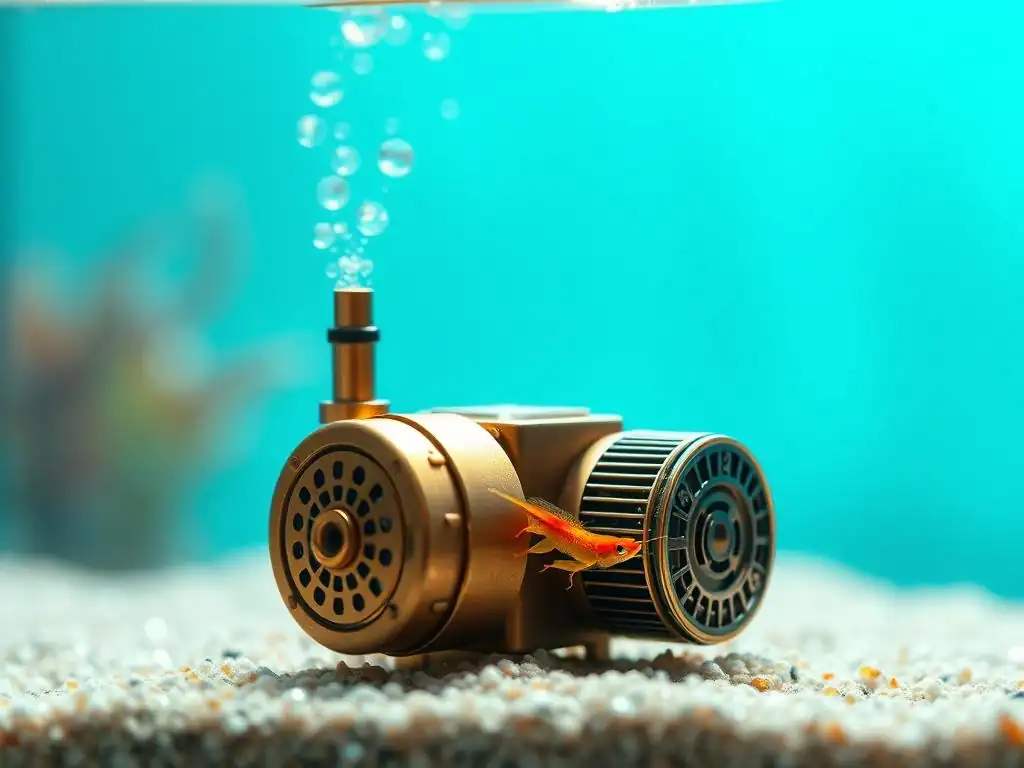
One of the most significant "Overpowering aquarium pumps issues" is the severe stress it imposes on your fish. Fish that are constantly battling strong currents expend excessive energy, leading to chronic fatigue and a weakened immune system. This makes them far more susceptible to common aquarium diseases, as their natural defenses are compromised. For instance, slow-moving species like Betta splendens (Siamese Fighting Fish) or Gouramis, which naturally inhabit calm waters, can suffer fin damage or be unable to build their characteristic bubble nests in high-flow environments.
Furthermore, an overly powerful current can disrupt essential behaviors such as feeding and resting. Fish might struggle to reach food, leading to malnutrition, or be unable to find stable resting spots, preventing proper recuperation. Even species that tolerate some current, such as many types of Danios or Rainbowfish, can become stressed if the flow is continuously overwhelming, leading to erratic swimming patterns, hiding, or a general decline in their vibrant coloration.
Disrupting the Substrate: Plant Uprooting and Detritus Stirring
Excessive water flow directly contributes to "Overpowering aquarium pumps issues" by causing significant physical disruption within the aquarium. A powerful pump can continuously shift the substrate, particularly lighter materials like sand or fine gravel, leading to an uneven tank bottom and exposing the glass. This constant movement can be detrimental to root-feeding plants, as their root systems are repeatedly disturbed or entirely uprooted, hindering their ability to anchor and absorb nutrients. Delicate plants like Monte Carlo or certain Cryptocoryne species are especially vulnerable to dislodgement.
Moreover, the persistent agitation of the substrate keeps detritus and uneaten food particles suspended in the water column instead of allowing them to settle or be effectively removed by the filter. This not only results in cloudy or murky water, diminishing the aesthetic appeal of the tank, but also means that organic waste is continuously circulating. This suspended organic matter can contribute to higher ammonia and nitrite levels, placing an unnecessary burden on the biological filtration and potentially leading to water quality issues if not managed.
Filter Overload: Reducing Filtration Efficiency
While it might seem counterintuitive, an overpowered aquarium pump can actually reduce the overall efficiency of your filtration system, contributing to "Overpowering aquarium pumps issues." When the pump generates excessively strong flow, it can push an overwhelming amount of particulate matter into the mechanical filter media (like sponges or filter floss) at a rate faster than the media can effectively trap it. This rapid bombardment can quickly clog the filter, drastically reducing its capacity and requiring more frequent cleaning or replacement of media.
Beyond mechanical filtration, excessive flow can also negatively impact biological filtration. If the water rushes through the biological media (e.g., ceramic rings, bio-balls) too quickly, the beneficial bacteria living on these surfaces may not have sufficient contact time with the ammonia and nitrites in the water to effectively convert them into less harmful nitrates. In some filter designs, extremely high pressure might even cause water to bypass certain media stages, further compromising the filter's ability to maintain optimal water quality.
Algae Blooms: Increased Risk Due to Strong Currents
Another surprising consequence among "Overpowering aquarium pumps issues" is an increased risk of algae blooms. While good circulation is generally beneficial for preventing stagnant areas where algae can thrive, excessive flow can paradoxically contribute to their growth. One mechanism is by constantly stirring up detritus and nutrient-rich sediments from the substrate, keeping these nutrients suspended in the water column and making them readily available for algae to consume. This effectively fertilizes the algae, leading to rapid proliferation.
Furthermore, strong currents can stress aquatic plants, making them less competitive against algae. When plants are struggling to anchor or are physically damaged by the flow, their ability to absorb nutrients and outcompete algae for resources is diminished. Certain types of algae, such as some forms of hair algae or black beard algae (BBA), can actually thrive in high-flow areas, clinging tenaciously to surfaces where the current is strongest.
Determining the Ideal Aquarium Pump Size and Flow Rate
Calculating Your Tank's Volume for Optimal Circulation
To determine the ideal aquarium pump size, the first crucial step is accurately calculating your tank's water volume. For rectangular tanks, the formula is straightforward: multiply the length by the width by the height (all in inches), and then divide the result by 231 to get the volume in US gallons. For example, a tank measuring 36 inches long, 12 inches wide, and 18 inches high would have a volume of approximately 33.6 gallons (36 * 12 * 18 / 231 = 33.6). If using centimeters, multiply L x W x H and divide by 1000 for liters.
Once you have the tank volume, you can consider general guidelines for flow rate, often expressed as "turnovers per hour." For most freshwater community tanks, a flow rate of 3 to 5 times the tank volume per hour is a good starting point. So, for a 30-gallon tank, you'd look for a pump capable of delivering between 90 and 150 GPH. However, these are approximations, and factors like fish species, plant density, and filtration type will require fine-tuning.
Considering Fish Species: Flow Preferences and Requirements
The specific fish species you keep, or plan to keep, is a critical factor in determining the appropriate pump size and flow rate, directly impacting "Overpowering aquarium pumps issues." Different fish have evolved in diverse aquatic environments, and their physiological and behavioral needs vary significantly regarding water movement. For instance, species like Betta fish, German Blue Rams, or Angelfish prefer slow-moving, calm waters, as strong currents can exhaust them, damage their delicate fins, and make feeding difficult. For a Betta tank, a flow rate of 1-2 times the tank volume per hour might be more appropriate.
Conversely, active swimmers from fast-flowing rivers, such as many types of Danios, Rainbowfish, or certain South American cichlids like Severums, thrive in moderate to strong currents. These fish are adapted to higher flow and can become lethargic or develop health issues in overly stagnant water. Therefore, understanding the natural habitat and swimming capabilities of your chosen inhabitants is paramount to selecting a pump that provides a suitable environment without causing undue stress.
Plant Needs: Matching Water Flow to Plant Types
When addressing "Overpowering aquarium pumps issues," it's essential to consider the specific needs of your aquatic plants, as their tolerance for water flow varies significantly. Delicate, finely-leaved plants like Rotala species, Myriophyllum, or certain stem plants can easily be damaged, uprooted, or even shredded by excessive currents. These plants generally prefer gentle to moderate flow that allows for nutrient delivery without constant physical stress, typically benefiting from a flow that gently sways their leaves.
In contrast, more robust plants with strong root systems or rhizomes, such as Anubias, Java Fern, or Amazon Swords, can withstand stronger currents. However, even these resilient species can suffer if the flow is so intense that it prevents them from effectively absorbing CO2 and nutrients, or if it constantly stirs up the substrate around their roots. For heavily planted tanks, a balance must be struck to ensure adequate nutrient distribution to all plants while protecting the more fragile species from direct, harsh currents.
Selecting the Right Aquarium Pump: Factors to Consider
Adjustable Flow Pumps: Gaining Control Over Water Movement
When mitigating "Overpowering aquarium pumps issues," one of the most effective solutions is opting for an adjustable flow pump. These pumps, often referred to as variable speed or controllable pumps, provide the flexibility to precisely regulate the water flow rate. This adjustability is invaluable, allowing aquarists to fine-tune the current to suit the specific needs of their fish, plants, and overall tank setup, which can change over time.
Adjustable flow pumps typically feature an electronic controller or a mechanical dial that allows you to increase or decrease the GPH output. This means you can start with a lower flow for sensitive species or newly planted tanks and gradually increase it as the tank matures or if you introduce more current-loving inhabitants. This level of control helps prevent stress on livestock and plants, ensures optimal nutrient distribution, and contributes significantly to a more stable and adaptable aquarium environment.
Powerhead Placement: Optimizing Circulation Patterns
Strategic powerhead placement is crucial for optimizing circulation patterns and avoiding "Overpowering aquarium pumps issues" even with a correctly sized pump. Instead of simply pointing a powerhead directly at fish or plants, consider how to create a gentle, diffuse current throughout the entire tank. Aiming the powerhead towards the opposite wall or slightly upwards towards the surface can help spread the flow, reducing direct impact while still promoting gas exchange and preventing dead spots.
For larger tanks, multiple smaller powerheads placed strategically can often provide more even and less disruptive circulation than a single large, powerful unit. Consider placing them at different heights and angles to create complex flow patterns that mimic natural aquatic environments. For example, positioning a powerhead near the bottom can help lift detritus into the filter intake, while one near the surface aids in oxygenation. Experimentation with placement is key to achieving optimal water movement without creating harsh "hot spots" of current.
Pump Features: Energy Efficiency and Noise Levels
Beyond flow rate, considering energy efficiency and noise levels is vital when selecting an aquarium pump, addressing practical "Overpowering aquarium pumps issues" in the long run. Aquarium pumps run 24/7, making their power consumption a significant factor in your electricity bill. Modern DC-driven pumps, for instance, are often much more energy-efficient than older AC models, potentially saving you a considerable amount over the pump's lifespan. A pump consuming 40 watts might cost approximately $35-$40 annually to run, whereas a more efficient 20-watt model could halve that expense.
Noise levels are equally important, especially if your aquarium is located in a living room or bedroom. Continuously buzzing or vibrating pumps can be a major nuisance. Look for pumps with features designed for quiet operation, such as ceramic shafts, rubber feet for vibration dampening, or magnet-driven designs that minimize moving parts. Reviews often highlight pumps known for their quiet performance, which can significantly enhance your enjoyment of the aquarium without distracting background noise.
Solutions for an Overpowered Aquarium Pump
Installing a Flow Reducer: Dampening the Current
If you find yourself facing "Overpowering aquarium pumps issues" with an existing setup, installing a flow reducer is a direct and effective solution. For external canister filters or sump pumps, a simple ball valve or gate valve can be added to the output tubing. By partially closing the valve, you restrict the water flow, thereby dampening the current entering the aquarium. It's important to use a valve designed for aquarium use and to introduce restriction gradually to avoid undue strain on the pump motor, as some pumps are not designed to operate under significant back pressure.
For internal powerheads or submersible pumps, some models come with built-in flow adjustment dials or levers. If not, a DIY approach might involve placing a piece of filter sponge or a baffle directly over the pump's outlet to diffuse the flow. While this reduces the direct current, ensure it doesn't overly restrict the pump's intake, which could lead to overheating or reduced longevity.
Baffles and Diffusers: Redirecting Water Flow
Utilizing baffles and diffusers is an excellent way to mitigate "Overpowering aquarium pumps issues" by spreading out or redirecting strong currents. A spray bar, for instance, is a common diffuser that attaches to the filter outlet. Instead of a single powerful jet, the spray bar has multiple small holes along its length, distributing the water flow more evenly across a wider area of the tank and significantly reducing the intensity of the current.
Alternatively, custom-made baffles can be constructed from aquarium-safe plastic or even dense filter sponges. These can be strategically placed in front of a powerful pump's outlet to break up the direct flow. For example, a piece of clear acrylic bent at an angle and placed a few inches from the outlet can deflect the current upwards or sideways, creating a gentler, more dispersed water movement that is less stressful for fish and plants.
Adding More Plants and Decorations: Creating Natural Barriers
A natural and aesthetically pleasing solution to "Overpowering aquarium pumps issues" is to strategically add more plants and decorations to your aquarium. Densely planted areas, particularly those with robust stem plants or large-leaved species like Anubias and Amazon Swords, can act as natural current breakers. The foliage absorbs and disperses the force of the water, creating calmer pockets within the tank where fish can rest and delicate plants can thrive without being buffeted.
Similarly, well-placed rocks, driftwood, and other hardscape elements can serve as physical barriers to strong currents. By arranging these decorations thoughtfully, you can redirect water flow around them, creating sheltered zones and breaking up linear currents into more complex, diffused patterns. This approach not only helps manage excessive flow but also enhances the visual appeal and provides crucial hiding spots and territories for your aquarium inhabitants.
Upgrading Your Filter: Improving Water Quality Management
While not a direct flow reduction method, upgrading your filter can be a crucial solution when "Overpowering aquarium pumps issues" manifest as persistent water quality problems stemming from stirred detritus. If your current pump (especially if it's integrated into a hang-on-back or internal filter) is too powerful and constantly suspends waste, a more robust and efficient filter system can help manage the increased particulate load. A larger canister filter, for example, offers significantly more mechanical and biological media volume to effectively trap suspended debris and process ammonia/nitrites.
Alternatively, if the overpowered pump is a separate powerhead, consider if your existing filtration is adequate to handle the consequences of the stirred detritus. Upgrading to a filter with superior mechanical filtration capabilities, such as one with multiple layers of fine filter floss or a dedicated pre-filter sponge, can significantly improve water clarity by capturing the increased amount of suspended particles. This helps prevent nutrient spikes and reduces the overall burden on the biological filter, leading to a healthier aquarium environment.
Preventing Future Problems: Choosing the Correct Pump from the Start
Researching Pump Specifications: Understanding Flow Rates and Head Pressure
To prevent "Overpowering aquarium pumps issues" from the outset, thorough research into pump specifications is paramount. Do not solely rely on the "maximum flow rate" (GPH or LPH) stated on the packaging, as this figure is typically measured under ideal conditions with no resistance. Instead, pay close attention to the pump's "head pressure" curve, often provided in the product's manual or online. Head pressure refers to the height the pump can push water against gravity.
For every foot of vertical lift or significant resistance (like long hoses, tight bends, or dirty filter media), the actual flow rate will decrease. For instance, a pump rated at 500 GPH at 0 feet of head might only deliver 200 GPH at 3 feet of head. Understanding this curve ensures you select a pump that delivers the desired flow rate within your specific setup, accounting for any sumps, tubing length, or internal filter resistance.
Consulting with Aquarium Experts: Getting Personalized Recommendations
One of the most valuable steps in preventing "Overpowering aquarium pumps issues" is to consult with experienced aquarium experts. This could involve speaking with knowledgeable staff at a reputable local fish store, engaging with seasoned aquarists in online forums or communities, or even hiring an aquarium consultant for complex setups. These experts can provide personalized recommendations based on their practical experience and deep understanding of various pump brands, models, and their performance in different tank scenarios.
They can help you navigate the complexities of flow rates, head pressure calculations, and the specific needs of your chosen fish and plants. For example, an expert might advise against a certain pump for a delicate planted tank, even if its GPH seems appropriate, due to its known direct and powerful outflow. Their insights can save you from costly trial-and-error purchases and help ensure you select the perfect pump from day one, tailored to your unique aquarium ecosystem.
Regular Monitoring: Observing Fish Behavior and Plant Health
Even after choosing the "correct" pump, regular monitoring is essential to prevent "Overpowering aquarium pumps issues" from developing unnoticed. Your aquarium is a dynamic ecosystem, and changes in fish behavior or plant health can be early indicators that the water flow is not optimal. Observe your fish daily: are they swimming naturally, or are they constantly struggling against the current? Are they showing signs of stress like clamped fins, hiding excessively, or rapid gill movement?
Similarly, pay close attention to your plants. Are they swaying gently, or are they bent over and battered by the current? Are new plants struggling to root, or are older ones showing signs of physical damage or nutrient deficiencies due to inadequate flow? Early detection allows you to make minor adjustments to pump settings, placement, or add simple flow diffusers before minor issues escalate into significant problems for your aquatic inhabitants.
Frequently Asked Questions
Can my aquarium pump really be too powerful?
Yes, absolutely! An overpowering aquarium pump can create a current that is too strong for your fish and disrupt the delicate ecosystem within your tank.
What are the signs that my aquarium pump is too powerful?
Common signs include fish struggling to swim, plants being uprooted, and excessive bubbling or water agitation. You might also notice stress behaviors in your fish, such as hiding or erratic swimming.
How do I determine the correct pump flow rate for my aquarium?
Generally, you should aim for a flow rate that circulates the tank volume 4-6 times per hour for most freshwater tanks. Saltwater tanks often require higher flow rates. Check the specific needs of your fish.
What can I do if my aquarium pump is too powerful?
You can try adjusting the pump's flow rate if it has a control. If not, consider adding a spray bar or diffuser to soften the current or purchasing a smaller, less powerful pump.
Will a too-powerful pump affect my aquarium's water chemistry?
Yes, potentially. Excessive water movement can strip CO2 from the water, impacting plant growth and potentially affecting pH levels. Maintaining stable water parameters is crucial for a healthy aquarium.
The exploration of overpowering aquarium pumps issues reveals a critical balance in maintaining a thriving aquatic ecosystem. Understanding the potential for a pump to disrupt, rather than enhance, the delicate harmony within a tank is not just about avoiding a "watery disaster," but about fostering a responsible and informed approach to aquarium keeping. The insights shared here serve as a crucial reminder that more isn't always better, and that careful consideration of flow rate is paramount to the well-being of our aquatic companions.
This topic has profoundly influenced the way I, and hopefully many others, approach aquarium maintenance. It's a constant reminder that observation and understanding are more valuable than simply relying on powerful equipment. The subtle nuances of water flow, the behavior of fish, and the health of plants are all interconnected. The best way to observe a fish is to become a fish.
This quote, though perhaps whimsical, underscores the importance of empathy and careful observation in understanding the needs of our aquatic friends.
Now, armed with this knowledge, I invite you to reflect on your own aquarium practices. Are you truly observing the currents within your tank, or are you simply relying on the power of your pump? Take the time to assess the needs of your specific ecosystem, and adjust accordingly. By embracing a mindful approach to aquarium care, you can create a truly thriving and balanced environment for your aquatic inhabitants, ensuring their health and happiness for years to come.
Dive Deeper: Transform Your Tank Today!
Thanks for exploring the crucial balance of aquarium pump power with us! We hope you've gained valuable insights into maintaining a healthy and thriving aquatic environment. Now, let's put that knowledge into action!
Here are a few next steps you can take to elevate your aquarium game:
- Re-evaluate your current pump's flow rate: Use the calculations discussed in the article to ensure it aligns with your tank size and inhabitants' needs.
- Share your own experiences! Head to our comments section and describe your best solutions to dealing with over-powered pumps and leave your best advice.
- Embrace "low and slow": Consider adding more aquatic plants to your aquarium to appreciate the gentle environment your pump is now providing.
Ready to fine-tune your aquarium's flow and create the perfect aquatic ecosystem? What's the first adjustment you'll make to your pump setup after reading this?