
Blueface Angelfish (Pomacanthus xanthometopon): Stunning Beauty, Expert Care

Welcome to Aquarium Mastery!
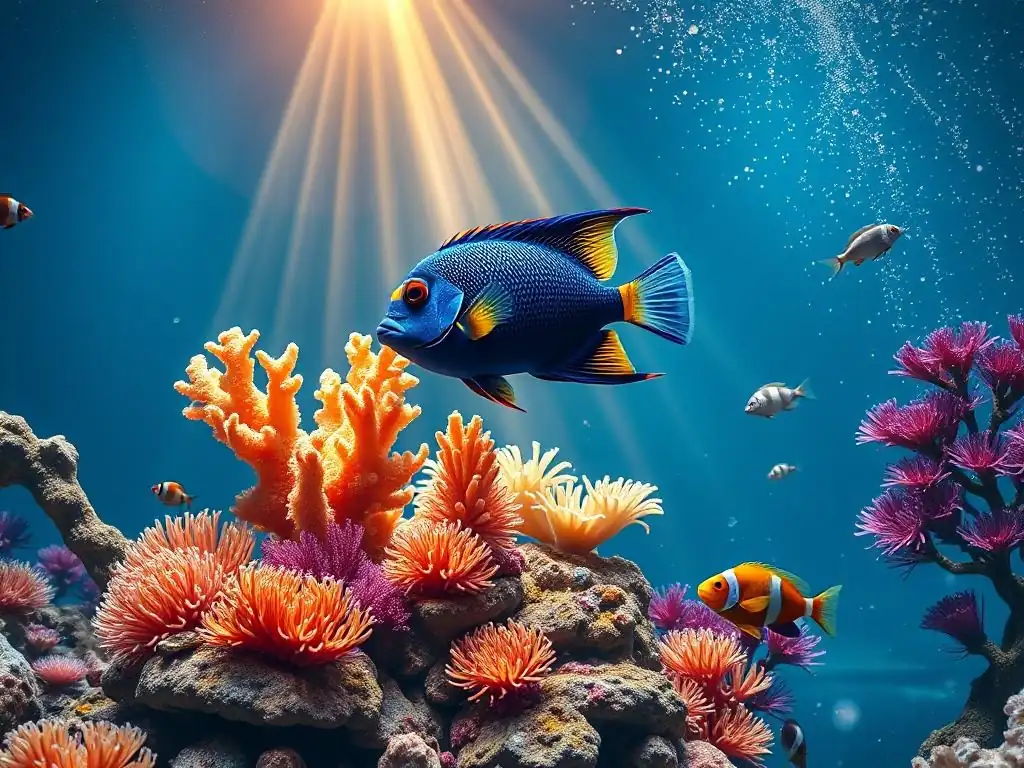
Ever been captivated by the stunning beauty of a Blueface Angelfish? This majestic creature can truly transform your saltwater aquarium. But beauty demands expertise. Dive into our comprehensive Blueface Angelfish care guide and unlock the secrets to successfully keeping this iconic fish thriving. What does it really take to create the perfect environment for these aquatic gems? Let's explore!
- Introduction to the Blueface Angelfish: A Saltwater Aquarium Gem
- Blueface Angelfish Care Guide: Essential Requirements
- Blueface Angelfish Diet and Feeding Habits
- Blueface Angelfish Tank Mates: Compatibility and Considerations
- Blueface Angelfish Identification and Appearance
- Blueface Angelfish Health and Disease Prevention
- Setting Up a Blueface Angelfish Tank: A Step-by-Step Guide
- Blueface Angelfish Behavior and Temperament
- Blueface Angelfish: Expert Tips for Long-Term Care
- Blueface Angelfish: Considerations for Advanced Aquarists
- Conclusion: Mastering the Art of Blueface Angelfish Care.
-
Frequently Asked Questions
- What are the key considerations when setting up a suitable aquarium for a Blueface Angelfish?
- What type of diet does a Blueface Angelfish require to thrive in a home aquarium?
- What are some common health issues that Blueface Angelfish are prone to, and how can they be prevented?
- Are Blueface Angelfish reef safe, and what should aquarists consider before introducing them to a reef tank?
- What is the typical lifespan of a Blueface Angelfish in captivity, and what factors can influence their longevity?
- Final Reflection: Embracing the Majesty of Marine Life
- Unleash the Majesty: Dive Deeper into Angelfish Keeping!
Introduction to the Blueface Angelfish: A Saltwater Aquarium Gem
Unveiling the Majesty of Pomacanthus xanthometopon
The Blueface Angelfish, scientifically known as Pomacanthus xanthometopon, is a true marvel of the marine world, renowned for its breathtaking coloration and graceful presence. Native to the vast Indo-Pacific region, spanning from the Maldives to the Solomon Islands and north to Japan, these magnificent creatures inhabit outer reef slopes and lagoons at depths typically ranging from 3 to 25 meters (approximately 10 to 80 feet). In their natural habitat, they are often observed grazing on sponges and tunicates, contributing to the delicate balance of coral reef ecosystems.
Adult Blueface Angelfish boast an unmistakable appearance: a vibrant yellow body, a striking electric blue face adorned with a dark mask over the eyes, and often a prominent dark blue or black spot on the forehead. Their fins are typically edged with brilliant blue, adding to their regal aesthetic. These angelfish can grow quite large, reaching lengths of up to 38 centimeters (about 15 inches) in captivity, and with proper care, they can live for 10 to 15 years, or even longer, making them a significant long-term commitment for any aquarist.
Why Choose a Blueface Angelfish for Your Saltwater Tank?
Selecting a Blueface Angelfish for your saltwater aquarium offers a unique blend of challenge and immense reward. Their stunning visual appeal makes them an immediate focal point in any large display tank, drawing the eye with their dynamic swimming patterns and brilliant hues. The transformation from their distinct juvenile coloration—a deep blue with several bright white vertical stripes—to the adult's iconic yellow and blue pattern is a captivating process that many aquarists find incredibly rewarding to witness firsthand.
Beyond their beauty, Blueface Angelfish exhibit interesting behaviors, actively exploring their environment and interacting with their surroundings. While they require a dedicated Blueface Angelfish care guide and significant investment in tank size and equipment, the satisfaction of successfully housing and maintaining such a majestic species is unparalleled. For experienced aquarists seeking a centerpiece fish that combines grandeur with a fascinating personality, the Pomacanthus xanthometopon stands out as an exceptional choice, promising years of enjoyment and a vibrant addition to a well-planned marine habitat.
Blueface Angelfish Care Guide: Essential Requirements
Optimal Tank Size for Blueface Angelfish
Providing adequate space is paramount for the health and longevity of a Blueface Angelfish. Due to their potential adult size of up to 15 inches (38 cm) and their active swimming nature, a minimum tank size of 180 to 200 gallons (approximately 680 to 750 liters) is strongly recommended for a single adult specimen. This substantial volume allows for sufficient swimming room, helps to dilute metabolic waste products, and provides ample space for live rock aquascaping, which is crucial for their well-being.
When considering tank dimensions, prioritize a wider and deeper footprint over height. A tank with a larger surface area allows for better gas exchange and provides more natural swimming lanes for these large angelfish. While juveniles can temporarily reside in smaller tanks, they grow relatively quickly, and upgrading to their permanent home before they reach 6-8 inches (15-20 cm) is essential to prevent stunting, aggression due to confinement, and overall stress, which can compromise their immune system.
Water Parameters: Maintaining a Healthy Environment
Maintaining stable and pristine water parameters is the cornerstone of any successful Blueface Angelfish care guide. These angelfish are sensitive to fluctuations and poor water quality, making consistent monitoring and adjustment imperative.
Ideal Temperature and Salinity for Blueface Angelfish
For Pomacanthus xanthometopon, a stable water temperature between 74-79°F (23-26°C) is ideal, mimicking their natural tropical reef environment. Sudden temperature swings can cause significant stress and make them susceptible to disease. Similarly, salinity levels should be maintained within a specific gravity range of 1.020-1.025. While they can tolerate slight variations, consistency is key; a specific gravity of 1.023 is often considered optimal. Regular use of a reliable refractometer is recommended for accurate salinity measurements.
Beyond temperature and salinity, other crucial parameters include alkalinity (8-12 dKH), calcium (400-450 ppm), and magnesium (1250-1350 ppm). Although Blueface Angelfish are typically kept in Fish-Only-With-Live-Rock (FOWLR) systems rather than full reef tanks, maintaining these parameters within a healthy range contributes to overall water stability and promotes robust skeletal and cellular health for the fish, ensuring a comprehensive Blueface Angelfish care guide is followed.
Importance of Water Quality: Nitrate, Nitrite, and Ammonia Levels
The presence of ammonia and nitrite in a marine aquarium is highly toxic to fish, including the Blueface Angelfish. Both should consistently register at 0 parts per million (ppm) at all times, which is achieved through a properly cycled biological filter. Nitrates, the end product of the nitrogen cycle, are less toxic but can still be detrimental at high concentrations. For Blueface Angelfish, nitrate levels should ideally be kept below 20 ppm, and optimally below 10 ppm, to prevent long-term health issues like Lateral Line Erosion (HLLE) and weakened immune response.
Regular testing using reliable aquarium test kits is non-negotiable. Large weekly or bi-weekly partial water changes, typically 10-20% of the tank volume, are essential to dilute nitrates, replenish trace elements, and maintain overall water quality. Overfeeding, insufficient filtration, and overcrowding are common culprits for elevated nutrient levels, highlighting the importance of a holistic approach to maintaining a healthy environment as part of an effective Blueface Angelfish care guide.
Necessary Equipment for Blueface Angelfish Keeping
Establishing the right equipment setup is fundamental to successfully keeping Blueface Angelfish, ensuring their environment mimics their natural habitat as closely as possible.
Filtration Systems: Keeping the Water Pristine
Given their size and active metabolism, Blueface Angelfish produce a significant amount of waste, necessitating robust filtration. A comprehensive filtration system typically involves a large sump, which houses mechanical, chemical, and biological filtration media. Mechanical filtration, such as filter socks or sponges, removes particulate matter and detritus. Chemical filtration, often using activated carbon or specialized nitrate-removing resins, helps to absorb dissolved organic compounds and maintain water clarity.
Biological filtration, provided by live rock and bio-media within the sump, is perhaps the most critical component, converting toxic ammonia and nitrite into less harmful nitrate. Aim for at least 1-1.5 pounds of live rock per gallon of tank volume for optimal biological filtration and to provide natural grazing surfaces. Additionally, strong water movement, achieved with multiple powerheads, is vital for proper gas exchange and to prevent dead spots where detritus can accumulate; a turnover rate of 10-20 times the tank volume per hour is generally recommended.
Lighting Requirements: Replicating Their Natural Habitat
While Blueface Angelfish are not photosynthetic, appropriate lighting is still important for their well-being, influencing their natural behaviors and enhancing their vibrant coloration. They thrive under moderate lighting conditions, which can range from standard fluorescent fixtures to more advanced LED setups. The key is to provide a spectrum that mimics natural daylight, typically in the 10,000K to 20,000K range, for a photoperiod of 10-12 hours daily.
Excessively intense lighting, often found in dedicated SPS coral reef tanks, is not necessary and can sometimes cause stress or fading of colors in angelfish. If the tank is also housing some less light-demanding corals or invertebrates, ensure the lighting schedule and intensity are compatible with all inhabitants. Proper lighting also encourages the growth of beneficial microalgae on live rock, which can serve as an additional grazing source for the angelfish, contributing to a well-rounded Blueface Angelfish care guide.
Protein Skimmers: A Must-Have for Blueface Angelfish
A high-quality, appropriately sized protein skimmer is an indispensable piece of equipment for any large marine aquarium, particularly one housing a Blueface Angelfish. These powerful devices work by removing dissolved organic compounds and particulate waste from the water column before they can break down into nitrates and phosphates. By doing so, they significantly reduce the bioload and help maintain low nutrient levels, which is crucial for preventing algae outbreaks and ensuring excellent water quality.
Given the Blueface Angelfish's relatively large size and their omnivorous diet, they produce a considerable amount of organic waste. An oversized skimmer, rated for a tank volume larger than your actual aquarium, is often a wise investment to ensure maximum efficiency. Regular cleaning of the skimmer collection cup, typically every few days, is necessary to maintain optimal performance and to ensure this crucial element of your Blueface Angelfish care guide is always functioning effectively.
Blueface Angelfish Diet and Feeding Habits
What to Feed Your Blueface Angelfish
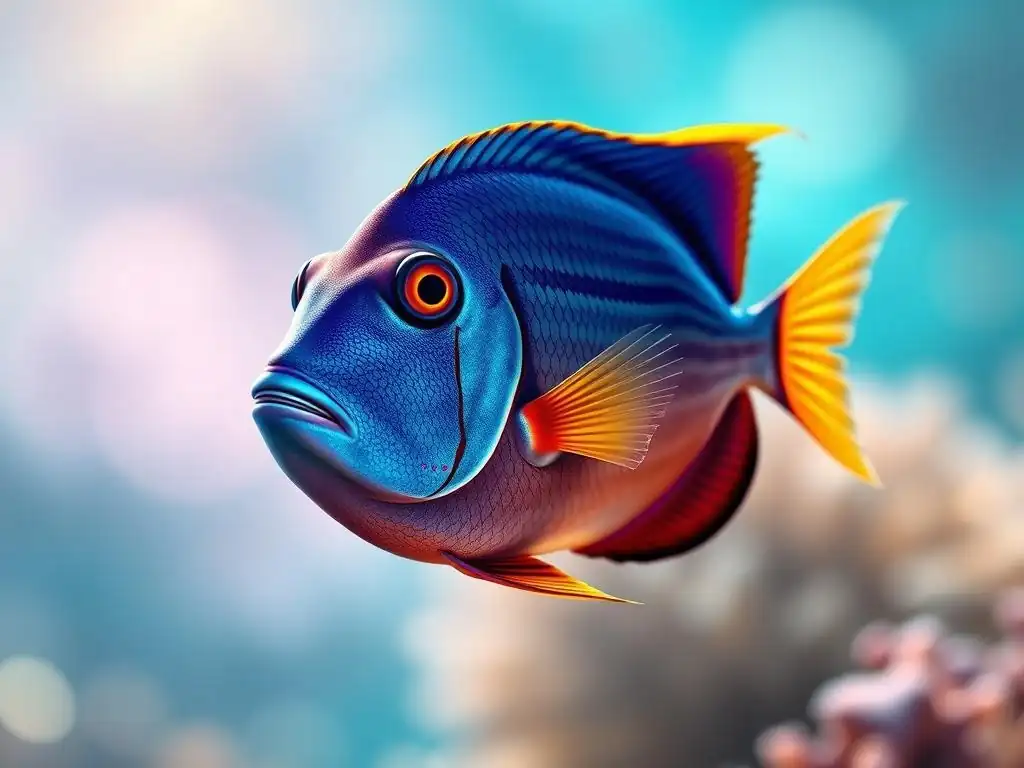
A well-balanced and varied diet is critical for the long-term health, vibrant coloration, and robust immune system of your Blueface Angelfish. In the wild, Pomacanthus xanthometopon are primarily omnivores with a significant herbivorous tendency, grazing on sponges, tunicates, and various types of algae. Replicating this diverse diet in the aquarium is key to their success.
A Varied Diet for Optimal Health
To ensure optimal nutrition, offer a wide range of high-quality marine-based foods. This should include specialized angelfish formulas, which are often enriched with spirulina, marine algae, and sponge material. High-quality spirulina flakes and pellets should form a significant portion of their daily intake. Supplement this with various frozen foods such as mysis shrimp, brine shrimp (enriched), finely chopped marine clams, squid, and shrimp. It is also highly beneficial to provide marine algae sheets (Nori), which can be clipped to a rock or the tank glass for continuous grazing throughout the day.
Introducing a variety of foods not only ensures they receive a full spectrum of nutrients but also prevents pickiness and encourages a robust feeding response. For example, some aquarists have found success by soaking frozen foods in vitamin supplements like Selcon, which can boost the fish's immune system and enhance colors. Consistently offering a diverse menu is a fundamental aspect of a comprehensive Blueface Angelfish care guide.
Recommended Feeding Schedule and Portion Sizes
Blueface Angelfish are active grazers, and in the aquarium, they benefit from multiple small feedings throughout the day rather than one large meal. For adult specimens, feeding 2-3 times daily is generally recommended. Each feeding portion should be small enough to be consumed within 2-3 minutes to prevent excess food from decaying and fouling the water. Overfeeding is a common mistake that can lead to elevated nutrient levels, algae blooms, and compromised water quality, putting the fish at risk.
Observe your angelfish's appetite and body condition closely. A healthy Blueface Angelfish should appear full-bodied but not bloated, and should eagerly anticipate feeding times. If food is consistently left uneaten, reduce the portion size. Conversely, if your fish appears thin or overly aggressive during feeding, it may require more frequent or slightly larger portions. Adjusting the feeding schedule and portion sizes based on individual fish needs and tank conditions is an important part of effective Blueface Angelfish care.
Addressing Potential Feeding Challenges
While Blueface Angelfish are generally robust eaters once settled, they can sometimes present feeding challenges, especially upon initial introduction to a new aquarium or if stressed. New arrivals may be shy and refuse food for the first few days. In such cases, offering highly palatable foods like live brine shrimp or blackworms can often entice them to eat, gradually transitioning to frozen and prepared foods.
Another common issue is competition for food, particularly in a community tank with faster or more aggressive eaters. Ensuring that the Blueface Angelfish gets its share may require target feeding or introducing food in multiple locations simultaneously. Providing plenty of live rock with natural algae growth can also serve as a continuous grazing source, helping to supplement their diet and reduce stress. If a Blueface Angelfish persistently refuses to eat, it could be an indicator of underlying health issues or poor water quality, warranting immediate investigation as part of a thorough Blueface Angelfish care guide.
Blueface Angelfish Tank Mates: Compatibility and Considerations
Selecting appropriate tank mates for a Blueface Angelfish is crucial for a peaceful and thriving aquarium environment. While beautiful, Pomacanthus xanthometopon can be semi-aggressive and territorial, especially towards other angelfish or fish with similar body shapes.
Suitable Tank Mates for a Peaceful Aquarium
For a harmonious display, consider tank mates that are robust, similarly sized, and can hold their own without being overly aggressive. Good choices often include large tangs (such as Yellow Tangs, Sailfin Tangs, or Powder Blue Tangs, provided the tank is sufficiently large), certain species of large wrasses (like some hogfish or larger fairy wrasses), and even some less aggressive triggerfish or puffers if the tank is exceptionally spacious and the angelfish is introduced first.
It is generally recommended to introduce the Blueface Angelfish as one of the last additions to a mature tank, allowing other inhabitants to establish their territories first. This can sometimes mitigate the angelfish's territorial tendencies. Always ensure that any chosen tank mate has a different body shape and feeding habits to minimize direct competition for resources and space, thereby contributing to a well-balanced Blueface Angelfish care guide.
Fish to Avoid: Aggression and Competition
When planning tank mates, several types of fish should be avoided to prevent conflict and stress. Do not house Blueface Angelfish with very small, timid, or slow-moving fish, as they may be intimidated, outcompeted for food, or even become targets of aggression. Similarly, avoid other large angelfish species, especially those from the Pomacanthus genus, unless you have an exceptionally large aquarium (500+ gallons) and are experienced in managing multi-angelfish setups, as inter-species aggression can be severe.
Highly aggressive fish, such as some larger triggerfish (e.g., Undulated Triggerfish) or certain lionfish, might pose a threat to the Blueface Angelfish, even if they are similarly sized. Consistently monitoring interactions between tank mates is vital. Any signs of persistent aggression, nipping, or bullying should prompt a re-evaluation of the tank's stocking, as chronic stress severely impacts the health and lifespan of your Blueface Angelfish.
Invertebrate Compatibility: Is the Blueface Angelfish Reef Safe?
One of the most common questions regarding Blueface Angelfish is their compatibility with corals and other invertebrates, often summarized as "Is the Blueface Angelfish reef safe?" The answer, unfortunately, is generally no. While individual personalities vary, Pomacanthus xanthometopon are known to nip at or consume a wide range of sessile invertebrates.
They are particularly prone to nipping at stony corals (both SPS and LPS), soft corals, and clam mantles. While some aquarists report success keeping them in a mixed reef, this is often a gamble and not recommended for those who prioritize the health and integrity of their coral collection.
For this reason, Blueface Angelfish are almost exclusively recommended for Fish Only With Live Rock (FOWLR) aquarium setups, where the focus is solely on the fish and the live rock provides biological filtration and natural grazing surfaces without the risk of coral predation. This consideration is a critical part of any realistic Blueface Angelfish care guide.
Blueface Angelfish Identification and Appearance
The Blueface Angelfish is celebrated for its striking and dynamic appearance, which undergoes a remarkable transformation from its juvenile to adult stages. Understanding these distinguishing features is key for proper identification and appreciation.
Distinguishing Features of the Pomacanthus xanthometopon
Adult Blueface Angelfish are instantly recognizable by their vivid coloration. Their body is predominantly a brilliant yellow, often with a subtle green or orange tint depending on origin and lighting. The most prominent feature is their electric blue face, which extends from the snout to just behind the gill cover, often with a darker blue or black mask-like marking across the eyes. A distinctive dark blue or black spot, resembling a "cap," is typically present on the top of their forehead.
Their fins, particularly the dorsal, anal, and caudal fins, are often edged with a bright blue or purple margin, enhancing their overall regal appearance. The body is compressed and oval-shaped, typical of large angelfish, allowing for agile movement through reef structures. Size can reach up to 15 inches (38 cm) in a well-maintained aquarium, making them one of the larger species of marine angelfish commonly kept by hobbyists.
Juvenile vs. Adult Coloration: A Stunning Transformation
One of the most fascinating aspects of the Blueface Angelfish is its dramatic color transformation as it matures. Juvenile Pomacanthus xanthometopon bear little resemblance to their adult counterparts, displaying a deep indigo or royal blue body adorned with several bright white or light blue vertical stripes. These stripes are typically curved, with one or two often forming a distinct loop or 'C' shape near the tail.
As the fish grows, typically reaching a size of around 4-6 inches (10-15 cm), this juvenile pattern gradually begins to fade. The blue body starts to transition to yellow, and the white stripes slowly disappear, giving way to the iconic blue face and yellow body of the adult. This transition can take several months and is a captivating process for aquarists to observe, showcasing the incredible developmental biology of marine fish. This beautiful change makes the Blueface Angelfish a popular choice, and understanding its life stages is vital for a comprehensive Blueface Angelfish care guide.
Blueface Angelfish Health and Disease Prevention
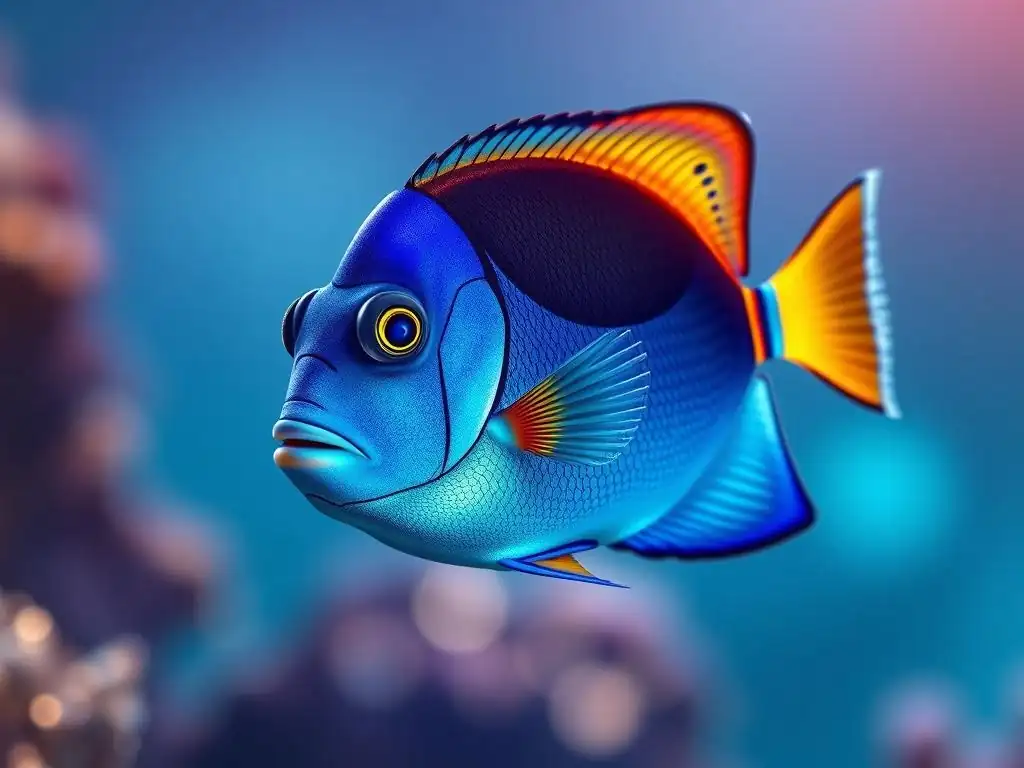
Maintaining the health of your Blueface Angelfish is paramount for its longevity and vibrant display. Like all captive fish, they are susceptible to various diseases, but many can be prevented with diligent care and proactive measures.
Common Diseases Affecting Blueface Angelfish
Blueface Angelfish, particularly if stressed or newly introduced, can fall victim to common marine ich (white spot disease), marine velvet, and bacterial infections like fin rot or columnaris. They are also prone to Head and Lateral Line Erosion (HLLE), a condition characterized by pitting or erosion around the head and along the lateral line, often linked to poor water quality (especially high nitrates), nutritional deficiencies, or lack of proper lighting.
Identifying Symptoms of Illness
Early detection of illness is crucial for successful treatment. Symptoms of Ich often include small white spots resembling salt grains on the body and fins, accompanied by rapid breathing, scratching against decor, or clamped fins. Marine velvet presents as a dusty, yellowish-gold coating, often with rapid breathing and lethargy.
Bacterial infections might manifest as fin erosion, cloudy eyes, redness, or open sores. HLLE is identified by pits and lesions, typically starting around the face and extending along the lateral line, which can worsen over time if underlying causes are not addressed. Any significant change in behavior, appetite, or appearance warrants immediate investigation.
Treatment Options and Quarantine Procedures
For parasitic infections like Ich and velvet, treatment options include copper-based medications, hyposalinity (lowering salinity to a specific gravity of 1.009-1.010), or transferring the fish to a separate hospital tank for a fallow period (allowing the main tank to go without fish for 6-8 weeks to break the parasite's life cycle). Bacterial infections typically require broad-spectrum antibiotics administered in a hospital tank.
HLLE requires addressing water quality issues, improving diet with vitamin supplements (especially Vitamin C and A), and providing activated carbon filtration. A dedicated quarantine tank is an indispensable tool for any Blueface Angelfish care guide; new fish should be quarantined for at least 4-6 weeks to observe for signs of disease and treat proactively before introduction to the main display.
Proactive Measures for Maintaining a Healthy Fish
Preventing disease is always preferable to treating it. The most effective proactive measure is maintaining consistently excellent water quality, as outlined in this Blueface Angelfish care guide, through regular water changes, robust filtration, and consistent parameter monitoring. Providing a high-quality, varied diet rich in vitamins and essential fatty acids significantly boosts the fish's immune system.
Minimizing stress is also critical. This includes providing an adequately sized tank with plenty of hiding spots, ensuring compatible tank mates, and avoiding sudden changes in water parameters or environment. Daily observation of your Blueface Angelfish for any subtle changes in behavior or appearance allows for early intervention, dramatically increasing the chances of successful resolution and ensuring a long, healthy life for your stunning specimen.
Setting Up a Blueface Angelfish Tank: A Step-by-Step Guide
Successfully setting up an aquarium for a Blueface Angelfish requires careful planning and adherence to established marine aquarium principles. This step-by-step guide outlines the critical stages to ensure a thriving environment.
Choosing the Right Aquarium and Equipment
The first and most critical step is selecting an appropriately sized aquarium. As previously mentioned, a minimum of 180-200 gallons (680-750 liters) is necessary for an adult Blueface Angelfish. Opt for a tank with a large footprint to provide ample swimming space. Along with the tank, gather all necessary equipment: a robust filtration system (preferably a sump with mechanical, chemical, and biological media), a powerful protein skimmer, reliable heaters (sized for the tank volume), circulation pumps (powerheads) to ensure strong water flow, and appropriate lighting.
Acquire sufficient live rock (aim for 1-1.5 pounds per gallon) for biological filtration and aquascaping, creating caves, arches, and hiding spots. Choose a suitable substrate, such as fine aragonite sand, which is beneficial for buffering pH and contributing to biological filtration. Ensure all equipment is properly sized and rated for the tank volume to avoid underperformance, a crucial element in any effective Blueface Angelfish care guide.
Cycling the Tank: Establishing a Biological Filter
Before any fish can be introduced, the aquarium must undergo the nitrogen cycle, a process that establishes beneficial bacteria capable of converting toxic ammonia and nitrite into less harmful nitrate. This process, known as "cycling the tank," typically takes 4 to 6 weeks, sometimes longer. The most recommended method is "fishless cycling," where an ammonia source (e.g., pure ammonia solution or decaying shrimp) is added to initiate the cycle, preventing harm to live fish.
During the cycling process, regularly test water parameters: ammonia, nitrite, and nitrate. Ammonia levels will spike first, then nitrite, and finally, nitrate levels will rise as ammonia and nitrite return to zero. The tank is considered cycled when both ammonia and nitrite consistently read 0 ppm for several days after adding an ammonia source. Patience during this stage is vital, as a properly cycled tank forms the foundation for a stable and healthy environment for your Blueface Angelfish.
Acclimating Your New Blueface Angelfish
Once your tank is fully cycled and parameters are stable, you can introduce your Blueface Angelfish. However, proper acclimation is crucial to minimize stress and prevent osmotic shock. The drip acclimation method is highly recommended for marine fish. This involves slowly introducing water from your display tank into the bag containing the new fish, over a period of 1 to 2 hours, using airline tubing and a control valve to regulate the drip rate. This gradual process allows the fish to slowly adjust to the new water's temperature, salinity, and pH.
Before adding the fish to the main display, it is highly advisable to first introduce it to a separate quarantine tank. This allows for observation for any signs of disease, proactive treatment if necessary, and further stress reduction before it joins the main community. Dimming the lights on the display tank during the initial introduction can also help reduce stress, allowing the Blueface Angelfish to calmly explore its new surroundings. Following these steps carefully is a hallmark of a responsible Blueface Angelfish care guide.
Blueface Angelfish Behavior and Temperament
Understanding the natural behavior and temperament of the Blueface Angelfish is key to providing an environment where they can thrive and exhibit their full range of fascinating actions.
Understanding Their Natural Behavior in the Wild
In their native Indo-Pacific coral reefs, Pomacanthus xanthometopon are typically observed as solitary individuals or, occasionally, in pairs or small groups. They are active swimmers, constantly cruising along reef slopes and through lagoons, primarily grazing on sponges, tunicates, and various forms of algae that grow on the reef structure. This constant foraging behavior underscores their need for ample space and a diet rich in vegetable matter in captivity.
Blueface Angelfish are naturally territorial, especially as they mature. They establish a home range and will defend it against perceived intruders, particularly other angelfish or fish with similar body shapes. This territoriality is a significant factor to consider when selecting tank mates and designing the aquarium layout, as it directly impacts the success of a Blueface Angelfish care guide.
Observing Their Behavior in the Aquarium
In a well-established aquarium, Blueface Angelfish are generally active and inquisitive, often becoming quite personable with their owners. They will spend their days exploring live rock, grazing on surfaces, and swimming gracefully through the water column. They may establish specific territories within the tank, such as a favorite cave or section of rockwork, which they might defend against new additions or overly boisterous tank mates.
Observing their daily behavior is a critical aspect of their care. A healthy Blueface Angelfish will be alert, responsive, and exhibit natural swimming and feeding behaviors. Any deviation from this, such as prolonged hiding, clamped fins, rapid breathing, or a sudden loss of appetite, can be an early indicator of stress or illness, requiring prompt investigation and potential intervention.
Addressing Potential Behavioral Issues
While generally semi-aggressive, Blueface Angelfish can sometimes display problematic behaviors, particularly aggression towards tank mates. If aggression becomes an issue, especially towards smaller or more timid fish, several strategies can be employed. Rearranging the rockwork can sometimes disrupt established territories, allowing the fish to re-establish new ones with less conflict. Ensuring adequate hiding spots and visual barriers can also help reduce stress and provide a retreat for less dominant fish.
If the Blueface Angelfish is constantly harassing a specific tank mate, and the tank size is insufficient to allow both to coexist peacefully, removing either the aggressor or the victim may be necessary. Shyness or prolonged hiding can indicate stress from unsuitable tank mates, lack of hiding spots, or poor water quality. By understanding and addressing these behavioral nuances, aquarists can provide a stable and enriching environment, upholding the principles of comprehensive Blueface Angelfish care.
Blueface Angelfish: Expert Tips for Long-Term Care
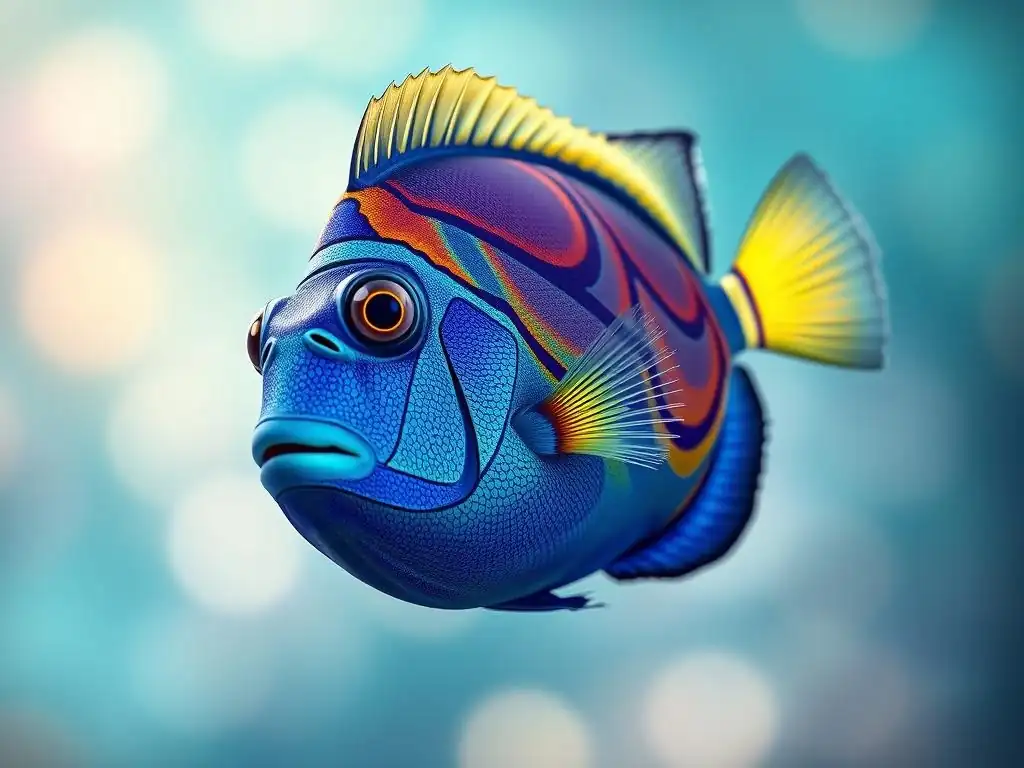
Achieving long-term success with a Blueface Angelfish goes beyond initial setup; it requires ongoing vigilance, consistent maintenance, and a proactive approach to their well-being.
Maintaining Optimal Water Quality Long-Term
Consistent water quality is the single most important factor for the long-term health of your Blueface Angelfish. This means committing to regular partial water changes, typically 10-20% of the tank volume every one to two weeks, using high-quality salt mix and RODI (Reverse Osmosis Deionized) water. These changes replenish essential trace elements and dilute nitrates and other accumulated waste products that even the best filtration system cannot completely remove.
Regularly test your water parameters (ammonia, nitrite, nitrate, pH, alkalinity, calcium, magnesium, and specific gravity) and keep a log of the readings. This helps identify trends and allows for early intervention before parameters deviate too far. Cleaning filtration components, such as protein skimmer collection cups and filter socks, on a consistent schedule prevents the buildup of detritus and ensures optimal performance, solidifying the foundation of a robust Blueface Angelfish care guide.
Regular Health Checks and Preventative Measures
Daily visual inspection of your Blueface Angelfish is a simple yet effective preventative measure. Look for any changes in coloration, fin integrity, body condition, or unusual spots. Observe their swimming patterns, breathing rate, and feeding enthusiasm. Any deviation from their normal behavior could signal the onset of illness. Having a fully cycled quarantine tank ready for any new additions or for isolating a sick fish is an invaluable tool for disease prevention and treatment.
Beyond observation, ensure their diet remains varied and nutrient-rich, as proper nutrition significantly boosts their immune system. Avoid sudden changes in tank parameters or environment, as these can cause stress and weaken their natural defenses. A proactive approach, focusing on stable conditions and early detection, is far more effective than reacting to full-blown disease outbreaks.
Promoting a Stress-Free Environment
A stress-free environment is crucial for the long-term vitality of your Blueface Angelfish. This encompasses several factors: providing an adequately sized tank that allows for ample swimming and territory, ensuring compatible tank mates that do not constantly harass or intimidate the angelfish, and offering plenty of hiding spots and visual barriers within the aquascape.
Minimize sudden loud noises or rapid movements around the tank that could startle the fish. Maintain stable water parameters and temperature, avoiding significant daily fluctuations. A comfortable and secure environment allows the Blueface Angelfish to exhibit its natural behaviors, maintain a strong immune system, and thrive for many years, truly mastering the art of Blueface Angelfish care.
Blueface Angelfish: Considerations for Advanced Aquarists
For advanced aquarists considering the Blueface Angelfish, there are deeper ethical and practical considerations that extend beyond basic husbandry, highlighting the responsibility that comes with keeping such a magnificent species.
The Ethical Considerations of Keeping Wild-Caught Specimens
The vast majority of Blueface Angelfish available in the aquarium trade are wild-caught. This raises significant ethical considerations for the advanced aquarist. Wild collection can impact natural populations and coral reef ecosystems if not conducted sustainably. While it is challenging for hobbyists to verify the collection practices of every fish they purchase, supporting reputable suppliers who demonstrate commitment to sustainable and ethical sourcing is paramount. Inquire about their collection methods and adherence to environmental regulations.
Furthermore, the process of collection, transport, and acclimation from the wild to a home aquarium is incredibly stressful for these fish. Many do not survive the journey or succumb to stress-related illnesses shortly after arrival. Committing to providing an optimal, long-term environment, as outlined in this Blueface Angelfish care guide, is an ethical imperative.
This includes understanding their natural lifespan of 10-15+ years and being prepared for the significant time, effort, and financial investment required for such a long-lived, large, and demanding species. Advanced aquarists recognize that keeping a wild-caught fish is not just a hobby, but a profound responsibility to ensure its well-being for its entire natural life.
Conclusion: Mastering the Art of Blueface Angelfish Care.
Frequently Asked Questions
What are the key considerations when setting up a suitable aquarium for a Blueface Angelfish?
A suitable aquarium for a Blueface Angelfish needs to be large, at least 125 gallons, with plenty of live rock for grazing and hiding. Good water quality and a stable environment are also crucial for their well-being.
What type of diet does a Blueface Angelfish require to thrive in a home aquarium?
Blueface Angelfish are omnivores and require a varied diet. This should include a mix of high-quality marine flakes or pellets, frozen foods like mysis shrimp and spirulina, and access to live rock for grazing on algae.
What are some common health issues that Blueface Angelfish are prone to, and how can they be prevented?
Common health issues include ich (white spot disease) and other parasitic infections, often triggered by stress or poor water quality. Quarantine new fish and maintain stable water parameters to prevent these problems.
Are Blueface Angelfish reef safe, and what should aquarists consider before introducing them to a reef tank?
Blueface Angelfish are not generally considered reef safe. They are known to nip at corals and invertebrates, especially soft corals and LPS. Carefully consider the risk before introducing them to a reef tank.
What is the typical lifespan of a Blueface Angelfish in captivity, and what factors can influence their longevity?
With proper care, a Blueface Angelfish can live for 10 years or more in captivity. Stable water quality, a varied diet, and a stress-free environment are all factors that contribute to their longevity.
Final Reflection: Embracing the Majesty of Marine Life
The preceding guide illuminates the intricate demands of caring for a Blueface Angelfish, a creature whose vibrant beauty masks a need for specialized attention. Understanding these complexities is more crucial than ever, as the increasing popularity of reef aquariums places greater pressure on wild populations and necessitates responsible husbandry practices to ensure the longevity of this magnificent species in captivity.
This journey into the world of Pomacanthus xanthometopon has underscored the profound responsibility we bear as custodians of marine life. It's a responsibility that extends beyond simply providing food and water; it demands a deep understanding of their natural habitat and a commitment to replicating it as faithfully as possible. In the end, we will conserve only what we love; we will love only what we understand; and we will understand only what we are taught.
- Baba Dioum's words resonate deeply, reminding us that education is the cornerstone of conservation.
Now, armed with this knowledge, I invite you to reflect on your own role in the preservation of our planet's biodiversity. Consider the choices you make, the information you share, and the actions you take. Let the beauty and the challenge of caring for a Blueface Angelfish inspire you to become a more informed, compassionate, and proactive steward of the ocean's wonders.
Unleash the Majesty: Dive Deeper into Angelfish Keeping!
Thank you for exploring the captivating world of the Blueface Angelfish with us! We hope you've gained valuable insights into the care and dedication these magnificent creatures require. Ready to take the next step?
Here are a few ways you can further your journey:
- Commit to excellence: Dedicate yourself to researching the specific needs of Blueface Angelfish before considering one for your aquarium. Remember, responsible aquarists prioritize the well-being of their aquatic companions.
- Explore related species:Venture into the diverse realm of large angelfish. Discover other equally fascinating species and learn about their unique needs.
- Share the wonder: Spread the beauty! Share this article with fellow aquarists and inspire them to appreciate the delicate balance of reef ecosystems.
What aspect of Blueface Angelfish care are you most eager to master?