
Introducing New Fish to a Tank with Established Angelfish: Tips & Tricks

Welcome to Aquarium Mastery!
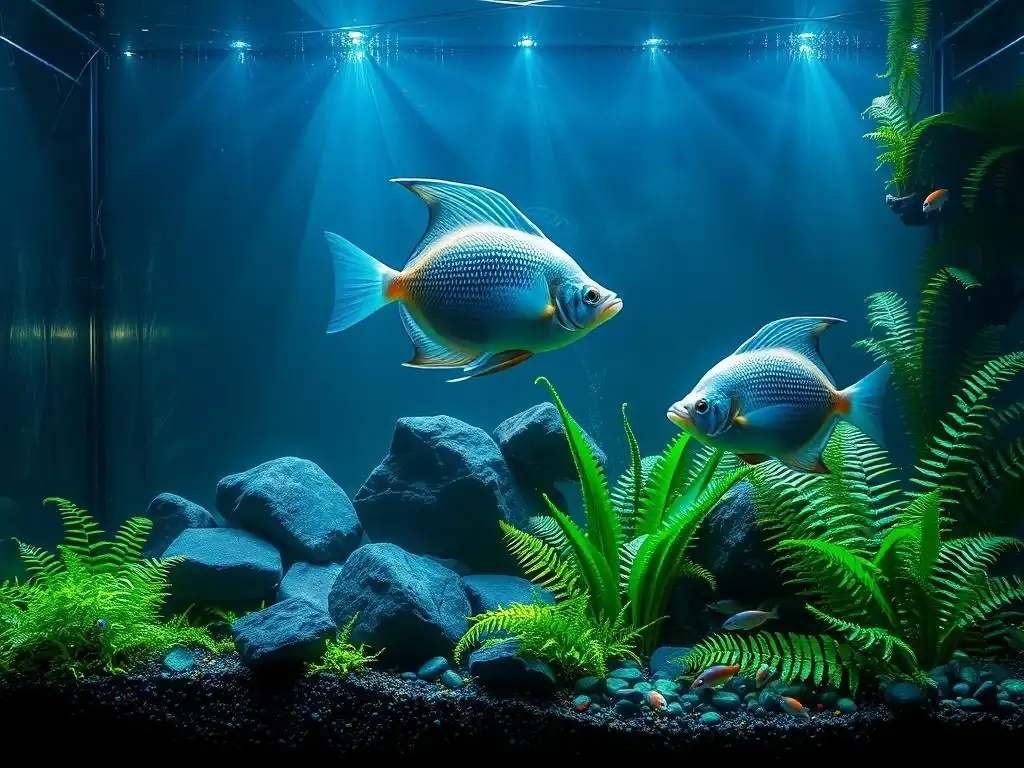
Thinking about adding new fish to your angelfish kingdom? Hold on a second! Introducing new fish to a tank with established angelfish can be tricky, but with the right approach, you can create a harmonious underwater world. Discover our Angelfish tank introduction tips and unlock the secrets to a peaceful and thriving community aquarium. Ready to dive in? Let's get started!
- Introducing New Fish to a Tank with Established Angelfish: A Comprehensive Guide
- Understanding Angelfish Behavior and Tank Dynamics
- Preparing for New Arrivals: Quarantine and Acclimation
- Introduction Methods: Minimizing Stress and Aggression
- Post-Introduction Monitoring and Management
- Selecting Compatible Tank Mates for Angelfish
- Addressing Aggression: Strategies and Solutions
- Maintaining Long-Term Tank Harmony
-
Frequently Asked Questions
- How long should I quarantine new fish before introducing them to my Angelfish tank?
- What's the best way to acclimate new fish to the water parameters of my Angelfish tank?
- How should I introduce the new fish to the Angelfish tank to minimize aggression?
- What are some signs that the introduction is not going well and I need to intervene?
- What size tank is generally recommended for introducing new fish to an established group of Angelfish?
- Final Reflection: Harmonizing New Life in the Aquarium
- Cultivate Harmony: Introduce New Tank Mates with Confidence!
Introducing New Fish to a Tank with Established Angelfish: A Comprehensive Guide
Understanding Angelfish Behavior and Tank Dynamics
Angelfish (Pterophyllum scalare), a popular cichlid species, are renowned for their elegant appearance but also for their complex temperament. While often perceived as peaceful, they can be semi-aggressive and highly territorial, especially as they mature or during breeding periods. In a community tank, an established angelfish can exert dominance over new arrivals, leading to stress, fin nipping, or even fatalities if not managed carefully. Their social structure typically involves the formation of pairs or small, stable groups in larger tanks, where a clear pecking order is established.
This inherent hierarchy means that any new fish introduced to an existing Angelfish tank must navigate an already defined social landscape. Dominant Angelfish may relentlessly chase or nip the fins of newcomers, particularly if the new fish are perceived as threats to territory or food sources. Observing these behaviors is crucial for successful Angelfish tank introduction tips, as it allows aquarists to intervene before severe aggression escalates. For instance, a 55-gallon tank housing a pair of adult angelfish might see them claim a significant portion of the tank as their territory, making any uninvited guests a target.
Assessing Compatibility: Species, Size, and Temperament
Successful integration of new fish into an Angelfish tank heavily relies on a thorough assessment of compatibility. When considering new tank mates, it's paramount to select species that share similar water parameter requirements but differ sufficiently in size and temperament to avoid direct competition or predation. Ideal tank mates are generally peaceful, non-fin-nipping, and robust enough not to be intimidated by the Angelfish's presence, yet not so large or aggressive that they become a threat themselves.
For instance, small, slow-moving fish like Neon Tetras (Paracheirodon innesi) are often seen as food by adult Angelfish, despite being commonly listed as companions. Conversely, species such as larger, peaceful Tetras like Congo Tetras (Phenacogrammus interruptus) or Diamond Tetras (Moenkhausia pittieri), which can reach 2-3 inches, are generally compatible. Rainbowfish (e.g., Boesemani Rainbowfish, Melanotaenia boesemani) are another excellent choice, as they are active swimmers and typically ignore Angelfish. Avoid notoriously aggressive or fin-nipping species like Tiger Barbs (Puntius tetrazona), as their behavior can lead to constant harassment and severe stress for the Angelfish.
Managing Bioload: Tank Size and Filtration Capacity
The successful introduction of new fish to an Angelfish tank also hinges on the tank's capacity to handle an increased bioload. Bioload refers to the amount of waste produced by the fish and other organisms in the aquarium, directly impacting water quality. Angelfish themselves require ample space; a single adult Angelfish needs at least 20 gallons, while a pair typically thrives in a 29-gallon tank or larger. For a small group of 4-6 Angelfish, a 55-gallon tank or more is generally recommended to provide sufficient territory and reduce aggression.
Adding new fish inevitably increases the bioload, putting additional strain on the filtration system and potentially compromising water parameters. It is crucial to have a robust filtration system, ideally rated for 2-3 times the tank's actual volume per hour (e.g., a 55-gallon tank might benefit from a filter rated at 110-165 GPH).
This ensures efficient removal of ammonia and nitrite, which are highly toxic, and helps to manage nitrate accumulation. Without adequate filtration and sufficient tank volume, the ammonia and nitrite spikes caused by new additions can quickly become fatal, underscoring the importance of proper planning for Angelfish tank introduction tips.
Preparing for New Arrivals: Quarantine and Acclimation
Setting up a Quarantine Tank: Essential Equipment and Parameters
Before any new fish are introduced to an established Angelfish tank, setting up a dedicated quarantine tank is an indispensable step to ensure the health and safety of your existing inhabitants. A quarantine tank serves as an isolation unit where new fish can be observed for signs of disease or parasites without risking contamination of the main display tank. For most new fish, a 10- to 20-gallon tank is sufficient.
Essential equipment for a quarantine tank includes a reliable heater to maintain stable temperatures (typically 76-82°F for most freshwater tropical fish), a thermometer, and a simple filter. A sponge filter driven by an air pump is often preferred due to its gentle flow and excellent biological filtration capabilities, which are crucial for maintaining water quality in a smaller setup.
Additionally, a cover or lid is necessary to prevent fish from jumping out, and a few PVC pipes or artificial plants can provide much-needed hiding spots, reducing stress for the new arrivals. The water parameters in the quarantine tank, including pH and hardness, should be matched as closely as possible to those of the main Angelfish tank to minimize shock during transfer.
Disease and Parasite Monitoring: Common Symptoms and Treatments
During the quarantine period, diligent monitoring for common fish diseases and parasites is paramount. This proactive approach helps prevent the introduction of pathogens that could devastate an established Angelfish community. Common ailments to watch for include Ich (Ichthyophthirius multifiliis), which appears as small white spots resembling salt grains on the body and fins; Velvet (Oodinium pilularis), characterized by a dusty, yellowish-brown coating; and Fin Rot, identifiable by frayed, disintegrating fins. Other issues like Columnaris (cotton-mouth disease), which manifests as white, fluffy patches, or internal parasites causing emaciation and stringy white feces, also require careful observation.
Upon detecting any symptoms, appropriate treatment should be initiated immediately within the quarantine tank. For instance, Ich can often be treated with elevated temperatures (gradually increased to 82-86°F for a few days, if fish tolerate it) combined with an Ich medication containing malachite green or formalin. Fin Rot typically responds to broad-spectrum antibiotics or antibacterial treatments. It is critical to identify the specific ailment accurately to apply the correct treatment, as misdiagnosis can delay recovery or even worsen the condition. This vigilance is a cornerstone of effective Angelfish tank introduction tips.
Quarantine Duration and Observation Protocol
The recommended quarantine duration for new fish is typically between two to four weeks, though it may be extended if any signs of illness appear. This period allows sufficient time for latent diseases to manifest and for any treatments to take effect. A consistent observation protocol is vital during this time. New arrivals should be checked daily for any physical abnormalities, changes in coloration, unusual swimming patterns (e.g., flashing against objects, listlessness), clamped fins, or labored breathing.
Furthermore, monitoring feeding habits is crucial; a healthy fish will readily accept food. If any fish refuses to eat for more than 24-48 hours, it's a significant red flag. If symptoms appear, the quarantine period should be extended until the fish has been symptom-free for at least one week after treatment. This rigorous approach ensures that only healthy, robust fish are introduced to your main Angelfish tank, safeguarding the well-being of your entire aquatic ecosystem.
Introduction Methods: Minimizing Stress and Aggression
Temperature Acclimation: The Floating Bag Method
Once new fish have successfully completed their quarantine period and are deemed healthy, the first step in their introduction to the main Angelfish tank is temperature acclimation. The floating bag method is a widely used and effective technique to equalize the water temperature between the transport bag (or quarantine tank water) and the main aquarium. Sudden temperature shifts can induce severe stress, weakening the fish's immune system and making them more susceptible to diseases like Ich.
To perform this method, simply float the sealed bag containing the new fish on the surface of the main Angelfish tank for approximately 15 to 20 minutes. This allows the temperature of the water in the bag to gradually match the temperature of the tank water. It's important to keep the room lights dim during this process to further reduce stress on the fish. After the temperature has equalized, the next step involves gradually introducing the tank water to the bag, leading into the drip acclimation process for a smoother transition.
Gradual Water Acclimation: Drip Acclimation Technique
Following temperature acclimation, gradual water acclimation is crucial, especially if there are significant differences in water parameters (pH, hardness, salinity) between the quarantine tank or transport water and the main Angelfish tank. The drip acclimation technique is highly recommended for sensitive species or when precise parameter matching is desired, minimizing osmotic shock. This method slowly introduces the main tank's water to the fish, allowing them to adjust to the new chemistry over an extended period.
To execute drip acclimation, carefully open the bag (or net the fish into a clean bucket if coming from a quarantine tank) and place the fish and their original water into a separate, clean bucket or container. Use an airline tube to siphon water from the main Angelfish tank into the bucket, tying a knot in the tube or using an airline valve to regulate the flow to a slow drip (e.g., 1-2 drops per second). Allow the water to drip until the volume in the bucket has approximately doubled.
This process can take anywhere from 30 minutes to an hour or more, depending on the sensitivity of the fish and the extent of parameter differences. Once acclimated, gently net the fish and transfer them into the main tank, discarding the old water.
Dimming Lights and Monitoring Initial Interactions
Upon introducing the new fish to the Angelfish tank, it's highly beneficial to dim the aquarium lights for the first 24 to 48 hours. This simple yet effective strategy reduces visual stimulation and helps to minimize stress for the newly introduced fish, allowing them to explore their new environment more calmly. It also lessens the visual cues that might trigger immediate aggression from the established Angelfish, as they are less likely to perceive the newcomers as direct threats in a subdued lighting environment.
During this initial period, continuous, yet unobtrusive, monitoring of interactions between the established Angelfish and the new arrivals is essential. Observe from a distance to see if there is excessive chasing, fin nipping, or signs of extreme stress such as clamped fins, hiding excessively, or rapid gill movement from the new fish. While some initial curiosity or minor territorial displays are normal, persistent aggression indicates a problem. If severe aggression is observed, be prepared to intervene, which might involve temporary separation or re-evaluating compatibility. These Angelfish tank introduction tips are crucial for a peaceful transition.
Post-Introduction Monitoring and Management
Observing Behavior: Identifying Signs of Stress or Aggression
After the new fish have been introduced to the Angelfish tank, continuous and keen observation of their behavior is paramount for successful integration. For the first few days, and even weeks, closely monitor both the new arrivals and the established Angelfish for any signs of stress or aggression. Key indicators of stress in new fish include clamped fins, faded coloration, rapid or labored breathing (gilling), hiding excessively, refusing to eat, or erratic swimming patterns. Conversely, signs of aggression from the established Angelfish might involve relentless chasing, nipping at fins, flaring gills, or actively guarding specific territories.
It's important to differentiate between typical cichlid "pecking order" displays and harmful aggression. A brief chase or a minor flare-up is often normal as fish establish their hierarchy. However, if a new fish is constantly being harassed, sustains physical injuries like torn fins, or remains unresponsive and hidden for prolonged periods, intervention is necessary. For example, if a new fish exhibits clamped fins and rapid gilling for more than 12 hours, it's a strong indication of significant stress or illness, requiring immediate attention.
Feeding Strategies: Reducing Competition and Ensuring Adequate Nutrition
Effective feeding strategies are critical for reducing competition and ensuring that all fish, especially the new arrivals, receive adequate nutrition in an Angelfish tank. Established Angelfish can be quite dominant during feeding times, often monopolizing food sources. To counteract this, consider feeding established fish first at one end of the tank, and then immediately scatter food at the opposite end or in multiple locations. This distracts the dominant fish and allows the new arrivals a chance to eat.
Furthermore, incorporating a variety of food types can also help. For example, offering a mix of floating flakes or pellets for the surface feeders and sinking pellets or wafers for bottom dwellers ensures that different species have access to their preferred food sources. Feeding smaller, more frequent meals (e.g., 2-3 times a day instead of one large meal) can also reduce intense competition. This approach helps to alleviate food-related aggression, a common issue when implementing Angelfish tank introduction tips.
Maintaining Water Quality: Regular Testing and Adjustments
The addition of new fish inevitably increases the bioload on an existing Angelfish tank, making diligent water quality management more critical than ever. Even if the tank was previously stable, the increased fish population can lead to ammonia and nitrite spikes, which are highly toxic, and a gradual buildup of nitrates. Therefore, regular and frequent water testing is essential during the post-introduction phase.
For the first week after introducing new fish, it's advisable to test ammonia, nitrite, and nitrate levels daily. If ammonia or nitrite are detected (ideally they should be at 0 ppm), immediate actions such as a partial water change (e.g., 25-30%) and reducing feeding should be taken. After the initial week, testing every 2-3 days for the next two weeks is a good practice.
Maintaining nitrates below 20 ppm is a general target for a healthy freshwater aquarium. Adjusting your water change schedule—perhaps increasing the frequency from weekly to twice a week, or increasing the volume of each change—might be necessary to compensate for the higher bioload and ensure stable, healthy water parameters for all tank inhabitants.
Selecting Compatible Tank Mates for Angelfish
Ideal Tank Mates: Species Known for Peaceful Coexistence
Choosing the right tank mates is crucial for maintaining harmony in an Angelfish tank. Ideal companions are typically peaceful, non-aggressive species that are not small enough to be viewed as food by adult Angelfish, nor so large and boisterous that they stress the Angelfish. Compatibility also extends to shared water parameter requirements and preferred temperature ranges, which for Angelfish is generally 76-82°F (24-28°C).
Excellent choices for Angelfish tank mates include various species of Rainbowfish, such as Boesemani Rainbowfish (Melanotaenia boesemani) or Turquoise Rainbowfish (Melanotaenia lacustris), which are active, colorful, and typically ignore Angelfish. Larger, peaceful Tetras like Congo Tetras (Phenacogrammus interruptus) or Diamond Tetras (Moenkhausia pittieri) are also good options, as they are robust enough to not be intimidated and do not typically nip fins. Bottom dwellers like Corydoras catfish (Corydoras spp.)
are highly recommended due to their peaceful nature and different swimming levels, which minimizes direct competition. Bristlenose Plecos (Ancistrus cirrhosus) are also suitable for algae control without posing a threat to Angelfish.
Fish to Avoid: Aggressive or Fin-Nipping Species
To prevent stress, injury, and disease in your Angelfish, certain fish species should be strictly avoided as tank mates. Any fish known for aggressive behavior or fin-nipping tendencies can cause significant harm to the long, flowing fins of Angelfish, leading to stress, secondary infections, and even death. The most notorious fin-nippers include Tiger Barbs (Puntius tetrazona), which are highly active and will relentlessly harass Angelfish, stripping their fins down to stumps.
Similarly, other aggressive cichlids, even if they are roughly the same size, can lead to territorial disputes that are too intense for a peaceful community. Species like certain variants of Convict Cichlids (Amatitlania nigrofasciata) are generally too aggressive for an Angelfish tank. Additionally, extremely small fish, such as Neon Tetras (Paracheirodon innesi) or Guppies (Poecilia reticulata), should be avoided. While often cited as companions, adult Angelfish will frequently prey on these smaller fish, especially if they are introduced after the Angelfish have grown to maturity. This is a critical piece of Angelfish tank introduction tips.
Considering Invertebrates: Compatibility and Potential Risks
When selecting tank mates for Angelfish, the compatibility of invertebrates must also be carefully considered, as they present unique challenges and potential risks. Snails, for example, are generally safe additions. Larger species like Mystery Snails (Pomacea bridgesii) or Nerite Snails (Neritina natalensis) are typically too large for Angelfish to bother, and they contribute positively to tank cleanliness by consuming algae and detritus. However, smaller snail species might be viewed as a snack by hungry Angelfish.
Shrimp, on the other hand, pose a higher risk. Most dwarf shrimp species, such as Cherry Shrimp (Neocaridina davidi) or Ghost Shrimp (Palaemonetes paludosus), are small enough to be considered prey by adult Angelfish, regardless of how well-fed the Angelfish are. While some larger shrimp, like Amano Shrimp (Caridina multidentata), might occasionally coexist, there's always a chance they could be harassed or consumed. Therefore, if preserving a shrimp colony is a priority, it is generally safer to avoid housing them with Angelfish.
Addressing Aggression: Strategies and Solutions
Identifying the Root Cause: Territory, Food, or Mating
When aggression arises in an Angelfish tank, identifying its root cause is the first critical step toward a resolution. Angelfish aggression typically stems from one of three primary factors: territory, food, or mating. Observing the specific behaviors and contexts in which aggression occurs can provide valuable clues. If Angelfish are chasing newcomers away from specific decorations, plants, or corners of the tank, it's likely a territorial dispute. This often happens when new fish invade established Angelfish "zones."
Aggression during feeding times, characterized by dominant fish hogging food or actively preventing others from eating, clearly points to food competition. This is particularly common if food is scarce or distributed unevenly. Lastly, increased aggression from a pair of Angelfish, especially towards other tank inhabitants, is a strong indicator of mating behavior. Breeding pairs become highly territorial, aggressively defending their chosen spawning site, eggs, or fry. For instance, a pair guarding a large Amazon Sword plant or a piece of driftwood is a classic sign of breeding-related aggression.
Reducing Aggression: Re-arranging Aquascape, Increasing Hiding Places
Once the root cause of aggression is identified, several strategies can be employed to mitigate it within the Angelfish tank. A highly effective method is to re-arrange the aquascape. By moving decorations, plants, and driftwood, you can disrupt existing territorial boundaries, forcing the established Angelfish to re-evaluate their claims. This can effectively "reset" the social dynamics and provide a temporary distraction, allowing new fish to settle in.
Simultaneously, increasing the number of hiding places and visual barriers is crucial. Dense planting, tall artificial plants, large pieces of driftwood, or strategically placed rocks can break up lines of sight, preventing dominant Angelfish from constantly spotting and harassing new or submissive tank mates. For example, creating a dense thicket of Java Fern or a large cave with stacked rocks offers safe havens where new fish can retreat and feel secure. This reduces stress for the target fish and can significantly lessen the frequency and intensity of aggressive encounters, proving to be invaluable Angelfish tank introduction tips.
Separation as a Last Resort: Setting up a Separate Tank
If aggression persists despite efforts to re-arrange the aquascape and increase hiding places, and particularly if it leads to injury, severe stress, or the constant suppression of a fish, separation becomes a necessary last resort. Prolonged aggression can lead to chronic stress, weakened immune systems, and even death for the harassed fish. In such severe cases, the well-being of the fish must take precedence.
This typically involves either removing the aggressor to a separate, temporary tank or, more commonly, moving the victim to a dedicated "hospital" or "time-out" tank. A 10-gallon tank with a simple filter and heater is sufficient for temporary separation. This allows the harassed fish to recover without constant fear and gives the aquarist time to reconsider the tank's stocking plan or address underlying issues. If the aggression is from a breeding pair, they might need to be moved to a dedicated breeding tank to allow other fish in the community tank to thrive.
Maintaining Long-Term Tank Harmony
Creating a Balanced Ecosystem: Plants, Filtration, and Water Chemistry
Achieving long-term harmony in an Angelfish tank extends beyond initial introduction tips; it involves cultivating a balanced and stable ecosystem. Live plants play a crucial role in this balance by providing natural cover and visual breaks, which reduce aggression and stress among fish. More importantly, plants actively absorb nitrates and other waste products, contributing to superior water quality. A heavily planted tank, for instance, can significantly reduce the weekly nitrate accumulation by 10-20 ppm, lessening the burden on filtration.
Complementing live plants, robust filtration is non-negotiable. A combination of mechanical, biological, and chemical filtration ensures that waste is efficiently removed, beneficial bacteria thrive, and water remains clear and healthy. Maintaining stable water chemistry—consistent pH, hardness, and temperature—is equally vital. Regular monitoring of these parameters helps prevent sudden fluctuations that can stress fish and lead to disease. For example, Angelfish thrive in slightly acidic to neutral water (pH 6.5-7.5) and stable temperatures around 78°F (25.5°C).
Regular Maintenance: Water Changes, Cleaning, and Filter Maintenance
Consistent and diligent regular maintenance is the cornerstone of a healthy and harmonious Angelfish tank. Routine water changes are essential for diluting nitrates, replenishing essential minerals, and removing accumulated organic pollutants that filtration alone cannot handle. A common recommendation for an established Angelfish tank is a 25% weekly water change, which effectively keeps nitrate levels below 20 ppm and prevents the buildup of harmful substances. For instance, in a 55-gallon tank, this equates to removing about 13.75 gallons of water weekly.
Beyond water changes, regular substrate cleaning through siphoning removes uneaten food and fish waste, preventing the decomposition of organic matter that can foul water. Filter maintenance is also critical; filter media should be cleaned periodically in old tank water (never tap water, which contains chlorine that kills beneficial bacteria) to remove sludge without destroying the vital bacterial colonies. Skipping these routine tasks can quickly lead to declining water quality, increased stress, and a higher susceptibility to disease, undermining all previous Angelfish tank introduction tips.
Ongoing Observation and Adaptive Management
Maintaining long-term tank harmony is an ongoing process that requires continuous observation and adaptive management. The aquatic environment is dynamic, and the needs and behaviors of your Angelfish and their tank mates can change over time. Daily observation, even for just 10-15 minutes, allows aquarists to notice subtle shifts in fish behavior, feeding patterns, or physical appearance that could indicate emerging issues such as stress, aggression, or illness.
Being prepared to adapt your management strategies is key. This might involve adjusting feeding routines if certain fish are not getting enough food, modifying the aquascape by adding more hiding places or visual barriers if aggression resurfaces, or even re-evaluating tank mate compatibility if long-term conflicts arise. Sometimes, despite best efforts, a particular fish may simply not be compatible with the existing Angelfish, and rehoming it might be the most humane solution for maintaining the overall well-being of the tank. This flexible approach ensures that your Angelfish tank remains a thriving and peaceful ecosystem.
Frequently Asked Questions
How long should I quarantine new fish before introducing them to my Angelfish tank?
A quarantine period of at least two weeks is crucial. This allows you to observe the new fish for any signs of illness and prevent introducing diseases to your established Angelfish.
What's the best way to acclimate new fish to the water parameters of my Angelfish tank?
Float the bag containing the new fish in the tank for about 30 minutes to equalize temperature. Then, slowly add small amounts of tank water to the bag over an hour to acclimate them to the water chemistry.
How should I introduce the new fish to the Angelfish tank to minimize aggression?
Turn off the tank lights and rearrange the aquascaping before releasing the new fish. This disrupts the established Angelfish's territory and reduces initial aggression.
What are some signs that the introduction is not going well and I need to intervene?
Constant chasing, nipping, or cornering of the new fish by the Angelfish are red flags. Immediate separation is necessary to prevent injury or death.
What size tank is generally recommended for introducing new fish to an established group of Angelfish?
Larger tanks are always better to minimize aggression. A tank of at least 75 gallons is recommended for a group of Angelfish, offering ample space for the fish to establish their own territories.
Final Reflection: Harmonizing New Life in the Aquarium
The delicate dance of introducing new fish to an established aquarium, especially one ruled by the majestic angelfish, highlights the importance of careful planning and observation in any ecosystem, whether natural or artificial. The success of this process, as we've explored, hinges on understanding angelfish behavior and meticulously managing the transition to minimize stress and aggression. This is not merely about adding fish; it's about fostering a balanced and thriving aquatic community.
This journey into the world of angelfish tank introductions has underscored the profound responsibility we bear as caretakers of these miniature aquatic worlds. It reminds us that even seemingly small actions can have significant consequences, and that empathy and patience are crucial when dealing with living creatures. The greatness of a nation and its moral progress can be judged by the way its animals are treated.
- Mahatma Gandhi. This quote, though often applied to larger animals, resonates deeply with the commitment we make to the well-being of our aquarium inhabitants.
Now, armed with these "Angelfish tank introduction tips," I invite you to reflect on your own approach to new beginnings, whether in your aquarium or your life. Consider how careful preparation, mindful observation, and a touch of empathy can smooth the path for harmonious integration and create a more vibrant and fulfilling environment for all. Embrace the challenge, learn from the process, and cultivate a space where new life can flourish.
Cultivate Harmony: Introduce New Tank Mates with Confidence!
Thanks for diving into the world of angelfish compatibility! We hope you've gained valuable insights into creating a peaceful aquarium environment. Now, let's turn that knowledge into action:
- Boldly plan your new additions! Research thoroughly and select compatible species that complement your angelfish's temperament and tank size.
- Carefully rearrange your aquarium décor before introducing new fish to disrupt established territories and reduce aggression.
- Consider setting up a quarantine tank for new arrivals. Share your quarantine setup tips and challenges in the comments below to help others.
What specific steps will you take this week to ensure a smooth transition for your new aquatic companions?