
Creating a Plant Nursery Tank: Grow Out Your Propagated Beauties

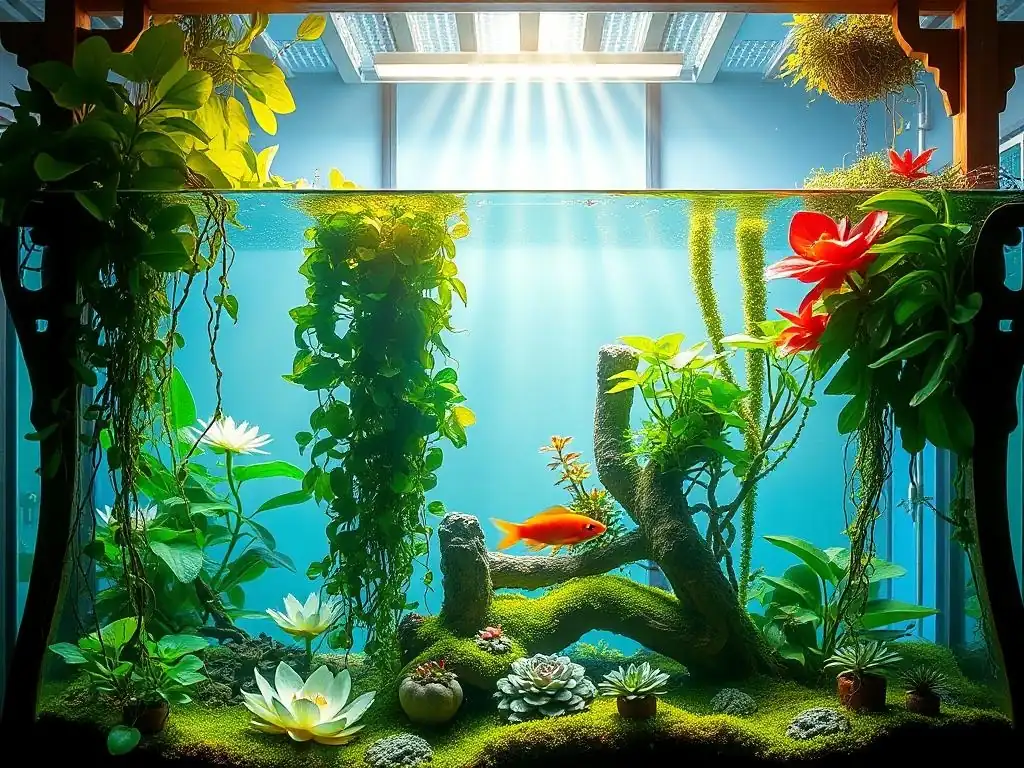
Welcome to Aquarium Mastery!
Ever wondered how to effortlessly expand your aquatic plant collection and create a thriving underwater paradise? Discover the secrets to successful propagation with our comprehensive guide to Plant Nursery Tank Propagation Tips. Get ready to transform your aquarium hobby as we unlock the art of cultivating lush, vibrant plants right in your own dedicated nursery tank. Intrigued? Let's dive in!
- Why You Need a Dedicated Plant Nursery Tank for Aquarium Plants
-
Setting Up Your Plant Nursery Tank: A Step-by-Step Guide
- Choosing the Right Size Tank for Plant Propagation
- Essential Equipment for a Plant Nursery Tank: Lighting, Filtration, and Substrate
- Selecting the Best Substrate for Optimal Plant Growth in Your Nursery Tank
- Lighting Recommendations for a Thriving Plant Nursery
- Filtration for a Plant Nursery Tank: Keeping the Water Pristine
- Plant Propagation Techniques for Your Nursery Tank
- Maintaining Your Plant Nursery Tank: Essential Care Tips
- Selecting Plants for Your Plant Nursery Tank: Propagation Candidates
- Transplanting Your Propagated Plants to Your Main Aquarium
- Troubleshooting Common Plant Propagation Problems in a Nursery Tank
- Advanced Plant Propagation Techniques: Beyond the Basics
- Plant Nursery Tank Propagation Tips: Maximizing Your Success
-
Frequently Asked Questions
- How is a plant nursery tank different from a regular aquarium?
- What are the key factors to consider when setting up a plant nursery tank for propagation?
- What types of plants are best suited for propagation in a nursery tank?
- How often should I perform water changes in my plant nursery tank?
- What are some common issues I might encounter when propagating plants and how can I address them?
- Final Reflection: Cultivating Growth and Connection
- Cultivate Your Green Oasis: Nurture Thriving Plants!
Why You Need a Dedicated Plant Nursery Tank for Aquarium Plants
The Advantages of a Separate Propagation Tank for Aquatic Plants
A dedicated plant nursery tank offers unparalleled control over environmental conditions, providing an optimal setting for the vigorous growth of aquatic plants without the challenges posed by a display aquarium. This specialized setup allows aquarists to fine-tune lighting, CO2, and nutrient levels precisely for maximum plant health and propagation success, often yielding significantly higher success rates, sometimes approaching 80-90% compared to typical main tank propagation. This focused environment minimizes competition from fish or other invertebrates, ensuring delicate plantlets receive all necessary resources.
Furthermore, a separate propagation tank serves as a highly efficient production hub for aquascapers and hobbyists looking to expand their aquatic garden or even sell surplus plants. By isolating the propagation process, you can experiment with different growth parameters or accelerate growth rates without impacting the aesthetic balance or biological stability of your main display tank. This strategic approach ensures a continuous supply of healthy, robust plants, making it a cornerstone of effective plant nursery tank propagation tips.
Avoiding Algae Blooms in Your Main Aquarium with a Nursery Tank
Propagating plants, especially new cuttings or plantlets, can sometimes introduce nutrient imbalances into a main display aquarium, potentially triggering undesirable algae blooms. When plants are establishing roots or adapting to new conditions, they may not efficiently absorb available nutrients, leading to an excess that algae readily exploit. A dedicated plant nursery tank mitigates this risk by containing the initial, potentially nutrient-rich, growth phase away from your primary aquascape.
In a nursery tank, you can employ more aggressive nutrient dosing strategies or higher light intensities specifically tailored for rapid plant growth, without the worry of fostering an algae outbreak in a sensitive display tank. This allows for a more forgiving environment where plantlets can establish themselves robustly before being introduced to the main aquarium, significantly reducing the chances of transferring an algae problem or causing an imbalance in your established ecosystem.
Protecting Delicate Plantlets: The Nursery Tank Advantage
Young, newly propagated plantlets are inherently delicate and highly vulnerable to the dynamic environment of a community aquarium. Fish, especially larger or boisterous species, can uproot fragile cuttings or graze on tender new leaves, effectively destroying weeks of growth. Strong water currents from filtration systems designed for larger tanks can also dislodge or damage the nascent root systems of developing plants, hindering their ability to establish firmly.
A plant nursery tank provides a safe, undisturbed sanctuary where these vulnerable plantlets can mature without interference. This controlled setting protects them from physical damage, allows their root systems to develop without constant disruption, and ensures they receive consistent light and nutrient access. This protective environment is one of the most crucial plant nursery tank propagation tips, guaranteeing a much higher survival rate and healthier, more robust plants ready for successful transplantation to your main aquarium.
Setting Up Your Plant Nursery Tank: A Step-by-Step Guide
Choosing the Right Size Tank for Plant Propagation
The ideal size for your plant nursery tank largely depends on the scale of your propagation efforts and the types of plants you intend to grow. For hobbyists starting with small batches of stem plants or a few Anubias divisions, a compact 2.5-gallon or 5-gallon tank can be perfectly adequate, offering a manageable footprint and lower setup costs. These smaller tanks are excellent for focusing on a few species at a time and are easy to maintain.
For those aiming to propagate a larger variety or significant quantities of plants, a 10-gallon or even a 20-gallon long tank provides much more horizontal space, which is often more beneficial than vertical height for spreading out cuttings and allowing ample room for root development. This larger footprint enables you to grow multiple species simultaneously or to cultivate numerous individual plantlets until they reach a transplantable size, maximizing your overall plant nursery tank propagation tips.
Essential Equipment for a Plant Nursery Tank: Lighting, Filtration, and Substrate
Setting up a successful plant nursery tank requires a few key pieces of equipment tailored to the specific needs of aquatic plants. First and foremost, adequate lighting is critical, as photosynthesis drives plant growth. LED lights designed for planted tanks, offering a full spectrum and sufficient PAR (Photosynthetically Active Radiation), are ideal for ensuring robust development.
Secondly, a gentle yet effective filtration system is necessary to maintain pristine water quality without disturbing delicate plantlets. Small sponge filters or low-flow internal filters are often preferred. Lastly, a nutrient-rich substrate is foundational for root development and overall plant health, especially for heavy root feeders. These three components—lighting, filtration, and substrate—form the core of any effective plant nursery tank propagation tips strategy.
Selecting the Best Substrate for Optimal Plant Growth in Your Nursery Tank
The choice of substrate significantly impacts the success of your plant propagation efforts, as it provides both physical anchorage and essential nutrients for root development. Active substrates, such as aquasoils (e.g., ADA Aqua Soil, Fluval Stratum), are highly recommended for a plant nursery tank due to their ability to buffer pH to a slightly acidic range (typically 6.0-6.8) and provide a rich supply of macro and micronutrients. These substrates promote rapid root growth and overall plant vigor.
Alternatively, inert substrates like fine sand or small-grain gravel can be used, but they require supplementation with root tabs or a nutrient-rich base layer beneath them. For instance, a layer of laterite or specialized plant substrate could be used under sand. While less nutrient-dense initially, this approach still allows for effective plant growth, especially when combined with a comprehensive liquid fertilization regimen. The best substrate choice aligns with your plant species and overall plant nursery tank propagation tips.
Lighting Recommendations for a Thriving Plant Nursery
Lighting is arguably the most critical component for a thriving plant nursery, as it directly influences the rate and quality of plant growth. For most aquatic plants, a moderate to high light intensity is beneficial for rapid propagation. Aim for a PAR (Photosynthetically Active Radiation) value of 30-50 µmol/m²/s at the substrate level for medium-light plants, and up to 70-100 µmol/m²/s for more demanding species like carpeting plants or red stem plants. LED fixtures, such as those from Chihiros, Finnex, or Twinstar, are excellent choices due to their full spectrum output, energy efficiency, and often adjustable intensity.
A consistent photoperiod is equally important; typically, 8 to 10 hours per day is sufficient for vigorous growth without promoting excessive algae. Using a timer is highly recommended to ensure this consistency, preventing stress to the plants from erratic light cycles. The spectral quality should ideally include red and blue wavelengths, which are crucial for photosynthesis and chlorophyll production, ensuring your plant nursery tank propagation tips lead to lush, healthy growth.
Filtration for a Plant Nursery Tank: Keeping the Water Pristine
While the primary focus of a plant nursery tank is plant growth, maintaining excellent water quality is essential for preventing issues like algae outbreaks and ensuring the health of delicate plantlets. However, aggressive filtration with strong currents can be detrimental to newly planted cuttings or those with fragile root systems. Therefore, gentle yet effective filtration is key.
Sponge filters are often the preferred choice for plant nursery tanks. They provide both mechanical filtration (trapping particulate matter) and biological filtration (housing beneficial bacteria that convert ammonia and nitrite into less harmful nitrate) without creating strong turbulent flow. Alternatively, small hang-on-back (HOB) filters or internal filters with adjustable flow rates can be utilized, provided their outflow is baffled or directed to minimize water disturbance. The goal is clear, stable water with minimal current to allow plantlets to establish undisturbed, a vital aspect of effective plant nursery tank propagation tips.
Plant Propagation Techniques for Your Nursery Tank
Vegetative Propagation Methods for Aquarium Plants
Vegetative propagation, also known as asexual reproduction, is the most common and effective method for expanding your aquatic plant collection in a plant nursery tank. This technique involves using parts of a parent plant—such as stems, rhizomes, or leaves—to generate new, genetically identical individuals. Unlike sexual reproduction via seeds, vegetative methods typically result in faster growth and ensure the new plants retain all the desirable characteristics of the parent.
This broad category encompasses several specific techniques, including taking stem cuttings from plants like Rotala or Ludwigia, dividing rhizomes of Anubias or Java Fern, or separating plantlets that naturally form on runners or mature leaves. Mastering these methods is fundamental to maximizing your output and efficiency within your plant nursery tank, forming the core of successful plant nursery tank propagation tips.
Stem Cutting Propagation Techniques for Fast Growth
Stem cutting is arguably the simplest and fastest method for propagating many popular aquarium plants, making it a cornerstone technique for any plant nursery tank. Plants like Rotala rotundifolia, Ludwigia repens, and Bacopa caroliniana readily propagate this way. To perform a stem cutting, select a healthy stem from the parent plant, ideally 4-6 inches long, and cut it cleanly just below a node (where leaves emerge). Remove the bottom 1-2 sets of leaves to expose the stem.
These prepared cuttings can then be directly replanted into the substrate of your nursery tank, ensuring the buried portion has at least one node from which new roots can sprout. With adequate lighting, nutrients, and CO2, these cuttings will typically develop a robust root system and show new growth within 1-2 weeks. Regularly pruning and replanting cuttings can rapidly expand your plant collection, making this an essential skill for plant nursery tank propagation tips.
Rhizome Division: Expanding Your Plant Collection
Rhizome division is the primary method for propagating plants such as Anubias species, Java Fern (Microsorum pteropus), and Bucephalandra. The rhizome is a thick, horizontal stem from which leaves and roots emerge. To divide, carefully identify healthy sections of the rhizome, ensuring each section has at least 2-3 leaves and some healthy rhizome tissue attached. Use a sharp, clean blade to make a precise cut, minimizing damage to the plant.
Crucially, after dividing, the rhizome sections should not be buried in the substrate, as this can lead to rot. Instead, they should be attached to hardscape (wood or rock) using fishing line, super glue gel, or thread, or simply allowed to float in the nursery tank until new roots anchor them. Over time, these divisions will grow into new, independent plants, making this a reliable method for expanding your collection within your plant nursery tank.
Leaf Propagation: Growing New Plants from Single Leaves
While less common for the majority of standard aquarium plants, certain species can be propagated from single leaves, offering a unique way to multiply your stock in a plant nursery tank. Some Cryptocoryne species, for instance, have been known to produce new plantlets from a detached leaf base under specific conditions. Similarly, certain aquatic bulb plants or even some rare Bucephalandra varieties might exhibit this capability, though it is often a slower and less reliable process compared to stem or rhizome methods.
To attempt leaf propagation, select a healthy, mature leaf and carefully detach it from the parent plant, ensuring a small portion of the petiole (leaf stem) or base is intact. Place the leaf gently on or partially in the substrate of your nursery tank, or simply let it float. Over several weeks to months, with optimal conditions, a new plantlet with roots and tiny leaves may emerge from the base of the original leaf. This method, while requiring patience, offers an intriguing aspect of advanced plant nursery tank propagation tips.
Propagating Java Fern via Adventitious Plantlets
Java Fern (Microsorum pteropus) is renowned for its ease of propagation, often naturally producing adventitious plantlets directly on its mature leaves. These small, miniature versions of the parent plant develop along the edges or on the surface of older or stressed leaves, complete with tiny roots and a few leaves. This natural process makes Java Fern an excellent candidate for a plant nursery tank.
Once these plantlets have grown to a discernible size, typically 0.5 to 1 inch, with a few visible roots, they can be gently detached from the parent leaf. They can then be attached to new pieces of hardscape (wood or rock), weighted down to stay submerged, or simply allowed to float freely in the nursery tank. These plantlets will continue to grow and establish themselves, eventually forming robust, independent plants. This effortless method is a prime example of effective plant nursery tank propagation tips for Java Fern.
Maintaining Your Plant Nursery Tank: Essential Care Tips
Water Changes and Nutrient Management for Plant Growth
Consistent water changes are a fundamental aspect of maintaining a healthy and productive plant nursery tank. Regular partial water changes, typically 20-30% weekly, are essential for replenishing vital micronutrients that plants rapidly consume and for removing accumulated waste products. This practice helps maintain stable water parameters, which is crucial for preventing stress and promoting continuous growth in your propagated plants.
Beyond water changes, precise nutrient management is paramount. Plants require a balanced supply of macronutrients (nitrogen, phosphorus, potassium) and micronutrients (iron, manganese, zinc, etc.). Aim for target levels such as 10-20 ppm nitrates, 1-2 ppm phosphates, and 15-25 ppm potassium. Regularly testing your water parameters and adjusting your fertilization regimen accordingly ensures that your plantlets receive all the necessary building blocks for robust development, a critical component of successful plant nursery tank propagation tips.
Fertilizing Your Plant Nursery Tank: Liquid vs. Substrate Fertilizers
Effective fertilization is key to maximizing growth in your plant nursery tank, and understanding the role of both liquid and substrate fertilizers is crucial. Liquid fertilizers are dosed directly into the water column and primarily benefit plants that absorb nutrients through their leaves, such as many stem plants (e.g., Rotala, Ludwigia) and epiphytes (e.g., Anubias, Java Fern). These provide readily available macronutrients and a full spectrum of micronutrients that are quickly utilized by the plants.
Conversely, substrate fertilizers, often in the form of root tabs or nutrient-rich base layers, are essential for heavy root feeders like Amazon Swords, Cryptocorynes, and many carpeting plants. These provide a slow-release source of nutrients directly to the plant's root zone, promoting strong root development and preventing deficiencies that manifest as stunted growth or discolored leaves. A comprehensive fertilization strategy often involves a combination of both, tailored to the specific needs of the plants being propagated, ensuring optimal plant nursery tank propagation tips are followed.
CO2 Injection in a Plant Nursery Tank: Is It Necessary?
While not strictly mandatory for all plants or for basic propagation, CO2 injection can dramatically accelerate growth rates and improve the overall health and vibrancy of plants in a dedicated plant nursery tank. Carbon dioxide is a primary building block for photosynthesis, and supplementing it to achieve levels of 20-30 ppm can lead to significantly faster establishment of new cuttings, more robust growth, and denser foliage, especially for demanding species.
For hobbyists serious about maximizing their propagation output and achieving rapid growth of plantlets to transplantable size, a CO2 system (either pressurized or DIY) is a highly beneficial investment. It allows plants to photosynthesize more efficiently, leading to quicker maturation and a higher success rate for more challenging species. Therefore, while not always necessary, CO2 injection is a powerful tool and a valuable plant nursery tank propagation tip for advanced propagation efforts.
Monitoring Plant Health and Addressing Common Issues
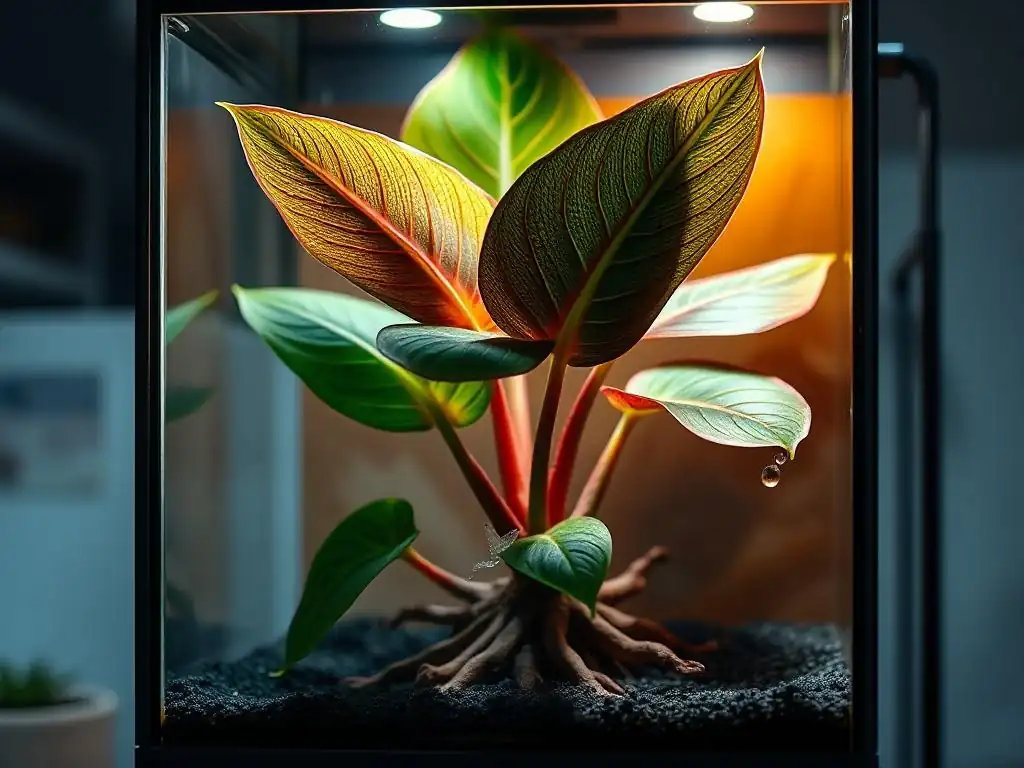
Diligent monitoring of your plant nursery tank is essential for identifying and addressing issues before they escalate into significant problems. Daily observation allows you to spot early signs of nutrient deficiencies, which often manifest as specific leaf discoloration or stunted growth. For example, yellowing older leaves may indicate a nitrogen deficiency, while new growth appearing pale or stunted can suggest an iron deficiency.
Beyond nutrient issues, regularly inspect for signs of algae growth, pest infestations (like snails or planaria), or plant melting. Early detection enables prompt corrective action, such as adjusting fertilizer dosages, performing targeted water changes, or manually removing affected plant parts. Proactive monitoring and quick responses are critical plant nursery tank propagation tips that ensure your propagated plants remain healthy and continue to thrive.
Preventing Algae Growth in Your Plant Nursery Tank
Algae can be a common nuisance in any aquarium, and a plant nursery tank is no exception. Preventing algae growth is crucial to ensure that your propagated plants receive adequate light and nutrients without competition. The most effective strategy involves maintaining a balanced environment: ensure consistent CO2 levels (if injected), stable nutrient levels, and a controlled lighting schedule. Excess light or fluctuating CO2 are frequent triggers for algae outbreaks.
Regular maintenance, including consistent water changes and careful removal of any decaying plant matter, also helps. Introducing a small number of algae-eating invertebrates, such as Nerite snails or Amano shrimp, can provide a biological control measure. By proactively managing light intensity, nutrient availability, and water quality, you can significantly reduce the likelihood of algae taking hold, allowing your plants to flourish unobstructed, a key element of effective plant nursery tank propagation tips.
Selecting Plants for Your Plant Nursery Tank: Propagation Candidates
Fast-Growing Aquarium Plants Ideal for Propagation
For efficient and rapid expansion of your aquatic plant collection, focusing on fast-growing species in your plant nursery tank is highly recommended. These plants typically establish quickly and produce new growth at an impressive rate, allowing for frequent trimming and replanting of cuttings. Excellent examples include stem plants like Rotala rotundifolia, Ludwigia repens, and Hygrophila polysperma.
These species are not only prolific growers but also relatively forgiving, making them ideal for consistent propagation cycles. Their rapid growth ensures that you can quickly generate a substantial quantity of new plantlets from a small initial stock, providing a continuous supply for your main display tank or for sharing with fellow hobbyists. Prioritizing these fast growers is a smart strategy for maximizing your plant nursery tank propagation tips.
Easy-to-Propagate Plants for Beginners
For those new to the concept of a plant nursery tank, starting with easy-to-propagate species can build confidence and ensure early success. These plants are generally hardy, adaptable to a range of water parameters, and have straightforward propagation methods. Top recommendations include Java Fern (Microsorum pteropus), Anubias species (e.g., Anubias barteri var. nana), and Cryptocoryne wendtii.
Java Fern and Anubias are propagated by rhizome division or by separating adventitious plantlets, requiring minimal effort and no special tools beyond a sharp blade. Cryptocorynes are typically propagated via runners. These plants are less prone to melting or nutrient deficiencies, making them forgiving choices for learning the ropes of plant nursery tank propagation tips without significant frustration.
Plant Recommendations: Anubias, Amazon Sword, and Ludwigia
Expanding on plant selection, Anubias species are excellent choices for a plant nursery tank due to their resilience and ease of rhizome division. They are slow growers but reliably produce new leaves and rhizome sections that can be divided to create new plants. Amazon Swords (Echinodorus species) are fantastic for propagation via adventitious plantlets that emerge from their flower stalks or runners, quickly forming new robust plantlets once established in the nutrient-rich substrate of the nursery.
Ludwigia species, such as Ludwigia repens or Ludwigia arcuata, are prime examples of fast-growing stem plants that thrive from simple stem cuttings. These plants readily root from cut stems and quickly branch out, providing an abundant supply of new cuttings within weeks. Focusing on these specific, well-known species allows for highly effective and predictable outcomes, making them ideal candidates for your plant nursery tank propagation tips.
Transplanting Your Propagated Plants to Your Main Aquarium
When to Move Plants from Nursery to Display Tank
Determining the optimal time to transfer your propagated plants from the nursery tank to your main display aquarium is crucial for their long-term success. Generally, plants should be moved once they have developed a robust root system and show significant new, healthy leaf growth. For stem plants, this often means they are 3-6 inches tall with several established nodes and strong roots. For rosette plants like Amazon Swords or Cryptocorynes, wait until they have at least 4-5 mature leaves and a well-developed root ball.
Moving plants too early, before they are sufficiently established, can lead to significant stress, melting, or even death, as they struggle to adapt to the potentially different conditions of the display tank. Waiting until they are strong and self-sufficient ensures a much higher survival rate and faster integration into their new environment, a key aspect of successful plant nursery tank propagation tips.
Acclimation Techniques for Newly Propagated Plants
Acclimation is a critical step when moving plants from the controlled environment of a plant nursery tank to the potentially different conditions of a main display aquarium. Even subtle differences in water parameters (temperature, pH, hardness, nutrient levels) can shock delicate plantlets. To minimize stress, float the potted or bare-root plants in the main display tank for at least 30 minutes to an hour. This allows the plants to gradually adjust to the new water temperature.
For more sensitive species or significant parameter differences, consider a drip acclimation method, similar to acclimating fish, slowly introducing main tank water into a container holding the plants over a period of 1-2 hours. This gradual adjustment helps prevent melting and ensures a smoother transition, significantly increasing the chances of the newly propagated plants thriving in their permanent home, an important element of effective plant nursery tank propagation tips.
Planting Your New Plants for Optimal Growth in Your Display Tank
Proper planting technique in your main display tank is essential for the continued optimal growth of your newly propagated plants. For stem plants, use planting tongs to gently insert the rooted cutting into the substrate, ensuring at least 1-2 nodes are buried to encourage further root development and prevent floating. Space them adequately to allow for future growth and light penetration.
For rosette plants like Amazon Swords or Cryptocorynes, ensure the entire root system is buried, but critically, do not bury the crown (the point where leaves emerge from the roots), as this can lead to rot. For rhizome plants like Anubias or Java Fern, remember they should never be buried in the substrate; instead, attach them to hardscape (wood or rock) with fishing line or super glue gel. Adhering to these specific planting methods is a fundamental part of successful plant nursery tank propagation tips.
Troubleshooting Common Plant Propagation Problems in a Nursery Tank
Identifying and Addressing Nutrient Deficiencies
Nutrient deficiencies are a common hurdle in plant propagation and can significantly hinder growth in a plant nursery tank. Learning to identify their symptoms is crucial for prompt correction. For instance, general yellowing of older leaves, especially towards the tips, often indicates a nitrogen deficiency. Stunted growth with dark green or purplish leaves may point to a lack of phosphorus. Potassium deficiency can manifest as yellowing or pinholes in older leaves, particularly along the edges.
To address these, adjust your liquid fertilizer dosing or add root tabs if the plant is a heavy root feeder. For example, if nitrogen is low, increase your dosage of a comprehensive liquid fertilizer or add a nitrogen-specific supplement. Regularly testing your water parameters for nitrates, phosphates, and potassium will help pinpoint deficiencies before they become severe, ensuring your plant nursery tank propagation tips remain effective.
Dealing with Algae Outbreaks in the Nursery Tank
Algae outbreaks in a plant nursery tank are often a symptom of an underlying imbalance, typically related to light, CO2, or nutrient levels. Green spot algae might suggest low phosphate levels or too much light. Hair algae often indicates an excess of nutrients (particularly nitrogen and phosphorus) combined with fluctuating or insufficient CO2. A sudden explosion of diatoms (brown algae) can occur in new setups or with high silicates.
To combat algae, first identify the imbalance. Reduce light intensity or duration (e.g., from 10 hours to 8 hours). If using CO2, ensure consistent levels (20-30 ppm). Adjust your fertilizer dosing; sometimes reducing a specific nutrient can help, or adding one that is deficient. Manual removal of algae is always beneficial. In severe cases, a 1-3 day blackout can reset the tank, followed by re-evaluating your parameters. These proactive steps are vital plant nursery tank propagation tips.
Preventing Plant Melting During Propagation
Plant melting, where leaves turn translucent, mushy, and disintegrate, is a common and disheartening problem during plant propagation in a nursery tank. It is often caused by sudden changes in environmental conditions, such as significant shifts in water parameters (temperature, pH, hardness), insufficient light, or nutrient shock. Plants transitioning from emersed (above water) to submersed (underwater) growth are particularly susceptible.
To prevent melting, strive for stable water parameters in your nursery tank. Ensure consistent lighting and a steady supply of nutrients from the outset. If propagating emersed-grown plants, consider a gradual transition by keeping the water level low initially and slowly raising it over several days. While some initial melting is normal as plants adapt, excessive melting indicates a problem that needs immediate attention, highlighting the importance of careful plant nursery tank propagation tips.
Addressing Anubias Rhizome Rot
Anubias rhizome rot is a specific and common issue that can quickly destroy these otherwise hardy plants in a plant nursery tank. It occurs when the rhizome—the thick, horizontal stem from which leaves and roots emerge—is buried in the substrate. Unlike roots, the rhizome requires exposure to the water column to absorb oxygen; burying it starves it of oxygen, leading to a soft, mushy, and often foul-smelling decay.
The solution is straightforward: ensure the Anubias rhizome is never buried. Instead, attach the plant to hardscape (wood or rock) using fishing line, super glue gel, or thread, allowing the roots to anchor into the substrate or crevices naturally over time. If rot has already set in, carefully trim away all affected, mushy tissue with a clean, sharp blade until only healthy, firm rhizome remains. This crucial plant nursery tank propagation tip is essential for the longevity of your Anubias collection.
Advanced Plant Propagation Techniques: Beyond the Basics
Tissue Culture Propagation for Rare Plants
Tissue culture propagation is an advanced, sterile method of growing plants from very small pieces of plant tissue, such as a few cells or a tiny fragment of a leaf or stem, in a controlled laboratory environment. This technique allows for the rapid production of numerous genetically identical plants from a single parent, free from pests, algae, and diseases. Many commercially available "in-vitro" aquarium plants are produced this way.
While typically performed in specialized labs rather than a home plant nursery tank, understanding tissue culture is valuable for aquarists seeking rare or difficult-to-propagate species. Tissue culture plants offer a clean start, ensuring no unwanted hitchhikers are introduced into your tank. For the home propagator, obtaining tissue-cultured plants can serve as an ideal, disease-free starting point for further propagation within their own nursery setup.
Seed Propagation for Aquatic Plants
While most common aquarium plants are propagated vegetatively, some aquatic species can be grown from seeds, offering an advanced and often rewarding challenge in a plant nursery tank. This method is particularly popular for carpeting plants like Glossostigma elatinoides, Hemianthus callitrichoides 'Cuba' (Dwarf Baby Tears), or Dwarf Hairgrass, especially using the "dry start method."
In the dry start method, seeds are sown directly onto a damp, nutrient-rich substrate in a sealed tank (to maintain high humidity) and grown emersed (above water) under strong light for several weeks until a dense carpet forms. The tank is then slowly flooded. This method allows for robust initial growth and establishment before the plants transition to submersed conditions. While requiring patience, seed propagation offers a unique way to start a carpet or cultivate specific aquatic plant varieties from scratch.
Using Rooting Hormones for Difficult-to-Root Species
For aquatic plant species that are notoriously slow or difficult to root from cuttings, the use of rooting hormones can significantly increase propagation success rates in a plant nursery tank. These hormones, typically synthetic auxins such as indole-3-butyric acid (IBA) or naphthaleneacetic acid (NAA), stimulate cell division and root formation at the cut end of a stem.
To apply, a small amount of rooting hormone powder or gel is gently dabbed onto the freshly cut end of the stem cutting before it is planted into the substrate of the nursery tank. The hormone encourages the rapid development of a strong root system, providing a substantial advantage for challenging species or for accelerating the establishment of any cutting. This advanced plant nursery tank propagation tip can be particularly useful for maximizing your propagation yield.
Plant Nursery Tank Propagation Tips: Maximizing Your Success
Optimize Water Parameters for Plant Propagation
Optimizing and maintaining stable water parameters is paramount for successful plant nursery tank propagation tips. Each plant species has an ideal range for pH, general hardness (GH), and carbonate hardness (KH). For most common aquatic plants, a slightly acidic to neutral pH (6.5-7.5), a GH of 4-8 dGH, and a KH of 3-6 dKH are generally suitable. Consistency within these ranges is more critical than hitting exact numbers.
Regularly test your water and make small, incremental adjustments if needed. Fluctuations in parameters can stress plants, leading to stunted growth or melting, especially in sensitive propagations. Providing an environment where plants don't have to constantly adapt to changing conditions allows them to allocate all their energy towards vigorous growth and establishment.
Maintain Consistent Lighting Schedules
A consistent lighting schedule is a non-negotiable plant nursery tank propagation tip for maximizing plant growth and preventing algae. Plants rely on a predictable photoperiod for photosynthesis and metabolic processes. An ideal duration for most planted nursery tanks is 8-10 hours per day. Using an automatic timer is highly recommended to ensure the light turns on and off at the exact same time every day.
Erratic or excessively long lighting periods can stress plants, leading to poor growth and, more importantly, can trigger severe algae outbreaks by providing algae with a continuous energy source. Conversely, too little light will stunt growth and prevent successful propagation. A stable light cycle promotes robust plant health and efficient nutrient uptake, directly contributing to propagation success.
Regularly Prune and Thin Out Plants
Regular pruning and thinning are vital plant nursery tank propagation tips that encourage bushier growth and provide a continuous supply of new cuttings. As plants grow in the nursery, they can become dense, leading to competition for light and nutrients among individual stems or plantlets. Pruning established stem plants encourages lateral branching, resulting in a fuller, more attractive plant.
Furthermore, thinning out overcrowded areas ensures that all plants receive adequate light penetration and nutrient access, preventing weaker growth in the lower sections. The trimmings from this process can then be replanted, further expanding your stock. This continuous cycle of growth, pruning, and replanting maximizes the output and efficiency of your plant nursery tank.
Observe Your Plants Closely and React to Changes
One of the most effective plant nursery tank propagation tips is the practice of diligent daily observation. Regularly inspecting your plants for any subtle changes in color, growth pattern, or leaf texture can provide early warnings of potential problems, whether they are nutrient deficiencies, the onset of algae, or pest infestations. For instance, new growth appearing pale or stunted might indicate an iron deficiency, while melting leaves could signal a sudden environmental shift.
Early detection allows for prompt intervention, such as adjusting fertilizer dosages, performing a targeted water change, or increasing CO2. Reacting quickly to these changes prevents minor issues from escalating into major setbacks that could jeopardize your entire propagation effort, ensuring your plantlets remain healthy and thrive.
Maintain Stable Environmental Conditions
Beyond specific water parameters, maintaining overall stable environmental conditions is a cornerstone of successful plant nursery tank propagation tips. This encompasses not just consistent water chemistry but also stable temperature and minimal external disturbances. Most aquatic plants thrive within a temperature range of 72-78°F (22-26°C); sudden fluctuations can shock delicate plantlets and lead to melting or stunted growth.
Ensure your nursery tank is placed in an area free from drafts or direct sunlight that could cause wild temperature swings. Avoid frequent, drastic changes to your lighting schedule or CO2 injection rates. Consistency in all aspects of care—from feeding schedules to water changes and parameter maintenance—creates a low-stress environment where your propagated plants can dedicate all their energy to robust growth and establishment.
Frequently Asked Questions
How is a plant nursery tank different from a regular aquarium?
A plant nursery tank focuses specifically on growing and propagating aquatic plants, whereas a regular aquarium prioritizes the health and display of fish and other aquatic life. This means a nursery tank often has different lighting and nutrient requirements tailored for plant growth.
What are the key factors to consider when setting up a plant nursery tank for propagation?
The most important factors are appropriate lighting to promote photosynthesis, sufficient CO2 levels for plant growth, and a nutrient-rich substrate or liquid fertilizer to provide essential elements. Also, consider good water circulation!
What types of plants are best suited for propagation in a nursery tank?
Many stem plants like Rotala and Ludwigia, as well as rhizome plants like Anubias and Java Fern, propagate well. Look for plants that are easily propagated by cuttings or division and are suitable for your aquarium.
How often should I perform water changes in my plant nursery tank?
Regular water changes are still important, but the frequency might differ. Monitor your nutrient levels and plant health closely. Aim for weekly water changes to remove excess nutrients and maintain water quality, adjusting as needed.
What are some common issues I might encounter when propagating plants and how can I address them?
Common issues include algae growth due to excess nutrients, nutrient deficiencies causing stunted growth, and poor lighting hindering photosynthesis. Adjust lighting, nutrient levels, and address algae with appropriate treatments.
Final Reflection: Cultivating Growth and Connection
The journey of creating a plant nursery tank, as we've explored, is more than just a technical endeavor; it's a testament to our innate desire to nurture life and witness its flourishing. This act of propagation, of fostering new beginnings within a controlled environment, mirrors our own potential for growth and resilience in a world that often feels unpredictable. The principles of careful planning, attentive care, and patient observation, so crucial to successful plant propagation, are equally vital in navigating our personal and professional lives.
This connection between the natural world and our own experiences is profound. The simple act of tending to these miniature ecosystems reminds us of the interconnectedness of all things and the power of small actions to create significant change. It's a tangible reminder that even from the smallest cutting, immense beauty and strength can emerge. The glory of gardening: hands in the dirt, head in the sun, heart with nature. To nurture a garden is to feed not just the body, but the soul.
- Alfred Austin. This quote encapsulates the deeper meaning behind our efforts, highlighting the restorative and enriching power of engaging with the natural world.
Now, as you consider the potential of your own plant nursery tank, I encourage you to reflect on the lessons learned. How can you apply the principles of careful cultivation and patient observation to other areas of your life? Embrace the opportunity to nurture not only your plants but also your own growth, fostering a thriving ecosystem within yourself and your community. Let the flourishing life within your tank serve as a constant reminder of the beauty and potential that lies dormant, waiting to be cultivated.
Cultivate Your Green Oasis: Nurture Thriving Plants!
Thank you for exploring the world of aquatic plant propagation! We hope you found inspiration and practical knowledge to expand your underwater garden. Now, let's bring those little propagations to their full potential!
Here's how you can take action and create a thriving plant nursery tank:
- Build your own nursery tank: Dedicate a small aquarium or container as a nursery space specifically for newly propagated plants to give them a protected and optimal environment for growth.
- Share your propagating experiences: Post photos of your nursery tank and new plants on social media using #AquariumMasteryPlants. Let's inspire others!
- Experiment with unconventional substrates: Try using different substrates like lava rock or clay pebbles in your nursery tank to see how they impact plant growth and share your findings!
Ready to turn your propagations into a vibrant underwater forest? What unique plants will you cultivate in your nursery tank, and what innovative techniques will you use to help them thrive?