
Creating the Ideal Moray Eel Habitat: Caves, Pipes, and Secure Lids

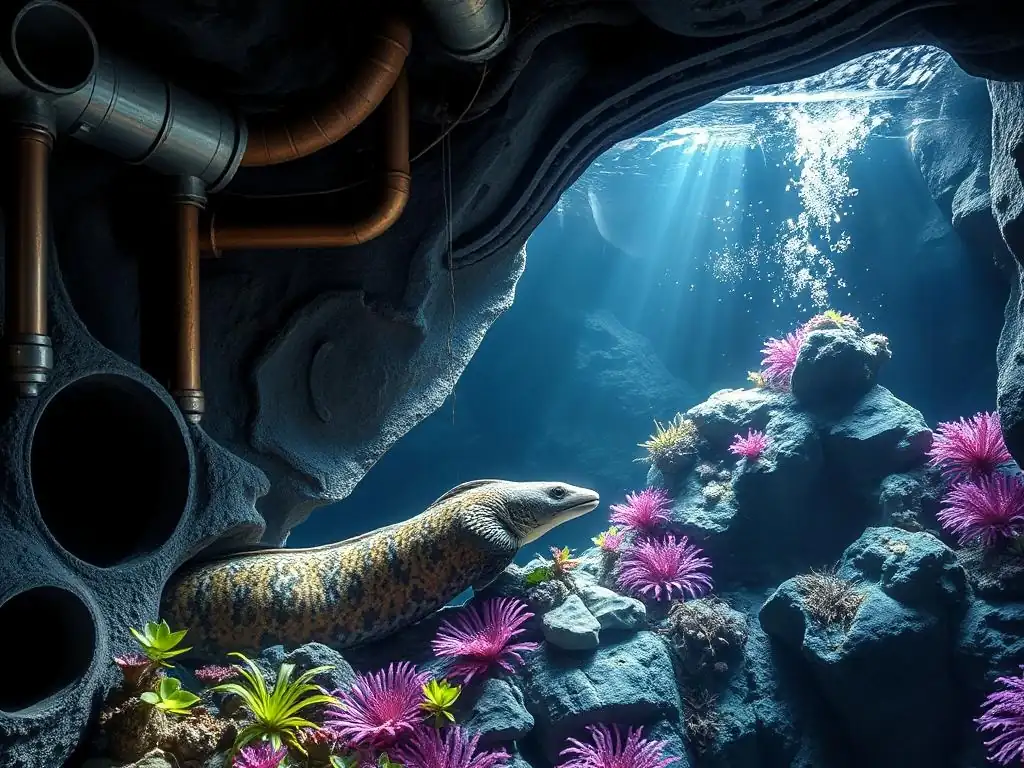
Welcome to Aquarium Mastery, where we unlock the secrets to thriving aquatic ecosystems!
Ever wondered if you have what it takes to house one of the ocean's most captivating predators? Dive in and discover the art of Moray Eel Tank Setup. From crafting the perfect cave system to ensuring a secure environment, we'll guide you through every step. Are you ready to create a slice of the reef in your living room? Let's explore!
- Creating the Ideal Snowflake Moray Eel Habitat: Caves, Pipes, and Secure Lids
- Understanding Snowflake Moray Eel Needs for Optimal Tank Setup
- Designing the Perfect Snowflake Moray Eel Tank: Essential Elements
- Creating Secure and Engaging Hiding Places for Snowflake Moray Eels
- Ensuring Snowflake Moray Eel Tank Security: Lids and Escape Prevention
- Tank Mates for Snowflake Moray Eels: Compatibility and Considerations
- Maintaining Your Snowflake Moray Eel Habitat: Cleaning and Water Changes
- Feeding Your Snowflake Moray Eel: Diet and Feeding Schedule
- Troubleshooting Common Snowflake Moray Eel Tank Issues
-
Frequently Asked Questions
- What size tank is generally recommended for a Moray Eel?
- What are the essential elements of a Moray Eel's habitat within the aquarium?
- How important is water quality for Moray Eels, and what parameters should I monitor?
- What type of filtration system is recommended for a Moray Eel tank?
- What are some suitable tank mates for Moray Eels, and what should I avoid?
- Final Reflection: Embracing the Mysteries of the Deep
- Dive Deeper: Transform Your Tank into an Eel Paradise!
Creating the Ideal Snowflake Moray Eel Habitat: Caves, Pipes, and Secure Lids
Understanding Snowflake Moray Eel Needs for Optimal Tank Setup
Essential Considerations for a Healthy Snowflake Moray Eel Aquarium
The foundational requirements for a healthy Snowflake Moray Eel aquarium begin with adequate tank size and robust filtration. For a single adult Snowflake Moray Eel, which typically grows to 24-30 inches (approximately 60-75 cm), a minimum tank size of 30 gallons (around 115 liters) is often cited, but 50 gallons (about 190 liters) or more is highly recommended for long-term health, stability, and enrichment.
This larger volume provides more stable water parameters and better dilutes waste products, which are crucial for a thriving moray eel tank setup. Comprehensive filtration, encompassing mechanical, biological, and chemical components, is paramount to manage the significant bioload produced by these predatory fish.
Beyond volume, consistent water quality and temperature are non-negotiable. Snowflake Moray Eels thrive in stable saltwater conditions, with a specific gravity maintained between 1.020 and 1.025. The ideal temperature range is 72-78°F (22-26°C), and pH levels should ideally remain between 8.1 and 8.4.
Regular and precise monitoring using reliable liquid test kits is vital. For instance, weekly testing for ammonia, nitrite, and nitrate levels can effectively prevent common issues such as dangerous ammonia spikes, which can be lethal. A mature biological filter is indispensable for efficiently processing nitrogenous waste, ensuring a pristine and stable environment for your moray eel, and thus contributing significantly to a successful moray eel tank setup.
Snowflake Moray Eel Specific Habitat Requirements
Providing ample and secure hiding spots is not just a preference but a fundamental requirement for the well-being of Snowflake Moray Eels. These eels are inherently nocturnal and reclusive, spending the majority of their daytime hours concealed within crevices and caves. Without sufficient opportunities for retreat, these eels can experience significant stress, leading to compromised immune systems, reluctance to feed, or desperate attempts to escape their enclosure. A thoughtfully designed moray eel tank setup will incorporate multiple, diverse options for shelter, allowing the eel to choose its preferred resting place and feel secure.
Furthermore, due to their highly inquisitive, strong, and escape-prone nature, a completely secure and heavy-duty lid is an absolute non-negotiable component for any moray eel tank setup. Snowflake Moray Eels possess an astonishing ability to squeeze through incredibly small openings, often as narrow as their eye diameter. Even seemingly minor gaps around filtration equipment, heaters, or power cords can serve as potential escape routes. Numerous aquarists have recounted instances of eels escaping through openings barely an inch wide, leading to tragic outcomes for the animal outside its aquatic environment.
Designing the Perfect Snowflake Moray Eel Tank: Essential Elements
Replicating Natural Habitats: Rockwork and Cave Structures for Snowflake Moray Eels
When designing a moray eel tank setup, the primary objective is to meticulously replicate their natural coral reef environment, which is naturally abundant with intricate nooks, crannies, and protective overhangs. The creation of stable and secure rock structures is paramount. Utilizing high-quality live rock or inert dry rock allows for the construction of complex cave systems and sheltered overhangs where the eel can retreat and feel safe.
It is absolutely crucial to ensure that all rockwork is securely stacked and cannot be dislodged or toppled by the eel's movements, which can be surprisingly forceful. For example, employing aquarium-safe epoxy or plastic zip ties to firmly secure larger pieces of rockwork can effectively prevent dangerous collapses that might injure the eel or even compromise the tank structure.
Beyond stability, the size and quantity of hiding spots are critical for a Snowflake Moray Eel. Even at a modest length of 18-24 inches, a healthy eel requires several primary caves large enough to accommodate its entire body comfortably. Aim to provide at least two to three distinct primary caves that the eel can fully enter, coil within, and easily turn around.
The openings of these caves should be snug enough to impart a sense of security to the eel but never so tight as to risk trapping it. Consider designing a "tunnel" system if the tank dimensions allow, offering multiple entry and exit points. This not only adds crucial enrichment but also ensures that the moray eel tank setup comprehensively caters to their natural exploratory and reclusive behaviors.
Choosing the Right Substrate for a Snowflake Moray Eel Tank
While Snowflake Moray Eels do not typically engage in extensive burrowing, a fine sand bed, approximately 2-3 inches (5-7.5 cm) deep, is generally preferred over coarse gravel for their habitat. Fine sand prevents potential injury to their delicate skin if they choose to partially bury themselves or rub against the substrate.
Furthermore, a sand bed can support beneficial bacteria and may host a microfauna population, both of which contribute positively to the overall biological health of the moray eel tank setup. A common and beneficial choice is aragonite sand, which also offers the added advantage of helping to buffer the aquarium's pH.
A slightly deeper sand bed, perhaps 3-4 inches (7.5-10 cm), can also support a deeper denitrifying layer, which assists in the natural reduction of nitrates within the system. However, deeper sand beds require careful and regular maintenance to prevent the formation of anaerobic pockets, which can release harmful hydrogen sulfide gas.
This risk can be mitigated through regular, light siphoning of the top layer and occasional gentle stirring of the substrate, or by introducing compatible sand-sifting invertebrates. This meticulous attention to the choice and maintenance of the substrate, though subtle, is a vital component of a successful moray eel tank setup.
Water Parameters: Maintaining a Stable and Healthy Environment for Snowflake Moray Eels
Maintaining consistently stable water parameters is arguably the single most critical aspect of a healthy moray eel tank setup. Abrupt or significant fluctuations in temperature, salinity, or pH can induce severe stress in marine fish, leading to compromised immune systems and increased susceptibility to various diseases. For example, a rapid temperature swing exceeding 2-3°F (1-1.5°C) within a single day can be profoundly detrimental. To prevent such instability, utilizing a high-quality heater equipped with a reliable thermostat and implementing a consistent automatic top-off system to compensate for evaporation are indispensable practices.
As previously noted, the ideal specific gravity for a Snowflake Moray Eel ranges from 1.020 to 1.025, with a temperature maintained between 72-78°F (22-26°C), and a pH level of 8.1-8.4. Ammonia and nitrite levels must consistently remain undetectable (0 ppm), while nitrates should be kept below 20 ppm, ideally much lower.
Regular testing, at least once a week, using accurate liquid test kits (which offer superior precision compared to dip strips) is absolutely non-negotiable. Many experienced aquarists find that performing a 10-20% water change bi-weekly, or a 25% change monthly, significantly aids in maintaining these pristine conditions within a well-managed moray eel tank setup.
Creating Secure and Engaging Hiding Places for Snowflake Moray Eels
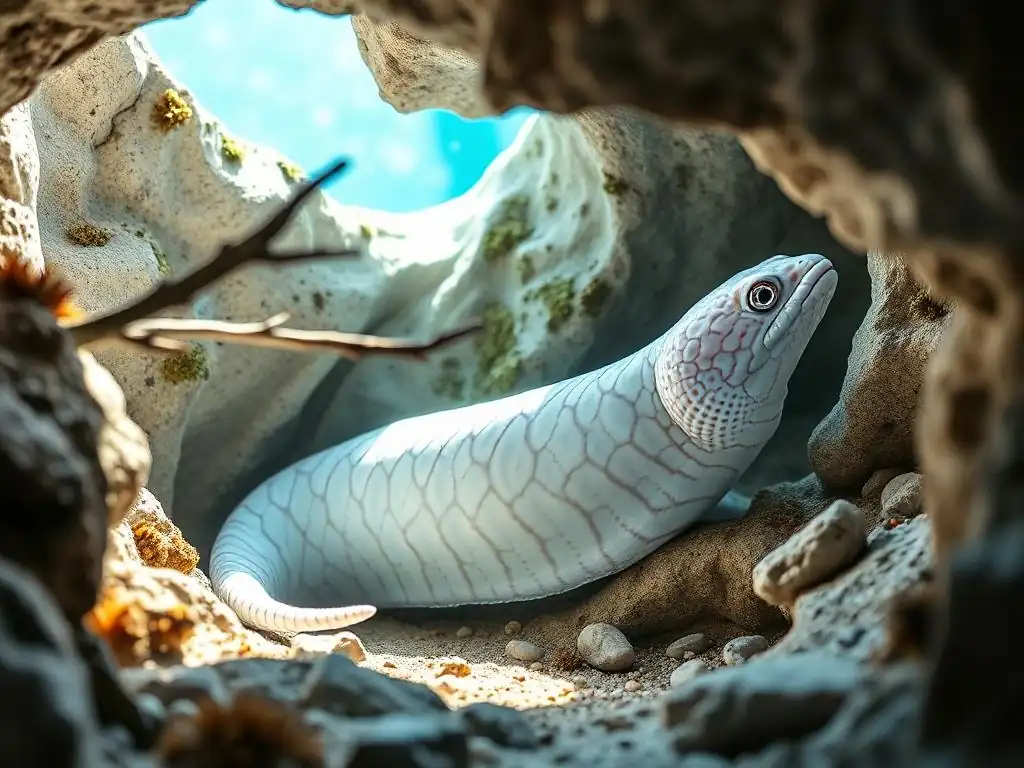
PVC Pipes as Artificial Caves: Safe and Customizable Options
PVC pipes present an excellent, cost-effective, and remarkably safe solution for creating secure and versatile hiding places within a moray eel tank setup. These pipes are chemically inert, readily available at most hardware stores, and can be easily cut and arranged to form intricate and customized tunnel systems.
For an adult Snowflake Moray Eel, pipes with an internal diameter of 2-4 inches (approximately 5-10 cm) are typically suitable, though the precise size should be matched to the eel's specific girth. Utilizing dark-colored PVC, such as black or dark grey, can significantly enhance the appeal of these artificial caves to the eel, as it more closely mimics the secluded, dark crevices they instinctively seek in their natural habitat.
The versatility of PVC pipes allows for extensive customization and seamless integration into the aquarium's aesthetic. They can be effectively disguised by securely siliconing them into existing rockwork or by wrapping them with aquarium-safe materials like fine netting or artificial plants. This not only improves the visual appeal but can also provide additional texture or grip for the eel.
It is paramount to ensure that all cut edges of the PVC are meticulously smoothed to prevent any potential injury to the eel's delicate skin. For instance, some creative aquarists construct "PVC bundles" by securing several pipes together with aquarium-safe zip ties, then slightly burying them in the substrate or camouflaging them with decorative rocks. This approach offers a multi-chambered, secure retreat, further enriching the moray eel tank setup.
Building Natural-Looking Rock Caves: Stability and Design Considerations
When constructing natural-looking rock caves for a moray eel tank setup, paramount importance must be placed on stability to prevent any collapses that could potentially injure the eel or, in severe cases, even crack the aquarium glass. Utilize only aquarium-safe rocks, such as cured live rock, dry reef rock, or inert, non-porous stones.
It is critical to avoid rocks that might leach harmful substances or significantly alter the water chemistry; for example, certain types of limestone can raise pH and alkalinity, which, while sometimes desirable, must be carefully monitored. Rocks should be interlocked carefully, or, for maximum security, bonded together using aquarium-safe epoxy, cement, or reinforced with fiberglass rods, especially when building taller or more complex structures.
The design of these rock caves should prioritize both security and comfort for the eel. Ideally, caves should feature multiple entrances and exits where feasible, allowing the eel to navigate freely and feel less confined. The internal space of each cave must be sufficiently large for the eel to comfortably coil its entire body and turn around without difficulty.
Furthermore, meticulously inspect all internal surfaces to ensure there are no sharp edges or dangerously narrow gaps where the eel could potentially get stuck or scrape itself. Providing several distinct and well-constructed hiding spots within the rockwork offers the eel a choice of sanctuary and significantly reduces stress, contributing to a truly enriching and safe moray eel tank setup.
Incorporating Live Rock: Benefits and Potential Risks for Snowflake Moray Eels
Live rock is an immensely beneficial component for virtually any saltwater aquarium, including a moray eel tank setup, primarily due to its highly porous nature. This porosity provides an expansive surface area for the colonization of beneficial nitrifying and denitrifying bacteria, which are crucial for efficient biological filtration. This natural biological process is indispensable for processing organic waste and maintaining superior water quality. Beyond filtration, live rock also introduces a diverse array of microfauna, contributing to the tank's overall biodiversity and serving as a natural, albeit supplemental, food source, although Snowflake Moray Eels are predominantly fed larger, targeted prey.
Despite its numerous advantages, incorporating live rock does carry potential risks. It can inadvertently introduce unwanted pests, such as aggressive mantis shrimp or prolific bristle worms, which could potentially harm an eel or other valuable tank inhabitants. Therefore, a thorough inspection and proper curing of live rock before its introduction into the moray eel tank setup are absolutely essential.
Curing involves allowing the rock to cycle in a separate container for several weeks, during which any dying organisms decompose and the nitrogen cycle stabilizes, also facilitating the easier removal of any undesirable hitchhikers. Some aquarists opt for sterile dry rock and then seed it with beneficial bacteria to minimize the risk of introducing pests, while still gaining the structural and biological benefits.
Ensuring Snowflake Moray Eel Tank Security: Lids and Escape Prevention
The Importance of a Secure Lid: Preventing Snowflake Moray Eel Escapes
Snowflake Moray Eels are notoriously adept escape artists, a characteristic deeply ingrained from their natural instinct to explore tight crevices and hunt across diverse reef environments. They possess an incredible combination of strength and flexibility for their size, enabling them to squeeze through openings that appear impossibly small, often no larger than the size of a quarter.
Many aquarists have unfortunately experienced the distressing event of discovering their eel on the floor, desiccated and lifeless, simply due to a seemingly insignificant gap around a filter intake or heater cord. This stark reality underscores the absolute necessity of a meticulously secure and robust lid for any moray eel tank setup.
The consequences of an escaped eel are dire and usually swift. An eel removed from its aquatic environment will rapidly desiccate and perish, typically within minutes to a few hours, depending on ambient humidity and temperature. Beyond the financial loss of a valuable specimen, the tragic loss of life is a profound concern.
Preventing escapes is not merely about keeping the eel confined; it is a critical aspect of responsible pet ownership and an essential measure to ensure the animal's survival and well-being. Therefore, every single aspect of the moray eel tank setup must prioritize escape prevention as a paramount design and maintenance consideration.
Choosing the Right Lid Material and Design: Strength and Ventilation
The most effective lids for a moray eel tank setup are typically constructed from heavy-duty acrylic or thick glass. These materials are inherently robust, highly resistant to corrosion from saltwater, and provide excellent clarity for viewing the aquarium's inhabitants.
While mesh screen tops offer superior ventilation and allow for maximal light penetration for corals, a Snowflake Moray Eel's surprising strength and relentless persistence can sometimes compromise them, especially if the mesh material is not rigid enough or the frame lacks sufficient structural integrity. If opting for a mesh lid, it is imperative to choose a very sturdy, thick-gauge mesh secured within a robust, reinforced frame.
Crucially, the lid must provide 100% coverage of the tank's entire opening, leaving absolutely no gaps, not even the smallest spaces around equipment. Custom-cut lids are frequently necessary to precisely accommodate hang-on-back filters, protein skimmers, or return lines from sumps. Additionally, it is highly advisable for the lid to possess sufficient weight, or to be secured in such a manner, that the eel cannot push it open.
A common design flaw is a lightweight lid that simply rests on the tank rim, which an active and determined eel can easily dislodge. A truly effective moray eel tank setup demands a lid that is both comprehensive in its coverage and substantial in its construction.
Securing the Lid: Clips, Weights, and Other Methods to Prevent Escapes
Even a well-fitting lid can be vulnerable if it is not actively secured. Heavy-duty aquarium clips, specifically designed to clamp firmly onto both the tank rim and the lid, are highly recommended as a primary security measure.
For larger or longer tanks, utilizing multiple clips—for example, one on each corner and potentially one or two along the middle of longer sides—provides maximum security and distributes pressure effectively. Some aquarists also employ weights, such as small, inert rocks or lead weights (meticulously sealed in aquarium-safe plastic), strategically placed on top of the lid to add extra resistance against the eel's pushing force.
The most common escape routes are often found around aquarium equipment. To address these vulnerabilities, use dense filter sponges or custom-cut foam pieces to meticulously plug any gaps around heater cords, powerheads, or return pipes. For external overflows or hang-on filters, custom-fabricated acrylic pieces can be precisely cut to fit snugly around the equipment, effectively sealing any remaining openings.
Some advanced moray eel tank setups incorporate internal overflows or sumps located directly beneath the tank, which minimizes the amount of external equipment protruding into or out of the display tank, thereby significantly reducing potential escape points. Diligence in sealing every conceivable gap is absolutely critical for preventing an escape and ensuring the long-term safety of your Snowflake Moray Eel.
Tank Mates for Snowflake Moray Eels: Compatibility and Considerations
Selecting Compatible Tank Mates for a Peaceful Aquarium Environment
When selecting compatible tank mates for a Snowflake Moray Eel, the fundamental rule is straightforward: if a fish can fit into the eel's mouth, it is considered potential food. Snowflake Moray Eels are indeed predatory carnivores, but they are generally regarded as less aggressive compared to some other larger moray species.
Therefore, compatible tank mates are typically robust, relatively fast-moving, and, crucially, significantly larger than the eel's mouth opening. Suitable examples include larger tangs, such as a Yellow Tang (approximately 6-8 inches or 15-20 cm), substantial angelfish like an Emperor Angelfish (8+ inches or 20+ cm), and certain species of triggerfish, provided they are introduced with careful consideration and monitoring.
Beyond size, temperament matching is equally important. It is often most beneficial to introduce the moray eel last into the aquarium, or at least after the other tank mates have had sufficient time to establish their territories. This strategy can help mitigate potential territorial aggression from the eel.
Consider fish that naturally occupy different parts of the water column; for instance, a fast-swimming Foxface or Rabbitfish (often growing to 8-10 inches or 20-25 cm) might thrive in the open water, while the eel prefers its secure caves. Closely monitor all interactions, especially during feeding times, as this is when predatory instincts are most heightened within the moray eel tank setup.
Fish to Avoid: Preventing Predation and Aggression
It is imperative to avoid introducing any small, slow-moving, or elongated fish species that could easily be mistaken for prey by a Snowflake Moray Eel. This category typically includes most gobies, blennies, cardinalfish, and smaller damsels.
Even if these fish appear too large for the eel to consume initially, a hungry or growing Snowflake Moray Eel might still attempt to prey upon them. For example, a 2-inch (5 cm) Clownfish, a common inhabitant of many reef tanks, is highly likely to become a meal for an adult Snowflake Moray Eel, regardless of how long the moray eel tank setup has been established or how well-fed the eel typically is.
While the moray eel is a predator, it can also become stressed by overly aggressive or fin-nipping tank mates. Certain aggressive damselfish species or highly territorial wrasses might relentlessly harass the eel, causing it to hide excessively, refuse food, or even sustain injuries to its delicate skin. Similarly, very boisterous fish that constantly dart around the eel's preferred hiding spots can be a persistent source of stress. The ultimate goal is to foster a harmonious moray eel tank setup where all inhabitants feel secure, exhibit natural behaviors, and are not subjected to undue stress or predation risk.
Invertebrates and Snowflake Moray Eels: A Careful Balance
When considering invertebrates for a moray eel tank setup, it's crucial to acknowledge that most crustaceans, including popular ornamental shrimp (like Peppermint Shrimp or Cleaner Shrimp), various crabs, and smaller hermit crabs, are considered natural prey for Snowflake Moray Eels. While some aquarists report anecdotal success with very large, fast-moving shrimp like Boxer Shrimp, introducing any smaller crustacean generally carries a significant risk of predation.
For instance, a common Cleaner Shrimp, typically measuring 2-3 inches (5-7.5 cm), is almost certainly going to be consumed by an adult Snowflake Moray Eel. Therefore, a "reef-safe with extreme caution" approach is strongly advised if invertebrates are desired in a tank housing a Snowflake Moray Eel.
Regarding other types of invertebrates, larger snails, such as Turbo Snails (approximately 2 inches or 5 cm or more in shell diameter), might be safe, but smaller snail species could easily be consumed. Sea urchins, with their formidable spines, are generally safe due to their effective defense mechanism. Anemones and corals are typically safe from direct predation by Snowflake Moray Eels, as these organisms are not part of their natural diet.
However, the eel's powerful and often clumsy movements can accidentally dislodge or damage corals, especially if they are not very securely affixed to the rockwork. Consequently, extra care and strategic placement are necessary in a mixed reef moray eel tank setup.
Maintaining Your Snowflake Moray Eel Habitat: Cleaning and Water Changes
Regular Tank Maintenance: Keeping Your Snowflake Moray Eel Happy and Healthy
Regular and consistent maintenance is absolutely crucial for the long-term health and vitality of a thriving moray eel tank setup. Daily checks should be a standard practice, including careful observation of the eel's behavior—ensuring it is active during its appropriate times and feeding well—and checking for any visible signs of stress, injury, or disease.
Weekly tasks should involve manually scraping algae from the aquarium glass, meticulously checking all equipment (heaters, pumps, protein skimmers) for proper function, and, most importantly, testing critical water parameters such as salinity, temperature, ammonia, nitrite, and nitrate levels. This proactive and vigilant approach helps to identify and address potential issues promptly before they escalate into serious problems.
The importance of consistency in maintenance routines cannot be overstated; it is far more beneficial than sporadic, large-scale cleaning efforts. For example, performing a smaller 10% water change every two weeks is often more advantageous than executing a massive 50% change once every two months, as it minimizes large, potentially stressful fluctuations in water chemistry. Additionally, cleaning the protein skimmer collection cup every few days prevents overflow and ensures optimal performance of this vital filtration component, directly impacting the overall water quality within the moray eel tank setup.
Water Changes and Filtration: Maintaining Water Quality
For a typical moray eel tank setup, a bi-weekly water change of 10-20% or a monthly change of 25% is generally recommended to maintain optimal water quality. This routine effectively removes accumulated nitrates and replenishes essential trace elements that are consumed by the inhabitants and beneficial bacteria. Always use properly mixed and adequately aged saltwater for changes, ensuring its temperature and salinity closely match the existing tank water to avoid shocking the eel. For instance, mixing new saltwater at least 24 hours in advance allows it to aerate thoroughly and stabilize its parameters before use.
A robust and efficient filtration system is non-negotiable for a predatory fish like a Snowflake Moray Eel, which contributes a significant bioload to the aquarium. This system should include a powerful protein skimmer, which is highly efficient at removing organic waste before it has a chance to break down into problematic nitrates.
Mechanical filtration, typically involving filter socks or sponges, should be cleaned or replaced weekly to prevent detritus buildup and ensure optimal capture of particulate matter. Furthermore, the biological filtration, primarily supported by live rock and a well-cycled sand bed, must be mature and relatively undisturbed to provide stable nitrification for the moray eel tank setup.
Monitoring Water Parameters: Ammonia, Nitrite, and Nitrate Levels
A thorough understanding and consistent monitoring of the nitrogen cycle are absolutely fundamental to the success and health of any moray eel tank setup. Ammonia (NH3/NH4+) and nitrite (NO2-) are highly toxic to marine fish and must consistently remain at undetectable levels (0 ppm). Nitrate (NO3-), while less acutely toxic than ammonia or nitrite, accumulates over time and should ideally be kept below 20 ppm, or even lower (under 10 ppm) for optimal health.
Regular testing, at least once a week, using accurate liquid test kits (as opposed to less precise dip strips) provides critical insights into the tank's overall health and stability. For example, a sudden spike in ammonia could indicate overfeeding, the presence of decaying organic matter, or a compromised biological filter.
If ammonia or nitrite levels are detectable, immediate and decisive action is required to prevent harm to the eel. This typically involves performing a large emergency water change (e.g., 50%), significantly reducing or temporarily stopping feeding, and meticulously checking for any decaying organic matter within the tank.
Persistently high nitrate levels indicate a need for more frequent or larger routine water changes, an improvement in protein skimming efficiency, or potentially the addition of nitrate-reducing media or the establishment of a refugium. Consistent monitoring and prompt corrective actions are paramount to preventing stress and disease in your moray eel, thereby ensuring the long-term stability and success of its tank setup.
Feeding Your Snowflake Moray Eel: Diet and Feeding Schedule
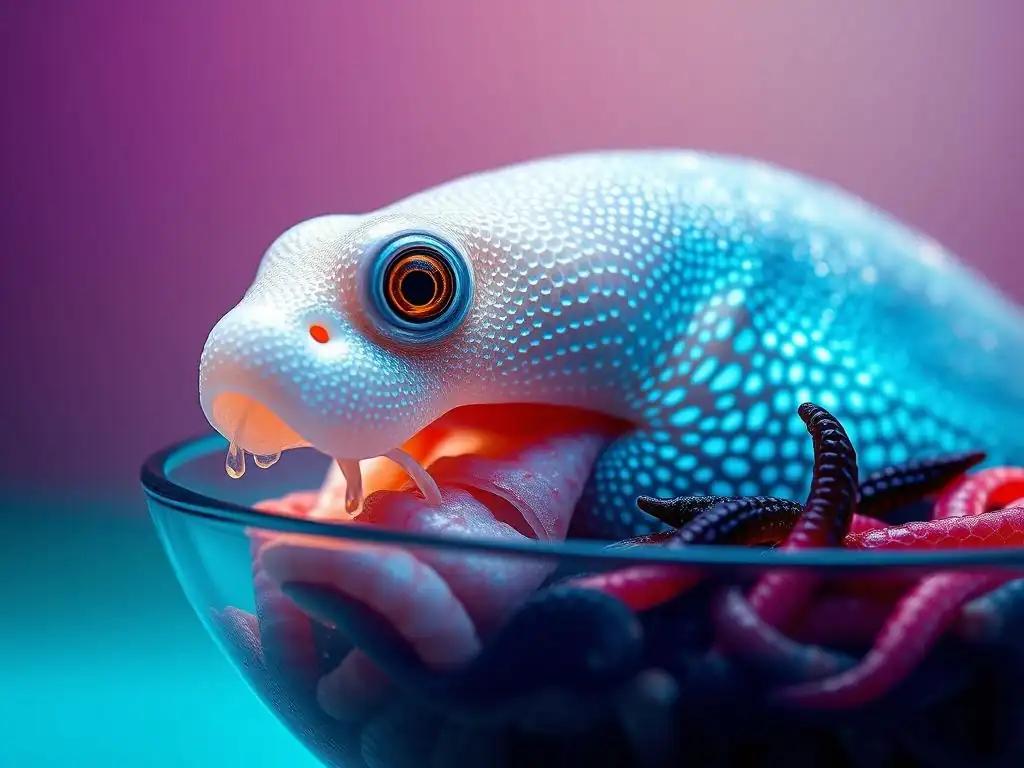
Providing a Nutritious Diet for Your Snowflake Moray Eel
Snowflake Moray Eels are obligate carnivores and require a varied and nutritious diet composed primarily of meaty foods to thrive in captivity. In their natural habitat, their diet predominantly consists of small fish and various crustaceans.
In an aquarium setting, providing a balanced and diverse diet is crucial to prevent nutritional deficiencies, which can lead to a range of health issues. It is critical to avoid feeding only one type of food; variety is key to ensuring they receive a full spectrum of essential vitamins, minerals, and fatty acids necessary for robust bone structure, healthy skin, and a strong immune system within their moray eel tank setup.
Beyond offering a varied selection of foods, supplementing their diet with vitamin-enriched foods or liquid vitamin supplements can further enhance their overall health and vitality. For instance, soaking frozen foods in a high-quality marine vitamin supplement, such as Selcon or Vita-Chem, for a few minutes prior to feeding can significantly boost their nutrient intake.
This practice is particularly beneficial for juvenile eels that are still growing, or for newly acquired eels that may not be eating consistently. Such supplementation helps to cover any potential dietary gaps and supports the long-term well-being of the eel in its moray eel tank setup.
Choosing the Right Food: Frozen Shrimp, Crab, and Fish Options
Excellent and readily accepted food choices for Snowflake Moray Eels include a variety of high-quality frozen seafood items. These commonly include Mysis shrimp, krill, larger cocktail shrimp, squid, silversides, and small pieces of marine fish such as salmon or cod (ensuring these are ocean-caught and not freshwater varieties).
Crab meat, clam, and mussel are also eagerly accepted and provide valuable nutrients. It is absolutely essential to thoroughly thaw all frozen foods before feeding them to your eel; never feed live freshwater feeder fish, as they lack proper nutrition for marine predators and can introduce diseases or parasites into your moray eel tank setup.
When preparing food for your Snowflake Moray Eel, cut the food into appropriately sized pieces that the eel can swallow whole without struggling or needing to tear. For a typical adult Snowflake Moray Eel, pieces roughly the size of their head are usually suitable. Feeding tongs are highly recommended and should be used consistently to prevent accidental bites, as eels possess sharp teeth and have relatively poor eyesight. Offering food directly to the eel's preferred hiding spot or cave can encourage them to eat and minimize competition with any tank mates present in the moray eel tank setup.
Establishing a Consistent Feeding Schedule
Snowflake Moray Eels possess a relatively slow metabolism compared to many other marine fish, meaning they do not require daily feedings. Overfeeding can lead to significant issues, including rapid degradation of water quality and various health problems. For adult eels, feeding 2-3 times per week is generally sufficient to maintain their health and appropriate body condition.
Juvenile eels, which are still undergoing rapid growth, might benefit from slightly more frequent feedings, perhaps 3-4 times per week. Observing the eel's girth and activity levels can help fine-tune the precise feeding schedule. Establishing and adhering to a consistent feeding schedule helps to create a predictable routine and significantly reduces stress for the eel within its moray eel tank setup.
It is crucial to always observe how much food the eel consumes during each feeding session. Any uneaten food must be promptly removed from the aquarium to prevent its decomposition, which can rapidly degrade water quality. Uneaten food is a major contributor to undesirable ammonia and nitrate spikes, which can be detrimental to the entire ecosystem. If the eel refuses food for an extended period, typically more than a week, it could be an indicator of stress, underlying illness, or an issue with the water parameters, necessitating an immediate and thorough investigation of the moray eel tank setup.
Troubleshooting Common Snowflake Moray Eel Tank Issues
Identifying and Addressing Potential Health Problems
Early detection of health issues is vitally important for the successful care of a Snowflake Moray Eel. Common signs of distress or illness include a noticeable loss of appetite, unusual lethargy (more prolonged hiding than typical), cloudy eyes, the appearance of visible lesions or sores, discolored patches on the skin, rapid or labored breathing, or an excessive production of slime coat.
For instance, a moray eel that typically emerges from its hiding spot for food but suddenly refuses it for several consecutive days warrants immediate and close inspection. Always begin troubleshooting by meticulously checking all water parameters, as poor water quality is a leading cause of stress and disease in any moray eel tank setup.
If a new eel is acquired, quarantining it in a separate, dedicated tank for 4-6 weeks is highly recommended. This allows ample time for observation, prophylactic deworming, and the treatment of any potential parasites or diseases without risking the main display tank's established ecosystem. For existing eels exhibiting symptoms in the main tank, carefully moving them to a hospital tank can facilitate easier and more targeted treatment, preventing medication from negatively affecting the main moray eel tank setup's delicate biological filter or sensitive invertebrate inhabitants.
Preventing and Treating Common Diseases
The most effective defense against disease in a moray eel tank setup is a strong proactive offense: consistently maintaining pristine water quality, providing a highly nutritious and varied diet, and actively minimizing all potential sources of stress. Marine ich (Cryptocaryon irritans) and marine velvet (Amyloodinium ocellatum) are common parasitic infections in saltwater aquariums. While eels are somewhat resistant to ich due to their thick, protective slime coat, they can still contract it. Prevention through proper quarantine procedures for new additions and avoiding sudden, drastic changes in water parameters are key strategies.
For bacterial infections, broad-spectrum antibiotics might be necessary, often administered by soaking food or directly in a dedicated hospital tank. For external parasitic infections like ich, copper-based medications or hyposalinity (gradually reducing the specific gravity to 1.008-1.010) can be effective treatment options, but these must be conducted in a separate treatment tank, as copper is highly toxic to invertebrates and can severely damage the main biological filter. Always thoroughly research and meticulously follow medication instructions, and consult with experienced aquarists or aquatic veterinarians for complex or persistent cases within your moray eel tank setup.
Dealing with Aggression and Territoriality in Snowflake Moray Eels
Snowflake Moray Eels are generally considered one of the more docile and manageable moray species suitable for home aquariums. However, it is important to remember that they are still predators and can exhibit territorial behavior, particularly if their primary hiding spots are frequently disturbed or during feeding times when their predatory instincts are heightened. Occasional nips at tank mates are possible, especially if the aquarium is undersized or if new tank mates are introduced without sufficient time to establish their own territories.
If aggression becomes a noticeable issue in your moray eel tank setup, first assess whether the tank is adequately sized for all its inhabitants and if there are enough secure and diverse hiding places available for everyone. Rearranging the existing rockwork can sometimes help to break up established territories and create new, less contested spaces.
Ensure the eel is consistently well-fed; a hungry eel is significantly more likely to view its tank mates as potential prey. If a specific tank mate is persistently harassed or injured, it may become necessary to remove either the eel or the target fish to ensure the safety and well-being of all inhabitants within the moray eel tank setup.
Frequently Asked Questions
What size tank is generally recommended for a Moray Eel?
A larger tank is crucial. Most Moray Eels require at least a 75-gallon tank, but larger species need even more space, potentially exceeding 180 gallons to ensure they have enough room to move and thrive.
What are the essential elements of a Moray Eel's habitat within the aquarium?
Moray Eels need plenty of hiding places, such as caves and PVC pipes, to feel secure. A secure lid is also essential to prevent escapes, as they are known for their climbing abilities.
How important is water quality for Moray Eels, and what parameters should I monitor?
Water quality is paramount for Moray Eel health. Regularly monitor and maintain stable salinity, pH, ammonia, nitrite, and nitrate levels. Perform regular water changes to keep the environment pristine.
What type of filtration system is recommended for a Moray Eel tank?
A robust filtration system is necessary to handle the bioload produced by Moray Eels. A combination of mechanical, chemical, and biological filtration is often recommended to maintain optimal water quality.
What are some suitable tank mates for Moray Eels, and what should I avoid?
Choosing compatible tank mates is essential. Avoid small fish that might be eaten and aggressive fish that might bully the eel. Larger, peaceful fish that occupy different areas of the tank can be suitable, but careful research is needed.
Final Reflection: Embracing the Mysteries of the Deep
The intricacies of crafting a thriving Moray eel tank setup extend far beyond mere aesthetics; they represent a commitment to understanding and replicating a complex ecosystem within the confines of our homes. This exploration into the specific needs of these fascinating creatures underscores the responsibility we bear when bringing a piece of the ocean into our lives, highlighting the delicate balance required for their well-being and longevity in captivity.
This journey into the world of moray eels has profoundly influenced my perspective on responsible aquascaping. It's a constant reminder that our actions, even within the seemingly controlled environment of a fish tank, have a direct impact on the lives of the creatures we choose to care for. In the end, we will conserve only what we love; we will love only what we understand; and we will understand only what we are taught.
- Baba Dioum. This quote resonates deeply, urging us to continuously learn and adapt our practices to better serve the animals in our care.
Now, I invite you to reflect on your own approach to aquariums and pet ownership. Consider how you can further enrich the lives of your aquatic companions by creating environments that not only meet their basic needs but also stimulate their natural behaviors. Let's strive to be more than just keepers; let's become stewards of the underwater world, fostering a deeper connection and appreciation for the magnificent creatures that share our planet.
Dive Deeper: Transform Your Tank into an Eel Paradise!
Thanks for exploring the secrets to a happy moray eel! Now that you're equipped with the knowledge to create an amazing habitat, it's time to take the plunge and put your new skills to the test.
- Start mapping out your dream moray eel habitat today. Consider the size of your tank, the type of eel you want to house, and what kind of decorations (caves, pipes, etc.) will best suit their needs.
- Explore unconventional enrichment options! Consider incorporating a feeding ball or puzzle feeder to stimulate your eel's natural hunting instincts.
- Share your habitat design ideas with other eel enthusiasts on forums or social media. Help build the ultimate resource for moray eel care!
What innovative cave design are you most excited to try in your moray eel's new habitat?