
Redtail Triggerfish (Xanthichthys magnificus): A Stunning Deep Water Species Profile

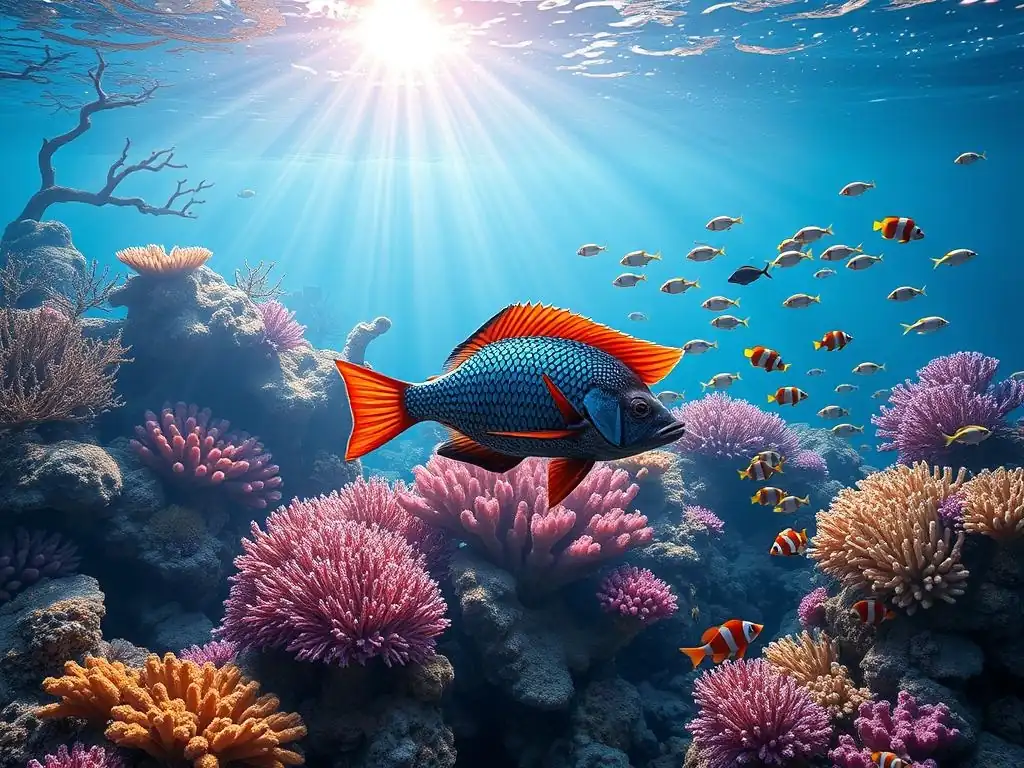
Welcome to Aquarium Mastery!
Dive into the captivating world of saltwater aquariums! Ever wondered if you could keep one of the ocean's most strikingly beautiful fish? Prepare to be amazed! This Redtail Triggerfish care guide unlocks the secrets to successfully keeping Xanthichthys magnificus. Learn everything you need to know about their unique needs and how to create the perfect habitat. Ready to explore the magnificence? Let's get started!
- Introduction to the Magnificent Redtail Triggerfish
- Redtail Triggerfish Care Guide: Essential Information
- Redtail Triggerfish Natural Habitat and Behavior
- Redtail Triggerfish Appearance and Identification
- Setting Up the Ideal Redtail Triggerfish Tank
- Redtail Triggerfish Diet and Feeding
- Water Chemistry and Maintenance for Redtail Triggerfish
- Redtail Triggerfish Tank Mates: Compatibility Considerations
- Common Health Issues and Disease Prevention in Redtail Triggerfish
- Breeding Redtail Triggerfish: Challenges and Possibilities
- Redtail Triggerfish: Pros and Cons of Ownership
- Finding and Purchasing a Healthy Redtail Triggerfish
- Conclusion: Mastering Redtail Triggerfish Care for a Thriving Aquarium.
- Frequently Asked Questions
- Final Reflection: Unveiling the Depths of Responsible Reef Keeping
- Unleash Your Inner Aquarist: Start Your Deep-Sea Adventure!
Introduction to the Magnificent Redtail Triggerfish
Unveiling the Beauty of Xanthichthys magnificus
The Redtail Triggerfish, scientifically known as Xanthichthys magnificus, is a truly captivating deep-water species that stands out in the marine aquarium hobby. Unlike many of its more aggressive triggerfish relatives, this particular species possesses a more subdued temperament while still showcasing the vibrant colors and unique personality that make triggerfish so appealing. Its elegant swimming patterns and striking appearance, characterized by a brilliant red caudal fin and intricate blue body markings, make it a prized specimen for dedicated aquarists.
Originating from the deeper regions of Indo-Pacific reefs, Xanthichthys magnificus is less commonly encountered than shallow-water species, adding to its allure and requiring a more specialized approach to its care. This species thrives in environments that mimic its natural deep-reef habitat, emphasizing the need for stable water parameters and a well-established tank. Its presence in an aquarium signifies a commitment to advanced marine husbandry, highlighting the unique challenges and immense rewards associated with keeping such a specialized and beautiful fish.
Why the Redtail Triggerfish Captivates Aquarium Enthusiasts
The Redtail Triggerfish captivates aquarium enthusiasts primarily due to its unparalleled aesthetic appeal and engaging personality. Its vibrant coloration, featuring a distinctive red tail, intricate blue horizontal lines across its body, and piercing yellow eyes, creates a mesmerizing display in any large marine setup. Beyond its visual charm, Xanthichthys magnificus exhibits an active and curious nature, gracefully navigating its environment and often interacting with its surroundings in a way that provides endless fascination for observers.
For experienced aquarists, the Redtail Triggerfish represents a rewarding challenge. Successfully maintaining this specialized deep-water species requires a deep understanding of marine biology and a commitment to providing an ideal habitat, including specific water parameters and dietary needs. The satisfaction derived from seeing a healthy, thriving Redtail Triggerfish in a carefully curated aquarium is immense, solidifying its status as a highly sought-after centerpiece fish that elevates the sophistication and beauty of a saltwater display.
Redtail Triggerfish Care Guide: Essential Information
Understanding the Specific Needs of Redtail Triggerfish
Providing optimal Redtail Triggerfish care requires a thorough understanding of their specific needs, which are largely dictated by their natural deep-water habitat. Unlike many shallow-water species, Xanthichthys magnificus thrives in highly stable and pristine water conditions, necessitating robust filtration systems and consistent water quality monitoring. They require a substantial tank size, with a minimum of 180 gallons recommended for a single adult, to accommodate their active swimming habits and territorial nature.
Furthermore, their diet is critical. In the wild, Redtail Triggerfish primarily consume zooplankton and small benthic invertebrates, which translates to a diverse diet of high-quality frozen foods in captivity, such as mysis shrimp, krill, and finely chopped seafood. Attention to detail in providing varied nutrition, along with maintaining precise water parameters—including a salinity of 1.023-1.026 SG, pH between 8.1 and 8.4, and a stable temperature range of 74-78°F (23-26°C)—is paramount for their long-term health and vibrancy.
Is a Redtail Triggerfish Right for Your Saltwater Aquarium?
Deciding whether a Redtail Triggerfish is suitable for your saltwater aquarium involves a careful assessment of your resources and experience level. These magnificent fish are not for the novice aquarist; they demand a significant commitment in terms of tank size, equipment, and ongoing maintenance. A minimum tank volume of 180-200 gallons is essential for a single adult, and even larger tanks are preferable for long-term health and to minimize stress. This translates to substantial space requirements and a higher initial investment in equipment, such as powerful protein skimmers and robust filtration.
Beyond the physical tank requirements, the daily Redtail Triggerfish care guide involves dedicated attention to their specialized diet and the rigorous maintenance of pristine water quality. Their semi-aggressive temperament also means careful consideration of tank mates, as they can be territorial or nip at smaller, more docile fish. If you possess the necessary experience, the financial resources, and the dedication to provide a stable, large, and well-maintained environment, then a Redtail Triggerfish can be an incredibly rewarding addition to your marine setup, offering years of beauty and engaging behavior.
Redtail Triggerfish Natural Habitat and Behavior
Exploring the Deep Reef Environment of the Redtail Triggerfish
The Redtail Triggerfish, Xanthichthys magnificus, originates from the mesophotic or "twilight zone" reefs of the Indo-Pacific, typically found at depths ranging from 60 to 200 feet (approximately 18 to 60 meters), though they have been observed even deeper. Their natural habitat consists of steep reef slopes, rocky outcrops, and areas with numerous caves and crevices, where they can find shelter and hunt for small invertebrates. These deep-water environments are characterized by stable temperatures, pristine water quality, and often more subdued lighting compared to shallow reefs.
Replicating this deep-reef environment is crucial for successful Redtail Triggerfish care in captivity. This involves providing ample rockwork with plenty of hiding spots and overhangs, ensuring stable water parameters, and potentially opting for moderate to subdued lighting that mirrors the lower light penetration at their native depths. The calm yet current-rich areas of their natural habitat also suggest the need for moderate water flow in the aquarium, allowing them to swim actively while also providing areas of refuge.
Compared to many other triggerfish species, Xanthichthys magnificus is generally considered one of the more peaceful and less aggressive members of the family. In their natural deep-water habitat, they are often observed solitary or in small, loose aggregations. While they possess the characteristic triggerfish personality of being alert and curious, they typically do not exhibit the same level of overt aggression towards tank mates as species like the Clown Triggerfish ( Balistoides conspicillum) or Undulated Triggerfish ( Balistapus undulatus).
However, it is important to note that "peaceful" is relative in the context of triggerfish. A Redtail Triggerfish can still be territorial, especially towards conspecifics or fish with similar body shapes and coloration. They are also opportunistic feeders and will consume small invertebrates, such as ornamental shrimp and crabs, if given the opportunity. When adding a Redtail Triggerfish to a community tank, careful consideration of tank mate size and temperament is essential to ensure a harmonious environment, making the Redtail Triggerfish care guide for compatibility a key resource.
Redtail Triggerfish Appearance and Identification
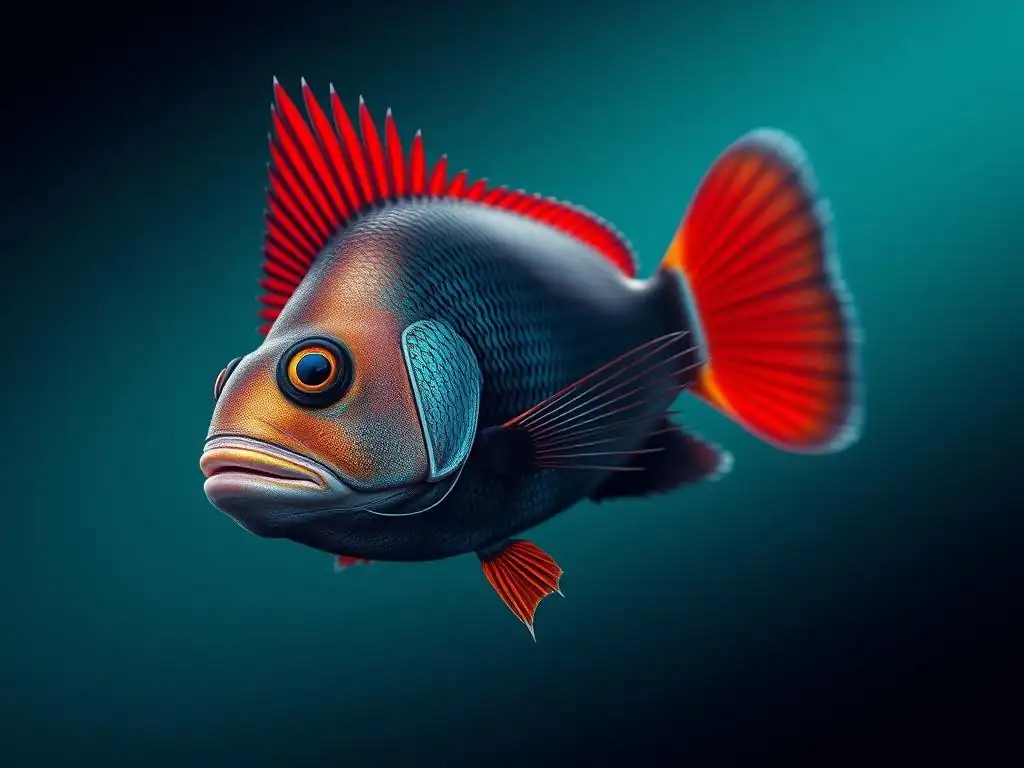
Distinguishing Features: Redtail, Blue Stripes, and More
The Redtail Triggerfish, Xanthichthys magnificus, is aptly named for its most striking feature: a brilliant, flame-red caudal fin that contrasts vividly with its body. The body itself is predominantly a light tan to olive-brown color, adorned with multiple horizontal, iridescent blue stripes that run along its flanks, creating a mesmerizing pattern. These blue lines are particularly vibrant and become more pronounced as the fish matures, adding to its overall allure.
Further distinguishing features include relatively large, expressive eyes that are often rimmed with yellow or orange, providing excellent vision for hunting in deeper waters. Its mouth is comparatively small for a triggerfish, reflecting its diet of smaller invertebrates and zooplankton rather than large fish or crustaceans. The body shape is typically oval and laterally compressed, allowing for agile movement through rocky crevices. This combination of the red tail, blue stripes, and unique eye coloration makes Xanthichthys magnificus easily identifiable and a true showstopper in any marine aquarium.
Size and Lifespan of the Redtail Triggerfish in Captivity
In a well-maintained captive environment, the Redtail Triggerfish ( Xanthichthys magnificus) can reach an impressive adult size, typically growing to about 6 to 8 inches (approximately 15 to 20 centimeters) in length. Some exceptional specimens, particularly those in very large aquariums with optimal conditions, have been reported to reach up to 9 inches. Their growth rate is generally moderate, allowing them to adapt gradually to their environment if introduced as juveniles.
With proper Redtail Triggerfish care, including a balanced diet, pristine water quality, and a spacious tank, these resilient fish can enjoy a significant lifespan in captivity. It is not uncommon for Xanthichthys magnificus to live for 5 to 10 years, and some dedicated aquarists have reported lifespans exceeding a decade. Longevity is directly correlated with the consistency and quality of husbandry provided, emphasizing the importance of adhering to a comprehensive Redtail Triggerfish care guide for their long-term well-being.
Setting Up the Ideal Redtail Triggerfish Tank
Tank Size Requirements for a Healthy Redtail Triggerfish
The tank size is a critical component of successful Redtail Triggerfish care, directly impacting their health, growth, and temperament. For a single adult Xanthichthys magnificus, a minimum tank volume of 180 gallons (approximately 680 liters) is strongly recommended. While some sources might suggest slightly smaller tanks, providing ample swimming space is paramount for this active species, especially given its potential adult size of 8-9 inches.
Larger tanks, ideally 200 gallons or more, offer even greater stability in water parameters, dilute waste more effectively, and provide more territory, which can help mitigate any potential aggression towards tank mates. The length and width of the tank are often more important than height, as they prefer horizontal swimming space. A tank that is at least 6 feet long and 2 feet wide will provide adequate room for exploration and exercise, essential for a thriving Redtail Triggerfish.
Essential Equipment: Filtration, Lighting, and Water Parameters
To ensure optimal Redtail Triggerfish care, robust and reliable equipment is non-negotiable. Filtration should be comprehensive, encompassing mechanical, biological, and chemical components. A large sump with a high-quality protein skimmer is essential for efficiently removing organic waste, given the fish's bioload. Biological filtration, such as live rock and bio-media, will process ammonia and nitrite, while chemical filtration (e.g., activated carbon, GFO) will maintain water clarity and remove undesirable dissolved organics.
Lighting for Xanthichthys magnificus should be moderate to subdued, mimicking their deep-water natural habitat. While they do not have specific lighting requirements for photosynthesis, excessive brightness can stress them. Stable water parameters are crucial: a temperature range of 74-78°F (23-26°C), salinity of 1.023-1.026 SG, and pH of 8.1-8.4. Reliable heaters, a thermometer, and potentially a chiller (depending on ambient room temperature) are necessary to maintain temperature stability. Additionally, moderate to strong water flow, created by powerheads, will ensure good oxygenation and distribute food, mirroring the currents of their native reef environment.
Creating a Suitable Reef Environment for Xanthichthys magnificus
Creating a suitable reef environment for Xanthichthys magnificus involves more than just aesthetics; it's about providing a functional and secure habitat that mimics their deep-water origins. Ample rockwork is paramount, offering numerous caves, crevices, and overhangs where the fish can retreat, explore, and establish territories. These hiding spots are crucial for their sense of security, especially during the initial acclimation period or when feeling stressed.
When aquascaping, ensure that all rock structures are stable and securely placed to prevent collapses, which could injure the fish or damage the tank. While Redtail Triggerfish are not typically sand-sifters, a fine to medium sand bed can be used, though it is not a critical component of their habitat. The focus should be on creating a complex and stimulating environment that provides both open swimming areas and secure retreats, contributing significantly to a comprehensive Redtail Triggerfish care guide.
Redtail Triggerfish Diet and Feeding
What Do Redtail Triggerfish Eat? Natural Diet vs. Aquarium Food
In their natural deep-water habitat, Redtail Triggerfish ( Xanthichthys magnificus) primarily feed on a varied diet of zooplankton, small crustaceans, and other benthic invertebrates found within crevices and on the reef substrate. Unlike some larger, more predatory triggerfish, Xanthichthys magnificus is not typically piscivorous (fish-eating) and their smaller mouth size reflects this dietary preference. This natural diet provides essential nutrients and pigments for their vibrant coloration and overall health.
In the aquarium, replicating this diverse diet is crucial for optimal Redtail Triggerfish care. A primary diet should consist of high-quality frozen foods such as mysis shrimp, brine shrimp (enriched), krill, copepods, and finely chopped meaty foods like squid, clam, and various types of marine fish flesh. Offering a variety of these items ensures a balanced nutritional intake. While they may occasionally accept high-quality pellets or flakes, these should only supplement their primary frozen food diet.
Recommended Feeding Schedule and Food Types
For a healthy Redtail Triggerfish, a consistent and varied feeding schedule is vital. Juveniles should be fed 2-3 times per day to support their growth, while adult specimens can thrive on 1-2 feedings per day. It is generally better to offer smaller portions more frequently than large, infrequent meals, as this helps maintain water quality and prevents overfeeding. Observe the fish to ensure all food is consumed within a few minutes, adjusting portion sizes accordingly.
The food types offered should be diverse to prevent nutritional deficiencies. Key frozen foods include mysis shrimp, brine shrimp (preferably enriched with spirulina or vitamins), krill, and various finely chopped seafoods like squid, clam, and shrimp. Supplementation with vitamin-enriched formulas (e.g., Selcon) several times a week, by soaking the frozen foods before feeding, is highly recommended to boost their immune system and enhance their coloration. This varied diet is a cornerstone of effective Redtail Triggerfish care.
Preventing Nutritional Deficiencies in Redtail Triggerfish
Preventing nutritional deficiencies in Redtail Triggerfish is paramount for their long-term health and vibrant coloration. A lack of essential vitamins and minerals can lead to faded colors, lethargy, fin erosion, and a weakened immune system, making them more susceptible to disease. The most effective way to prevent these issues is by offering a highly varied and high-quality diet that mimics their natural food sources as closely as possible.
Regularly rotating through different types of frozen foods—such as mysis shrimp, krill, enriched brine shrimp, and finely chopped fresh seafood like squid or clam—ensures a broad spectrum of nutrients. Furthermore, soaking frozen foods in a liquid vitamin supplement, such as Selcon or garlic guard, several times a week, significantly boosts their nutritional value. Avoid relying solely on dry foods, which often lack the full nutritional profile required. Consistent monitoring of the fish's appearance and behavior, coupled with a diligent feeding regimen, forms a robust part of a comprehensive Redtail Triggerfish care guide.
Water Chemistry and Maintenance for Redtail Triggerfish
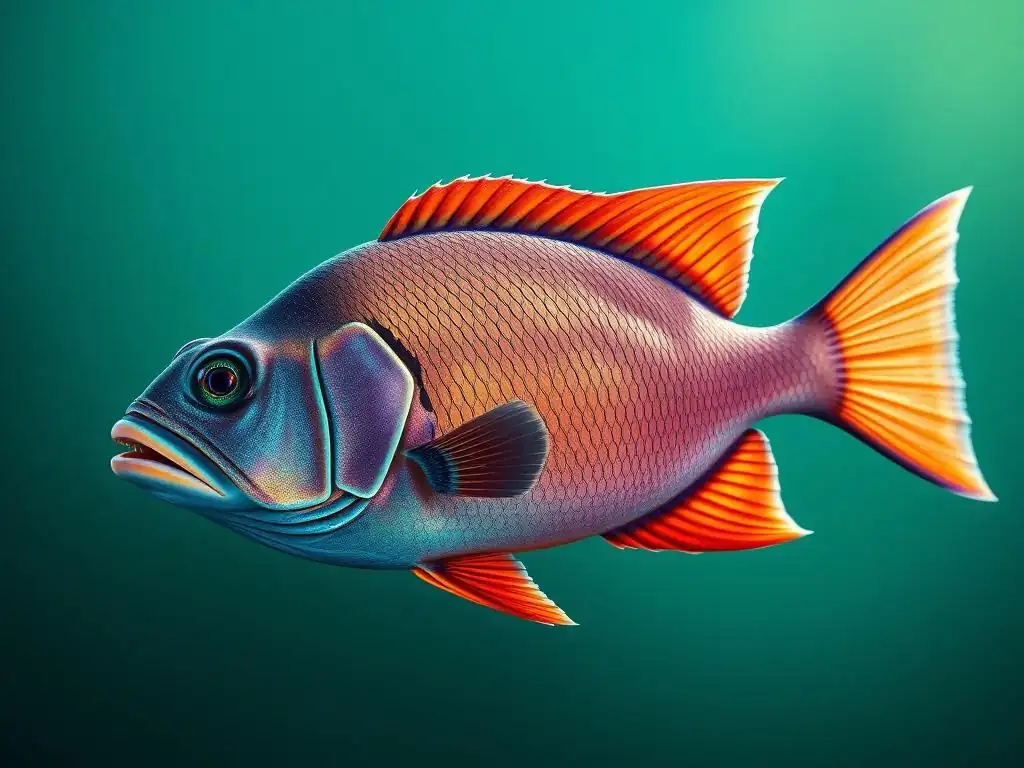
Maintaining Optimal Water Parameters: Salinity, pH, Temperature
Maintaining optimal and stable water parameters is arguably the most critical aspect of Redtail Triggerfish care. For salinity, a specific gravity (SG) range of 1.023 to 1.026 is ideal, closely mimicking natural ocean conditions. Fluctuations outside this range can cause significant stress. The pH level should be consistently maintained between 8.1 and 8.4, which supports proper biological processes and prevents acidosis or alkalosis. Regular testing with a reliable pH meter or test kit is essential.
Temperature stability is equally important, with a target range of 74-78°F (23-26°C). Rapid temperature swings can severely compromise the fish's immune system. Beyond these primary parameters, ammonia and nitrite levels must always be undetectable (0 ppm), and nitrates should be kept as low as possible, ideally below 10-20 ppm. Consistent monitoring of alkalinity (8-12 dKH), calcium (400-450 ppm), and magnesium (1200-1350 ppm) is also beneficial for overall water stability, even though Redtail Triggerfish are not reef inhabitants.
Regular Water Changes and Tank Maintenance for Redtail Triggerfish Health
Regular water changes are a cornerstone of effective Redtail Triggerfish care, crucial for diluting accumulated nitrates, replenishing essential trace elements, and maintaining overall water quality. A common recommendation is a 10-20% water change weekly or bi-weekly, depending on the tank's bioload and filtration efficiency. Using high-quality reverse osmosis/deionized (RO/DI) water mixed with a reputable marine salt mix ensures that no unwanted contaminants are introduced.
Beyond water changes, consistent tank maintenance is vital. This includes regular cleaning of the protein skimmer collection cup, rinsing or replacing mechanical filter media (such as filter socks or sponges) as needed, and periodically vacuuming any visible detritus from the substrate. Inspecting pumps, heaters, and powerheads for proper function and cleanliness should also be part of the routine. Diligent maintenance practices prevent the buildup of toxins and contribute significantly to a pristine environment essential for the Redtail Triggerfish's long-term health.
Monitoring and Adjusting Water Quality for Xanthichthys magnificus
Proactive monitoring of water quality is indispensable for the health of Xanthichthys magnificus. Regular testing for key parameters—salinity, pH, temperature, ammonia, nitrite, and nitrate—should be performed at least weekly, if not more frequently, especially in newer setups or when issues arise. Utilizing accurate and reliable test kits or digital meters is crucial for obtaining precise readings, and keeping a log of these results can help identify trends and potential problems before they escalate.
If water parameters deviate from the optimal ranges, prompt adjustment is necessary. For example, elevated nitrates can be reduced through increased water change frequency or by enhancing biological filtration. Low pH can often be corrected by improving aeration or conducting water changes. Addressing issues promptly, rather than waiting for visible signs of distress in the fish, is a hallmark of excellent Redtail Triggerfish care. Consistent monitoring empowers aquarists to maintain the stable, pristine conditions that Xanthichthys magnificus requires to thrive.
Redtail Triggerfish Tank Mates: Compatibility Considerations
Selecting Compatible Fish for a Peaceful Community Tank
While generally more peaceful than many other triggerfish species, the Redtail Triggerfish ( Xanthichthys magnificus) still requires careful consideration when selecting tank mates for a community aquarium. Compatible fish should be of a similar size or larger, possess a semi-aggressive temperament that can hold its own, and not be small enough to be viewed as a potential food source. Ideal companions include larger angelfish (such as Emperor or Queen Angelfish), various tangs (e.g., Yellow, Kole, Blue), and certain puffers (like Dogface or Porcupine Puffers, if tank size permits).
Other suitable options can include some larger wrasses, such as the Harlequin Tusk or Lunar Wrasse, and even smaller, less aggressive species of groupers. The key is to choose species that are robust enough to coexist with a triggerfish but are not excessively aggressive themselves, which could lead to stress or injury for the Redtail. Providing ample hiding spots and territory for all inhabitants within a spacious tank also helps to minimize potential conflicts.
Fish to Avoid: Aggressive or Incompatible Tank Mates
When planning a Redtail Triggerfish care guide for tank mates, it's crucial to identify species to avoid to prevent aggression, predation, or undue stress. Highly aggressive triggerfish, such as the Clown Triggerfish ( Balistoides conspicillum) or Undulated Triggerfish ( Balistapus undulatus), are generally incompatible as they will often outcompete or severely bully the more passive Redtail. Similarly, very small, docile, or slow-moving fish, like many gobies, firefish, or small damsels, should be avoided as they may be perceived as prey.
Furthermore, Xanthichthys magnificus is not considered reef-safe with ornamental invertebrates. They will readily consume crustaceans such as cleaner shrimp, peppermint shrimp, and various crabs, and may also nip at snails. While they generally leave corals alone, their active nature and occasional curiosity might lead to accidental damage to delicate coral polyps. Therefore, a dedicated fish-only-with-live-rock (FOWLR) system is typically the most appropriate setup for a Redtail Triggerfish.
Compatible and Incompatible Tank Mates
To simplify tank mate selection for your Redtail Triggerfish care guide, here's a quick reference:
- Compatible Tank Mates:
- Large Angelfish (e.g., Emperor Angelfish, Queen Angelfish)
- Tangs (e.g., Yellow Tang, Kole Tang, Blue Tang)
- Puffers (e.g., Dogface Puffer, Porcupine Puffer, depending on tank size)
- Lionfish (if tank size and feeding habits align, avoiding very small species)
- Large Wrasses (e.g., Harlequin Tusk Wrasse, Lunar Wrasse)
- Hawkfish (larger species)
- Less aggressive Groupers (e.g., Miniatus Grouper, if tank size allows)
- Dottybacks (larger, more robust species)
- Incompatible Tank Mates:
- Small, docile fish (e.g., Ocellaris Clownfish, Firefish, small Gobies, small Damsels)
- Most ornamental shrimp (e.g., Cleaner Shrimp, Peppermint Shrimp)
- Small crabs and snails
- Other aggressive triggerfish (e.g., Clown Triggerfish, Undulated Triggerfish, Picasso Triggerfish)
- Fish with long, flowing fins that could be nipped (e.g., some fairy wrasses, certain angelfish)
- Very delicate or slow-moving invertebrates that could be prey.
Common Health Issues and Disease Prevention in Redtail Triggerfish
Identifying Signs of Illness in Your Redtail Triggerfish
Early identification of illness is a crucial aspect of effective Redtail Triggerfish care. A healthy Xanthichthys magnificus typically exhibits vibrant coloration, active swimming, clear eyes, and a robust appetite. Any deviation from these norms should prompt immediate investigation. Common signs of illness include faded or dull coloration, clamped fins held close to the body, rapid or labored breathing, and visible white spots or patches on the body or fins (indicative of Ich or Marine Velvet).
Other indicators of poor health might include cloudy eyes, a loss of appetite or refusal to eat, abnormal swimming patterns (such as erratic movements or remaining listless at the bottom), and visible lesions, sores, or fin erosion. Swelling or bloating of the body can also signal internal issues. Daily observation during feeding times and general activity allows aquarists to quickly spot these subtle changes, enabling prompt intervention and improving the chances of successful treatment.
Common Diseases Affecting Redtail Triggerfish and Treatment Options
Redtail Triggerfish, like all marine fish, are susceptible to common saltwater diseases, primarily parasitic infections such as Marine Ich ( Cryptocaryon irritans) and Marine Velvet ( Amyloodinium ocellatum). These are often introduced by new, unquarantined fish or through stress due to poor water quality. Signs include white spots resembling salt grains (Ich) or a dusty, velvet-like coating (Velvet), often accompanied by rapid breathing and scratching against decor.
Treatment options for these parasitic diseases often involve copper-based medications or hyposalinity (gradually reducing salinity to 1.009-1.010 SG), typically administered in a dedicated quarantine or hospital tank to avoid harming invertebrates or beneficial bacteria in the main display. Bacterial infections, often manifesting as fin rot, cloudy eyes, or body sores, may require broad-spectrum antibiotics, often mixed with food. Fungal infections are less common but can be treated with specific antifungal medications. Always follow product instructions carefully and consult with an experienced aquarist or aquatic veterinarian for accurate diagnosis and tailored treatment plans within your Redtail Triggerfish care regimen.
Quarantine Procedures for New Arrivals
Implementing a strict quarantine procedure for all new Redtail Triggerfish, and indeed all new marine fish, is the single most effective measure in preventing the introduction of diseases into your main display tank. A dedicated quarantine tank (QT) should be set up with a heater, a small power filter or sponge filter, and PVC pipes or other inert decor for hiding spots. The QT should be bare-bottomed to facilitate cleaning and observation.
New arrivals should be housed in the QT for a minimum of 4-6 weeks. During this period, observe the fish closely for any signs of illness, feed them a nutritious diet, and perform regular small water changes. Many aquarists opt for prophylactic treatment during quarantine, such as a freshwater dip upon arrival, or a low-dose copper treatment for common parasites like Ich. This proactive approach significantly reduces the risk of devastating outbreaks in your established aquarium, making it an indispensable part of comprehensive Redtail Triggerfish care.
Breeding Redtail Triggerfish: Challenges and Possibilities
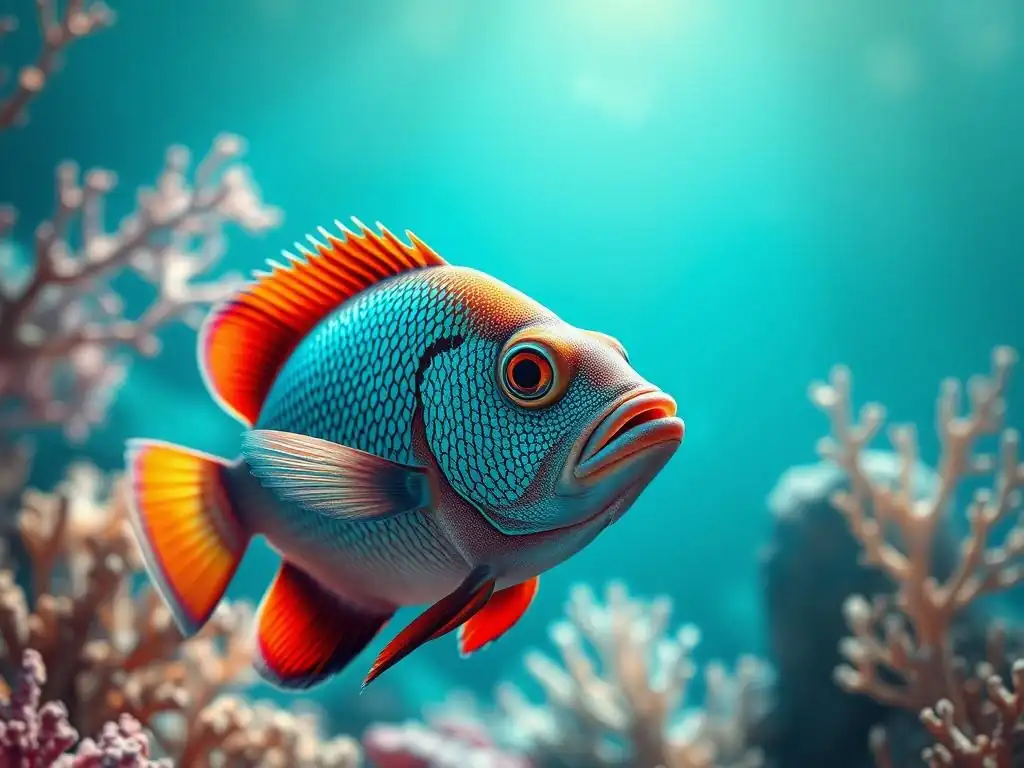
Understanding the Reproductive Behavior of Xanthichthys magnificus
Information regarding the precise reproductive behavior of Xanthichthys magnificus in their natural deep-water habitat is limited due to the challenges of observing them at significant depths. However, like many other triggerfish species, it is believed that Redtail Triggerfish engage in pair spawning or small group spawning. They are likely pelagic spawners, meaning they release buoyant eggs into the water column, which then drift with ocean currents as part of the plankton before hatching.
The eggs are typically very small and hatch into microscopic larval stages that are highly dependent on specific planktonic food sources for survival. This pelagic larval phase is a critical bottleneck for captive breeding, as replicating the precise environmental conditions and providing adequate nutrition for these minute larvae is exceedingly difficult. While observations in the wild are scarce, understanding these general reproductive patterns helps illuminate the complexities involved in any potential captive breeding efforts.
The Difficulty of Breeding Redtail Triggerfish in Captivity
Breeding Redtail Triggerfish ( Xanthichthys magnificus) in captivity is considered extremely challenging, and there are very few, if any, documented successful attempts by hobbyists or even commercial aquaculture facilities. This difficulty stems from several factors. Firstly, conditioning a breeding pair in a home aquarium requires an exceptionally large tank and pristine, stable water conditions over an extended period. Inducing spawning also often necessitates specific environmental cues that are hard to replicate, such as changes in water flow, light cycles, or temperature, mimicking seasonal shifts.
Secondly, even if spawning occurs, the pelagic nature of their eggs and the microscopic size of their larvae present the most significant hurdle. Rearing these delicate larvae requires specialized rotifer and copepod cultures of the exact size and nutritional density, along with precise water flow, lighting, and water quality in dedicated larval rearing tanks. The mortality rate for marine fish larvae is notoriously high, making the successful propagation of Xanthichthys magnificus a monumental task, highlighting why a specific Redtail Triggerfish care guide for breeding is virtually non-existent.
Future Research and Breeding Potential
Despite the current difficulties, the future of Redtail Triggerfish breeding in captivity holds potential, driven by ongoing advancements in marine aquaculture technology and a deeper understanding of fish larval biology. As research into the specific environmental triggers for spawning in deep-water species progresses, and techniques for culturing diverse types of microscopic live feeds improve, the possibility of successfully breeding Xanthichthys magnificus may become more feasible.
Efforts by public aquariums and specialized research institutions are continually pushing the boundaries of captive breeding for challenging marine species. Should successful breeding methods be developed for the Redtail Triggerfish, it would significantly reduce reliance on wild-caught specimens, contributing to conservation efforts and providing a more sustainable source for the aquarium hobby. Such breakthroughs would also pave the way for a truly comprehensive Redtail Triggerfish care guide that includes breeding protocols.
Redtail Triggerfish: Pros and Cons of Ownership
Advantages of Keeping a Redtail Triggerfish
Keeping a Redtail Triggerfish ( Xanthichthys magnificus) offers several compelling advantages for the dedicated marine aquarist. Foremost among these is its stunning aesthetic appeal; its vibrant red tail, iridescent blue stripes, and unique personality make it an undeniable centerpiece in any large aquarium. Unlike some of its more notoriously aggressive triggerfish relatives, the Redtail Triggerfish is generally more peaceful, allowing for a broader range of compatible tank mates in a well-planned setup.
Furthermore, Xanthichthys magnificus is an active and intelligent fish that provides constant entertainment and engagement for its owner. Its curious nature and graceful swimming patterns contribute to a dynamic and visually appealing display. For experienced aquarists, successfully maintaining such a specialized and beautiful deep-water species is a highly rewarding challenge, demonstrating advanced husbandry skills and creating a truly unique and impressive marine environment.
Potential Challenges and Considerations Before Acquiring
Despite its many advantages, there are several significant challenges and considerations that prospective owners must address before acquiring a Redtail Triggerfish. The most prominent is the substantial tank size requirement; a minimum of 180-200 gallons is necessary for a single adult, which translates to considerable space and financial investment in equipment. Their need for pristine and stable water parameters demands robust filtration, consistent monitoring, and regular maintenance, making them unsuitable for beginner aquarists.
Another consideration is their specialized diet; they require a varied diet of high-quality frozen foods, which must be consistently provided to prevent nutritional deficiencies. While more peaceful than other triggers, they are still opportunistic predators and cannot be housed with small, docile fish or most ornamental invertebrates. The cost of acquisition can also be higher than more common species, reflecting their deep-water origins and less frequent availability. Therefore, a thorough understanding and commitment to the comprehensive Redtail Triggerfish care guide is essential to ensure a healthy and thriving specimen.
Finding and Purchasing a Healthy Redtail Triggerfish
Selecting a Reputable Source for Your Redtail Triggerfish
When embarking on the journey of Redtail Triggerfish care, selecting a reputable source for your Xanthichthys magnificus is paramount for ensuring you acquire a healthy and well-acclimated specimen. Avoid impulse purchases from unknown vendors. Instead, seek out established local fish stores or highly-rated online marine livestock retailers with a proven track record of ethical sourcing and proper animal husbandry.
A reputable source will typically have fish that are active, alert, and free of visible signs of disease. They should be able to provide information about the fish's origin, how long it has been in their care, and what diet it has been accepting. Inquire about their quarantine protocols for new arrivals; a store that quarantines its fish significantly reduces the risk of introducing diseases into your home aquarium. Reading customer reviews and seeking recommendations from experienced aquarists can also help identify trusted suppliers for your Redtail Triggerfish.
Identifying Signs of a Healthy Specimen
Upon finding a potential Redtail Triggerfish for your aquarium, it's crucial to be able to identify the signs of a healthy specimen. A healthy Xanthichthys magnificus will exhibit vibrant, unfaded coloration, with its distinctive red tail and blue stripes clearly visible and intense. Its eyes should be clear and bright, not cloudy or sunken. The fish should be actively swimming, alert, and responsive to its surroundings, not listless or hiding excessively unless recently disturbed.
Observe its fins; they should be fully extended, intact, and free from tears, fraying, or white spots. Check for any visible lesions, sores, or abnormal growths on its body. Crucially, a healthy Redtail Triggerfish should have a good appetite and readily accept food when offered. Avoid any fish that is gasping at the surface, has clamped fins, or shows signs of rapid breathing, as these are common indicators of stress or illness. Selecting a robust individual is the first vital step in successful Redtail Triggerfish care.
Conclusion: Mastering Redtail Triggerfish Care for a Thriving Aquarium.
Mastering Redtail Triggerfish care is a rewarding endeavor that culminates in a stunning and thriving aquarium centerpiece. This detailed guide has illuminated the specific needs of Xanthichthys magnificus, from the necessity of a spacious 180-gallon-plus tank and pristine water parameters to a varied diet of high-quality frozen foods. Successfully maintaining this deep-water beauty demands consistent dedication to water chemistry, robust filtration, and careful selection of compatible tank mates.
While the challenges of keeping a Redtail Triggerfish are significant, particularly for those new to the hobby, the immense satisfaction derived from witnessing its vibrant colors and engaging personality in a meticulously maintained environment is unparalleled. By adhering to the comprehensive Redtail Triggerfish care guide outlined here, aquarists can ensure a long, healthy, and vibrant life for their Xanthichthys magnificus, transforming their aquarium into a testament to advanced marine husbandry and a captivating display of natural beauty.
Frequently Asked Questions
What is the ideal tank size for a Redtail Triggerfish?
Redtail Triggerfish need a large tank due to their size and activity level. A minimum of 125 gallons is recommended, but larger is always better to provide ample swimming space.
What are the ideal water parameters for a Redtail Triggerfish?
Maintaining stable water parameters is crucial. Aim for a temperature of 72-78°F (22-26°C), a specific gravity of 1.023-1.025, and a pH of 8.1-8.4.
What should I feed my Redtail Triggerfish?
Redtail Triggerfish are omnivores and need a varied diet. Offer a mix of high-quality marine flakes or pellets, along with frozen foods like mysis shrimp, brine shrimp, and chopped seafood.
Are Redtail Triggerfish reef safe?
Generally, Redtail Triggerfish are considered reef safe with caution. They may nip at corals or invertebrates if not properly fed, so careful observation is required.
What are some common health issues to watch out for with Redtail Triggerfish?
Watch out for signs of ich (white spot disease), marine velvet, and bacterial infections. Maintaining excellent water quality and providing a proper diet can help prevent these problems.
Final Reflection: Unveiling the Depths of Responsible Reef Keeping
The journey into understanding the Redtail Triggerfish (Xanthichthys magnificus) reveals more than just the intricacies of a stunning deep-water species; it underscores the critical responsibility we bear as stewards of our planet's delicate ecosystems. As the demand for these magnificent creatures grows, so too does the urgency to ensure their well-being through informed and ethical care practices.
This exploration has profoundly influenced my perspective on reef keeping, highlighting the interconnectedness of our actions and the health of marine environments. It's a constant reminder that beauty comes with responsibility, and that our choices directly impact the survival of these incredible creatures. In the end, we will conserve only what we love; we will love only what we understand; and we will understand only what we are taught.
- Baba Dioum. This quote encapsulates the essence of responsible reef keeping: education, understanding, and ultimately, conservation.
Now, I invite you to reflect on your own role in the aquarium hobby. Consider the impact of your choices, and strive to become a more informed and conscientious aquarist. Let the knowledge gained from this guide inspire you to create a thriving environment for your Redtail Triggerfish, and to champion the cause of responsible reef keeping, ensuring that future generations can marvel at the beauty of these magnificent creatures.
Unleash Your Inner Aquarist: Start Your Deep-Sea Adventure!
Thanks for diving deep with us into the fascinating world of the Redtail Triggerfish! We hope you've gained a new appreciation for this stunning species and its unique needs. Now, let's turn that knowledge into action!
Here's how you can take the next step:
- Begin researching the specific requirements for a deep-water aquarium setup if you're seriously considering owning a Redtail Triggerfish. Pay close attention to tank size, water parameters, and appropriate tank mates.
- Share this article with fellow aquarium enthusiasts and spark a conversation about the challenges and rewards of keeping less common species.
- Explore other fascinating fish profiles on Aquarium Mastery and expand your knowledge of the aquatic world.
What unique challenges do you anticipate facing when setting up an aquarium for a less common species like the Redtail Triggerfish?