
Longnose Butterflyfish (Forcipiger flavissimus): The Yellow Arrow's Precise Aquarium Needs

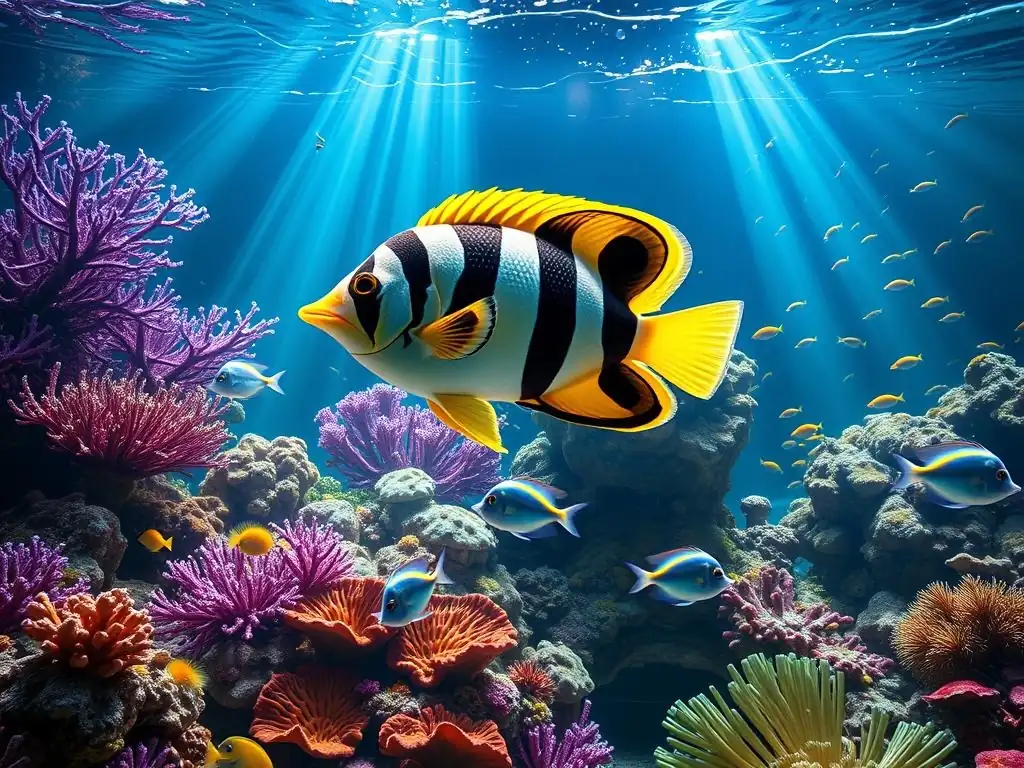
Welcome to Aquarium Mastery!
Ever wondered if you have what it takes to keep the striking Yellow Arrow thriving in your saltwater aquarium? Dive in! This guide will help you navigate the specifics of Yellow Arrow Butterflyfish care, revealing the secrets to creating the perfect environment for these fascinating fish. Prepare to unlock the knowledge you need to ensure your Longnose Butterflyfish flourishes – are you ready to learn what it takes?
- Introduction to the Yellow Arrow Butterflyfish
- Understanding the Needs of Forcipiger flavissimus
-
Frequently Asked Questions
- How difficult is it to care for a Longnose Butterflyfish (Yellow Arrow Butterflyfish) in a home aquarium?
- What is the ideal tank size and water parameters for a Yellow Arrow Butterflyfish?
- What do Longnose Butterflyfish (Yellow Arrow Butterflyfish) eat in an aquarium setting?
- Are Yellow Arrow Butterflyfish reef-safe, and what tank mates are suitable?
- What are some common health issues to watch out for in Longnose Butterflyfish (Yellow Arrow Butterflyfish)?
- Final Reflection: Appreciating the Delicate Balance
- Unleash the Yellow Arrow: Your Next Aquarium Adventure!
Introduction to the Yellow Arrow Butterflyfish
Overview of Forcipiger flavissimus
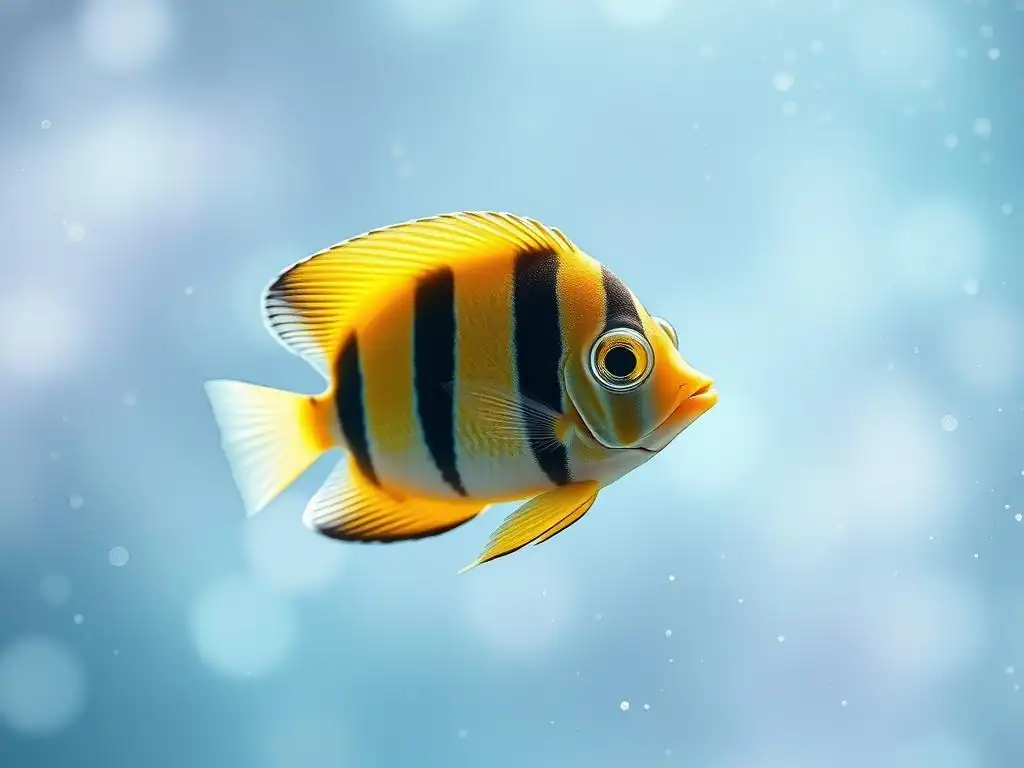
The Longnose Butterflyfish, scientifically known as Forcipiger flavissimus, is a captivating marine species highly sought after by saltwater aquarists for its distinctive appearance and graceful movements. Characterized by its vibrant yellow body, slender black snout, and a prominent black eyespot on its dorsal fin, this fish can reach an average adult size of 6 to 8 inches (approximately 15 to 20 cm) in a home aquarium.
Native to the vast Indo-Pacific region, from the Red Sea to the Hawaiian Islands, Forcipiger flavissimus typically inhabits outer reef slopes and lagoons, often found gracefully navigating coral formations at depths ranging from 3 to 120 feet. Its long snout is a specialized adaptation, used for probing crevices and extracting small invertebrates, a behavior that underscores its unique feeding habits in the wild.
In the aquarium trade, Forcipiger flavissimus is often referred to as the Yellow Longnose Butterflyfish or simply the Yellow Arrow Butterflyfish, a nod to its pointed snout and swift, darting movements through the water column. While undeniably beautiful, this species is considered moderately difficult to care for, requiring stable water parameters, a mature tank environment, and a specialized diet to thrive.
Their delicate nature means they are not ideal for novice aquarists, but for those willing to commit to their specific needs, the reward is a truly stunning and engaging addition to a well-maintained reef or fish-only-with-live-rock (FOWLR) system. Proper Yellow arrow butterflyfish care necessitates a deep understanding of their natural behaviors and environmental preferences.
Why Choose a Longnose Butterflyfish for Your Saltwater Aquarium?
The aesthetic appeal of the Longnose Butterflyfish is arguably its most compelling attribute for many aquarists. Its striking lemon-yellow coloration, contrasted with the elegant black markings and elongated snout, brings a unique visual dynamic to any saltwater setup. Unlike some more sedentary species, the Yellow Arrow Butterflyfish is an active swimmer, constantly exploring its environment, which adds a lively and engaging element to the aquarium. Observing its precise movements and distinctive foraging style can be a source of constant fascination for the dedicated hobbyist.
Beyond their beauty, choosing a Longnose Butterflyfish presents a rewarding challenge for experienced aquarists. Successfully maintaining Forcipiger flavissimus demonstrates a commitment to advanced Yellow arrow butterflyfish care, requiring diligent attention to water quality, diet, and tank compatibility. For those who have mastered the basics of saltwater aquariums, the Longnose Butterflyfish offers an opportunity to expand their expertise and enjoy the satisfaction of keeping a more specialized and sensitive species. While their delicate nature demands careful consideration, the vibrancy and unique character they bring to a tank make them a highly desirable choice for the dedicated marine enthusiast.
Understanding the Needs of Forcipiger flavissimus
Optimal Aquarium Size for Yellow Longnose Butterflyfish
Providing an appropriately sized aquarium is paramount for the long-term health and well-being of the Yellow Longnose Butterflyfish. For a single adult specimen, a tank of at least 75 gallons (approximately 280 liters) is considered the absolute minimum. This volume allows for adequate swimming space, which is crucial for this active species, and helps maintain greater stability in water parameters.
However, to truly allow Forcipiger flavissimus to thrive and exhibit its natural behaviors, a 100-gallon (approximately 375 liters) or larger aquarium is highly recommended. Larger tanks provide more room for intricate rockwork, reducing stress and offering ample territory, which is especially important if considering keeping them with certain tank mates.
The rationale behind recommending larger volumes extends beyond just physical space. A greater water volume dilutes waste products more effectively, making it easier to keep ammonia, nitrite, and nitrate levels in check. For a species as sensitive to water quality as the Longnose Butterflyfish, this inherent stability is a significant advantage. Furthermore, a spacious environment reduces aggression, both from and towards other fish, contributing to a more harmonious community tank. Investing in a sufficiently large aquarium from the outset is a foundational step in ensuring successful Yellow arrow butterflyfish care and promoting a long, healthy life for your specimen.
Water Parameters: Maintaining a Healthy Environment
Maintaining precise and stable water parameters is arguably the most critical aspect of Yellow arrow butterflyfish care, as Forcipiger flavissimus is highly sensitive to fluctuations. Consistent monitoring and adjustment are essential to prevent stress and disease.
Temperature Requirements for Longnose Butterflyfish
The Longnose Butterflyfish thrives within a stable temperature range that mimics its natural tropical reef habitat. The ideal temperature for Forcipiger flavissimus is between 75°F and 82°F (24°C to 28°C). Maintaining consistency within this range is more important than hitting an exact number, as sudden or significant temperature swings can induce severe stress, weakening the fish's immune system and making it susceptible to common marine diseases like Ich (Cryptocaryon irritans).
To ensure stable temperatures, aquarists should employ reliable submersible heaters, ideally with a built-in thermostat, and use an accurate thermometer for daily monitoring. For larger tanks, multiple heaters might be necessary to distribute heat evenly and prevent cold spots. Regular checks of heater functionality and temperature readings are a non-negotiable part of diligent Yellow arrow butterflyfish care.
Salinity and pH Levels for Optimal Health
Salinity and pH are two other vital water parameters that must be meticulously maintained for the Longnose Butterflyfish. The specific gravity (SG) should be kept within the range of 1.020 to 1.025, corresponding to a salinity of approximately 30-35 parts per thousand (ppt). A stable pH level between 8.1 and 8.4 is also crucial. Fluctuations in either salinity or pH can severely impact the fish's osmoregulation and overall metabolic functions, leading to stress, lethargy, and increased susceptibility to disease.
Regular testing with accurate hydrometers or refractometers for salinity and reliable pH test kits or monitors is essential. Consistent monitoring allows for prompt adjustments through precise additions of saltwater or buffering agents. Small, frequent adjustments are always preferable to large, sudden changes to avoid shocking the delicate Forcipiger flavissimus. This careful attention to detail forms the backbone of effective Yellow arrow butterflyfish care.
Importance of Water Quality for Butterflyfish
Beyond temperature, salinity, and pH, the overall water quality, particularly the levels of nitrogenous compounds, is paramount for the health of Forcipiger flavissimus. Ammonia (NH3), nitrite (NO2-), and nitrate (NO3-) are byproducts of the nitrogen cycle, and their accumulation can be highly toxic. Ammonia and nitrite should always be undetectable (0 ppm) in a mature saltwater aquarium, as even trace amounts can be lethal to sensitive species like butterflyfish. Nitrate levels, while less toxic, should be kept below 10-20 ppm, ideally closer to 0 ppm, to prevent chronic stress and long-term health issues.
Achieving and maintaining pristine water quality requires a robust filtration system, including mechanical, chemical, and biological filtration, alongside a consistent schedule of partial water changes. Performing 10-20% bi-weekly or 25% monthly water changes, using properly mixed and aged saltwater, helps replenish essential trace elements and remove accumulated pollutants. Neglecting water quality is a common pitfall in Yellow arrow butterflyfish care and can lead to irreversible health problems or even loss of the fish.
Lighting and Substrate Considerations
For the Longnose Butterflyfish, lighting requirements are relatively straightforward compared to reef invertebrates. Moderate lighting is generally sufficient, as Forcipiger flavissimus does not directly benefit from intense light like photosynthetic corals. However, mimicking their natural environment, which includes bright reef sunlight, is beneficial for their overall well-being and helps establish a natural day/night cycle. Excessive or inappropriate lighting can stress the fish or contribute to nuisance algae blooms, which can indirectly impact water quality. A photoperiod of 10-12 hours per day is typical and well-suited for a tank housing a Yellow Arrow Butterflyfish.
Regarding substrate, fine sand or crushed coral is suitable for an aquarium housing a Longnose Butterflyfish. While the substrate is not directly critical to the fish's health, as they are open water swimmers and do not typically burrow, it plays a role in the overall tank aesthetic and can influence water chemistry. Crushed coral, for instance, can help buffer pH.
More importantly, ensure the substrate is clean and does not trap excessive detritus, which can degrade water quality over time. The primary focus for internal tank design should be on providing ample rockwork, which serves as crucial hiding spots and foraging grounds, a key aspect of successful Yellow arrow butterflyfish care.
Frequently Asked Questions
How difficult is it to care for a Longnose Butterflyfish (Yellow Arrow Butterflyfish) in a home aquarium?
Longnose Butterflyfish, like the Forcipiger flavissimus, are considered moderately difficult to care for. They require a stable environment and are prone to picking at corals and invertebrates.
What is the ideal tank size and water parameters for a Yellow Arrow Butterflyfish?
These fish need at least a 75-gallon tank to thrive. Maintain a temperature between 72-78°F, a specific gravity of 1.023-1.025, and a pH of 8.1-8.4 for optimal health.
What do Longnose Butterflyfish (Yellow Arrow Butterflyfish) eat in an aquarium setting?
In the wild, they pick at small invertebrates, so in aquariums, offer a varied diet including frozen mysis shrimp, brine shrimp, and high-quality flake food. They may also need live rock for grazing.
Are Yellow Arrow Butterflyfish reef-safe, and what tank mates are suitable?
Generally, they are not considered reef-safe due to their tendency to nip at corals. Good tank mates include peaceful fish of similar size that won't compete aggressively for food.
What are some common health issues to watch out for in Longnose Butterflyfish (Yellow Arrow Butterflyfish)?
They can be susceptible to ich (white spot disease) and other parasitic infections. Ensure proper quarantine procedures and maintain excellent water quality to prevent illness.
Final Reflection: Appreciating the Delicate Balance
The exploration of Forcipiger flavissimus care, or Yellow Arrow Butterflyfish care, underscores a critical point: responsible aquarism demands a deep understanding of the creatures we bring into our homes. The meticulous attention required to successfully maintain these delicate fish serves as a microcosm for the broader responsibility we have towards the natural world.
The enduring allure of the Yellow Arrow Butterflyfish lies in its vibrant beauty and intriguing behavior. This fascination, however, must be tempered with a commitment to providing the specialized environment they need to thrive. As we strive to recreate a slice of the reef within our tanks, we must remember that we are custodians of a fragile ecosystem. In the end, we will conserve only what we love; we will love only what we understand; and we will understand only what we are taught.
- Baba Dioum. This quote reminds us that education and understanding are the cornerstones of conservation.
Now, armed with a deeper appreciation for the Yellow Arrow Butterflyfish and its specific requirements, I encourage you to reflect on your own role in the aquarium hobby. Consider how you can contribute to a more sustainable and ethical practice, ensuring that these magnificent creatures continue to grace our oceans and aquariums for generations to come. Let us all strive to be informed and responsible stewards of the aquatic world.
Unleash the Yellow Arrow: Your Next Aquarium Adventure!
Thanks for diving deep into the world of the Longnose Butterflyfish with us! We hope you found valuable insights to enhance your aquarium hobby. Ready to take the next step?
Here are a few ways to put your newfound knowledge into action:
- Boldly research a quarantine protocol before even considering bringing a Longnose Butterflyfish into your established aquarium, ensuring the safety of your existing ecosystem.
- Share this article with fellow aquarium enthusiasts on social media— help spread the word about the Longnose Butterflyfish's unique needs!
- Consider documenting your current aquarium's parameters (salinity, pH, temperature) for the next week. This will prepare you to notice even subtle changes that may affect a Longnose Butterflyfish's wellbeing.
What specific water parameter are you most diligent about maintaining in your reef tank, and how do you ensure its stability?