
Raccoon Butterflyfish (Chaetodon lunula): Nocturnal Charm and FOWLR Tank Suitability

Welcome to Aquarium Mastery!
Intrigued by the captivating beauty of the ocean's most striking swimmers? Dive in and explore the fascinating world of the Raccoon Butterflyfish. Discover if this nocturnal charmer is the right fit for your FOWLR tank, and unlock the secrets to providing a thriving environment for this unique species. Your aquatic adventure starts here!
- Introduction to the Raccoon Butterflyfish: A Unique and Resilient Aquarium Resident
- Is a Raccoon Butterflyfish Suitable for a Reef Tank? Evaluating Compatibility
- Raccoon Butterflyfish Care: Essential Guidelines for a Thriving Specimen
- Selecting a Healthy Raccoon Butterflyfish: Identifying Key Characteristics
- Raccoon Butterflyfish Tank Mates: Choosing Compatible Species
- Preventing and Treating Common Raccoon Butterflyfish Diseases
- Breeding Raccoon Butterflyfish: Challenges and Possibilities in Captivity
- The Raccoon Butterflyfish: A Comprehensive Overview
- Conclusion: Mastering the Art of Raccoon Butterflyfish Keeping in a FOWLR Setup
-
Frequently Asked Questions
- What makes the Raccoon Butterflyfish a suitable choice for a FOWLR tank?
- Are Raccoon Butterflyfish reef-safe?
- What are the essential water parameters for keeping Raccoon Butterflyfish healthy in a FOWLR tank?
- What kind of diet does a Raccoon Butterflyfish require in a FOWLR setup?
- What is the typical adult size of a Raccoon Butterflyfish, and what size tank is recommended for its well-being?
- Final Reflection: Embracing the Night's Beauty in Our Aquariums
- Dive Deeper: Chart Your Own Butterflyfish Adventure!
Introduction to the Raccoon Butterflyfish: A Unique and Resilient Aquarium Resident
Unveiling the Beauty of Chaetodon lunula: Origins and Habitat
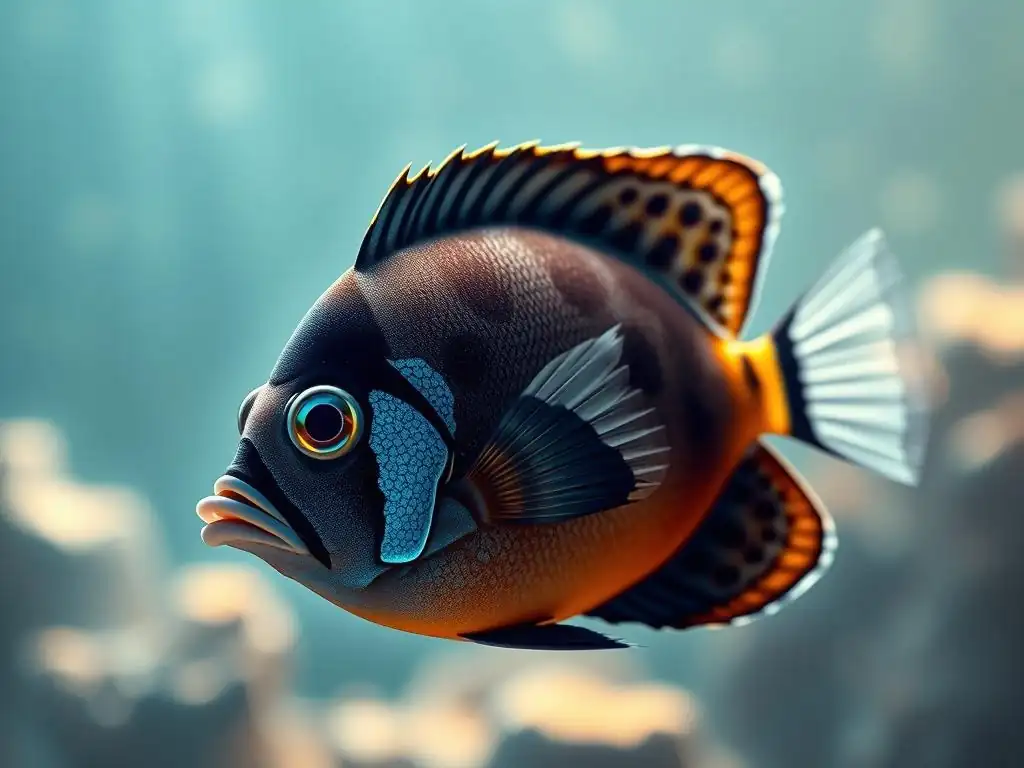
The Raccoon Butterflyfish, scientifically known as Chaetodon lunula, is a captivating marine fish easily recognized by its distinctive appearance. Its common name is derived from the broad, black band that stretches across its eyes, reminiscent of a raccoon's mask. The body is typically a pale yellow to white, adorned with several thin, dark vertical lines and a striking yellow-orange caudal fin. Growing to an average adult size of 7 to 8 inches (approximately 18 to 20 centimeters) in captivity, these fish possess an elegant, disc-shaped body that makes them a graceful addition to larger marine aquariums.
Native to the vast Indo-Pacific region, the Raccoon Butterflyfish can be found from the Red Sea and East Africa, extending eastward across the Indian Ocean to Hawaii and the Marquesas Islands. They inhabit a range of shallow reef environments, from surge zones to deeper lagoon areas, typically found at depths of 3 to 30 meters (10 to 100 feet). In their natural habitat, they are often observed foraging alone, in pairs, or occasionally in small, loose groups, demonstrating a resilient and adaptable nature that contributes to their potential hardiness in a well-maintained home aquarium.
Why the Raccoon Butterflyfish Captivates Aquarists: Nocturnal Behavior and FOWLR Suitability
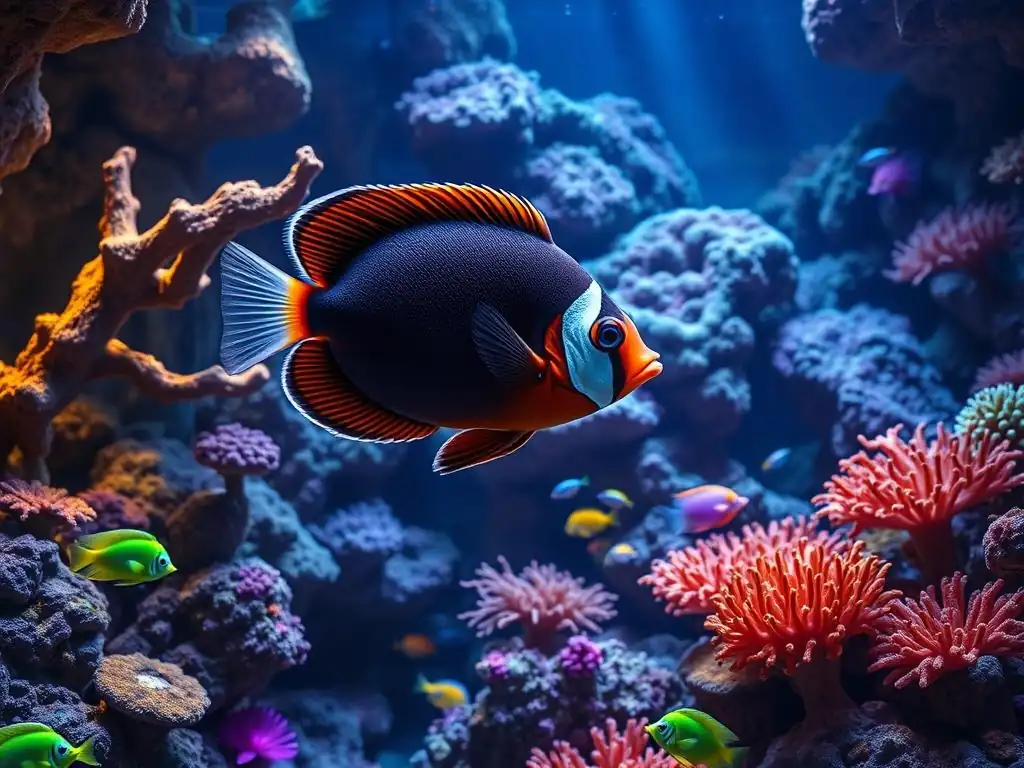
One of the most intriguing aspects of the Raccoon Butterflyfish is its predominantly nocturnal foraging behavior. Unlike many diurnal aquarium inhabitants, Chaetodon lunula becomes most active as dusk settles, sifting through live rock and substrate in search of small invertebrates, worms, and algae. This unique characteristic adds a dynamic and often unseen dimension to an aquarium, providing a different viewing experience as the tank lights dim and the fish comes alive under moonlight or subdued blue lighting.
This species is particularly well-suited for FOWLR (Fish Only With Live Rock) tanks, a critical distinction for aquarists. Their robust nature, omnivorous diet, and relatively larger adult size make them ideal candidates for these setups, where the focus is on a diverse collection of fish rather than delicate corals. In a Raccoon Butterflyfish FOWLR tank, they can freely graze on the beneficial microfauna and algae that populate the live rock, contributing to the tank's natural ecosystem while showcasing their natural behaviors without the risk posed to corals in a reef environment.
Is a Raccoon Butterflyfish Suitable for a Reef Tank? Evaluating Compatibility
Understanding Reef Tank Environments: Corals and Invertebrates
A reef tank environment is a complex and delicate ecosystem designed to house various species of corals, anemones, and other sensitive invertebrates alongside fish. These tanks are characterized by their intricate rockwork, vibrant coral colonies (such as SPS like Acropora, LPS like Euphyllia, and various soft corals), and a diverse array of filter feeders and motile invertebrates like shrimp and crabs. Maintaining a reef tank requires precise control over water parameters, lighting, and nutrient levels to ensure the health and growth of these often expensive and fragile inhabitants.
The primary goal in a reef aquarium is the thriving coexistence of corals and fish. Many popular marine fish are considered "reef-safe," meaning they typically do not nip at or consume corals and other sessile invertebrates. However, certain species, particularly many butterflyfish, have natural diets that include coral polyps or other reef invertebrates, making them unsuitable for such setups. The introduction of an incompatible species can lead to significant damage to the coral population, undermining the entire tank's stability and aesthetic appeal.
Raccoon Butterflyfish Temperament and Behavior in a Reef Setting
The Raccoon Butterflyfish, despite its appealing appearance, is generally not considered reef-safe. Their natural diet, which includes small invertebrates and coral polyps in the wild, translates into a propensity to nip at and consume various corals in a captive reef environment. While some individual Raccoon Butterflyfish may initially leave certain corals untouched, their behavior is unpredictable and can change over time, especially if they become hungry or their natural foraging instincts kick in.
Specific targets often include large polyp stony (LPS) corals like Euphyllia and Favia, soft corals such as zoanthids and Xenia, and even the mantles of clams and feather duster worms. The damage they inflict can range from minor nips to significant tissue recession, ultimately leading to the demise of the coral colony. Therefore, for aquarists dedicated to maintaining thriving coral displays, the Raccoon Butterflyfish represents an unacceptable risk, making a Raccoon Butterflyfish FOWLR tank the far more appropriate choice.
Assessing the Challenges: Raccoon Butterflyfish Feeding and Acclimation
Acclimating a newly introduced Raccoon Butterflyfish to a captive environment can present a notable challenge for aquarists. Wild-caught specimens, in particular, may initially be hesitant to accept prepared foods, relying instead on their natural foraging instincts. It is crucial to offer a diverse diet immediately upon introduction, including live foods such as enriched brine shrimp or mysis shrimp, along with finely chopped seafood like clam or squid, to entice them to eat and ensure they receive adequate nutrition during this critical period.
Once acclimated, Raccoon Butterflyfish are generally robust eaters, readily accepting a wide variety of frozen and flake foods. However, their nocturnal nature means they might struggle to compete for food during daytime feedings in a bustling aquarium with more aggressive or faster-feeding fish. To ensure they receive sufficient nourishment, it is often beneficial to offer a portion of their daily diet in the evening, after the main tank lights have dimmed, allowing them to forage more comfortably and effectively without intense competition.
Raccoon Butterflyfish Care: Essential Guidelines for a Thriving Specimen
Tank Size and Water Parameters for Raccoon Butterflyfish
Due to their potential adult size of up to 8 inches (20 cm) and active swimming habits, Raccoon Butterflyfish require a spacious aquarium. A minimum tank size of 75 gallons (approximately 280 liters) is recommended for a single specimen to provide ample swimming room and stable water conditions. For keeping a pair or housing them with other large, active marine fish, a tank of 125 gallons (approximately 470 liters) or larger is highly advisable to prevent territorial disputes and ensure overall well-being.
Maintaining stable and appropriate water parameters is paramount for the health of Chaetodon lunula. The ideal salinity should range between 1.020 and 1.025 specific gravity. The water temperature should be kept within 72-78°F (22-26°C), and the pH level should be stable between 8.1 and 8.4. Ammonia and nitrite levels must be undetectable (0 ppm), and nitrates should be kept below 20 ppm through regular water changes and efficient filtration. Consistent parameters significantly reduce stress and enhance the fish's immune system.
Diet and Feeding Habits of Chaetodon lunula: Ensuring Nutritional Needs are Met
The Raccoon Butterflyfish is an omnivorous species, and a varied diet is crucial to meet its nutritional requirements in captivity. Their diet should consist of a mix of high-quality meaty foods, such as frozen mysis shrimp, brine shrimp, finely chopped clam, and squid. It is also important to incorporate high-quality marine flakes and pellets specifically formulated for marine omnivores, ensuring they receive a balanced array of vitamins and minerals.
Given their nocturnal tendencies, it is beneficial to feed Raccoon Butterflyfish small portions multiple times throughout the day, ideally 2 to 3 times. Offering some food during the evening, after the main lights have been turned off, can be particularly effective, as this aligns with their natural foraging behavior. Supplementing their diet with vegetable matter, such as nori or spirulina flakes, can also be beneficial, providing essential roughage and supporting their overall digestive health.
Maintaining Optimal Water Quality for a Healthy Raccoon Butterflyfish
Optimal water quality is the cornerstone of successful Raccoon Butterflyfish keeping. Regular partial water changes are essential, with a typical recommendation of 10-20% of the tank volume every two weeks. This practice helps to replenish essential trace elements, reduce accumulated nitrates, and maintain overall water purity. A robust filtration system, including a high-quality protein skimmer, is crucial to effectively remove organic waste and prevent the buildup of harmful compounds in a Raccoon Butterflyfish FOWLR tank.
Adequate water flow, mimicking their natural reef environment, benefits their overall health and activity levels. It also helps to keep detritus suspended for removal by the filtration system. Consistent monitoring of key water parameters—ammonia, nitrite, nitrate, pH, alkalinity, and calcium—is vital. Any significant fluctuations can cause stress and compromise the fish's immune system, making them more susceptible to disease. Proactive water management ensures a stable and thriving environment for these beautiful fish.
Selecting a Healthy Raccoon Butterflyfish: Identifying Key Characteristics
Signs of a Healthy Specimen: What to Look For
When selecting a Raccoon Butterflyfish for your aquarium, careful observation of the specimen at the fish store is crucial to ensure you bring home a healthy fish. Look for clear, bright eyes without any cloudiness or haziness. The fins should be fully intact, without any signs of tears, nips, or fraying. A healthy Raccoon Butterflyfish will have a full, rounded body, indicating it has been eating well and is not emaciated.
Observe its behavior in the display tank. A healthy Raccoon Butterflyfish should be active, swimming purposefully around the tank, and showing curiosity about its surroundings. Avoid fish that are constantly hiding, appear lethargic, or exhibit rapid, labored breathing. The skin should be clear and free of any visible spots (such as Ich), white fuzz, lesions, or excessive mucus. Ideally, observe the fish during feeding time to confirm it readily accepts food, as initial feeding can sometimes be a challenge with this species.
Quarantine Procedures for New Raccoon Butterflyfish
Implementing a strict quarantine procedure for any new marine fish, including the Raccoon Butterflyfish, is a non-negotiable step for responsible aquarium keeping. A dedicated quarantine tank (QT) of at least 20-30 gallons (approximately 75-115 liters) is highly recommended. This separate system allows for observation, acclimation, and potential treatment of any diseases without introducing pathogens into your established main display tank, which could devastate existing inhabitants.
Quarantine should last a minimum of 4 to 6 weeks. During this period, meticulously monitor the Raccoon Butterflyfish for any signs of illness, such as white spots (Ich), velvet, or bacterial infections. If diseases are detected, appropriate treatments can be administered in the QT without harming the beneficial bacteria in your main tank or stressing other fish. Gradually introduce prepared foods, ensuring the fish is consistently eating well and appears robust before transferring it to its permanent home in your Raccoon Butterflyfish FOWLR tank.
Raccoon Butterflyfish Tank Mates: Choosing Compatible Species
Ideal Tank Companions for Raccoon Butterflyfish in a FOWLR Aquarium
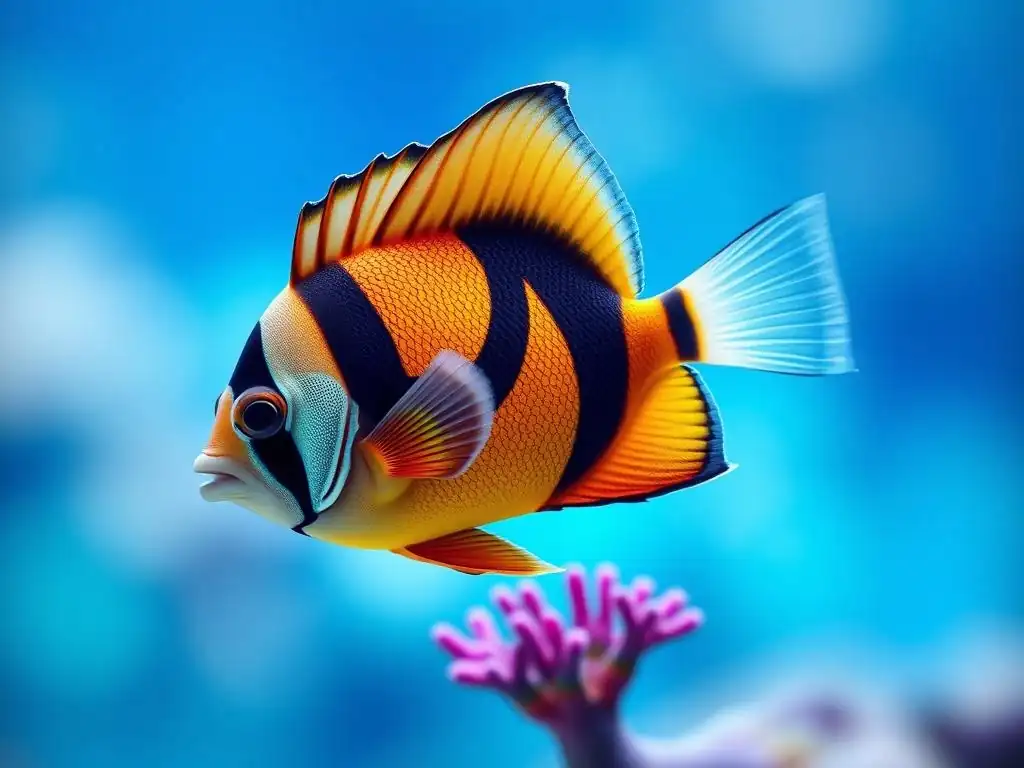
The Raccoon Butterflyfish is generally considered a peaceful to semi-aggressive species, making it compatible with a wide range of marine fish in a FOWLR (Fish Only With Live Rock) aquarium. Ideal tank companions include other hardy, similarly sized, and semi-aggressive fish that will not bully the butterflyfish nor be overly intimidated by its presence. Good choices often include various tangs (e.g., Yellow Tang, Sailfin Tang), larger angelfish (e.g., Emperor Angelfish, Blueface Angelfish), and certain triggerfish species that are known to be less aggressive towards tank mates.
When selecting tank mates for a Raccoon Butterflyfish FOWLR tank, consider species that occupy different swimming levels to minimize direct competition for space. For instance, bottom-dwelling gobies or blennies can coexist peacefully with mid-water swimming butterflyfish. It is also important to choose fish that will not outcompete the Raccoon Butterflyfish for food, especially given its nocturnal feeding tendencies. Ensuring ample hiding spots and territories for all inhabitants will help maintain a harmonious environment.
Fish to Avoid: Potential Aggressors and Competitors
While generally peaceful, the Raccoon Butterflyfish can exhibit territorial behavior, particularly towards other butterflyfish species, especially those of similar size or appearance. Therefore, it is often best to keep only one Raccoon Butterflyfish per tank unless the aquarium is exceptionally large (200+ gallons) and offers plenty of visual barriers to break up lines of sight. Introducing multiple butterflyfish, especially other Chaetodon species, can lead to aggressive confrontations and stress.
Additionally, avoid housing Raccoon Butterflyfish with highly aggressive or predatory species that could bully or injure them. This includes very large or notoriously belligerent triggerfish (e.g., Clown Triggerfish), lionfish, or certain large groupers that might view the butterflyfish as prey. Conversely, extremely small or timid fish might be intimidated by the Raccoon Butterflyfish's size and activity, leading to stress and refusal to eat. Careful research into the temperament and adult size of all potential tank mates is essential for long-term success.
Preventing and Treating Common Raccoon Butterflyfish Diseases
Identifying Early Signs of Illness in Raccoon Butterflyfish
Early detection of illness is critical for successful treatment and preventing the spread of disease in a marine aquarium. Aquarists should regularly observe their Raccoon Butterflyfish for any changes in behavior or physical appearance. Signs of illness can include lethargy, spending unusual amounts of time hiding, a noticeable loss of appetite, or rapid and labored breathing. Any scratching or "flashing" against tank decor or substrate can indicate external parasites.
Physical symptoms to watch for include the appearance of small white spots resembling salt grains on the body and fins (indicative of Marine Ich, Cryptocaryon irritans), a dusty or velvety coating (suggesting Marine Velvet, Amyloodinium ocellatum), cloudy eyes, frayed or clamped fins, or the development of lesions, sores, or abnormal growths on the body. Dull coloration compared to their usual vibrancy can also be an early warning sign that something is amiss with your Raccoon Butterflyfish FOWLR tank inhabitant.
Common Ailments and Effective Treatment Strategies
Raccoon Butterflyfish, like many marine fish, are susceptible to common parasitic infections such as Marine Ich ( Cryptocaryon irritans) and Marine Velvet ( Amyloodinium ocellatum). These highly contagious diseases are often triggered by stress, poor water quality, or the introduction of infected new fish. Treatment in a dedicated quarantine tank is crucial, typically involving copper-based medications or hyposalinity (gradually lowering salinity to 1.010-1.012 for several weeks), combined with excellent aeration.
Bacterial infections, often presenting as fin rot, cloudy eyes, or open sores, can also affect Raccoon Butterflyfish. These are commonly secondary infections stemming from weakened immune systems due to stress or injury. Treatment usually involves broad-spectrum antibiotics, again administered in a quarantine tank. The most effective strategy for preventing disease is maintaining pristine water quality, providing a balanced and nutritious diet, and minimizing stress through appropriate tank size and compatible tank mates.
Breeding Raccoon Butterflyfish: Challenges and Possibilities in Captivity
Understanding the Reproductive Behavior of Chaetodon lunula
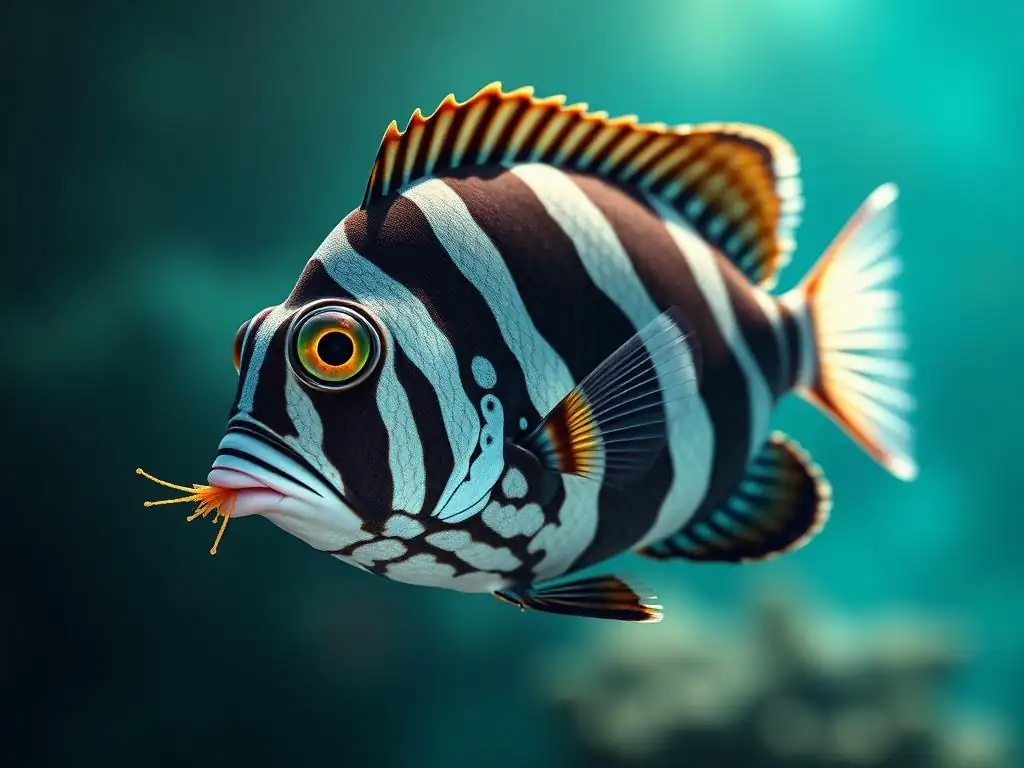
The Raccoon Butterflyfish, like most butterflyfish species, are pelagic spawners. This means that during reproduction, the male and female release their eggs and sperm directly into the open water column, where fertilization occurs. In their natural habitat, Raccoon Butterflyfish are known to form monogamous pairs, often seen swimming and foraging together. Spawning typically takes place at dusk, a common time for many reef fish to release their gametes, possibly to minimize predation on the eggs.
After fertilization, the eggs are buoyant and drift freely with the ocean currents, developing as part of the plankton. The larval stage of butterflyfish is generally prolonged and complex, with the larvae undergoing several developmental stages before metamorphosing into juvenile fish. While pairs may form and even exhibit spawning behavior in very large, well-established public aquariums, successful breeding and subsequent rearing of Chaetodon lunula in typical home aquaria are exceedingly rare and have not been widely documented.
Creating a Breeding Environment: Larval Rearing Challenges
Attempting to breed Raccoon Butterflyfish in captivity would require an exceptionally large, specialized breeding setup that mimics their natural environment as closely as possible. This would involve precise control over water parameters, lighting cycles, and water flow to encourage spawning behavior. Even if spawning occurs, the most significant hurdle lies in the successful rearing of the larval fish.
Butterflyfish larvae are notoriously tiny and delicate, requiring specific, often microscopic, live foods that are difficult to culture in sufficient quantities. These include various stages of rotifers, copepods, and other planktonic organisms, which must be provided at exact densities and nutritional profiles. The extreme difficulty in meeting these precise larval requirements, coupled with the lack of detailed knowledge about their specific triggers and developmental stages, means that commercial or hobbyist captive breeding of Raccoon Butterflyfish remains largely unachieved.
The Raccoon Butterflyfish: A Comprehensive Overview
Pros and Cons of Keeping a Raccoon Butterflyfish
Keeping a Raccoon Butterflyfish ( Chaetodon lunula) offers distinct advantages and challenges for the marine aquarist. On the positive side, once properly acclimated, they are generally hardy and resilient fish, making them a rewarding species for those who can meet their specific needs. Their unique nocturnal foraging behavior adds a different dimension to the aquarium viewing experience, and their attractive coloration makes them a visually appealing inhabitant. They are excellent for a Raccoon Butterflyfish FOWLR tank, where they can help graze on algae and microfauna on live rock.
However, there are significant drawbacks. The primary concern is their unsuitability for reef tanks, as they will readily nip at and consume corals and other sensitive invertebrates. They can also be challenging to acclimate initially, sometimes refusing prepared foods. Their adult size necessitates a large aquarium, typically 75 gallons or more, and they can exhibit territorial behavior towards other butterflyfish, limiting compatibility options. Careful consideration of these factors is essential before acquiring a Raccoon Butterflyfish.
Alternatives to the Raccoon Butterflyfish: Other FOWLR-Suitable Butterflyfish
For aquarists seeking a butterflyfish for a FOWLR setup but desiring an alternative to the Raccoon Butterflyfish, several other species thrive in similar environments. The Copperband Butterflyfish ( Chelmon rostratus) is a popular choice, known for its distinctive appearance and its beneficial habit of eating Aiptasia anemones, though it also requires a FOWLR tank due to its delicate feeding habits and potential to nip at corals.
Other excellent FOWLR-suitable butterflyfish include the Longnose Butterflyfish ( Forcipiger flavissimus) and the Yellow Longnose Butterflyfish ( Forcipiger longirostris), both recognized for their unique elongated snouts and hardiness once acclimated. Species like the Threadfin Butterflyfish ( Chaetodon auriga) or the Meyer's Butterflyfish ( Chaetodon meyeri) are also commonly kept in FOWLR tanks, as they share the Raccoon Butterflyfish's tendency to nip at corals, making a dedicated fish-only setup the most appropriate environment for their long-term health and the safety of the aquarium.
Conclusion: Mastering the Art of Raccoon Butterflyfish Keeping in a FOWLR Setup
The Raccoon Butterflyfish ( Chaetodon lunula) undoubtedly offers a captivating and distinctive presence in the marine aquarium. With its striking "masked" appearance and fascinating nocturnal habits, it brings a unique charm that enriches a fish-centric display. Their inherent hardiness, once successfully acclimated, makes them a rewarding choice for aquarists who are prepared to meet their specific environmental and dietary needs.
Achieving success with this species hinges on a thorough understanding of their requirements. This includes providing a spacious FOWLR tank of at least 75-100 gallons, maintaining consistently stable water parameters, offering a varied and balanced diet that caters to their omnivorous nature, and carefully selecting compatible tank mates. While unequivocally not suited for delicate reef environments, their robust nature and suitability for a Raccoon Butterflyfish FOWLR tank make them an exceptional and vibrant choice for a thriving, fish-focused marine aquarium.
Frequently Asked Questions
What makes the Raccoon Butterflyfish a suitable choice for a FOWLR tank?
Raccoon Butterflyfish can thrive in a FOWLR (Fish Only With Live Rock) tank environment because they are relatively hardy and can adapt to a diet that isn't solely reliant on corals, which are absent in a FOWLR setup.
Are Raccoon Butterflyfish reef-safe?
Generally, no. Raccoon Butterflyfish are not considered reef-safe due to their tendency to nip at corals and other invertebrates commonly found in reef aquariums. Their natural feeding habits include consuming small invertebrates.
What are the essential water parameters for keeping Raccoon Butterflyfish healthy in a FOWLR tank?
Maintaining stable water parameters is crucial. Aim for a specific gravity of 1.020-1.025, a pH of 8.1-8.4, and a temperature of 72-78°F. Regular water changes are also essential.
What kind of diet does a Raccoon Butterflyfish require in a FOWLR setup?
Offer a varied diet including high-quality flake food, frozen foods like mysis shrimp and brine shrimp, and meaty foods. Supplement with live rock grazing to mimic their natural feeding behavior.
What is the typical adult size of a Raccoon Butterflyfish, and what size tank is recommended for its well-being?
Raccoon Butterflyfish can reach up to 8 inches in length. A minimum tank size of 125 gallons is recommended to provide ample swimming space and reduce stress.
Final Reflection: Embracing the Night's Beauty in Our Aquariums
The preceding exploration of the Raccoon Butterflyfish and its suitability for FOWLR (Fish Only With Live Rock) tanks highlights the delicate balance between our desire to appreciate exotic beauty and the responsibility we bear towards the creatures we bring into our care. Understanding the specific needs of this nocturnal marvel, from its dietary requirements to its social compatibility, is paramount to ensuring its well-being and fostering a thriving aquarium environment.
The Raccoon Butterflyfish, with its striking markings and intriguing behavior, has captivated aquarists for years. Its presence in our tanks serves as a constant reminder of the vast and intricate ecosystems that exist beyond our own, urging us to act as conscientious stewards of the marine world. In the end, we will conserve only what we love; we will love only what we understand; and we will understand only what we are taught.
- Baba Dioum. This quote encapsulates the very essence of responsible aquarism: education, understanding, and ultimately, conservation.
As you consider the possibility of welcoming a Raccoon Butterflyfish into your FOWLR tank, I urge you to reflect on the information presented here. Let this knowledge guide your decisions, ensuring that your actions are driven by a genuine commitment to providing a suitable and enriching environment for this captivating creature. By embracing responsible aquarism, you not only enhance the beauty of your aquarium but also contribute to the preservation of the delicate balance of our oceans.
Dive Deeper: Chart Your Own Butterflyfish Adventure!
Thanks for exploring the captivating world of the Raccoon Butterflyfish with us! We hope you've gained valuable insights into their unique care requirements and fascinating behaviors. Now, it's time to turn that knowledge into action!
- Plan your FOWLR tank with the Raccoon Butterflyfish at the forefront. Research compatible tankmates and ensure your setup meets their specific needs for a thriving environment.
- Share your newfound knowledge! Educate fellow aquarium enthusiasts about the Raccoon Butterflyfish, fostering responsible and informed fishkeeping practices.
- Consider donating to organizations focused on coral reef conservation – protecting the Butterflyfish’s natural habitat ensures the longevity of this magnificent species in our oceans.
What specific tank design elements will you incorporate to best showcase the Raccoon Butterflyfish's nocturnal charm in your FOWLR setup?