
Optimizing Incubation: Critical Temperature, Salinity & Flow for Saltwater Eggs

Welcome to Aquarium Mastery!
Ever wondered if you're really getting the most out of your saltwater breeding efforts? Dive into the fascinating world of saltwater egg incubation and discover the crucial role temperature plays in hatching success. Our detailed guide, "Optimizing Incubation: Critical Temperature, Salinity & Flow for Saltwater Eggs," unravels the secrets to achieving optimal saltwater egg incubation temperature and so much more. Ready to unlock higher hatch rates and healthier fry? Let's get started!
- Optimizing Incubation: Critical Temperature, Salinity & Flow for Clownfish Eggs
- Understanding the Fundamentals of Clownfish Egg Incubation
- Clownfish Egg Incubation Temperature: A Detailed Guide
- Salinity's Role in Successful Clownfish Egg Incubation
- Water Flow and Oxygenation: Essential for Clownfish Egg Viability
- Practical Tips for Optimizing Your Clownfish Egg Incubation Setup
- Advanced Techniques in Clownfish Egg Incubation
- Troubleshooting Common Problems in Clownfish Egg Incubation
- Conclusion: Mastering Clownfish Egg Incubation for Aquarium Success
-
Frequently Asked Questions
- What is the ideal temperature range for incubating saltwater aquarium eggs?
- How does salinity affect the incubation of saltwater aquarium eggs?
- Why is water flow important during saltwater egg incubation?
- Besides temperature and salinity, what other factors influence saltwater egg incubation success?
- What are some common signs that the incubation temperature is not optimal for saltwater eggs?
- Final Reflection: Nurturing Life's Beginnings
- Ignite Your Hatch Rate: Unleash the Secrets to Saltwater Success!
Optimizing Incubation: Critical Temperature, Salinity & Flow for Clownfish Eggs
Understanding the Fundamentals of Clownfish Egg Incubation
Why Temperature, Salinity, and Flow are Crucial for Clownfish Egg Hatching Success
The successful incubation of clownfish eggs is a delicate biological process heavily reliant on three fundamental environmental parameters: temperature, salinity, and water flow. These elements are interconnected, forming the essential "nursery" environment that dictates the viability and development of the delicate embryos. Deviations from optimal conditions in any one of these areas can lead to developmental abnormalities, reduced hatch rates, or complete failure of the clutch, underscoring their collective importance for robust larval production.
Each parameter plays a distinct yet synergistic role. Optimal saltwater egg incubation temperature directly influences the metabolic rate of the developing embryos, dictating the speed and efficiency of cellular processes. Salinity ensures the correct osmotic balance, preventing the eggs from either swelling or dehydrating. Meanwhile, consistent, gentle water flow provides a continuous supply of vital dissolved oxygen to the embryos while simultaneously sweeping away metabolic waste products and inhibiting the proliferation of harmful fungi and bacteria around the egg mass.
The Impact of Incorrect Incubation Parameters on Clownfish Larvae Survival
Suboptimal incubation parameters can have profound and often irreversible negative impacts on the survival rates of clownfish larvae. For instance, if the saltwater egg incubation temperature is too high, embryonic development can be unnaturally accelerated, leading to premature hatching of underdeveloped and weaker larvae that lack sufficient energy reserves or fully formed organ systems, making them highly susceptible to mortality in the early hours post-hatch. Conversely, excessively low temperatures can significantly slow down or even halt development, leading to non-viable eggs.
Beyond temperature, incorrect salinity levels impose severe osmotic stress. Hyposalinity (low salt) can cause eggs to absorb too much water, leading to swelling and rupture, while hypersalinity (high salt) can dehydrate the embryos, preventing proper cellular differentiation. Insufficient water flow results in stagnant conditions, creating oxygen-deprived zones and allowing opportunistic fungal and bacterial pathogens to proliferate rapidly, suffocating the developing embryos. Any of these stresses during the incubation period dramatically reduces the number of healthy, viable larvae that successfully hatch and survive beyond the first few critical days.
Clownfish Egg Incubation Temperature: A Detailed Guide
Ideal Temperature Ranges for Incubation of Amphiprioninae (Clownfish) Eggs
For most species within the Amphiprioninae subfamily, commonly known as clownfish, the ideal saltwater egg incubation temperature range is quite narrow, typically falling between 26°C and 28°C (79°F to 82°F). Within this range, slight variations can influence the incubation period and larval robustness. For example, popular species like the Ocellaris Clownfish ( Amphiprion ocellaris) and Percula Clownfish ( Amphiprion percula) often show optimal development and hatch rates when maintained consistently at 27°C (80.6°F).
Maintaining the saltwater egg incubation temperature within this precise window is critical because temperature directly governs the rate of biochemical reactions within the developing embryo. Temperatures below this range can significantly slow metabolic processes, prolonging development and potentially leading to weaker larvae. Conversely, temperatures exceeding 28°C, particularly above 29°C, can accelerate development to an unhealthy pace, causing deformities, premature hatching, or even mass mortality of the entire clutch due to thermal stress.
How to Accurately Monitor and Maintain Incubation Temperature
Accurate monitoring of your saltwater egg incubation temperature is paramount. Rely on a high-quality digital thermometer with a probe placed directly in the incubation water, ideally away from any heater element, to get a true reading. Many experienced breeders also use a secondary thermometer or an aquarium controller with a temperature alarm function to provide redundancy and alert them to any significant fluctuations. Regular calibration of your thermometer, such as checking against a known standard or another calibrated device, helps ensure its accuracy over time.
Maintaining a stable incubation temperature requires appropriate heating equipment and insulation. An adequately sized submersible heater, equipped with a reliable thermostat, is essential. For smaller incubation containers (e.g., 1-5 gallons), a 25-50 watt heater is often sufficient, ensuring it's positioned to allow for good water circulation around it. Consider insulating the incubation container with foam board or placing it within a larger, temperature-controlled sump or tank to minimize external temperature influences and prevent rapid heat loss, especially during cooler ambient conditions.
Troubleshooting Temperature Fluctuations During Clownfish Egg Incubation
Causes of Unstable Temperature and Solutions
Unstable saltwater egg incubation temperature can stem from several common issues. One frequent cause is an undersized or faulty heater that struggles to maintain the set temperature, especially in a fluctuating room environment or if the heater's thermostat is inaccurate. Another significant factor can be drafts from windows or air conditioning vents directly impacting the incubation tank, or even direct sunlight exposure causing overheating. Rapid evaporation, particularly in small, open containers, can also lead to temperature drops as water cools.
To address these issues, first, verify your heater's wattage is appropriate for the volume of water; for example, a 10-gallon incubation tank might require a 75W or 100W heater for better stability. If the heater is old, consider replacing it. Relocate the incubation setup away from direct drafts, windows, or heat sources. Utilizing an aquarium controller that can precisely regulate heater operation and provide alerts for temperature deviations is a robust solution. Using a tight-fitting lid or an auto top-off system can also mitigate evaporative cooling and maintain a more consistent saltwater egg incubation temperature.
The Relationship Between Clownfish Egg Incubation Temperature and Hatching Time
There is a clear inverse relationship between the saltwater egg incubation temperature and the time it takes for clownfish eggs to hatch: generally, higher temperatures within the optimal range lead to faster development and shorter incubation periods, while lower temperatures prolong the process. For instance, Ocellaris clownfish eggs typically hatch in 7-8 days at a consistent 28°C (82°F), but this period can extend to 9-10 days if the temperature is maintained at 26°C (79°F).
While it might be tempting to elevate the temperature to expedite hatching, pushing the saltwater egg incubation temperature too high (e.g., consistently above 29°C) can result in premature hatching of underdeveloped larvae that are weaker, smaller, and less likely to survive. The goal is not merely to achieve the quickest hatch but to produce robust, healthy larvae. Therefore, maintaining a stable temperature within the optimal range (e.g., 27°C) is crucial for ensuring proper embryonic development and the production of vigorous, viable offspring.
Salinity's Role in Successful Clownfish Egg Incubation
Optimal Salinity Levels for Clownfish Egg Development
For the successful development of clownfish eggs, maintaining precise and stable salinity levels is just as critical as temperature. The optimal salinity range for clownfish egg incubation typically mirrors that of their natural marine habitat, which is generally between 1.023 and 1.026 specific gravity (SG), or 32-35 parts per thousand (ppt). This specific range is vital for ensuring the correct osmotic balance across the delicate egg membrane, which is semi-permeable.
Within this optimal salinity range, the internal environment of the egg is maintained in equilibrium with the external water, preventing osmotic stress. If the external salinity is too low, water will rush into the egg, causing it to swell and potentially rupture. Conversely, if the external salinity is too high, water will be drawn out of the egg, leading to dehydration and shriveling of the developing embryo. Both scenarios severely compromise development and can lead to significant egg mortality.
The Effects of Hyposalinity and Hypersalinity on Clownfish Egg Hatch Rates
Deviation from the optimal salinity range can dramatically reduce clownfish egg hatch rates. Hyposalinity, defined as salinity levels below approximately 1.020 SG, causes the eggs to absorb excessive water due to osmotic pressure. This can lead to the eggs swelling, becoming turgid, and eventually bursting, or producing deformed larvae that are unable to survive post-hatch. Hatch rates can plummet by 50% or more when salinity is significantly below the ideal range.
Conversely, hypersalinity, with specific gravity levels consistently above 1.027 SG, results in the opposite problem: water is drawn out of the eggs. This dehydration causes the embryos to shrivel and fail to develop properly, leading to high mortality within the egg stage. Even if some eggs manage to hatch under hypersaline conditions, the resulting larvae are often weak, undersized, and have a significantly reduced chance of survival, demonstrating the critical importance of maintaining precise salinity for robust development.
Measuring and Adjusting Salinity in the Incubation Tank
Using a Refractometer for Accurate Salinity Readings
To accurately measure salinity in your clownfish egg incubation tank, a well-calibrated refractometer is the most reliable tool for hobbyists, far superior to traditional hydrometers which can be prone to inaccuracies due to air bubbles or water surface tension. To use a refractometer, simply place a few drops of the incubation water onto the prism, close the daylight plate, and look through the eyepiece towards a light source. The reading line will indicate the specific gravity or parts per thousand.
Regular calibration of your refractometer is crucial to ensure its ongoing accuracy. This is typically done by placing a drop of distilled water on the prism; the reading should be 1.000 SG. If not, adjust the calibration screw until it reads correctly. When adjusting salinity in the incubation tank, do so very gradually. If salinity is low, add small amounts of pre-mixed, temperature-matched saltwater. If it's high, add small amounts of RO/DI (Reverse Osmosis/Deionized) water. Aim for changes no greater than 0.001 SG per hour to avoid shocking the delicate eggs.
Salinity Stability: Preventing Rapid Salinity Changes During Incubation
Maintaining unwavering salinity stability is paramount during clownfish egg incubation. Rapid or significant fluctuations in salinity, even within the acceptable range, can induce severe osmotic shock in the developing embryos. Unlike adult fish, the embryos lack the sophisticated osmoregulatory mechanisms to cope with sudden shifts, making them extremely vulnerable to cellular damage or death when conditions change abruptly. A sudden drop or rise of more than 0.002 SG within a few hours can be detrimental.
To prevent such rapid changes, consistency in top-off water and water changes is key. For evaporation, always use pure RO/DI water for top-offs, as it replaces only the evaporated water, leaving salts behind and preventing salinity creep. If performing water changes, ensure the new saltwater is precisely matched in both salinity and saltwater egg incubation temperature to the water already in the incubation tank. Small, frequent water changes are generally preferred over large, infrequent ones to minimize environmental swings.
Water Flow and Oxygenation: Essential for Clownfish Egg Viability
The Importance of Gentle Water Flow in Clownfish Egg Incubation
Gentle yet consistent water flow around clownfish egg clutches serves two critical functions: ensuring adequate oxygenation and preventing the buildup of harmful substances. Developing embryos have a high metabolic rate and thus a significant demand for dissolved oxygen. Proper flow ensures a continuous supply of oxygenated water reaches every egg, supporting healthy cellular respiration and growth. Stagnant conditions, conversely, can lead to localized oxygen depletion around the egg mass, suffocating the embryos.
Beyond oxygen delivery, water flow is indispensable for preventing the proliferation of opportunistic fungi and bacteria. In still water, detritus and unfertilized eggs can quickly become breeding grounds for pathogens like Saprolegnia, which can rapidly colonize and overwhelm healthy eggs. Gentle circulation helps to keep the egg surface clean, removes metabolic waste products (like ammonia), and reduces the likelihood of fungal or bacterial infections, thereby significantly contributing to higher hatch rates.
Methods for Creating Proper Water Circulation in Incubation Systems
Air Stones vs. Powerheads: Choosing the Right Option
When creating water circulation in a clownfish egg incubation system, the primary goal is gentle, diffused flow that benefits the eggs without dislodging or damaging them. Air stones are generally the preferred method due to their ability to produce a soft, dispersed current while simultaneously providing excellent oxygenation. A fine-pored air stone placed near the egg clutch, but not directly underneath or blasting it, will create sufficient turbulence to ensure oxygen delivery and waste removal.
While powerheads can also create flow, they must be used with extreme caution in an egg incubation setup. Most standard powerheads are too strong and can easily damage or dislodge delicate eggs. If a powerhead is chosen, it must be a very small, adjustable model, set to its lowest flow rate, and positioned to create indirect circulation, perhaps aimed at the tank wall or a baffle, rather than directly at the eggs. The aim is to create subtle water movement, not a strong current.
Oxygen Levels: Ensuring Adequate Oxygenation for Developing Clownfish Embryos
Adequate dissolved oxygen (DO) levels are absolutely critical for the healthy development of clownfish embryos. As the embryos grow, their metabolic demands increase, requiring a constant and abundant supply of oxygen for cellular respiration, which fuels all growth and differentiation processes. Low oxygen levels, or hypoxia, can lead to developmental arrest, deformities, or even complete mortality of the egg clutch.
To ensure sufficient oxygenation, several strategies can be employed. Firstly, maintain good surface agitation in the incubation tank, which facilitates gas exchange between the water and the air. The use of an air stone, as previously mentioned, is highly effective for this. Secondly, avoid overcrowding the incubation container, as a higher bioload will consume more oxygen. Lastly, regular, small water changes with fresh, oxygenated saltwater help replenish DO levels and remove accumulated carbon dioxide, further supporting the embryos' respiratory needs.
Avoiding Stagnant Water and Maintaining Water Quality During Incubation
Stagnant water is a significant threat to clownfish egg viability. Without proper water movement, metabolic waste products such as ammonia, nitrites, and nitrates can quickly accumulate to toxic levels around the eggs. Moreover, stagnant conditions create an anaerobic environment conducive to the rapid growth of harmful bacteria and fungi, which can colonize and suffocate healthy eggs, especially those that are unfertilized or damaged.
To combat stagnation and maintain pristine water quality, a multi-pronged approach is necessary. Implement a small, air-driven sponge filter in the incubation tank; these provide gentle mechanical and biological filtration without creating strong currents. Additionally, perform small, frequent water changes—for example, 10-20% daily or every other day—using aged, temperature- and salinity-matched saltwater. This dilutes pollutants, replenishes essential trace elements, and ensures a consistently healthy environment for the developing embryos.
Practical Tips for Optimizing Your Clownfish Egg Incubation Setup
Choosing the Right Incubation Container for Clownfish Eggs
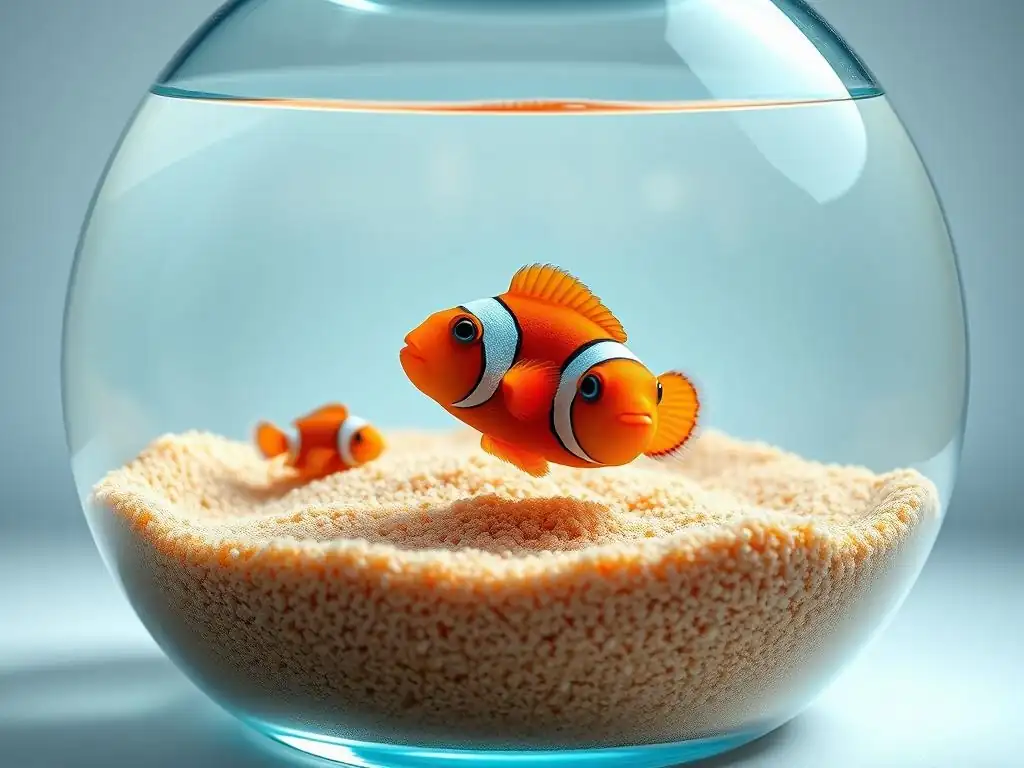
Selecting the appropriate incubation container is a foundational step for successful clownfish egg rearing. Ideal options include dedicated acrylic breeder boxes, small bare-bottom glass or acrylic tanks (typically 1-5 gallons), or specialized egg tumblers. The chosen container should facilitate easy observation of the eggs, allow for precise control of environmental parameters, and be straightforward to clean and maintain.
Key considerations for the container include its material, which should be inert and non-toxic (glass or acrylic are excellent choices for stability and visibility). Its size should be adequate to accommodate the egg clutch comfortably while allowing for sufficient water volume to maintain stable saltwater egg incubation temperature and salinity without rapid fluctuations. A clear container is paramount for monitoring embryonic development, identifying unfertilized eggs, and observing the eventual hatch.
Maintaining Water Quality: Water Changes and Filtration
Pristine water quality is non-negotiable for successful clownfish egg incubation. Ammonia and nitrite levels must remain at zero, as even trace amounts are highly toxic to developing embryos. Nitrate levels should be kept as low as possible, ideally below 5 ppm. Given the small volumes often used for incubation and the lack of robust biological filtration, regular, small water changes are the primary method for maintaining these parameters.
An air-driven sponge filter, gently bubbling in the corner of the incubation tank, provides effective mechanical filtration to remove particulate matter and offers a surface for beneficial bacteria to colonize, contributing to biological filtration. If possible, "seed" the sponge filter in an established aquarium for a week or two prior to use to ensure it's colonized with nitrifying bacteria, thereby preventing ammonia spikes once the eggs are in place.
Preventing Fungal Infections and Other Diseases in Clownfish Egg Cultures
Fungal infections, most commonly caused by Saprolegnia, are a prevalent issue in clownfish egg cultures, often appearing as a white, cotton-like growth. These infections typically target unfertilized or damaged eggs but can rapidly spread to healthy ones, suffocating them. The primary preventative measures are maintaining impeccable water quality, ensuring vigorous yet gentle water flow, and promptly removing any unfertilized or compromised eggs.
Beyond these foundational practices, some breeders employ very dilute solutions of methylene blue as a prophylactic measure, though this should be used with caution as it can stain equipment and may have unknown effects on beneficial bacteria. A more natural approach involves ensuring the parent fish are healthy and well-fed, as this leads to stronger, more resilient eggs. Regular scrutiny of the clutch for any signs of fungal growth allows for immediate intervention, such as targeted siphoning of affected areas.
Acclimation of Clownfish Larvae After Hatching: Temperature and Salinity Considerations
The moment clownfish larvae hatch, they are incredibly delicate and highly susceptible to environmental shock. If you plan to transfer the newly hatched larvae to a separate larval rearing tank, precise acclimation is absolutely critical. The saltwater egg incubation temperature and salinity of the larval rearing tank must meticulously match those of the incubation water to prevent osmotic or thermal shock.
The most effective acclimation method is a slow drip acclimation. Using airline tubing with a knot or valve, allow water from the larval rearing tank to slowly drip into the container holding the newly hatched larvae over a period of 30-60 minutes. This gradual mixing allows the larvae to slowly adjust to any minute differences in water parameters, minimizing stress and significantly improving their survival rates during this extremely vulnerable transition period.
Advanced Techniques in Clownfish Egg Incubation
Using Egg Tumblers for Enhanced Hatching Rates
Egg tumblers are specialized devices that have become increasingly popular for advanced clownfish breeding, particularly for large clutches or when parental fanning is inconsistent. These tumblers use a gentle, constant stream of water, typically from an air pump, to keep the eggs in continuous motion. This motion mimics the natural fanning action of parent fish, ensuring excellent water circulation and oxygenation around each individual egg.
The primary benefits of using egg tumblers include significantly enhanced hatching rates by preventing fungal growth (as eggs are constantly moving and clean water flows over them) and ensuring uniform oxygen distribution to all embryos. They are especially useful when eggs are removed from the main breeding tank, offering a controlled environment. However, careful adjustment of the airflow is necessary to create just enough movement without causing physical damage to the delicate eggs.
The Role of Lighting in Clownfish Larval Development [mention specific spectrums]
While lighting is not as critical during the egg incubation phase itself—dim, ambient light is usually sufficient—it becomes paramount immediately after hatching for proper larval development. During incubation, direct, intense light should be avoided as it can stress the developing embryos and promote undesirable algae growth on the egg clutch.
For newly hatched clownfish larvae, a consistent photoperiod, typically 16 hours of light and 8 hours of darkness, is crucial. This light cycle aids in the development of their visual systems, which are essential for feeding responses and prey capture. A full-spectrum light source, often in the 6500K range, is generally recommended. This spectrum mimics natural daylight, supporting the healthy development of larval eyes and overall physiological processes.
Nutritional Strategies for Newly Hatched Clownfish Larvae
Newly hatched clownfish larvae are incredibly small, typically measuring just a few millimeters, and possess tiny mouths, necessitating microscopic live feeds as their first food source. The cornerstone of successful larval rearing nutrition is the rotifer, specifically Brachionus plicatilis (L-type or S-type depending on larval size). These rotifers are typically enriched with highly nutritious phytoplankton (e.g., Nannochloropsis oculata or Tetraselmis chuii) to boost their nutritional profile before being fed to the larvae.
As the larvae grow, usually within 5-7 days post-hatch, they rapidly increase in size and require larger food items. The next stage of their diet often involves copepod nauplii or enriched Artemia nauplii (brine shrimp). Continued enrichment of these live foods with highly unsaturated fatty acids (HUFAs) is vital for proper development and survival. Gradually, as the larvae metamorphose into juvenile fish, they can be weaned onto finely crushed, high-quality dry foods specifically formulated for marine fry.
Troubleshooting Common Problems in Clownfish Egg Incubation
Identifying and Addressing Unfertilized Eggs
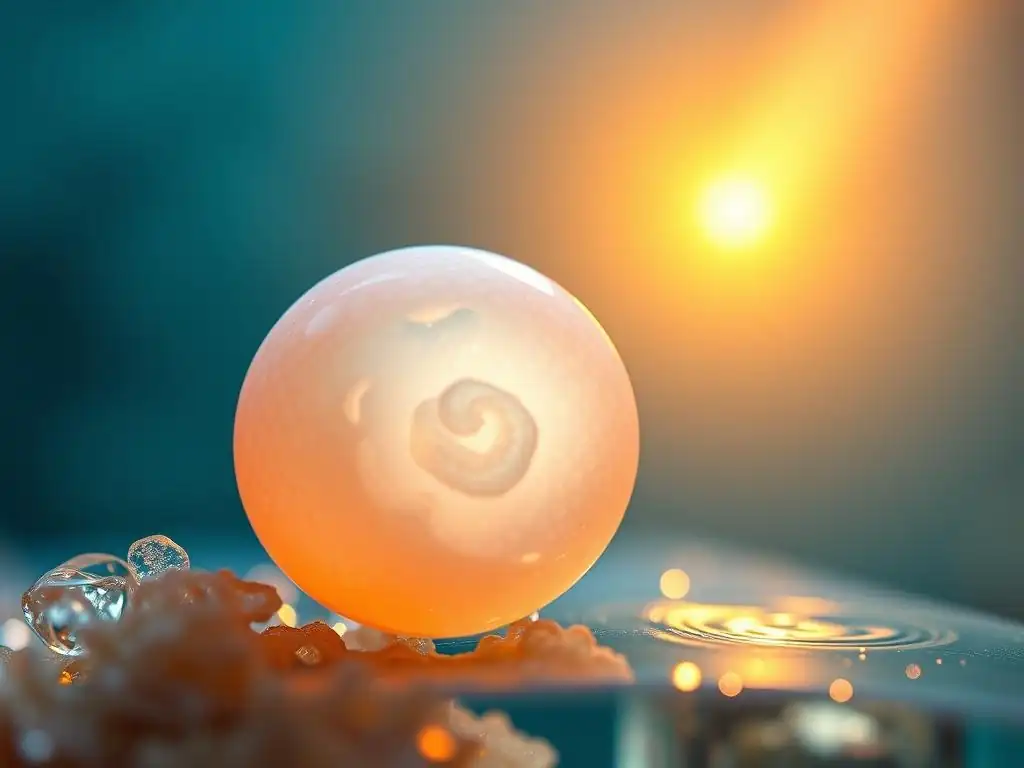
Unfertilized clownfish eggs are a common occurrence within a clutch and can be readily identified by their appearance. While healthy, developing eggs are typically translucent and amber or light brown in color, unfertilized eggs appear opaque white or cloudy, often within 24-48 hours of being laid. These non-viable eggs are highly susceptible to fungal and bacterial colonization, which can then spread to healthy, developing eggs if not addressed promptly.
To address unfertilized eggs, gentle siphoning is the preferred method. Using a small, flexible tube (like airline tubing), carefully siphon out the white, opaque eggs without disturbing the healthy ones. This reduces the organic load in the incubation water and, more importantly, removes potential breeding grounds for fungus. Maintaining excellent water quality and sufficient water flow also helps to prevent fungal growth on any remaining unfertilized eggs that might be missed.
Dealing with Egg Fungus and Bacterial Infections
Egg fungus, often appearing as a white, cotton-like growth, is a common issue that can quickly devastate a clutch of clownfish eggs. Bacterial infections may present as a slimy film or discoloration. Both thrive in conditions of poor water quality, stagnant water, or around unfertilized/damaged eggs. Left unchecked, they can rapidly spread and suffocate healthy embryos.
The most effective solutions involve preventative measures: ensuring continuous, gentle water flow, maintaining pristine water quality through regular small water changes, and promptly removing any unfertilized eggs. If fungus is observed, increase water circulation immediately and gently siphon off affected eggs. In very severe, localized outbreaks, a very dilute, short-duration dip in a solution like methylene blue can be considered, but this should be used as a last resort, as it can be harsh on delicate embryos.
Poor Hatch Rates: Investigating Potential Causes
Consistently low hatch rates (e.g., below 50% for seemingly healthy clutches) indicate an underlying issue in your clownfish egg incubation setup that requires systematic investigation. The most common culprits are deviations from optimal saltwater egg incubation temperature, unstable salinity, insufficient oxygenation, or compromised water quality. Each of these factors can individually or collectively lead to significant egg mortality.
To troubleshoot, begin by meticulously re-evaluating all environmental parameters. Check your thermometer's calibration and ensure the saltwater egg incubation temperature is stable within the 26-28°C range. Verify salinity with a calibrated refractometer, ensuring it's between 1.023 and 1.026 SG and remains stable. Observe water flow around the eggs to confirm adequate oxygenation and waste removal. Test water parameters (ammonia, nitrite, nitrate) to rule out toxic accumulations. Additionally, consider the health and nutrition of the parent fish, as their condition directly impacts egg quality and viability.
Conclusion: Mastering Clownfish Egg Incubation for Aquarium Success
Key Takeaways for Successful Clownfish Breeding
Mastering clownfish egg incubation is a cornerstone of successful marine fish breeding, and it fundamentally hinges on the precise and stable control of three critical environmental parameters: saltwater egg incubation temperature, salinity, and water flow/oxygenation. The success of a clutch is not merely about achieving the correct absolute values for these parameters but equally about ensuring their unwavering stability throughout the entire incubation period. Consistent monitoring, accurate measurement, and prompt, gentle adjustments are paramount to providing the optimal environment for embryonic development.
By diligently optimizing and maintaining these key factors, aquarists can significantly enhance their clownfish egg hatching rates, leading to a higher yield of healthy, robust larvae. This meticulous approach to incubation not only increases the chances of raising clownfish from eggs to adulthood but also contributes to the broader goals of sustainable aquaculture, reducing reliance on wild-caught specimens, and fostering a deeper understanding of marine fish reproduction within the home aquarium environment.
Frequently Asked Questions
What is the ideal temperature range for incubating saltwater aquarium eggs?
The optimal temperature generally falls between 78-82°F (25.5-28°C). Maintaining this range is crucial for healthy development and successful hatching. Deviations can lead to deformities or failure to hatch.
How does salinity affect the incubation of saltwater aquarium eggs?
Maintaining the correct salinity is vital for osmotic balance. A specific gravity of 1.020-1.025 is generally recommended. Incorrect salinity can hinder development and reduce hatch rates.
Why is water flow important during saltwater egg incubation?
Adequate water flow ensures oxygenation and prevents the build-up of detritus and waste. Gentle aeration or a small powerhead can provide sufficient circulation, promoting healthy egg development.
Besides temperature and salinity, what other factors influence saltwater egg incubation success?
Water quality, including ammonia and nitrite levels, plays a significant role. Regular water changes and a stable environment are essential. Also, the quality of the eggs themselves matters.
What are some common signs that the incubation temperature is not optimal for saltwater eggs?
Signs include delayed hatching, deformed larvae, and increased mortality rates. Monitoring temperature and observing the eggs closely can help identify issues early, allowing for adjustments to be made.
Final Reflection: Nurturing Life's Beginnings
The meticulous process of optimizing saltwater egg incubation is more than just a scientific endeavor; it's a testament to our dedication to understanding and preserving the delicate balance of marine ecosystems. In a world facing increasing environmental pressures, the ability to successfully incubate saltwater eggs becomes crucial for conservation efforts, aquaculture advancements, and a deeper appreciation for the intricate web of life beneath the waves.
This journey into the nuances of temperature, salinity, and flow has underscored the profound impact of even the smallest environmental adjustments. Witnessing the emergence of life from seemingly inert eggs is a humbling experience, a reminder of the fragility and resilience of nature. In every drop of water, there is a story of life, a story of survival, and a story of hope.
This quote encapsulates the essence of our work, highlighting the responsibility we bear in safeguarding these nascent lives.
As you navigate your own path, whether as a researcher, hobbyist, or simply a curious observer, remember the lessons learned here. Let the precision and care required for saltwater egg incubation inspire you to approach all aspects of life with a similar dedication to detail and a profound respect for the interconnectedness of all things. Consider how you can contribute to a more sustainable future, one where the wonders of the ocean continue to thrive for generations to come.
Ignite Your Hatch Rate: Unleash the Secrets to Saltwater Success!
Thanks for diving deep into the world of saltwater egg incubation! Now that you're armed with the knowledge to optimize temperature, salinity, and flow, let's put that expertise to work. Ready to see those tiny swimmers thrive?
Here are a few ways to take your incubation game to the next level:
- Launch a Controlled Experiment: Test different salinity levels (within the safe range discussed) to see which produces the highest hatch rate for your specific species. Document your findings meticulously!
- Share Your Wisdom: Post your incubation success stories (and challenges!) in the Aquarium Mastery community forums – help others avoid common pitfalls.
- Think Outside the Tank:Explore DIY incubation setups using readily available materials – could you create a more efficient and cost-effective system?
What surprising incubation hack have you discovered that could benefit other aquarists?