
Small Scale, Big Results: Compact Larval Rearing Systems for Dedicated Hobbyists

Welcome to Aquarium Mastery, your ultimate guide to thriving aquatic ecosystems!
Ever dreamed of raising your own saltwater fish, but thought it was too complex? Dive into our latest article, "Small Scale, Big Results: Compact Larval Rearing Systems for Dedicated Hobbyists," and discover how compact larval rearing systems can unlock a rewarding new dimension to your aquarium journey. Ready to witness the miracle of life unfold in your own home? Let's explore the secrets to successful saltwater breeding, one tiny larva at a time!
- Raising Clownfish: Compact Larval Rearing Systems for Dedicated Hobbyists
- Introduction to Compact Larval Rearing Systems for Saltwater Aquariums
- Understanding the Basics of Larval Rearing in Small Spaces
- Designing Your Compact Larval Rearing System
- Feeding Strategies for Saltwater Fish Larvae in Small Systems
- Maintaining Water Quality in Your Compact Larval Rearing System
- Troubleshooting Common Problems in Compact Larval Rearing
- Case Studies: Success Stories with Compact Larval Rearing Systems
- Advanced Techniques for Compact Larval Rearing Systems
- Optimizing Your Compact Larval Rearing System for Maximum Success
- Conclusion: The Future of Small-Scale Clownfish Breeding with Compact Systems
-
Frequently Asked Questions
- What are compact larval rearing systems (CLRS) in the aquarium hobby, and why should I consider one?
- What types of fish larvae are best suited for a compact larval rearing system?
- How do CLRS help with water quality management for sensitive larvae?
- What are the key components of a typical compact larval rearing system?
- Where can I find more in-depth information on setting up and maintaining a successful CLRS?
- Final Reflection: Nurturing Life in Miniature
- Unleash Your Inner Breeder: Start Your Larval Rearing Journey Today!
Raising Clownfish: Compact Larval Rearing Systems for Dedicated Hobbyists
Introduction to Compact Larval Rearing Systems for Saltwater Aquariums
The Growing Popularity of Clownfish Breeding
Clownfish, particularly the Ocellaris ( Amphiprion ocellaris) and Percula ( Amphiprion percula) species, have long captivated marine aquarium enthusiasts with their vibrant colors and symbiotic relationship with anemones. Beyond their aesthetic appeal, the relative hardiness of these species compared to other marine fish makes them an excellent target for home breeding projects. This accessibility, combined with a steady demand in the hobbyist market, has fueled a significant increase in clownfish breeding efforts by dedicated aquarists.
The growing interest in breeding clownfish also aligns with a broader movement towards sustainable aquaculture within the aquarium hobby. By successfully raising clownfish from eggs to juveniles, hobbyists contribute to reducing the reliance on wild-caught specimens, easing pressure on natural reef ecosystems. This rewarding endeavor not only provides immense personal satisfaction but also offers a tangible way to engage with conservation efforts, making the prospect of a successful compact larval rearing system aquarium highly appealing.
Why Choose a Compact Larval Rearing System? Benefits for Clownfish Breeders
A compact larval rearing system is specifically designed to provide an efficient and controlled environment for raising delicate marine fish larvae, particularly clownfish, within the constraints of a typical home setup. These systems are characterized by their smaller footprint and optimized design, making them ideal for hobbyists who may not have the space or resources for large-scale aquaculture facilities. The primary benefit lies in their ability to offer precise environmental control over crucial parameters like temperature, salinity, and water quality, which are paramount for the survival of fragile larvae.
Furthermore, opting for a compact larval rearing system offers significant advantages in terms of cost-effectiveness and ease of management. The initial investment in equipment is considerably lower than that for larger commercial setups, and the reduced volume of water makes daily maintenance tasks, such as water changes and feeding, more manageable. This focused approach minimizes the risk of widespread disease outbreaks often seen in larger, more complex systems, allowing hobbyists to achieve higher survival rates and greater success in their clownfish breeding endeavors.
Understanding the Basics of Larval Rearing in Small Spaces
Key Parameters for Successful Clownfish Larval Development
Successful clownfish larval development hinges on maintaining incredibly stable and precise water parameters. The ideal water temperature for clownfish larvae typically ranges between 78-82°F (approximately 25.5-27.8°C), which promotes optimal metabolic rates and developmental speed. Salinity should be maintained consistently between 1.023 and 1.025 specific gravity (SG), mimicking their natural marine environment, while pH levels should remain stable within the 8.0-8.4 range. Deviations from these narrow ranges, even slight ones, can cause significant stress, deformities, or mortality in the delicate larvae.
Beyond these core parameters, stability is key. Clownfish eggs typically hatch within 7-10 days after spawning, and the subsequent larval stage, leading to metamorphosis, usually occurs within 8-14 days post-hatch. During this rapid developmental period, any sudden fluctuations in temperature, salinity, or pH can severely impact larval health and survival. Consistent monitoring and proactive adjustments are therefore non-negotiable for anyone operating a compact larval rearing system aquarium aiming for high yields.
Water Quality Management in Compact Systems: A Critical Overview
Maintaining pristine water quality in compact larval rearing systems presents a unique challenge due to the small water volume and the rapid accumulation of waste. Newly hatched larvae are incredibly sensitive to nitrogenous compounds. Ammonia and nitrite, even at trace levels (e.g., above 0 ppm), can be lethal. The high metabolic rate of the larvae coupled with the introduction of live food cultures, which also contribute to the bioload, means that waste products accumulate much faster than in adult fish tanks.
Therefore, aggressive and consistent water quality management is paramount. This typically involves daily, small-volume water changes, often ranging from 10-20% of the tank volume, to dilute waste products and replenish essential trace elements. Additionally, ensuring gentle but effective biological filtration, often through air-driven sponge filters, is critical. These measures collectively work to prevent the buildup of toxins, ensuring a healthy environment conducive to high survival rates in your compact larval rearing system.
Essential Equipment for a Compact Clownfish Larval Rearing Setup
Setting up an effective compact clownfish larval rearing system requires a foundational set of equipment designed to cater to the specific needs of fragile larvae. At its core, a small rearing tank, typically ranging from 5 to 10 gallons (approximately 19-38 liters), serves as the primary habitat. This tank should ideally be bare-bottom to facilitate easy cleaning and observation of the larvae and uneaten food.
Complementing the tank, an air pump connected to an air stone or an air-driven sponge filter provides crucial aeration and gentle water circulation without creating strong currents that could harm the larvae. A reliable submersible heater with a built-in thermostat is essential for maintaining the precise temperature range required for optimal development. Lastly, a quality thermometer, a refractometer or hydrometer for salinity measurement, and comprehensive water test kits for ammonia, nitrite, nitrate, and pH are indispensable tools for daily monitoring and ensuring the stability of your compact larval rearing system aquarium.
Designing Your Compact Larval Rearing System
Tank Selection: Size and Shape Considerations for Clownfish Larval Rearing
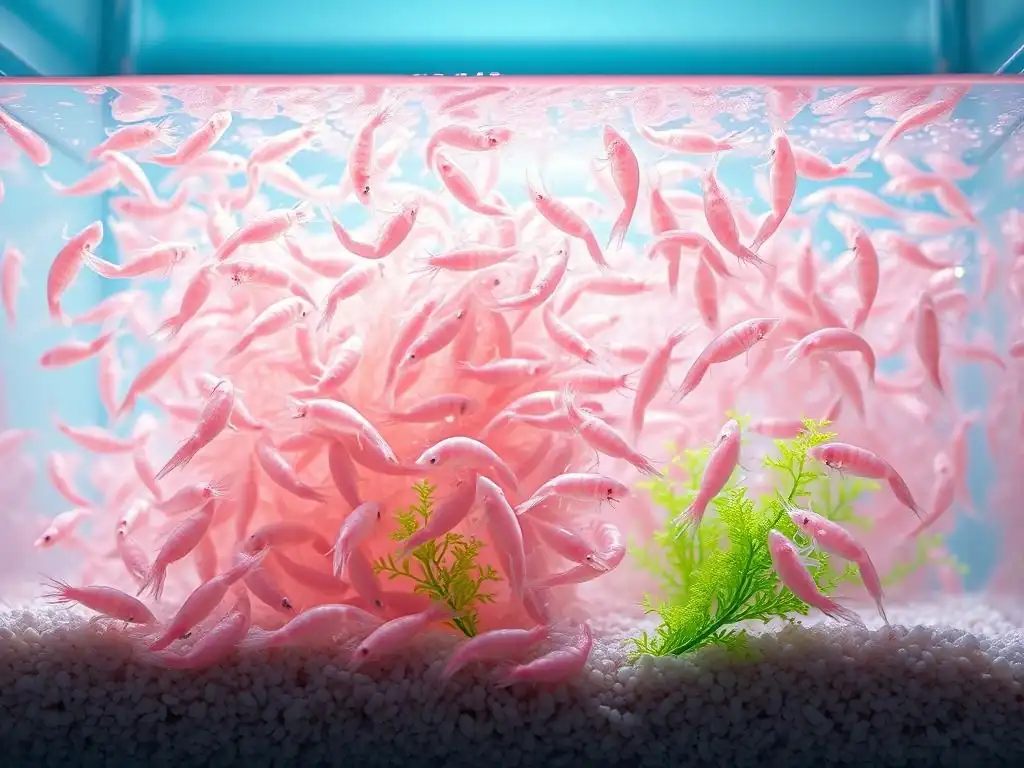
When selecting a tank for a compact larval rearing system, size and shape are critical factors influencing larval survival and ease of maintenance. For clownfish larvae, tanks ranging from 5 to 10 gallons (approximately 19 to 38 liters) are generally considered ideal for initial stages. This size provides sufficient volume for larval development without being so large that it becomes difficult to manage water quality or locate the tiny, translucent larvae. A bare-bottom setup is highly recommended as it simplifies the removal of detritus and uneaten food, which can quickly degrade water quality.
The shape of the tank also plays a significant role. Rectangular or square tanks are typically preferred over cylindrical or irregularly shaped ones. Their straight sides and corners make it easier to clean, siphon out waste, and observe larval behavior. Avoid tanks with intricate designs or internal structures where larvae or food particles could become trapped, leading to poor water circulation and potential water quality issues within your compact larval rearing system.
Filtration Strategies for Small Clownfish Larval Tanks
Traditional power filters or hang-on-back filters with strong flow rates are unsuitable for clownfish larval tanks, as their powerful intake can easily injure or kill delicate larvae. Instead, the primary filtration strategy for a compact larval rearing system relies on gentle yet effective methods. Air-driven sponge filters are the gold standard. These filters provide both mechanical filtration, trapping particulate matter, and biological filtration, hosting beneficial bacteria that convert harmful ammonia and nitrite into less toxic nitrate.
For optimal performance, it is crucial to use a well-established or "cycled" sponge filter from an existing, healthy aquarium, or to allow a new sponge filter to cycle fully before introducing larvae. This ensures that the beneficial bacterial colonies are present and active from day one, minimizing the risk of ammonia and nitrite spikes. The gentle bubbling from the air stone connected to the sponge filter also provides sufficient aeration without creating disruptive currents, making it an ideal choice for a compact larval rearing system aquarium.
Lighting Requirements for Optimal Clownfish Larval Growth
The lighting in a compact larval rearing system plays a crucial role in clownfish larval development and feeding behavior. Newly hatched clownfish larvae are typically phototactic, meaning they are attracted to light. This behavior can be leveraged to encourage them to aggregate in areas where food is concentrated, thereby increasing feeding success. However, strong or direct lighting can stress the larvae and contribute to unwanted algae growth.
Therefore, dim, diffused lighting is generally recommended. A low-wattage LED light fixture placed above the tank, or even ambient room light, often suffices. The goal is to provide enough illumination for the larvae to locate their food and for the hobbyist to observe them, without causing undue stress. A typical photoperiod of 14-16 hours of light per day, mimicking natural daylight cycles, is generally appropriate for encouraging consistent feeding and growth in your compact larval rearing system.
Heating and Temperature Control in Compact Systems
Precise and stable temperature control is paramount for the successful development of clownfish larvae in a compact larval rearing system. As mentioned, the ideal temperature range is between 78-82°F (approximately 25.5-27.8°C). Maintaining this specific range consistently is vital, as fluctuations can lead to developmental abnormalities, increased susceptibility to disease, and reduced survival rates.
A reliable submersible heater with an accurate thermostat is an indispensable piece of equipment. It should be appropriately sized for the tank volume to ensure it can maintain the desired temperature without overheating. It is also highly recommended to use a separate, accurate thermometer to independently verify the heater's setting and ensure that the temperature remains stable throughout the day and night. Consistent temperature management is a cornerstone of a thriving compact larval rearing system aquarium.
Feeding Strategies for Saltwater Fish Larvae in Small Systems
Live Food Cultures: Rotifers, Copepods, and More
For newly hatched clownfish larvae, live food is not merely an option but an absolute necessity. Their tiny mouthparts and specific nutritional requirements mean they cannot consume dry or artificial diets during their initial developmental stages. Rotifers ( Brachionus plicatilis) are the primary first food for clownfish larvae due to their small size (typically 100-200 microns) and slow, jerky swimming motion, which makes them easily catchable. A consistent and abundant supply of rotifers is critical during the first 5-7 days post-hatch.
As the larvae grow, typically around day 5-7, their mouthparts enlarge, allowing them to consume larger prey. At this stage, the introduction of copepod nauplii (e.g., Tisbe or Tigriopus species) or newly hatched Artemia nauplii (brine shrimp) becomes beneficial. Copepods offer superior nutritional profiles, particularly in essential fatty acids, compared to rotifers, and their different swimming patterns can stimulate feeding responses. Maintaining healthy live food cultures is a fundamental aspect of operating a successful compact larval rearing system aquarium.
Culturing Rotifers for Clownfish Larval Rearing: A Beginner's Guide
Culturing rotifers for a compact larval rearing system is a straightforward process that can be mastered by dedicated hobbyists. The basic setup involves a culture vessel (e.g., a 1-5 gallon bucket or bottle), an air stone for gentle aeration, and a food source. Rotifers primarily feed on phytoplankton, such as Nannochloropsis or Tetraselmis, which can be purchased as concentrated cultures or grown by the hobbyist.
To begin, inoculate a clean culture vessel with a starter culture of rotifers. Provide continuous, gentle aeration and feed them phytoplankton daily, aiming for a consistent "green water" appearance in the culture vessel. As the rotifer population grows, typically doubling every 24-48 hours under optimal conditions, they can be harvested by pouring the culture through a fine mesh sieve (e.g., 50-micron) and rinsing them before adding to the larval tank. Maintaining multiple, staggered rotifer cultures can help ensure a continuous supply, crucial for the demanding feeding schedule of a compact larval rearing system.
Feeding Schedules and Densities for Optimal Growth
Clownfish larvae have incredibly high metabolic rates and require a constant supply of food to ensure optimal growth and survival. Therefore, feeding schedules in a compact larval rearing system are significantly more frequent than for adult fish. It is generally recommended to feed small amounts of live food, primarily rotifers, multiple times throughout the day, often every 2-3 hours, or even continuously via a drip system. The goal is to maintain a consistent density of rotifers in the larval tank, typically around 10-15 rotifers per milliliter (mL) during the initial days.
As the larvae grow, their feeding capacity increases, and the density of food organisms may need to be adjusted upwards. Around day 5-7 post-hatch, when larvae are transitioning to larger foods like Artemia nauplii, the feeding frequency can remain high, but the quantity of Artemia introduced will increase. Constant observation of the larvae's gut coloration (indicating they are feeding) and the presence of uneaten food (indicating overfeeding) is essential for fine-tuning feeding schedules in your compact larval rearing system aquarium.
Supplementing Live Food with Artificial Diets
While live foods are indispensable during the early larval stages, a gradual transition to artificial diets can be beneficial as the clownfish larvae mature. Around day 10-14 post-hatch, or once the larvae have fully metamorphosed into juveniles and are actively consuming Artemia, finely ground dry foods or specialized larval pellets can be introduced. This helps to acclimate them to a more varied diet and reduces the long-term reliance on live food cultures.
Furthermore, the nutritional quality of live foods themselves can be enhanced through a process called enrichment. Rotifers and Artemia nauplii, while essential, may lack certain vital fatty acids (like DHA and EPA) critical for neural development and overall health. By feeding these live cultures with enrichment products (e.g., Selco, spirulina-based diets) for several hours before feeding them to the larvae, their nutritional profile is significantly boosted. This practice is vital for maximizing the health and survival rates within a compact larval rearing system.
Maintaining Water Quality in Your Compact Larval Rearing System
Regular Water Changes: Frequency and Volume
Regular water changes are arguably the most critical aspect of maintaining pristine water quality in a compact larval rearing system. Due to the small volume of water, high bioload from larvae and live food, and the larvae's extreme sensitivity to waste products, daily water changes are essential. Typically, 10-20% of the tank volume should be siphoned out each day. This process removes accumulated detritus, uneaten food, and dissolved organic compounds that can quickly degrade water quality.
When performing water changes, it is crucial to use freshly mixed saltwater that is perfectly matched in temperature and salinity to the larval tank. The new water should be added slowly and gently to avoid shocking the delicate larvae. Consistency in this daily routine is paramount, as even a single skipped water change can lead to a rapid decline in water quality and potentially trigger stress or mortality events in your compact larval rearing system aquarium.
Monitoring Water Parameters: Ammonia, Nitrite, Nitrate, and pH
Diligent monitoring of key water parameters is non-negotiable for success in a compact larval rearing system. Ammonia (NH3/NH4+) and nitrite (NO2-) are highly toxic to fish larvae, even at very low concentrations. Daily testing for these two parameters is crucial, and target levels should always be 0 ppm. Any detectable levels indicate an issue with filtration or bioload management, requiring immediate corrective action, such as an emergency water change.
While less immediately toxic, nitrate (NO3-) can still impact larval health at high concentrations, though it typically accumulates more slowly. pH should also be monitored regularly, ideally daily or every other day, aiming for the stable range of 8.0-8.4. Consistent use of reliable, accurate test kits is imperative, as is keeping a log of parameter readings to track trends and identify potential problems before they become critical in your compact larval rearing system.
Preventing Disease Outbreaks in Larval Tanks
Preventing disease outbreaks in a compact larval rearing system is far more effective than attempting to treat them, as larvae are extremely fragile and susceptible to medications. The cornerstone of disease prevention lies in maintaining impeccable water quality and providing optimal nutrition. Stable parameters, consistent water changes, and efficient waste removal drastically reduce environmental stress, which is a major precursor to disease.
Strict hygiene practices are also essential. This includes thoroughly cleaning and sterilizing all equipment before use, washing hands before interacting with the tank, and avoiding cross-contamination from other aquariums. While it's nearly impossible to achieve a completely sterile environment, minimizing the introduction of pathogens from external sources, especially through live food cultures, significantly reduces the risk of bacterial or parasitic infections in your compact larval rearing system aquarium.
Addressing Common Water Quality Issues
Despite best efforts, water quality issues can arise in a compact larval rearing system. If ammonia or nitrite levels become detectable, the immediate priority is a large water change (e.g., 50%) to rapidly dilute the toxins, followed by a reduction in feeding to lessen the bioload. Overfeeding is a common culprit for ammonia spikes. If pH drops too low (below 8.0), it may indicate insufficient alkalinity, which can be remedied by more frequent water changes with properly buffered saltwater or by carefully adding a marine buffer product designed for aquariums.
Excessive bacterial blooms, often appearing as cloudy water, can also occur, usually due to overfeeding or an imbalance in the system. Gentle siphoning of detritus, increased aeration, and a temporary reduction in feeding can help clear the water. If the issue persists, a partial water change combined with ensuring the sponge filter is clean and functioning optimally might be necessary. Proactive monitoring and quick responses are key to mitigating common water quality problems in a compact larval rearing system.
Troubleshooting Common Problems in Compact Larval Rearing
Identifying and Treating Clownfish Larval Diseases
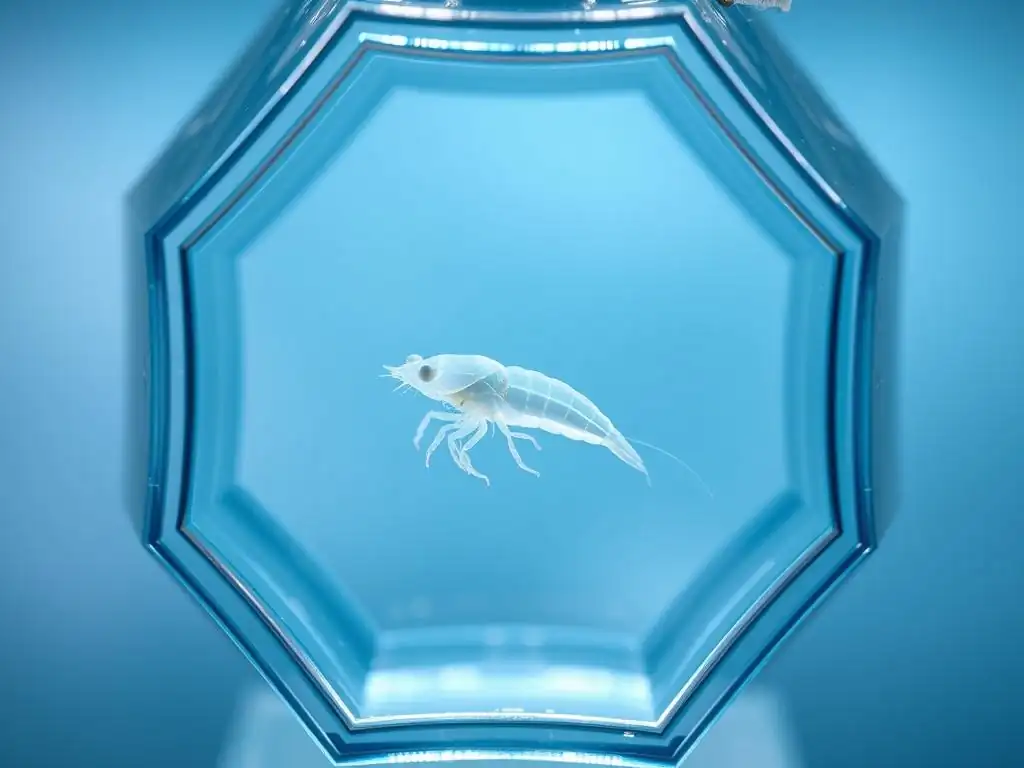
Identifying diseases in tiny clownfish larvae can be challenging, but common signs of distress include lethargy, erratic swimming, loss of buoyancy control (floating at the surface or sinking to the bottom), and visible abnormalities like cloudy eyes or fin erosion. Bacterial infections are the most common culprits in larval systems, often manifesting as opaque bodies or cotton-like growths. Unfortunately, treatment options for marine fish larvae are extremely limited due to their delicate nature and high sensitivity to most medications.
Prevention remains the best strategy, focusing on pristine water quality, optimal nutrition, and a stress-free environment. If a disease is suspected, isolating affected larvae (if possible) and performing immediate, large water changes are often the only safe interventions. In severe cases, a complete system breakdown, sterilization, and restart may be necessary to eradicate pathogens. Consult with experienced breeders or marine veterinarians before attempting any chemical treatments on a compact larval rearing system, as most are lethal to larvae.
Dealing with Algae Blooms in Small Systems
While a certain amount of "green water" (phytoplankton) is often desired in clownfish larval systems to feed rotifers and provide a sense of security for the larvae, excessive growth of unwanted algae can become problematic. Filamentous green algae or brown diatom blooms can compete for nutrients, obscure visibility, and potentially harbor undesirable microorganisms. Common causes include excessive light intensity or duration, and high nutrient levels (nitrates, phosphates) from uneaten food or waste.
To address an algae bloom in your compact larval rearing system, first assess your lighting. Reduce the photoperiod or dim the lights. Increase the frequency and volume of water changes to export excess nutrients. Gently siphon off any visible algae from the tank walls and bottom. Ensuring that your live food cultures are healthy and not overfed will also help reduce nutrient input. In some cases, introducing a small, temporary filter floss pad can help mechanically remove suspended algae.
Addressing Issues with Live Food Cultures
Problems with live food cultures, particularly rotifers, are a common bottleneck in compact larval rearing. A "culture crash," where the rotifer population rapidly declines, can be devastating to a larval run. Common causes include insufficient food (phytoplankton), overfeeding leading to bacterial contamination and oxygen depletion, sudden temperature fluctuations, or inadequate aeration. Signs of a crash include clear culture water, an unpleasant smell, or visible rotifer mortality.
To prevent and address these issues, maintain consistent feeding schedules for your rotifer cultures, ensuring the water remains a light green tint. Provide continuous, gentle aeration and stable temperatures (e.g., 70-78°F / 21-25.5°C). Having multiple, staggered rotifer cultures is a critical safeguard, ensuring a backup supply if one culture crashes. For copepod cultures, similar principles apply: consistent food, good aeration, and stable parameters are key to a thriving compact larval rearing system.
Addressing Swim Bladder Disorder in Clownfish Larvae
Swim bladder disorder (SBD) is a frustrating and often fatal condition in clownfish larvae, where the swim bladder fails to properly inflate. Affected larvae will be unable to maintain neutral buoyancy, either floating uncontrollably at the surface or sinking to the bottom. This disorder typically manifests within the first few days post-hatch and can lead to significant mortality rates in a compact larval rearing system.
The exact causes of SBD are not always clear but are often linked to poor water quality, nutritional deficiencies (especially inadequate essential fatty acids in the first food), or a lack of proper air-water interface for the larvae to gulp air for inflation. To mitigate SBD, ensure pristine water quality with consistent parameters, enrich your rotifer cultures with high-quality nutritional supplements, and provide gentle surface agitation to facilitate air gulping without creating strong currents. Some breeders also advocate for maintaining slightly higher water temperatures (e.g., 80-82°F) during the initial inflation period.
Case Studies: Success Stories with Compact Larval Rearing Systems
Case Study 1: Breeding Ocellaris Clownfish in a Compact System
A dedicated hobbyist, Sarah, successfully bred Ocellaris clownfish ( Amphiprion ocellaris) in a 10-gallon compact larval rearing system. Her setup included an air-driven sponge filter, a 50-watt submersible heater maintaining a steady 80°F (26.7°C), and a small LED light on a 14-hour photoperiod. After the eggs hatched, she maintained a consistent rotifer density of 15 rotifers/mL, feeding small amounts every 3 hours during daylight hours. Daily, she performed a 15% water change using pre-mixed, temperature-matched saltwater.
Sarah meticulously monitored ammonia and nitrite, consistently keeping them at 0 ppm. Around day 6 post-hatch, she began supplementing with newly hatched, enriched Artemia nauplii, gradually phasing out rotifers by day 10. By day 12, the larvae had completed metamorphosis into miniature clownfish, and she achieved a remarkable survival rate of approximately 65% from hatch to juvenile stage. This case demonstrates that with diligent care and proper equipment, a compact larval rearing system aquarium can yield significant results for clownfish breeding.
Case Study 2: Overcoming Challenges with First Feeding in Clownfish Larvae
Another hobbyist, Mark, initially faced high mortality rates in his 5-gallon compact larval rearing system during the critical first few days post-hatch. He observed that his newly hatched clownfish larvae appeared to be starving, despite introducing rotifers. Upon closer inspection and consultation with experienced breeders, he realized his rotifer density was too low, around 5 rotifers/mL, and they were not consistently available throughout the day.
Mark adjusted his rotifer culture methods to produce a higher density, aiming for 20 rotifers/mL in the larval tank, and implemented a continuous drip-feed system for the first 72 hours post-hatch, ensuring a constant supply of food. He also enriched his rotifers with a commercial DHA/EPA supplement. This simple but crucial adjustment dramatically improved larval feeding success. His subsequent batch of clownfish larvae showed a significant increase in survival, from less than 10% to over 50% by day 5, highlighting the absolute necessity of dense, nutritious first food in a compact larval rearing system.
Advanced Techniques for Compact Larval Rearing Systems
Using Probiotics to Enhance Larval Health
The application of probiotics, beneficial microorganisms, is an advanced technique gaining traction in compact larval rearing systems. Probiotics can be introduced directly into the water column or incorporated into live food cultures (e.g., rotifers, Artemia) before being fed to larvae. These beneficial bacteria work by outcompeting pathogenic bacteria for resources and attachment sites in the larval gut and water column, thereby reducing the incidence of bacterial diseases.
Specific strains of probiotics have been shown to improve water quality by breaking down organic waste, enhance nutrient assimilation in larvae, and stimulate the larval immune system. For instance, certain Bacillus species are commonly used in aquaculture for their water conditioning and gut health benefits. Integrating probiotics can lead to more stable water parameters and increased survival rates, making a compact larval rearing system more robust and resilient against common stressors.
Implementing Automatic Water Change Systems
While daily manual water changes are effective, implementing an automatic water change system can significantly enhance stability and reduce the daily labor involved in a compact larval rearing system. These systems typically consist of peristaltic pumps or gravity-fed drip systems that slowly remove old water and introduce fresh, pre-mixed saltwater over a period of hours or continuously. This "trickle" method minimizes sudden shifts in water parameters, which can stress delicate larvae.
The benefits of an automatic system include ultra-consistent water quality, reduced workload for the hobbyist, and a more stable environment for the larvae, potentially leading to higher survival rates. Precision is key, requiring careful calibration of flow rates to ensure the correct volume of water is exchanged daily. While requiring an initial investment, an automatic water change system can be a valuable addition for serious hobbyists looking to optimize their compact larval rearing system aquarium.
Green Water Technique for Clownfish Larval Rearing
The "green water" technique is an advanced approach often employed in compact larval rearing systems, particularly for species with very small larvae like clownfish. This method involves intentionally maintaining a low density of phytoplankton (e.g., Nannochloropsis, Tetraselmis) directly in the larval rearing tank alongside the rotifers. The phytoplankton gives the water a greenish tint, hence the name.
The primary benefit of the green water technique is that it provides a continuous food source for the rotifers within the larval tank, ensuring they remain highly nutritious for the larvae. It also offers a visual cue for the larvae, making it easier for them to locate and consume the rotifers. Furthermore, the phytoplankton can help absorb excess nutrients in the water column, contributing to better water quality and potentially reducing stress on the larvae. This technique mimics natural planktonic environments, making the compact larval rearing system more conducive to larval development.
Optimizing Your Compact Larval Rearing System for Maximum Success
Continuous Improvement Through Observation and Experimentation
Achieving consistent success in a compact larval rearing system is an ongoing journey of learning, observation, and refinement. Every batch of clownfish larvae can present unique challenges, and subtle changes in environmental conditions or feeding strategies can have significant impacts. Dedicated hobbyists continuously observe their larvae's behavior, growth rates, and health, noting any deviations from the norm.
By making small, controlled adjustments and observing the outcomes, breeders can fine-tune their compact larval rearing system for optimal performance. For example, slightly altering feeding frequency, experimenting with different light intensities, or trying varied enrichment methods for live foods can reveal new pathways to improved survival and growth. This scientific approach, coupled with meticulous record-keeping, empowers hobbyists to evolve their techniques and maximize their success rates.
Documenting Your Process and Sharing Your Findings
Detailed documentation is an invaluable tool for optimizing a compact larval rearing system. Keeping a comprehensive log of every larval run, including hatch dates, water parameters (temperature, salinity, ammonia, nitrite, nitrate, pH), feeding schedules, live food densities, enrichment methods, observed behaviors, and daily mortality or survival rates, provides a wealth of data. This information allows hobbyists to identify patterns, pinpoint potential causes for issues, and replicate successful strategies.
Sharing these findings with the broader aquarist community, whether through online forums, local aquarium clubs, or dedicated breeding groups, benefits everyone. Collective knowledge and shared experiences accelerate the learning curve for others interested in compact larval rearing systems aquarium. The marine breeding hobby thrives on collaboration, and contributing one's successes and challenges helps advance the understanding and accessibility of advanced breeding techniques for all.
Conclusion: The Future of Small-Scale Clownfish Breeding with Compact Systems
The journey of raising clownfish from microscopic larvae to vibrant juveniles in a compact larval rearing system is a testament to the dedication and ingenuity of the modern aquarist. These small-scale setups, while demanding meticulous attention to detail, offer an incredibly rewarding experience, demonstrating that significant results can indeed be achieved in limited spaces. The core principles of stable water parameters, precise temperature control, appropriate lighting, and, most critically, a consistent supply of highly nutritious live foods, remain the cornerstones of success.
As the aquarium hobby continues to evolve, the accessibility and effectiveness of compact larval rearing systems empower more enthusiasts to venture into advanced marine fish breeding. This not only deepens their understanding of marine biology and aquaculture but also plays a vital role in promoting sustainable practices by reducing the demand for wild-caught fish. The future of small-scale clownfish breeding, firmly rooted in the capabilities of a well-managed compact larval rearing system aquarium, promises continued innovation and a thriving community of responsible aquarists.
Frequently Asked Questions
What are compact larval rearing systems (CLRS) in the aquarium hobby, and why should I consider one?
CLRS are small-scale setups designed for raising fish larvae. They offer controlled environments which can improve survival rates compared to raising larvae in the main tank.
What types of fish larvae are best suited for a compact larval rearing system?
CLRS are particularly beneficial for small, delicate larvae with specific dietary needs, such as saltwater clownfish or certain freshwater species like killifish. They allow for precise feeding and water parameter control.
How do CLRS help with water quality management for sensitive larvae?
CLRS typically incorporate features like gentle filtration and frequent water changes, minimizing the buildup of harmful substances. This stable environment is crucial for larval development.
What are the key components of a typical compact larval rearing system?
Essential components include a small tank or container, a gentle air pump or circulation system, a heating system (if required), and a method for feeding the larvae. Often a dedicated light source is also needed.
Where can I find more in-depth information on setting up and maintaining a successful CLRS?
AquariumMastery.com provides detailed guides and articles on various aspects of CLRS, including species-specific recommendations, troubleshooting, and advanced techniques. Look for articles on water chemistry and feeding strategies.
Final Reflection: Nurturing Life in Miniature
The journey into the world of compact larval rearing systems reveals a profound truth: even within the confines of a small space, we can cultivate life and witness the miracle of transformation. What began as a practical guide for dedicated hobbyists underscores a broader appreciation for the delicate balance of aquatic ecosystems and the power of meticulous care.
This exploration has not only highlighted the technical aspects of rearing aquatic larvae but also illuminated the deep connection we forge with the natural world through such endeavors. The ability to nurture life, even on a small scale, fosters a sense of responsibility and a profound respect for biodiversity. The care of one creature may be a small thing, but the care of many is a large thing.
This quote encapsulates the essence of our efforts, reminding us that every contribution, no matter how seemingly insignificant, plays a vital role in the larger tapestry of life.
As you consider the possibilities presented by compact larval rearing systems, I encourage you to embrace the challenge and embark on your own journey of discovery. Let the lessons learned here inspire you to not only cultivate thriving aquatic life but also to cultivate a deeper understanding of the interconnectedness of all living things. The future of our planet depends on our collective commitment to responsible stewardship, and your dedication, however small the scale, can make a world of difference.
Unleash Your Inner Breeder: Start Your Larval Rearing Journey Today!
Thank you for exploring the world of compact larval rearing! We hope you've gained valuable insights into setting up your own successful system. Now, it's time to turn knowledge into action and experience the magic of raising healthy larvae.
Here's how you can dive in:
- Commit to your first hatch! Choose a species you're passionate about and take the plunge to experience the challenges and rewards firsthand.
- Join the Aquarium Mastery community forum. Share your plans, ask questions, and learn from other hobbyists.
- Experiment with different feeding schedules. Monitor larval growth and adjust your approach to optimize their development.
What innovative modification will you introduce to your compact larval rearing system?