
Selective Breeding Platies: Enhancing Colors and Patterns

Welcome to Aquarium Mastery!
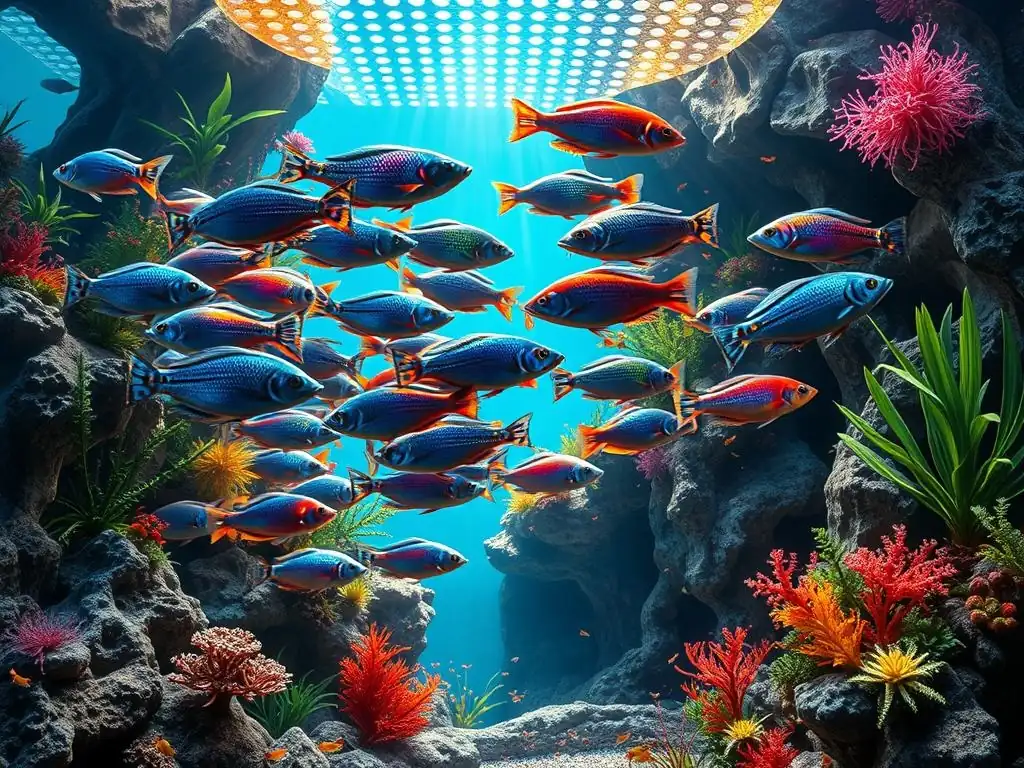
Dive into the captivating world of freshwater aquariums, where vibrant life thrives and mesmerizing ecosystems unfold. Ever wondered how to unlock the secrets of selectively breeding your Platy fish to achieve breathtaking colors and patterns? This article unveils the essential Platy fish breeding techniques to help you enhance the genetics of your Platies. Discover expert tips and tricks to elevate your aquarium hobby and cultivate truly stunning fish. Intrigued? Let's explore the rewarding journey of becoming a Platy breeding master!
- Understanding Platy Genetics for Selective Breeding
- Setting Up Your Platy Breeding Program
- Platy Fish Breeding Techniques: A Step-by-Step Guide
- Raising Platy Fry: Ensuring Healthy Growth and Vibrant Colors
- Advanced Platy Breeding Strategies
- Enhancing Platy Colors Through Selective Breeding
- Creating Unique Platy Patterns Through Selective Breeding
- Common Challenges in Platy Fish Breeding and How to Overcome Them
- Documenting Your Platy Breeding Successes and Failures
- The Future of Platy Breeding: Emerging Trends and Possibilities
-
Frequently Asked Questions
- What are some of the most important factors to consider when selecting Platies for breeding to enhance colors and patterns?
- How does water quality impact the success of Platy fish breeding?
- What are some effective feeding strategies to promote healthy Platy fry development?
- How long does it typically take for Platy fry to mature and display their adult colors and patterns?
- What are some common challenges faced during Platy fish breeding, and how can they be overcome?
- Final Reflection: The Living Palette of Selective Breeding
- Unleash the Platy Breeder Within!
Understanding Platy Genetics for Selective Breeding
Basic Principles of Platy Fish Genetics
Selective breeding in platies, much like in other livebearers, relies on understanding fundamental genetic principles. Platy fish inherit traits such as color, pattern, and fin shape from their parents through genes. These genes can be dominant or recessive, meaning some traits will express themselves even if only one copy of the gene is present (dominant), while others require two copies (recessive) to be visible. For instance, the gene for red coloration in some platy strains is often dominant, meaning a platy with just one red gene will display red hues.
Understanding these basic inheritance patterns is crucial for anyone engaging in platy fish breeding techniques. When breeding two platies, their offspring will receive a combination of genes from both parents, leading to a variety of possible outcomes for their appearance. By carefully selecting parents that carry the desired genetic information, breeders can increase the probability of producing fry that exhibit specific colors, patterns, or fin types, laying the groundwork for a successful selective breeding program.
Identifying Desirable Traits in Platies: Color, Pattern, and Fin Shape
To effectively selectively breed platies, aquarists must first be able to accurately identify the specific desirable traits they wish to propagate. Platy varieties boast a stunning array of colors, including vibrant reds, oranges, yellows, blues, and even blacks. Patterns are equally diverse, ranging from the distinct black tail and fins of a "Wagtail" platy to the dark, tuxedo-like rear half of a "Tuxedo" platy, or the speckled appearance of a "Salt and Pepper" variety. Fin shapes also vary, with common types including the standard, high-fin, and lyretail.
Visual assessment is paramount in this stage of platy fish breeding techniques. Breeders meticulously examine individual fish, noting the intensity of their colors, the clarity and definition of their patterns, and the elegance or unique characteristics of their finnage. For example, a "Sunset" platy might be prized for its gradient of red to yellow across its body, while a "Mickey Mouse" platy is identified by the distinct black pattern at the base of its tail resembling the iconic Disney character, a pattern that must be clearly defined for breeding purposes.
Establishing Breeding Goals: What Colors and Patterns Are You Aiming For?
Before initiating any platy fish breeding techniques, it is essential to establish clear and specific breeding goals. Without a defined objective, the breeding process can become haphazard, yielding inconsistent results. Goals might range from enhancing the vibrancy of an existing color strain, such as creating a deeper, more uniform "Blood Red" platy, to developing entirely new combinations, like a "Blue Tuxedo Lyretail" platy. These goals should be quantifiable and achievable over a realistic timeframe, typically spanning several generations.
Documenting these goals is also critical for tracking progress and making informed decisions. For instance, a breeder might aim to achieve 80% of offspring displaying a specific desired trait within three to four generations. This involves not only selecting parents with the desired phenotypes but also understanding the genetic lineage to ensure the traits are stable and consistently passed down. Clear objectives guide the selection process, helping breeders choose the best parent fish and determine which fry to retain for future breeding, thereby streamlining the selective breeding journey.
Setting Up Your Platy Breeding Program
Choosing Parent Platies: Selecting for Desired Characteristics
The cornerstone of any successful platy fish breeding program lies in the careful selection of parent fish. It is not enough for the parents to simply display the desired color or pattern; they must also be healthy, vigorous, and free from any deformities or signs of disease. Selecting robust, active fish ensures that they are genetically strong and capable of producing healthy offspring. Ideally, parent platies should be at least 3-4 months old, having reached sexual maturity and a size of approximately 1.5 to 2 inches, which indicates they are ready for breeding.
When choosing parents, evaluate them against your established breeding goals. If you aim for a specific red platy, select the male and female with the most intense, uniform red coloration and no unwanted markings. Observe their behavior; active swimmers with clear eyes and intact fins are preferred. Avoid fish that appear lethargic, have clamped fins, or show any signs of parasitic infections, as these issues can be passed on to the fry or compromise breeding success, undermining the overall platy fish breeding techniques employed.
Creating Separate Breeding Tanks for Platies
Dedicated breeding tanks are indispensable for a controlled platy breeding program. Housing breeding pairs or trios (typically one male to two or three females) in a separate environment minimizes stress, prevents unwanted pregnancies from other species, and allows for precise monitoring of the breeding process. A 5-gallon tank is often suitable for a single breeding pair, while a 10-gallon tank provides ample space for a trio, offering enough room for the females to escape persistent male attention.
These tanks should be equipped with a reliable heater to maintain stable temperatures and a gentle filter, such as a sponge filter, which is safe for delicate fry. Providing ample hiding places, such as dense live plants like Java moss or hornwort, or even artificial breeding mops, gives pregnant females a sense of security and offers immediate refuge for newly born fry. This dedicated setup greatly increases the survival rate of the fry and allows for easier observation and management of the specific platy fish breeding techniques being applied.
Maintaining Optimal Water Parameters for Platy Breeding and Fry Development
Consistent and optimal water parameters are crucial for encouraging platy breeding and ensuring the healthy development of fry. Platies thrive in slightly alkaline to neutral water with a pH range of 7.0 to 8.0 and a moderate hardness of 10-25 dGH (degrees of General Hardness). The ideal temperature for breeding is typically between 72-78°F (22-26°C). Fluctuations in these parameters can cause stress, reduce breeding activity, and even lead to health issues for both adults and fry.
Regular water changes are paramount to maintain pristine water quality, especially in breeding tanks where bioload can increase rapidly with the addition of fry. Performing weekly 25% water changes helps to keep nitrate levels low, ideally below 20 ppm, which is critical for successful fry development. Monitoring ammonia and nitrite levels, ensuring they remain at 0 ppm, is also vital, as platies are sensitive to these toxins. Stable and clean water provides the best possible environment for successful platy fish breeding techniques and robust fry growth.
Platy Fish Breeding Techniques: A Step-by-Step Guide
Introducing Male and Female Platies for Breeding
Once the breeding tank is set up and optimized, the next step in platy fish breeding techniques is to introduce the selected parent fish. It is generally advisable to introduce the female platies first, allowing them to acclimate to their new environment for a day or two before introducing the male. This reduces stress on the females and gives them a chance to establish territory within the tank. A common ratio is one male to two or three females; this helps distribute the male's attention, preventing any single female from being overly stressed by constant mating attempts.
Observe the fish closely after introduction. Healthy platies will typically show immediate interest in each other, with the male often pursuing the females. Mating usually occurs without much fanfare and can be observed as the male quickly darts towards the female, attempting to fertilize her. If the fish appear stressed or aggressive, re-evaluate the tank setup or consider separating them temporarily. Successful introduction sets the stage for fertilization and the subsequent development of fry, which is the ultimate goal of these platy fish breeding techniques.
Recognizing Signs of Pregnancy in Female Platies
Identifying a pregnant female platy is a key skill for any aspiring breeder. Female platies, being livebearers, do not lay eggs but instead carry their developing fry internally. The most obvious sign of pregnancy is a noticeable swelling of the female's abdomen, which will become increasingly round and "squared off" as she approaches delivery. Another prominent indicator is the gravid spot, a dark, triangular-shaped area located near the anal fin. This spot, which is part of the female's reproductive anatomy, becomes significantly darker and more pronounced as the fry develop within her.
The gestation period for platies typically ranges from 28 to 35 days, though it can vary based on water temperature and individual fish. As the female nears delivery, she may become more reclusive, seeking out hiding spots among plants or decor. She might also exhibit a slight change in behavior, such as refusing food or becoming more agitated. Recognizing these signs allows the breeder to prepare for the arrival of the fry, ensuring they have adequate protection and resources for survival, which is crucial for effective platy fish breeding techniques.
Protecting Platy Fry from Adult Platies
Platy fry are extremely vulnerable upon birth, and adult platies, including the parents, often view them as a food source. Protecting the fry is a critical step in maximizing their survival rate. One common method is to use a breeding box or net, which is a small container placed inside the main tank, allowing the female to give birth in a confined space and then be removed, leaving the fry safely separated. However, these can be stressful for the female if used for prolonged periods.
A more natural approach, and often preferred for less stress, involves providing dense live plants such as Java moss, hornwort, or guppy grass in the breeding tank. These plants offer numerous hiding spots and a complex structure where the tiny fry can seek refuge immediately after birth.
Once the female has given birth (which can yield anywhere from 20 to 80 fry per brood), it is highly recommended to remove the adult platies from the breeding tank and transfer them back to a community tank or another designated space. This ensures the fry have the entire tank to themselves, free from predation, allowing them to grow larger and stronger before being introduced to a more populated environment, a vital component of successful platy fish breeding techniques.
Raising Platy Fry: Ensuring Healthy Growth and Vibrant Colors
Feeding Platy Fry: Best Food Options for Optimal Development
Proper nutrition is paramount for the healthy growth of platy fry and the development of their vibrant colors. Newly hatched platy fry are tiny and require finely crushed food that they can easily consume. High-quality powdered fry food, spirulina powder, or finely crushed adult fish flakes are suitable initial options. However, for optimal growth and coloration, live foods are highly recommended. Baby brine shrimp, freshly hatched, are considered the gold standard, rich in protein (around 60%) and essential nutrients that promote rapid development and intensified colors. Micro-worms are another excellent alternative, providing a nutritious and easily digestible food source.
Fry should be fed small amounts frequently, typically 3 to 5 times a day, to support their rapid metabolism and continuous growth. Overfeeding should be avoided, as uneaten food can quickly foul the water. As the fry grow, usually after 2-3 weeks, they can gradually transition to slightly larger foods, such as finely ground flakes or small pellets. A consistent diet rich in varied nutrients is a key element of effective platy fish breeding techniques, directly influencing the health and aesthetic appeal of the resulting fish.
Maintaining Water Quality in Fry Tanks: Avoiding Common Problems
Maintaining pristine water quality in fry tanks is even more critical than in adult tanks, as platy fry are highly sensitive to even slight fluctuations in water parameters and the presence of toxins. Ammonia and nitrite levels must remain at 0 ppm, and nitrates should be kept below 10 ppm. Due to frequent feedings and the high bioload of numerous small fish, water quality can deteriorate rapidly. Therefore, small, frequent water changes are essential.
Performing daily or every-other-day water changes of 10-15% of the tank volume helps to remove waste products and replenish essential minerals without causing significant stress to the delicate fry. Using a gravel vacuum with a narrow tube or airline tubing allows for precise removal of debris from the tank bottom without siphoning up the tiny fry. Consistent monitoring with a reliable liquid test kit is crucial to ensure parameters remain stable and within optimal ranges, preventing common problems like stunted growth, disease outbreaks, or even mass fry mortality, which can undermine all platy fish breeding techniques employed.
Identifying and Separating Platy Fry Based on Color and Pattern
As platy fry grow, usually from 4 to 8 weeks of age when they reach about 0.5 to 1 inch in length, their colors and patterns will begin to emerge and become more discernible. This is the crucial stage for identifying and separating individuals that exhibit the desired traits from those that do not. Some traits, like the Wagtail pattern (black fins), may be visible quite early, while the full intensity of a specific body color might take longer to develop.
Carefully observe each fry, comparing it against your breeding goals. Fry that display the targeted color, pattern, or fin shape should be separated into a "grow-out" tank where they can continue to develop. Those that do not meet the criteria, or show deformities, should be removed. This process, often referred to as "culling," is a necessary part of selective platy fish breeding techniques to ensure genetic integrity and focus resources on producing high-quality specimens. Consistent observation and separation are vital for refining your platy strain over generations.
Advanced Platy Breeding Strategies
Line Breeding: Strengthening Desirable Traits
Line breeding is an advanced platy fish breeding technique used to intensify and stabilize specific desirable traits within a platy strain. It involves breeding closely related individuals, such as parent-offspring or sibling-sibling, over several generations. The primary goal is to "fix" certain genes, making the desired traits consistently appear in a high percentage of offspring. For example, successful line breeding can achieve 70-90% of offspring exhibiting a desired color or pattern within 4-5 generations.
While highly effective for creating uniform and predictable strains, line breeding carries the risk of inbreeding depression. This can manifest as reduced fertility, smaller brood sizes, increased susceptibility to disease, or physical deformities due to the accumulation of undesirable recessive genes. Therefore, careful monitoring and occasional outcrossing are essential to mitigate these risks and maintain the overall vigor of the line.
Outcrossing: Introducing New Genes to Prevent Inbreeding Depression
Outcrossing is a vital strategy in advanced platy fish breeding techniques, serving as a counterbalance to the potential negative effects of prolonged line breeding. It involves introducing an unrelated individual of the same species into a established breeding line. The primary purpose of outcrossing is to reintroduce genetic diversity, thereby improving the overall vigor, size, fertility, and disease resistance of the strain. For instance, outcrossing every 3-5 generations can help prevent issues like reduced fertility rates, which can drop by 10-20% in highly inbred lines.
When selecting an outcross individual, it is crucial to choose a healthy fish that ideally possesses strong versions of the desired traits, or at least does not carry undesirable ones. While outcrossing might temporarily dilute the consistency of the desired trait in the immediate offspring, the long-term benefits of genetic revitalization often outweigh this short-term deviation. This strategic infusion of new genes strengthens the line, making it more robust and sustainable for continued selective breeding efforts.
Culling Undesirable Platy Fry: Maintaining Genetic Integrity
Culling, the process of removing individuals that do not meet the breeding goals or exhibit undesirable traits, is a critical, albeit sometimes difficult, aspect of advanced platy fish breeding techniques. Its purpose is to maintain the genetic integrity and quality of a platy strain by preventing the propagation of unwanted characteristics, such as poor coloration, incorrect patterns, deformities (e.g., bent spines), or stunted growth. In a typical brood, 10-30% of fry might be culled in early stages to focus on quality over quantity.
Culling should be done humanely and promptly, ideally when fry are still very small, typically within the first few weeks after their traits become discernible. By removing these individuals, breeders ensure that their limited tank space and resources are dedicated to the most promising fry. This focused approach accelerates the progress towards established breeding goals, allowing for a more efficient and effective development of unique and high-quality platy strains.
Enhancing Platy Colors Through Selective Breeding
Focusing on Specific Color Strains: Red, Blue, Yellow, and More
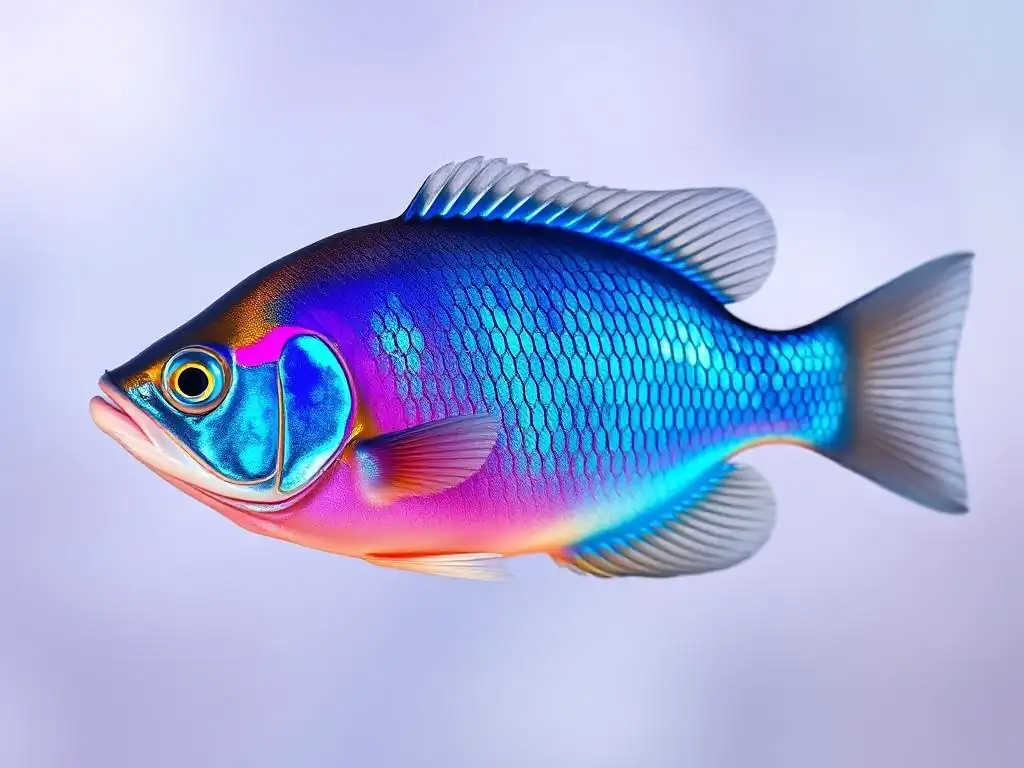
To enhance specific platy color strains through selective breeding, a dedicated approach is necessary. This involves consistently breeding individuals that exhibit the most intense and uniform expression of the desired color. For example, to develop a "Blood Red" strain, breeders would select the deepest red males and females, ensuring their coloration is solid and free from faded patches or unwanted secondary hues. The goal is to progressively increase the saturation and coverage of the target color across generations.
This focused selection involves observing the fry as they mature and only retaining those that show the strongest manifestation of the desired color. Over several generations, typically 3-5, this meticulous process can significantly intensify the color, often by 10-15% per generation in terms of vibrancy and coverage. It's a long-term commitment that requires patience and keen observation, but the result is a stable strain with truly exceptional coloration, a hallmark of refined platy fish breeding techniques.
Combining Color Traits for Unique Platy Variations
Beyond intensifying single colors, advanced platy fish breeding techniques allow for the exciting possibility of combining different color traits to create entirely unique variations. This involves strategically crossing platies that carry distinct color genes with the aim of producing offspring that display a blend or combination of those colors. For instance, crossing a vibrant red platy with a bright yellow platy can lead to stunning orange or "Sunset" variations, where the body transitions from one hue to another.
The process of combining color traits can be more complex than single-color enhancement, as it often involves understanding how multiple genes interact. It may take several generations to stabilize a new combined color pattern, with consistent selection of individuals that exhibit the desired blend. For example, achieving a stable "Rainbow" platy strain, with multiple distinct color zones, might require 6-8 generations of careful selection and breeding, pushing the boundaries of what's possible in platy aesthetics.
Understanding the Role of Diet in Platy Coloration
While selective breeding establishes the genetic potential for vibrant colors in platies, diet plays an equally crucial role in their actual expression and intensity. Certain pigments, particularly carotenoids, found in specific foods are essential for enhancing red, orange, and yellow hues. Fish cannot synthesize these pigments themselves and must obtain them through their diet. Therefore, feeding a high-quality, color-enhancing diet is indispensable for maximizing the visual appeal of selectively bred platies.
Foods rich in natural color enhancers include spirulina, astaxanthin, and krill. Specialized color-enhancing flakes or pellets often contain elevated levels of these ingredients. For example, feeding a diet rich in astaxanthin, such as spirulina-based flakes, can intensify red and orange coloration by up to 20-30% over several weeks compared to a diet lacking these pigments. Consistent feeding of such diets, alongside genetic selection, ensures that the platies not only inherit the genes for brilliant colors but also have the nutritional building blocks to fully express them, completing the cycle of effective platy fish breeding techniques.
Creating Unique Platy Patterns Through Selective Breeding
Breeding for Specific Pattern Types: Tuxedo, Wagtail, Salt and Pepper
Selective breeding for specific patterns in platies requires a keen eye and consistent effort. Patterns like "Tuxedo" (black rear half), "Wagtail" (black fins), and "Salt and Pepper" (speckled body) are often genetically distinct and can be isolated and enhanced. To breed for a Tuxedo pattern, for instance, breeders would choose individuals with the most defined and solid black coloration on their posterior half. The goal is to produce offspring with a clear, sharp demarcation between the body color and the black pattern.
The inheritance of patterns can sometimes be more complex than simple color traits, with some patterns being dominant and others recessive or polygenic. The Tuxedo pattern, being a dominant trait, is relatively straightforward to establish within 2-3 generations through focused breeding. Consistent selection over several generations is necessary to achieve a high percentage of offspring exhibiting the desired pattern with clarity and stability, making it a rewarding aspect of platy fish breeding techniques.
Combining Pattern and Color Traits for Stunning Results
One of the most exciting aspects of advanced platy fish breeding techniques is the ability to combine specific patterns with desired color traits to create truly stunning and unique variations. This involves crossing platies that each carry strong expressions of a particular pattern or color gene, with the aim of producing offspring that display both characteristics simultaneously. For example, breeding a vibrant red platy with a strong Wagtail pattern can result in a "Red Wagtail" platy, featuring a striking red body contrasted with jet-black fins.
The complexity of combining traits means that initial generations may produce a mix of desired and undesired outcomes. However, through diligent selection and re-pairing, breeders can progressively increase the percentage of offspring expressing both traits. Achieving a stable "Red Wagtail" platy, combining dominant red body color with the black fins of the wagtail pattern, can result in 70-85% success rate in offspring expressing both traits when parents are carefully selected. This meticulous process can lead to the creation of unique and highly sought-after platy varieties, showcasing the pinnacle of selective breeding.
The Importance of Record Keeping in Pattern Development
Detailed and accurate record keeping is absolutely critical for successful pattern development in platy fish breeding. Unlike simple color traits, patterns can sometimes be influenced by multiple genes or environmental factors, making their inheritance more complex to track. A comprehensive breeding log should include information on parent fish (their pattern, color, and any identifying marks), the date of spawning, the number of fry produced, and, most importantly, the observed patterns and colors of the offspring as they mature.
These records allow breeders to analyze inheritance patterns across generations, identify which pairings consistently produce the desired results, and understand the genetic basis of the patterns they are working with. For instance, accurate records detailing parent phenotypes and offspring ratios can reduce the time required to establish a stable pattern strain by as much as 30-40%. Without such documentation, the breeding process becomes largely guesswork, making it difficult to replicate successes or learn from failures, thus hindering the refinement of specific platy fish breeding techniques.
Common Challenges in Platy Fish Breeding and How to Overcome Them
Preventing Inbreeding and Genetic Defects in Platies
One of the most significant challenges in long-term platy fish breeding is preventing inbreeding and the genetic defects that can arise from it. Continuous breeding of closely related individuals can lead to inbreeding depression, characterized by reduced fertility, smaller broods, weaker immune systems, and physical deformities such as bent spines, stunted growth, or unusual gill plates. Inbreeding depression can manifest as a 15-25% reduction in average brood size or increased susceptibility to disease in highly inbred lines.
To mitigate these risks, responsible breeders must strategically introduce new, unrelated bloodlines (outcrossing) every few generations, typically every 3-5 generations. This reintroduces genetic diversity, invigorating the strain and reducing the likelihood of recessive genetic defects expressing themselves. Careful record-keeping helps track lineage and identify when an outcross is necessary, ensuring the long-term health and viability of the platy population.
Dealing with Infertile Platies or Low Fry Production
Encountering infertile platies or experiencing unexpectedly low fry production can be a frustrating challenge in any breeding program. Several factors can contribute to these issues, including the age of the fish (very young or very old platies may be less fertile), chronic stress, poor water quality, or nutritional deficiencies. A healthy female platy typically produces 20-80 fry per brood; if a healthy female consistently produces fewer than 10-15 fry, it warrants investigation.
Troubleshooting involves first checking water parameters (pH, temperature, ammonia, nitrite, nitrate) to ensure they are optimal and stable. Next, review the diet, ensuring the fish are receiving high-quality, varied nutrition. Confirm the male-to-female ratio is appropriate (1 male to 2-3 females) to reduce stress on females. If all environmental factors are ideal and the fish still show low fertility, the issue might be genetic, and considering new breeding stock may be necessary to improve the efficacy of your platy fish breeding techniques.
Addressing Common Platy Diseases in Breeding Tanks
Breeding tanks, with their often higher population densities and the presence of vulnerable fry, can be susceptible to common platy diseases if proper preventative measures are not taken. Diseases like Ich (white spot disease), fin rot, and velvet are common culprits. These can be introduced by new fish, poor water quality, or sudden temperature fluctuations. Maintaining stable temperatures, for example, between 74-76°F, and performing regular water changes can reduce the incidence of common diseases like Ich by over 50% in breeding setups.
Prevention is key: always quarantine new fish for at least 2-4 weeks before introducing them to your breeding tanks. Maintain impeccable water quality through consistent testing and regular water changes. If a disease outbreak occurs, prompt identification and treatment are crucial. While specific treatments are beyond the scope here, understanding that a clean, stable environment is the first line of defense is paramount. Healthy fish are productive breeders, making disease prevention a core component of successful platy fish breeding techniques.
Documenting Your Platy Breeding Successes and Failures
Keeping Detailed Records of Breeding Pairs and Fry Characteristics
Comprehensive record-keeping is an indispensable tool for any serious platy breeder. Detailed logs should include the identification of parent fish (e.g., unique numbers or descriptions), their specific traits (color, pattern, fin shape), the date of mating, the date of birth for each brood, and the exact number of fry produced. Crucially, as the fry grow, their individual characteristics should also be noted, tracking the emergence and development of desired colors and patterns.
These meticulous records provide invaluable data for analyzing genetic inheritance. By tracking the traits of offspring from specific pairings over multiple generations, breeders can identify which combinations consistently yield the desired results and which lead to unexpected outcomes. A well-maintained breeding log can track the inheritance of a specific trait over 5-7 generations, providing invaluable data for genetic analysis and refining your platy fish breeding techniques. This systematic approach allows for informed decisions, accelerating progress towards breeding goals.
Using Photography to Track Platy Color and Pattern Development
Photography serves as an excellent visual complement to written breeding records, offering a powerful way to track the development of platy colors and patterns over time. Regular photographic documentation of key breeding pairs and selected fry batches provides a visual timeline of their growth and trait expression. This is particularly useful for observing subtle changes in color intensity or pattern definition that might be difficult to describe accurately in text alone.
Taking weekly photos of selected fry from the age of 2 weeks to 8 weeks can visually illustrate the emergence and intensification of desired patterns and colors. High-quality images can capture the nuances of a developing pattern, the vibrancy of a color, or even the subtle progression of a fin shape. These visual records are not only valuable for personal tracking but can also be shared with other breeders for advice or to showcase progress, enriching the overall experience of engaging in platy fish breeding techniques.
Engaging with the wider aquarium community is a beneficial aspect of platy fish breeding. Sharing your successes, challenges, and insights with fellow aquarists through online forums, local fish clubs, or social media platforms can provide invaluable opportunities for learning and collaboration. This exchange of knowledge allows breeders to gain new perspectives, receive advice on specific issues, and celebrate achievements collectively.
Participating in online forums can provide access to shared experiences from hundreds of aquarists, potentially reducing problem-solving time for breeding challenges by 20-30%. It can also lead to opportunities for acquiring new bloodlines for outcrossing, trading fish, or even finding homes for excess fry. Contributing to the community not only enriches your own breeding journey but also helps to advance the collective understanding of platy genetics and platy fish breeding techniques, fostering a supportive and knowledgeable network.
The Future of Platy Breeding: Emerging Trends and Possibilities
Exploring New Genetic Combinations in Platies
The future of platy breeding holds immense potential for exploring novel genetic combinations, leading to an ever-expanding array of colors, patterns, and fin types. As breeders continue to refine their platy fish breeding techniques and deepen their understanding of platy genetics, the possibilities for creating unique and visually stunning variations are virtually limitless. This includes working with existing color and pattern genes in new ways, as well as the potential discovery of new mutations.
Accidental mutations, though rare (occurring in approximately 1 in 10,000 births), can sometimes introduce entirely new traits that, if desirable, can be isolated and propagated through careful selective breeding. Deliberate crosses between established strains can also yield unexpected and beautiful combinations, paving the way for new "designer" platies. The ongoing exploration of these genetic possibilities ensures that platy breeding remains a dynamic and exciting endeavor for aquarists worldwide.
Utilizing Advanced Breeding Techniques for Enhanced Results
As the understanding of platy genetics advances, so too do the platy fish breeding techniques employed by dedicated aquarists. While traditional selective breeding is highly effective, future trends may see the more widespread adoption of even more rigorous and scientific approaches. This includes a greater emphasis on precise genetic tracking, potentially utilizing more sophisticated record-keeping software or even basic genetic mapping where accessible, to predict outcomes with higher accuracy.
The focus will increasingly be on achieving greater consistency and stability in new strains, reducing the number of generations required to fix a desired trait. Applying rigorous selective pressure and consistent record-keeping can accelerate the stabilization of new strains by up to 25% compared to less structured approaches. This commitment to advanced methodologies will allow breeders to push the boundaries of platy aesthetics, creating fish with unprecedented beauty and genetic integrity.
Responsible Platy Breeding: Maintaining Genetic Diversity
As platy breeding evolves, the importance of responsible practices and maintaining genetic diversity becomes paramount. While selective breeding focuses on specific traits, it's crucial to avoid over-reliance on a very small gene pool, which can lead to inbreeding depression and weaken the overall species. Responsible breeders prioritize the health and vigor of their fish above all else, ensuring that new strains are not only beautiful but also robust and resilient.
This involves strategically outcrossing with unrelated individuals to introduce fresh genetic material, preventing bottlenecks, and ensuring a broad genetic base. Responsible breeders typically aim to maintain a breeding population of at least 10-15 unrelated individuals to ensure sufficient genetic diversity. Furthermore, responsible breeding includes ensuring that all offspring, even those not selected for breeding, are given proper care and find suitable homes, preventing overpopulation and contributing positively to the aquarium hobby.
Frequently Asked Questions
What are some of the most important factors to consider when selecting Platies for breeding to enhance colors and patterns?
When selecting Platies for breeding, prioritize individuals with desirable colors and patterns, and also consider their overall health and vigor. Avoid breeding fish with any signs of disease or deformities.
How does water quality impact the success of Platy fish breeding?
Maintaining pristine water quality is crucial for successful Platy breeding. Poor water conditions can stress the fish and reduce their reproductive rates, potentially leading to fry mortality.
What are some effective feeding strategies to promote healthy Platy fry development?
Provide Platy fry with frequent feedings of high-quality, small-sized food, such as baby brine shrimp or commercially available fry food. Ensure they have constant access to food for optimal growth.
How long does it typically take for Platy fry to mature and display their adult colors and patterns?
Platy fry usually take around 2-3 months to reach maturity and fully display their adult colors and patterns. This timeline can be influenced by factors like water temperature and diet.
What are some common challenges faced during Platy fish breeding, and how can they be overcome?
Common challenges include fry predation by adult fish and water quality issues. Provide plenty of hiding places for the fry and maintain regular water changes to overcome these issues.
Final Reflection: The Living Palette of Selective Breeding
The journey through Platy fish breeding techniques reveals not just the science of genetics, but also the artistry of shaping life itself. What began as a practical guide to enhancing colors and patterns in these vibrant fish underscores a deeper understanding of our role in the ongoing evolution of the natural world, a responsibility that resonates profoundly in our current era of rapid environmental change.
This exploration into selective breeding has illuminated the intricate dance between human intention and natural variation. It's a reminder that even in seemingly small acts of creation, like cultivating a more vibrant Platy, we are participating in a process that has shaped the biodiversity of our planet. The goal of life is to make your heartbeat match the beat of the universe, to match your nature with Nature.
- Joseph Campbell. This quote encapsulates the essence of responsible breeding, urging us to harmonize our desires with the well-being of the species we influence.
As you consider the techniques discussed, remember that the power to shape life comes with a profound ethical obligation. Let the knowledge gained from this article inspire you to approach Platy fish breeding, and indeed all interactions with the natural world, with a sense of wonder, responsibility, and a commitment to preserving the beauty and diversity that makes our planet so extraordinary.
Unleash the Platy Breeder Within!
Thank you for diving into the fascinating world of platy selective breeding! We hope you've gained valuable insights into enhancing the vibrant colors and patterns of these captivating fish. Now, it's time to take your knowledge from theory to practice.
Here are some actionable steps to embark on your platy breeding journey:
- Begin with a vision: Define the specific color or pattern you aim to achieve in your platies. Document your breeding process for enhanced future planning.
- Delve deeper: Research advanced platy genetics, exploring concepts like recessive genes and line breeding to accelerate your selective breeding program.
- Share your success: Document your platy color enhancement journey and share your experience on the Aquarium Mastery community forum to help and inspire other breeders.
What specific color combination are you most excited to create in your platy breeding program, and what challenges do you anticipate facing?