
OB Peacock Cichlid: The Dazzling Patterns of a Hybrid Favorite

Welcome to Aquarium Mastery!
Ever been mesmerized by the vibrant colors and unique patterns of a fish that seems almost too beautiful to be real? You're likely thinking of an OB Peacock Cichlid! This article dives deep into everything you need to know, offering essential Peacock cichlid care tips to ensure these dazzling fish thrive in your freshwater aquarium. Intrigued? Let's unlock the secrets to keeping these aquatic gems happy and healthy!
- Understanding OB Peacock Cichlids: A Beginner's Guide
- Essential Peacock Cichlid Care Tips for Vibrant Colors and Health
- OB Peacock Cichlid Behavior and Compatibility
- OB Peacock Cichlid Breeding: A Detailed Guide
- Common OB Peacock Cichlid Diseases and Treatments
- Enhancing OB Peacock Cichlid Colors: Tips and Tricks
- Troubleshooting Common OB Peacock Cichlid Problems
- The Future of OB Peacock Cichlids in the Aquarium Hobby
- Frequently Asked Questions
- Final Reflection: Appreciating Beauty Through Responsible Care
- Unleash the OB Peacock's Vibrant Colors in Your Aquarium!
Understanding OB Peacock Cichlids: A Beginner's Guide
What is an OB Peacock Cichlid? Origins and Hybridization
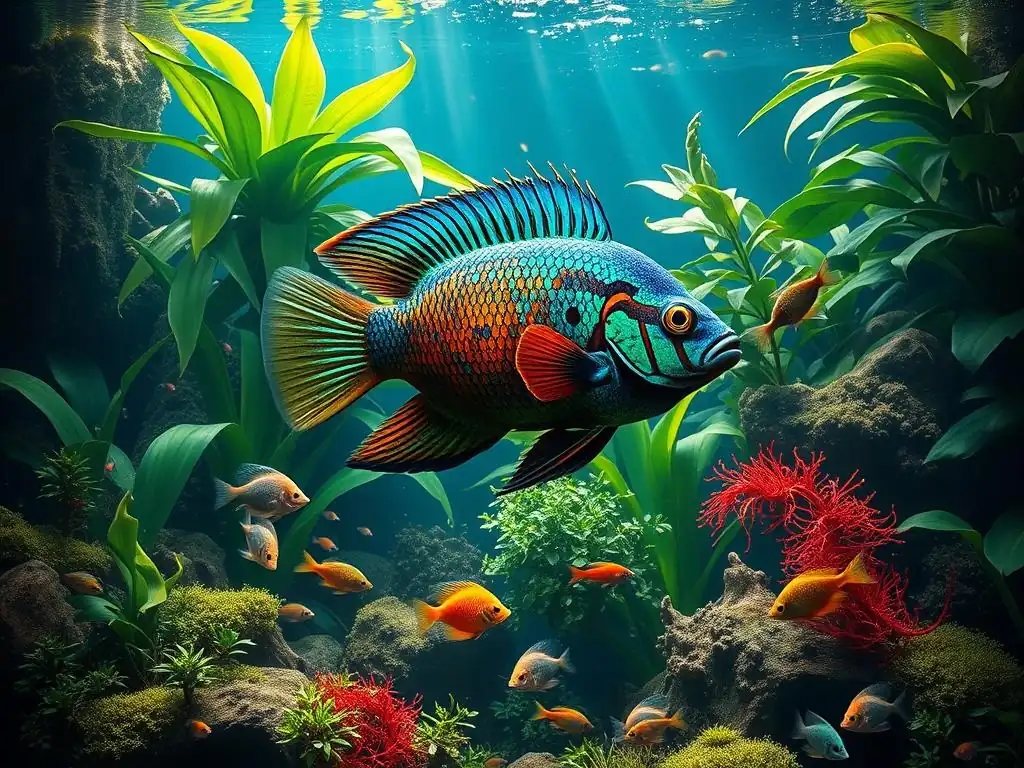
The OB Peacock Cichlid, often simply referred to as an "OB Peacock," stands out in the aquarium hobby due to its captivating, mottled coloration, which typically includes splashes of orange, black, and blue. Unlike many other cichlids that are naturally occurring species, the OB Peacock is a hybrid, a result of cross-breeding between two distinct cichlid species.
While its exact parentage can vary depending on the breeder, it is most commonly understood to be a cross between a male Aulonocara (Peacock Cichlid) and a female Metriaclima zebra (Mbuna cichlid), specifically the "Orange Blotch" (OB) variant. This hybridization process is what grants the OB Peacock its unique and unpredictable color patterns, making each individual fish distinct.
This intentional cross-breeding began in the late 20th century, driven by aquarists and breeders seeking novel and visually striking fish. The "OB" in its name directly refers to the Orange Blotch mutation found in Metriaclima zebra, which is characterized by irregular patches of orange or red pigmentation on a base color of blue or white.
When this trait is introduced into the genetic lineage of the generally more slender and less aggressive Aulonocara peacocks, the result is a robust, colorful, and often larger cichlid that retains some of the Aulonocara's elegant finnage but with the Mbuna's distinctive blotched patterns. Understanding these origins is a crucial aspect of effective Peacock cichlid care tips, as it influences their temperament and specific needs.
The Allure of OB Peacocks: Why They Are Popular Among Aquarists
The primary reason for the OB Peacock Cichlid's immense popularity among aquarists is undoubtedly its stunning and highly variable coloration. No two OB Peacocks are exactly alike, with patterns ranging from predominantly orange with black blotches to a mosaic of blue, black, and orange. This unpredictable beauty ensures that each fish is a unique living artwork in the aquarium. Furthermore, their relatively peaceful temperament compared to many other Mbuna cichlids makes them more accessible for community cichlid tanks, although they still require specific Peacock cichlid care tips regarding aggression management.
Beyond their visual appeal, OB Peacocks are also appreciated for their active swimming behavior and inquisitive nature, which adds dynamic movement and interest to a freshwater aquarium. They are generally hardy fish, capable of thriving in a well-maintained cichlid setup, making them a rewarding choice for both intermediate and experienced aquarists.
Their popularity has also led to a wide availability in the market, allowing enthusiasts to easily acquire these beautiful hybrids. The combination of vibrant colors, engaging behavior, and manageable care requirements solidifies their status as a favorite in the African cichlid hobby, making sound Peacock cichlid care tips essential for their longevity.
Essential Peacock Cichlid Care Tips for Vibrant Colors and Health
Tank Setup for OB Peacocks: Creating the Ideal Environment
Creating an optimal environment is foundational to successful Peacock cichlid care tips, ensuring the health, vibrancy, and natural behavior of your OB Peacocks. These fish, while hybrids, still share many environmental preferences with their African Rift Lake ancestors. A well-designed tank replicates their natural habitat, reducing stress and promoting excellent coloration.
The ideal setup for OB Peacocks should prioritize ample swimming space, suitable decor for shelter and territorial boundaries, and a substrate that mimics their natural environment. Paying close attention to these details from the outset can prevent many common issues, such as aggression and poor health, making it a cornerstone of comprehensive Peacock cichlid care tips.
Tank Size Recommendations for OB Peacock Cichlids
For a single male OB Peacock cichlid or a small group (e.g., one male and three females), a minimum tank size of 55 gallons (approximately 208 liters) is recommended. This provides adequate swimming space and helps to diffuse aggression, as these fish can be territorial, especially males. However, for a larger community of various peacock cichlids or if you plan to keep multiple males, a 75-gallon (approximately 284 liters) or even 125-gallon (approximately 473 liters) tank is significantly better. Larger tanks offer more surface area for territories and dilute waste products more effectively, contributing to stable water parameters.
When considering tank dimensions, length and width are often more important than height for cichlids, as they typically utilize the bottom and mid-levels of the tank. A longer tank, such as a 4-foot 55-gallon or 6-foot 125-gallon, provides more linear swimming space and allows for the creation of distinct territories, which is a critical Peacock cichlid care tip for managing social dynamics. Overstocking can lead to increased aggression, stress, and poor water quality, so it's vital to choose a tank that can comfortably accommodate your desired number of fish.
Substrate and Decor: Mimicking the African Rift Lake Habitat
The substrate choice for an OB Peacock cichlid tank should mimic the sandy, rocky bottoms of Lake Malawi. Fine sand, such as play sand or specialized aquarium sand, is ideal. Cichlids enjoy sifting through sand, and it is less abrasive for their delicate mouths and gills compared to coarser gravel. Aim for a substrate depth of at least 2-3 inches (5-7.5 cm) to allow for natural digging behaviors. Using a light-colored sand can also enhance the vibrant colors of the fish, making them stand out against the substrate.
Decor is crucial for providing hiding spots, visual barriers, and territorial markers, which are essential Peacock cichlid care tips for reducing stress and aggression. Incorporate plenty of rocks, slate, or artificial rock structures to create caves, crevices, and swim-throughs. These structures should be securely stacked to prevent collapses.
While OB Peacocks are not typically plant eaters, live plants can be challenging to maintain due to their digging habits and specific water parameter requirements. If using plants, opt for hardy species like Anubias or Java Fern, which can be attached to rocks or driftwood, or choose robust artificial plants. Arrange decor to break up lines of sight and establish distinct territories for each fish, especially if keeping multiple males.
Water Parameters: Maintaining Pristine Conditions for OB Peacocks
Maintaining specific and stable water parameters is paramount for the health and vibrant coloration of OB Peacock cichlids, forming a core component of effective Peacock cichlid care tips. These fish thrive in hard, alkaline water, reflecting their natural habitat in Lake Malawi. The ideal pH range for OB Peacocks is typically between 7.8 and 8.6, with a general hardness (GH) of 10-20 dGH (degrees of general hardness) and carbonate hardness (KH) of 10-15 dKH. Consistent monitoring with a reliable test kit is essential, as fluctuations can cause significant stress.
Temperature is another critical factor; OB Peacocks prefer water temperatures between 76°F and 82°F (24.4°C to 27.8°C). A stable temperature is vital, so a reliable aquarium heater with a thermostat is a necessity. Avoiding rapid temperature swings is as important as maintaining the correct range. Moreover, pristine water quality means keeping ammonia and nitrites at 0 ppm (parts per million) and nitrates below 20 ppm. Regular water changes and robust filtration, discussed further below, are the primary methods for achieving and maintaining these optimal conditions, directly impacting the fish's immune system and overall vitality.
OB Peacock Cichlid Diet: Feeding for Optimal Growth and Coloration
A well-balanced diet is a crucial aspect of Peacock cichlid care tips, directly influencing their growth, health, and the intensity of their dazzling colors. OB Peacocks are omnivores with a strong carnivorous leaning, meaning their diet should primarily consist of high-quality protein sources, supplemented with vegetable matter. Providing a varied diet ensures they receive all necessary nutrients, preventing deficiencies that can lead to dull coloration or health issues.
It's important to understand that while they appreciate meaty foods, an exclusive diet of high-protein foods can lead to issues like bloat, a common and often fatal condition in cichlids. Therefore, a balance is key, incorporating both animal and plant-based foods to mimic the diverse foraging habits they might exhibit in a natural environment.
What to Feed: Best Food Choices for OB Peacocks
The best food choices for OB Peacock cichlids include a variety of high-quality prepared foods and occasional live or frozen supplements. A staple diet should consist of premium cichlid pellets or flakes specifically formulated for African cichlids, which often contain spirulina or other color-enhancing ingredients. Look for foods with a crude protein content around 40-50%. Examples include Hikari Cichlid Excel, New Life Spectrum Cichlid Formula, or Omega One Super Color Pellets.
Supplementing their diet with frozen foods like bloodworms, brine shrimp, Mysis shrimp, and krill can provide essential proteins and fats, enhancing their coloration and overall vigor. However, these should be offered sparingly, perhaps 2-3 times per week, to avoid overfeeding and potential digestive issues. Vegetable matter can be provided through spirulina flakes or blanched vegetables like zucchini or peas, though they may not be as readily consumed as meaty options. Avoid feeding beef heart or other mammalian meats, as these are difficult for cichlids to digest and can lead to internal health problems.
Feeding Schedule: Frequency and Portion Control
Establishing a consistent feeding schedule and practicing strict portion control are vital Peacock cichlid care tips for preventing obesity, maintaining water quality, and promoting healthy digestion. OB Peacock cichlids should generally be fed once or twice a day. For adult fish, a single feeding session per day is often sufficient, especially if they are well-established and not actively breeding. If feeding twice, ensure the portions are smaller.
The key to portion control is to feed only what your fish can consume completely within 1-2 minutes. Any uneaten food should be promptly removed from the tank to prevent it from decaying and polluting the water, which can lead to spikes in ammonia and nitrates. Overfeeding is a common mistake that contributes significantly to poor water quality and can lead to health issues like cichlid bloat.
It's better to underfeed slightly than to overfeed, as fish can go without food for a day or two without ill effects, whereas poor water quality or bloat can be fatal. Observe your fish during feeding; if they are still scavenging after a few minutes, you are likely feeding too much.
Maintaining Water Quality: Crucial for OB Peacock Cichlid Health
Maintaining impeccable water quality is arguably the most critical aspect of Peacock cichlid care tips, directly influencing the health, longevity, and vibrant colors of your OB Peacocks. Poor water quality is the leading cause of stress, disease, and premature death in aquarium fish. It's not just about clear water; it's about the invisible chemical parameters that dictate the water's suitability for these sensitive fish.
Consistent monitoring and proactive measures are necessary to keep ammonia, nitrite, and nitrate levels in check, while also maintaining stable pH and hardness. Neglecting water quality can lead to a weakened immune system, making fish susceptible to a host of bacterial, fungal, and parasitic infections.
Regular Water Changes: The Key to a Healthy Aquarium
Regular partial water changes are the cornerstone of effective water quality management for OB Peacock cichlids. They are essential for removing accumulated nitrates, phosphates, and other dissolved organic compounds that filtration alone cannot eliminate. For a well-stocked OB Peacock tank, a weekly water change of 25-30% of the tank volume is a standard recommendation. In heavily stocked tanks or those with larger fish, increasing the frequency to twice a week or the volume to 30-50% might be necessary.
When performing water changes, always use a gravel vacuum to siphon out detritus from the substrate, which is a major source of nitrates. The replacement water should be dechlorinated and temperature-matched to the aquarium water to avoid shocking the fish. Adding a cichlid-specific buffer or Malawi salt mix can help maintain the desired hard, alkaline conditions, reinforcing essential Peacock cichlid care tips related to water chemistry. Consistent water changes prevent the buildup of toxins, reduce stress on the fish, and are crucial for preventing diseases and maintaining vibrant coloration.
Filtration: Choosing the Right Filter for Your OB Peacock Tank
Choosing the right filtration system is fundamental to maintaining excellent water quality for OB Peacock cichlids. A robust filtration setup should provide mechanical, biological, and chemical filtration. Canister filters are highly recommended for cichlid tanks due to their large media capacity, efficiency, and ability to handle the bioload of these active fish. For a 55-gallon tank, a canister filter rated for 75-100 gallons would provide excellent filtration; for a 75-gallon tank, one rated for 100-150 gallons is ideal. Over-filtering is beneficial, as it provides a larger surface area for beneficial bacteria and handles waste more effectively.
Beyond canister filters, supplementary filtration such as hang-on-back (HOB) filters or sponge filters can provide additional mechanical and biological filtration. Sponge filters are particularly useful for providing gentle flow and a large biological surface area, especially in breeding tanks or as supplemental aeration.
Ensure the filter provides adequate water turnover, ideally turning over the tank volume at least 5-10 times per hour. Regular maintenance of filter media, including rinsing sponges and replacing chemical media like activated carbon, is necessary to keep the system running efficiently and prevent a decline in water quality, which is a critical element of comprehensive Peacock cichlid care tips.
OB Peacock Cichlid Behavior and Compatibility
Understanding OB Peacock Cichlid Temperament
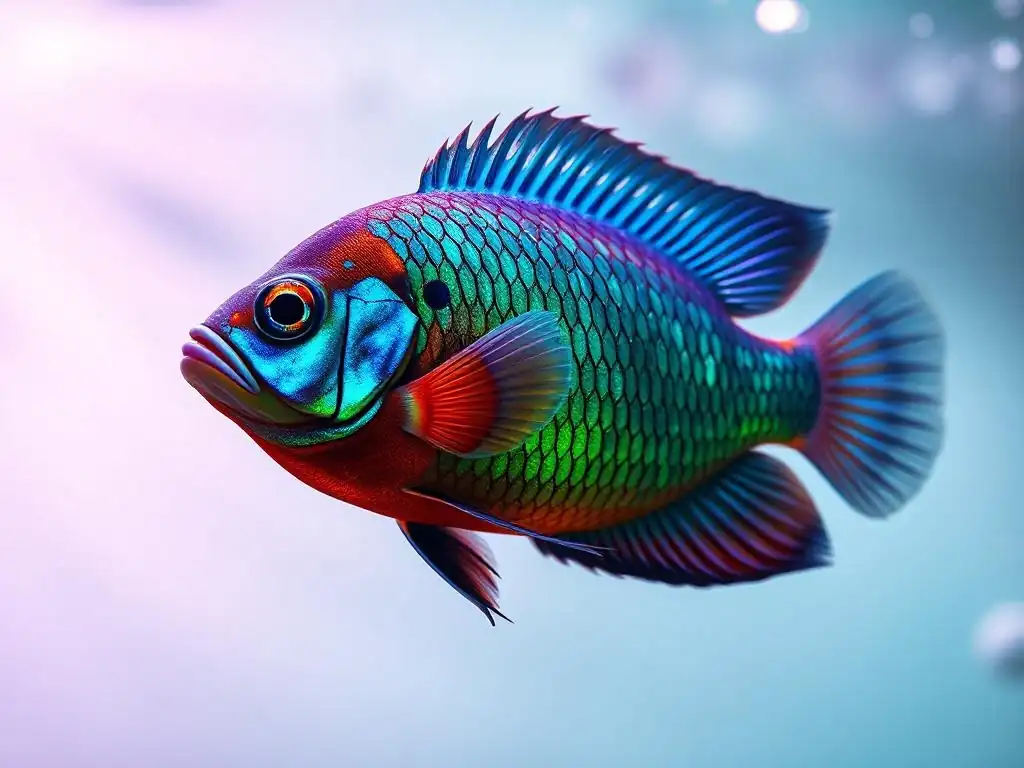
Understanding the temperament of OB Peacock cichlids is crucial for successful Peacock cichlid care tips, particularly when planning a community tank. While often described as semi-aggressive, their aggression levels are generally lower than those of many Mbuna cichlids, such as Metriaclima or Maylandia species. Male OB Peacocks can be territorial, especially towards other males or fish with similar body shapes and coloration. This territoriality is primarily driven by breeding instincts and the establishment of dominance hierarchies.
Females are typically much more docile. Aggression usually manifests as chasing, fin-nipping, or displaying, rather than outright violent attacks leading to severe injury, though this can occur in overcrowded or poorly designed tanks. Providing ample space, numerous hiding spots, and visual barriers, as detailed in tank setup Peacock cichlid care tips, helps to diffuse potential conflicts. It's also observed that keeping a single male or a male with a group of several females (a "harem" setup) can reduce inter-male aggression, as the male's attention is distributed among multiple females.
Compatible Tank Mates for OB Peacocks: Choosing the Right Community
Choosing compatible tank mates is one of the most important Peacock cichlid care tips to ensure a peaceful and thriving community aquarium. OB Peacocks generally do best with other species of Aulonocara (Peacock cichlids) due to their similar temperament, size, and water parameter requirements. Mixing different species of Peacocks can lead to stunning visual diversity without excessive aggression, provided there's enough space. For instance, a 75-gallon tank could comfortably house 1-2 male OB Peacocks with 3-4 other male Aulonocara species (e.g., Eureka Red, Blue Neon, Sulfur Head) and their respective harems, if desired.
Other suitable tank mates include certain non-aggressive Haplochromis species (Haps) from Lake Malawi, such as Copadichromis or Placidochromis, which are generally larger and more open-water dwelling than Mbunas. Some larger, peaceful catfish like Synodontis species (e.g., Synodontis eupterus or Synodontis multipunctatus) can also make excellent bottom-dwelling companions, as they occupy a different niche and are robust enough to withstand the cichlids' activity. The key is to select fish that are of a similar size or slightly larger, share the same water parameter requirements, and have a temperament that won't provoke or be provoked by the OB Peacocks.
Fish to Avoid: Aggressive Species that Can Harm OB Peacocks
When planning your OB Peacock cichlid community, it is just as important to know which fish to avoid as it is to know which to include. Ignoring this crucial Peacock cichlid care tip can lead to significant stress, injury, or even death among your fish. Highly aggressive Mbuna cichlids, such as those from the Maylandia (formerly Pseudotropheus) or Tropheus genera, should generally be avoided.
These species are often far more territorial and aggressive than OB Peacocks, and their constant bullying can lead to severe stress, fin nipping, and even death for the peacocks. Examples include Pseudotropheus demasoni, Melanochromis auratus, or Maylandia estherae (Red Zebra).
Similarly, avoid very small or docile fish that could be easily intimidated or even preyed upon by the more active and robust OB Peacocks. Tetras, guppies, or even smaller peaceful community fish are not suitable tank mates due to the significant difference in size, temperament, and water parameter requirements.
Also, steer clear of other highly territorial or predatory cichlids from different regions (e.g., Central or South American cichlids) unless you have extensive experience and a very large, species-specific setup. The goal is to create a harmonious environment where all fish can thrive, and avoiding incompatible species is fundamental to achieving this.
Recognizing and Addressing Aggression in Your OB Peacock Tank
Even with careful planning and adherence to Peacock cichlid care tips, aggression can sometimes arise in an OB Peacock tank. Recognizing the signs early is crucial for intervention. Common signs of aggression include constant chasing, fin nipping (leading to frayed or torn fins), hiding or lethargy in bullied fish, faded colors in stressed individuals, and physical damage like missing scales or body nips.
Males will often display to each other, flaring fins and intensifying colors, which can escalate to physical altercations if not managed. A dominant male may also claim a large portion of the tank, preventing other fish from accessing food or prime hiding spots.
Addressing aggression requires a multi-faceted approach. First, assess your tank setup: Is it large enough? Are there enough hiding spots and visual barriers? Adding more rocks or rearranging existing decor can often break up territories and reduce conflict.
Second, consider your stocking levels and ratios. Overstocking can sometimes dilute aggression by spreading it among more fish, but it can also exacerbate it if the tank is too small. A common Peacock cichlid care tip is to keep a single male or a male-to-female ratio of at least 1 male to 3-4 females to reduce male-on-male aggression and distribute breeding interest. If a specific fish is excessively aggressive, temporary isolation or permanent removal to another tank may be necessary to protect the rest of the community.
OB Peacock Cichlid Breeding: A Detailed Guide
Setting Up a Breeding Tank for OB Peacocks
Setting up a dedicated breeding tank is a highly effective Peacock cichlid care tip for successful OB Peacock reproduction, offering a controlled environment that maximizes fry survival. While OB Peacocks can breed in a community tank, the fry are highly susceptible to predation from other tank inhabitants, including their own parents. A breeding tank of 20-30 gallons (approximately 75-113 liters) is sufficient for a single breeding pair or a trio (one male, two females). The tank should be equipped with a sponge filter, which provides gentle filtration suitable for fry and a large surface area for beneficial bacteria.
The substrate should be fine sand, allowing the male to dig and create a spawning pit. Essential decor includes flat rocks, slate, or clay pots turned on their side, providing spawning surfaces for the female and hiding spots for her after spawning. Water parameters should be maintained within the optimal range for OB Peacocks (pH 7.8-8.6, temperature 78-80°F or 25.5-26.7°C), as stable conditions encourage spawning.
Dim lighting and a quiet environment can further encourage the pair to breed. Having a separate breeding tank allows for easier monitoring of the spawning process and the subsequent care of the fry, which is a critical aspect of advanced Peacock cichlid care tips.
Identifying Male and Female OB Peacocks
Accurately identifying male and female OB Peacock cichlids is an important Peacock cichlid care tip for successful breeding and managing tank dynamics. The most prominent distinguishing feature is coloration. Male OB Peacocks are significantly more vibrant and colorful, displaying the characteristic orange, black, and blue blotches with intense saturation. Their colors become even more pronounced during breeding periods to attract females. Females, in contrast, are typically duller in coloration, often appearing mottled brown, gray, or muted orange, lacking the vivid patterns of the males.
Beyond color, size and finnage can also offer clues. Males generally grow larger than females, reaching lengths of 5-6 inches (12.5-15 cm), while females usually stay around 3-4 inches (7.5-10 cm). Males also tend to have longer, more pointed dorsal and anal fins, with distinct "egg spots" on their anal fin.
These egg spots, which mimic fish eggs, play a crucial role in the spawning process by enticing the female to pick up the male's milt. While these characteristics are generally reliable, young fish may be harder to sex, and individual variations can occur, making careful observation over time the most accurate method.
The Spawning Process: What to Expect
The spawning process of OB Peacock cichlids is a fascinating display of natural behavior and a testament to proper Peacock cichlid care tips. It typically begins with the male intensifying his colors and performing an elaborate courtship dance, often shaking and quivering his body to attract a female. He will then attempt to lead a receptive female to a pre-dug spawning pit, usually a depression in the sand or a flat rock surface. If the female is ready, she will follow.
The actual spawning involves a "T-position" dance, where the female lays a few eggs and immediately picks them up into her mouth (mouthbrooding). As she does this, the male quivers and displays his egg spots on his anal fin. The female, mistaking these spots for more eggs, attempts to pick them up, at which point the male releases milt (sperm), fertilizing the eggs inside the female's mouth.
This process repeats until all eggs, typically between 20 and 60, are laid and fertilized. After spawning, the female will retreat to a quiet, secluded area of the tank, becoming highly secretive as she incubates the eggs in her buccal cavity for approximately 18-21 days, depending on temperature.
Raising OB Peacock Cichlid Fry: From Eggs to Juveniles
Raising OB Peacock cichlid fry successfully requires diligent care and attention to detail, making it an advanced but rewarding aspect of Peacock cichlid care tips. Once the female has spawned and is mouthbrooding, she should ideally be moved to a separate "holding" or "fry" tank to ensure the safety of the eggs and future fry. This isolation prevents her from being stressed by other tank mates and ensures she doesn't accidentally release the fry prematurely or consume them. After about 18-21 days, the female will release fully formed fry that are miniature versions of their parents and free-swimming.
Initially, the fry will consume their yolk sacs. Once these are absorbed, typically within 24-48 hours of release, they require small, frequent feedings. Excellent first foods include freshly hatched brine shrimp nauplii, finely crushed high-quality cichlid flakes, or specialized fry food. Feed small amounts 3-5 times a day to support rapid growth.
Maintain pristine water quality in the fry tank with daily small water changes (10-20%) and a gentle sponge filter. As the fry grow, their diet can gradually transition to finely crushed pellets and then to adult foods. With proper care, the fry will grow quickly, reaching juvenile size in a few weeks, ready to be introduced to a larger grow-out tank or sold.
Common OB Peacock Cichlid Diseases and Treatments
Identifying Common Diseases: Symptoms and Diagnosis
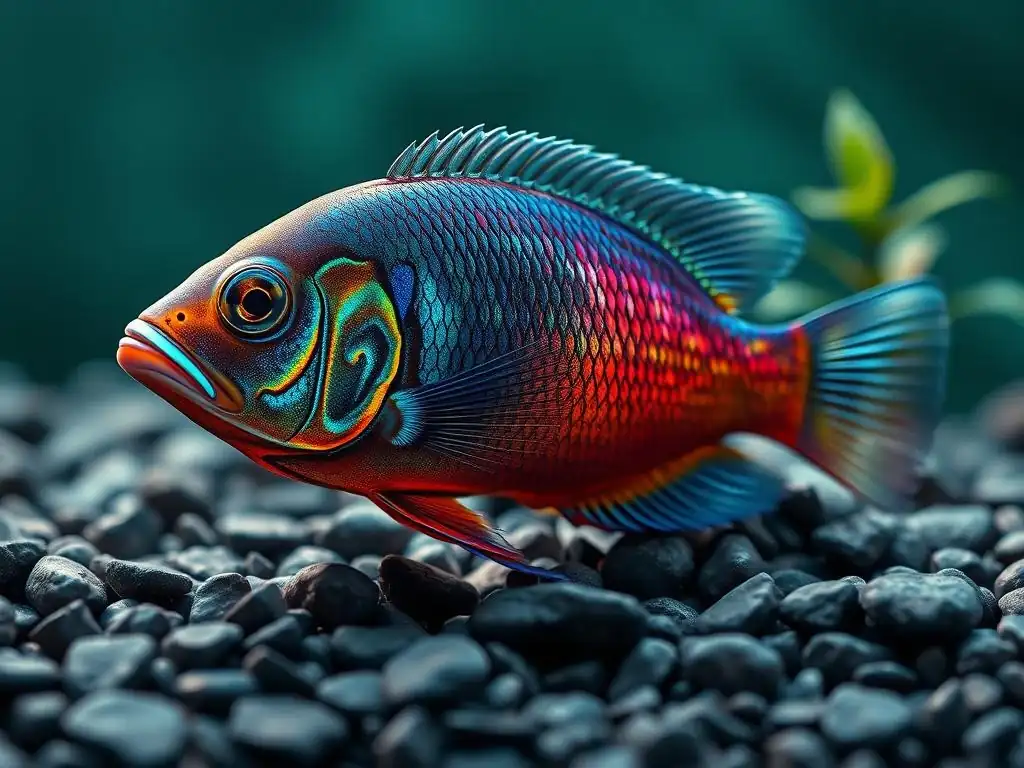
Identifying common diseases early is a crucial Peacock cichlid care tip, as prompt diagnosis and treatment significantly improve the chances of recovery for your OB Peacocks. Many diseases manifest through changes in behavior or physical appearance.
- Ich (White Spot Disease): Characterized by small, white spots resembling salt grains on the body and fins. Fish may also rub against decor or substrate due to irritation.
- Cichlid Bloat: A highly dangerous condition, often caused by improper diet or poor water quality. Symptoms include a swollen abdomen, loss of appetite, white stringy feces, rapid breathing, and lethargy.
- Fin Rot: Caused by bacterial infection, often secondary to stress or poor water quality. Fins appear frayed, torn, or have a white, fuzzy edge.
- Hole-in-the-Head Disease (HITH): Appears as pitting or lesions on the head and lateral line. Often linked to poor water quality, nutritional deficiencies, or presence of hexamita parasites.
- Fungal Infections: Cotton-like growths on the body or fins, often secondary to injury or weakened immune system.
Observing your fish daily for any deviations from normal behavior or appearance is the best defense. Any fish showing symptoms should be quarantined immediately to prevent spread and facilitate focused treatment.
Effective Treatment Options for Sick OB Peacocks
Once a disease is identified, effective treatment options are the next vital step in Peacock cichlid care tips. For most common bacterial or parasitic infections, commercially available aquarium medications can be effective.
- Ich: Treat with an Ich-specific medication containing malachite green or formalin. Elevating the tank temperature slightly (to 82-84°F, 28-29°C) can accelerate the parasite's life cycle, making it more susceptible to medication. Ensure good aeration during treatment.
- Cichlid Bloat: This is an emergency. If caught early, metronidazole (often found in medications like Seachem Metronidazole or API General Cure) can be effective, ideally mixed into food. Severely bloated fish may not eat, requiring direct water treatment. Improve diet immediately and ensure pristine water quality.
- Fin Rot/Bacterial Infections: Treat with broad-spectrum antibacterial medications containing active ingredients like erythromycin, doxycycline, or furan-2. Consistent water changes are essential alongside medication.
- Hole-in-the-Head Disease: Often requires metronidazole treatment (if parasitic, like Hexamita) and significant improvements in water quality and diet. Supplementing with vitamins (especially Vitamin C) can also aid recovery.
- Fungal Infections: Treat with antifungal medications containing phenoxyethanol or malachite green. Remove any source of injury or stress.
Always follow medication instructions carefully and complete the full course of treatment, even if symptoms improve, to prevent recurrence.
Preventing Diseases: Maintaining a Healthy Aquarium Environment
Preventing diseases is far more effective than treating them, making it a cornerstone of comprehensive Peacock cichlid care tips. The vast majority of aquarium diseases are stress-related, often stemming from poor water quality, improper diet, or incompatible tank mates.
- Pristine Water Quality: Perform regular, consistent partial water changes (25-30% weekly) and ensure your filtration system is robust and well-maintained. Test water parameters weekly (ammonia, nitrite, nitrate, pH, temperature) to catch issues before they become problems.
- Appropriate Diet: Feed a high-quality, varied diet appropriate for omnivorous cichlids, avoiding overfeeding. Ensure they receive both protein and some vegetable matter to prevent digestive issues like bloat.
- Stable Environment: Maintain stable water temperature and pH. Avoid sudden fluctuations, as these can severely stress fish.
- Proper Stocking: Do not overstock your tank. Provide ample space, hiding spots, and visual barriers to reduce aggression and territorial disputes.
- Quarantine New Fish: Always quarantine new fish for 2-4 weeks in a separate tank before introducing them to your main display. This prevents the introduction of diseases to your established community.
- Stress Reduction: Minimize sudden movements, loud noises, or rapid changes in tank lighting. A calm environment contributes significantly to a fish's immune health.
By diligently following these preventative Peacock cichlid care tips, you can create a robust and disease-resistant environment for your dazzling OB Peacocks.
Enhancing OB Peacock Cichlid Colors: Tips and Tricks
Diet and Coloration: The Link Between Food and Vibrant Hues
The link between diet and the vibrant coloration of OB Peacock cichlids is incredibly strong, making it a top-tier Peacock cichlid care tip for enthusiasts aiming for stunning displays. Just like flamingos derive their pink hues from carotenoids in their diet, OB Peacocks rely on specific nutrients to produce and maintain their dazzling reds, oranges, and blues. Foods rich in natural color enhancers, particularly carotenoids and astaxanthin, are crucial.
High-quality cichlid pellets and flakes specifically formulated for color enhancement often contain these beneficial compounds. Look for ingredients like spirulina, krill, shrimp meal, and paprika. For instance, krill and shrimp are excellent sources of astaxanthin, which intensifies red and orange pigments. Spirulina, a blue-green algae, contains phycocyanin and other pigments that can enhance blue and green hues. Supplementing their diet with frozen or freeze-dried krill, Mysis shrimp, or color-enhancing brine shrimp a few times a week can significantly boost their natural vibrancy, provided the primary diet is balanced and not overfed.
Lighting: How Light Affects OB Peacock Cichlid Colors
Lighting plays a significant, though often underestimated, role in how the colors of your OB Peacock cichlids are perceived and can even influence their intensity. While lighting doesn't directly create pigments within the fish, it dramatically impacts how those pigments are reflected and refracted, making a well-lit tank a key Peacock cichlid care tip for visual appeal. Full-spectrum LED lighting designed for aquariums is highly recommended. These lights allow you to adjust the color temperature and intensity, bringing out different hues.
Lights with a kelvin rating between 6,500K and 10,000K often provide a good balance, mimicking natural daylight and enhancing blues and reds. Some aquarists find that lights with a slightly higher blue spectrum can make the blue and purple tones in OB Peacocks pop, while lights with a warmer (redder) spectrum can intensify their oranges and reds. Experimenting with different light settings, including simulating dawn/dusk cycles, can not only highlight their colors but also reduce stress.
However, avoid excessively bright or prolonged lighting, as this can stress the fish and encourage algae growth. A consistent light cycle, typically 10-12 hours per day, is optimal for their well-being and color display.
Water Quality and Coloration: The Importance of Pristine Conditions
The importance of pristine water quality for vibrant OB Peacock cichlid coloration cannot be overstated; it is perhaps the most fundamental Peacock cichlid care tip for overall health and aesthetic appeal. When fish are stressed or unhealthy due to poor water conditions, their colors will fade. This is a natural physiological response, as their energy is diverted from pigment production to coping with environmental stressors. High levels of ammonia, nitrite, or nitrate, as well as fluctuating pH and temperature, are major culprits behind dull coloration.
Conversely, consistently clean, stable, and appropriately conditioned water allows your OB Peacocks to thrive, directing their energy towards growth, activity, and brilliant color expression. Regular water changes (25-30% weekly) are essential for removing dissolved organic compounds and nitrates that accumulate over time. A robust filtration system that provides excellent mechanical, biological, and chemical filtration is also crucial. Maintaining the correct water parameters (pH 7.8-8.6, hard water) also plays a direct role. When fish are comfortable and healthy in their environment, their genetic potential for stunning coloration is fully realized, making water quality the bedrock of vibrant hues.
Troubleshooting Common OB Peacock Cichlid Problems
Poor Coloration: Identifying the Cause and Finding Solutions
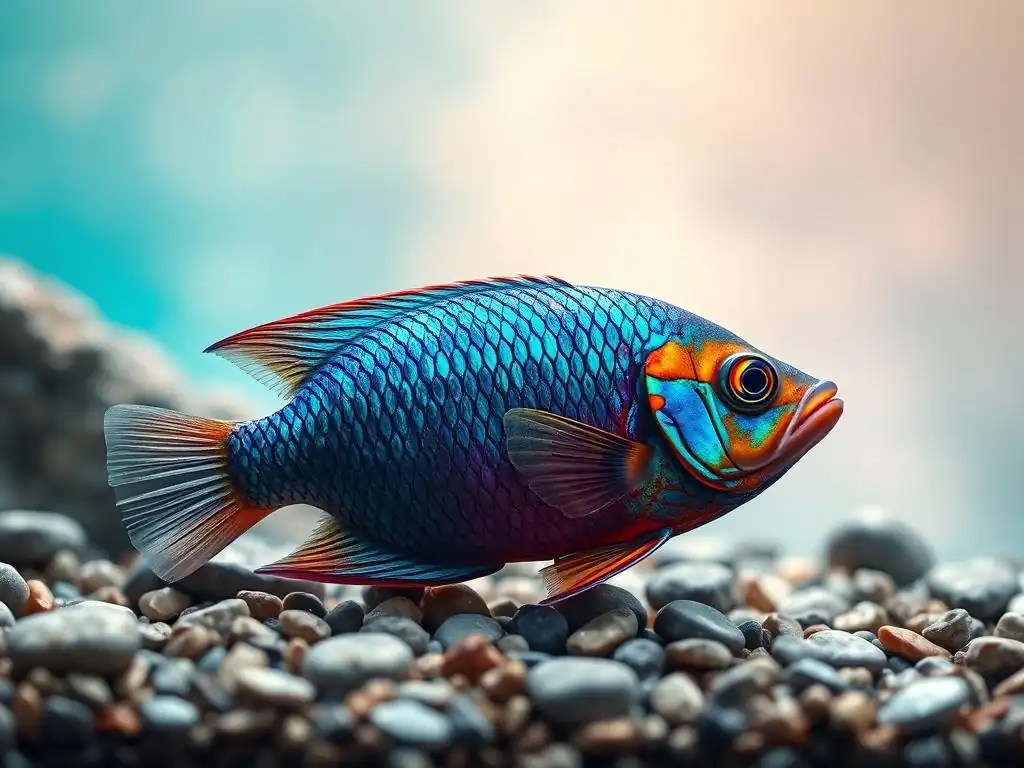
Poor coloration in OB Peacock cichlids is a common concern for aquarists and often signals an underlying issue that needs addressing. Identifying the cause is the first step in applying effective Peacock cichlid care tips for resolution. The most frequent culprits include stress, poor water quality, inadequate diet, or insufficient lighting. Stress can stem from aggressive tank mates, overcrowding, or unstable environmental parameters (e.g., fluctuating pH or temperature). When stressed, fish often lose their vibrant colors as a defense mechanism or due to a compromised immune system.
To find solutions, systematically review your tank conditions. First, test your water parameters (ammonia, nitrite, nitrate, pH, temperature) to ensure they are within the optimal range and stable. Perform necessary water changes. Second, evaluate your fish's diet: are you feeding a high-quality, color-enhancing food? Is it varied?
Consider supplementing with krill or spirulina-rich foods. Third, assess tank mates and stocking levels; remove overly aggressive fish if necessary or add more hiding spots. Finally, check your lighting; ensure it's full-spectrum and on a consistent 10-12 hour cycle. Sometimes, even adding a dark background can make colors appear more intense. Addressing these core elements will typically lead to a noticeable improvement in your OB Peacocks' vibrancy.
Aggression Issues: Dealing with Territorial Behavior
Aggression is a common, though manageable, issue with OB Peacock cichlids, particularly among males. Dealing with territorial behavior effectively is a critical Peacock cichlid care tip to maintain a peaceful and healthy community tank. The primary cause of aggression is often insufficient space, lack of hiding spots, or an imbalanced male-to-female ratio. Males will vie for dominance and breeding rights, leading to chasing, fin nipping, and stress for subordinate fish.
To mitigate aggression, first, ensure your tank is adequately sized; a minimum of 55 gallons for a small group, and 75+ gallons for a mixed community of peacocks. Second, provide ample rockwork, caves, and visual barriers to break up lines of sight and create distinct territories. Rearranging decor periodically can also disrupt established territories and reduce conflict. Third, consider your stocking ratio: a single male OB Peacock is often the most peaceful option, or keep a "harem" of 1 male to 3-4 females to diffuse his attention.
If keeping multiple males, aim for at least 3-5 different male Aulonocara species to spread aggression, and ensure the tank is large enough (125 gallons or more) to accommodate multiple territories. Overstocking slightly can sometimes dilute aggression, but only if filtration is robust. In severe cases, removing the most aggressive fish may be the only solution.
Bloat: Recognizing Symptoms, Causes, and Treatment
Cichlid bloat is a severe and often fatal disease that can affect OB Peacock cichlids, making its recognition, understanding of causes, and prompt treatment essential Peacock cichlid care tips. The symptoms are unmistakable: a swollen abdomen, often accompanied by loss of appetite, lethargy, white stringy feces, rapid breathing, and a general decline in activity. It's a bacterial infection of the intestinal tract, frequently triggered by stress, poor water quality, or, most commonly, an improper diet. Overfeeding or feeding foods too high in protein/fat and too low in fiber (e.g., too many bloodworms, beef heart) are primary dietary causes.
Treatment for bloat must be swift. If caught early, a medication containing metronidazole (e.g., Seachem Metronidazole, API General Cure) can be effective. It can be dosed directly into the water, but administering it via medicated food is often more successful if the fish is still eating. Simultaneously, perform a large water change (50%) and ensure pristine water quality going forward.
Review and adjust the fish's diet immediately; switch to high-quality cichlid pellets with spirulina and avoid meaty treats for a period. Prevention is key: maintain excellent water quality, feed a balanced diet appropriate for cichlids (not too much animal protein), and avoid overfeeding. If a fish shows symptoms, isolate it in a hospital tank to prevent potential spread and allow for focused treatment.
The Future of OB Peacock Cichlids in the Aquarium Hobby
Sustainability and Responsible Breeding Practices
The future of OB Peacock cichlids in the aquarium hobby is closely tied to sustainability and responsible breeding practices, a crucial consideration for any comprehensive Peacock cichlid care tips discussion. As hybrids, OB Peacocks are not found in the wild, so their existence relies entirely on captive breeding. Responsible breeding involves several key principles. Firstly, breeders should prioritize the health and genetic diversity of their stock, avoiding inbreeding that can lead to weakened immune systems, deformities, and duller colors over generations. Selecting healthy, vibrant parent fish is paramount.
Secondly, ethical breeders ensure that their fish are raised in clean, appropriate conditions, promoting robust growth and reducing the likelihood of disease transmission. This includes proper nutrition, tank sizing, and water quality management, directly reflecting the core Peacock cichlid care tips for general husbandry. Thirdly, responsible breeding also implies not overproducing fish beyond market demand, which can lead to overcrowding and poor conditions for unsold stock.
Finally, transparency about the hybrid nature of OB Peacocks is important, educating hobbyists about their origins to prevent misidentification or misrepresentation. Promoting these practices ensures a healthy and thriving population of OB Peacocks for future generations of aquarists.
New Developments in OB Peacock Cichlid Care
The field of aquarium keeping is constantly evolving, and new developments in OB Peacock cichlid care continue to emerge, benefiting hobbyists. Advances in nutrition are a significant area; manufacturers are developing more specialized cichlid foods that incorporate novel ingredients, probiotics, and enhanced color-boosting compounds. These formulations aim to optimize growth, health, and coloration more effectively than ever before, becoming increasingly sophisticated Peacock cichlid care tips. For instance, some foods now include specific strains of beneficial bacteria to improve gut health and nutrient absorption, directly impacting a fish's immune system and vitality.
Technological advancements in filtration and water quality management also play a role. More efficient and compact filtration systems, UV sterilizers, and automated water testing devices are becoming more accessible, making it easier for aquarists to maintain pristine water conditions with less manual effort.
Furthermore, ongoing research into fish health and disease prevention is leading to better understanding of common ailments like bloat, resulting in more targeted and effective treatments. As the hobby grows, the collective knowledge and shared experiences of aquarists through online forums and communities also contribute to refining and disseminating best practices for OB Peacock cichlid care tips.
Where to Buy Healthy OB Peacock Cichlids: Selecting a Reputable Source
Selecting a reputable source when buying OB Peacock cichlids is one of the most important initial Peacock cichlid care tips, directly impacting the health and longevity of your new fish. A good source ensures you are getting healthy, well-cared-for fish that have been properly acclimatized and fed. Avoid impulse purchases from tanks with dead, sick, or stressed fish, or those that appear overcrowded.
Look for local fish stores (LFS) with clean tanks, active and brightly colored fish, and knowledgeable staff who can answer your questions about the fish's origin, diet, and specific care requirements. Observe the fish for signs of illness such as clamped fins, labored breathing, white spots, or abrasions. Online retailers can also be a good option, especially for rarer strains or larger quantities, but research their reputation thoroughly. Check customer reviews, their guarantees, and their shipping practices.
A reputable online vendor will typically have a clear DOA (Dead On Arrival) policy and use proper insulation and heat/cold packs during shipping. Asking for photos or videos of the actual fish you will receive can also be a good practice. Ultimately, a good source provides healthy fish that are less prone to stress and disease, making your journey into OB Peacock cichlid care much more enjoyable.
Frequently Asked Questions
How big do OB Peacock Cichlids typically get?
OB Peacock Cichlids typically reach a size of around 6-8 inches in captivity. This size depends on factors like tank size and water quality.
What is the ideal tank size for keeping OB Peacock Cichlids?
A minimum of a 55-gallon tank is recommended for a single OB Peacock Cichlid. Larger tanks are preferable, especially if you plan to keep them with other cichlids.
What are the key water parameters to maintain for OB Peacock Cichlids?
OB Peacock Cichlids thrive in water with a pH between 7.8 and 8.6. Maintain a temperature between 78-82°F and ensure excellent filtration to keep the water clean.
What should I feed my OB Peacock Cichlid?
These cichlids are omnivores. Offer them a varied diet including high-quality cichlid pellets, flakes, and occasional treats of frozen or live foods.
Are OB Peacock Cichlids aggressive fish?
OB Peacock Cichlids can be semi-aggressive, particularly males. It's important to choose tank mates carefully and provide plenty of hiding places to reduce aggression.
Okay, here's a final reflection crafted to fit your article "OB Peacock Cichlid: The Dazzling Patterns of a Hybrid Favorite," targeting the keyword "Peacock cichlid care tips," and following the structure you outlined:
Final Reflection: Appreciating Beauty Through Responsible Care
The vibrant colors and unique patterns of the OB Peacock Cichlid, as we've explored, are a testament to the beauty that can arise from hybridization. However, this beauty comes with a responsibility. Understanding and implementing proper Peacock cichlid care tips is not just about keeping these fish alive; it's about ensuring they thrive and express their full potential in a healthy and enriching environment.
The enduring popularity of the OB Peacock Cichlid speaks volumes about our fascination with the natural world and our desire to bring a piece of it into our homes. This fascination, however, must be tempered with a commitment to ethical and informed care. In the end, we will conserve only what we love; we will love only what we understand; and we will understand only what we are taught.
- Baba Dioum. This quote reminds us that true appreciation stems from knowledge and responsible action.
As you embark on, or continue, your journey with these dazzling fish, remember that providing optimal Peacock cichlid care is an act of stewardship. It's an opportunity to connect with nature, to learn about the delicate balance of aquatic ecosystems, and to witness the rewards of dedication. Let the knowledge you've gained here inspire you to create a thriving habitat for your OB Peacocks, and to share your passion with others, ensuring the continued appreciation and responsible care of these magnificent creatures for generations to come.
Unleash the OB Peacock's Vibrant Colors in Your Aquarium!
Thank you for diving into the dazzling world of OB Peacock Cichlids! We hope you found inspiration in their unique beauty and the insights shared. Now, it's time to bring that inspiration to life and take action to enrich your aquarium experience.
Here are a few steps you can take to further explore the world of OB Peacocks:
- Recreate the Perfect OB Peacock Habitat: Start by carefully assessing your tank's current environment. Are your water parameters ideal? Does your setup mimic their natural habitat?
- Explore the Ethics of Hybrid Fish: Delve into the debates surrounding hybrid breeding in aquariums. Consider the pros, cons, and responsible breeding practices.
- Share Your OB Peacock Story: Join the Aquarium Mastery community and share photos and videos of your OB Peacocks or other uniquely patterned fish! Let's celebrate the diversity of the aquarium world together.
What unique aquascaping idea will you implement to truly showcase the beauty of your OB Peacocks?