
Shell Dweller Behavior Uncovered: Understanding Their Fascinating Social Lives

Welcome to Aquarium Mastery!
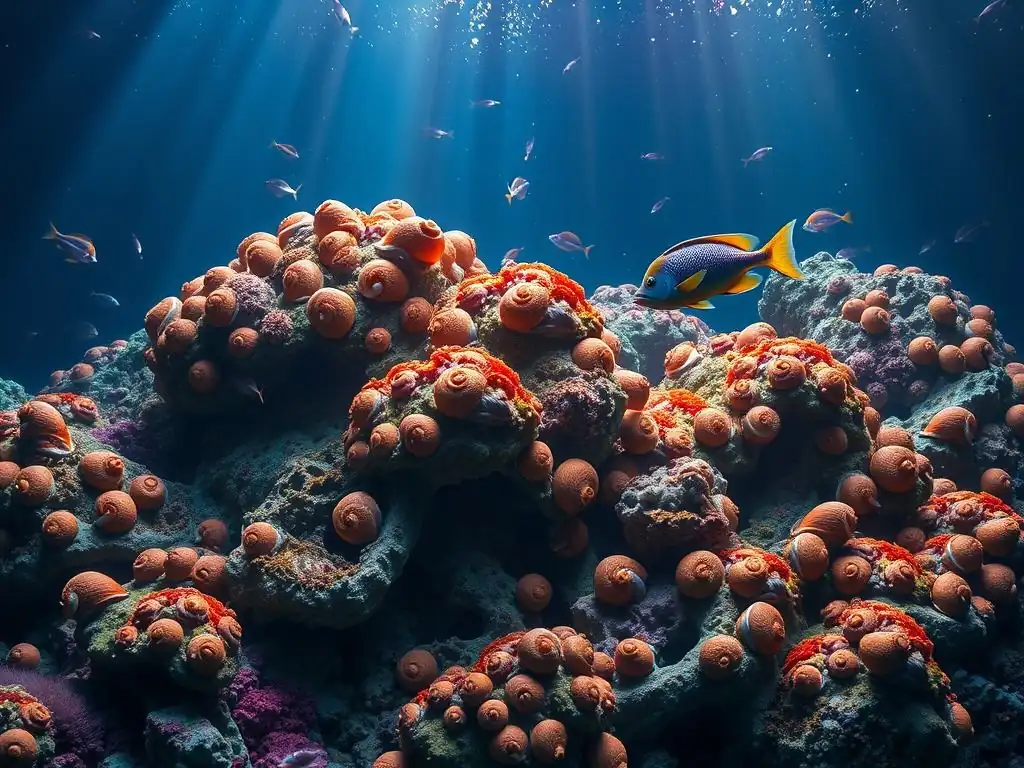
Ever wondered what really goes on beneath the surface of your saltwater aquarium? Dive in with us and explore the surprisingly complex world of saltwater snail social behavior. You might think these little guys just graze on algae, but their interactions are far more fascinating than you imagine! Ready to uncover their secrets? Let's get started!
- Introduction to Shell Dwellers and Their Unique Lifestyle
- Decoding Saltwater Snail Social Behavior in Shell Dwellers
- Communication Methods Among Shell Dwellers
- Breeding Strategies and Parental Care in Shell Dwellers
- The Impact of Tank Environment on Shell Dweller Social Dynamics
- Common Behavioral Problems and Solutions in Captive Shell Dwellers
- Observing and Appreciating Shell Dweller Social Complexity
- Conclusion: The Intricate Social World of Shell Dwellers
-
Frequently Asked Questions
- What exactly is " saltwater snail social behavior," and why is it important to understand?
- How does the type of saltwater snail affect its social behavior?
- Can I mix different species of saltwater snails in my aquarium without problems?
- What are some common signs of stress or aggression among saltwater snails?
- How can I promote positive social behavior among saltwater snails in my aquarium?
- Final Reflection: Echoes of Community in Miniature Worlds
- Dive Deeper: Cultivate a Thriving Shell Dweller Colony!
Introduction to Shell Dwellers and Their Unique Lifestyle
What are Shell Dwellers? A Primer on These Tiny Tanganyikan Cichlids
Shell dwellers are a fascinating group of cichlids belonging to the Lamprologini tribe, endemic to the vast freshwater expanse of Lake Tanganyika in East Africa. These diminutive fish, often measuring less than 2.5 inches in length – with species like Neolamprologus multifasciatus typically reaching just 1.5 inches – have evolved a remarkable adaptation: they utilize empty snail shells for shelter, territory, and breeding. In their natural habitat, they primarily inhabit sandy or muddy lakebeds densely populated with the discarded shells of the endemic Neothauma tanganyicense snail.
These unique cichlids are micro-predators, meticulously sifting through the substrate to feed on tiny invertebrates and crustaceans. Their reliance on shells is not merely a preference but a critical survival strategy. Shells offer indispensable protection from the lake's larger predators, such as various piscivorous cichlids and catfish, and provide a stable refuge against strong currents. This symbiotic relationship with shells defines their entire existence and shapes their intricate shell dweller behavior.
The role of shells in the lives of shell dwellers extends far beyond simple shelter; they are the fundamental building blocks of their social structure and territorial boundaries. For a male shell dweller, a single shell or a cluster of shells represents his entire territory, which he will defend with surprising vigor against rivals. For colonial species, such as Neolamprologus multifasciatus, these shells become the nuclei of bustling communities, with hundreds of individuals establishing complex social hierarchies around a shared shell bed.
Furthermore, shells are absolutely essential for reproduction. Females lay their eggs deep inside the shells, providing a secure, enclosed nursery that protects the delicate eggs and newly hatched fry from external threats. The availability of suitable shells, ideally those with a sturdy structure and appropriate internal dimensions like the Neothauma shells found in Lake Tanganyika, directly influences the population density and the overall shell dweller social behavior within a colony. In captive environments, aquarists often substitute these with readily available alternatives such as escargot or small conch shells, which serve the same crucial purpose.
Shell dwellers exhibit surprisingly complex social hierarchies, which vary depending on the species. Many species, particularly colonial ones like Neolamprologus multifasciatus, form elaborate social structures, often centered around a dominant breeding pair or a powerful male. Subordinate males and females typically occupy shells on the periphery of the dominant individual's territory, or may even share shells in less desirable locations. This intricate social stratification dictates access to vital resources and breeding opportunities, profoundly influencing overall shell dweller behavior.
Within these colonies, individuals' positions in the hierarchy can be fluid, influenced by size, aggression, and reproductive success. For example, studies on N. multifasciatus have shown that a dominant male can effectively control access to multiple female-occupied shells, ensuring his reproductive success across a wider range of partners. This intricate web of relationships, where subordinates often contribute to the defense of the larger colony in exchange for protection, highlights the sophisticated nature of shell dweller social behavior.
Male Dominance and Territorial Control Around Shells
Male shell dwellers are renowned for their intense territoriality, with their entire domain often revolving around the shells they inhabit or oversee. They meticulously establish and fiercely defend these territories, employing a range of assertive displays. These include elaborate fin flaring, gill cover extension, and rapid body movements, all designed to intimidate potential rivals or intruders. Physical confrontations, though less common, can occur if warnings are ignored, demonstrating the male's commitment to his territory.
The size and defensibility of a male's territory are often directly correlated with his size and dominance. A dominant male Lamprologus ocellatus, for instance, might meticulously excavate a deep pit around his chosen shell, creating a clear visual and physical boundary that deters competitors. This constant vigilance and robust defense are critical for securing prime breeding sites and ensuring successful propagation of the species, showcasing a key aspect of their shell dweller behavior.
Female Shell Selection and Reproductive Strategies
The female's meticulous selection of a suitable shell is a cornerstone of reproductive success among shell dwellers. Before laying eggs, females will diligently inspect multiple shells, assessing their size, structural integrity, and the level of protection they offer against potential predators. Once a shell is chosen, it becomes her sanctuary, serving as both a nesting site and a secure haven for her future offspring. This careful choice directly impacts the viability and survival rate of her progeny.
Female reproductive strategies vary across species. Some, like Neolamprologus brevis, exhibit monogamous relationships, with both the male and female sharing and defending a single shell. In contrast, species such as Neolamprologus multifasciatus are polygynous, where one dominant male will oversee and attempt to mate with multiple females, each occupying her own shell within his broader territory. The female's significant investment in her chosen shell and the subsequent diligent parental care are vital components of the complex shell dweller social behavior.
Communication Methods Among Shell Dwellers
Visual Signals: Fin Displays and Body Language
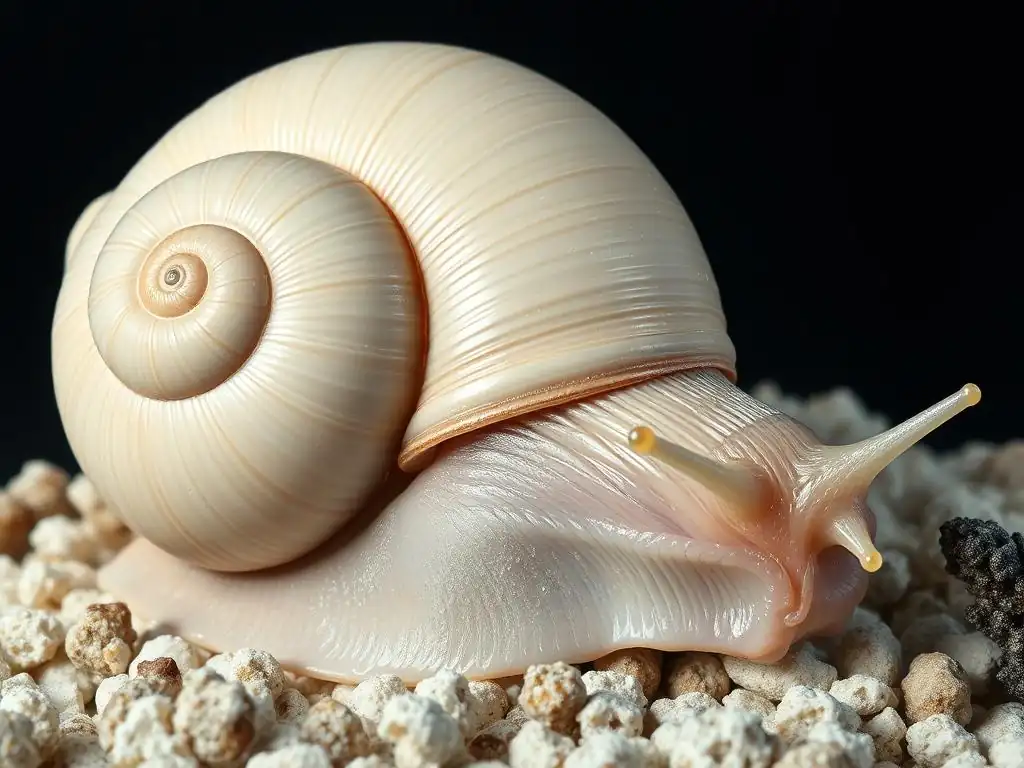
Visual signals form a primary mode of communication among shell dwellers, with elaborate fin displays and nuanced body language conveying a range of intentions. Fin flaring, particularly of the dorsal and anal fins, is a common and potent display used for multiple purposes: aggressive territorial assertion, intimidation of rivals, and alluring courtship rituals. For example, a male Lamprologus ocellatus might dramatically spread his fins and intensify his coloration to appear larger and more formidable to a competing male or to impress a potential mate.
Beyond fin displays, other body language cues such as head-shaking, rapid tail-beating, and sudden darting movements are utilized to communicate dominance, submission, or alarm. During courtship, males often perform intricate "dances" around the entrance of a female's shell, a visual spectacle designed to entice her. Understanding these specific visual signals is crucial for interpreting the subtle and overt aspects of shell dweller behavior within an aquarium setting.
Like many cichlids, shell dwellers employ chemical communication through the release of pheromones into the water, adding another layer to their complex social interactions. These subtle chemical cues, imperceptible to the human eye, play significant roles in signaling reproductive readiness, indicating the presence of a threat, or even establishing individual identity within a colony. While often overlooked by aquarists, these chemical signals are fundamental to social cohesion and successful reproduction.
For instance, a female Neolamprologus similis might release specific pheromones to signal her receptiveness to breeding, attracting a mate to her chosen shell. Conversely, a fish under stress or sensing danger may release alarm pheromones, prompting other shell dwellers in the vicinity to seek immediate cover within their shells. Ongoing research into these intricate chemical interactions continues to reveal the profound depth of shell dweller social behavior and their sophisticated communication network.
Acoustic Communication: Sounds and Vibrations in the Shell Bed
Although less extensively studied than visual or chemical signals, shell dwellers are known to produce a variety of sounds and vibrations, particularly within their shell-strewn habitats. These acoustic signals can be generated through rapid movements of their fins, distinct jaw clicks, or even by drumming their bodies against the shell substrate. Such sounds are especially noted during periods of heightened activity, such as territorial disputes or intense courtship rituals.
The precise functions of these subtle acoustic signals are still being fully elucidated, but they are believed to play a role in short-range communication, especially within the confines of a shell or a densely packed shell bed. These low-frequency vibrations could be used to maintain territorial boundaries, coordinate breeding efforts, or serve as warnings of potential threats to nearby colony members. This adds a fascinating, often unheard, dimension to the intricate shell dweller behavior.
Breeding Strategies and Parental Care in Shell Dwellers
Courtship Rituals and Mate Selection
The courtship rituals of shell dwellers are often elaborate and highly ritualized, with the male typically initiating the process. Males will vigorously display to potential mates, showcasing their health and the quality of their shells or territory. They may perform a series of rapid shivers or vibrations in front of the female, attempting to entice her to inspect his chosen shell. This display is crucial for demonstrating his fitness and readiness to breed.
Female shell dwellers are discerning in their mate selection. They meticulously assess the male's overall health, the defensibility of his territory, and the suitability of the shell he presents as a potential nesting site. Once a female accepts a male's advances, she will enter the shell to lay her clutch of eggs, which the male then fertilizes from the outside. This intricate dance of assessment and acceptance is a hallmark of shell dweller behavior during reproduction.
Shell Defense and Protection of Fry
Parental care in shell dwellers is remarkably intense and dedicated. After the eggs are laid within the shell, the female typically remains inside, meticulously fanning the eggs to ensure adequate oxygenation and diligently guarding them against any intruders. Meanwhile, the male often patrols the immediate vicinity of the shell, acting as the primary defender of the territory and repelling any potential threats. This cooperative defense mechanism is critical for the survival of the offspring.
Once the fry hatch, they continue to benefit from the shell's protection, staying within its confines for a period. As they mature and begin to venture out, they initially remain close to the safety of their birthplace. Both parents continue to provide vigilant protection, herding the fry back into the shell at the first sign of danger. This unwavering parental shell dweller behavior is a testament to their commitment to their progeny.
While not universally observed across all shell dweller species, some, most notably Neolamprologus multifasciatus, exhibit a fascinating form of cooperative breeding. In these social structures, older, non-breeding offspring or subordinate adults within the colony actively participate in the defense of the communal territory. They may even assist the breeding pair in guarding younger fry, contributing to the overall well-being of the next generation.
This shared responsibility significantly enhances the survival rate of the fry and contributes to the overall fitness and resilience of the colony. Cooperative breeding is a complex social adaptation that underscores the advanced and varied shell dweller social behavior found within these unique cichlids. It highlights their capacity for intricate social organization beyond simple pair-bonding.
Shell Arrangement and Territory Definition
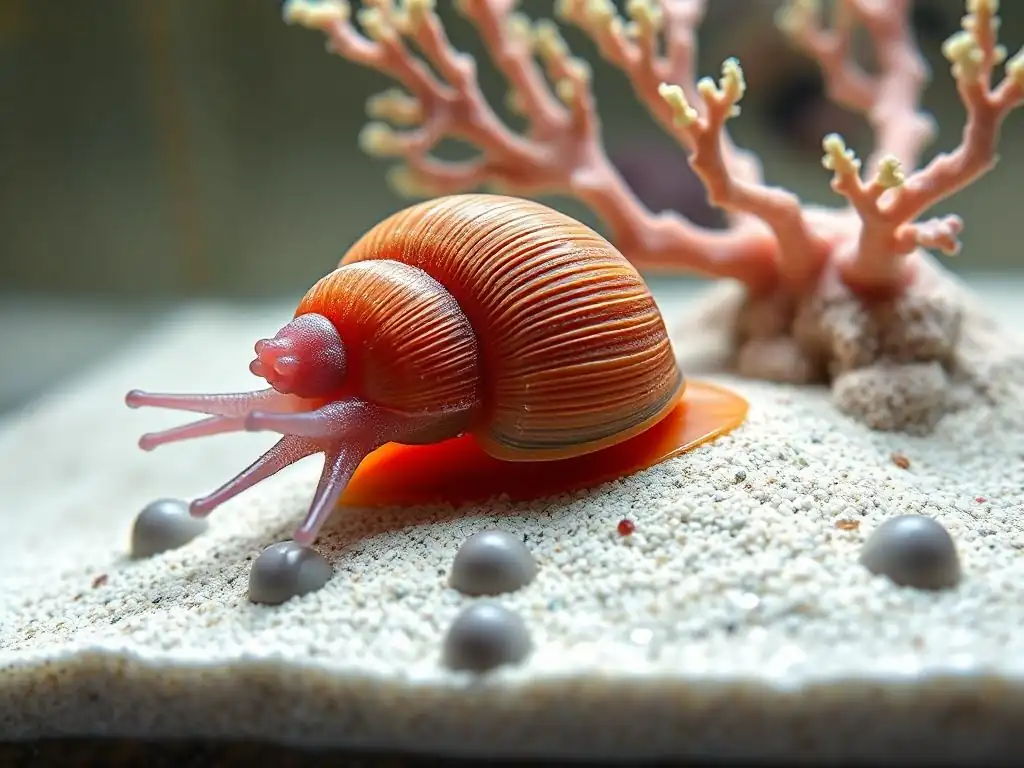
The strategic arrangement and quantity of shells within an aquarium significantly influence the territorial boundaries and social interactions of shell dwellers. Providing an ample supply of shells, ideally more than the number of fish, is crucial for minimizing aggression by offering multiple options for shelter and escape routes. Dispersing shells widely can encourage individual territory establishment, while clustering them may foster the formation of a communal colony, depending on the species.
Different shell arrangements elicit distinct shell dweller behavior. For solitary or pair-bonding species like Lamprologus ocellatus, widely spaced individual shells are ideal to reduce conflict. Conversely, for highly colonial species such as Neolamprologus multifasciatus, grouping numerous shells together—perhaps 20-30 shells for a small colony—best mimics their natural environment and encourages natural shell dweller social behavior, including cooperative breeding and complex hierarchies.
The overall size of the aquarium plays a critical role in preventing overcrowding and mitigating stress-induced aggression among shell dwellers. An appropriately sized tank provides sufficient space for individuals to establish territories and for subdominant fish to escape harassment. While a 10-gallon tank might suffice for a small group of N. multifasciatus, larger colonies or more territorial species often require a 20-gallon long or even larger aquarium to maintain social harmony.
Population density directly impacts shell dweller behavior. Overcrowding intensifies competition for prime shells and breeding partners, leading to increased aggression, suppressed breeding, and chronic stress. Maintaining a suitable male-to-female ratio, typically with more females than males for polygynous species, and ensuring appropriate overall population density are essential strategies for fostering natural and peaceful shell dweller social behavior within the captive environment.
Substrate and Water Parameters: Influences on Behavior
The choice of substrate is paramount for shell dwellers, as they are inveterate diggers. A fine, soft sand substrate, such as aragonite sand or fine silica sand, is essential. They use the sand to bury their shells, excavate elaborate pits around their territories, and create intricate burrows, all of which are integral to their natural shell dweller behavior. A substrate depth of at least 2-3 inches allows them to engage in these vital activities.
As natives of Lake Tanganyika, shell dwellers thrive in hard, alkaline water conditions, typically with a pH range of 7.8-8.5 and a general hardness (GH) of 10-20 dGH. Maintaining stable water quality, with low levels of nitrates and efficient filtration, is crucial for their health and well-being. Suboptimal water parameters can lead to stress, susceptibility to disease, and abnormal shell dweller behavior, such as lethargy, loss of appetite, or an escalation in aggression.
Common Behavioral Problems and Solutions in Captive Shell Dwellers
Aggression and Territorial Disputes
While a degree of territorial aggression is inherent to shell dweller behavior, excessive fighting can become a significant problem in an aquarium. This often stems from an insufficient number of shells, an inadequately sized tank, or an imbalanced male-to-female ratio. Dominant males, in particular, may relentlessly harass females or subordinate individuals, leading to stress and injury.
To mitigate aggression, it is advisable to provide an abundance of shells, ideally 2-3 shells per fish, offering multiple choices and escape routes. Considering a larger tank or incorporating visual breaks like rocks or tall plants can help disrupt lines of sight and reduce direct confrontations. For persistently aggressive individuals, rehoming may be the only solution. Introducing all fish simultaneously or in small groups can sometimes help distribute aggression more evenly.
Shell Abandonment and Stress Reduction
If shell dwellers consistently abandon their shells or appear reluctant to utilize them, it is a strong indicator of underlying stress. This unsettling shell dweller behavior can be attributed to various factors, including poor water quality, bullying from overly aggressive tank mates, a lack of suitable or preferred shell types, or an environment that is excessively bright or lacks sufficient cover.
To alleviate stress and encourage natural shell use, rigorously test and maintain optimal water parameters. Ensure that any tank mates are appropriate—small, peaceful species that do not compete for bottom space or harass the shell dwellers. Offer a variety of inert shell types and sizes to cater to individual preferences. Dim the aquarium lighting or provide floating plants to create shaded areas, promoting a more secure and comfortable environment conducive to healthy shell dweller behavior.
To truly appreciate the full spectrum of shell dweller behavior, the aquarium environment should closely mimic their natural habitat. This foundational step involves providing a soft, sandy substrate and an ample supply of various shells. Maintaining appropriate group compositions, such as a thriving colony of Neolamprologus multifasciatus or a dedicated breeding pair of Neolamprologus brevis, allows their inherent social structures to develop and flourish.
Regular observation, coupled with patience, is key to understanding the unique personalities and intricate social dynamics within your shell dweller community. Providing a stable, enriched environment encourages these fascinating fish to display their complete repertoire of natural shell dweller social behavior, from their elaborate courtship rituals and meticulous digging to their diligent parental care and complex colony interactions.
Tips for Observing Shell Dweller Behavior in Your Aquarium
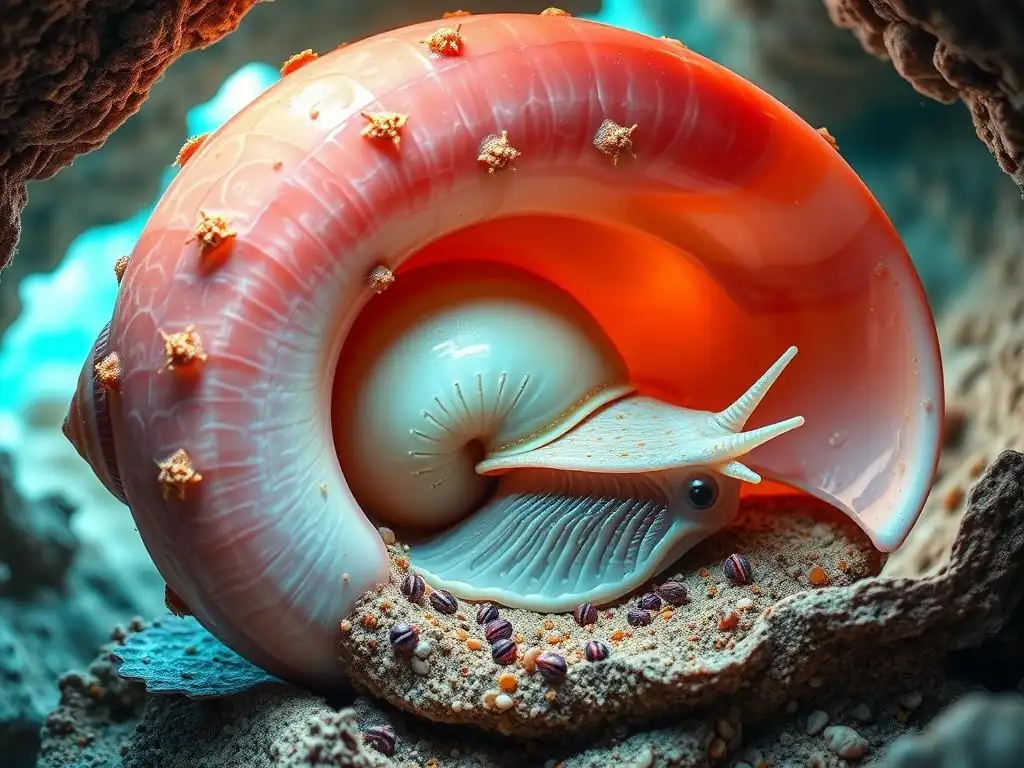
Observing the subtle nuances of shell dweller behavior can be a deeply rewarding experience. To enhance your observations, consider using a red light or dimming the aquarium lighting during the evening hours, as some behaviors become more pronounced when the tank is quiet and the fish feel secure. Sit patiently and avoid sudden movements that might startle them. A magnifying glass can be surprisingly useful for discerning intricate interactions, and keeping a journal of observed behaviors can offer insightful long-term patterns.
Pay close attention to specific behaviors that highlight their social complexity. Look for the meticulous process of territory establishment, which often involves extensive digging and vigorous defense of their chosen shells. Observe their intricate courtship dances, the diligent fanning of eggs inside the shells, and the protective parents guiding their newly emerged fry. Witnessing these natural shell dweller behaviors firsthand provides immense satisfaction and a deeper connection to these remarkable fish.
The Joys of Keeping and Breeding These Fascinating Fish
Shell dwellers are a truly unique and highly rewarding group of fish for any aquarist. Once their specific environmental needs are met, they are relatively hardy and their active, engaging shell dweller behavior makes them a constant source of fascination. Successfully breeding them and witnessing new generations emerge from the shells is a particularly gratifying achievement for dedicated aquarists, offering a tangible connection to their life cycle.
Their relatively small size makes them suitable for smaller aquarium setups, offering an opportunity to keep complex social fish even in limited spaces. Their intricate social structures and diverse personalities provide endless opportunities for observation and learning. Keeping shell dwellers truly brings a captivating piece of Lake Tanganyika's unique ecosystem into the home aquarium, enriching the aquarist's experience with their distinctive and highly engaging shell dweller social behavior.
Understanding the unique shell dweller behavior – particularly their profound reliance on shells for every aspect of their lives – is paramount for their successful keeping in captivity. This encompasses their inherent territoriality, their intricate reproductive strategies, and the complex social hierarchies that govern their interactions. Without this foundational understanding, aquarists may inadvertently create environments that lead to stress, aggression, or failed breeding attempts.
By providing an environment that meticulously caters to these specific behaviors, including an abundance of appropriate shells, a fine sand substrate, suitable tank size, and stable water parameters, aquarists not only ensure the well-being of their shell dwellers but also unlock the opportunity to witness their captivating social dynamics firsthand. This deep appreciation for their natural shell dweller behavior transforms them into truly rewarding and endlessly fascinating inhabitants of any aquarium.
Further Research and Conservation Efforts for Shell Dweller Habitats
The study of shell dwellers in their natural habitat within Lake Tanganyika continues to be an active area of scientific research. Scientists are constantly working to unravel their evolutionary adaptations, the intricacies of their social complexities, and their vital ecological roles within this ancient rift lake. This ongoing research significantly contributes to our broader understanding of cichlid behavior, freshwater ecosystems, and the principles of natural selection.
While many shell dweller species are prolific and readily bred in captivity, their natural habitats in Lake Tanganyika face increasing threats from pollution, overfishing, and habitat degradation. Supporting responsible aquarium practices, advocating for sustainable sourcing, and raising awareness about the fragility of their natural environment are crucial steps. These efforts contribute directly to the broader conservation initiatives aimed at preserving Lake Tanganyika's unparalleled biodiversity, including the unique and captivating shell dweller social behavior found within its waters.
Frequently Asked Questions
Saltwater snail social behavior refers to the interactions and relationships between snails within a saltwater aquarium. Understanding this helps prevent aggression, overcrowding, and ensures a healthy, balanced ecosystem.
Different species exhibit vastly different social behaviors. Some are solitary and territorial, while others are gregarious and prefer living in groups. Researching the specific species is crucial.
Can I mix different species of saltwater snails in my aquarium without problems?
Potentially, but careful consideration is required. Mixing species can lead to competition for resources and even predation. Thorough research is essential to ensure compatibility.
What are some common signs of stress or aggression among saltwater snails?
Signs can include snails withdrawing into their shells for extended periods, leaving the tank, or excessive mucus production. These indicate an unbalanced environment.
Providing adequate space, hiding places, and a diverse food source are key. Regularly monitoring water parameters and removing dead snails also contributes to a healthy social environment.
Final Reflection: Echoes of Community in Miniature Worlds
The exploration of saltwater snail social behavior, as we've seen, reveals a complex tapestry of interactions within seemingly simple creatures. This understanding is particularly relevant today, as increasing environmental pressures threaten these delicate ecosystems and the intricate social structures they support. The lessons learned from observing these tiny communities offer profound insights into the broader dynamics of cooperation, competition, and resilience in the face of adversity.
The study of these shell dwellers has profoundly influenced my perspective on the interconnectedness of life, highlighting that even the smallest creatures play a vital role in the grand scheme of things. Witnessing their intricate social dances underscores the importance of preserving biodiversity and understanding the subtle nuances of ecological balance. In every walk with nature, one receives far more than he seeks.
- John Muir. This quote perfectly encapsulates the rewarding experience of delving into the hidden lives of these fascinating saltwater snails.
Now, consider the lessons learned from these miniature societies. How can we apply their strategies for cooperation and resilience to our own lives and communities? Let us strive to cultivate a deeper appreciation for the interconnectedness of all living things and commit to protecting the delicate ecosystems that sustain us all. The future of these shell dwellers, and indeed our own, depends on our collective understanding and action.
Dive Deeper: Cultivate a Thriving Shell Dweller Colony!
Thank you for exploring the captivating world of shell dwellers! We hope you've gained valuable insights into their unique social dynamics and are inspired to create a nurturing environment for them. Now, let's translate that knowledge into action.
Here's how you can further connect with these fascinating fish:
- Start Planning Your Own Shell Dweller Aquarium: Take the plunge and begin designing your dream setup! Research tank size, substrate, shell options, and compatible tank mates to create a species-appropriate and stimulating environment.
- Share this article with fellow aquarium enthusiasts on your favorite forums or social media platforms. Help spread awareness about the unique charm and needs of shell dwellers.
- Explore less common shell dweller species. Venture beyond the commonly kept Neolamprologus multifasciatus and discover the diverse and equally fascinating world of Lamprologus ocellatus or Telmatochromis vittatus.
What unique shell dwelling behavior have you observed or hope to observe in your own aquarium?