
Help! My Angelfish/Discus Pair Are Eating Their Eggs/Fry!

Welcome to Aquarium Mastery!
Ever wondered why your prized Angelfish or Discus pair keeps devouring their own fry? It's a common, yet heartbreaking, problem for aquarists. Dive into our comprehensive guide, " Help! My Angelfish/Discus Pair Are Eating Their Eggs/Fry!," where we unravel the mysteries behind this behavior and offer practical solutions to finally witness your fish parenting success. Ready to turn the tide and nurture a thriving brood? Let's get started!
- Understanding Egg and Fry Cannibalism in Angelfish and Discus
-
Identifying the Reasons Behind Egg and Fry Consumption
- First-Time Breeders: Inexperience and Egg/Fry Eating
- Stress Factors: How Stress Impacts Angelfish and Discus Breeding Behavior
- Nutritional Deficiencies: Ensuring Proper Diet for Breeding Angelfish and Discus
- Disease and Parasites: The Impact on Parental Care
- Infertile Eggs: Identifying and Addressing Egg Infertility
- Solutions to Prevent Angelfish and Discus from Eating Eggs and Fry
- Long-Term Breeding Success with Angelfish and Discus
- Advanced Techniques for Raising Angelfish and Discus Fry
- Conclusion: Achieving Breeding Success with Angelfish and Discus Pairs
-
Frequently Asked Questions
- Why are my angelfish and discus eating their eggs/fry?
- What water parameters are crucial for successful angelfish and discus breeding?
- How can I reduce stress in my angelfish and discus breeding tank?
- What type of food should I feed my angelfish and discus breeding pair?
- When should I consider removing the eggs/fry from the parents' tank?
- Final Reflection: The Delicate Dance of Parental Care
- Embrace the Joy of Successful Breeding!
Understanding Egg and Fry Cannibalism in Angelfish and Discus
Why Do Angelfish and Discus Eat Their Eggs? Common Causes
It's a disheartening experience for any aquarist to observe their prized Angelfish or Discus pair consume their own eggs shortly after spawning. This behavior, often referred to as oophagy, is surprisingly common in cichlids, including these popular aquarium species.
The primary reasons for this egg consumption usually stem from environmental stressors, inexperience of the breeding pair, or a perceived threat to the eggs. For instance, a sudden drop in water temperature by as much as 3-5°F (1.5-2.8°C) or an unexpected power outage can trigger anxiety in the parents, leading them to consume the eggs as a survival mechanism, believing the environment is no longer safe for raising offspring.
Furthermore, factors such as poor water quality, inadequate nutrition, or the presence of aggressive tank mates can contribute significantly to parents deciding to eat their eggs. If the eggs are infertile and begin to fungus, parents may also consume them to prevent the spread of fungus to healthy eggs, acting as a natural clean-up crew. This protective instinct, while seemingly counterproductive to breeding, is rooted in their natural behavior to maintain a healthy spawning site.
Why Do Discus and Angelfish Eat Their Fry? Addressing Parental Cannibalism
Observing your Discus or Angelfish pair consume their newly hatched fry, a behavior known as filial cannibalism, can be even more frustrating after the successful incubation of eggs. This often occurs within the first few days post-hatching.
While it shares some root causes with egg-eating, additional factors come into play once the fry are free-swimming. For example, a lack of sufficient food for the fry or the parents themselves can lead to this behavior, as the parents might perceive the fry as a readily available food source if their nutritional needs aren't met, or if they lack the energy to care for them properly.
Stress is a paramount factor when Angelfish discus eat fry. New parents, especially those on their first few spawns, may become overwhelmed by the responsibility or external disturbances. An estimated 60-70% of first-time Angelfish or Discus spawns may result in the parents consuming eggs or fry due to inexperience or stress. This rate typically decreases with subsequent spawns as the pair gains experience and confidence in their parental roles.
Identifying the Reasons Behind Egg and Fry Consumption
First-Time Breeders: Inexperience and Egg/Fry Eating
When a pair of Angelfish or Discus spawns for the very first time, it's not uncommon for them to consume their eggs or fry. This act is often attributed to inexperience. They may not yet understand their parental duties, or they might be easily startled by movement outside the tank, leading them to panic and eat the eggs or fry. Anecdotal evidence from experienced breeders suggests that it can take anywhere from 3 to 5 spawns for a pair to become truly reliable parents.
During these initial breeding attempts, the parents are learning to protect, fan, and clean the eggs, as well as guide and feed the fry. The process is entirely new to them, and any minor disturbance can disrupt their nascent parental instincts. This learning curve is a natural part of the breeding process, and patience is key.
Stress Factors: How Stress Impacts Angelfish and Discus Breeding Behavior
Stress is arguably the most significant contributor to why Angelfish discus eat fry or their eggs. A stressed fish is an unhealthy fish, and unhealthy fish rarely exhibit proper breeding and parental behaviors. Stress can manifest from various sources within the aquarium environment, leading to a breakdown in parental care.
Water Quality Issues: Ammonia, Nitrite, and Nitrate Levels
Poor water quality is a primary stressor for all aquarium fish, and especially for sensitive breeding pairs like Angelfish and Discus. Even slight elevations in toxic compounds can trigger parental cannibalism.
- Ammonia (
NH3) and Nitrite (NO2-): Levels should always be undetectable (0 ppm). Any reading above 0 ppm indicates a serious problem and immediate danger to fish health. For example, a reading of 0.25 ppm ammonia can be enough to stress a breeding pair into eating their eggs. - Nitrate (
NO3-): While less toxic than ammonia or nitrite, high nitrate levels (above 20 ppm for Discus, 40 ppm for Angelfish) can cause chronic stress. Regular water changes are crucial to keep nitrates below these thresholds, ensuring a stable and healthy environment that promotes strong parental instincts and prevents your Angelfish discus eat fry.
Tank Mates: Aggression and Competition in the Aquarium
The presence of other fish in a breeding tank, even seemingly peaceful species, can introduce significant stress and lead to Angelfish discus eat fry. Other fish might attempt to eat the eggs or fry, causing the parents to become overly defensive and, in their panic, consume their own offspring. For instance, common bottom dwellers like Corydoras catfish, while generally docile, might inadvertently disturb the spawning site. Similarly, fast-moving or nippy fish like some types of Barbs can constantly harass the breeding pair, making them feel unsafe.
It is highly recommended to dedicate a separate breeding tank for Angelfish and Discus pairs to minimize external threats and competition for space and resources. This isolation allows the pair to focus solely on their parental duties without the constant threat of predation or disturbance from other tank inhabitants.
Tank Size: Insufficient Space for Breeding Pairs
An appropriately sized tank is crucial for successful breeding and preventing the undesirable behavior where Angelfish discus eat fry. Overcrowding or an undersized tank leads to increased stress, poor water quality, and a lack of privacy, all of which can disrupt breeding behavior.
For a pair of Angelfish, a minimum of a 20-gallon (approximately 75 liters) high tank is often recommended, though 29-30 gallons (110-114 liters) is preferable for long-term success. Discus pairs require even more space, typically a 40-gallon (150 liters) breeder tank as a minimum, with 50-60 gallons (190-227 liters) being ideal for reducing stress and providing ample territory.
Insufficient space can also lead to aggression between the breeding pair themselves, especially if one fish feels trapped or unable to escape the other. This internal stress can quickly translate into parental neglect or cannibalism, as the pair's focus shifts from rearing young to managing their immediate environment.
Noise and Disturbances: Minimizing External Stressors
Angelfish and Discus are highly sensitive to their environment, and external disturbances can significantly impact their breeding success, often leading to them eating their eggs or fry. Loud noises, sudden movements near the tank, or even changes in lighting can startle the breeding pair and cause them to panic. For example, placing a breeding tank in a high-traffic area of a home where people frequently walk by or where doors slam can be detrimental.
To minimize these stressors, position the breeding tank in a quiet, low-traffic area. Consider covering the sides and back of the tank with dark paper or paint to provide a sense of security and reduce reflections that might confuse the fish. Keeping the room lights on a consistent schedule, perhaps with a gradual dimming feature, can also help maintain a stable and predictable environment for the breeding pair.
Nutritional Deficiencies: Ensuring Proper Diet for Breeding Angelfish and Discus
A nutritionally complete and varied diet is paramount for breeding Angelfish and Discus. Deficiencies can lead to weak, unhealthy fish that lack the energy and instinct to properly care for their offspring, increasing the likelihood that Angelfish discus eat fry or their eggs. Protein is especially critical for egg production and parental vigor, with a diet containing 40-50% high-quality protein often recommended for breeding pairs.
Incorporating a variety of foods such as high-quality flakes or pellets, frozen foods (e.g., bloodworms, brine shrimp, Mysis shrimp), and live foods (e.g., blackworms, daphnia) ensures a broad spectrum of nutrients. For example, feeding a breeding pair live blackworms a few times a week can significantly boost their condition and stimulate spawning. A lack of essential vitamins, particularly Vitamin E, can also impair reproductive health and parental instincts.
Disease and Parasites: The Impact on Parental Care
The presence of disease or parasites in a breeding pair can severely compromise their health and, consequently, their ability or willingness to care for their eggs and fry. A sick fish is under immense physiological stress, which diverts energy away from reproductive functions and parental duties. For example, internal parasites like Hexamita, common in Discus, can cause lethargy, loss of appetite, and overall weakness. A pair suffering from such an ailment will likely lack the energy to fan eggs, guard fry, or even eat properly themselves.
In some cases, parents may even consume diseased eggs or weak fry as a natural culling mechanism, preventing the spread of illness within the brood or the waste of resources on non-viable offspring. Therefore, ensuring your breeding stock is healthy and parasite-free before attempting to breed is a critical preventative measure against cannibalism.
Infertile Eggs: Identifying and Addressing Egg Infertility
Infertile eggs are another common reason why Angelfish discus eat fry or their eggs, specifically the unviable ones. Fertile Angelfish and Discus eggs typically appear translucent or slightly amber-colored. Infertile eggs, however, often turn opaque white within 24-48 hours after spawning and may develop a fuzzy fungal growth. This fungus can quickly spread to healthy, fertile eggs, jeopardizing the entire clutch.
Parents, recognizing these infertile or fungused eggs, will instinctively remove and consume them to prevent the fungal infection from spreading. While this is a natural protective behavior, a high percentage of infertile eggs can indicate issues with the breeding pair's health, age, nutrition, or even water parameters (e.g., water that is too hard for Discus breeding). Identifying and addressing the root cause of infertility is crucial for future breeding success.
Solutions to Prevent Angelfish and Discus from Eating Eggs and Fry
Optimizing Water Parameters for Breeding
Maintaining precise and stable water parameters is non-negotiable for successful Angelfish and Discus breeding. Fluctuations stress the fish, increasing the likelihood that Angelfish discus eat fry or eggs. Consistent conditions mimic their natural breeding grounds and promote strong parental instincts.
Maintaining Ideal Temperature, pH, and Water Hardness
Specific water parameters are crucial for encouraging spawning and ensuring the viability of eggs and fry.
- Temperature: For Angelfish, maintain a stable temperature between 78-82°F (25.5-27.8°C). Discus require warmer water, typically 82-86°F (27.8-30°C). Consistency is key; a digital thermometer can help monitor this precisely.
- pH: Angelfish generally prefer a pH of 6.5-7.5. Discus, especially for breeding, thrive in softer, more acidic water, with a pH range of 6.0-7.0. Using reverse osmosis (RO) water mixed with trace minerals can help achieve these lower pH levels and desired softness.
- Water Hardness (GH/KH): Angelfish prefer a General Hardness (GH) of 3-8 dGH (50-140 ppm) and a Carbonate Hardness (KH) of 1-4 dKH (18-72 ppm). Discus breeding requires very soft water, typically 1-5 dGH (18-90 ppm) and minimal KH, often below 1 dKH, to facilitate successful egg hatching. Regular testing with reliable kits (e.g., API Freshwater Master Test Kit) is essential to keep these parameters within ideal ranges.
Regular Water Changes and Filtration
Consistent and frequent water changes are paramount for maintaining pristine water quality, which directly impacts the health and parental behavior of Angelfish and Discus. For a breeding tank, daily small water changes (e.g., 10-20%) or larger weekly changes (e.g., 25-50%) are often recommended, especially after the fry hatch. This practice dilutes nitrates, replenishes essential minerals, and removes uneaten food and waste that could otherwise foul the water.
In addition to water changes, appropriate filtration is vital. Sponge filters are highly recommended for breeding tanks as they provide excellent biological filtration without creating strong currents that could stress the fish or harm delicate fry. They are also easy to clean and maintain. Ensure the filter media is regularly cleaned or replaced according to manufacturer guidelines, but avoid cleaning it simultaneously with large water changes to preserve beneficial bacteria.
Creating a Stress-Free Environment for Angelfish and Discus
A calm and secure environment is vital to prevent stress-induced cannibalism. When Angelfish discus eat fry or eggs, it's often a sign they feel unsafe.
Providing Hiding Places and Visual Barriers
Creating a secure environment with ample hiding places can significantly reduce stress in breeding Angelfish and Discus pairs. This allows them to retreat and feel safe, especially during vulnerable breeding periods.
- Spawning Sites: Provide a flat, vertical surface for Angelfish to lay eggs, such as a slate, PVC pipe section, or broad-leafed plant like an Amazon Sword. Discus often prefer a spawning cone or a smooth, vertical piece of driftwood.
- Visual Barriers: Live or artificial plants (e.g., Anubias, Java Fern) can offer visual breaks and hiding spots. Even a simple background on the tank can help the fish feel more secure. For example, placing a large broad-leafed plant near the spawning site can provide a sense of privacy for the pair.
Reducing Noise and External Disturbances
Minimizing external disturbances is critical for maintaining a low-stress environment for breeding Angelfish and Discus.
- Tank Placement: Locate the breeding tank in a quiet room, away from high-traffic areas, slamming doors, or loud televisions.
- Foot Traffic: Avoid sudden movements or tapping on the glass. If the tank is in a busy area, consider a temporary opaque barrier around the tank during spawning and fry care.
- Lighting: Maintain a consistent light cycle. Avoid sudden on/off lighting. A timer is beneficial for maintaining a predictable day-night cycle, helping the fish feel more secure and less likely to feel threatened, which can prevent them from eating their young.
Removing Aggressive Tank Mates
To truly minimize stress and prevent Angelfish discus eat fry, it is highly advisable to house breeding pairs in a dedicated breeding tank without any other fish. Even seemingly peaceful community fish can become a source of stress or a perceived threat to the eggs and fry.
- Predation Risk: Other fish, even small tetras, might try to nip at the eggs or fry, causing the parents to become agitated and potentially consume their own offspring in a panic.
- Competition: Tank mates compete for food and space, which adds to the stress of the breeding pair.
- Dedicated Setup: The most successful breeders invariably use a separate, species-only tank for their Angelfish and Discus pairs, allowing them to focus entirely on their parental duties without external threats.
Nutritional Strategies to Promote Successful Breeding
A well-fed, healthy breeding pair is more likely to exhibit strong parental instincts and less likely to consume their eggs or fry. Proper nutrition supports egg production, sperm quality, and the energy required for parental care.
High-Quality Diet Rich in Protein and Vitamins
To optimize breeding success and prevent cannibalism, feed your Angelfish and Discus a varied diet rich in high-quality protein and essential vitamins. Aim for a protein content of at least 45-50% for breeding pairs.
- Protein Sources: Include premium flake foods, pellets, and a variety of frozen foods such as bloodworms, Mysis shrimp, and beef heart (for Discus).
- Vitamins: Supplement their diet with vitamin-enriched foods or liquid vitamin supplements. Vitamin E, in particular, is known to enhance fertility and reproductive health. For example, some breeders will soak frozen foods in a liquid multivitamin solution a few times a week.
Live and Frozen Foods to Stimulate Breeding Behavior
Incorporating live and frozen foods into the diet of your breeding Angelfish and Discus can significantly stimulate spawning behavior and improve overall health, making them less likely to Angelfish discus eat fry.
- Live Foods: Blackworms, grindal worms, and daphnia are excellent sources of nutrients and provide a natural hunting stimulus. Feeding live blackworms, for instance, once or twice a week can often trigger spawning in conditioned pairs.
- Frozen Foods: Frozen bloodworms, brine shrimp, and Mysis shrimp are readily available and provide similar benefits to live foods without the risk of introducing parasites from wild-caught sources. Ensure these foods are thawed thoroughly before feeding to prevent digestive issues.
Implementing Egg and Fry Protection Methods
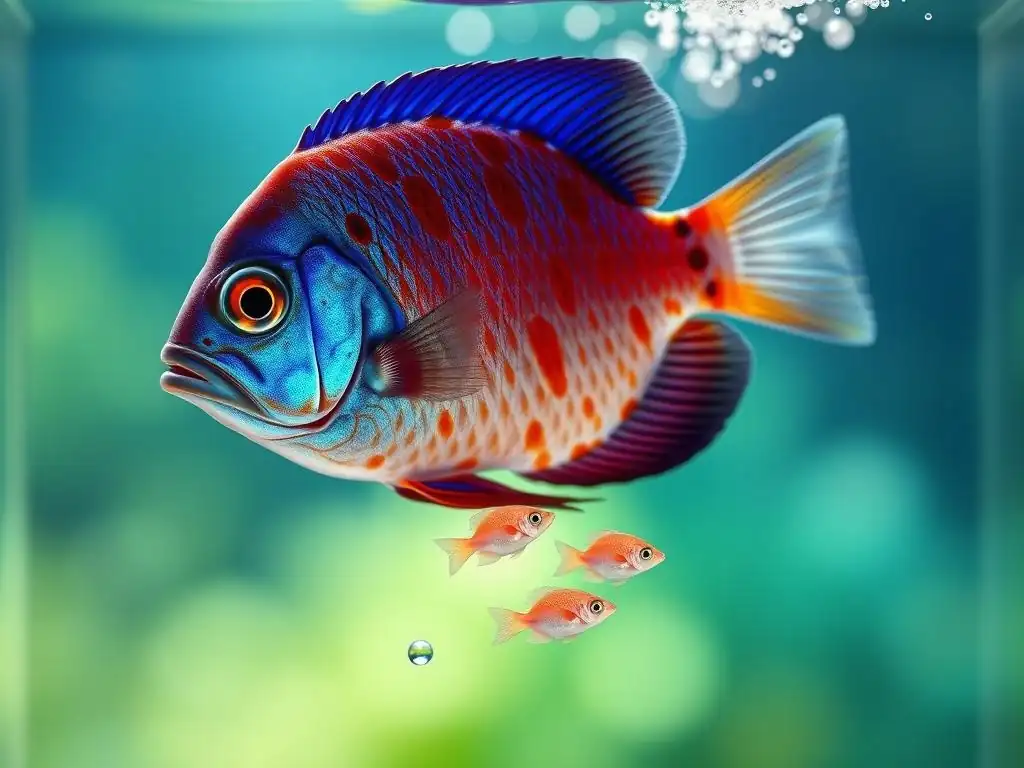
Even with optimal conditions, some pairs may continue to eat their eggs or fry. In such cases, intervention methods can save the brood.
Using Breeding Cones or Spawning Mops
For Angelfish and Discus, providing a dedicated spawning surface can sometimes help, but the key is what happens after the eggs are laid.
- Spawning Cones/Slates: Discus particularly favor spawning cones, while Angelfish often use vertical slates or large plant leaves. These provide a clean, accessible surface for egg deposition.
- Spawning Mops: While less common for Angelfish/Discus eggs (which are adhesive), spawning mops are more for egg-scattering fish. However, for some Angelfish strains, a dark, textured surface can be preferred. The main benefit here is that some breeders will remove the entire spawning cone or slate with the eggs attached to a separate tank for artificial incubation, thereby preventing the Angelfish discus eat fry or eggs.
Removing Eggs or Fry to a Separate Grow-Out Tank
If parents consistently eat their eggs or fry despite all other efforts, removing the eggs or newly hatched fry to a separate "grow-out" tank for artificial rearing is a highly effective strategy. This completely bypasses the parental care stage, ensuring the survival of the brood. This method is particularly popular with Discus, where some strains are notorious for eating their fry even after multiple spawns.
Setting Up a Grow-Out Tank for Angelfish and Discus Fry
Setting up a dedicated grow-out tank is crucial for raising Angelfish and Discus fry artificially.
- Tank Size: A 10-gallon (approx. 38 liters) or 20-gallon (approx. 75 liters) tank is sufficient for the first few weeks, depending on the clutch size.
- Filtration: Use a gentle air-driven sponge filter to provide biological filtration without creating strong currents that could harm the delicate fry.
- Heater: A reliable heater is essential to maintain stable temperatures (e.g., 80-84°F or 26.7-28.9°C).
- Water: Fill the tank with water from the breeding tank or water with identical parameters to minimize shock to the eggs/fry upon transfer.
- Prevention of Fungus: Add a few drops of Methylene Blue solution (following product instructions) to the water to prevent fungal growth on the eggs. An air stone placed gently near the eggs will provide circulation.
Maintaining Water Quality in the Grow-Out Tank
Pristine water quality is absolutely critical for the survival and rapid growth of Angelfish and Discus fry. They are extremely sensitive to pollutants.
- Daily Water Changes: Small, frequent water changes are necessary, often 25-50% daily, especially once the fry become free-swimming and start eating. This removes uneaten food and waste.
- Temperature Matching: Ensure the new water is exactly the same temperature and pH as the tank water to prevent shock.
- Siphon Cleaning: Use a small airline tube to gently siphon off any uneaten food or debris from the bottom of the tank daily. This meticulous cleaning is vital because fry are highly susceptible to bacterial infections from decaying organic matter.
Feeding Angelfish and Discus Fry
Proper nutrition is paramount for rapid growth and health of fry, and is a key factor in preventing issues where Angelfish discus eat fry due to perceived weakness.
- First Foods: For the first few days after becoming free-swimming (when the yolk sac is absorbed), fry require microscopic food.
- Angelfish: Infusoria or liquid fry food is suitable initially. After 3-5 days, move to newly hatched brine shrimp.
- Discus: Discus fry typically feed on parental slime coat for the first 2-4 weeks. If artificially reared, they need specialized Discus fry food or very fine powdered flakes/pellets, often supplemented with spirulina.
- Frequent Feedings: Fry have tiny stomachs and high metabolisms, requiring frequent feedings – 5-8 times a day, or even more, in small amounts. Overfeeding can quickly foul the water.
- Gradual Transition: As they grow, gradually transition them to larger foods like crushed flakes, micro pellets, and finely chopped frozen foods.
Observing and Monitoring Breeding Behavior
Careful observation is a powerful tool in understanding and addressing why Angelfish discus eat fry or eggs.
Identifying Early Signs of Egg or Fry Eating
Vigilant observation of your breeding pair can provide early warnings. Look for subtle behavioral changes indicating stress or a predisposition to cannibalism.
- Nervousness: Excessive darting, hiding, or flaring at non-existent threats.
- Lack of Fanning/Guarding: Parents not diligently fanning the eggs with their fins or guarding the spawning site.
- Peculiar Pecking: While normal fanning involves gentle nudges, aggressive pecking at the eggs or fry, or prolonged hovering over the clutch without fanning, can be a precursor to consumption.
- Disinterest: A sudden loss of interest in the eggs or fry, leading to them being left unattended.
Adjusting Tank Conditions and Strategies as Needed
Based on your observations, be prepared to adjust your setup and care routine.
- Minor Tweaks: If you notice slight nervousness, check water parameters immediately. A small, targeted water change might be beneficial.
- Environmental Adjustments: If external disturbances are an issue, consider temporarily covering the tank with a towel or moving it to a quieter location (if feasible).
- Intervention: If repeated instances of Angelfish discus eat fry occur despite all efforts, or if the eggs are fungusing rapidly, be ready to remove the eggs for artificial incubation. This proactive approach can salvage a clutch that would otherwise be lost.
Long-Term Breeding Success with Angelfish and Discus
Achieving consistent breeding success with Angelfish and Discus requires a holistic approach that extends beyond just the spawning event. It involves careful selection, consistent care, and a proactive mindset.
Selecting Healthy Breeding Stock
The foundation of successful breeding lies in the quality of your breeding stock.
- Health and Vigor: Choose fish that are robust, active, and free from any signs of disease or physical deformities. Healthy fish are more likely to reproduce successfully and exhibit strong parental instincts, reducing the likelihood that Angelfish discus eat fry.
- Age: Angelfish typically reach breeding maturity around 8-12 months of age, while Discus are usually ready between 18-24 months. Avoid breeding fish that are too young or too old, as their fertility and parental care may be compromised.
- Genetics: If possible, acquire fish from reputable breeders who can provide information on the lineage and health history, ensuring good genetic predispositions for breeding.
Maintaining Optimal Tank Conditions
Consistency in tank conditions is paramount for long-term breeding success.
- Stable Parameters: Continuously monitor and maintain ideal water parameters (temperature, pH, GH, KH, nitrates) even when the fish are not actively spawning. Sudden shifts can stress the fish and inhibit future breeding attempts.
- Cleanliness: Implement a rigorous cleaning schedule, including regular water changes and substrate vacuuming, to prevent the buildup of organic waste and maintain a pristine environment.
- Dedicated Setup: As previously mentioned, a dedicated breeding tank minimizes external stressors and allows for precise control over the environment.
Providing Consistent Care and Attention
Regular, attentive care fosters a sense of security and well-being in your breeding pairs.
- Daily Observation: Spend time observing your fish daily. This helps you quickly identify any changes in behavior, appetite, or physical condition that might indicate stress or illness.
- Consistent Feeding: Maintain a consistent feeding schedule with high-quality, varied foods. Well-fed fish are less likely to experience nutritional deficiencies that can lead to cannibalism.
- Minimal Disturbances: Continue to minimize unnecessary disturbances around the tank, even when the fish are not breeding, to maintain a calm and predictable environment.
Troubleshooting Common Breeding Issues
Even with the best practices, breeding challenges can arise.
- Failed Spawns: If a pair repeatedly spawns but eats eggs, review all environmental factors, diet, and consider separating the eggs for artificial incubation.
- Lack of Spawning: If a healthy pair isn't spawning, try increasing water changes, slightly raising the temperature, or introducing more live foods to stimulate them.
- Aggression: If the pair becomes overly aggressive towards each other, provide more hiding places or consider a tank divider temporarily. Sometimes, a pair is simply incompatible, and a different pairing may be necessary.
Advanced Techniques for Raising Angelfish and Discus Fry
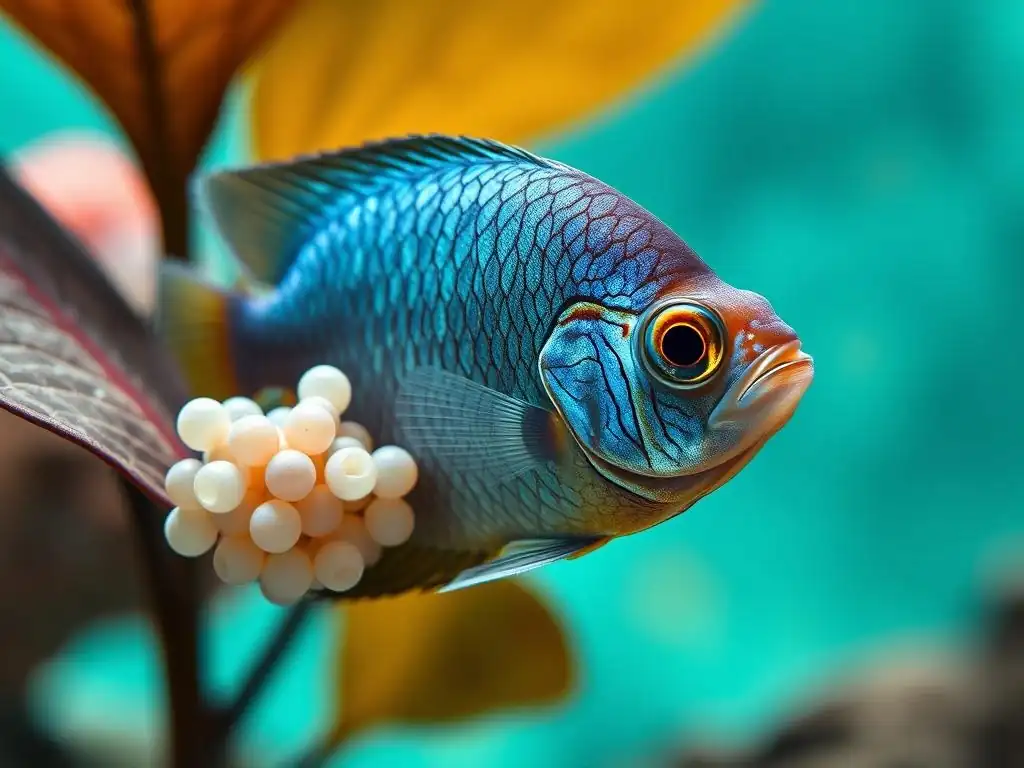
For breeders aiming for maximum yield or those dealing with pairs that consistently Angelfish discus eat fry, advanced techniques for artificial rearing are invaluable.
Artificial Incubation of Eggs
Artificial incubation is the process of hatching eggs without parental care, often employed when parents are unreliable or to maximize survival rates.
- Transfer: Gently remove the spawning surface (slate, cone, plant leaf) with the attached eggs and transfer it to a prepared grow-out tank. If the eggs are on a fixed surface, carefully siphon them off.
- Fungus Prevention: Add a few drops of Methylene Blue to the water in the grow-out tank. This antifungal agent is crucial as there's no parental fanning to prevent fungus.
- Aeration: Place an air stone near the eggs to provide gentle water circulation, mimicking the fanning action of the parents and ensuring adequate oxygenation. This also helps prevent fungal growth.
- Temperature: Maintain the same optimal temperature as the breeding tank. Angelfish eggs typically hatch in 2-3 days, Discus in 2-4 days, depending on temperature.
Feeding Fry with Specialized Diets
The period immediately after the yolk sac is absorbed (when fry become free-swimming) is critical for their survival and growth.
- Initial Foods:
- Day 1-5 (Free-swimming): Infusoria cultures, liquid fry food, or finely powdered spirulina are suitable for Angelfish. Discus fry, if not feeding on parental slime, require even finer, specialized Discus fry powder or a liquid suspension.
- Day 5-14: Newly hatched brine shrimp (Artemia nauplii) are an excellent, highly nutritious first food for both Angelfish and Discus fry. They are rich in protein and easily digestible.
- Frequent Small Feedings: Feed 5-8 times a day, or even more, in very small amounts. Overfeeding will quickly foul the water.
- Gradual Transition: As fry grow (typically after 2-3 weeks), gradually introduce larger foods like microworms, finely crushed high-quality flakes, and eventually finely chopped frozen foods.
Preventing Diseases in Fry
Fry are highly susceptible to diseases due to their underdeveloped immune systems and small size.
- Pristine Water Quality: This is the single most important factor. Daily, even twice-daily, water changes (25-50%) are essential to remove waste and uneaten food. Use a small airline tube to siphon debris from the bottom.
- Cleanliness: Maintain impeccable hygiene in the grow-out tank. All equipment (siphons, nets) should be sterilized.
- Quarantine New Foods: If using live foods, ensure they come from a clean, reputable source or culture them yourself to avoid introducing pathogens.
- Prophylactic Treatments (Use with Caution): Some breeders use very mild prophylactic treatments (e.g., a very dilute salt bath) if they notice early signs of stress or potential disease, but this should be done with extreme caution and only if absolutely necessary, as fry are sensitive to medications.
Conclusion: Achieving Breeding Success with Angelfish and Discus Pairs
Breeding Angelfish and Discus can be one of the most rewarding experiences in the aquarium hobby, despite the challenges, especially when your Angelfish discus eat fry or eggs. Understanding the underlying reasons for this common behavior – be it stress, inexperience, poor water quality, or nutritional deficiencies – is the first crucial step towards overcoming it. By meticulously optimizing water parameters, providing a stable and stress-free environment, and ensuring a high-quality diet, you significantly increase the chances of your breeding pair successfully raising their young.
For persistent issues, implementing protective measures like using spawning cones or, more effectively, artificial incubation in a separate grow-out tank, offers a reliable path to success. With patience, consistent care, and a keen eye for observation, aquarists can transform the disheartening experience of seeing their Angelfish discus eat fry into the joyous sight of a thriving brood. The journey of breeding these magnificent cichlids is a testament to dedication and the continuous pursuit of mastery in aquarium keeping.
Frequently Asked Questions
Why are my angelfish and discus eating their eggs/fry?
This is a common problem. Often, it's due to inexperience in younger pairs. Also, stressful tank conditions or a lack of proper nutrition can cause them to consume their offspring.
What water parameters are crucial for successful angelfish and discus breeding?
Maintaining pristine water quality is essential. Aim for a pH between 6.0-7.0, a temperature of 82-86°F, and very low levels of nitrates and nitrites.
How can I reduce stress in my angelfish and discus breeding tank?
Provide plenty of hiding places with plants or decorations. Minimize disturbances and keep the tank in a quiet location away from heavy foot traffic.
What type of food should I feed my angelfish and discus breeding pair?
Feed them a high-quality diet rich in protein and essential nutrients. Consider offering live or frozen foods like bloodworms, brine shrimp, and high-quality flake food to promote breeding success.
When should I consider removing the eggs/fry from the parents' tank?
If parental care consistently fails, consider removing the eggs or fry after hatching and raising them separately in a dedicated grow-out tank. This increases survival rates but requires careful monitoring and feeding.
Final Reflection: The Delicate Dance of Parental Care
The preceding exploration of why Angelfish and Discus sometimes abandon their parental duties highlights a crucial, often overlooked, aspect of aquarium keeping: the delicate balance between instinct and environment. Understanding the factors that contribute to egg and fry consumption is not just about saving a batch of offspring; it's about fostering a deeper appreciation for the complex lives of these magnificent creatures and the responsibility we undertake when bringing them into our homes.
This phenomenon, frustrating as it may be for aquarists, underscores the profound influence of our actions on the natural behaviors of our fish. It reminds us that even in a controlled environment, the echoes of the wild persist, shaping their responses to stress, security, and perceived threats. The greatness of a nation and its moral progress can be judged by the way its animals are treated.
- Mahatma Gandhi. This quote, while often applied to larger animals, resonates deeply here, urging us to consider the ethical implications of our stewardship over these smaller, yet equally deserving, lives.
Now, armed with this knowledge, consider your role in the lives of your Angelfish and Discus. Are you providing an environment that truly allows them to thrive, or are there subtle stressors that are disrupting their natural instincts?
Let this be a call to action: to observe, to learn, and to adapt, creating a sanctuary where these fish can not only survive, but flourish, and perhaps, even successfully raise their young. The reward, beyond the joy of witnessing new life, is the satisfaction of knowing you've played a part in honoring the inherent beauty and fragility of the natural world.
Embrace the Joy of Successful Breeding!
Thank you for diving into the world of angelfish and discus breeding with us. We hope this article has provided you with some valuable insights into overcoming the frustrating issue of egg and fry consumption. Now, let's turn those challenges into triumphs!
Here are a few steps you can take right now to help ensure your next spawn thrives:
- Prioritize water quality: Regularly test and maintain pristine water conditions. Even slight fluctuations can stress your fish and lead to egg eating.
- Consider a temporary separation strategy: If the parents continue to eat the eggs/fry, explore removing the eggs to an artificial incubation setup immediately after spawning.
- Surprise them with variety: Try offering them new types of live and frozen food. A well-fed pair might be less inclined to snack on their offspring!
Ready to share your hard-earned breeding tips or ask for more personalized advice? What unconventional feeding method has worked best for you in discouraging egg-eating behavior?