
Advanced Line Breeding Techniques for ShowQuality Swordtails

Welcome to Aquarium Mastery!
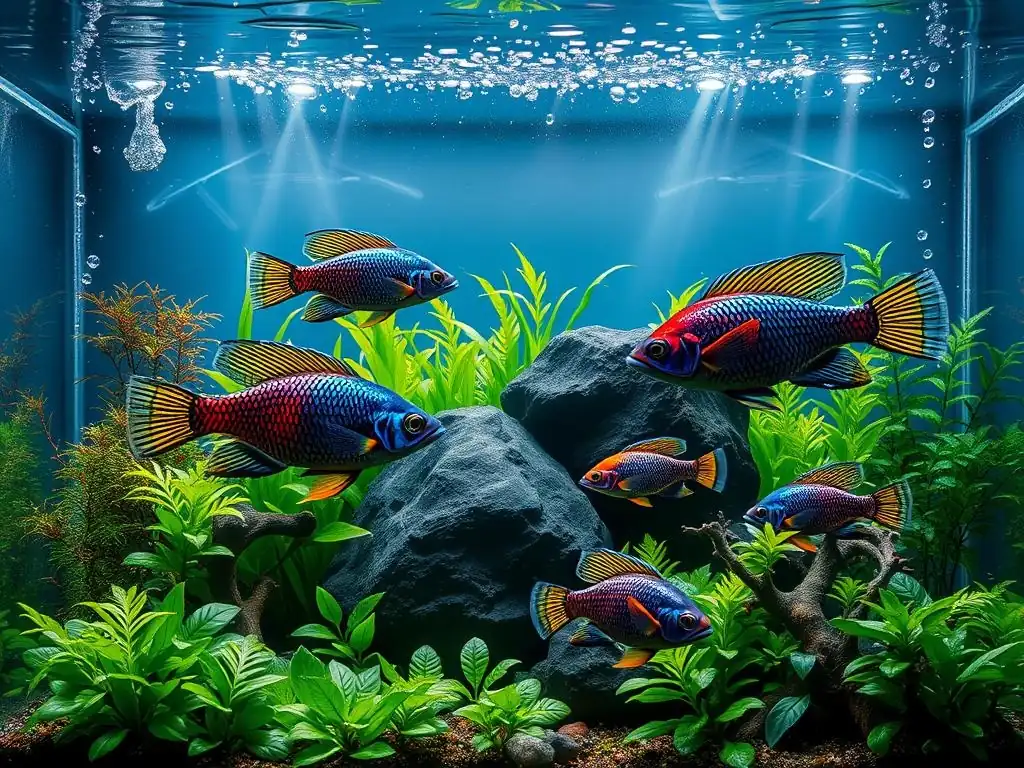
Ever wondered how breeders consistently produce stunning, show-stopping swordtails? Dive into the fascinating world of show quality swordtail line breeding and unlock the secrets to cultivating your own award-winning lineage. Ready to take your breeding game to the next level? Let's explore!
- Understanding Show-Quality Swordtails and Line Breeding
- Preparing for Advanced Swordtail Line Breeding
- Advanced Line Breeding Techniques for Swordtails
- Managing Potential Problems in Swordtail Line Breeding
- Post-Breeding Care and Fry Rearing for Show-Quality Swordtails
- Documenting and Sharing Your Successes in Swordtail Breeding
-
Frequently Asked Questions
- How do I define a show-quality swordtail for line breeding purposes?
- What is the primary goal of line breeding swordtails, and how does it differ from random breeding?
- What are some risks associated with line breeding swordtails, and how can I mitigate them?
- How frequently should I introduce new genetic material into my swordtail line breeding program?
- What specific environmental factors should I control to optimize the success of my show-quality swordtail line breeding program?
- Final Reflection: Cultivating Excellence in Swordtails
- Unleash the Champion Breeder Within!
Understanding Show-Quality Swordtails and Line Breeding
Defining "Show-Quality" in Swordtails: Traits and Standards
"Show-quality" in swordtails refers to specimens that exhibit superior physical characteristics, vibrant coloration, and robust health, meeting or exceeding established standards for their specific strain. Key traits include intense, uniform color saturation (e.g., a deep, unblemished red in a Red Velvet Swordtail or distinct, crisp patterns in a Kohaku Swordtail), perfectly formed and symmetrical fins without nips or deformities, and a streamlined, proportionate body shape. The male's "sword" – the elongated lower caudal fin ray – should be straight, well-defined, and of a length proportionate to the body, often extending significantly beyond the caudal fin itself.
Beyond aesthetics, a show-quality swordtail must also demonstrate vigor and vitality. This includes active swimming, alert behavior, and clear eyes, all indicative of excellent health and proper care. Judges often evaluate fish based on a points system, allocating scores for color, finnage, body shape, and overall condition. For instance, a perfect dorsal fin should be tall and erect, while the caudal fin should be broad and symmetrical, even before the sword extension. The goal of show quality swordtail line breeding is to consistently produce offspring that embody these ideal characteristics across generations.
The Basics of Line Breeding: Maintaining Genetic Integrity
Line breeding is a controlled breeding strategy that involves mating closely related individuals within a specific lineage to concentrate and fix desirable genetic traits. Unlike random breeding, which can result in highly variable offspring, line breeding aims to create a stable, predictable line where specific characteristics (like color, fin shape, or sword length) are consistently expressed. This method effectively reduces genetic variation, making it more likely that offspring will inherit the desired attributes from their carefully selected parents.
The core principle of line breeding is to identify superior individuals that strongly express the target traits and then selectively breed them back to their parents, grandparents, or siblings. This process strengthens the genetic blueprint for those traits over successive generations. For instance, if a breeder wants to enhance the sword length, they might breed a male with an exceptionally long sword back to one of his daughters who also shows promise. Meticulous record-keeping is paramount to track lineage, identify successful pairings, and avoid the pitfalls of excessive inbreeding while pursuing show quality swordtail line breeding.
Why Line Breed Swordtails? Goals and Benefits
The primary goal of line breeding swordtails is to consistently produce show quality swordtail line breeding specimens that are uniform in appearance and genetically stable. This allows breeders to develop unique strains with distinctive features, such as a specific shade of red, an unusually long sword, or a particular fin configuration, that are reliably passed down through generations. For hobbyists, this means a higher chance of obtaining fish that meet stringent show standards and maintain their beauty over time.
Beyond achieving aesthetic uniformity, line breeding offers several significant benefits. It helps to purify genetic lines, effectively eliminating undesirable recessive traits like deformities or poor coloration that might surface in less controlled breeding programs. Furthermore, a well-established line can command higher market value due to its consistent quality and unique characteristics, making it appealing to serious collectors and other breeders. The process also provides immense satisfaction for the breeder, transforming a casual hobby into a dedicated pursuit of genetic perfection and contributing to the diversity of available swordtail varieties.
Preparing for Advanced Swordtail Line Breeding
Selecting Foundation Stock: Choosing the Right Swordtail Breeders
Identifying Desirable Traits in Swordtail Breeding Stock
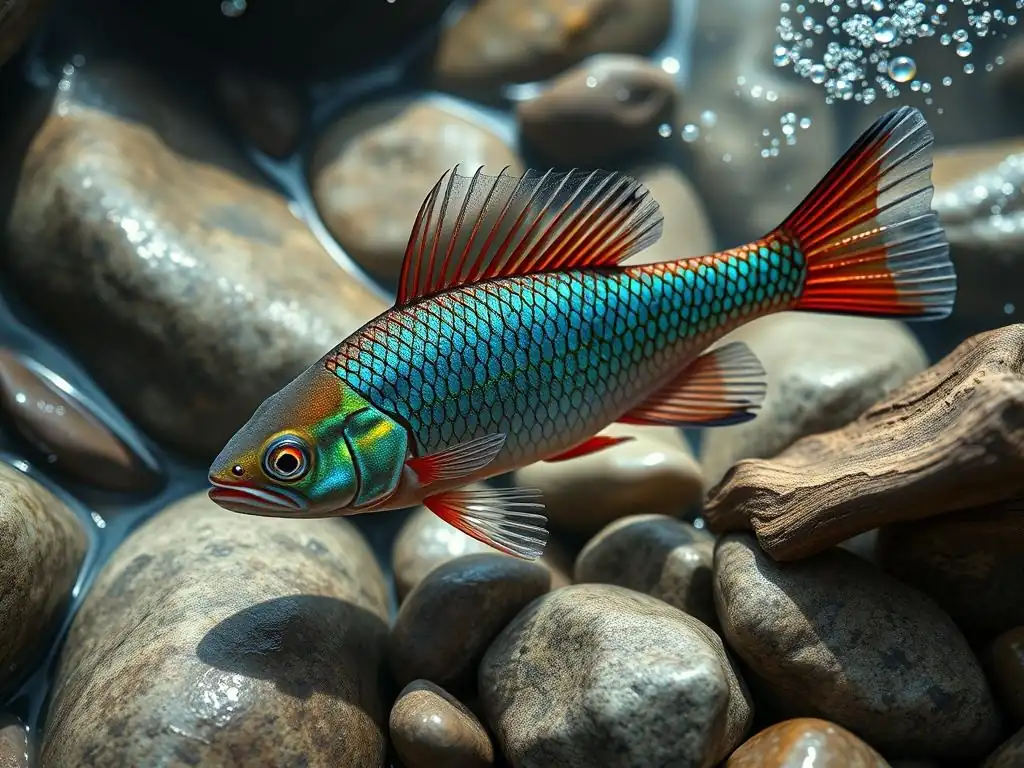
The success of any show quality swordtail line breeding project hinges on the initial selection of foundation stock. Breeders must meticulously identify individuals that embody the desired traits to the highest degree.
For example, if the goal is to produce Red Velvet Swordtails, select males with the most intense, uniform, and deep red coloration covering their entire body, and females that also exhibit strong red pigmentation, even if slightly less vibrant than males. Observe their finnage: ensure the dorsal fin is tall and erect, the caudal fin is broad and symmetrical, and the sword on males is long, straight, and proportionate.
Beyond specific aesthetic traits, choose fish that are robust, active, and free from any signs of disease or stress. Look for clear eyes, full bellies (but not bloated), and vigorous swimming patterns. It's often beneficial to observe potential breeders over several days or weeks to confirm consistent health and trait expression. If possible, gather information on their parentage to assess the consistency of desired traits in previous generations, as this provides a strong indicator of their genetic potential for show quality swordtail line breeding.
Avoiding Common Genetic Flaws in Swordtails
Equally important to identifying desirable traits is recognizing and avoiding common genetic flaws that can undermine a line breeding program. These flaws are often hereditary and can propagate rapidly through a lineage if not addressed. Common deformities include curved spines (scoliosis), which manifest as a bent or S-shaped backbone; shortened or "stubby" bodies; and various fin deformities such as clamped fins, curled fins, or missing fin rays. Other issues might include disproportionate body parts, such as an abnormally large head or underdeveloped fins, or even recurring susceptibility to common diseases.
Never select fish exhibiting these flaws for breeding, even if they possess other desirable characteristics. Breeding such individuals will introduce or reinforce undesirable genes within your line, making it significantly harder to achieve show quality swordtail line breeding consistently. Diligent observation of both potential breeders and their initial offspring batches is crucial. If a particular pairing consistently produces fry with deformities, both parents should be removed from the breeding program to prevent the perpetuation of those genetic weaknesses.
Setting Up Your Breeding Tanks: Environment and Equipment
Optimizing Water Parameters for Swordtail Breeding Success
Maintaining optimal and stable water parameters is critical for the health, fertility, and successful fry development of swordtails in a line breeding program. Swordtails thrive in slightly alkaline to neutral water with a pH range of 7.0 to 8.0. The ideal temperature for breeding is typically between 75°F and 80°F (24°C to 27°C), which encourages active metabolism and consistent spawning. Water hardness (GH) should be moderately hard, ideally between 10 to 20 dGH, as this provides essential minerals for healthy bone and fin development in the fry.
Consistent monitoring of ammonia, nitrite, and nitrate levels is paramount. Ammonia and nitrite should always be at zero parts per million (ppm), while nitrates should be kept below 20 ppm through regular water changes. Fluctuations in pH or temperature can stress fish, reduce fertility, and lead to higher fry mortality rates. Stable parameters contribute to healthier parents, more frequent and successful spawns, and more robust fry, all vital for achieving show quality swordtail line breeding.
Tank Size and Filtration for Line Breeding Projects
For a dedicated swordtail breeding setup, individual breeding pairs or trios (one male to two females) can be housed in 10- to 20-gallon tanks. These sizes allow for controlled pairings and easier observation of specific traits. However, for growing out multiple batches of fry and selecting future breeders, larger grow-out tanks of 20 to 40 gallons or more are highly recommended. Larger tanks provide more stable water conditions, reduce aggression among maturing fish, and allow fry ample space for optimal growth and development, crucial for expressing their full show quality swordtail line breeding potential.
Filtration should be gentle yet effective. Sponge filters are often preferred for breeding and fry tanks because they provide excellent biological filtration without creating strong currents that can stress fry or suck them up. Hang-on-back (HOB) filters with a pre-filter sponge over the intake can also work, but ensure the flow is not too powerful. Adequate aeration, provided by an air stone or the filter's output, is also essential to maintain high oxygen levels, which are vital for both adult swordtails and their rapidly growing fry.
Record Keeping: Essential for Successful Swordtail Line Breeding
Creating Pedigree Charts for Swordtails
Detailed record-keeping is the backbone of any successful show quality swordtail line breeding program. A crucial component is the pedigree chart, which visually tracks the lineage of each fish. For every breeding pair, record the identification numbers or names of the male (sire) and female (dam), their birth dates, and the date of each spawn. For the offspring, note the number of fry produced in each batch, their initial health, and any notable traits observed early on. Assign a unique identifier to each promising fry that is kept for grow-out.
These charts allow breeders to trace specific traits back through generations, identify carriers of recessive genes, and understand the genetic contributions of each parent. For example, if a particular male consistently produces offspring with exceptionally long swords, this information is invaluable for future pairing decisions. Software programs or even detailed spreadsheets can be used to manage this data, making it easier to analyze genetic trends and plan future crosses for optimal show quality swordtail line breeding.
Tracking Traits and Identifying Genetic Trends
Beyond basic pedigree information, successful show quality swordtail line breeding necessitates meticulous tracking of specific traits in each generation. This involves observing and documenting the expression of desired characteristics such as color intensity, fin shape and length, body conformation, and sword quality as the fry mature. You might assign a qualitative score (e.g., "excellent," "good," "fair," "poor") or a numerical rating for each trait, allowing for objective comparison across individuals and batches.
This detailed trait tracking enables the breeder to identify genetic trends and patterns within the line. For instance, you might discover that a certain pairing consistently produces fish with strong dorsal fins but weak coloration, or that a particular female carries a gene for a specific fin deformity.
By analyzing this data, breeders can make informed decisions about which individuals to select for the next breeding cycle, which pairings are most successful, and which lines need to be culled or outcrossed to improve specific traits or eliminate undesirable ones, directly contributing to the advancement of show quality swordtail line breeding.
Advanced Line Breeding Techniques for Swordtails
Inbreeding vs. Outcrossing: Managing Genetic Diversity
In advanced show quality swordtail line breeding, breeders strategically employ both inbreeding and outcrossing to manage genetic diversity and achieve specific goals. Inbreeding, the mating of closely related individuals (e.g., brother-sister, parent-offspring), is used to rapidly fix and intensify desired traits, leading to greater uniformity within a line. It effectively "purifies" the genes for specific characteristics, making them homozygous and consistently expressed. However, prolonged or severe inbreeding can lead to inbreeding depression, reducing vigor, fertility, and overall health.
Outcrossing, conversely, involves mating individuals from different, unrelated lines of the same species. This introduces new genetic material, increasing heterozygosity and genetic diversity. Outcrossing is primarily used to combat inbreeding depression, restore vigor, introduce new desirable traits from another line, or refresh a line that has become too weak or prone to issues. After an outcross, selective inbreeding is typically resumed to re-stabilize the desired traits while retaining the newly introduced vigor or characteristics, ensuring the continued pursuit of show quality swordtail line breeding.
Understanding Coefficient of Inbreeding in Swordtails
The Coefficient of Inbreeding (COI) is a quantitative measure of an individual's inbreeding level, expressed as a percentage. It represents the probability that both alleles (gene copies) at any given locus are identical by descent, meaning they originated from the same ancestor. A COI of 0% indicates no known common ancestors within the traced pedigree, while a COI of 25% for an offspring of a brother-sister mating signifies a high degree of shared genetic material. For show quality swordtail line breeding, understanding COI helps breeders manage the risks associated with inbreeding.
While high COI can lead to the rapid expression of desired traits, it also increases the likelihood of expressing deleterious recessive genes, leading to inbreeding depression. Many breeders aim to keep the average COI below 12.5% for long-term line stability, though higher COI values (e.g., 25% or even 37.5%) might be used for a few generations to rapidly fix a specific trait, followed by an outcross to reduce the COI. Calculating COI often requires detailed pedigree software or careful manual charting, allowing for a more scientific approach to maintaining healthy and robust show quality swordtail line breeding lines.
Selective Breeding Strategies: Focusing on Specific Traits
Enhancing Coloration in Swordtail Lines
To enhance coloration in show quality swordtail line breeding, the primary strategy involves rigorous selection of the most vibrantly colored individuals for breeding. For example, if aiming for a deep, fiery red, only select males and females with the most intense and uniform red pigmentation, free from dull patches or black spotting unless it's part of the desired pattern. This process is often about purifying existing color genes. Consistent culling of any offspring showing faded colors, undesirable patterns, or lack of intensity is crucial.
Beyond genetic selection, environmental factors play a supportive role. Feeding high-quality diets rich in color-enhancing ingredients like astaxanthin (a carotenoid found in foods like spirulina, krill, or specialized color-enhancing flakes) can help maximize the expression of genetic potential. Maintaining pristine water quality and optimal parameters also contributes to the fish's overall health and ability to display their best colors. This combined approach of genetic selection and environmental optimization is vital for achieving truly striking show quality swordtail line breeding coloration.
Improving Body Shape and Fin Development in Swordtails
Improving body shape and fin development in show quality swordtail line breeding requires meticulous observation and stringent selection. For body shape, aim for a robust, streamlined, and well-proportioned body that is neither too slender nor too stocky, and free from any spinal deformities like kinks or curves. Select individuals that grow quickly and maintain a healthy, full appearance without being bloated. This often means culling any fish that exhibit stunted growth or an abnormal body contour early in their development.
Regarding fin development, focus on fish with large, flowing, and symmetrical fins. The dorsal fin should be high and erect, the caudal fin broad and well-formed (even before the sword extension), and the anal and pectoral fins should be proportionate and free from nips or tears. For males, the sword should be straight, long, and without kinks. Consistently breeding individuals with superior finnage and body structure, and culling those with any imperfections, will gradually refine these traits across generations, leading to more consistent show quality swordtail line breeding specimens.
Increasing Sword Length and Quality
The "sword" in male swordtails is a highly prized characteristic for show quality swordtail line breeding, and enhancing its length and quality is a common breeding goal. To achieve this, breeders must selectively choose males that exhibit the longest, straightest, and most robust swords. It's important to also consider the female's contribution; while females don't develop swords, they carry the genetic potential for sword length, so selecting females from lines known for producing long-swords is beneficial.
During the grow-out phase, closely monitor male fry for early indications of sword development. Males that show a promising sword growth early on are often good candidates for future breeders. Provide ample space in grow-out tanks (e.g., a 20-gallon tank for 10-15 growing males) and a high-protein diet to support optimal growth, as environmental factors can also influence the full expression of genetic potential. Consistent selection over several generations, breeding the best-swords to the best-potential females, will gradually increase the average sword length and quality within the line.
Culling Strategies: Removing Undesirable Traits
Identifying and Removing Offspring with Deformities
Culling is an indispensable, albeit difficult, aspect of show quality swordtail line breeding. The first stage of culling involves identifying and humanely removing offspring with obvious physical deformities. This should be done as early as possible, typically within the first few weeks after birth, once the deformities become apparent. Common deformities include curved spines, missing or malformed fins, underdeveloped gills, or severe swim bladder issues that prevent normal swimming.
Leaving deformed fish in the tank not only takes up valuable space and resources but can also potentially introduce unhealthy genes into the breeding pool if they somehow survive and reproduce. Humane culling methods, such as a strong solution of clove oil followed by freezing, are recommended to minimize stress to the fish. While emotionally challenging, this rigorous culling ensures that only the healthiest and most genetically sound individuals are allowed to mature, thereby improving the overall quality and vitality of the show quality swordtail line breeding line.
Culling Based on Trait Expression
Beyond physical deformities, the next stage of culling in show quality swordtail line breeding involves removing offspring that do not meet the desired standards for specific traits. This happens as the fry grow and their characteristics become more evident. For example, if breeding for intense red coloration, any fish that develop dull, faded, or patchy colors would be culled. Similarly, fish with short fins, poor body shape, slow growth rates compared to their siblings, or undesirable patterns (e.g., too much black where it shouldn't be) would be removed.
This form of selective culling is crucial for concentrating the desired genes within the line. It ensures that only the individuals with the strongest expression of the target traits are allowed to mature and potentially become future breeders. The culling rate can be quite high, often 50-70% or more of a given spawn, retaining only the top percentage of fish that truly embody the "show-quality" standard. This aggressive selection is what allows a breeder to consistently improve the line and achieve true show quality swordtail line breeding over generations.
Managing Potential Problems in Swordtail Line Breeding
Dealing with Inbreeding Depression
Recognizing Signs of Inbreeding Depression
Inbreeding depression is a significant challenge in show quality swordtail line breeding that arises from prolonged inbreeding and the resulting loss of genetic diversity. Recognizing its signs early is crucial for intervention. Common indicators include a noticeable reduction in fertility, manifesting as fewer fry per spawn, increased numbers of infertile eggs, or difficulty in getting pairs to breed at all. Fry may exhibit slower growth rates, higher mortality rates, and increased susceptibility to common diseases due to weakened immune systems.
Other signs of inbreeding depression can include physical deformities that were not present in earlier generations, such as subtle spinal kinks or fin abnormalities, or a general decrease in overall vitality, with fish appearing lethargic or showing less vibrant coloration. If a well-established line suddenly begins to exhibit these issues, it's a strong indication that genetic diversity has become too low, requiring immediate action to mitigate the effects and preserve the show quality swordtail line breeding efforts.
Strategies to Mitigate Inbreeding Depression
When signs of inbreeding depression appear, immediate action is necessary to prevent the collapse of your show quality swordtail line breeding efforts. The most effective strategy is controlled outcrossing. This involves introducing a high-quality, unrelated individual of the same species and desired strain into your breeding program. The goal is to infuse new genetic material to restore vigor and genetic diversity without compromising the established traits. For instance, if your Red Velvet line is showing signs of depression, acquire a healthy, unrelated Red Velvet male or female from a reputable breeder.
After the initial outcross, the offspring will exhibit increased vigor and genetic diversity. These F1 generation fish can then be selectively bred back into your main line, carefully choosing individuals that retain the desired traits while benefiting from the new genetics. Alternatively, some breeders maintain multiple distinct lines simultaneously and perform periodic controlled exchanges of breeding stock between them, essentially "outcrossing" within their own breeding facility to maintain genetic health and ensure the long-term success of their show quality swordtail line breeding.
Preventing and Treating Common Swordtail Diseases
Maintaining a Healthy Breeding Environment
Preventing disease is far more effective than treating it, especially in a show quality swordtail line breeding program where the health of your foundation stock and fry is paramount. A healthy breeding environment is built on pristine water quality: perform regular, consistent water changes (e.g., 25-30% weekly for adults, daily small changes for fry), ensure adequate filtration, and maintain stable water parameters (temperature, pH, hardness) within the optimal range for swordtails. Overcrowding should be strictly avoided, as it leads to increased stress, higher waste production, and greater susceptibility to pathogens.
A high-quality, varied diet also plays a crucial role in boosting the immune systems of your swordtails. Offer a mix of flakes, pellets, and live or frozen foods. Regularly inspect your fish for any signs of illness, such as clamped fins, white spots (Ich), frayed fins (fin rot), or abnormal swimming behavior. Early detection allows for prompt isolation and treatment, preventing the spread of disease through your valuable show quality swordtail line breeding stock.
Quarantine Procedures for New Swordtails
A non-negotiable aspect of preventing disease in a show quality swordtail line breeding setup is implementing strict quarantine procedures for all new swordtails acquired from external sources. Any new fish, regardless of how healthy they appear, should be housed in a separate quarantine tank for a minimum of 2 to 4 weeks. This tank should be fully cycled and have its own dedicated equipment (nets, siphons, buckets) to prevent cross-contamination.
During the quarantine period, observe the new fish closely for any signs of disease or parasites. Many breeders also perform prophylactic treatments for common ailments like Ich or external parasites, even if no symptoms are visible. Gradually acclimate the quarantined fish to the water parameters of your main breeding tanks before introducing them. This diligent process significantly reduces the risk of introducing pathogens that could devastate your established and carefully developed show quality swordtail line breeding lines.
Addressing Genetic Mutations and Unexpected Traits
Genetic mutations are spontaneous changes in an organism's DNA that can occur randomly. In show quality swordtail line breeding, these mutations can sometimes lead to unexpected traits, which may be either desirable or undesirable. For instance, a mutation might result in a novel color pattern, a unique fin shape, or an unusually long sword. If such a mutation is desirable and stable (i.e., consistently expressed in offspring), it could be the foundation for an entirely new, unique strain. In this case, the individual exhibiting the trait should be isolated and bred to test its heritability.
Conversely, mutations can also lead to undesirable traits or exacerbate existing genetic weaknesses, such as new types of deformities or increased susceptibility to specific conditions. When an undesirable mutation occurs, the affected individual and any offspring exhibiting the trait should be promptly culled to prevent its propagation within the line. Meticulous record-keeping is essential to document any observed mutations, track their appearance, and inform future breeding decisions, ensuring the integrity and progression of your show quality swordtail line breeding project.
Post-Breeding Care and Fry Rearing for Show-Quality Swordtails
Optimal Fry Feeding Strategies for Rapid Growth
Live Food Options for Swordtail Fry
For achieving optimal growth and development in show quality swordtail line breeding fry, live foods are unparalleled due to their high nutritional content, digestibility, and natural appeal to young fish. Newly hatched brine shrimp (Artemia nauplii) are a staple, providing a complete nutritional profile and stimulating the fry's hunting instincts. Microworms are another excellent option, especially for very young fry, as they are small and highly nutritious. Daphnia, once the fry are slightly larger, offer additional benefits.
These live foods should be fed frequently, typically 3 to 5 times daily, in small amounts that can be consumed within a few minutes. This ensures a constant supply of food for the rapidly metabolizing fry. Culturing live foods at home is a cost-effective and reliable way to ensure a fresh supply. The rich protein and essential fatty acids in live foods are critical for robust growth, vibrant coloration, and strong fin development, directly impacting their potential as show quality swordtail line breeding specimens.
Commercial Fry Foods: Choosing the Right Formula
While live foods are highly recommended, high-quality commercial fry foods can serve as excellent supplements or alternatives, particularly when live food cultures are not readily available. When selecting commercial options for show quality swordtail line breeding fry, prioritize formulas specifically designed for livebearer fry or very small fish, with a high protein content (typically 40-50% or more). Finely crushed flake food, powdered spirulina, and specialized liquid fry foods are common choices.
Ensure the food particles are appropriately sized for the fry's tiny mouths. Overfeeding commercial foods can quickly foul the water, leading to ammonia spikes that are lethal to delicate fry. Always feed small amounts that are consumed within a few minutes, and remove any uneaten food promptly. Combining commercial foods with live options provides a balanced diet, ensuring the fry receive all necessary nutrients for rapid, healthy growth and the full expression of their show quality swordtail line breeding potential.
Maintaining Water Quality for Swordtail Fry Development
Maintaining pristine water quality is absolutely critical for the survival and optimal development of swordtail fry, especially when aiming for show quality swordtail line breeding. Fry are extremely sensitive to ammonia, nitrite, and nitrate, which can quickly accumulate in their small, often densely populated grow-out tanks. Daily small water changes, typically 10-20% of the tank volume, using temperature-matched, dechlorinated water, are essential to dilute waste products and replenish essential minerals.
A gentle sponge filter is ideal for fry tanks as it provides biological filtration without creating strong currents that can exhaust or injure the delicate fry. Regularly siphon the tank bottom to remove any uneaten food and detritus, which decompose and contribute to water pollution. Consistent monitoring of water parameters with a reliable test kit will help ensure the environment remains stable and healthy, providing the best possible conditions for the fry to grow into robust show quality swordtail line breeding adults.
Selecting the Next Generation of Breeders
Evaluating Fry for Desirable Show-Quality Traits
The process of selecting the next generation of breeders is arguably the most crucial step in show quality swordtail line breeding. Evaluation begins early, as soon as the fry are large enough to discern their developing traits, typically from 4-6 weeks of age onwards. Look for the fastest-growing individuals, as this indicates good health and vigor. Prioritize those that display the earliest and strongest expression of your desired traits: intense, clear coloration, well-formed fins (including the developing sword in males), and a robust, symmetrical body shape free from any deformities.
As the fry mature, continue to observe and re-evaluate. Separate the most promising individuals into dedicated grow-out tanks to allow them more space and resources to fully develop their potential. This multi-stage evaluation process, coupled with continuous culling of less desirable specimens, ensures that only the very best individuals, those with the highest potential for show quality swordtail line breeding, are considered for the next breeding cycle.
Continuing the Line Breeding Process
Once the selected fry from the previous generation reach sexual maturity (typically around 4-6 months for swordtails), the breeder must make the final decisions on which individuals will form the next breeding pairs. This decision is based on the comprehensive trait tracking and pedigree analysis conducted throughout their development. The goal is to identify the top 1-5% of the most exceptional individuals that best embody the desired show quality swordtail line breeding characteristics.
These carefully chosen individuals are then paired according to the established line breeding plan, whether it involves inbreeding to further fix traits or a controlled outcross to introduce new vigor. This continuous cycle of selective breeding, meticulous record-keeping, and rigorous culling is what allows a breeder to progressively refine and improve their swordtail line over multiple generations, consistently producing fish that meet and exceed the standards for show quality.
Documenting and Sharing Your Successes in Swordtail Breeding
Photographing and Showcasing Your Show-Quality Swordtails
Documenting your success through high-quality photography is an important aspect of show quality swordtail line breeding. Good photographs not only serve as valuable records of your progress but also allow you to showcase your achievements to others. To capture the true beauty of your swordtails, use appropriate lighting (avoiding harsh direct light), a simple, contrasting background (often white or light blue), and a macro lens if possible to capture fine details.
Aim to photograph the fish from various angles, highlighting their best features: the vibrant coloration, the elegant finnage, the straight sword, and the overall body conformation. Patience is key, as fish can be uncooperative models. These images can be used for personal archives, shared on online forums or social media groups dedicated to livebearers, or even used for submissions to fish show catalogs, effectively demonstrating the fruits of your show quality swordtail line breeding efforts.
Participating in Fish Shows and Competitions
Participating in local or national fish shows and competitions provides an invaluable opportunity to gain external validation for your show quality swordtail line breeding efforts. Entering your best specimens allows experienced judges, often fellow dedicated breeders, to evaluate your fish against established standards. This provides objective feedback on your breeding program's strengths and weaknesses, helping you refine your selection criteria and techniques.
Beyond the competitive aspect, fish shows are excellent venues for networking with other serious aquarists and breeders. You can exchange knowledge, discuss breeding strategies, and potentially find new bloodlines for future outcrosses. Winning awards or receiving positive critiques for your swordtails can be incredibly rewarding, affirming the success of your diligent show quality swordtail line breeding program and motivating further advancements.
Sharing your knowledge and experiences is a vital contribution to the broader swordtail and aquarium community. Whether through online forums, local aquarium club meetings, or personal blogs, documenting your journey in show quality swordtail line breeding can inspire and educate other hobbyists. Discuss your successes, challenges, specific techniques, and the lessons learned throughout your breeding projects.
By openly sharing information on topics such as water parameters that yielded the best results, specific feeding regimens for fry, or effective culling strategies, you help elevate the overall standard of swordtail keeping and breeding. This fosters a collaborative environment where new breeders can learn from experienced ones, contributing to the continued improvement and diversity of swordtail strains globally, and ensuring the passion for show quality swordtail line breeding continues to thrive.
Frequently Asked Questions
How do I define a show-quality swordtail for line breeding purposes?
A show-quality swordtail is defined by its adherence to specific breed standards, focusing on body shape, finnage, and coloration. These standards are typically outlined by recognized aquarium societies.
What is the primary goal of line breeding swordtails, and how does it differ from random breeding?
Line breeding aims to enhance and stabilize desirable traits within a specific bloodline. Unlike random breeding, it involves selecting related individuals to concentrate specific genes for consistent offspring characteristics.
What are some risks associated with line breeding swordtails, and how can I mitigate them?
The main risk is inbreeding depression, leading to weaker offspring and genetic defects. Mitigation involves careful selection, outcrossing with unrelated individuals periodically, and maintaining detailed records of the lineage.
How frequently should I introduce new genetic material into my swordtail line breeding program?
The frequency depends on the specific needs of your line, but generally, introducing new genetic material every 3-4 generations is recommended. This helps prevent excessive inbreeding while still maintaining desired traits.
What specific environmental factors should I control to optimize the success of my show-quality swordtail line breeding program?
Maintaining stable water parameters (temperature, pH, ammonia, nitrite, nitrate) and providing a nutrient-rich diet are crucial. Also, ensuring adequate space to reduce stress and promote healthy growth is vital.
Final Reflection: Cultivating Excellence in Swordtails
The journey into show quality swordtail line breeding reveals not just a scientific process, but an art form. The principles discussed, from meticulous record-keeping to strategic selection, are not merely academic exercises; they are actively shaping the future of this beloved hobby, influencing the standards of beauty and health within swordtail populations worldwide. The dedication to refining these techniques ensures that future generations can appreciate the vibrant colors and graceful forms that define a truly exceptional show specimen.
This pursuit of perfection has profoundly impacted the culture of fishkeeping, fostering a deeper appreciation for the nuances of genetics and responsible breeding practices. My own engagement with this process has underscored the importance of patience and observation, reminding me that true mastery lies in understanding the subtle language of nature. The goal of breeding is not just to produce beautiful fish, but to improve the overall health and resilience of the species.
This quote encapsulates the ethical responsibility that accompanies the power to shape living organisms.
As we conclude this exploration of advanced line breeding, I invite you to consider the broader implications of our actions. How can we apply these principles of mindful selection and careful cultivation to other areas of our lives? Let us strive to nurture excellence, not just in our aquariums, but in all our endeavors, ensuring that our contributions leave a lasting legacy of beauty, health, and responsibility for generations to come.
Unleash the Champion Breeder Within!
Thank you for diving deep into the world of advanced line breeding for show-quality swordtails. We hope you've gained valuable insights to elevate your breeding game! Now, let's turn that knowledge into action.
Here are some steps you can take immediately:
- Start charting your lineages: Dedicate time this week to meticulously document the lineage of your best swordtail specimens. This is the cornerstone of effective line breeding.
- Explore unusual traits: Look beyond the typical desired traits. Research swordtail color variations and finnage patterns that are rare or less common and consider how they could enhance your line.
- Share your experiences: Join the Aquarium Mastery community forum and share your line breeding goals and challenges! Let's learn from each other's successes and setbacks.
What unique characteristic are you most excited to breed into your swordtail line?