
Peacock Cichlid Aggression: Understanding and Mitigating Male Rivalry

Welcome to Aquarium Mastery!
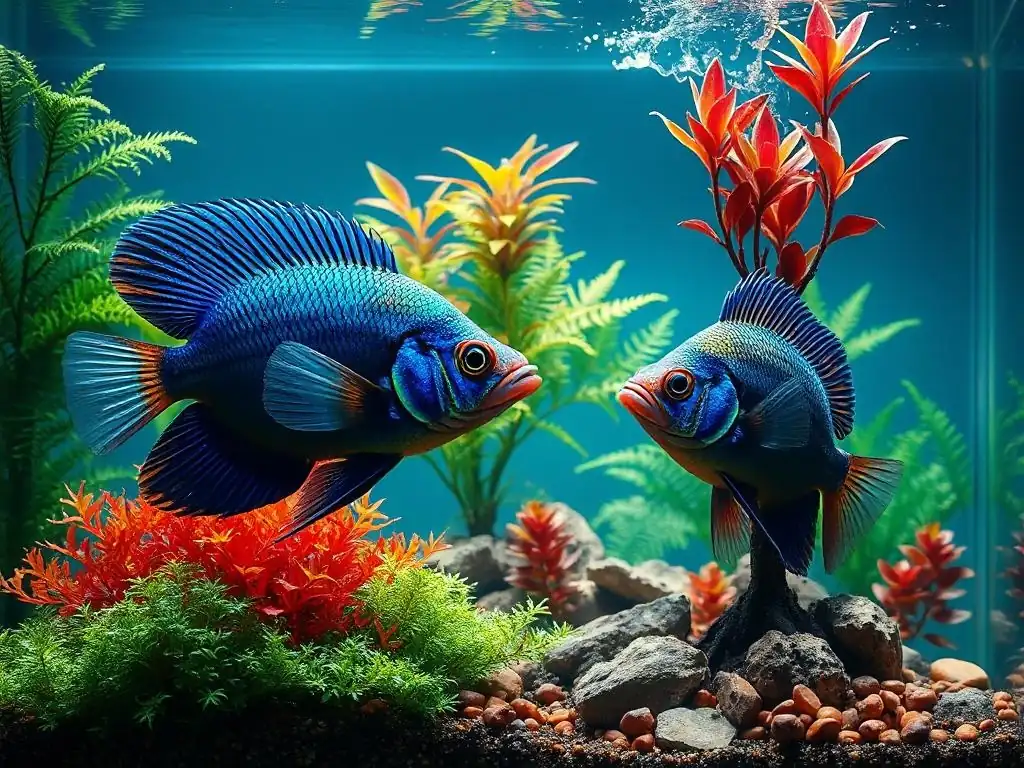
Ever wondered how to maintain peace in a vibrant Peacock Cichlid tank? These stunning fish can bring unparalleled beauty to your freshwater aquarium, but their aggressive tendencies, especially among males, can quickly turn paradise into a battleground. Dive into our comprehensive guide on Peacock cichlid aggression control to unlock the secrets of harmonious cohabitation and learn proven methods to minimize conflict. Ready to discover how to create a thriving, balanced ecosystem for your Peacocks? Let's get started!
- Peacock Cichlid Aggression: Understanding and Mitigation
- Understanding Peacock Cichlid Aggression in Aquariums
- Male Peacock Cichlid Rivalry: Causes and Consequences
- Effective Strategies for Aggression Control
- Managing Existing Aggression Issues
- Long-Term Solutions for a Peaceful Aquarium
- Preventing Aggression: Best Practices
-
Frequently Asked Questions
- What are the primary reasons for aggression in Peacock Cichlids?
- How can I reduce aggression in my Peacock Cichlid aquarium?
- What tank size is generally recommended for keeping Peacock Cichlids to minimize aggression?
- What are some compatible tank mates for Peacock Cichlids to help diffuse aggression?
- Are there specific water parameters that can affect Peacock Cichlid aggression levels?
- Final Reflection: Taming the Rainbow's Fury
- Transform Your Aquarium: Conquer Peacock Cichlid Aggression!
Peacock Cichlid Aggression: Understanding and Mitigation
Understanding Peacock Cichlid Aggression in Aquariums
Identifying Aggression in Peacock Cichlids: Signs to Watch For
Recognizing the early signs of aggression in Peacock cichlids (Aulonocara species) is crucial for effective Peacock cichlid aggression control. Subtle indicators often precede overt attacks. These can include increased chasing, fin nipping, and displaying flared gills or fins towards other tank inhabitants. A dominant male might darken his colors intensely or show off his vibrant hues more frequently, patrolling a specific area of the tank and preventing other fish from entering. Stress stripes, which are vertical bars appearing on the body, can also indicate that a fish is being bullied.
More severe signs of aggression manifest as physical damage or extreme behavioral changes. Torn fins, missing scales, or body wounds are clear evidence of physical altercations. The victimized fish may hide constantly, refuse to eat, exhibit rapid breathing, or become listless and withdrawn. In some cases, a bullied fish might even lose its vibrant coloration, appearing pale and stressed. Prompt identification of these signs allows aquarists to intervene quickly and implement strategies for Peacock cichlid aggression control before injuries become severe or fatalities occur.
Factors Contributing to Peacock Cichlid Aggression
Peacock cichlids, native to the rocky shores and sandy areas of Lake Malawi in East Africa, possess an inherent territorial instinct. In their natural habitat, male Aulonocara species establish and defend territories, particularly during breeding. When confined to an aquarium, these natural behaviors can intensify, leading to significant aggression. The artificial environment often lacks the vastness and complexity of their native waters, exacerbating territorial disputes and competition for limited resources.
Several key factors within an aquarium setting can significantly amplify this natural tendency, turning mild territoriality into problematic Peacock cichlid aggression. These include inadequate tank size, an imbalanced male-to-female ratio, the establishment of rigid dominance hierarchies, and even the quality of the water. Understanding how these elements interact is fundamental to mitigating conflict and fostering a peaceful community.
Tank Size and Overcrowding: A Major Aggression Trigger
Tank size is perhaps the most critical factor influencing Peacock cichlid aggression. A minimum tank size of 55 gallons (approximately 208 liters) is often recommended for a small group, but a 75-gallon (approximately 284 liters) or larger aquarium is far more suitable for housing multiple male Peacocks or a mixed-sex group. Insufficient space prevents subdominant fish from escaping the aggression of dominant individuals, leading to constant stress and potential injury. Each male Peacock cichlid typically requires a territory of at least 1-2 square feet to feel secure and reduce territorial disputes.
Overcrowding not only limits physical space but also intensifies competition for all resources, including food and prime territorial spots. In a tank with too many fish, stress levels rise significantly, leading to a breakdown in social dynamics and an increase in skirmishes. For instance, attempting to house three male Peacocks in a 40-gallon breeder tank, where only one might comfortably establish a territory, almost guarantees persistent conflict and severe Peacock cichlid aggression among the males.
Male-to-Female Ratio: Optimizing for Peaceful Coexistence
The ratio of males to females is paramount in managing Peacock cichlid aggression, especially in mixed-sex setups. Peacock cichlids are polygynous, meaning one male will mate with multiple females. An ideal ratio is at least 3-4 females per male. This high female-to-male ratio helps to dilute the male's breeding aggression, spreading his attention among several females rather than focusing it intensely on one or two, which can lead to stress and harassment for the females.
When multiple males are kept, a sufficient number of females ensures that the dominant male's breeding drive is satisfied without excessive harassment of any single female or redirection of aggression towards other males. In an all-male tank, which is a common strategy for Peacock cichlid aggression control, the principle is to "overstock" the tank to spread out aggression, preventing any single fish from becoming the sole target. However, this approach carries its own risks related to water quality and overall stress.
Dominance Hierarchies: The Pecking Order
Within a group of Peacock cichlids, a natural social hierarchy, or pecking order, will inevitably form. One male will typically emerge as the dominant individual, displaying the most vibrant colors and claiming the most desirable territories. Subdominant males, in contrast, may appear less colorful, exhibit drabber patterns, and constantly attempt to avoid confrontation, often retreating to less desirable areas of the tank. This hierarchy is a fundamental aspect of their social structure.
While natural, this dominance hierarchy can be a significant source of Peacock cichlid aggression if not managed properly. The dominant male will frequently harass and chase subdominant males, preventing them from feeding or accessing preferred hiding spots. This constant bullying can lead to severe stress, suppressed immune systems, fin damage, and, in extreme cases, the death of the weaker individuals. Providing ample hiding spots and visual barriers is essential to allow subdominant fish to escape the dominant male's attention and reduce the intensity of this natural pecking order.
Male Peacock Cichlid Rivalry: Causes and Consequences
The Role of Breeding Behavior in Aggression
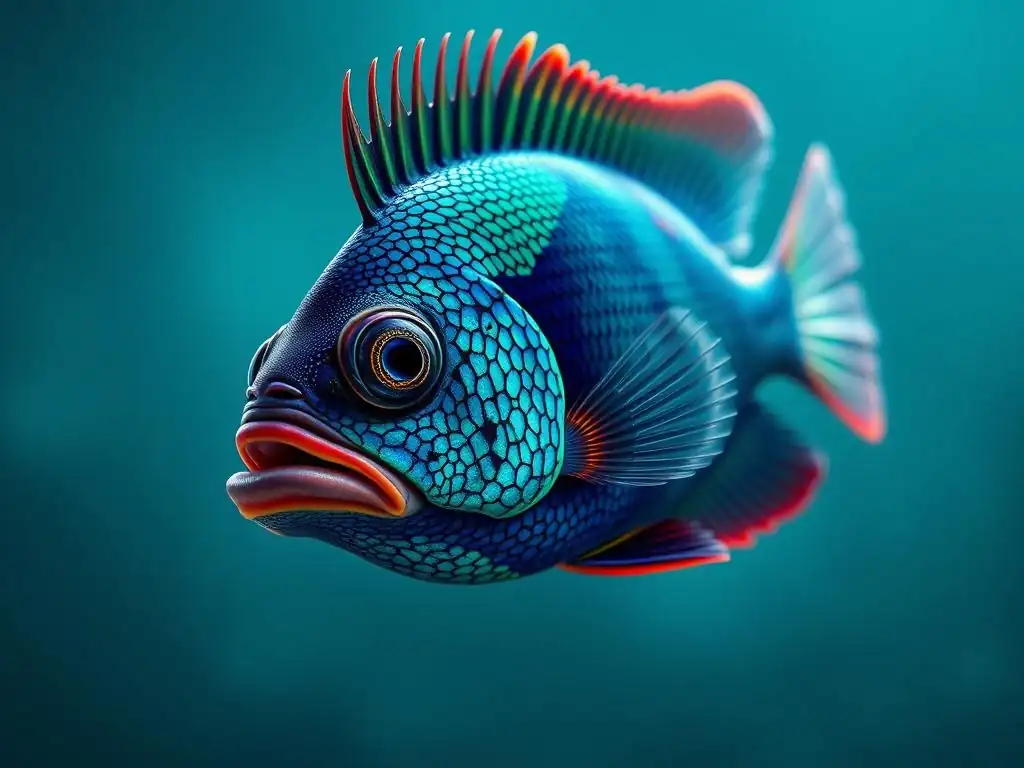
Male Peacock cichlids are inherently driven by their reproductive instincts, which are a primary catalyst for Peacock cichlid aggression. During breeding cycles, males become intensely territorial and display an amplified desire to establish and defend prime spawning sites. They will vigorously court females within their claimed territory, displaying their most brilliant colors and performing elaborate fin-flaring rituals. This innate drive to reproduce and secure breeding rights from rivals is a fundamental aspect of their behavior.
This breeding-related aggression manifests as heightened competition among males. They will engage in elaborate displays of dominance, including parallel swimming, tail slapping, and even direct physical confrontations, to intimidate or drive away rival males. The goal is to ensure their genetic propagation, making this form of aggression particularly potent and difficult to suppress entirely. While it is a natural behavior, in the confined space of an aquarium, it necessitates proactive Peacock cichlid aggression control measures to prevent harm to less dominant individuals.
Competition for Resources: Food and Territory
In the artificial environment of an aquarium, limited resources significantly intensify male Peacock cichlid rivalry. Food, while often provided in abundance by the aquarist, can still become a point of contention if not distributed effectively. Dominant males may attempt to monopolize feeding areas, preventing subdominant fish from getting enough to eat, leading to stress and malnutrition for the weaker individuals.
Territory is another critical resource that fuels Peacock cichlid aggression. Male Peacocks will claim specific areas, such as a rock formation, a cave, or a patch of sand, and defend it fiercely against any perceived intruder, regardless of species. This constant competition for prime real estate leads to ongoing skirmishes and stress throughout the tank. For example, a male might claim a prominent rock cave as his own, aggressively chasing away any other fish that dares to approach within a foot of it, creating a perpetual state of vigilance and conflict for other inhabitants.
Impact of Water Quality on Aggression Levels
Poor water quality is a silent but significant contributor to increased Peacock cichlid aggression. High levels of ammonia, nitrite, or nitrate, along with incorrect pH or temperature fluctuations, create a chronically stressful environment for fish. When fish are stressed, their immune systems are compromised, making them more susceptible to disease, and they often become more irritable and prone to aggressive behaviors. A fish that feels unwell or is constantly battling poor water conditions is more likely to lash out at tank mates.
Peacock cichlids thrive in stable water conditions that mimic their natural Lake Malawi environment. This typically means a pH range of 7.8 to 8.6, a temperature between 76-82°F (24-28°C), and moderate to hard water with a general hardness (GH) of 10-20 dGH. Deviations from these optimal parameters, such as a sudden drop in pH or an increase in nitrates above 20 ppm, can directly impact their well-being, leading to physiological stress that often manifests as heightened Peacock cichlid aggression and a general decline in fish health.
Effective Strategies for Aggression Control
Tank Setup and Aquascaping for Reduced Aggression
Thoughtful tank setup and aquascaping are fundamental pillars of effective Peacock cichlid aggression control. It's not merely about aesthetics; it's about creating a functional environment that minimizes conflict and provides security for all inhabitants. The layout of rocks, caves, and substrate can dramatically influence how fish interact and establish territories, directly impacting the overall peace of the aquarium.
A well-designed aquascape should aim to break up sight lines and create numerous distinct territories and escape routes. Utilizing a variety of rock formations, ceramic caves, and even carefully placed driftwood can transform an open tank into a complex landscape where fish can stake claims without constantly being in direct view of rivals. This strategic approach to decor is essential for mitigating territorial disputes and reducing stress.
Creating Visual Barriers and Hiding Places
Creating abundant visual barriers and hiding places is a cornerstone of Peacock cichlid aggression control. Tall rock structures, stacked slate, ceramic caves, or even PVC pipes discreetly hidden behind rocks can serve this purpose. The primary goal is to provide numerous retreats where subdominant or harassed fish can escape the attention of aggressive tank mates, breaking the line of sight and allowing them to de-stress.
A densely decorated tank, while requiring more effort for cleaning, offers multiple territories and safe havens. For example, arranging large rocks to form several small, distinct "caves" or "alcoves" ensures that no single male can dominate the entire tank's prime real estate. This strategic placement helps diffuse aggression by providing alternative territories and safe zones, directly contributing to a more peaceful environment for all Peacock cichlids.
Maintaining Optimal Water Parameters
Maintaining stable and optimal water parameters is crucial for preventing stress-induced Peacock cichlid aggression. Regular testing of the water for ammonia, nitrite, nitrate, and pH levels is essential, ideally on a weekly or bi-weekly basis. Consistent water quality reduces physiological stress on the fish, making them less irritable and less prone to aggressive outbursts.
Specific parameters are vital for Peacock cichlids: a pH range of 7.8-8.6, a temperature of 76-82°F (24-28°C), and hard water. For instance, an accumulation of nitrates above 20 parts per million (ppm) can lead to chronic stress, weakened immune systems, and conditions like fin rot, all of which contribute to increased aggression. By consistently maintaining nitrates below 10 ppm through regular water changes, aquarists can significantly reduce the likelihood of water quality-related Peacock cichlid aggression.
Choosing Compatible Tank Mates
Selecting appropriate tank mates is a critical decision for effective Peacock cichlid aggression control. Compatible species should share similar water parameter requirements and temperament but should not be so similar in appearance or behavior as to directly compete with or trigger aggression from Peacock cichlids. Introducing fish that occupy different levels of the water column can also help distribute space more effectively.
Generally, suitable tank mates include other peaceful Aulonocara species (if the tank is large enough to support multiple territories), certain larger, peaceful Haplochromis species, or robust, bottom-dwelling catfish like Synodontis species. It is generally advisable to avoid mixing Peacock cichlids with highly aggressive Mbuna cichlids, as Mbuna are notoriously more territorial and possess different dietary needs, which can lead to increased conflict and stress for the Peacocks.
Avoiding Aggression Triggers with Species Selection
When choosing tank mates, it is important to avoid species that mimic the appearance of male Peacock cichlids, as this can trigger territorial aggression. Other brightly colored, male cichlids, especially those with similar body shapes or finnage, are often perceived as rivals. For instance, introducing a similarly sized, bright blue male cichlid (even of a different genus) into a tank with a dominant male Peacock can immediately spark intense rivalry and Peacock cichlid aggression.
Furthermore, considering the natural behaviors of potential tank mates is key. Fast-moving, schooling fish that do not compete for territory can be excellent additions. Conversely, slow-moving or timid species are likely to become targets for aggression. By carefully selecting species that minimize direct competition for space and do not trigger male-on-male rivalry displays, aquarists can significantly contribute to a peaceful environment.
Dither Fish: Their Role in Reducing Aggression
Dither fish are a valuable tool in Peacock cichlid aggression control. These are typically fast-moving, peaceful, and robust fish that are too large to be considered prey but not large enough to pose a threat. Their constant, calm movement throughout the upper and middle water columns provides a visual cue to the cichlids that no predators are present, making the cichlids feel more secure. This increased sense of security often encourages the cichlids to be more outgoing and less focused on internal squabbles.
Examples of effective dither fish include larger Rainbowfish species (e.g., Boeseman's Rainbowfish), Giant Danios, or certain larger, peaceful Barbs like Congo Tetras. These species should also prefer similar water parameters to Peacock cichlids. By reducing overall stress and encouraging natural behavior, dither fish can help to diffuse tension and reduce instances of Peacock cichlid aggression among the tank's primary inhabitants.
Dietary Management and Feeding Strategies
Proper dietary management and thoughtful feeding strategies play a significant, often underestimated, role in Peacock cichlid aggression control. A well-fed fish is generally less stressed and less likely to engage in aggressive behaviors stemming from hunger or competition. Consistent and appropriate nutrition directly impacts their overall health, energy levels, and temperament.
It is crucial to provide a high-quality cichlid pellet or flake specifically formulated for carnivorous or omnivorous cichlids, supplemented with occasional treats like brine shrimp, Mysis shrimp, or spirulina flakes. Ensuring that the food is easily accessible to all fish, not just the dominant ones, is key to preventing food-related aggression and maintaining a harmonious environment.
Preventing Food Aggression: Feeding Techniques
To prevent food aggression, which often stems from competition during feeding times, aquarists can employ specific techniques. Spreading food over a wide area of the tank, rather than dropping it all in one spot, ensures that all fish have an opportunity to eat, preventing dominant individuals from monopolizing the food source. Feeding smaller amounts multiple times a day (e.g., 2-3 small feedings) instead of one large meal can also reduce intense competition and satisfy the fish more consistently.
For larger tanks or particularly aggressive setups, using multiple feeding spots or even specialized feeders can further minimize direct competition. For instance, dropping food simultaneously at opposite ends of the tank encourages fish to spread out. This simple but effective approach minimizes the likelihood of skirmishes during feeding, contributing significantly to overall Peacock cichlid aggression control.
Nutritional Needs: Maintaining Health and Reducing Stress
Understanding and meeting the specific nutritional needs of Peacock cichlids is vital for their health and temperament. Being primarily carnivores, their diet should be rich in protein, typically requiring a protein content of 40-50% in their primary dry food. High-quality ingredients such as fish meal, krill, and spirulina contribute to their vibrant coloration and robust health. A balanced diet prevents nutritional deficiencies that can lead to stress, lethargy, and increased aggression.
It is equally important to avoid overfeeding or providing inappropriate foods, such as diets too high in vegetable matter (which are suitable for Mbuna but can cause bloat in Peacocks). Overfeeding can lead to poor water quality, while an improper diet can cause internal health issues, both of which contribute to stress and heighten Peacock cichlid aggression. A healthy, well-nourished fish is inherently less likely to exhibit excessive or chronic aggression.
Managing Existing Aggression Issues
Quarantine and Reintroduction Techniques
When an aggressive Peacock cichlid is causing severe problems, temporary removal through quarantine can be an effective Peacock cichlid aggression control measure. The purpose of quarantining the aggressive fish is to break its established territory and dominance within the main tank. This requires a separate, adequately sized hospital or quarantine tank, ideally 20-30 gallons (75-113 liters), equipped with filtration and heating. The aggressive fish should be isolated for several days to a few weeks, allowing the main tank's hierarchy to reset.
Upon reintroduction, the main tank's decor should ideally be rearranged significantly. This disrupts all existing territories, forcing all fish, including the previously aggressive one, to establish new claims. Reintroducing the aggressive fish last can sometimes help, as it enters an already established, albeit temporarily disrupted, community. However, this technique is not foolproof, and careful observation is required to ensure the aggression does not immediately resume.
Using Tank Dividers for Temporary Separation
Tank dividers offer a practical, temporary solution for Peacock cichlid aggression control within the main display tank. These clear, perforated plastic or mesh barriers allow the aggressive fish to see its tank mates but prevent physical interaction. This gives both the aggressor and the bullied fish a much-needed break from constant stress and potential injury.
Dividers are particularly useful in scenarios where one fish is severely stressed, injured, or during initial introductions to gauge compatibility without immediate physical conflict. They can also be employed when a male is relentlessly harassing a female for breeding, allowing the female respite. While effective for immediate intervention, tank dividers are typically a short-term measure and do not solve the underlying causes of aggression, necessitating further adjustments to the tank environment or stocking.
Observation and Intervention: Monitoring Behavior
Diligent observation is perhaps the most crucial ongoing aspect of Peacock cichlid aggression control. Aquarists should spend time daily watching their fish, not just during feeding, to spot early signs of aggression. This includes noticing subtle chasing, fin nipping, or any fish constantly hiding or exhibiting stress colors. Consistent monitoring allows for proactive intervention before minor squabbles escalate into serious injuries or fatalities.
Early intervention is key. If a fish is consistently bullied, exhibiting torn fins, or refusing to eat, immediate action is required. This might involve rearranging decor, removing the aggressive fish (either temporarily or permanently), or rehoming the fish if the aggression cannot be mitigated. Ignoring severe aggression can lead to chronic stress for the entire tank, suppressed immune systems, and ultimately, fish loss.
Long-Term Solutions for a Peaceful Aquarium
Maintaining a Stable Environment
Maintaining a stable environment is paramount for long-term Peacock cichlid aggression control. Consistency in water parameters, feeding schedules, and even the tank's decor prevents undue stress, which is a major trigger for aggression. Sudden changes, such as drastic water temperature shifts, significant pH fluctuations, or frequent rearrangement of decorations, can disorient and stress fish, leading to heightened territoriality and conflict.
Establishing a routine for tank maintenance, consistent lighting cycles (e.g., 10-12 hours per day), and predictable feeding times contributes significantly to a calm and secure aquarium environment. When fish feel safe and their environment is predictable, their natural stress responses are minimized, leading to more harmonious interactions. This proactive approach to stability is a cornerstone for preventing Peacock cichlid aggression over time.
Regular Water Changes: Preventing Water Quality Issues
Regular and consistent water changes are fundamental to preventing water quality issues, which directly impacts Peacock cichlid aggression. Performing weekly or bi-weekly water changes of 25-30% of the tank volume effectively removes accumulated nitrates, phosphates, and other waste products that can build up even in well-filtered tanks. This ensures consistently pristine water quality.
Clean water directly correlates with reduced stress and improved fish health. High levels of nitrates (above 20 ppm) can cause chronic stress, leading to weakened immune systems and increased irritability among fish. By maintaining nitrates below 10 ppm and keeping other parameters stable through routine water changes, aquarists significantly lower the likelihood of stress-induced Peacock cichlid aggression and promote overall well-being.
Proactive Measures: Preventing Aggression
The most effective long-term solution for Peacock cichlid aggression control lies in proactive planning and prevention. This begins before any fish are introduced: starting with an appropriately sized tank (75 gallons or more for multiple males), thoroughly researching species compatibility, and meticulously planning the aquascape to include ample hiding spots and visual barriers. Prevention is always more manageable than attempting to cure existing aggression issues.
Furthermore, careful consideration of the stocking order can be beneficial. Introducing less aggressive fish first, allowing them to establish themselves, before adding more assertive species can sometimes help. Alternatively, adding all fish simultaneously (if practical and safe) can help spread out initial territorial disputes. A holistic, preventative approach that considers tank size, decor, stocking, and water quality from the outset is the ultimate goal for a peaceful and thriving Peacock cichlid aquarium.
Preventing Aggression: Best Practices
Key Takeaways for a Harmonious Aquarium
Achieving a harmonious Peacock cichlid aquarium hinges on several key principles of Peacock cichlid aggression control. Foremost among these are providing an adequate tank size (minimum 75 gallons for a community setup), ensuring a proper male-to-female ratio (at least 3-4 females per male), and implementing complex aquascaping with numerous hiding spots and visual barriers. These foundational elements create the physical space and security necessary to diffuse territorial disputes.
Furthermore, selecting compatible tank mates that do not directly compete with or resemble male Peacocks, alongside maintaining pristine and stable water quality, are indispensable. These pillars collectively reduce stress and minimize triggers for aggression. Constant observation and early intervention remain crucial, allowing the attentive aquarist to address potential issues before they escalate, ensuring a peaceful and thriving Peacock cichlid display.
Resources for Further Learning
For aquarists committed to mastering Peacock cichlid aggression control and general care, a wealth of resources is available. Engaging with specialized online forums dedicated to African cichlids, such as those focusing on Lake Malawi cichlids, provides opportunities to learn from experienced hobbyists and share specific challenges and solutions. Reputable online databases and encyclopedias for fish species often contain detailed profiles on Aulonocara species, covering their specific care requirements, natural behaviors, and compatibility.
Additionally, investing in comprehensive books dedicated to African cichlids can offer in-depth knowledge regarding their natural habitats, social structures, and advanced husbandry techniques. Understanding the nuances of Peacock cichlid behavior is an ongoing process of learning and adaptation. Continuously seeking knowledge and engaging with the broader aquarist community will empower hobbyists to create and maintain the most peaceful and thriving environments for their beautiful Peacock cichlids.
Frequently Asked Questions
What are the primary reasons for aggression in Peacock Cichlids?
Aggression in Peacock Cichlids is primarily driven by male rivalry for dominance and breeding opportunities. These fish have a strong hierarchical structure.
How can I reduce aggression in my Peacock Cichlid aquarium?
You can reduce aggression by overstocking the tank (within reason), providing plenty of hiding places, and keeping a higher ratio of females to males.
What tank size is generally recommended for keeping Peacock Cichlids to minimize aggression?
A larger tank is crucial. Aim for at least a 75-gallon tank for a small group, and bigger is always better to provide more territory and space to reduce conflict.
What are some compatible tank mates for Peacock Cichlids to help diffuse aggression?
Consider larger, peaceful African Cichlids from the Malawi lake. Avoid overly aggressive or small, easily bullied species.
Are there specific water parameters that can affect Peacock Cichlid aggression levels?
Yes, maintaining stable water parameters is vital. Poor water quality can stress fish, leading to increased aggression and susceptibility to disease. Regularly test and adjust as needed.
Final Reflection: Taming the Rainbow's Fury
The insights shared throughout this article on Peacock Cichlid aggression are not merely academic; they are essential tools for responsible aquarists striving to create thriving, balanced ecosystems within their tanks. Understanding the nuances of male rivalry and implementing effective control strategies is crucial, not just for the well-being of these vibrant fish, but also for the long-term success and enjoyment of the hobby itself.
This journey into the complex social dynamics of Peacock Cichlids has highlighted the delicate balance between natural instincts and the artificial constraints of aquarium life. The responsibility we bear as keepers to understand and mitigate aggression is paramount, shaping not only the lives of these individual fish but also the perception of our hobby as one of care and respect. The greatness of a nation and its moral progress can be judged by the way its animals are treated.
- Mahatma Gandhi. This sentiment, while broad, applies directly to our stewardship of these magnificent creatures.
Now, armed with this knowledge, I encourage you to reflect on your own aquariums and practices. Are you providing adequate space, varied diets, and sufficient hiding places? Are you actively observing and adjusting your approach to minimize stress and aggression? Let us all strive to create environments where these "rainbows of the lake" can flourish, showcasing their beauty without succumbing to the destructive forces of unchecked rivalry. The future of Peacock Cichlid keeping depends on our commitment to responsible and informed care.
Transform Your Aquarium: Conquer Peacock Cichlid Aggression!
Thank you for diving into the world of Peacock Cichlids! Now that you're armed with the knowledge to understand and mitigate male rivalry, it's time to put that understanding into action and create a more peaceful and vibrant aquarium.
Here are some ways to start:
- Implement the "Overstocking with Purpose" method. Carefully introduce a higher density of Peacock Cichlids (within ethical limits!) to diffuse aggression and create a more harmonious environment. Monitor closely and adjust as needed.
- Explore creating a diverse habitat: Introduce varied rock structures and caves to provide ample hiding spots, reducing territorial conflicts. Consider incorporating plants (real or artificial) to break up sight lines.
- Share your experiences! Join our vibrant community at AquariumMastery.com and post photos of your aquarium setup and strategies for managing aggression. Let's learn from each other and elevate the art of Peacock Cichlid keeping.
What specific change will you make to your aquarium setup this week to reduce aggression and create a better environment for your Peacock Cichlids?